Plant Features
- Size: Typically 10–30 cm (4–12 in) tall; spreads outward into a low mat via creeping, fleshy stems.
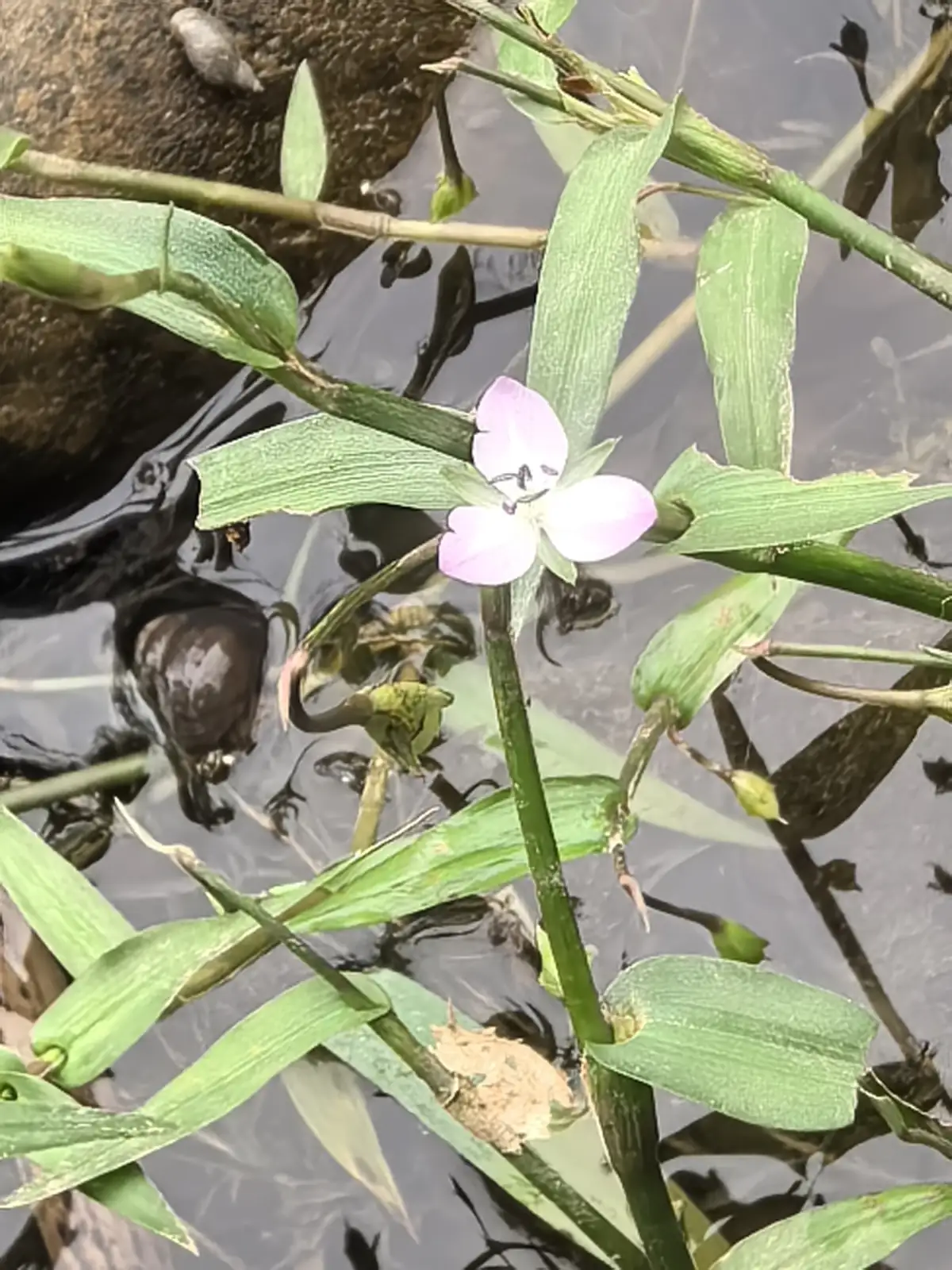
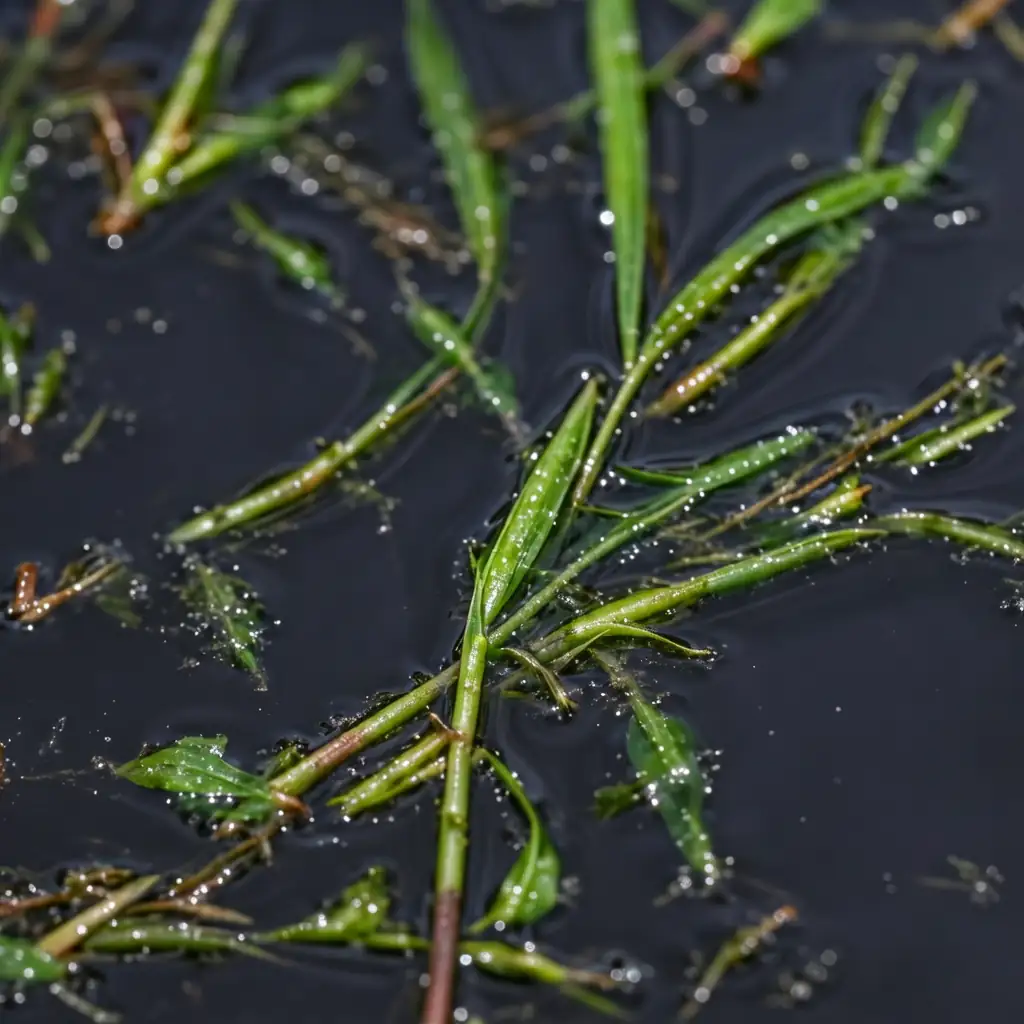
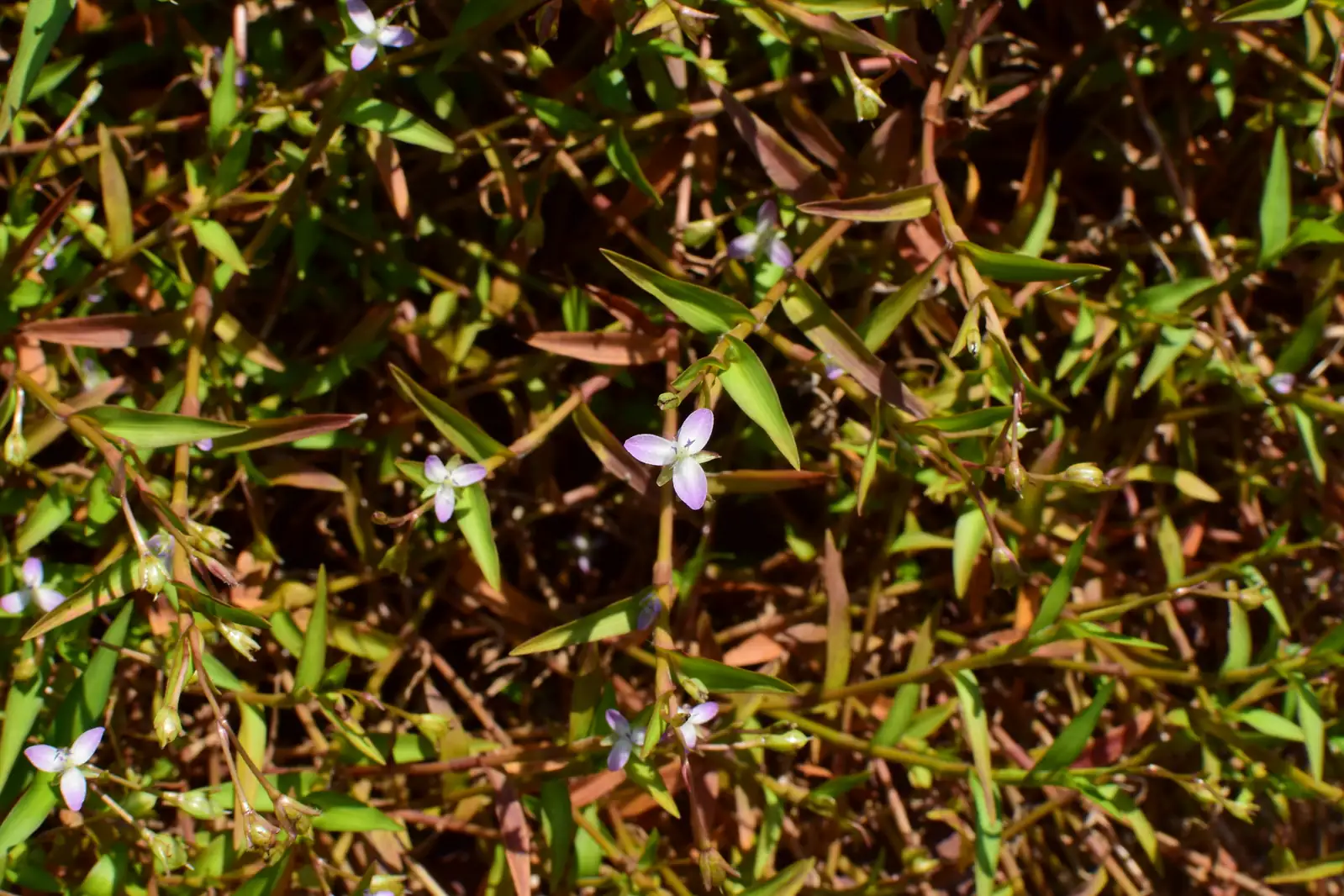
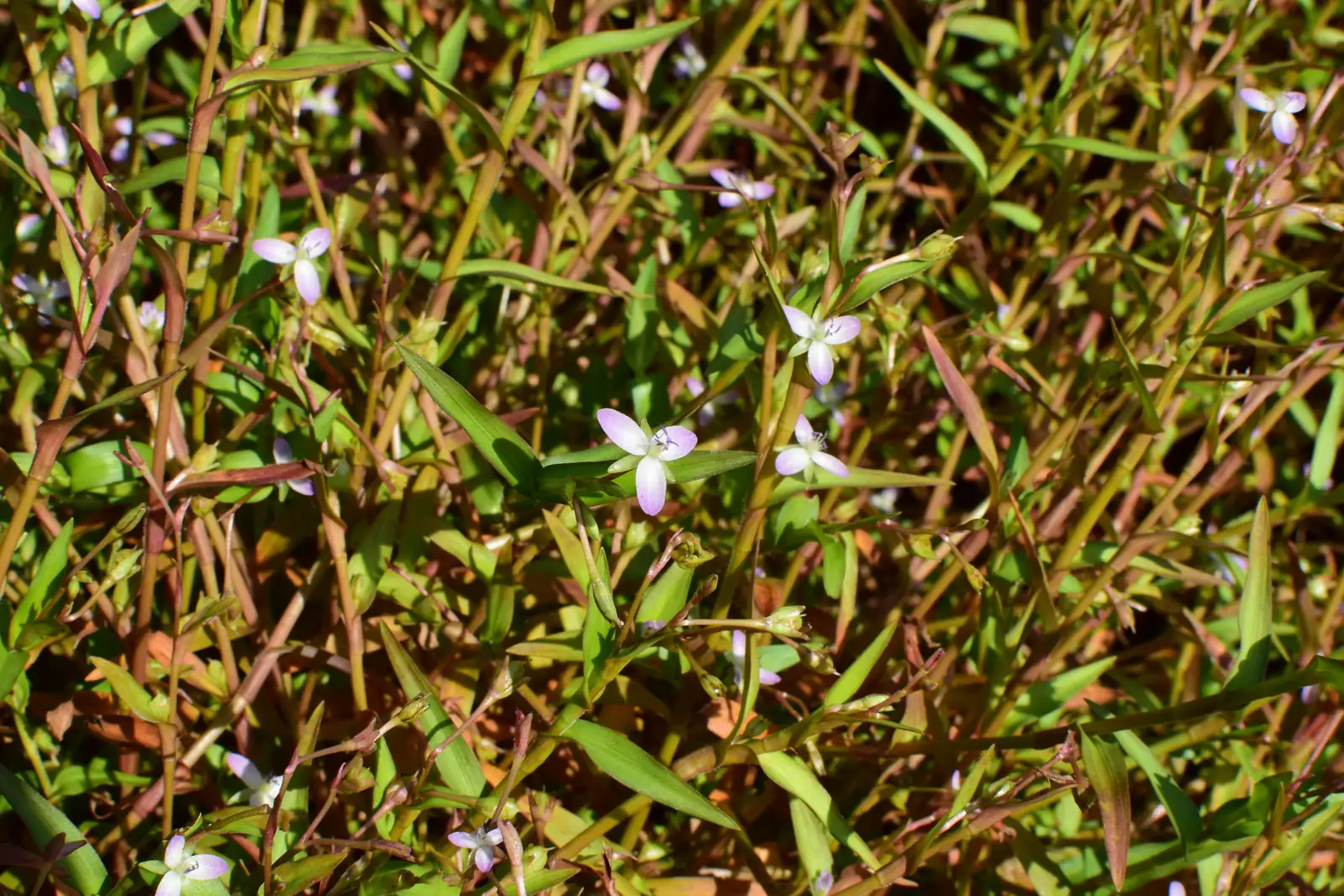
- Foliage: Leaves are narrow and bamboo-like, usually sessile (lacking a clear petiole). The stems are fleshy; the lower portions creep along the ground and readily form roots at the nodes, helping the plant spread and anchor in soft, wet soils.
- Flower: Small, delicate three-petaled flowers in pink, purplish-red, or bluish-purple tones. After flowering, it produces an ovoid, three-angled capsule (fruit).
- Flowering Season: September–October
- Growth Habit: Low-growing perennial herb; creeping, node-rooting stems that form spreading mats and can look clump-forming in consistently damp sites.
Environment
Sunlight
Shade to partial shade is ideal; happiest in dappled light where the soil stays consistently damp.
Temperature
Grows best in mild to warm conditions around 15–30°C (59–86°F). Protect from hard frost.
Humidity
Prefers high humidity and consistently moist air/soil conditions; doesn’t enjoy drying out.
Soil
Moist to wet, moisture-retentive soil; tolerates waterlogged conditions. Well suited to pond margins, marshy ground, ditches, and wet woodland soils.
Placement
Great for pond edges, bog or wetland-style gardens, shaded low spots that stay damp, drainage swales/ditches, and naturalistic plantings near water (including rice-paddy-like settings).
Hardiness
Generally not frost-hardy; best as a warm-climate perennial or a self-seeding wetland plant in mild-winter regions (about USDA Zone 9–11).
Care Guide
Difficulty
Easy—so long as you meet its main demand: steady moisture. It tends to struggle in dry heat or if pots dry out.
Buying Guide
Pick plants with firm, crisp stems and healthy green leaves. Avoid specimens that have dried out completely, or any with soft/mushy stems that may signal rot.
Watering
Keep soil consistently moist to wet. In containers, don’t let it dry out; in warm weather you can stand the pot in a shallow tray of water. In cooler conditions, reduce watering slightly so the mix doesn’t become stale and cold-soggy.
Fertilization
Usually minimal feeding is needed in fertile wet soils. In containers, use a balanced fertilizer diluted to 1/4–1/2 strength every 4–6 weeks during active growth (spring–summer).
Pruning
Trim sprawling, damaged, or overlong stems any time to tidy the patch and encourage fresh growth. Remove spent stems if you want to reduce self-seeding.
Propagation
Naturally spreads by self-seeding and by stems that root at the nodes. Very easy to propagate by division or by stem cuttings with at least 1–2 nodes; keep warm and very moist until rooted.
Repotting
Repot or divide when crowded, usually every 1–2 years. Use a moisture-retentive mix and keep evenly wet after repotting while it re-establishes.
📅 Seasonal Care Calendar
Flowering: September–October. Fruiting: October–November. Keep it consistently wet through the growing season; in suitable wetland plantings you can allow it to spread naturally for a soft, living groundcover.
Pests, Diseases & Safety
Common Pests & Diseases
Generally trouble-free in appropriate wet conditions. In containers, rot can occur if the mix is cold and stagnant; if grown too dry indoors, occasional aphids or spider mites may appear.
Toxicity
No specific toxicity is widely reported. It has a history of use as an edible wild green (young shoots/leaves) in some areas—only eat if identification is certain and the plant is collected from clean, non-polluted water/soil.
Culture & Symbolism
Uses: A naturalistic groundcover for shady wet places such as wetlands, pond margins, and damp woodland gardens. Also used as forage in some contexts; tender young stems and leaves have been eaten as a wild vegetable in certain regions.
FAQ
When does it flower?
Typically September–October.
When does it set fruit?
Usually October–November, producing a distinctive three-angled capsule.
Where does it usually grow in the wild?
Commonly along rice paddies, wet ditches, marshes, and pond margins in shady, damp habitats—especially in southeastern China.
Is it edible?
In some regions, tender young shoots and leaves have been eaten. Only consume if you’re confident in identification and the plant comes from a clean, uncontaminated site.
How tall does it get?
About 10–30 cm (4–12 in) tall, spreading outward to form a low mat.
Fun Facts
- Its stems can root at the nodes wherever they touch damp ground, helping it spread fast and stabilize wet soils.
- Flower color can shift from pink to purplish-red to bluish-purple, adding subtle late-season color in shade.
- The fruit is a neat, diagnostic feature: a three-angled capsule.
- It often shows up in human-made wet habitats like rice-field edges and irrigation ditches, where conditions mimic natural wetlands.