Plant Features
- Size: Typically 40–60 cm (16–24 in) tall, forming spreading clumps.
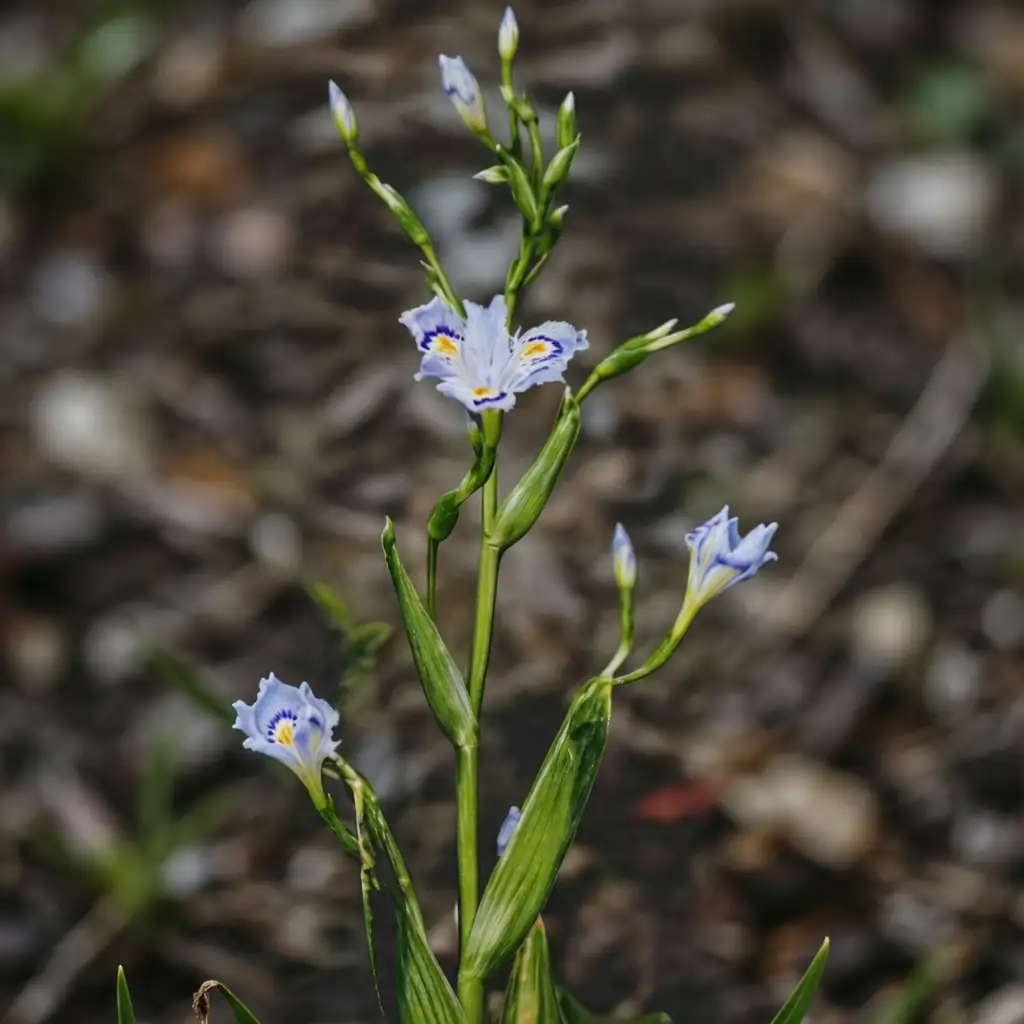
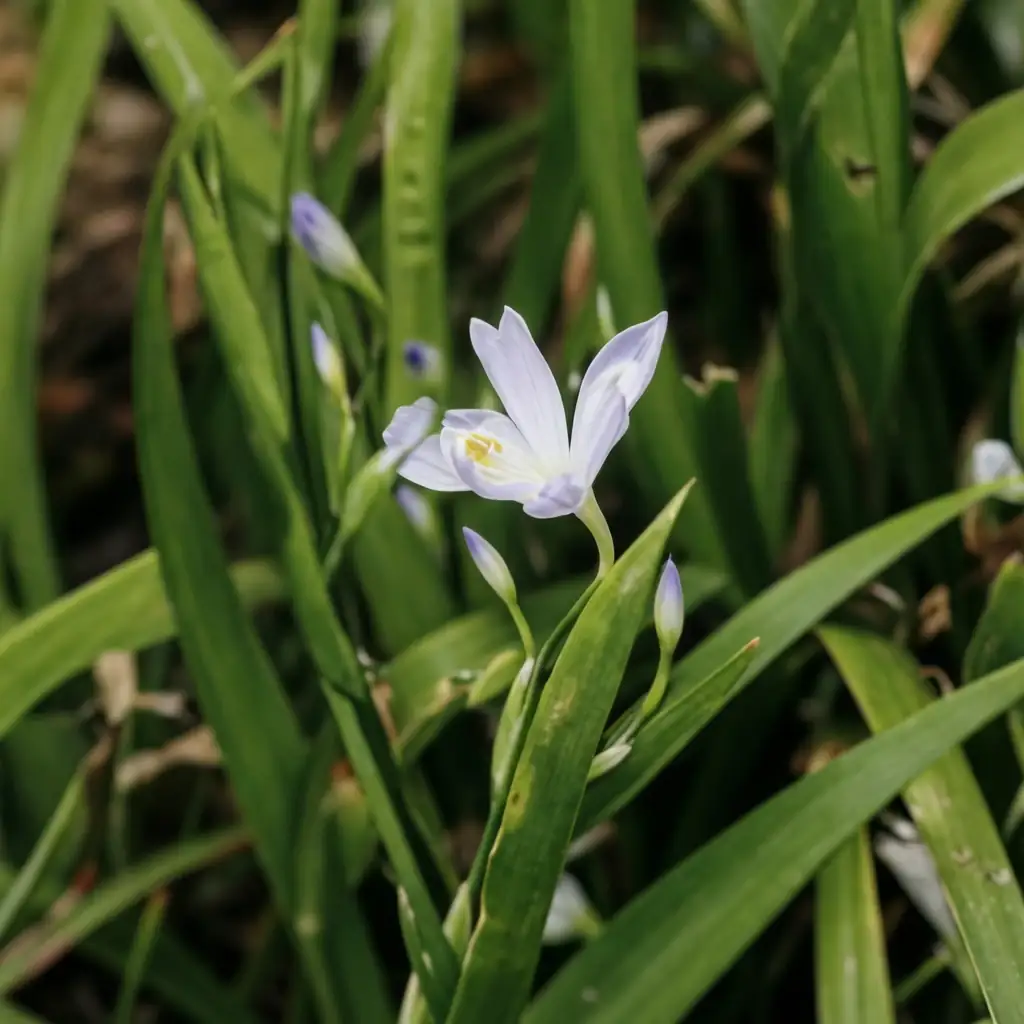
- Foliage: Basal, strap-shaped leaves that are dark green and glossy, forming dense fan-like clumps from the base.
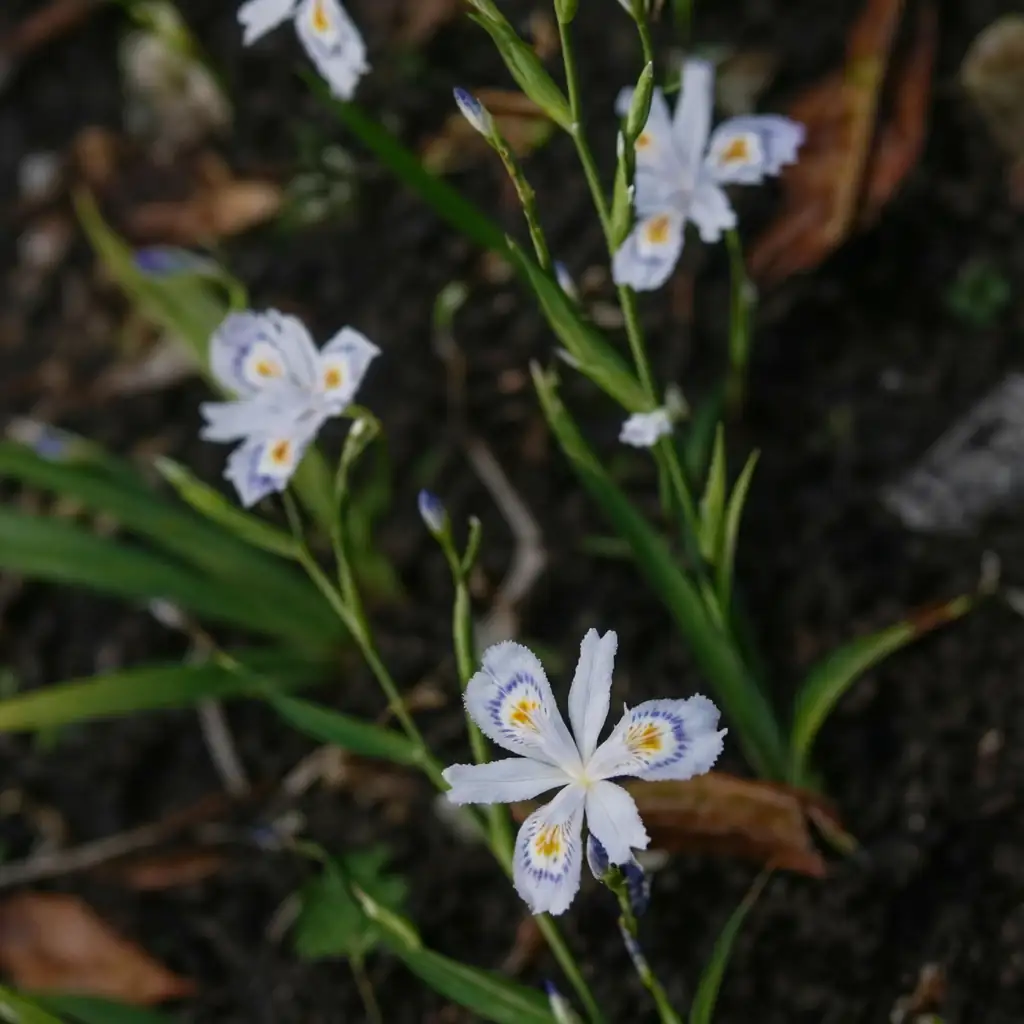
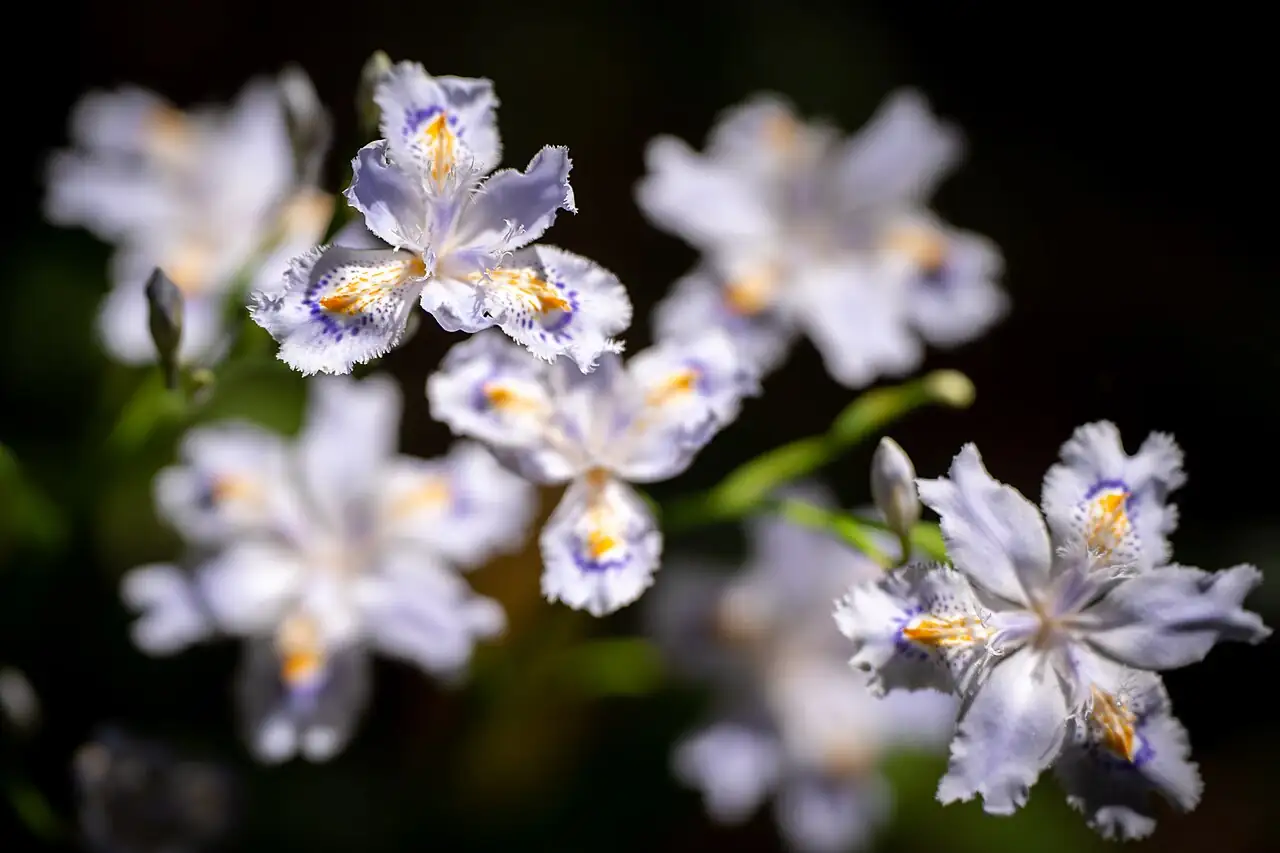
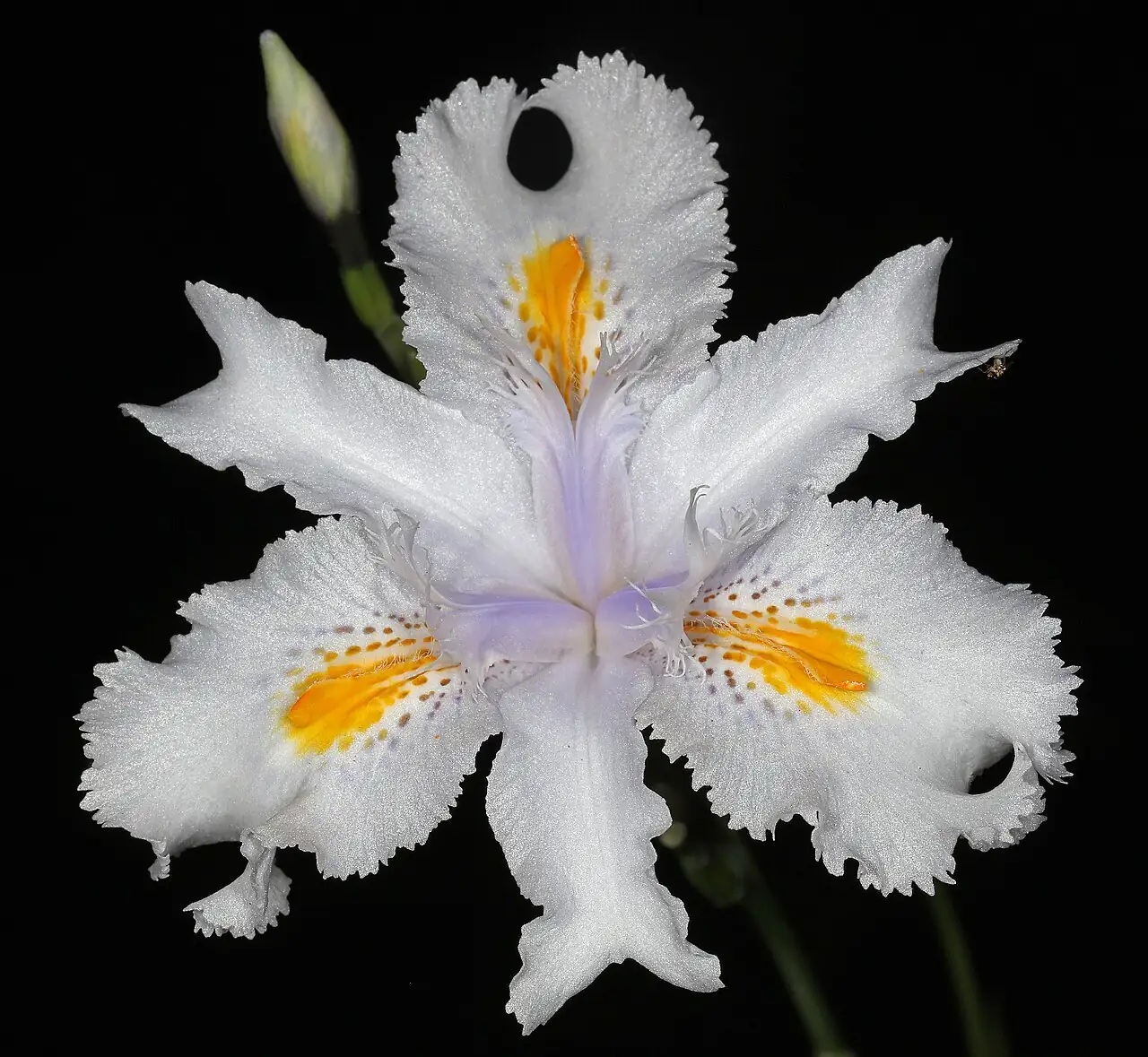
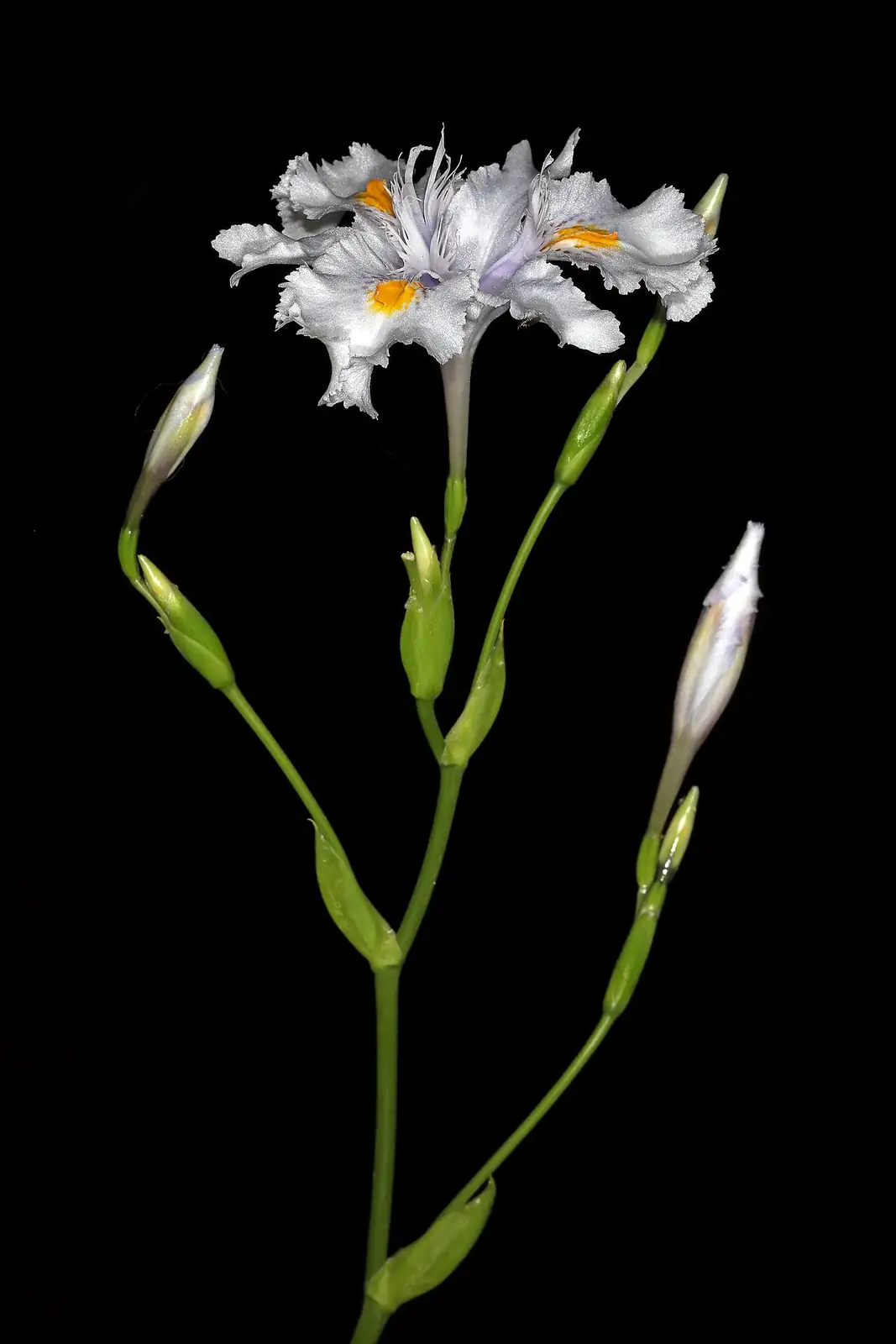
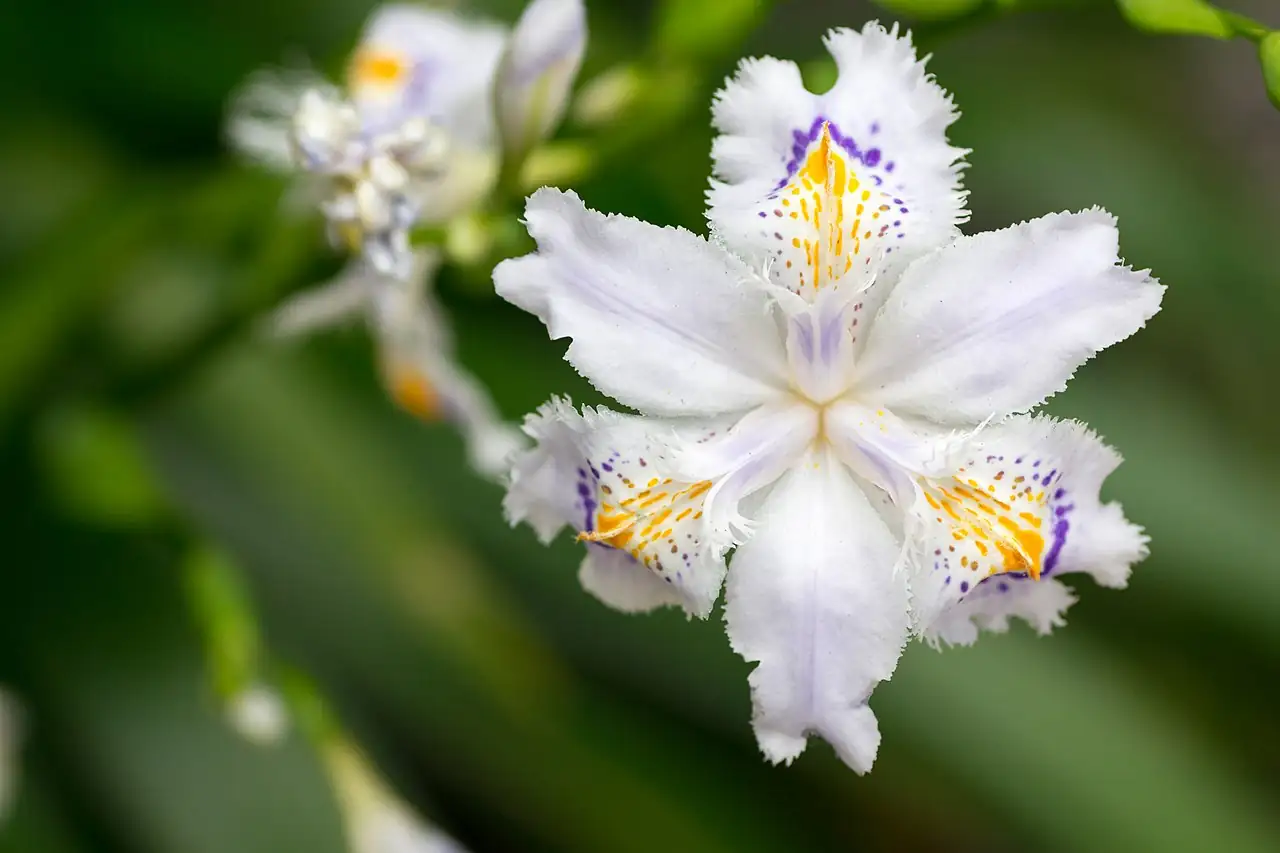
- Flower: Flowering stems rise above the foliage and carry a sparse, lightly branched cluster with several blooms. Flowers are pale blue to blue‑violet with distinctly fringed lobes; after flowering, an oval to cylindrical seed capsule may form.
- Flowering Season: March–April (spring)
- Growth Habit: Clump-forming, rhizomatous perennial with basal leaf fans; gradually spreading and capable of naturalizing in suitable moist sites.
Environment
Sunlight
Full sun to partial shade; performs best with bright light and some protection from harsh afternoon sun in hot climates.
Temperature
Prefers mild to warm growing-season conditions; grows well around 15–25°C (59–77°F).
Humidity
Likes moderately humid conditions and evenly moist soil; does well where air and soil don’t dry out excessively.
Soil
Moist but well-drained soil; adaptable, and once established can tolerate mildly alkaline soil and some salinity. Avoid stagnant, waterlogged conditions to prevent rhizome rot.
Placement
Great for garden borders, woodland-edge and open-woodland plantings, massing in beds, and naturalistic grassy areas; also suitable for large containers placed outdoors in bright positions.
Hardiness
Generally hardy in USDA Zone 7–10 (approx. −17 to −1°C / 1 to 30°F), depending on local conditions; protect from severe freezes, especially in containers.
Care Guide
Difficulty
Easy to moderate: dependable once established, and happiest with consistent moisture and good light for strong flowering.
Buying Guide
Look for firm, healthy rhizomes and clean, glossy leaves. Avoid plants in sour-smelling, soggy potting mix or with soft, rotting rhizomes.
Watering
Keep evenly moist during active growth. Water when the top 2–3 cm (about 1 in) of soil begins to dry. In cooler seasons, reduce watering, but don’t let the clump stay bone-dry for long periods.
Fertilization
Feed in early spring with a balanced slow-release fertilizer (follow label directions), or give a light monthly feed from spring to early summer. Avoid heavy nitrogen, which can produce lush leaves with fewer flowers.
Pruning
Remove spent flower stems after blooming. Trim damaged or yellowing leaves anytime; tidy old foliage in late winter to early spring before new growth starts.
Propagation
Divide rhizomes after flowering or in early autumn. Replant so the rhizome sits at or just slightly below the soil surface, then water in well to help it re-establish.
Repotting
In pots, repot or divide every 2–3 years (or whenever the clump becomes crowded). Use a moisture-retentive but free-draining mix and a container with drainage holes.
📅 Seasonal Care Calendar
Spring (Mar–Apr): peak bloom—keep evenly moist and feed lightly. Late spring–summer (May–Aug): maintain steady moisture, remove spent stems, monitor for crowding. Autumn (Sep–Oct): a good time to divide and replant. Winter: water sparingly and protect container plants from hard freezes.
Pests, Diseases & Safety
Common Pests & Diseases
Can encounter aphids, slugs/snails, leaf spot, and (in some regions) iris borer. Prevent rot by avoiding waterlogged soil and improving airflow. Remove infected foliage promptly; use slug control and targeted insect management as needed.
Toxicity
Rhizomes and sap can irritate skin and may cause stomach upset if eaten by people or pets. It’s best to keep it away from curious children and animals that chew plants.
Culture & Symbolism
Symbolism: Often linked with elegance and the fresh feeling of spring. Irises are widely seen as symbols of hope and good news in garden tradition.
History & Legends: Long grown as an ornamental in East Asia, prized for its early-spring flowers and its ability to settle into moist, lightly shaded places and spread into attractive colonies over time.
Uses: Ornamental planting for borders, mass displays, woodland-edge gardens, and naturalistic grassy areas; also a beautiful feature plant for large outdoor containers.
FAQ
Why is my fringed iris not flowering?
The usual culprits are too much shade, an overcrowded clump, or high-nitrogen feeding. Move it to brighter light (sun to part shade), divide congested clumps, and switch to a balanced fertilizer rather than a nitrogen-heavy one.
Can it handle wet soil?
It loves consistent moisture, but not stagnant, waterlogged conditions. Aim for moist, well-drained soil—if the rhizomes stay soggy, improve drainage to prevent rot.
Fun Facts
- It’s widespread in China and naturally grows on moist grassy slopes, in open woodland, and along woodland edges.
- Those frilly, pale blue to blue‑violet flowers typically appear in early spring (March–April).
- Seed capsules often mature from late spring to early summer, around May–June in many climates.
- Compared with many ornamentals, it can tolerate mildly alkaline and somewhat saline soils once established—handy for tricky garden spots.