Plant Features
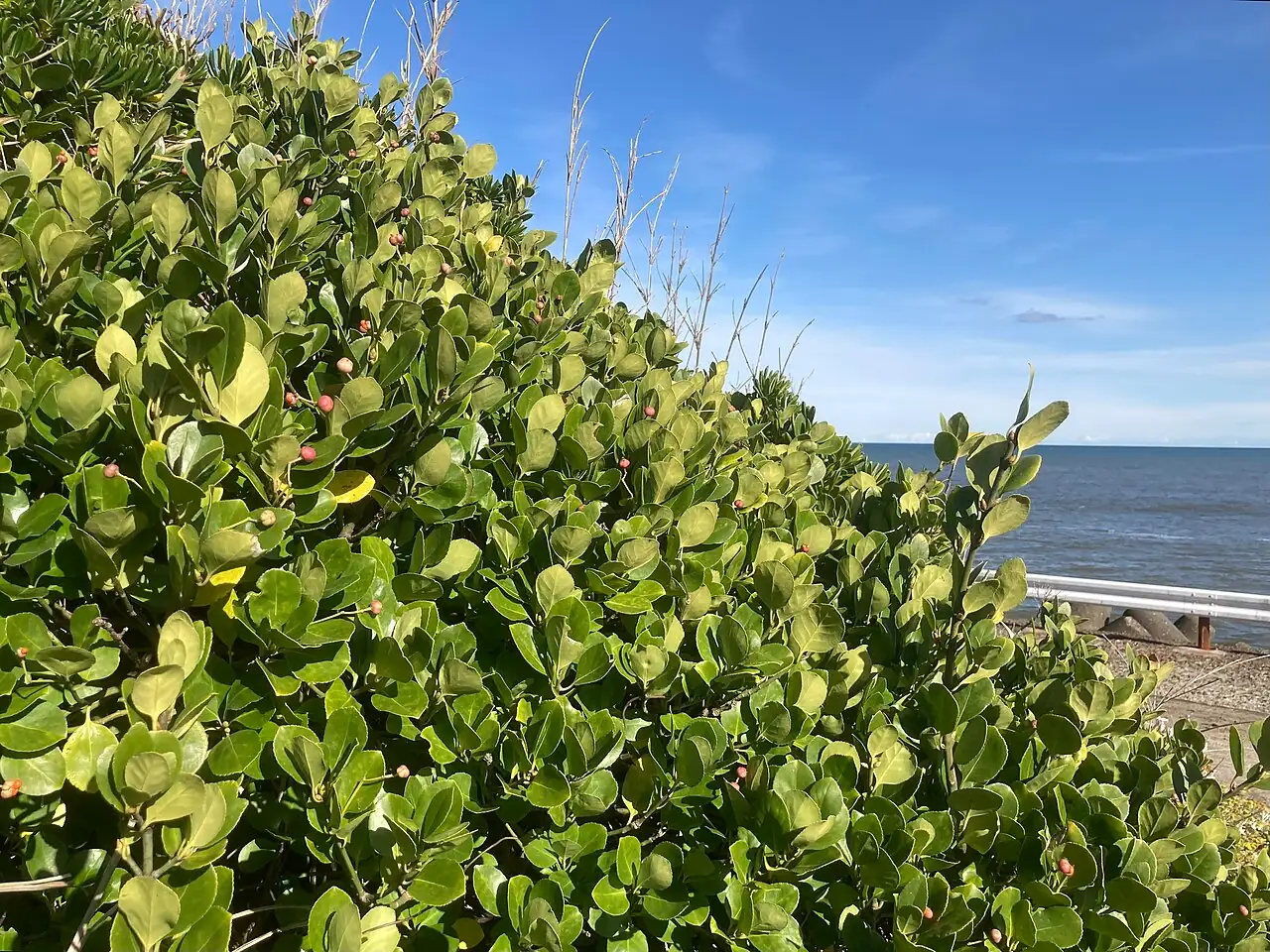
- Size: Typically 0.6–2.2 m (2–7.2 ft) tall; can be kept smaller with regular clipping or allowed to grow larger where conditions are favorable.
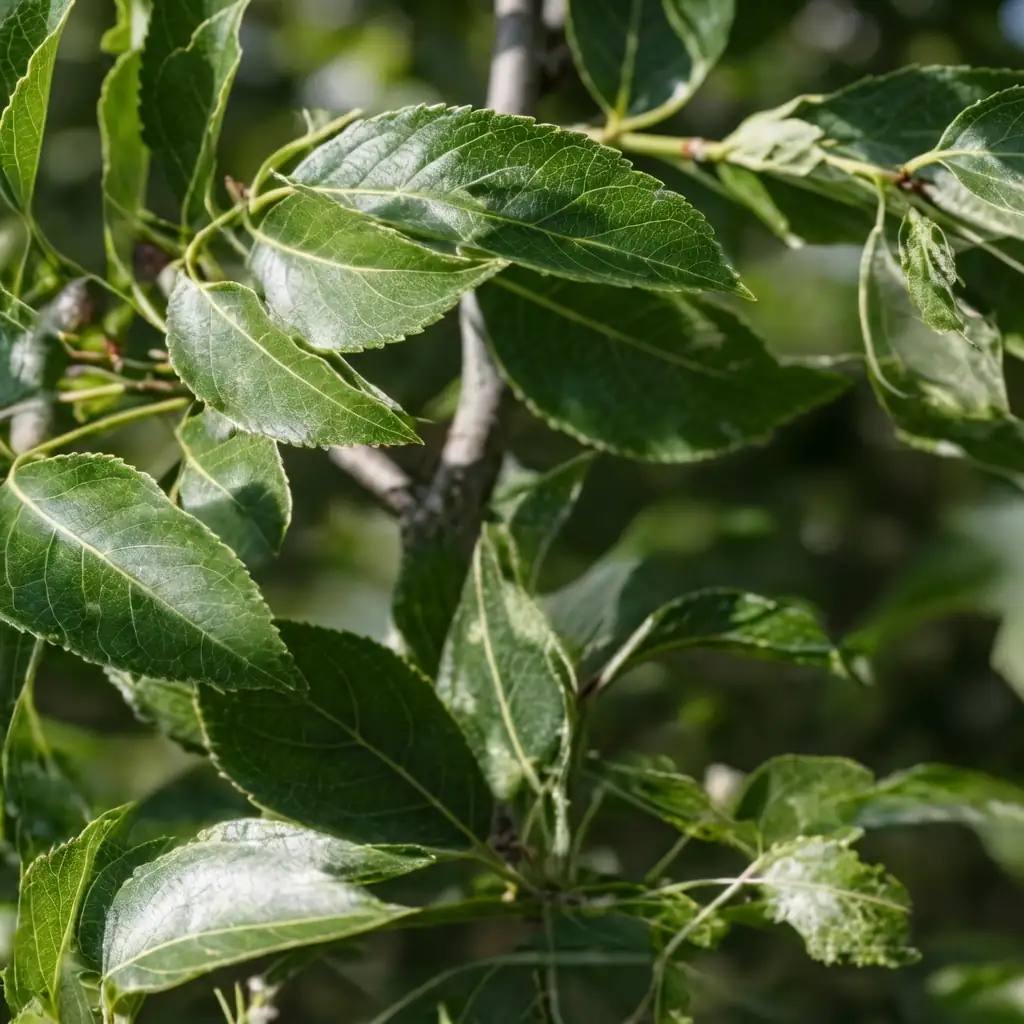
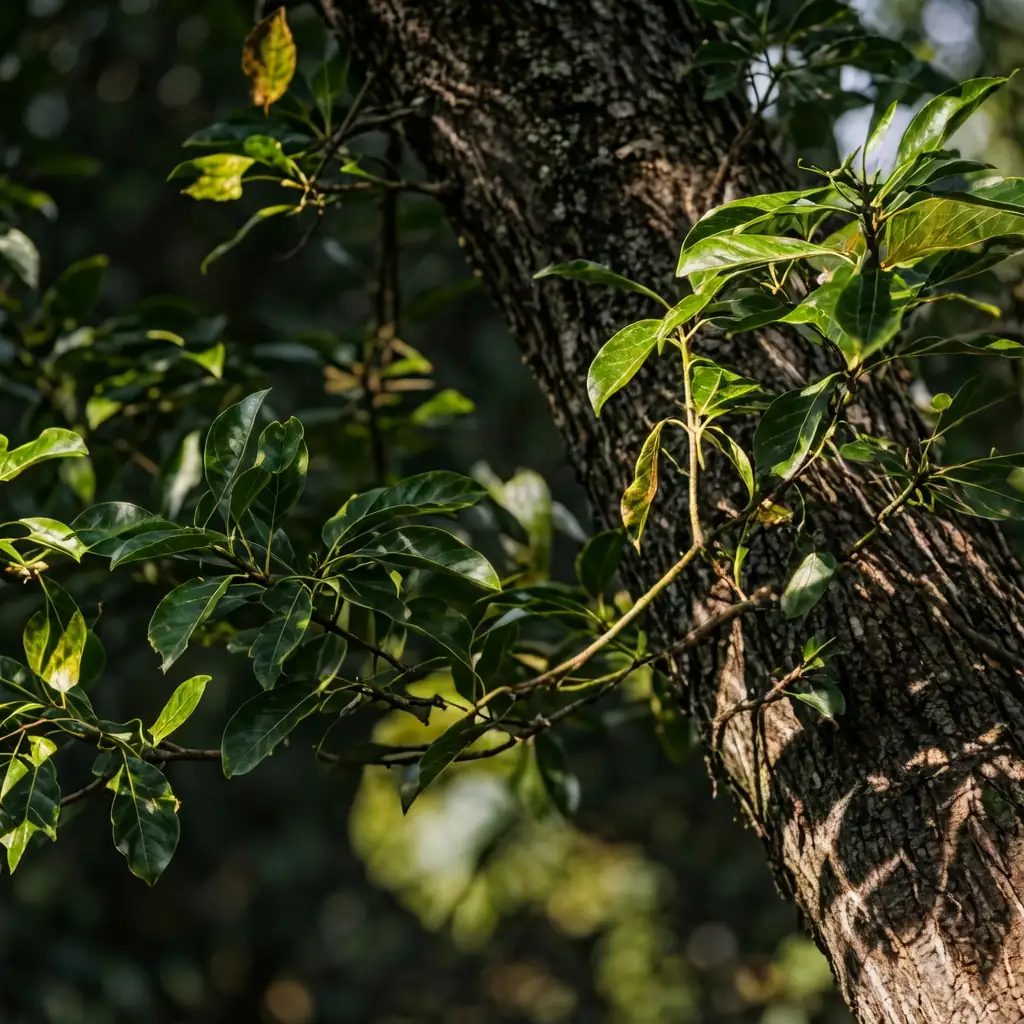
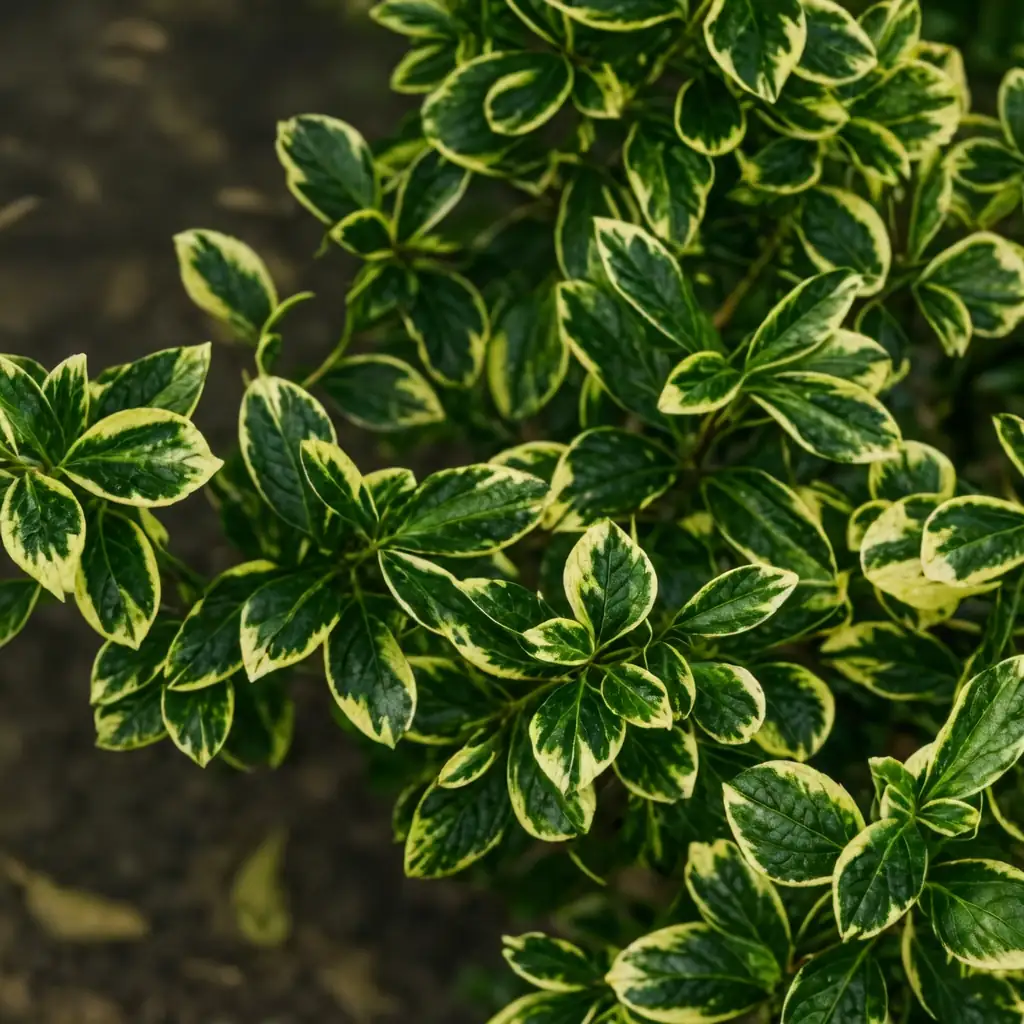
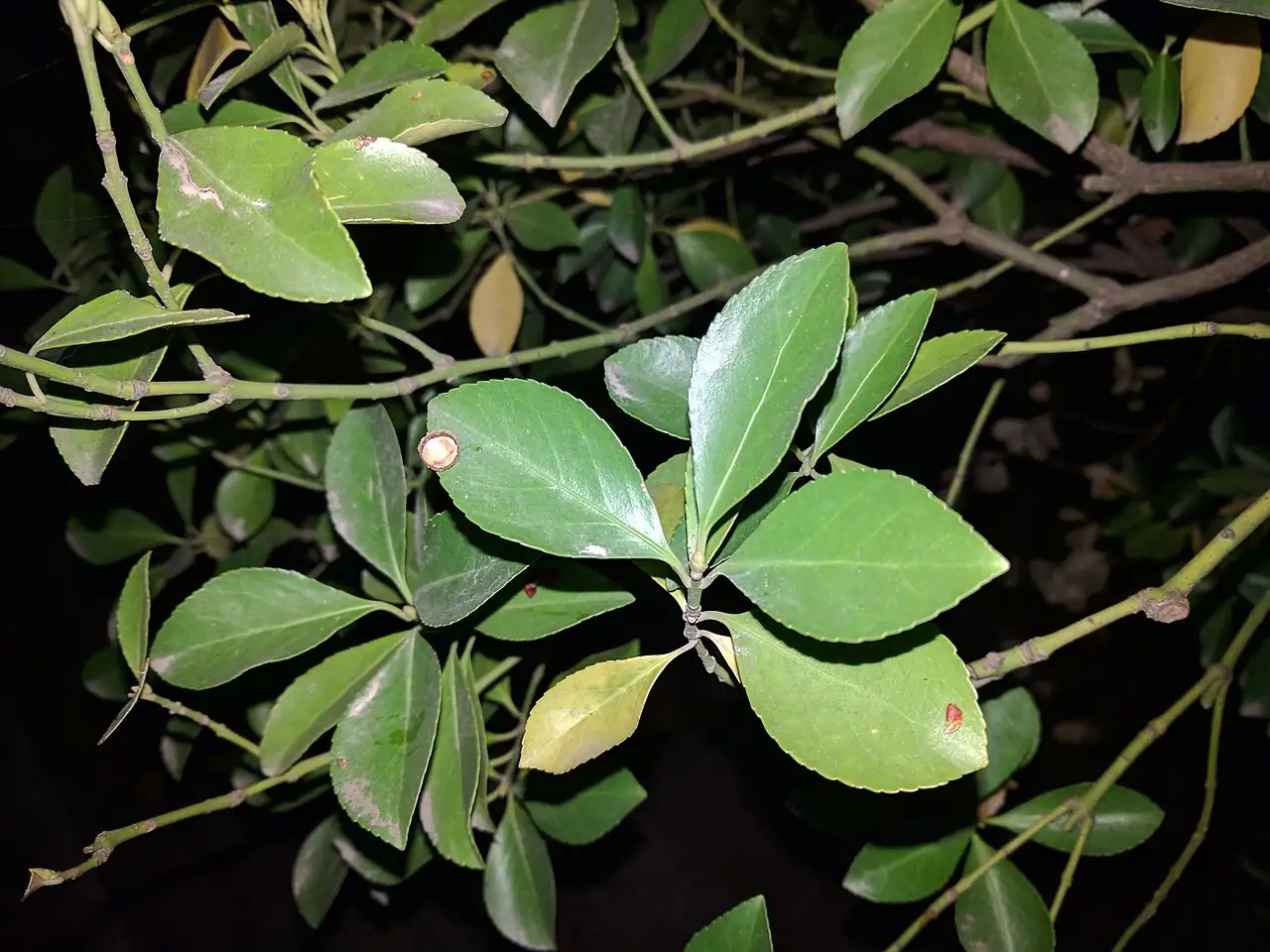
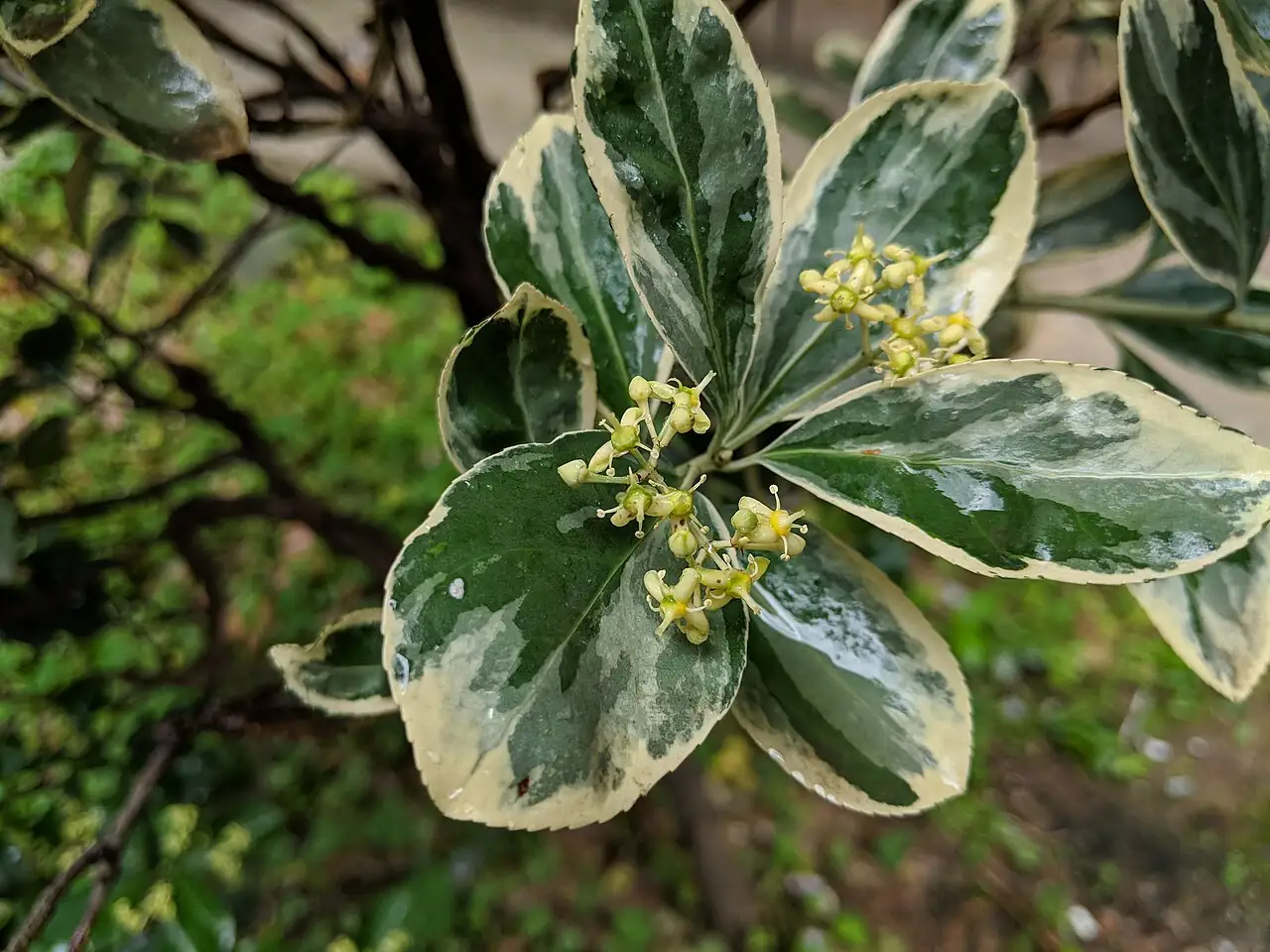
- Foliage: Evergreen leaves are thick, leathery, and glossy green with fine, blunt serrations. Young twigs are often noticeably four-angled (square in cross-section), which is a helpful ID clue.
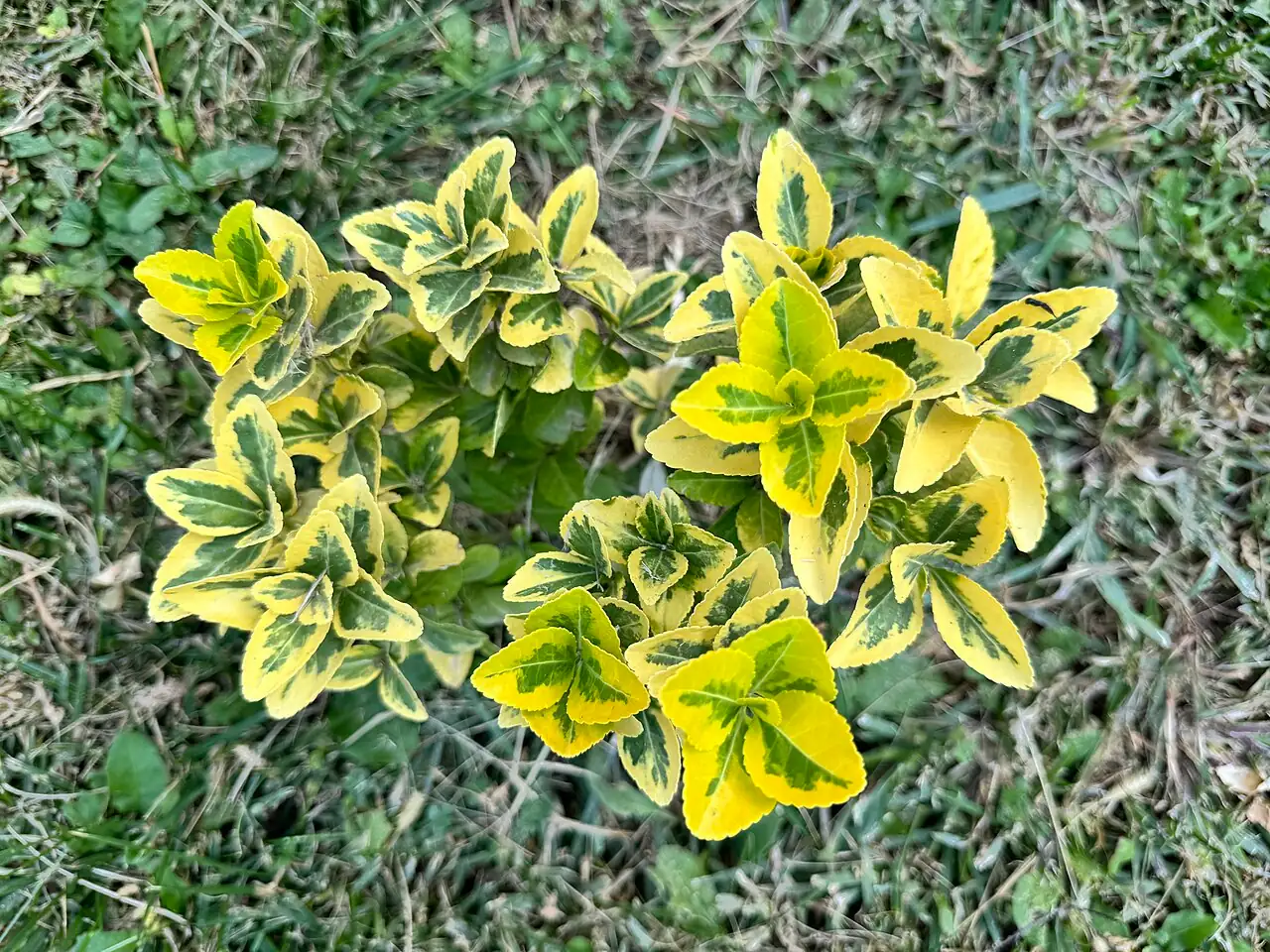
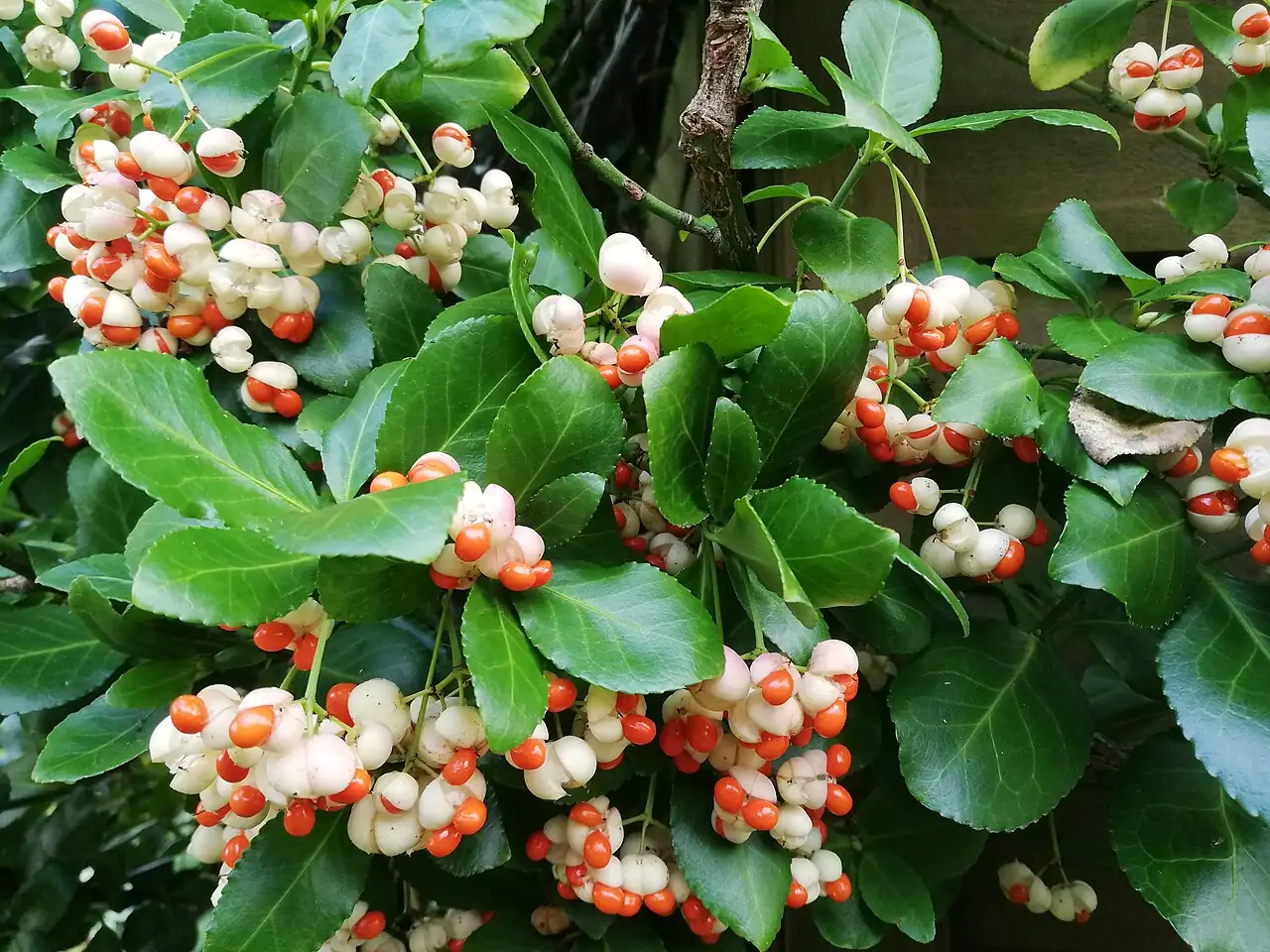
- Flower: Flowers are small, greenish-white, and borne in clusters. After flowering, the plant may form flattened, roundish capsules (often pink to pinkish-yellow) that split into four lobes, revealing vivid orange-red arils. Many cultivated forms are grown for foliage effects, including gold-edged, silver-edged, golden-centered, and speckled variegation.
- Flowering Season: May–June
- Growth Habit: Evergreen shrub or small tree; slow-growing, long-lived, and exceptionally tolerant of shaping and repeated pruning.
Environment
Sunlight
Full sun to partial shade; tolerates shade, but plants usually grow denser and show better leaf color (especially variegation) with more light.
Temperature
Prefers mild, warm, humid conditions; for active growth it does well around 10–30°C (50–86°F). Once established it is fairly cold-tolerant, though severe freezes and drying winter winds can damage foliage in colder sites.
Humidity
Average to moderately high humidity; generally adaptable outdoors, especially once roots are established.
Soil
Adaptable to many soil types; best in fertile, well-drained loam near neutral pH. Tolerates poorer soils and some drought once established, but dislikes prolonged waterlogging.
Placement
Outdoors for hedges, foundation plantings, screens, and streetscape/roadside greenery; a strong performer in urban and polluted environments. Can also be grown in containers with regular repotting.
Hardiness
Generally hardy in USDA Zone 7–10 (cultivar, exposure, and winter wind can shift performance). Protect from severe, drying winter winds in colder areas.
Care Guide
Difficulty
Easy and highly adaptable. It’s forgiving of less-than-perfect soil, handles partial shade, and tolerates drought once established—yet still responds beautifully to regular trimming and feeding.
Buying Guide
Pick plants with dense, even foliage and firm stems. Inspect leaves and stems closely for common pests (especially scale—look for small, stuck-on bumps), stippling, webbing, or sticky residue. For variegated cultivars, choose plants with stable, consistent patterning; avoid specimens that are heavily reverting to solid green if you want to keep the variegated look.
Watering
Water regularly during the first growing season to help establish a deep root system. After establishment, water when the top 5–8 cm (2–3 in) of soil feels dry. Aim for deep, occasional watering rather than frequent shallow splashes, and avoid constantly soggy soil.
Fertilization
Feed in spring with a balanced slow-release fertilizer per label directions. In containers or very poor soils, a light second feeding in mid-summer can help. Avoid heavy late-season nitrogen in colder regions so new growth can harden before winter.
Pruning
Prune or shear from late spring through summer to keep a neat hedge or shape topiary. It tolerates hard renovation pruning if overgrown, but avoid severe cuts during freezing weather. Clean tools, and remove heavily infested or dead stems promptly.
Propagation
Most commonly propagated by cuttings: semi-hardwood cuttings in summer, or hardwood cuttings from late autumn into winter. Rooting hormone and gentle bottom heat can improve success rates.
Repotting
For container plants, repot every 2–3 years (or when rootbound) in spring into a fresh, well-draining mix. Tease or trim circling roots, then water in thoroughly.
📅 Seasonal Care Calendar
Spring: fertilize, refresh mulch, and do light shaping; Summer: shear for hedge density, watch for scale/mites, and water during hot dry spells; Autumn: reduce feeding and do a light tidy-up; Winter: protect container plants in colder areas and avoid heavy pruning during freezes and drying winds.
Pests, Diseases & Safety
Common Pests & Diseases
Key pests include euonymus scale, aphids, spider mites, and whitefly; sooty mold can follow sap-sucking insects. Improve airflow, rinse foliage, prune out heavily infested stems, and treat with horticultural oil or insecticidal soap when needed. Poor drainage can lead to root stress or rot—fix soil structure and avoid overwatering.
Toxicity
Toxic if ingested: leaves and fruits can cause gastrointestinal upset in people and pets. It’s best to keep fruiting branches away from small children and animals that chew plants.
Culture & Symbolism
Symbolism: Often linked with endurance and resilience—evergreen through the seasons and unfazed by city life.
History & Legends: Cultivated in East Asia for centuries and now grown worldwide, Japanese spindle became a landscape staple largely because it stays attractive with minimal fuss and can be clipped into crisp, formal shapes.
Uses: Primarily used as hedging, screens, foundation shrubs, and topiary. It’s also valued in streetscapes because it tolerates dust, smoke, and a degree of urban air pollution better than many ornamentals.
FAQ
Why is my Japanese spindle turning sparse or dropping leaves?
Inspect for euonymus scale and spider mites first (check stems and leaf undersides). Also confirm the soil drains well—waterlogged roots can cause decline. Improve light if it’s very shaded, prune to encourage fresh growth, and treat pests with horticultural oil or insecticidal soap.
Can it grow in shade?
Yes. It tolerates partial to fairly deep shade, but plants can get looser and variegated cultivars often turn greener. For the densest hedge and best color, give it more sun.
Fun Facts
- Young shoots are often distinctly four-angled, a handy identification clue.
- The fruit capsules split open to reveal bright orange-red arils, adding seasonal color.
- There are many popular variegated cultivars, including gold-edged and silver-edged forms.
- It is slow-growing but long-lived, and exceptionally tolerant of repeated clipping and shaping.
- It’s widely used in tough urban sites thanks to its tolerance of dust and air pollution.