Plant Features
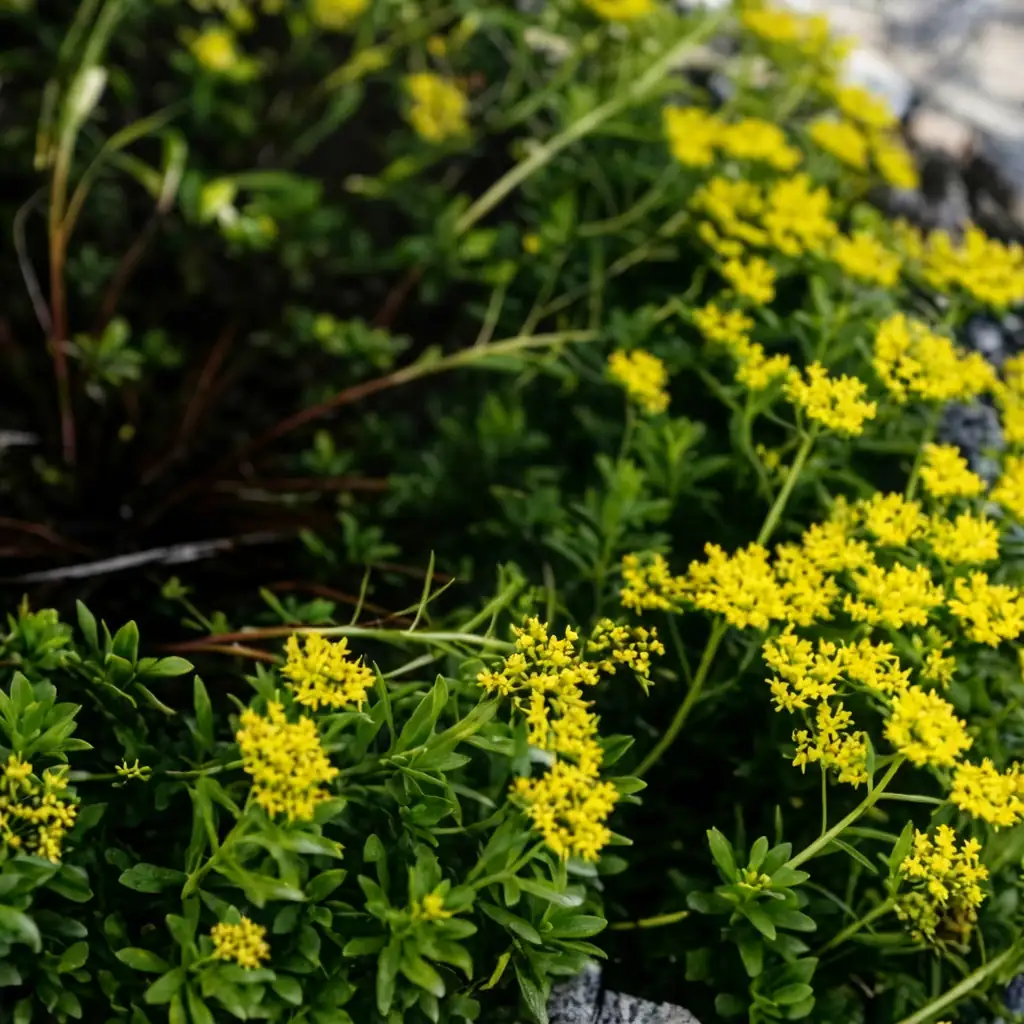
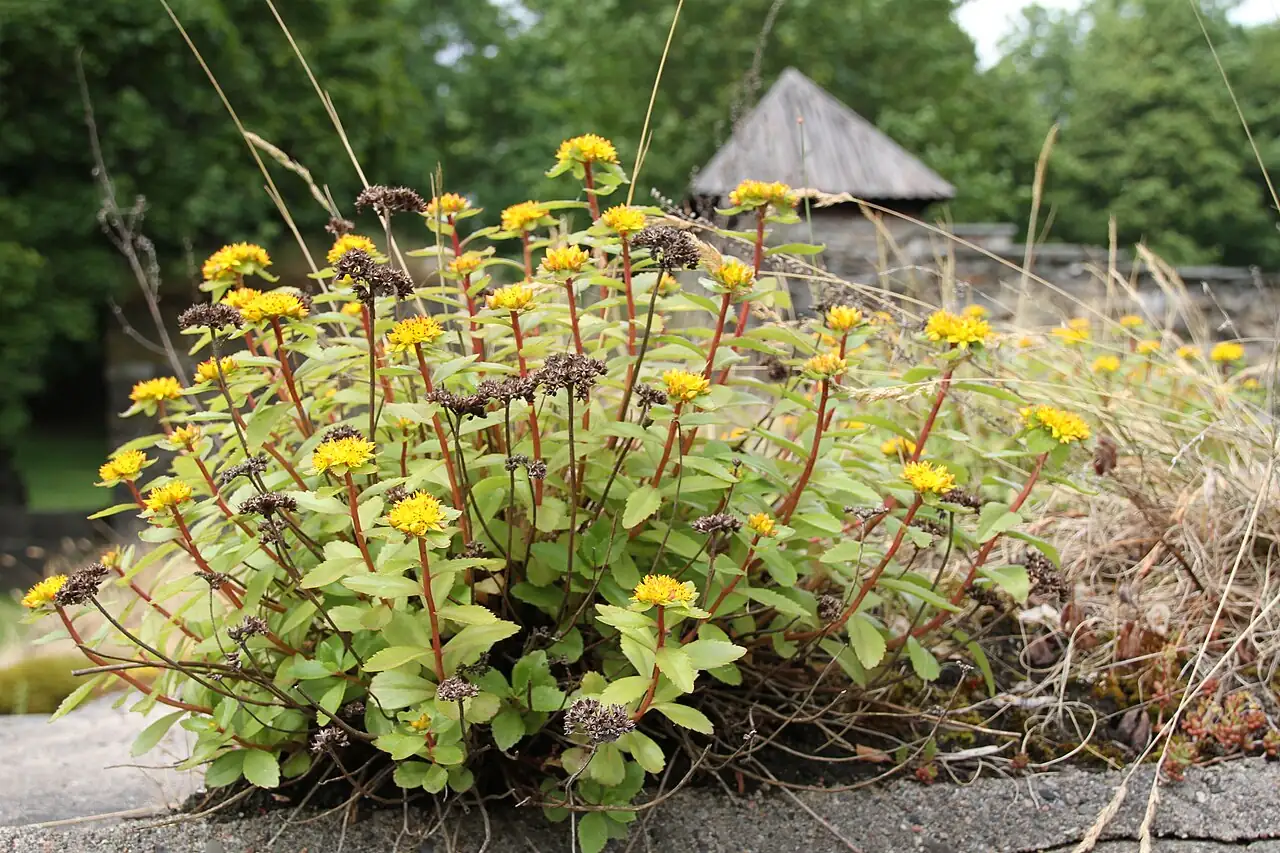
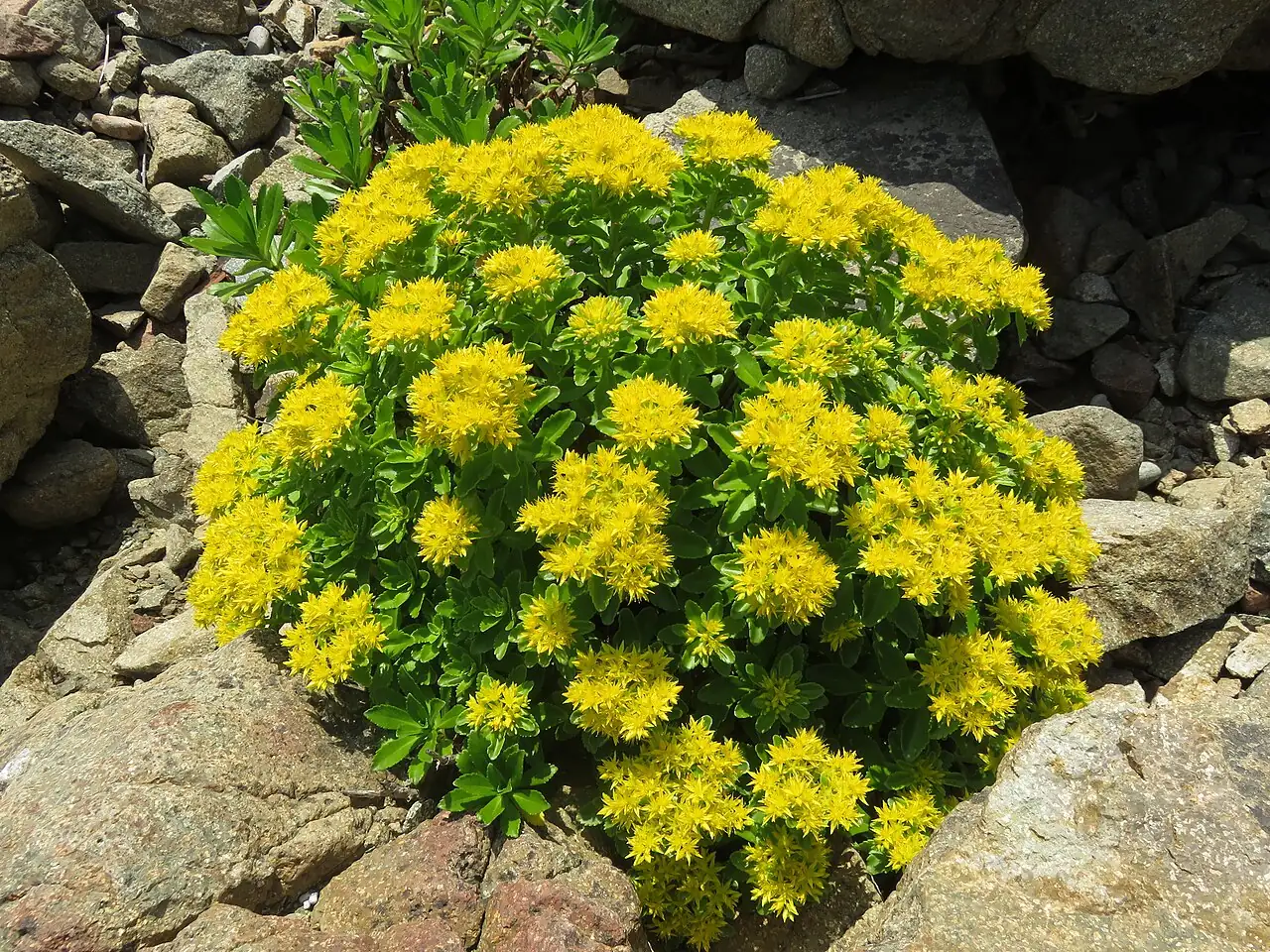
- Size: Typically up to about 50 cm (20 in) tall; forms spreading clumps and functions as a groundcover.
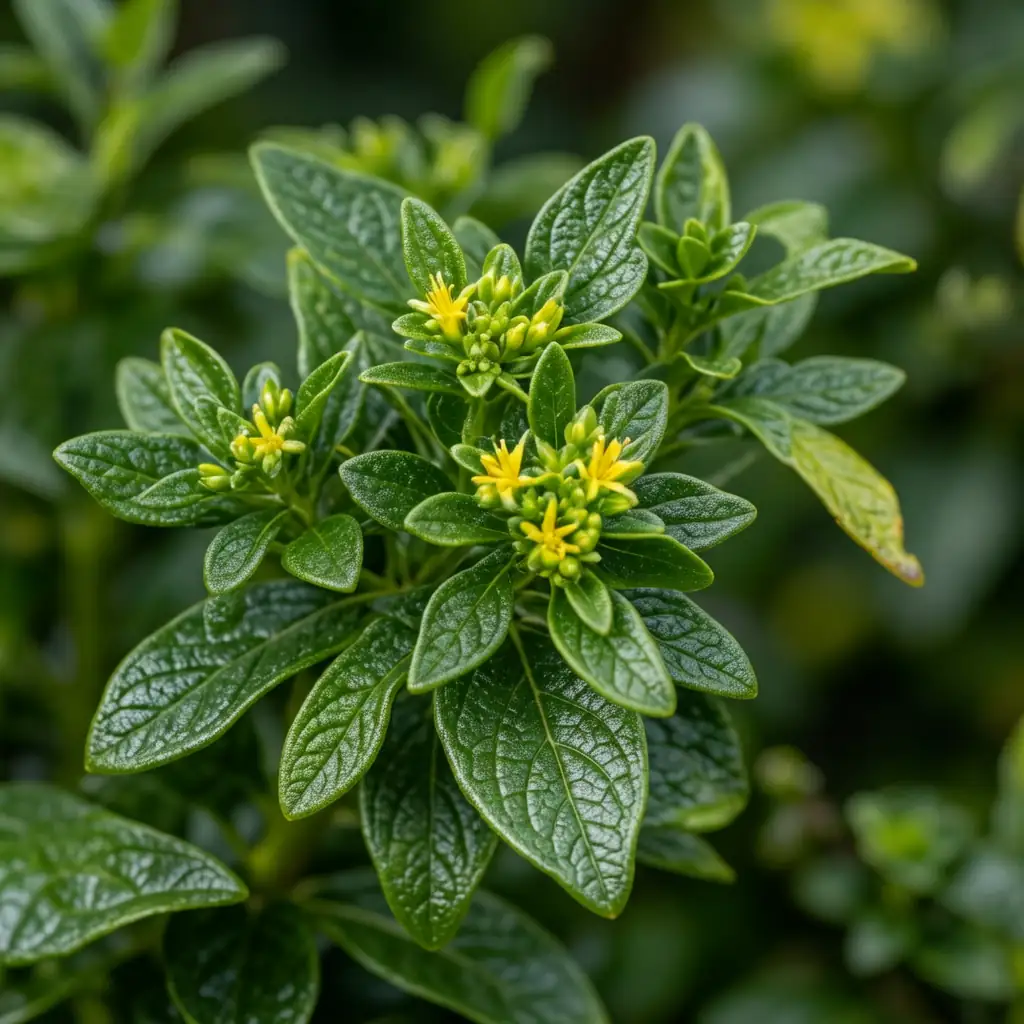
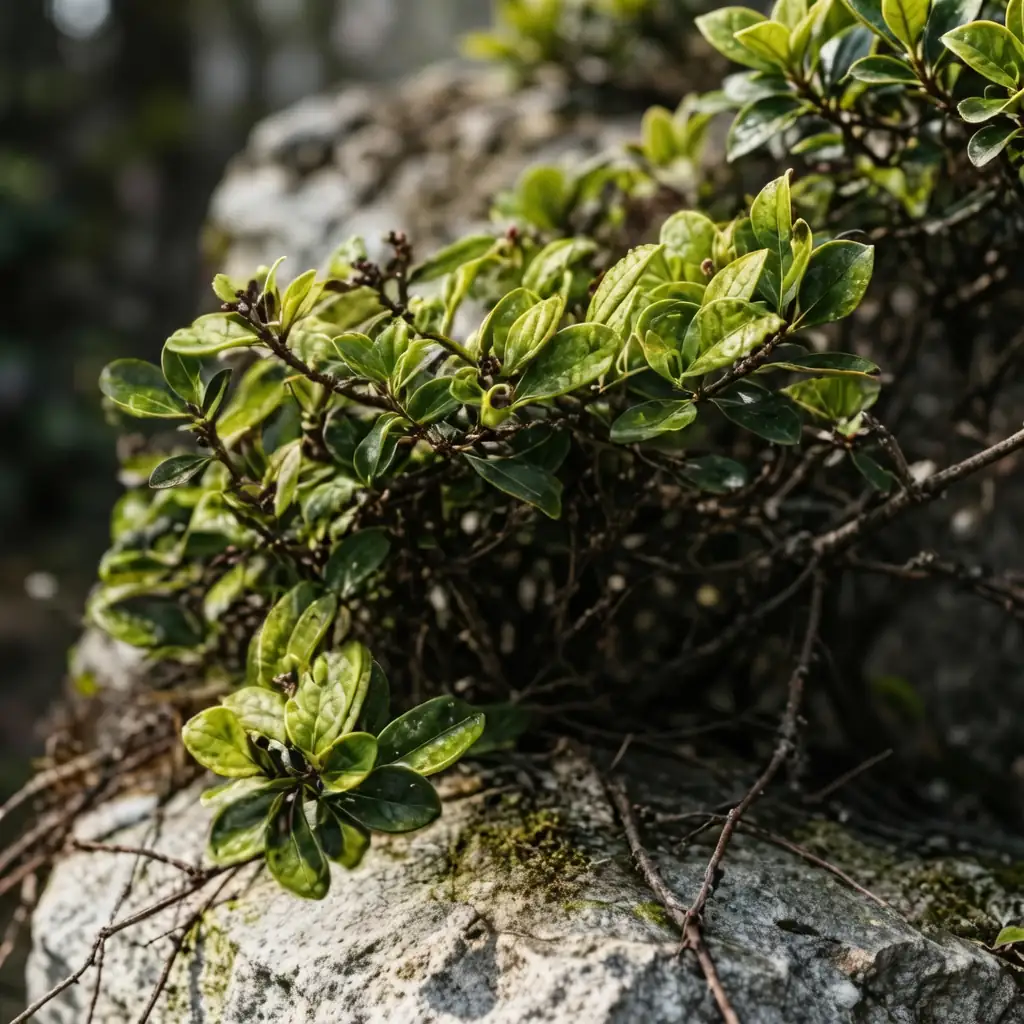
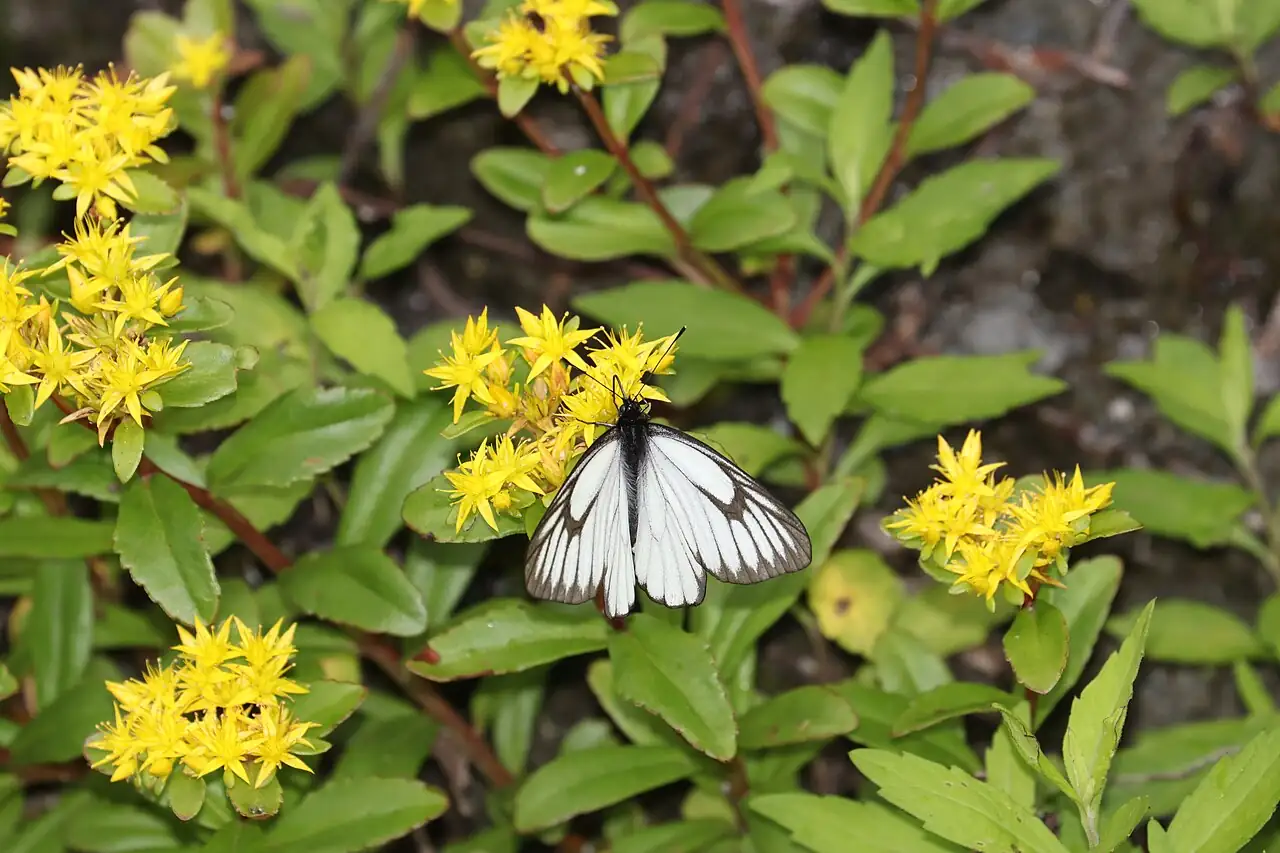
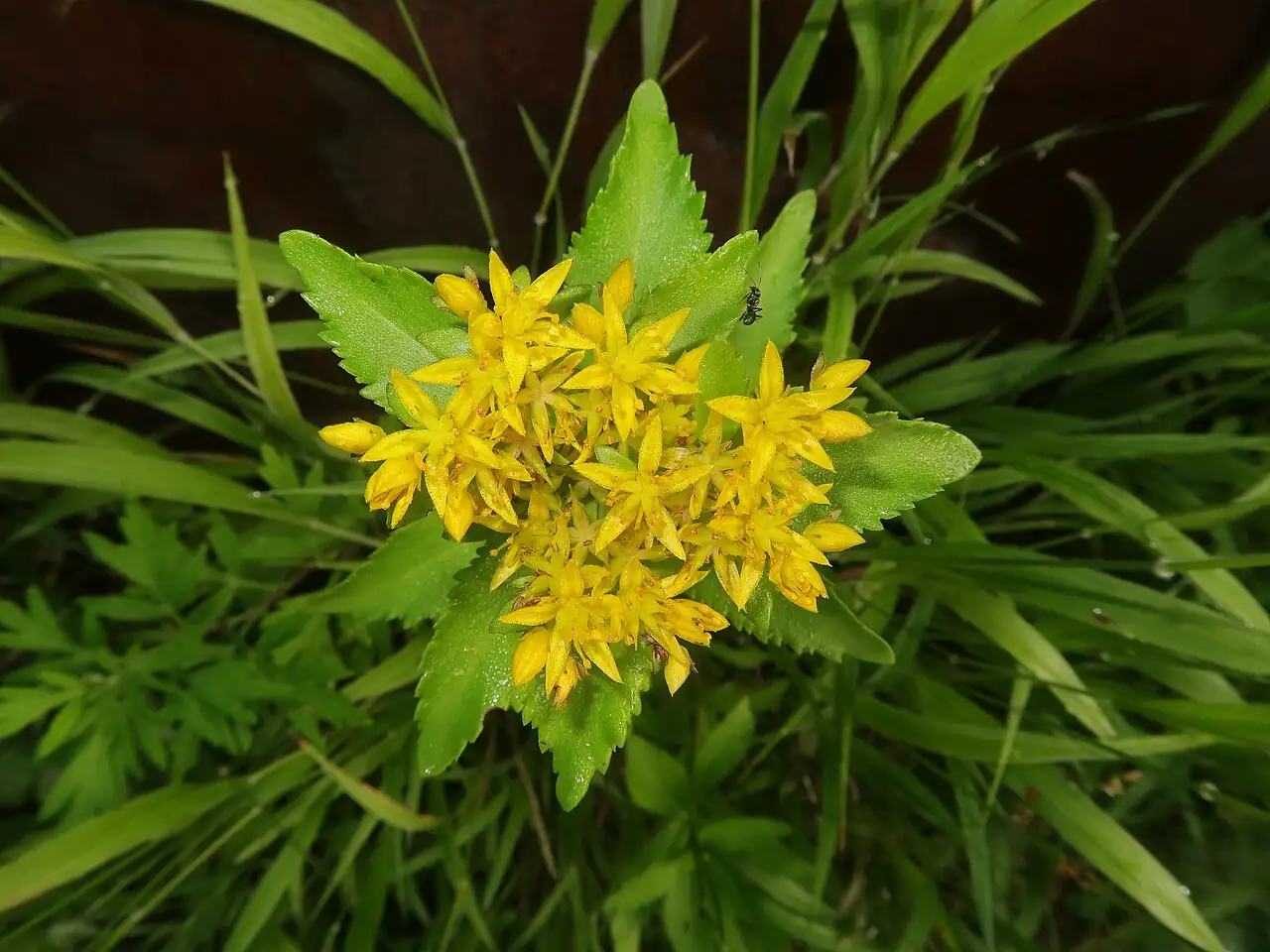
- Foliage: Leaves are alternate and thick, firm, and almost leathery. Shape ranges from narrow lance-shaped to elliptic-lanceolate or obovate-lanceolate, usually in a bright to medium green.
- Flower: In summer it produces many small, starry yellow flowers in branched, flat-topped clusters. Fruits are follicle-like; seeds are tiny and oval, about 1 mm (0.04 in).
- Flowering Season: June–July
- Growth Habit: Herbaceous perennial with a short rhizome; commonly sends up about 1–3 upright, hairless stems that are usually unbranched, while the plant overall spreads into clumps.
Environment
Sunlight
Full sun for best growth and flowering; tolerates light/partial shade.
Temperature
Cold-hardy and tolerant of freezing conditions; exact limits vary by local provenance and site exposure.
Humidity
Comfortable in dry air and low humidity; well suited to drought-prone sites.
Soil
Must be well-drained. Performs well even in poor, thin, or rocky soils as long as water does not sit around the roots.
Placement
Best outdoors as a sunny groundcover—ideal for banks, rock gardens, roadside strips, and other exposed, challenging urban areas with lean soils.
Hardiness
Cold-hardy; often grown roughly in USDA Zones 3–8 (3–8), depending on local conditions.
Care Guide
Difficulty
Easy; very adaptable and low-maintenance once established.
Buying Guide
Look for plants with firm, plump leaves and healthy green stems. Avoid pots with soggy soil or any signs of rot, and skip plants with heavy leaf drop or shriveling.
Watering
Water regularly at first to help it establish, then switch to a sparse schedule. Let soil dry between waterings and avoid constantly wet conditions. In pots, water thoroughly, then let excess drain completely.
Fertilization
In the ground, it usually needs no fertilizer. In containers, feed lightly in spring/summer with a diluted balanced fertilizer (about 1/4 strength) no more than once every 4–6 weeks.
Pruning
Deadhead spent flower clusters and remove winter-damaged stems in early spring. A light trim after flowering helps keep clumps neat and can encourage a denser look.
Propagation
Very easy by stem cuttings or division in spring or early summer. Cuttings root readily in a gritty, fast-draining mix—let cut ends dry briefly before planting.
Repotting
Repot every 1–2 years, or when crowded, into a shallow pot with a fast-draining succulent mix. Always use a container with drainage holes.
📅 Seasonal Care Calendar
Spring: clean up old growth; divide if needed. Summer: water minimally; deadhead if desired. Autumn: reduce watering further. Winter: keep on the dry side and protect from waterlogged soil.
Pests, Diseases & Safety
Common Pests & Diseases
Generally trouble-free. The main issue is root/stem rot from overwatering or poor drainage. Aphids may appear on tender new growth; knock them off with a strong spray of water or use insecticidal soap if needed.
Toxicity
No reliable, widely accepted toxicity warning is established for this species. Treat it as non-edible unless you have confident, positive identification and a food-safe source. As with most ornamentals, discourage pets and children from chewing it.
Culture & Symbolism
Symbolism: Often linked with resilience and endurance—an easy association once you see how well it copes with sun, wind, drought, and cold.
History & Legends: More famous for usefulness than rarity: it’s widely planted as a practical, hard-working groundcover rather than a collector’s showpiece.
Uses: Ornamental groundcover for difficult sites, providing dense green cover and bright yellow summer bloom. Particularly useful for covering and stabilizing exposed, low-fertility urban soils.
FAQ
Why is my Aizoon stonecrop getting leggy?
Most often it needs more light, or the soil is too rich. Move it to a sunnier spot and avoid heavy feeding; trimming after flowering can also help it branch and fill in.
Can it handle poor or rocky soil?
Yes—lean, rocky soils are fine (even preferred), as long as drainage is good and water doesn’t sit around the roots.
Does it need frequent watering?
No. Once established it’s drought tolerant. Water only after the soil has dried and avoid waterlogged conditions.
Fun Facts
- Its very wide natural distribution across China helps explain why it adapts so well to tough garden conditions.
- It’s often used as a “problem-solver” groundcover for exposed sites and low-quality urban soils.
- A mature plant may show only a few upright stems (often around 1–3) arising from a short rhizome.