Plant Features
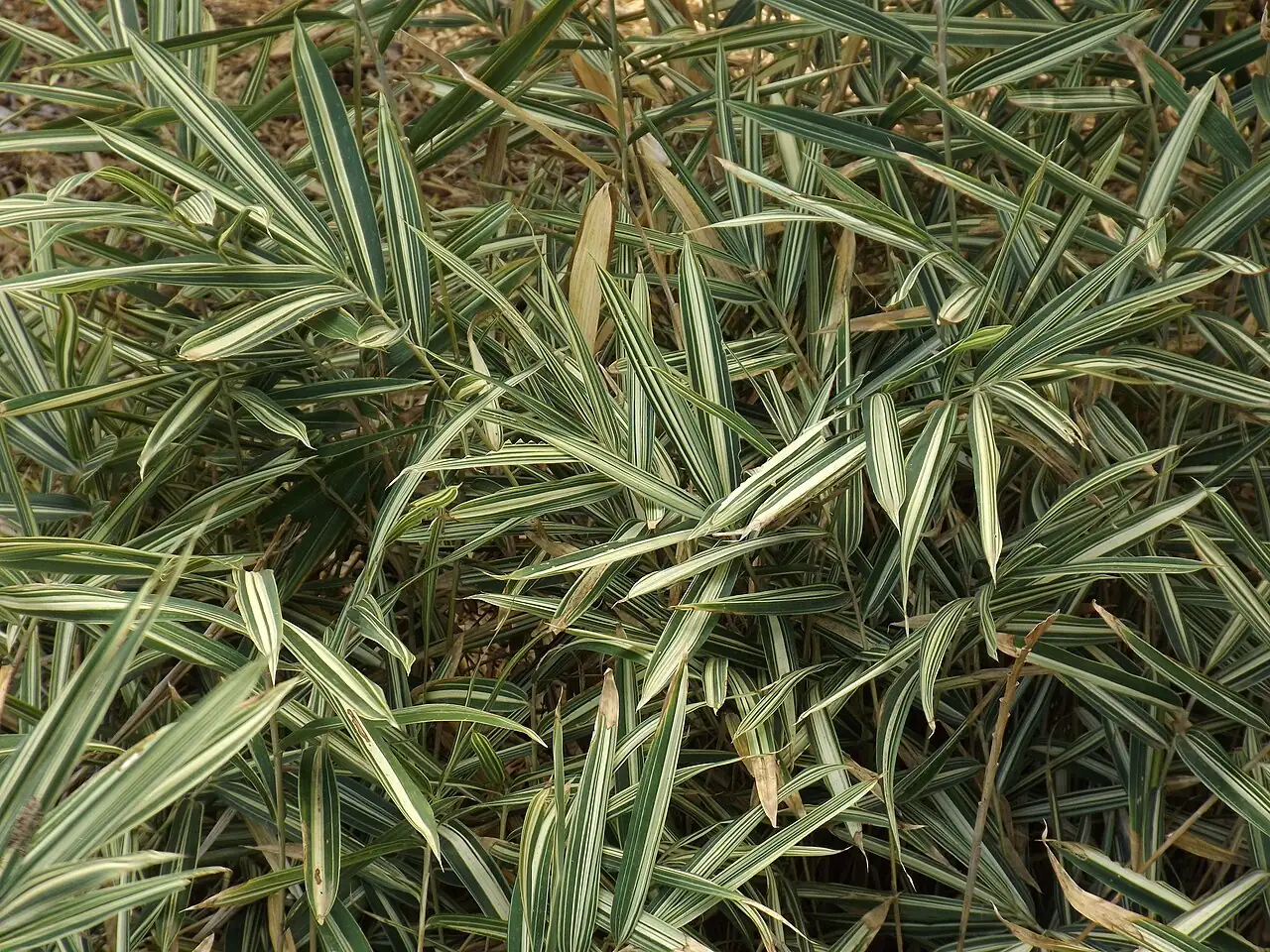
- Size:20–40 cm (8–16 in) tall; spreads by rhizomes to form a low mat
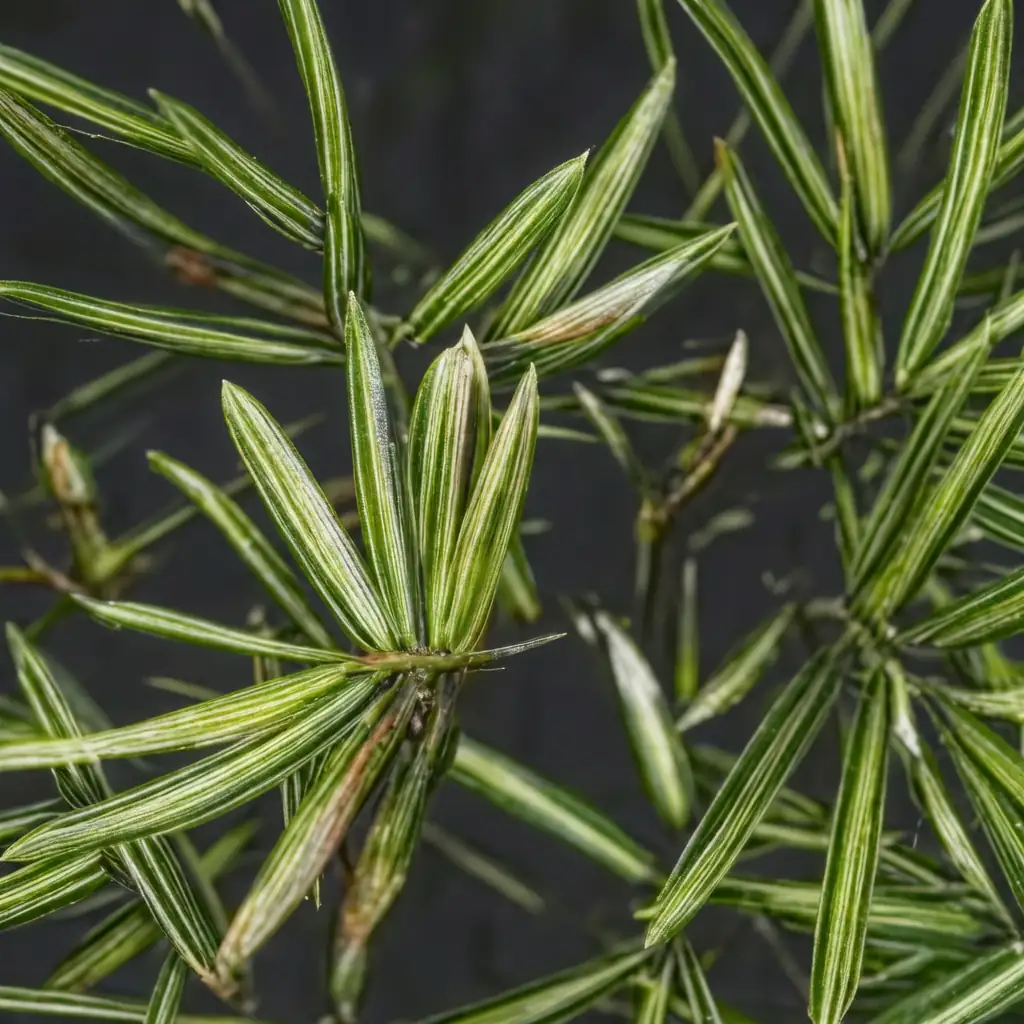
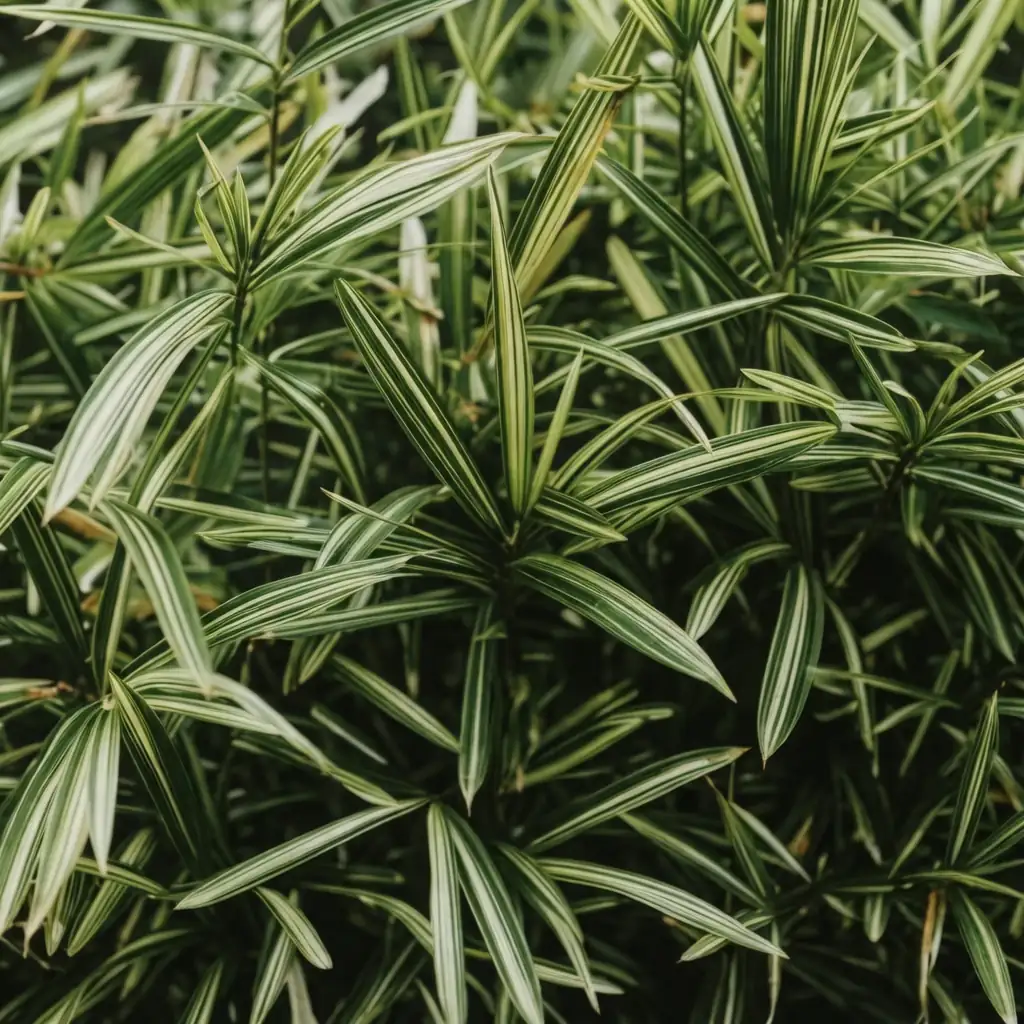
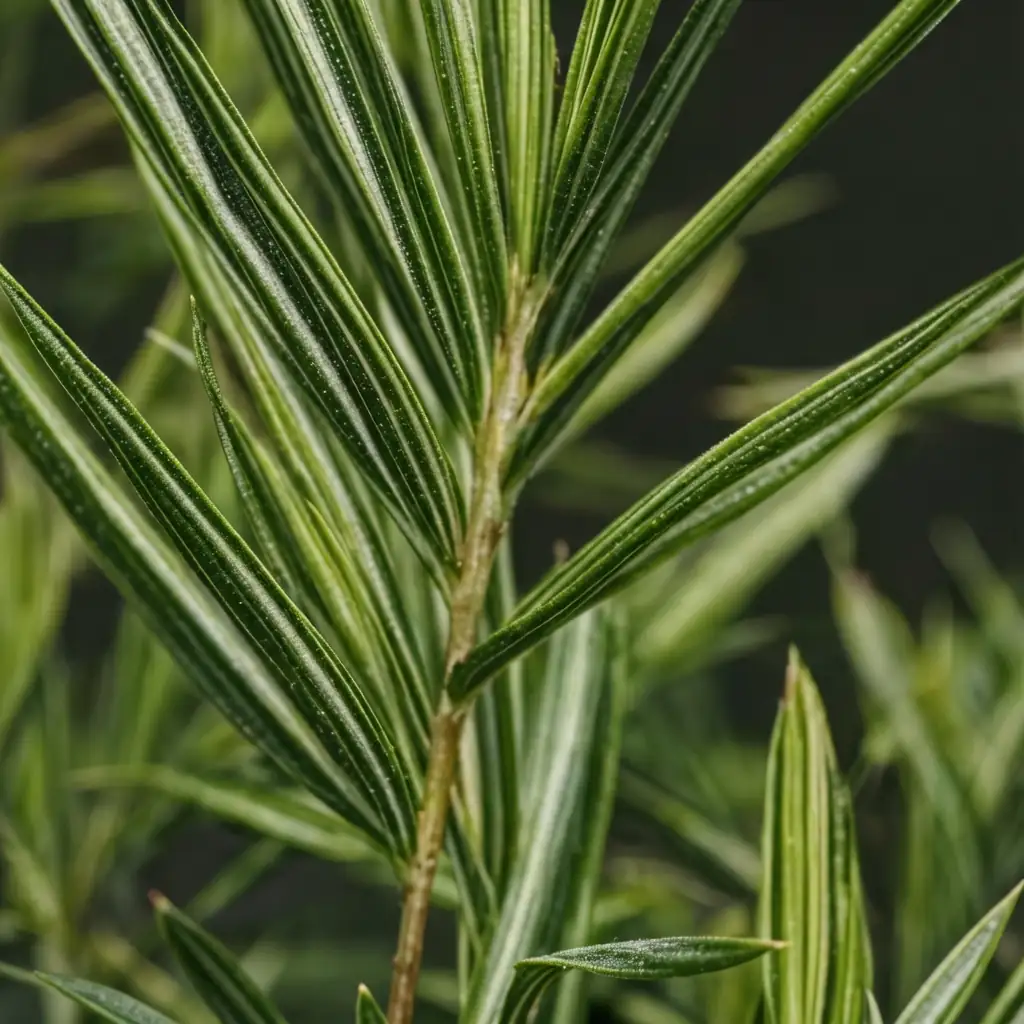
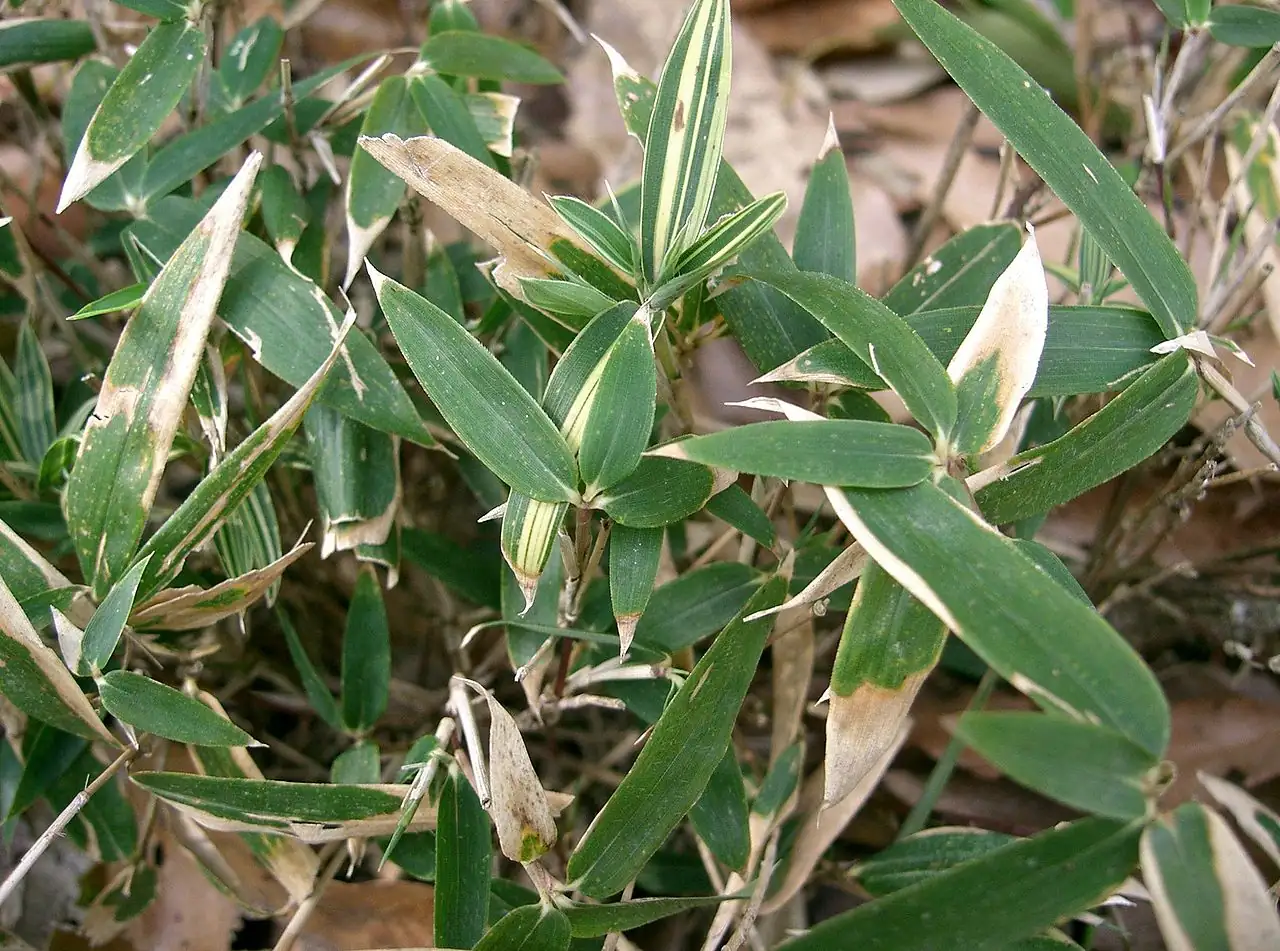
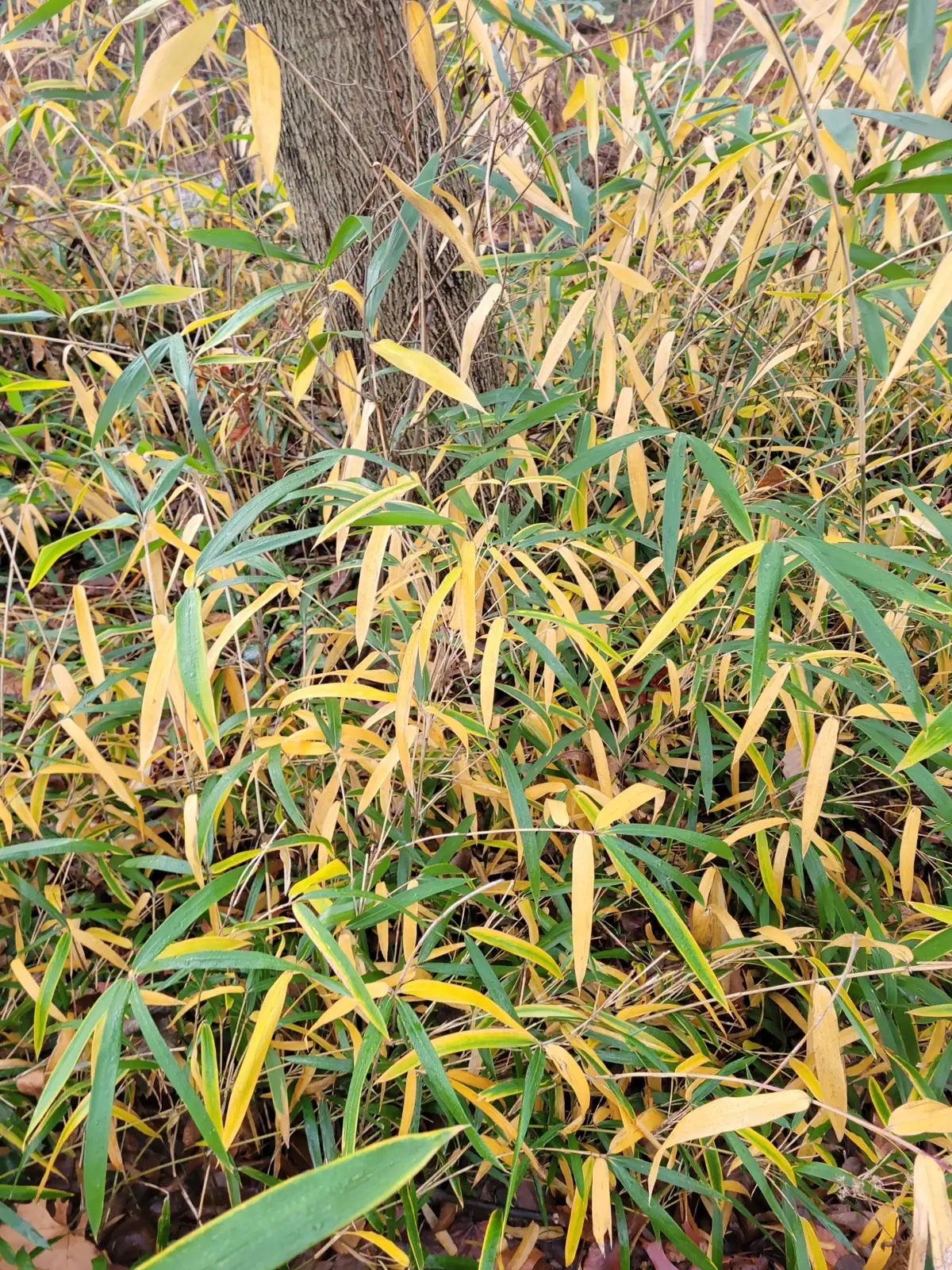
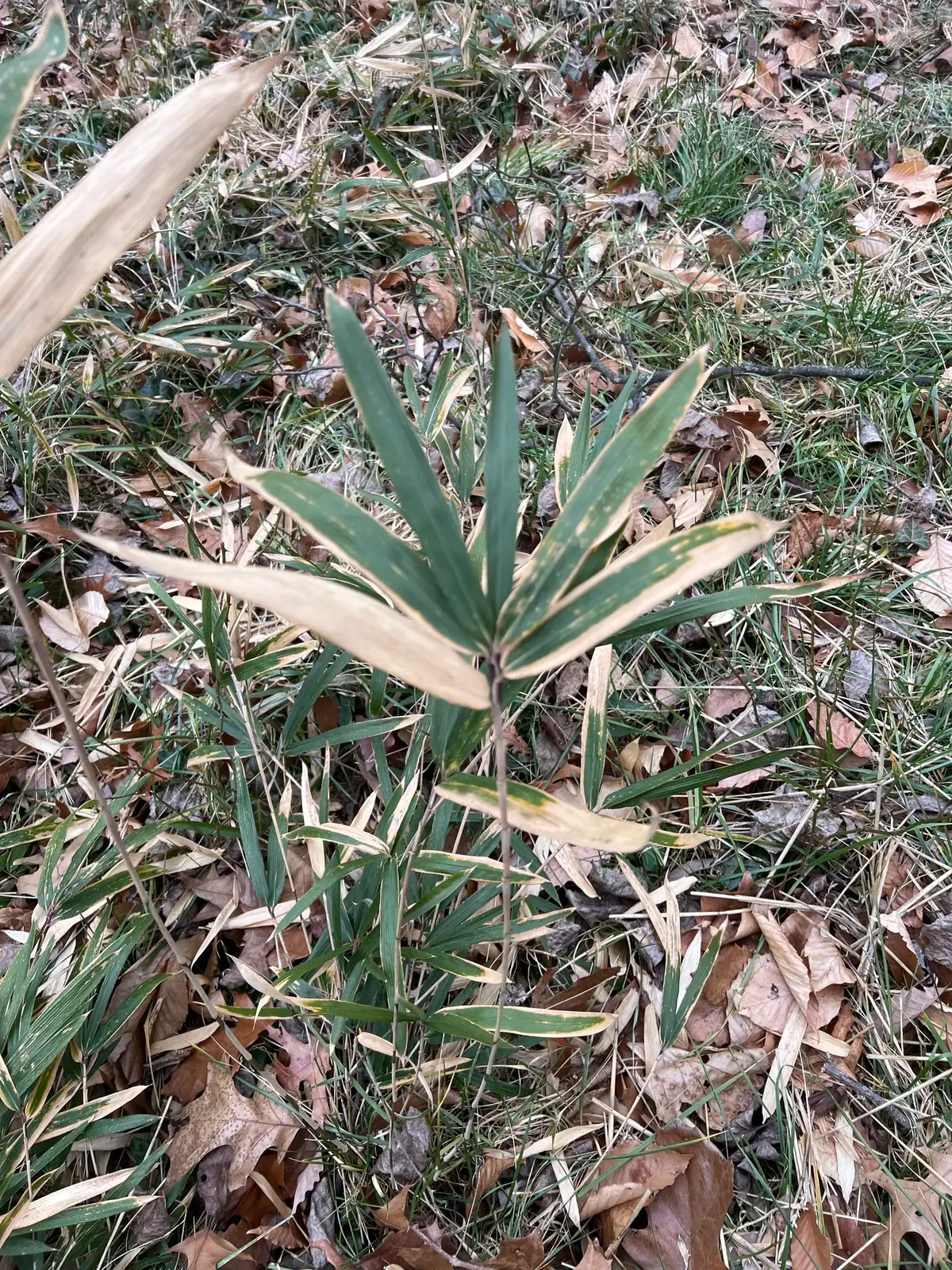
- Foliage: Narrow, lance-shaped leaves with clear longitudinal striping in white to pale yellow. Leaf margins can show fine hairs, and cross-veins are visible. Leaf sheaths are pale green, with noticeable hair on one side and several pale/whitish bristles at the sheath mouth—small details that help identify it beyond the showy variegation.
- Flower: Flowers are rarely seen in cultivation. Like many bamboos, it flowers infrequently and unpredictably rather than providing a dependable annual bloom.
- Flowering Season: Irregular/rare (not a reliable seasonal display)
- Growth Habit: Low, spreading bamboo that forms colonies via running rhizomes. Culms show a mixed branching pattern, with each node bearing two to several branches (often a single branch on lower nodes).
Environment
Sunlight
Bright dappled light to partial shade; avoid intense, direct midday sun.
Temperature
Prefers warm conditions; aim for 15–28°C (59–82°F) during active growth. Generally tolerates cool winters; protect container plants from prolonged hard freezes below about -10°C (14°F).
Humidity
Moderate to high humidity preferred; adapts to average outdoor humidity if soil moisture stays consistent.
Soil
Fertile, moisture-retentive but well-drained soil (an enriched loam is ideal). Avoid waterlogged sites to prevent root/rhizome rot.
Placement
Outdoors as a groundcover, edging plant, or underplanting in light shade; also excellent in large containers to keep its spread under control.
Hardiness
USDA Zone 6–9 (approx.); relatively cold-hardy for an ornamental bamboo.
Care Guide
Difficulty
Easy to moderate. Low-fuss once established, but its running rhizomes can spread vigorously—containment and occasional thinning keep it friendly.
Buying Guide
Pick plants with strong, crisp striping and fresh, upright foliage. Avoid pots that smell sour or stay constantly soggy (a warning sign for root/rhizome rot). If planting in open ground, plan ahead with a rhizome barrier or choose container planting to prevent unwanted spreading.
Watering
Water deeply after planting and keep evenly moist while it establishes. Afterward, water when the top 2–5 cm (1–2 in) of soil starts to dry. Increase frequency in hot weather; in winter, reduce watering but don’t let the root zone dry out completely.
Fertilization
Feed in spring and early summer using a balanced slow-release fertilizer (per label) or top-dress with compost. Avoid heavy late-season nitrogen, which can create soft growth that’s more vulnerable to cold.
Pruning
Remove dead, damaged, or winter-burned leaves and culms any time. In spring, thin or cut back patches to keep a neat, low carpet and to prevent encroachment beyond its intended area.
Propagation
Best by division. In spring or early autumn, lift and split rhizome clumps so each piece has healthy rhizomes and shoots; replant promptly and keep consistently moist until re-established.
Repotting
In containers, repot or divide every 1–2 years in spring. Use a sturdy pot and refresh with a fertile, well-draining mix; root/rhizome pruning may be needed as the pot fills.
📅 Seasonal Care Calendar
Spring: divide/repot, fertilize, tidy old growth. Summer: keep moisture steady and protect from harsh sun. Autumn: light cleanup, reduce feeding, keep soil slightly moist. Winter: protect pots from deep freezes; remove damaged foliage in late winter/early spring.
Pests, Diseases & Safety
Common Pests & Diseases
Usually trouble-free. Watch for aphids, spider mites (especially in hot, dry conditions), scale, and occasional leaf spot. Improve airflow, avoid drought stress, rinse foliage, and treat with horticultural soap/oil if needed. Prevent root/rhizome rot by avoiding waterlogged soil.
Toxicity
Not known to be poisonous to people or pets. However, chewing tough bamboo leaves may cause mild gastrointestinal upset in some animals.
Culture & Symbolism
Symbolism: Bamboo traditionally symbolizes resilience, integrity, and steady growth. Variegated forms add an extra layer of “bright elegance,” often used to lift shady garden corners.
History & Legends: Primarily grown as an ornamental. It’s especially valued in gardens for its striped leaves and its ability to create a low bamboo groundcover effect.
Uses: Ornamental groundcover and edging; underplanting in light shade; container displays (a great option when you want the look without letting rhizomes roam).
FAQ
Will variegated dwarf bamboo spread aggressively?
Yes. It spreads by running rhizomes and can move beyond its planting area. Use a rhizome barrier, grow it in containers, or regularly edge/cut back the perimeter.
Why are the leaves losing their stripes?
Variegation can fade in deep shade or after stress. Give it brighter dappled light, keep moisture even, and avoid excessive nitrogen, which can encourage greener growth.
Can it handle full sun?
It can take gentle sun, but strong midday sun may scorch the pale-striped foliage. Morning sun with afternoon shade, or bright filtered light, is ideal.
Fun Facts
- Its standout feature is the white to pale-yellow striping that runs lengthwise along the leaves.
- Bamboo flowering is famously unpredictable—many growers never see it bloom.
- It’s a go-to plant for gardeners who want a “bamboo look” in miniature form.
- It’s widely cultivated as an ornamental groundcover in parts of East China.