

Plant Features
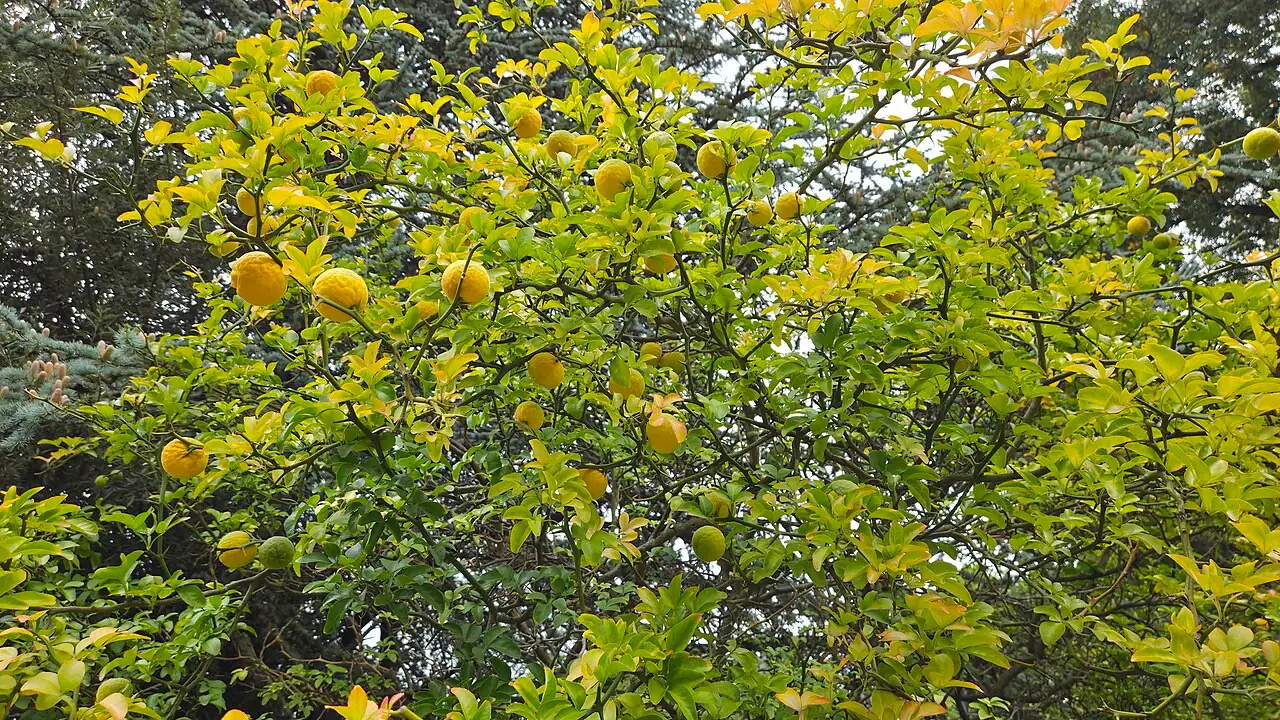
- Size:1–5 m (3.3–16.4 ft) tall; typically forms a rounded to umbrella-shaped crown.
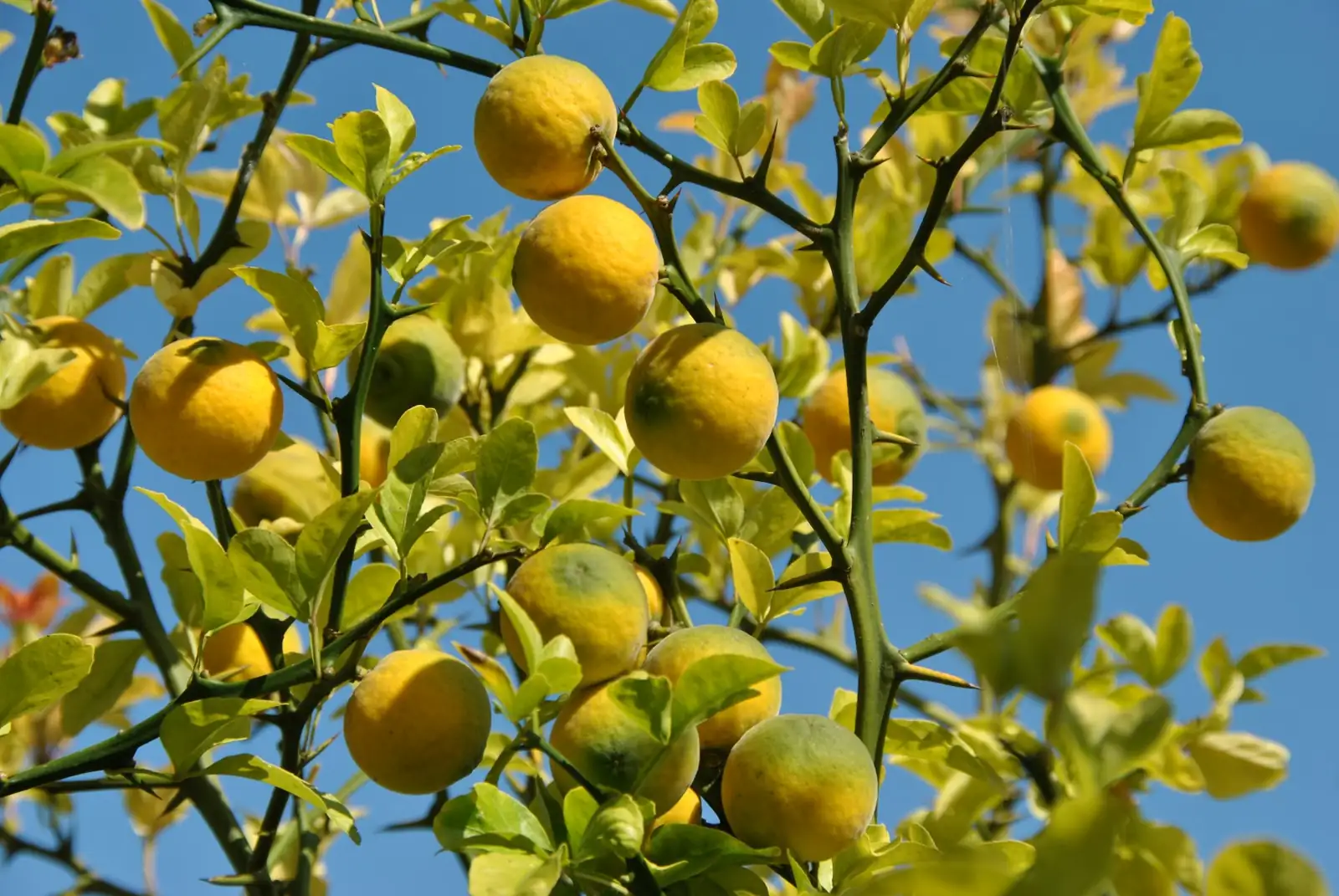
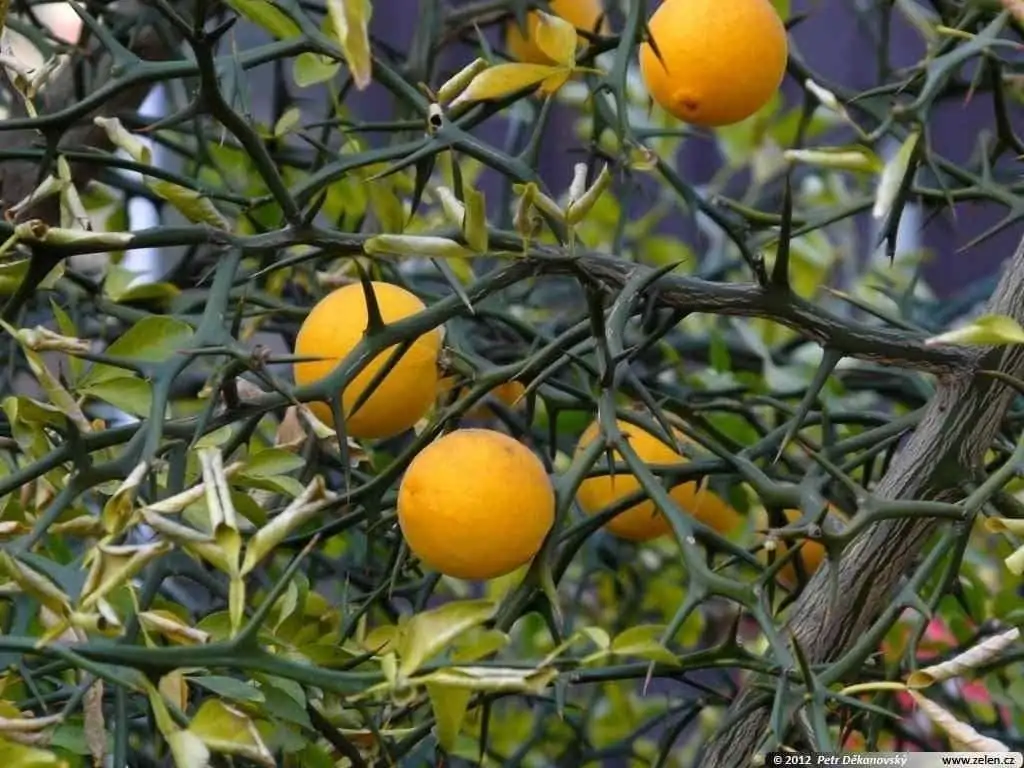
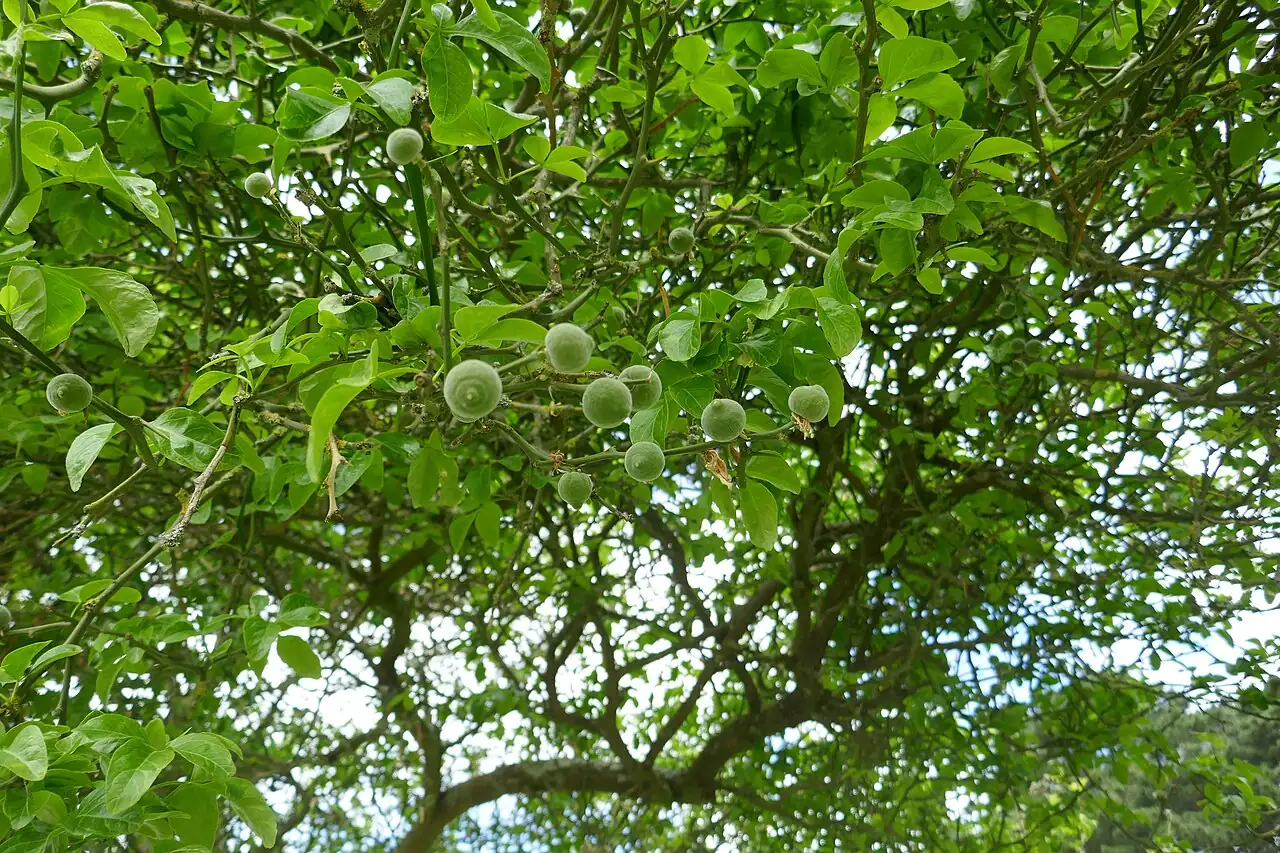
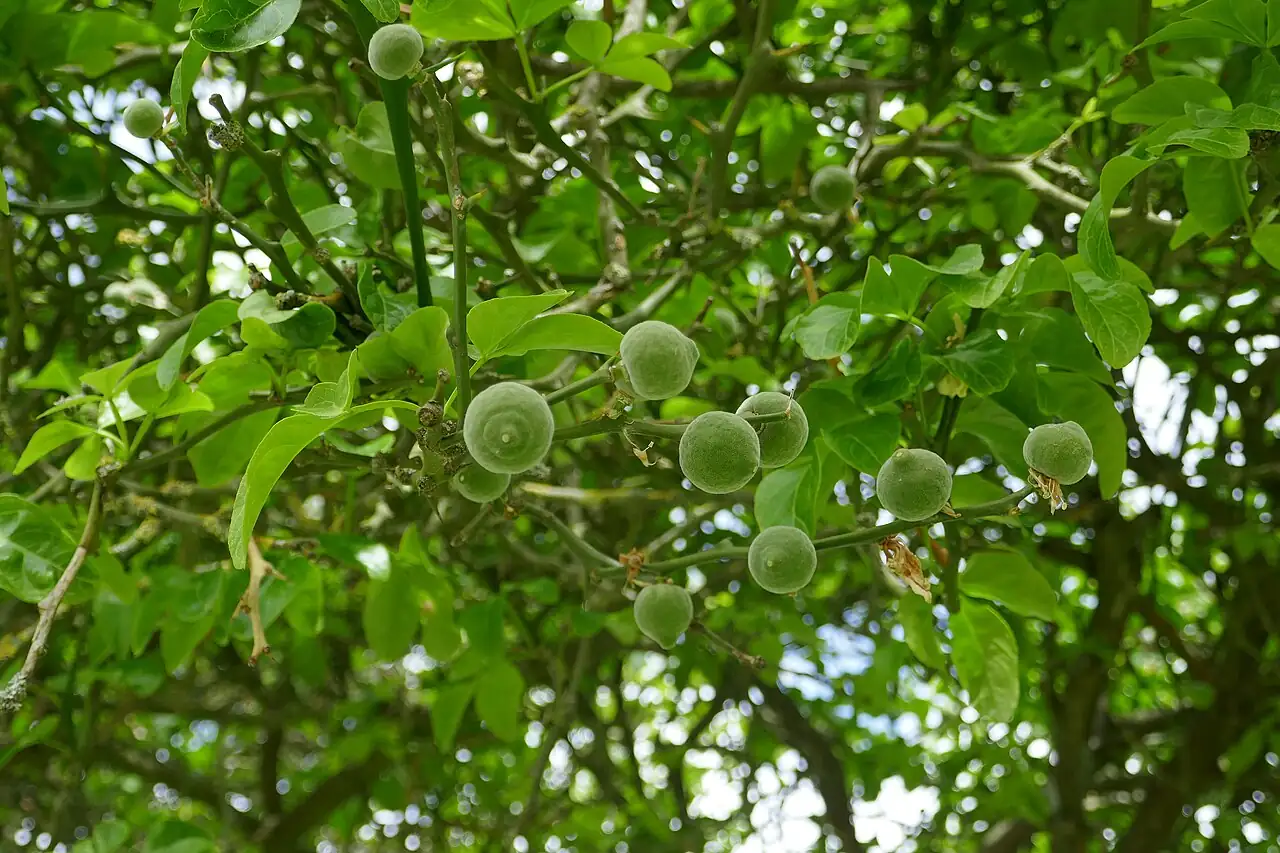
- Foliage: Deciduous foliage with distinctive trifoliate leaves (three leaflets) and a winged petiole. Young shoots are green, and the stems are armed with stout, sharp thorns.
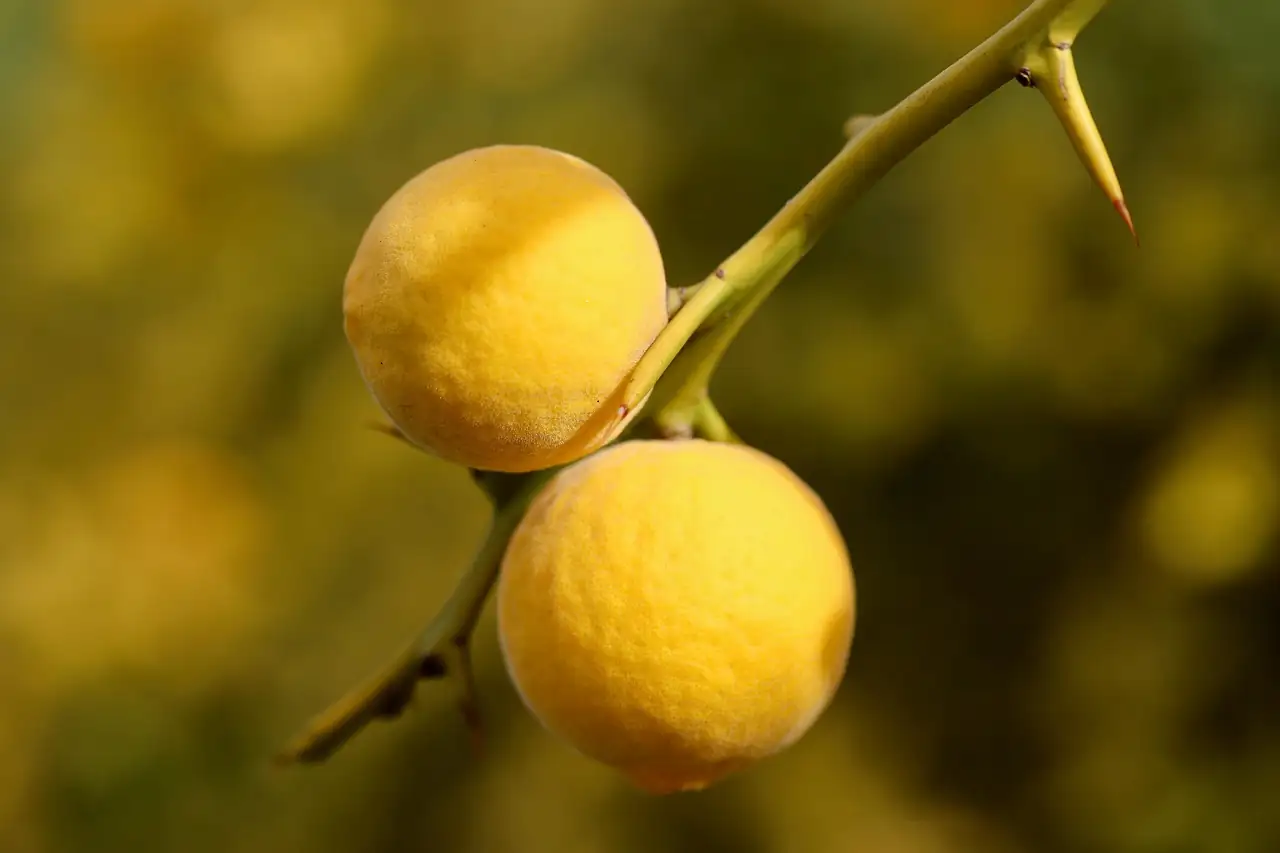
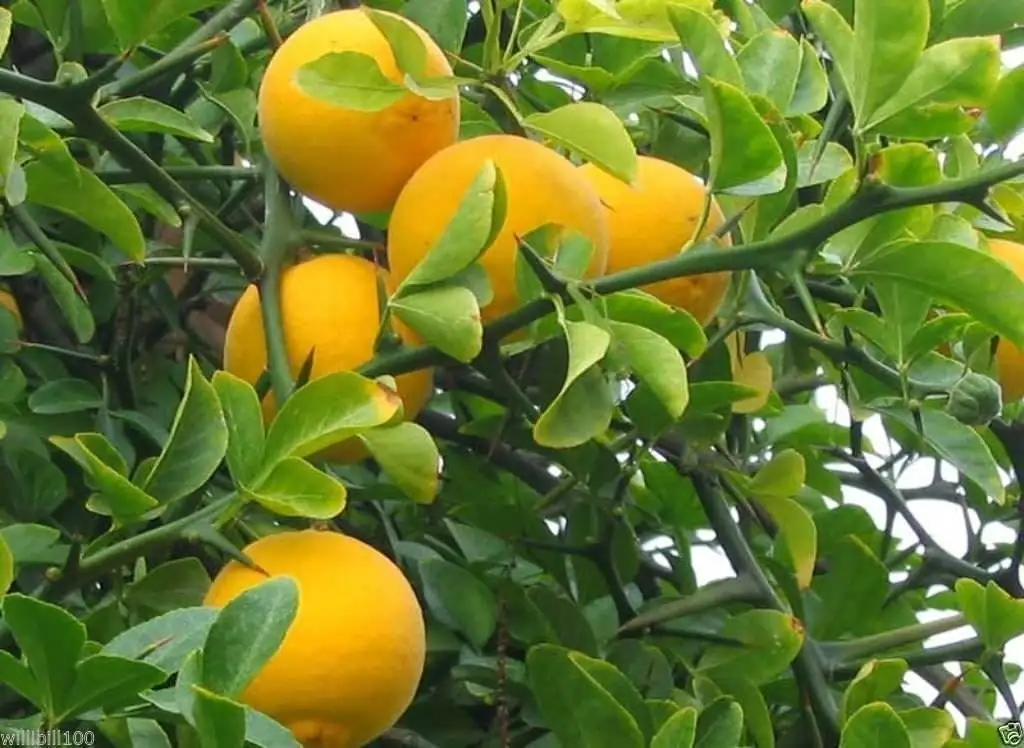
- Flower: White, citrus-like flowers borne singly or in pairs from the leaf axils. After flowering, it sets round to pear-shaped fruits with a dull yellow rind and a faint orange-like fragrance. Seeds are egg-shaped and may be coated with a slippery, mucilaginous layer.
- Flowering Season: May–June (late spring to early summer)
- Growth Habit: Small tree or large shrub with a dense, rounded form; notably thorny and often grown as an impenetrable hedge.
Environment
Sunlight
Full sun for best flowering and fruiting; thrives in bright, open positions.
Temperature
Prefers warm-season growth and is notably cold-hardy for a citrus relative. Active growth is best around 15–30°C (59–86°F). Young plants should be protected from hard freezes.
Humidity
Likes evenly moist conditions but does poorly in constantly wet, stagnant conditions; avoid waterlogging.
Soil
Moist, well-drained soil; happiest in slightly acidic to neutral soil (about pH 6.0–7.0).
Placement
Outdoors in gardens and parks; excellent for hedges, boundary plantings, and wildlife-friendly thickets. Give it space away from paths due to the sharp thorns.
Hardiness
Cold-hardy; commonly grown outdoors in USDA Zone 6–9 (approx.). Young plants benefit from winter protection.
Care Guide
Difficulty
Easy to moderate outdoors. It’s forgiving once established, especially compared with true citrus, but it insists on good drainage. Cold tolerance is high, though young plants appreciate winter protection in harsher climates.
Buying Guide
Pick plants with firm, green stems and healthy buds, and check closely for scale insects on stems. Avoid root-bound pots, blackened/mushy roots, or plants showing dieback.
Watering
Water deeply after planting and keep soil evenly moist while it establishes. Once established, water during dry spells; allow the top few centimeters (about 1–2 in) of soil to dry slightly between waterings. Never let it sit in waterlogged soil.
Fertilization
Feed in spring with a balanced slow-release fertilizer or a citrus fertilizer, following label directions. Avoid heavy feeding late in the season so new growth can harden off before winter.
Pruning
Prune in late winter to early spring to shape, remove dead or crossing branches, and manage hedge density. Wear thick gloves and protective clothing—thorns are extremely sharp.
Propagation
Can be grown from seed (clean off the mucilaginous coating before sowing). Also propagated by cuttings. In horticulture it’s widely used as a rootstock to add cold tolerance to grafted citrus.
Repotting
If container-grown, repot every 2–3 years into a slightly larger pot with a free-draining mix; refresh the top layer of soil annually. Ensure excellent drainage holes.
📅 Seasonal Care Calendar
Spring: feed; prune lightly; enjoy flowering and watch for pests on new growth. Summer: water during heat and drought; keep the base weed-free. Autumn: fruits ripen; reduce/stop fertilizer. Winter: protect young plants in severe cold; keep soil on the drier side and never waterlog.
Pests, Diseases & Safety
Common Pests & Diseases
May attract common citrus pests including scale insects, aphids, and spider mites—inspect new growth and improve airflow. Root problems can develop in poorly drained soils; prevent by planting in well-drained sites and avoiding overwatering.
Toxicity
Not generally considered highly toxic, but the fruit is extremely bitter and not typically eaten fresh. The thorns can cause puncture injuries—handle with gloves and keep away from play areas.
Culture & Symbolism
Symbolism: A natural symbol of resilience and protection—tough, enduring, and famously “guarded” by its thorns—making it a classic boundary or guardian hedge plant.
History & Legends: Long cultivated in East Asia, hardy orange became especially valued for two roles: as a defensive living fence and as a cold-hardy rootstock that helps many grafted citrus cope with cooler climates.
Uses: Ornamental and practical landscaping plant prized for spring flowers, autumn fruit, and dense thorny structure. Commonly planted as a hedge or barrier, and widely used as a rootstock in citrus cultivation to improve cold tolerance.
FAQ
When does it flower?
Usually May–June (late spring to early summer).
When does it fruit?
Fruits typically ripen in October–November (autumn).
How tall does it grow?
About 1–5 m (3.3–16.4 ft) tall, often forming a rounded crown.
Where does it grow naturally?
It’s native to China and occurs across many provinces, commonly in mountain woodlands.
What growing conditions does it prefer?
Full sun and evenly moist, well-drained soil (slightly acidic to neutral). It’s more cold-hardy than most citrus, though young plants benefit from protection in severe winters.
Fun Facts
- It’s so thorny it can form living “animal-proof” hedges.
- It may bloom before the leaves fully expand, making the spring display extra dramatic.
- The fruits smell lightly citrusy but are famously bitter.
- Seeds can have a slippery, mucilaginous coating that’s best washed off before sowing.
- It’s one of the most widely used rootstocks for boosting cold tolerance in grafted citrus.


