Plant Features
- Size: Typically 1.5–6 m (5–20 ft) tall; in favorable conditions it may reach about 10 m (33 ft).
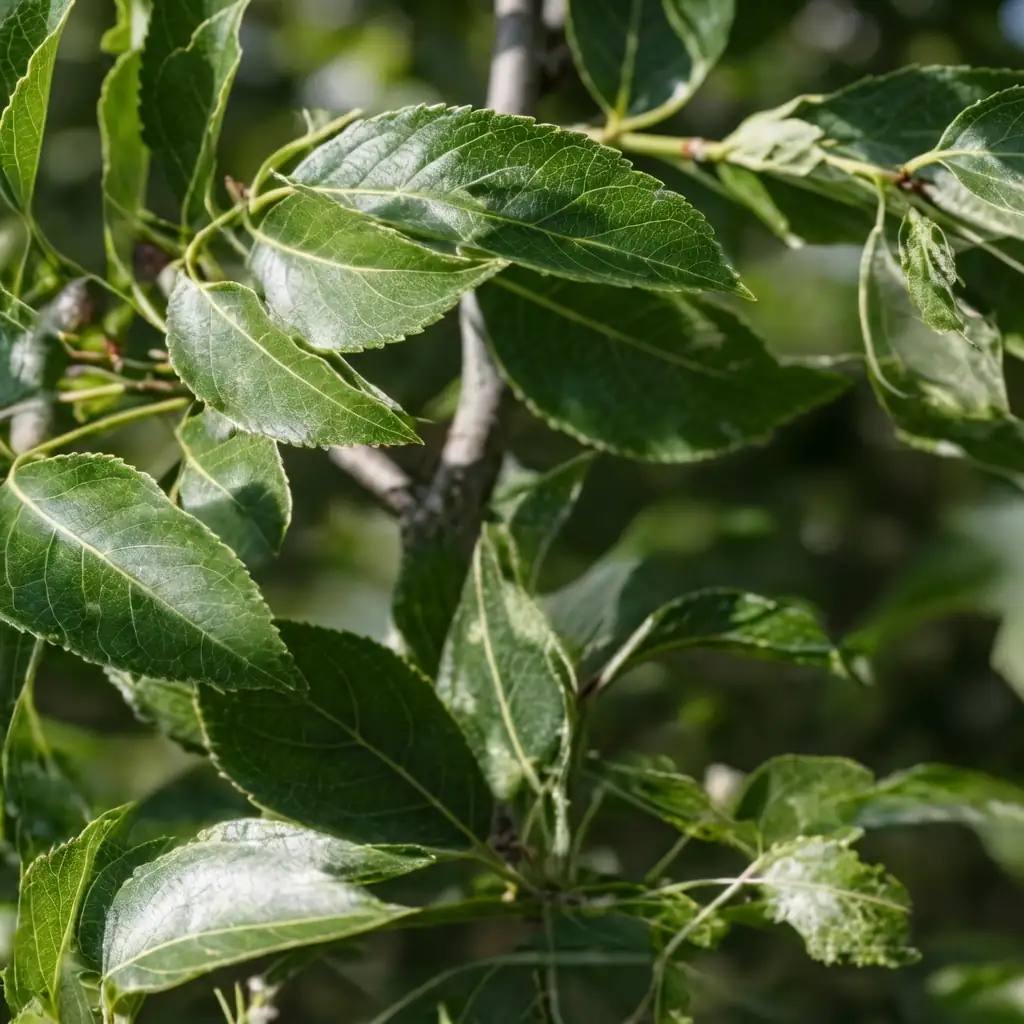
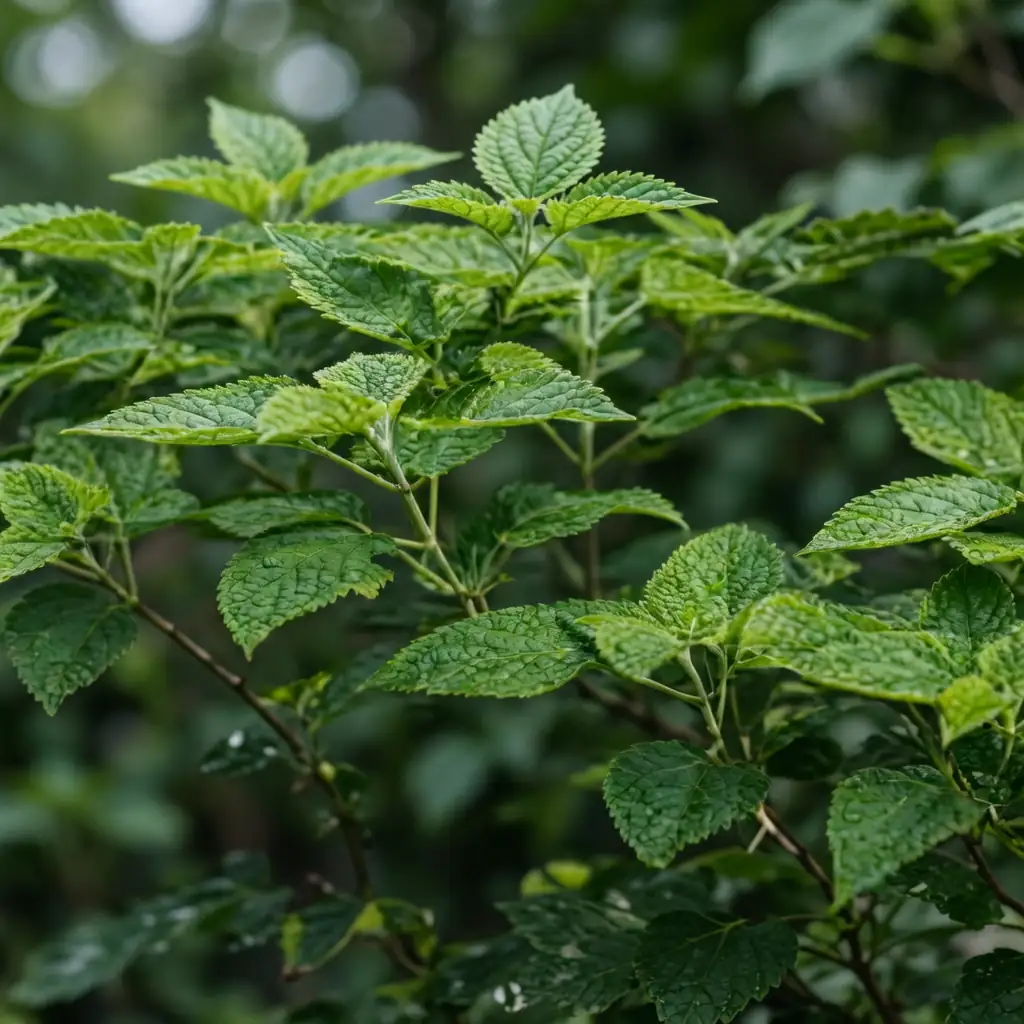
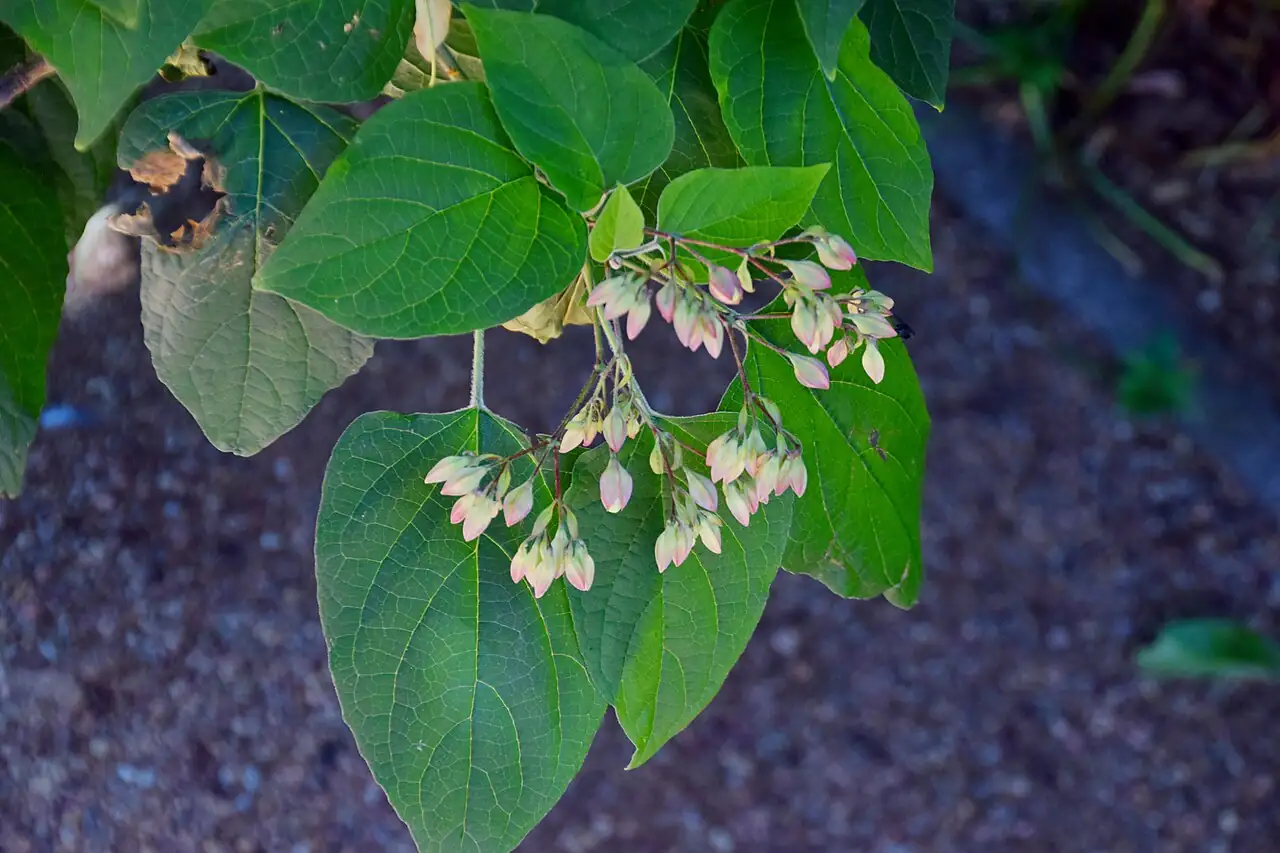
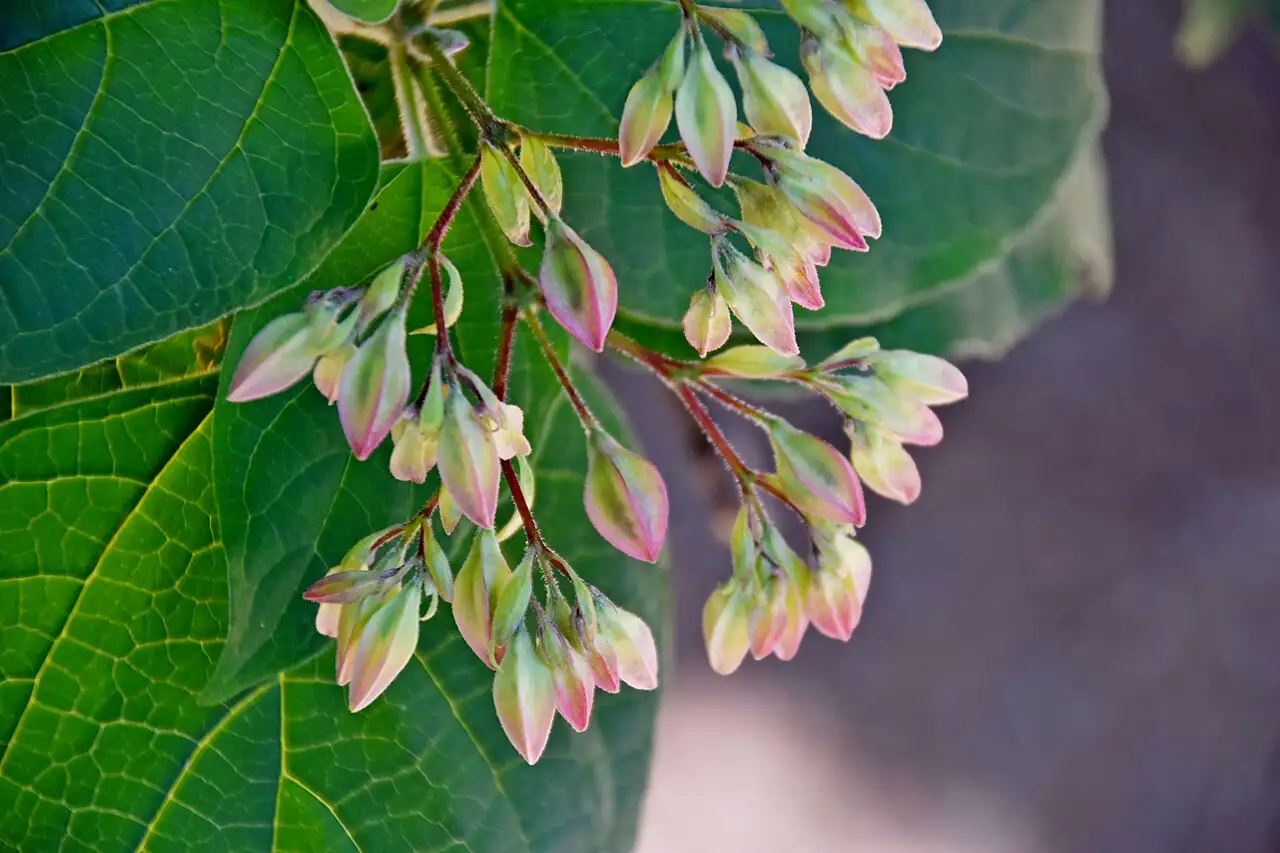
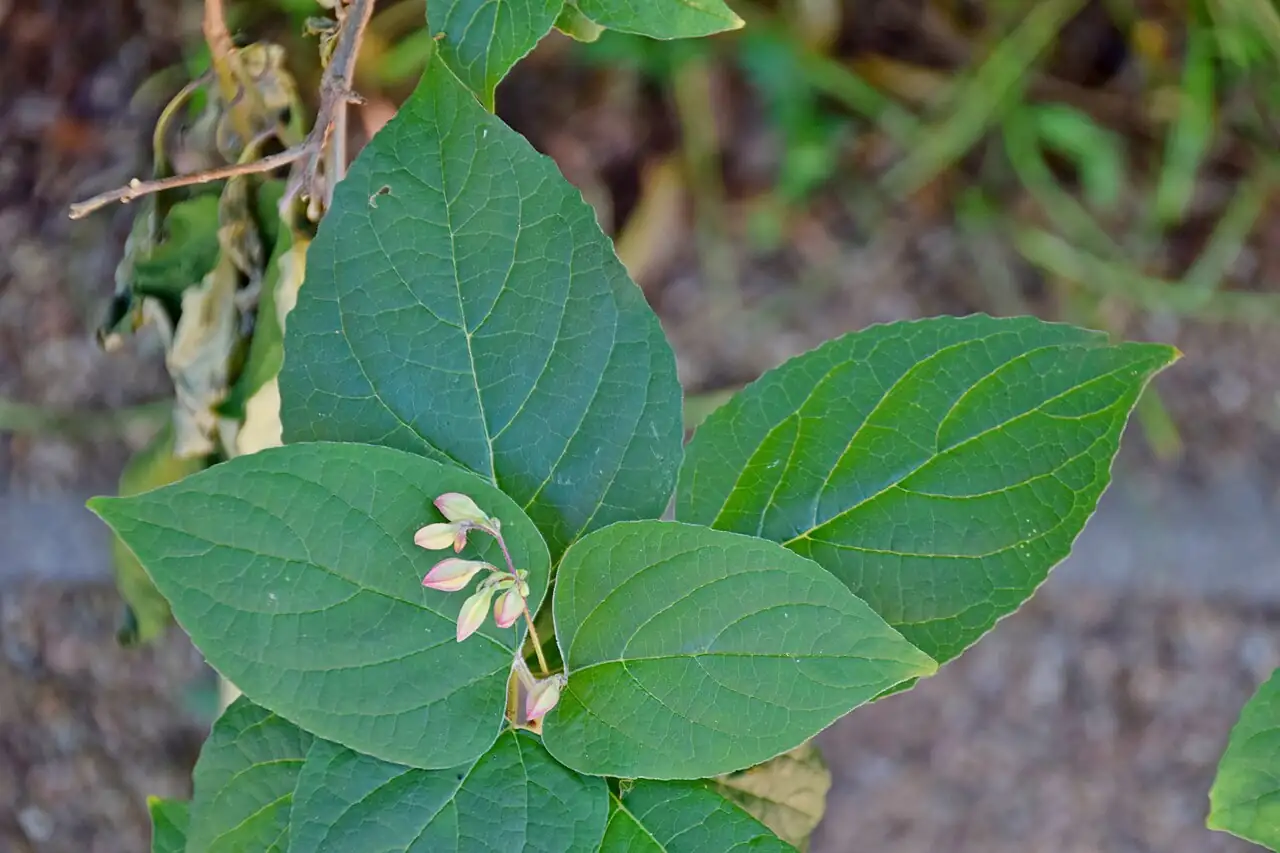
- Foliage: Leaves are opposite and broadly ovate. Young shoots and leaf stalks can be softly hairy. When crushed, the foliage is often aromatic—sometimes famously described as having a peanut-butter-like scent.
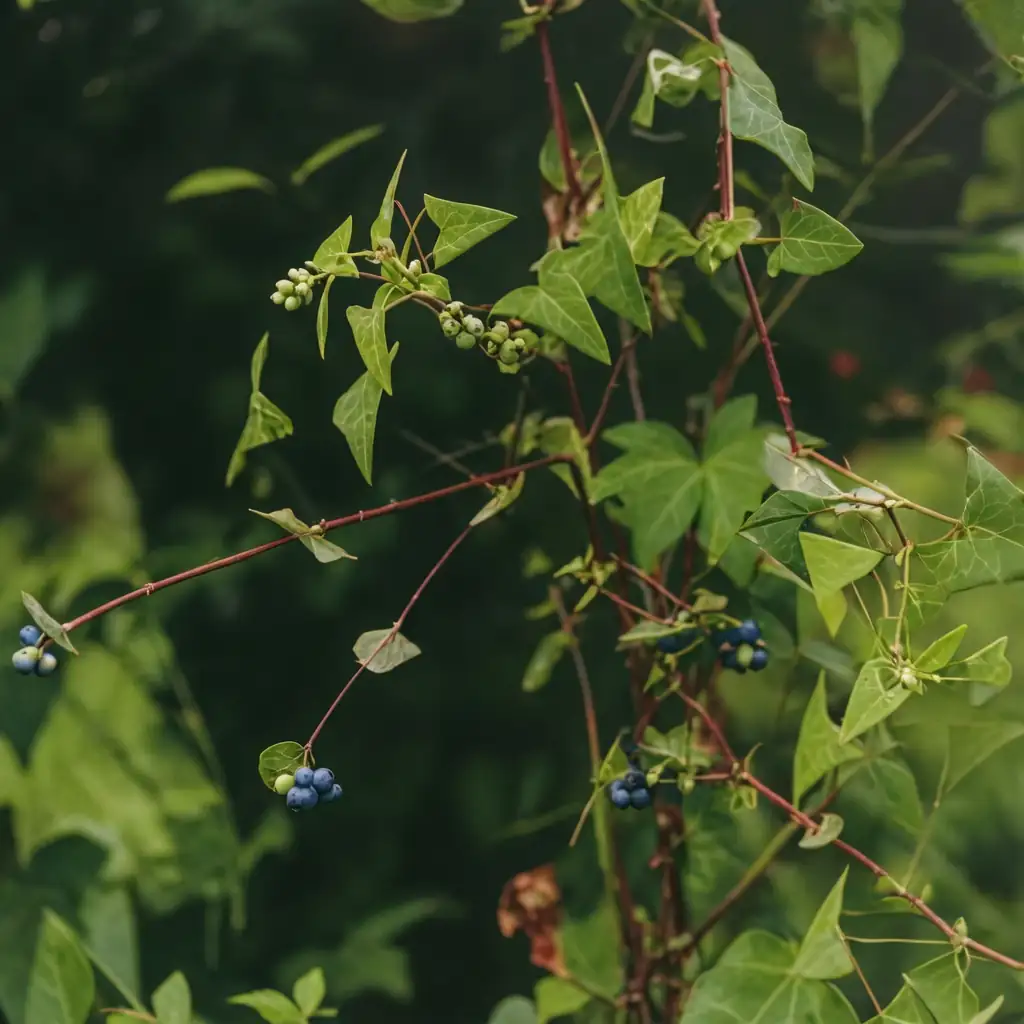
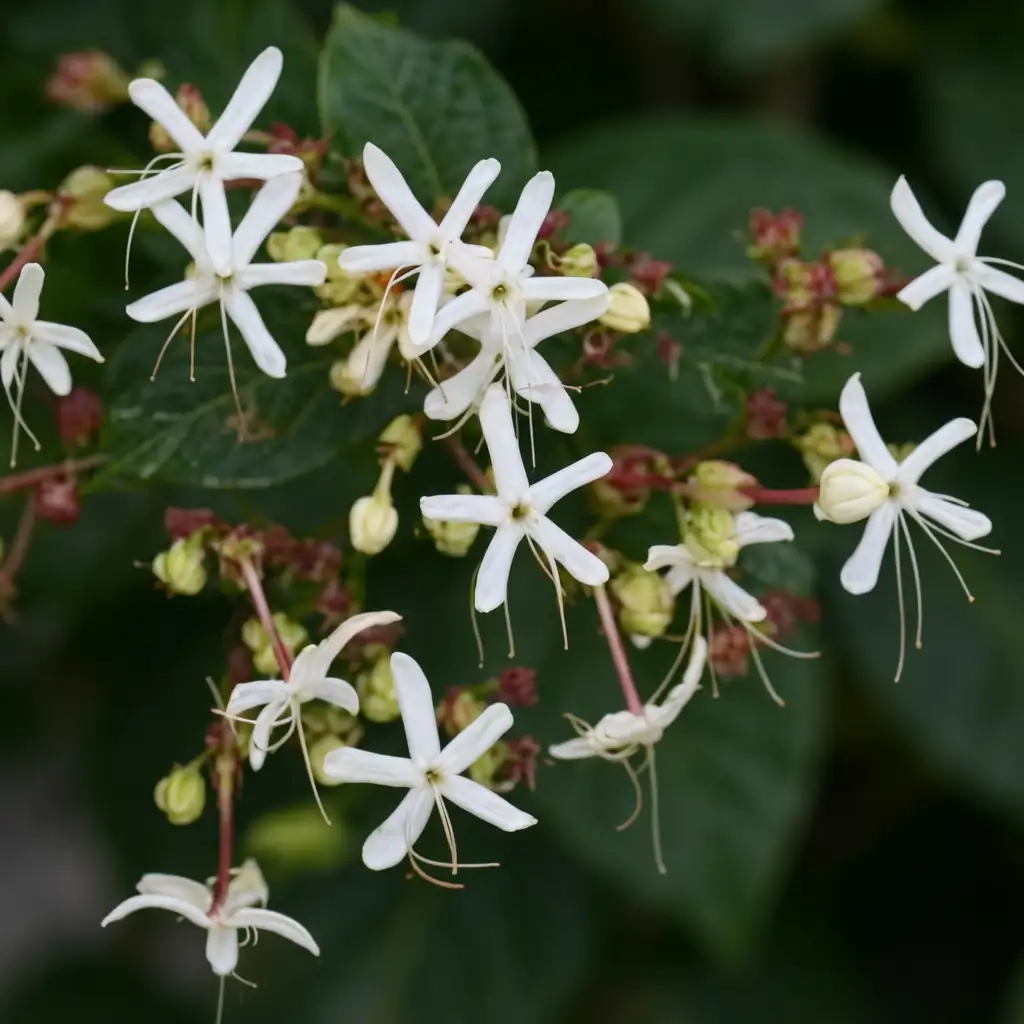
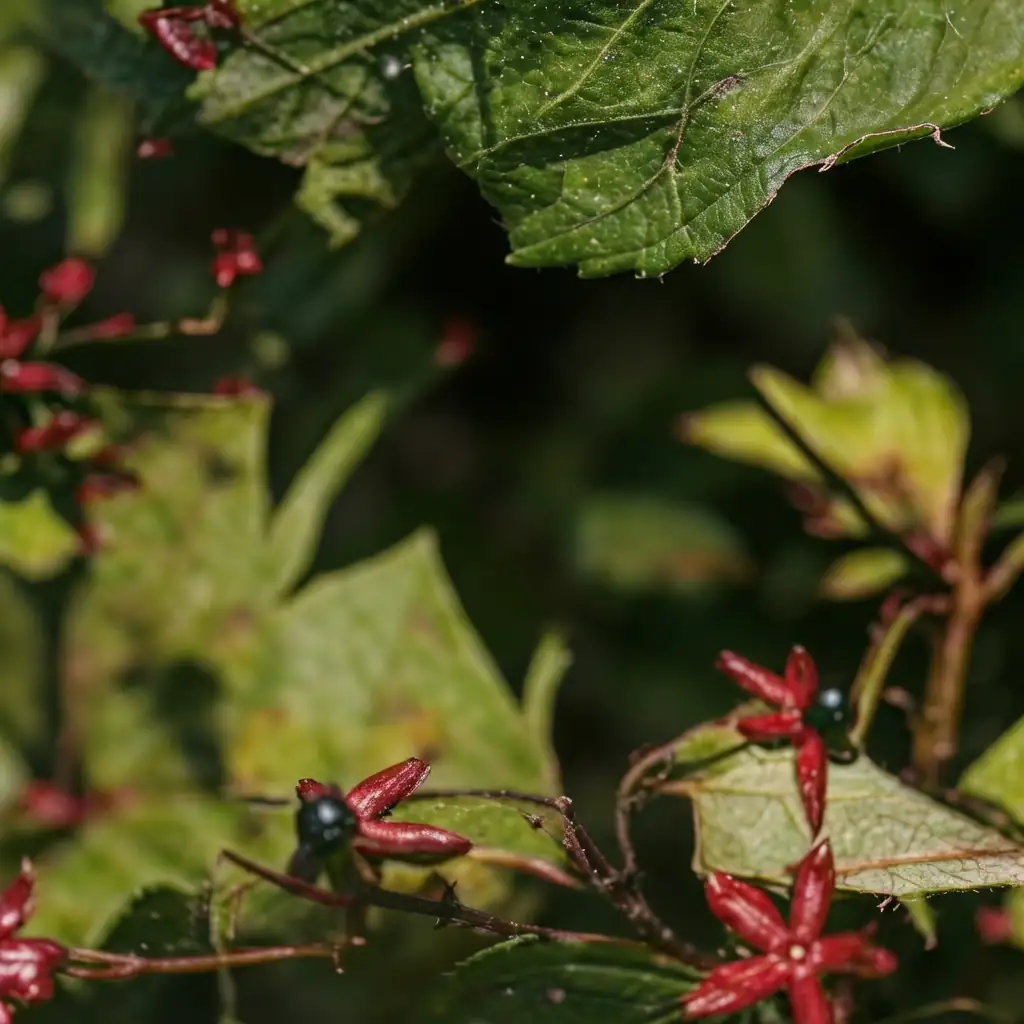
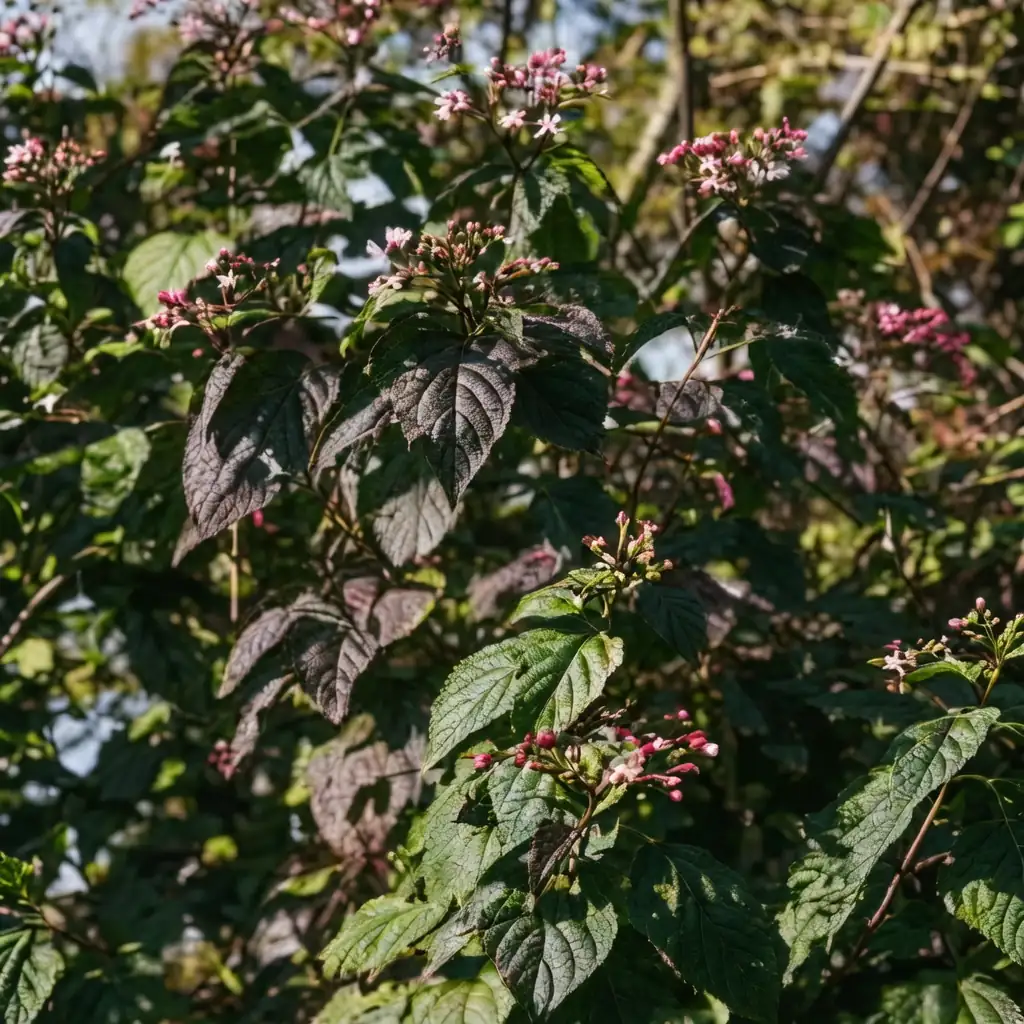
- Flower: Produces loose cymes of starry white flowers. The 5-lobed calyx often blushes pink to purplish, and the long stamens and style extend well beyond the corolla, giving a delicate starburst look. After flowering, round fruits develop in a vivid blue to blue-purple tone, made even more eye-catching by the persistent rosy calyx that holds them like a colorful setting.
- Flowering Season: June–November
- Growth Habit: Deciduous, upright, branching shrub to small tree; can sucker and gradually spread.
Environment
Sunlight
Full sun to partial shade; full sun usually produces the heaviest flowering and best fruit color.
Temperature
Cold-hardy. Grows most actively around 15–28°C (59–82°F) in the growing season; established plants handle winter cold well within their hardiness range.
Humidity
Average outdoor humidity is fine. Performs best with evenly moist conditions during active growth, but not constantly wet soil.
Soil
Adaptable to many soil types—even relatively poor soils—provided drainage is good. Avoid waterlogged or heavy, stagnant sites.
Placement
Best outdoors: gardens, parks, mixed shrub borders, and as a small specimen tree; also a good choice for wildlife-friendly plantings.
Hardiness
USDA Zone 6–9; generally frost-hardy once established.
Care Guide
Difficulty
Easy—an adaptable, low-maintenance shrub/small tree once established.
Buying Guide
Pick a plant with firm stems and healthy buds/leaves. Avoid pots that are badly root-bound and plants showing dieback. If it’s in leaf, inspect the undersides of leaves for pests.
Watering
Water regularly during establishment (especially the first year) to keep soil evenly moist but never soggy. Once established it’s fairly drought-tolerant, yet it flowers and fruits best with occasional deep watering during dry spells. Poor drainage/standing water is a common cause of stress.
Fertilization
Not a heavy feeder. If growth seems weak, apply a balanced slow-release fertilizer in spring. Avoid overfeeding, which can push leafy growth at the expense of flowers.
Pruning
Prune in late winter to early spring to shape and remove dead, damaged, or crossing branches. Because it blooms on new growth, light annual pruning can encourage stronger flowering.
Propagation
Semi-ripe cuttings in summer, hardwood cuttings in winter, or by seed. If the plant produces suckers, they can be dug and replanted.
Repotting
Usually grown in the ground. In containers, repot or upsize every 1–2 years in spring using a free-draining mix and a pot with drainage holes.
📅 Seasonal Care Calendar
Spring: prune, optionally feed, and plant/transplant. Summer–autumn: water in dry weather and enjoy the long flowers-to-fruit display. Winter: minimal care; protect young plants from severe cold and from sitting in wet soil.
Pests, Diseases & Safety
Common Pests & Diseases
Generally trouble-free. Possible pests include aphids, scale, and spider mites (especially in hot, dry periods). Leaf spots can occur in overly damp, stagnant conditions. Improve airflow, avoid waterlogging, and use horticultural soap/oil if infestations build up.
Toxicity
Toxicity is not consistently documented for this species. As a sensible precaution, treat it as potentially irritating if ingested: keep plant parts away from children and pets and wash hands after handling.
Culture & Symbolism
Symbolism: Often linked with “surprise” beauty—its flowers and bright blue fruits can overlap, creating a playful, harlequin-like display.
History & Legends: Long grown in East Asian gardens for its rare two-in-one ornamental value: fragrant flowers followed by an unusually colorful fruit show.
Uses: Primarily ornamental landscaping—excellent in borders, as a specimen shrub/small tree, and in wildlife-friendly gardens for its long season of interest.
FAQ
When does it flower?
Most commonly from June to November (June–November), depending on local climate.
When does it produce fruit?
Fruiting often overlaps with flowering from June–November, with the most dramatic blue-fruit display typically in late summer through autumn.
How tall does it get?
Typically 1.5–6 m (5–20 ft), but in ideal conditions it can reach about 10 m (33 ft).
What light does it prefer?
Full sun to partial shade; full sun usually gives the best flowering and fruiting.
Is it drought-tolerant or moisture-loving?
Both in a way: it tolerates drought once established, but looks and blooms best with regular moisture—just avoid waterlogged soil.
Fun Facts
- It can flower and fruit over the same long season (June–November), so you may get blooms and “berries” at once.
- The fruits look intensely blue because they sit in a persistent rosy-pink to purplish calyx—like gemstones in a setting.
- Its long, protruding stamens give the white flowers a delicate, spidery starburst effect.
- It’s happy in poorer soils, but standing water is one of the quickest ways to upset it.
- Crushed leaves can smell surprisingly strong—hence the nickname “Peanut Butter Tree.”