Plant Features
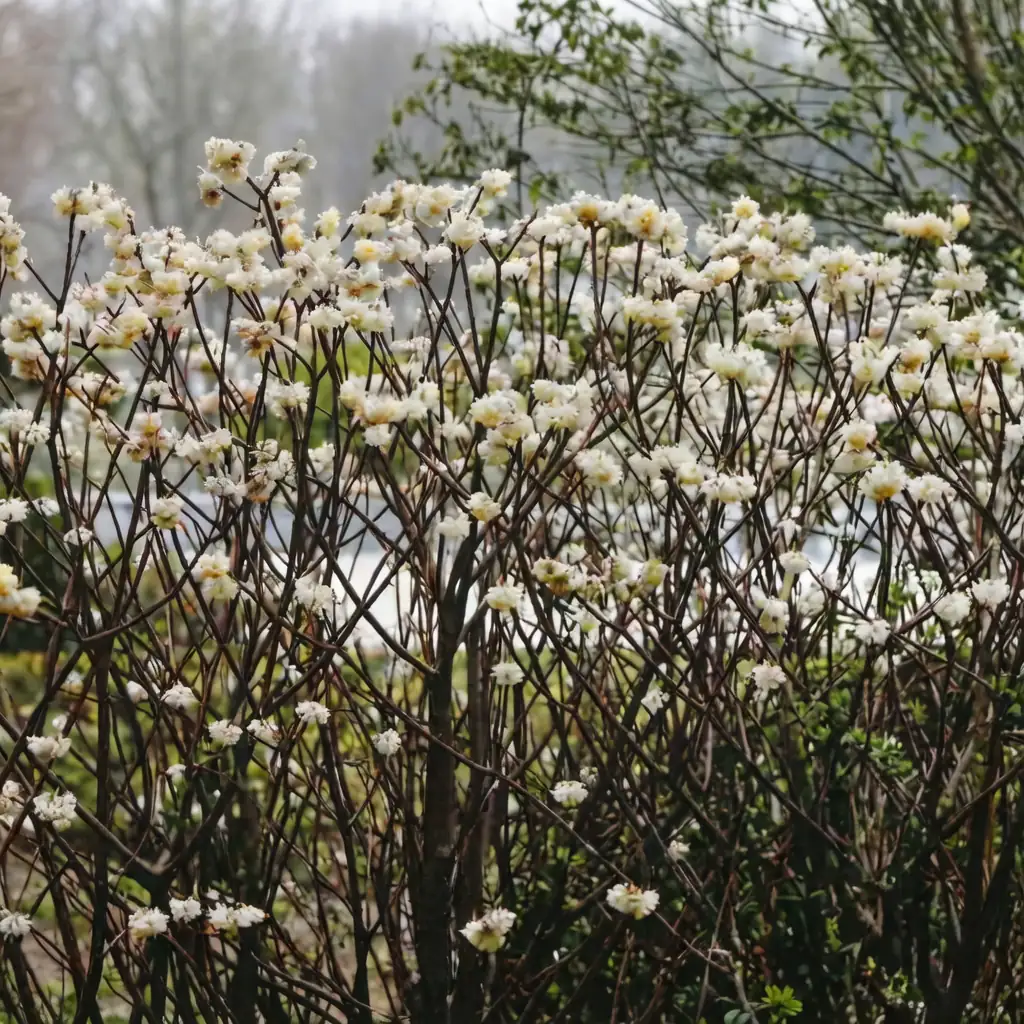
- Size: Typically 1–2 m (3.3–6.6 ft) tall, usually forming a rounded shrub with a similar spread when happy.
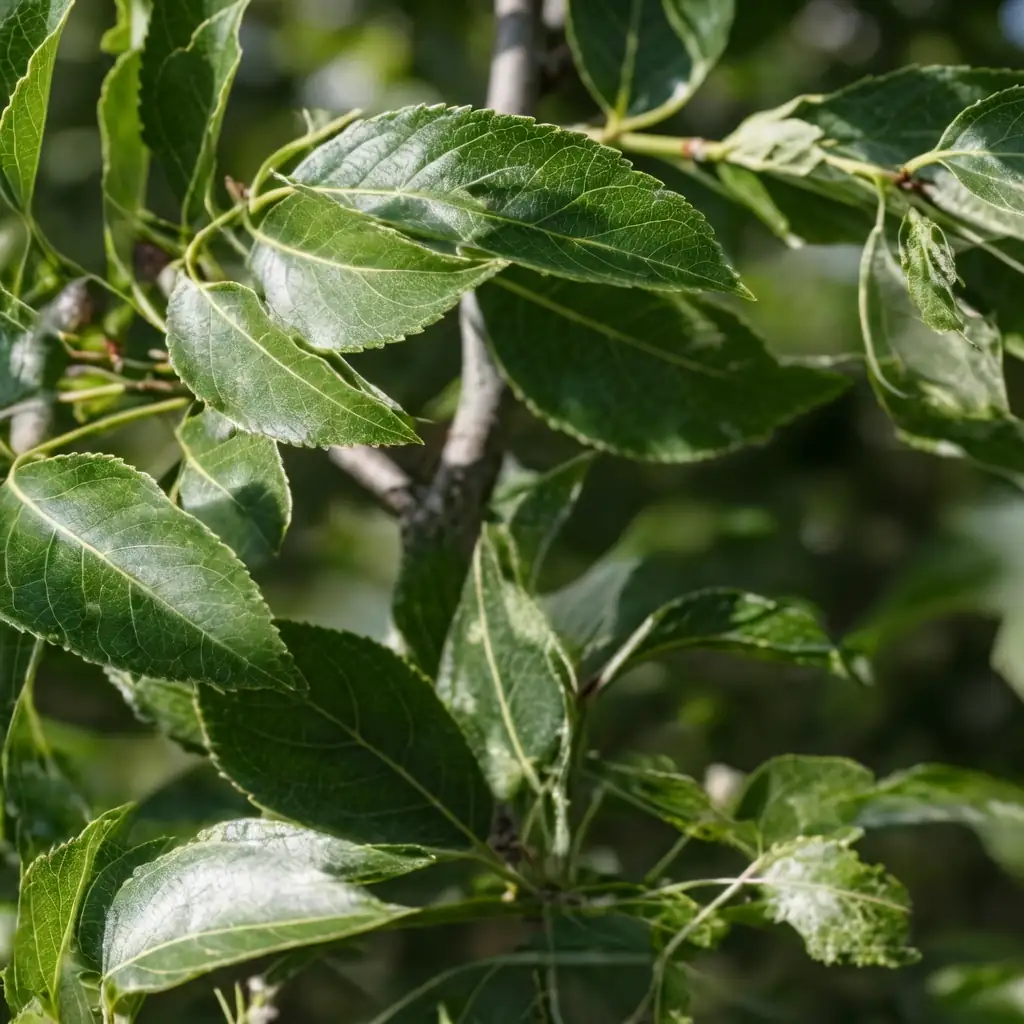
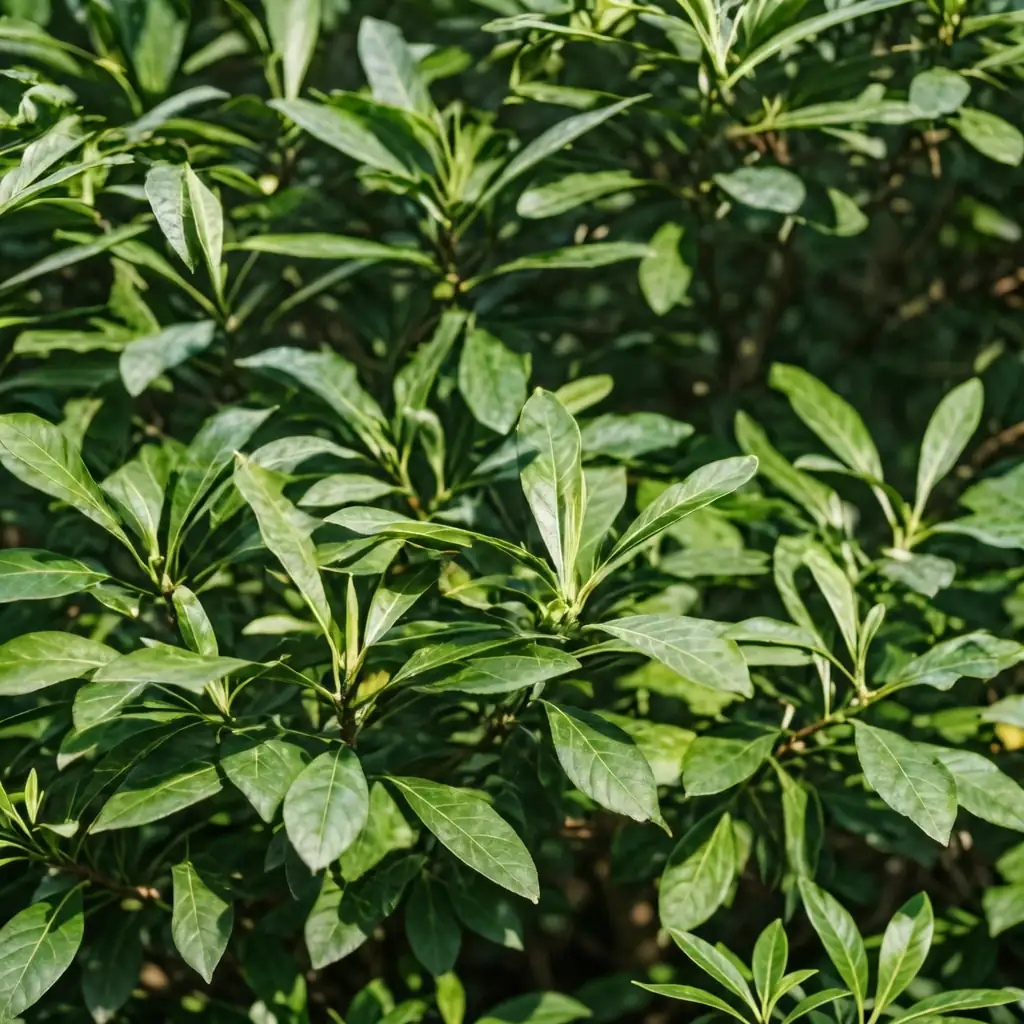
- Foliage: Leaves are alternate, narrowly elliptic to obovate-lanceolate, often clustered toward branch tips. The plant drops its leaves in winter, letting the flower display take center stage.
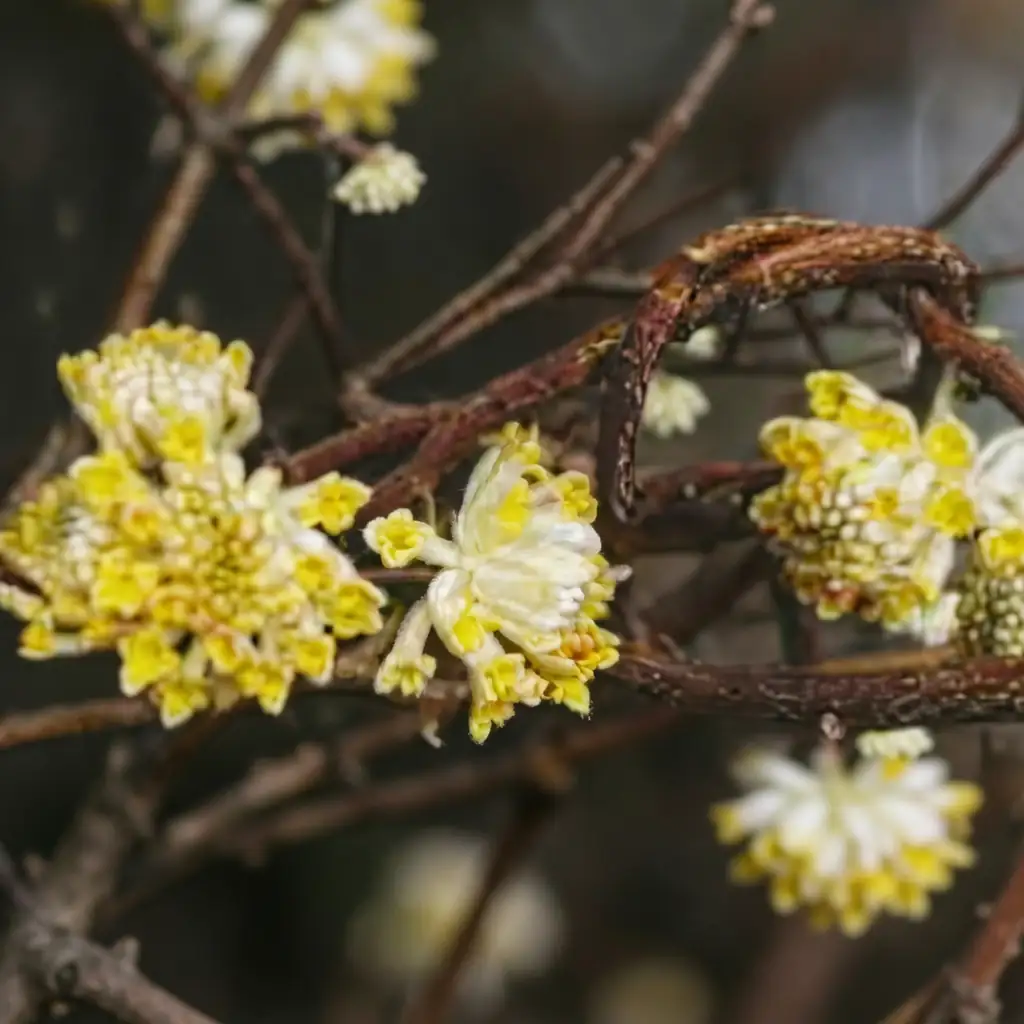
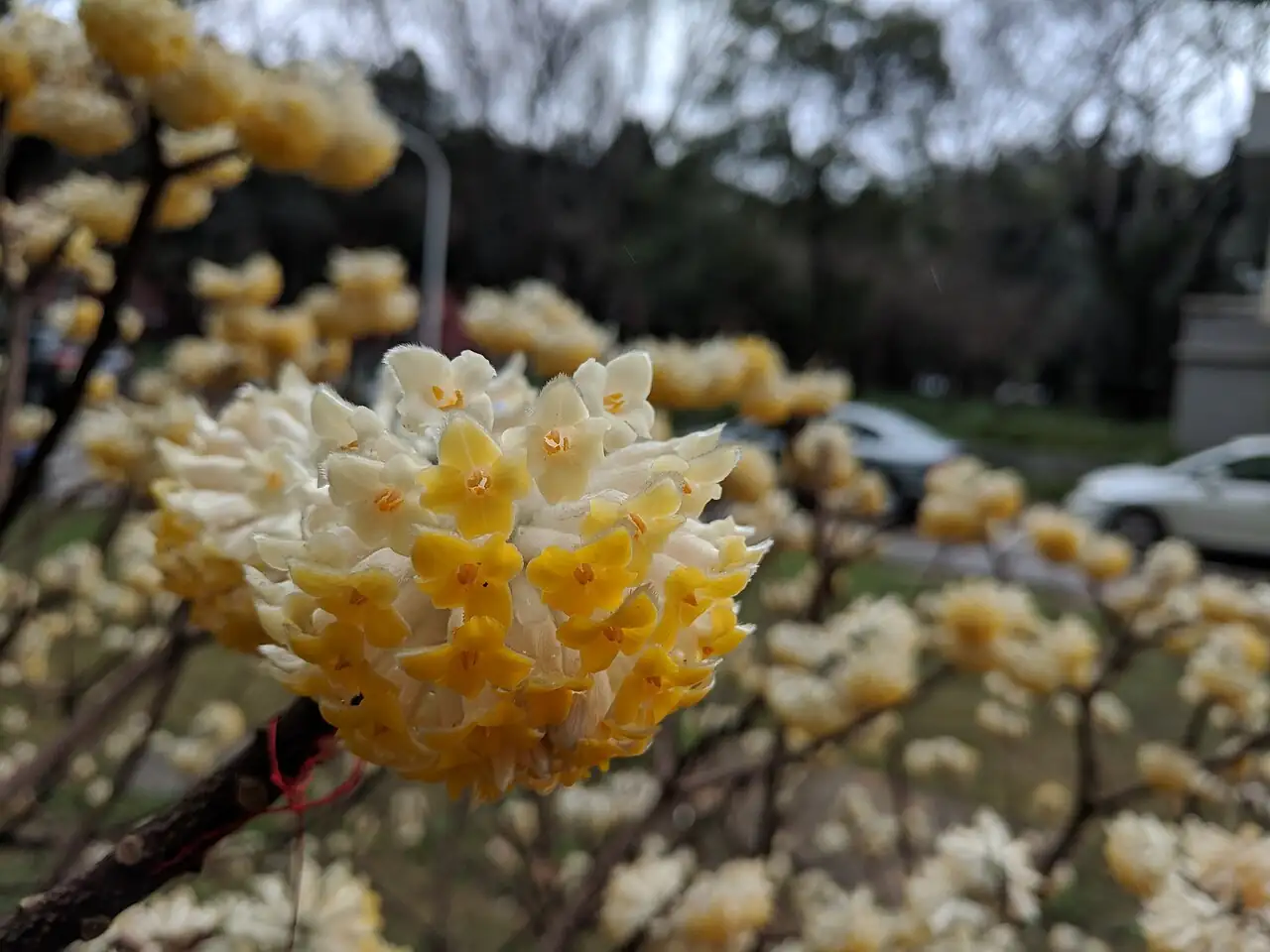
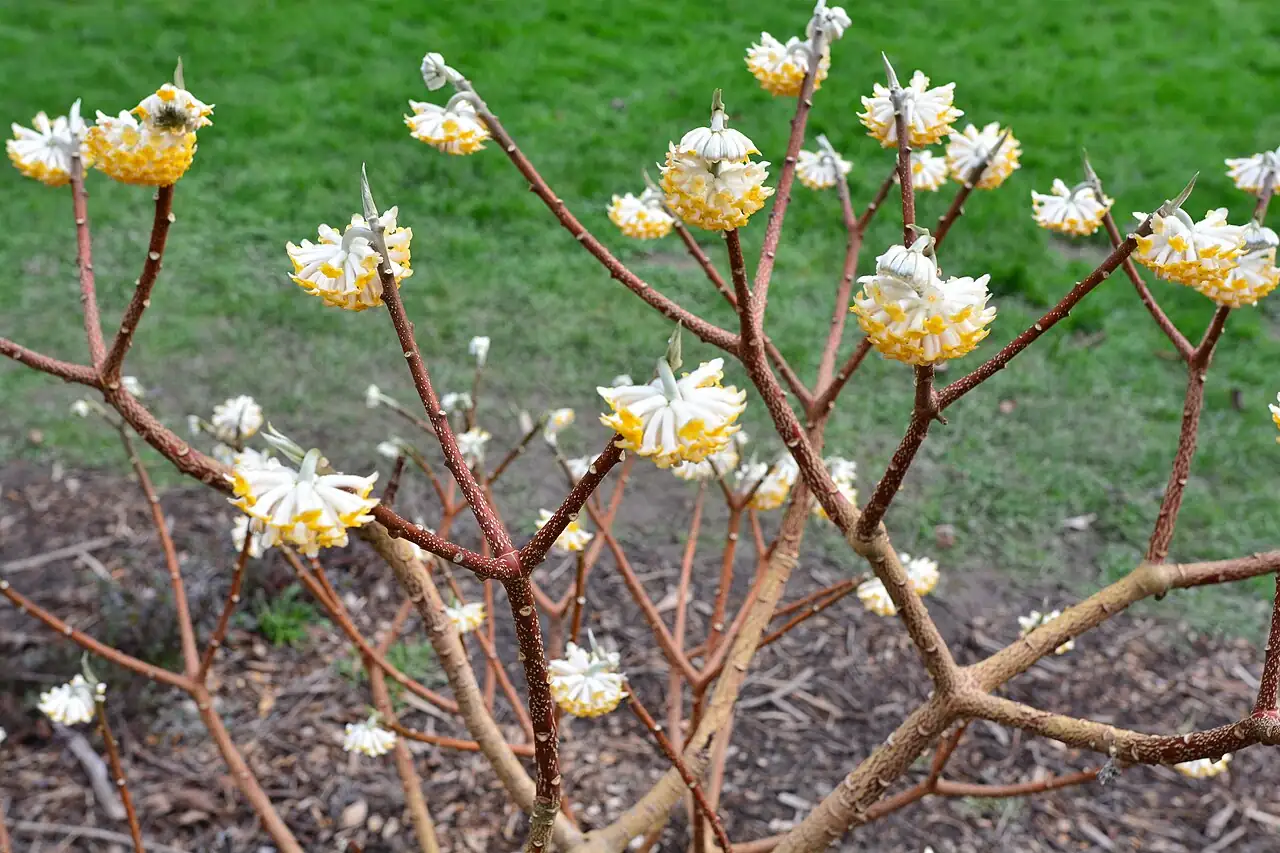
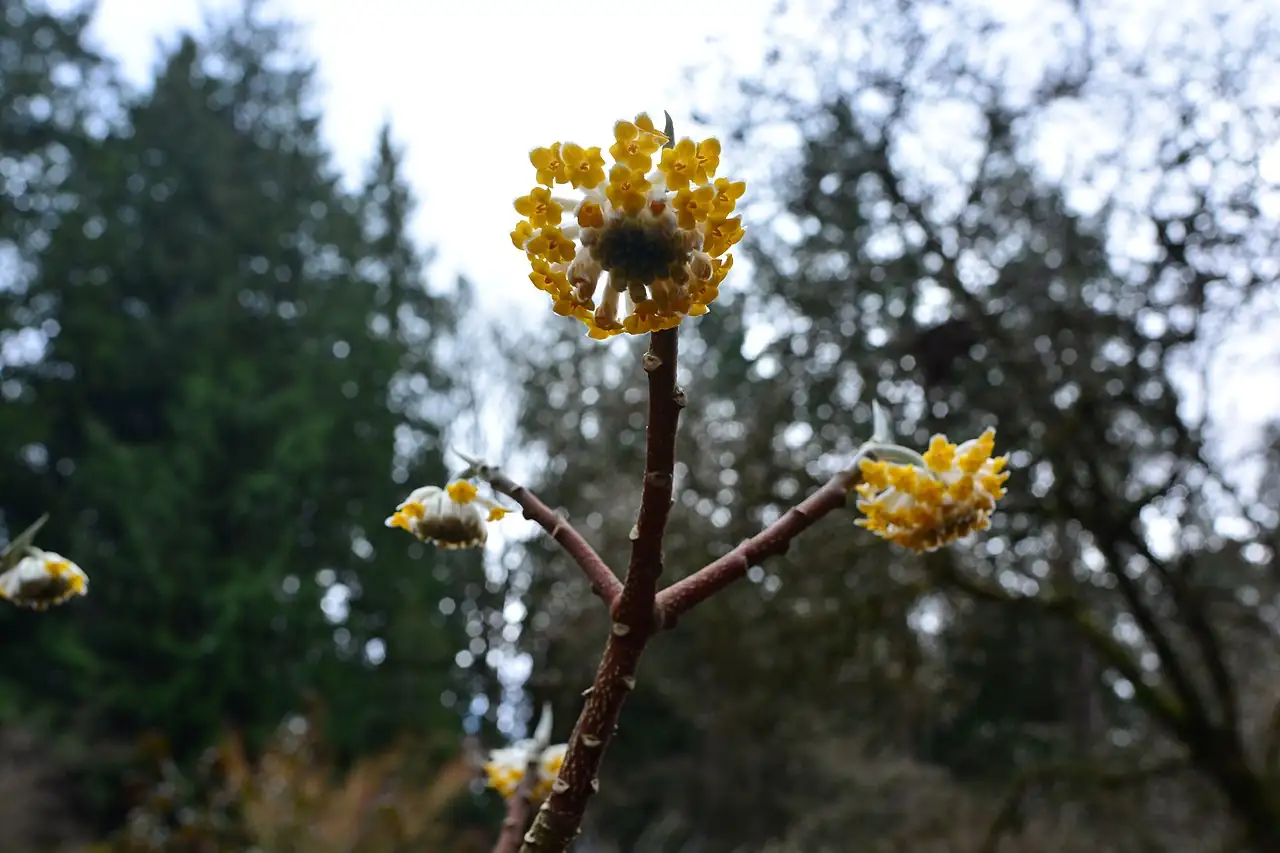
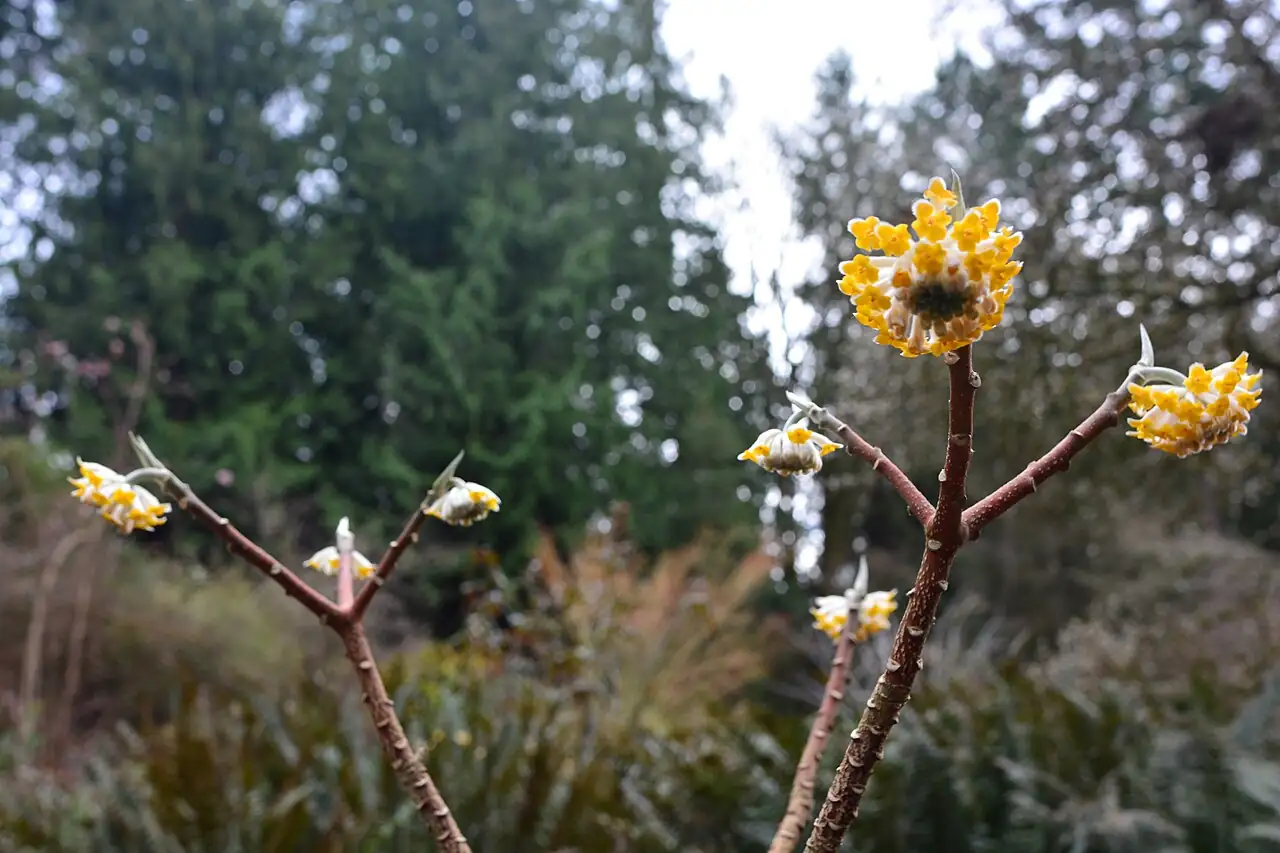
- Flower: Dense, rounded clusters of many small tubular flowers (often about 40–50 per cluster), usually nodding. Flowers are rich yellow to golden and strongly, sweetly fragrant; they open before or alongside the first leaves.
- Flowering Season: March–April (late winter to early spring; timing varies by climate).
- Growth Habit: Deciduous, multi-stemmed shrub with stout, very pliable shoots that often fork into three. Commonly produces basal shoots/suckers from the crown, gradually building a clump.
Environment
Sunlight
Full sun to partial shade. For best flowering, give plenty of light; in hot-summer areas, afternoon shade helps prevent stress.
Temperature
Prefers mild to warm conditions; protect from hard freezes. Best growth is roughly 10–25°C (50–77°F).
Humidity
Moderate humidity; likes evenly moist conditions but not stagnant, overly wet air/soil.
Soil
Fertile, well-drained loam is ideal. Keep evenly moist but never soggy; slightly acidic to neutral soil works well.
Placement
A winter-fragrance star near paths, doors, and patios; also does well in large containers on balconies or terraces with good drainage.
Hardiness
USDA Zone 7–10 (about -17 to -1°C / 1 to 30°F depending on plant form and siting). Shelter from severe frost and cold winds, especially to protect flower buds.
Care Guide
Difficulty
Moderate: generally easy once established in the right place, but it dislikes extremes—avoid drought, avoid waterlogging, and protect from harsh frost.
Buying Guide
Choose plants with firm, undamaged stems and healthy buds. Avoid root-bound specimens with tightly circling roots. In bud/flower season, look for plump buds and no tip dieback.
Watering
Because it has fleshy roots, water deeply, then let the top layer of soil dry slightly before watering again. Don’t let it bake bone-dry for long periods, and don’t keep it saturated—both drought and standing water can lead to poor growth or root problems.
Fertilization
Feed lightly in spring after flowering with compost or a balanced, slow-release fertilizer. Avoid heavy nitrogen, which can encourage soft leafy growth at the expense of blooms.
Pruning
Prune minimally. After flowering, remove dead or crossing wood and do only gentle shaping if needed. You can train and bend the flexible branches for ornamental forms, but avoid hard pruning into old wood.
Propagation
Often increases naturally via basal shoots/suckers from the crown. Can also be propagated by layering or semi-ripe cuttings in suitable conditions.
Repotting
For container plants, repot every 2–3 years in early spring (after flowering) into a slightly larger pot with excellent drainage. Disturb the roots as little as possible; refresh the potting mix.
📅 Seasonal Care Calendar
Flowering: March–April (late winter to early spring). Fruit: May–June. Keep moisture even during bud swelling and flowering, and protect buds from late frosts for the best bloom show.
Pests, Diseases & Safety
Common Pests & Diseases
Usually trouble-free. Watch for aphids on fresh growth, scale on stems, and root issues in poorly drained soil. Improve airflow, avoid overwatering, and use horticultural soap/oil if needed.
Toxicity
Household toxicity is not well documented in many common references. As a sensible precaution, discourage pets/children from chewing the plant and wash hands after handling.
Culture & Symbolism
Symbolism: Often linked with early-spring hope and “winter fragrance,” treasured for bringing scent and warm color when gardens are otherwise quiet.
History & Legends: Edgeworthia is closely associated with traditional paper-making in Asia; its bark fibers have been valued for producing high-quality paper in related practices.
Uses: Primarily grown as an ornamental shrub for late-winter/early-spring perfume and garden structure. Excellent near walkways and entrances, and also popular in large pots. Branch flexibility makes it fun for training and sculptural effects.
FAQ
Why are the stems called “knotty” or easy to tie?
Unlike many woody shrubs, young to mid-aged paperbush branches are unusually flexible, so they can be bent—and sometimes loosely tied—without snapping, which makes them great for training and decorative shaping.
Why is my paperbush not flowering well?
Common causes include too much shade, overly high-nitrogen feeding, pruning at the wrong time, or winter/late-frost bud damage. Increase light, feed lightly, prune only right after flowering, and protect buds from severe cold.
Fun Facts
- Many growers can gently bend or even tie the pliable branches into a knot-like loop for training or display.
- A single flower cluster can hold dozens of tiny blooms (often around 40–50), giving a fluffy pom-pom look.
- In late winter, the fragrance can carry surprisingly far for a shrub this size.
- The developing fruits can show a honeycomb-like surface texture.
- It often produces basal shoots, slowly forming a multi-stemmed clump over time.