

Plant Features
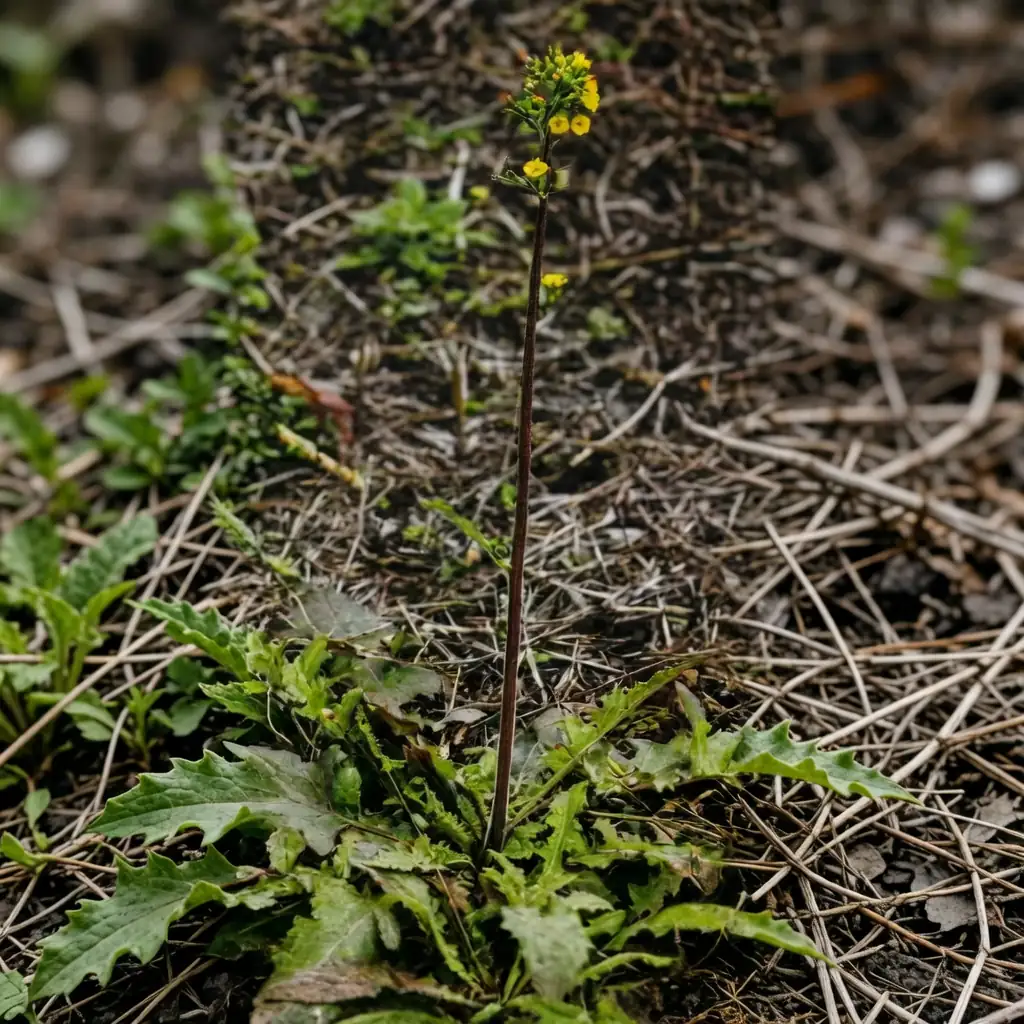
- Size: Typically 10–100 cm (4–39 in) tall; overall spread varies with site conditions.
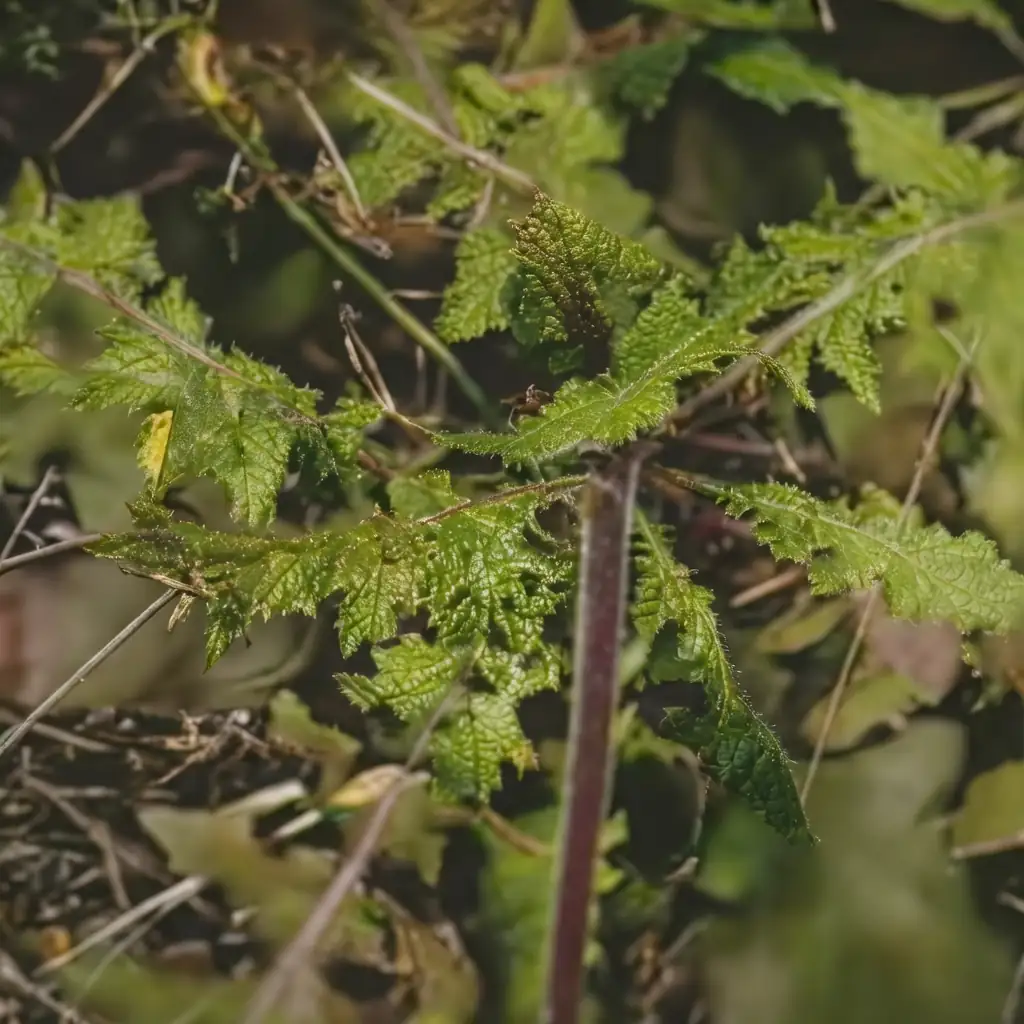
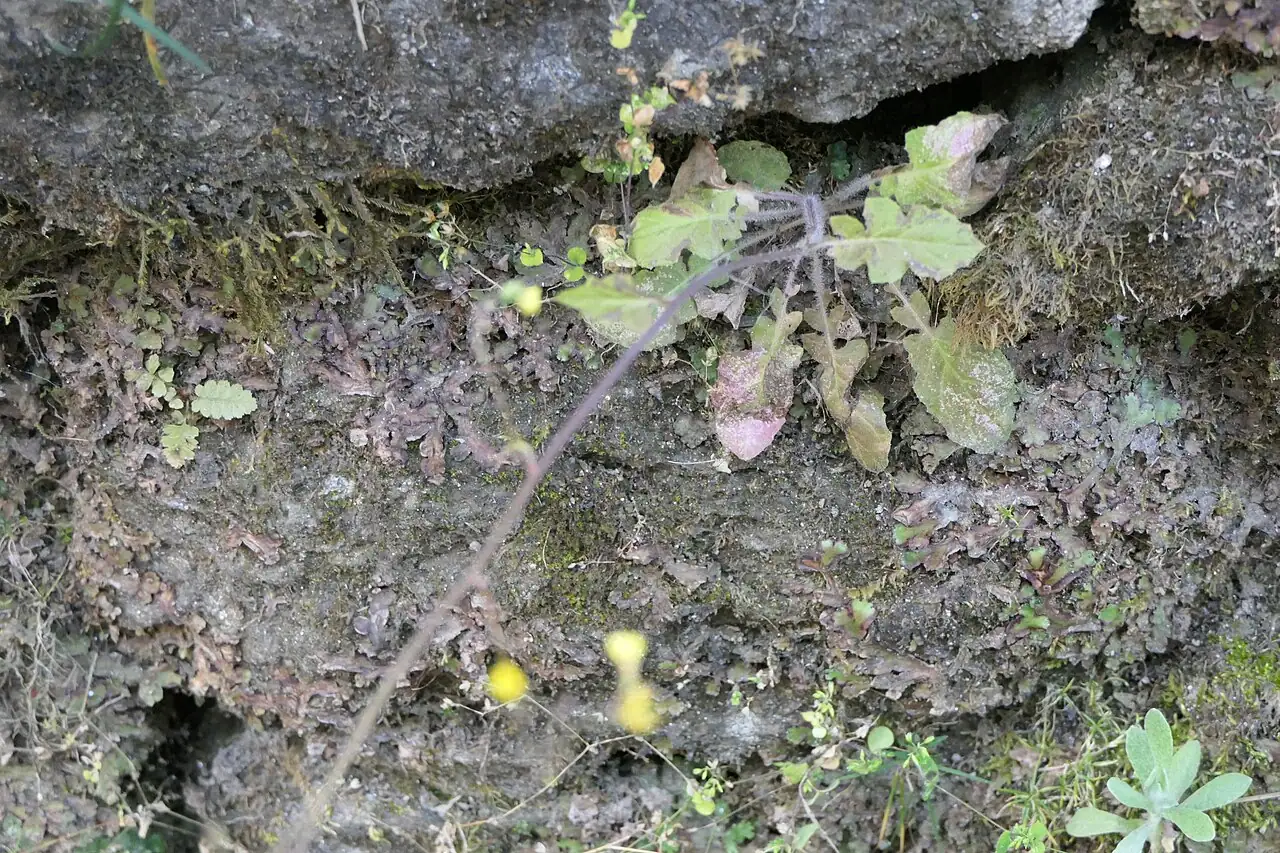
- Foliage: Stems are upright. Leaves are mostly basal, forming a rosette; blades range from obovate-lanceolate to lanceolate and are often pinnately lobed, with deep, wavy teeth on the lobes. Leaf stalks can be slightly winged.
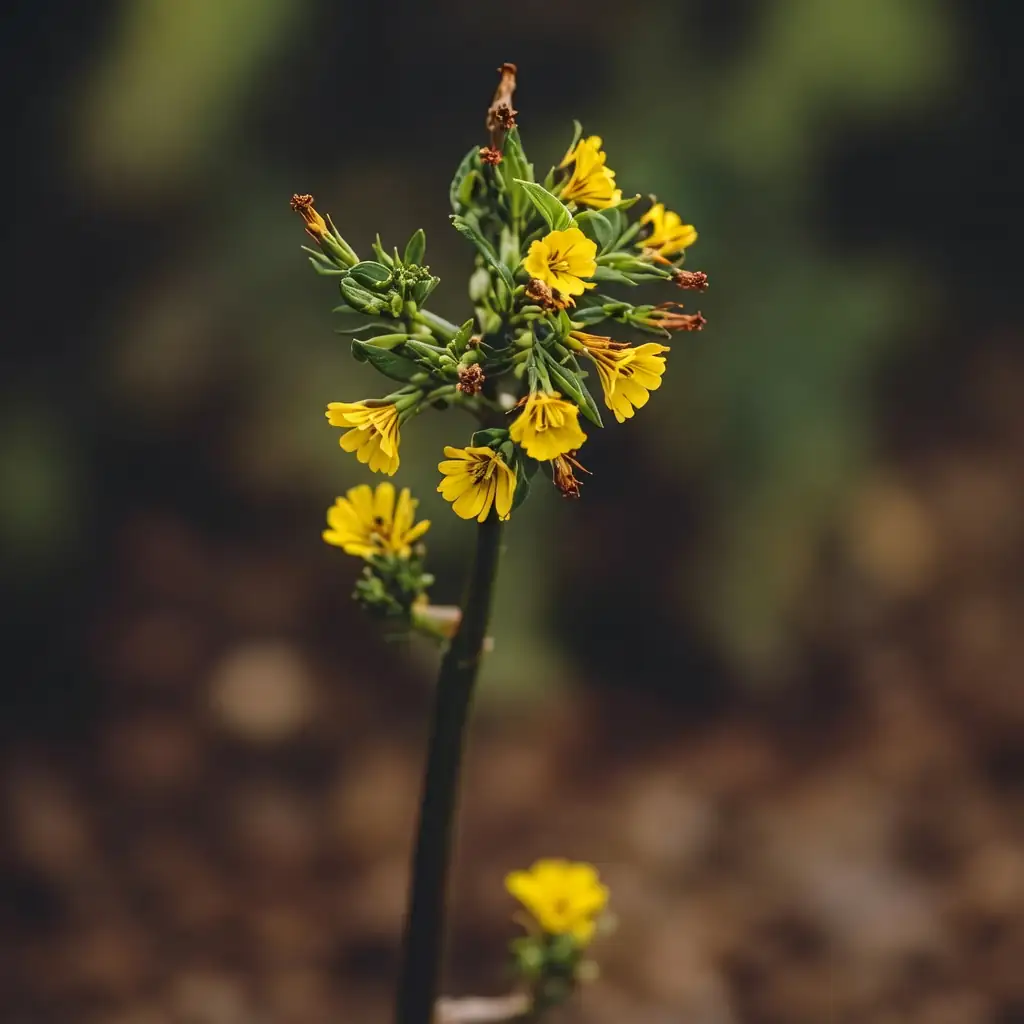
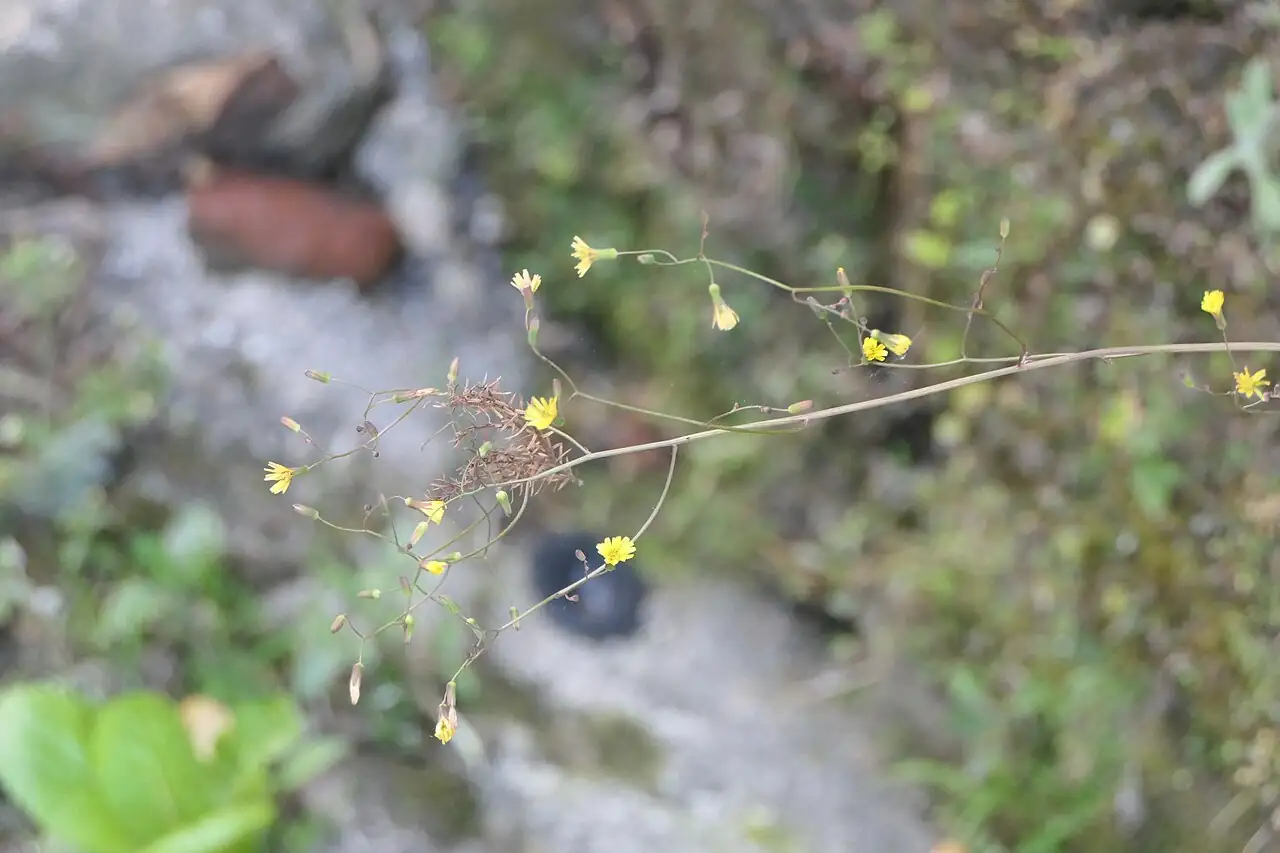
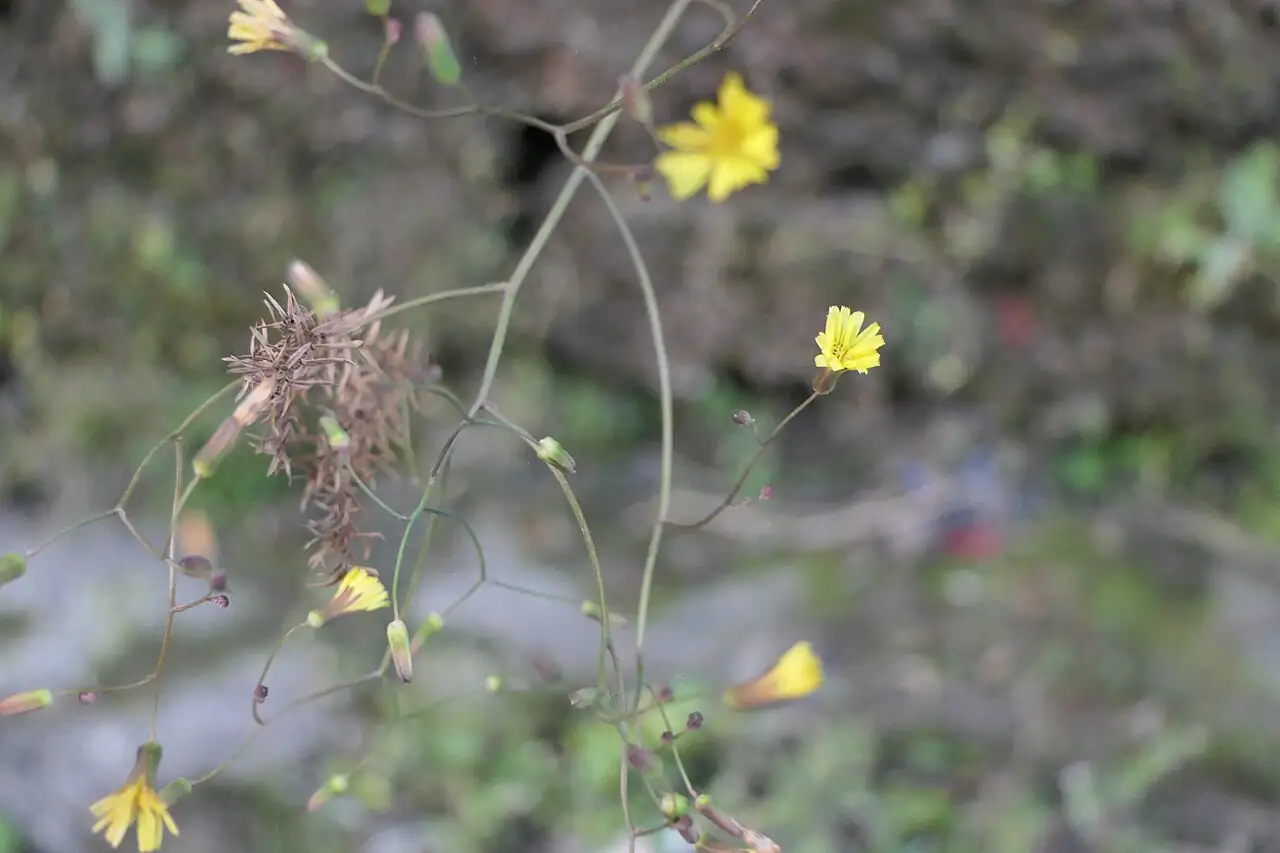
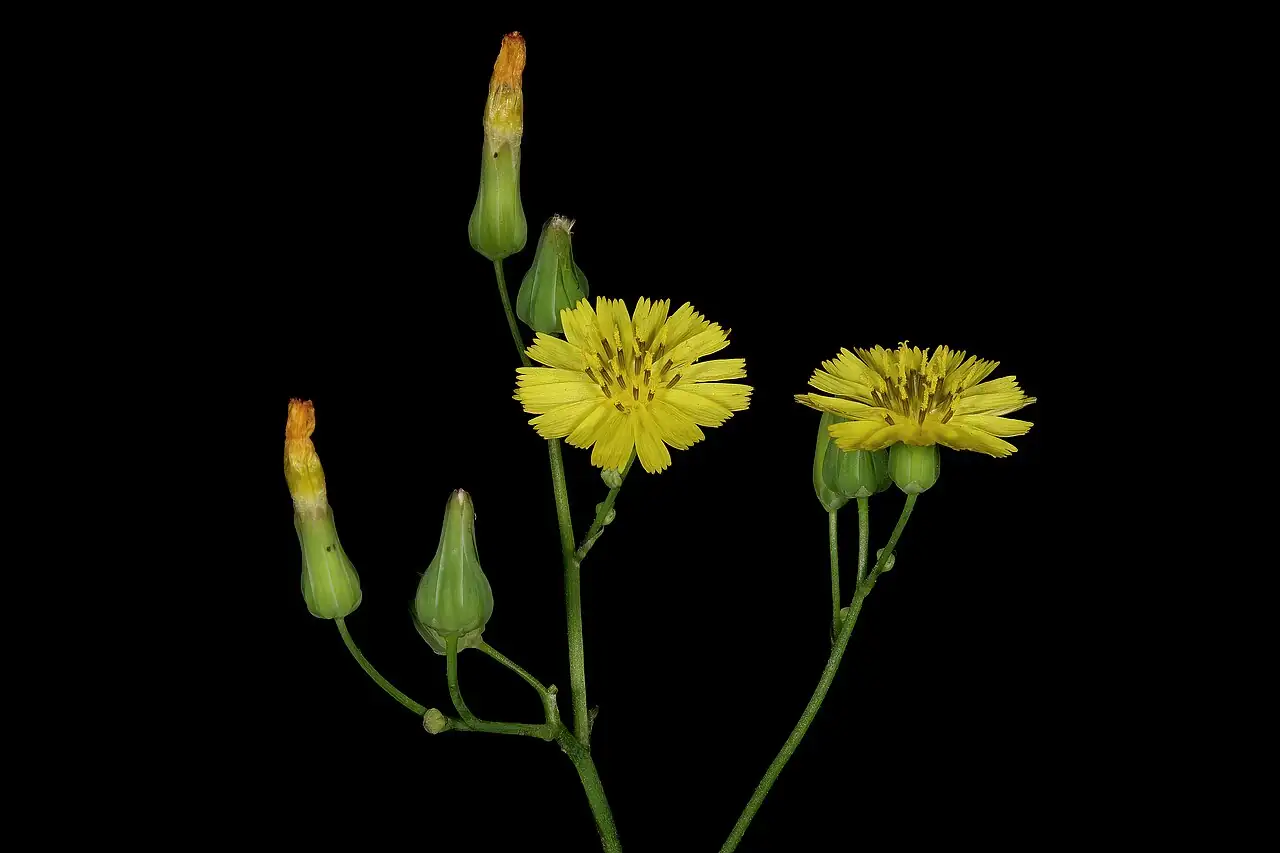
- Flower: Flower heads are borne on stalks and arranged in branched, corymb-like to panicle-like clusters. The involucre is cylindrical and the receptacle is flat. Each head is composed entirely of strap-shaped florets (all ray florets) in a bright yellow, giving a mini-dandelion look. After flowering, it forms spindle-shaped, slightly flattened achenes topped with a white, hair-like pappus for wind dispersal.
- Flowering Season: April–October
- Growth Habit: Annual or biennial upright herb; often appears as a volunteer and can self-seed freely.
Environment
Sunlight
Full sun to partial shade.
Temperature
Highly adaptable; best growth in mild conditions around 10–25°C (50–77°F).
Humidity
Tolerant of a wide range; performs well in average to high humidity, roughly 40–80%.
Soil
Adaptable to many soils; commonly occurs in disturbed ground and field margins, woodland edges, and moist sites near streams and marshes. Prefers well-drained soil but tolerates periodically damp ground.
Placement
Naturalistic plantings, meadow edges, cool-season groundcover areas, and informal garden corners; also common as a volunteer in lawns and pots.
Hardiness
Often behaves as a cool-season annual in colder regions; not reliably frost-tender. Approx. USDA Zone 7–11 (minimums roughly 0–10°C / 32–50°F, depending on local conditions).
Care Guide
Difficulty
Easy—very tolerant and self-sufficient once established; often appears as a volunteer in suitable sites.
Buying Guide
Usually not sold as an ornamental; most often encountered as a wildflower/volunteer. If selecting plants, choose individuals with fresh green basal leaves and no obvious aphids or mildew.
Watering
Water to establish, then water only during prolonged dry spells. For containers, aim for evenly moist soil, letting the top 2–3 cm (1 in) dry slightly between waterings.
Fertilization
Generally unnecessary. If grown in pots or very poor soil, feed lightly with a balanced fertilizer at 1/4 strength every 4–6 weeks during active growth.
Pruning
Deadhead to reduce self-seeding and keep the plant tidier. Remove spent stems at the base when flowering finishes.
Propagation
Primarily by seed; readily self-sows. Sow on the soil surface and press in—light helps germination. Thin seedlings to avoid overcrowding.
Repotting
Not typically repotted (short-lived). If grown in containers, refresh soil and re-sow each season; move seedlings to a slightly larger pot when roots fill the container.
📅 Seasonal Care Calendar
Spring–autumn: main flowering and seed set. In cool climates, allow a few plants to seed if you want it to return; where it’s not wanted, remove flower heads before seeds mature.
Pests, Diseases & Safety
Common Pests & Diseases
Usually trouble-free. Possible issues include aphids on tender growth and powdery mildew in crowded, still conditions. Improve airflow, avoid over-fertilizing with nitrogen, and rinse aphids off with water if needed.
Toxicity
No well-documented toxicity to people or pets is widely cited for this species; however, it’s still best not to eat it casually and to supervise pets, since individual sensitivities can vary.
Culture & Symbolism
Symbolism: Often linked with resilience and adaptability—an unfussy plant that thrives in changing, disturbed places.
History & Legends: A familiar East Asian wildflower frequently recorded in field floras. It’s more of a well-known roadside and field-margin companion than a classic “show” ornamental.
Uses: Naturalistic, cool-season groundcover effect; adds an easygoing wildflower vibe and provides nectar/pollen resources for small pollinators while in bloom.
FAQ
Is Japanese hawkweed a dandelion?
No. It can look like a small dandelion because it has yellow, strap-flowered heads in the daisy family, but it belongs to a different genus (Youngia).
Will it spread on its own?
Yes. It commonly self-seeds. Deadhead before seeds develop if you want to limit spreading.
Fun Facts
- It is widely distributed across China and commonly appears in disturbed ground and field margins.
- Flowering and fruiting often overlap from April to October.
- Its height can swing dramatically with conditions—from about 10 cm (4 in) to 100 cm (39 in).
- Each flower head is made entirely of strap-shaped (ray) florets, which is why it feels so dandelion-like at a glance.
- The white, fluffy pappus acts like a tiny parachute, helping the seeds travel by wind.


