Plant Features
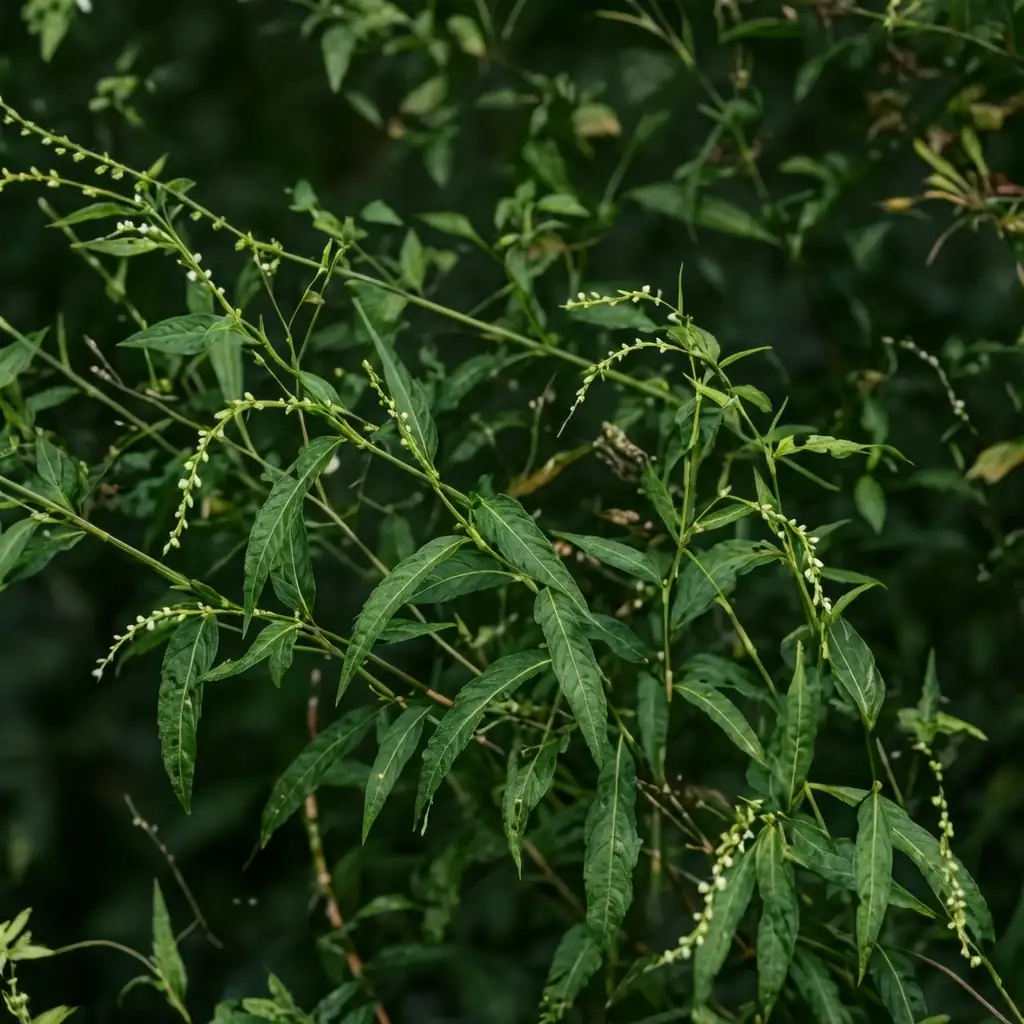
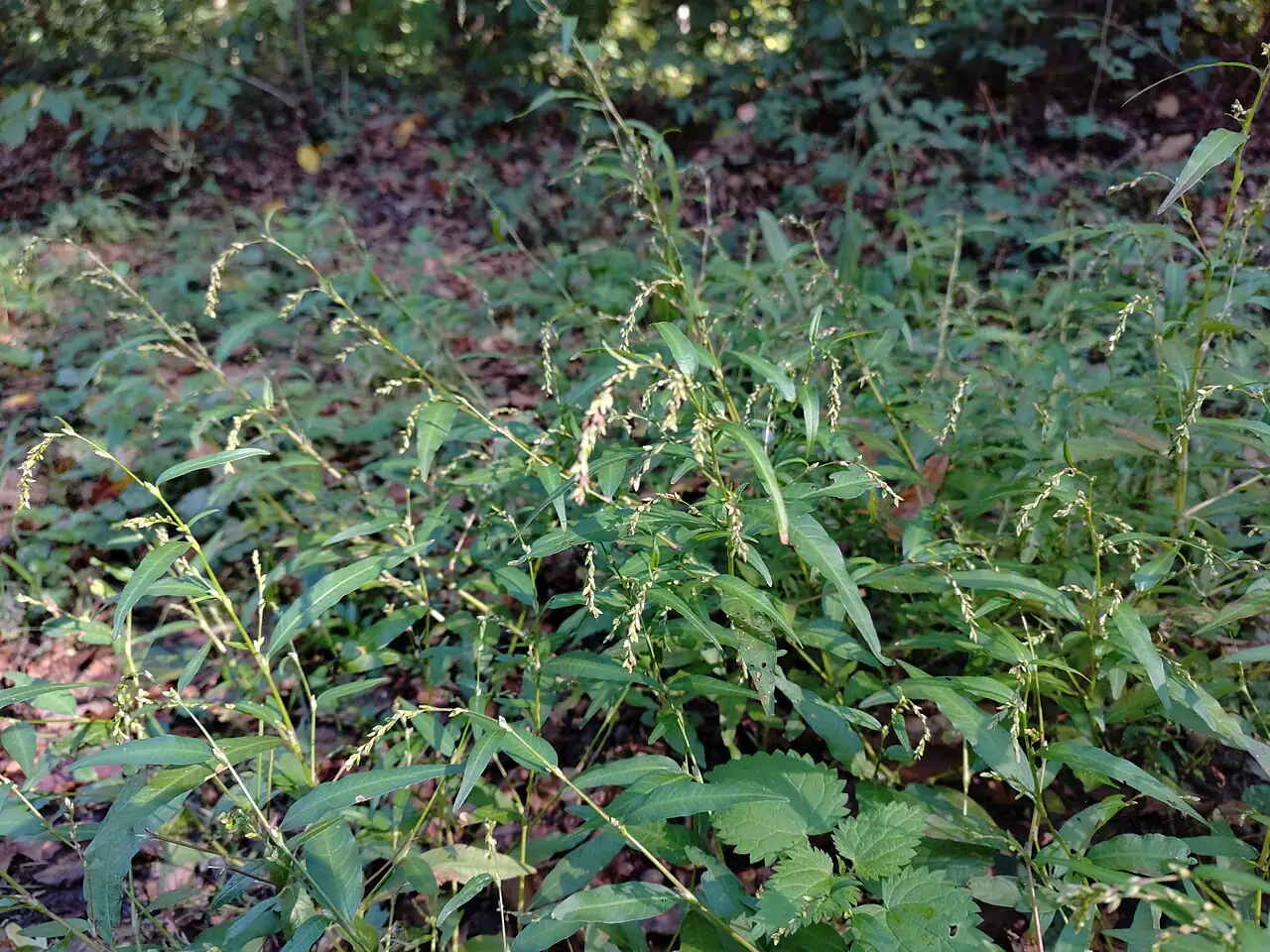
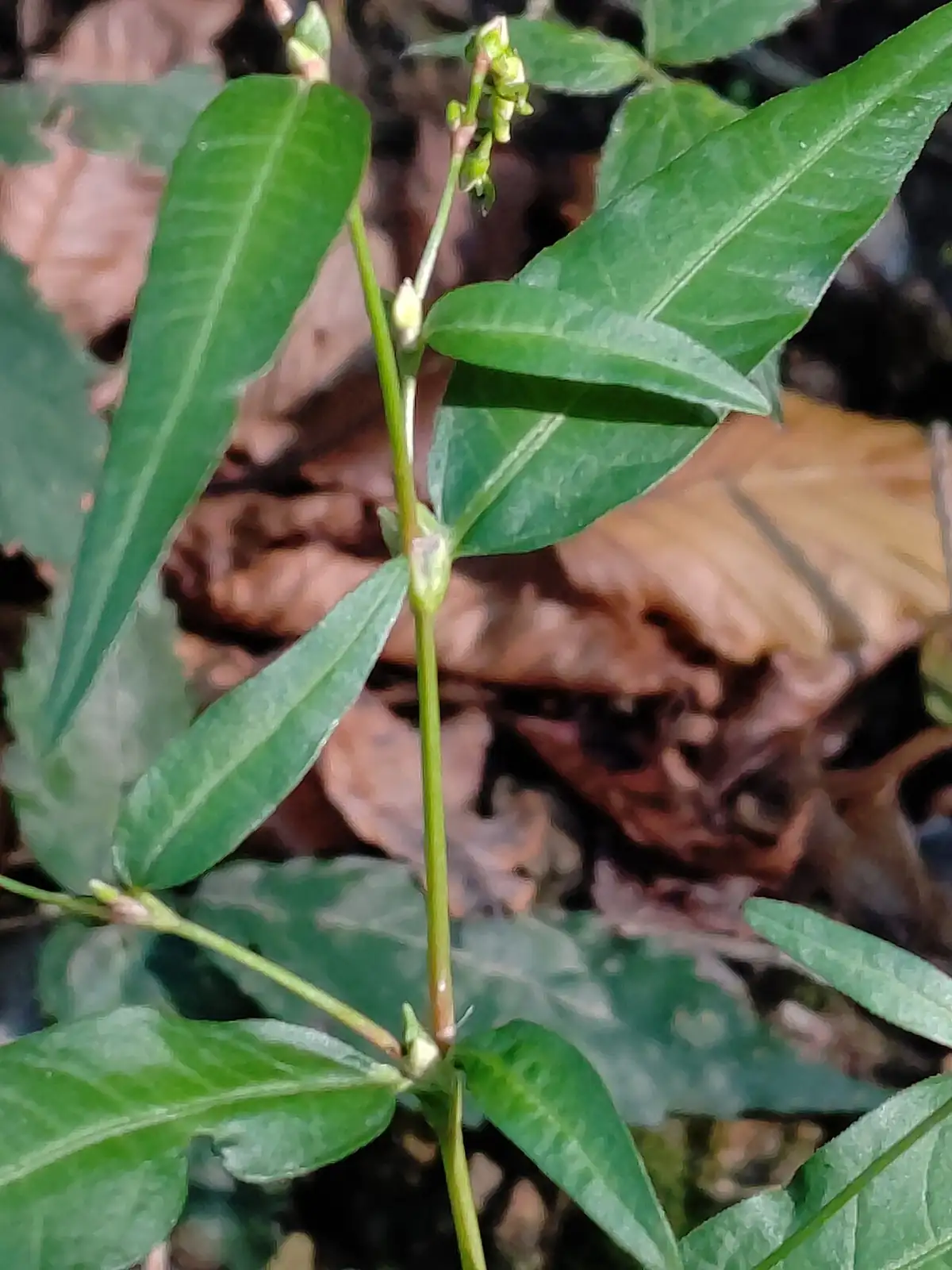
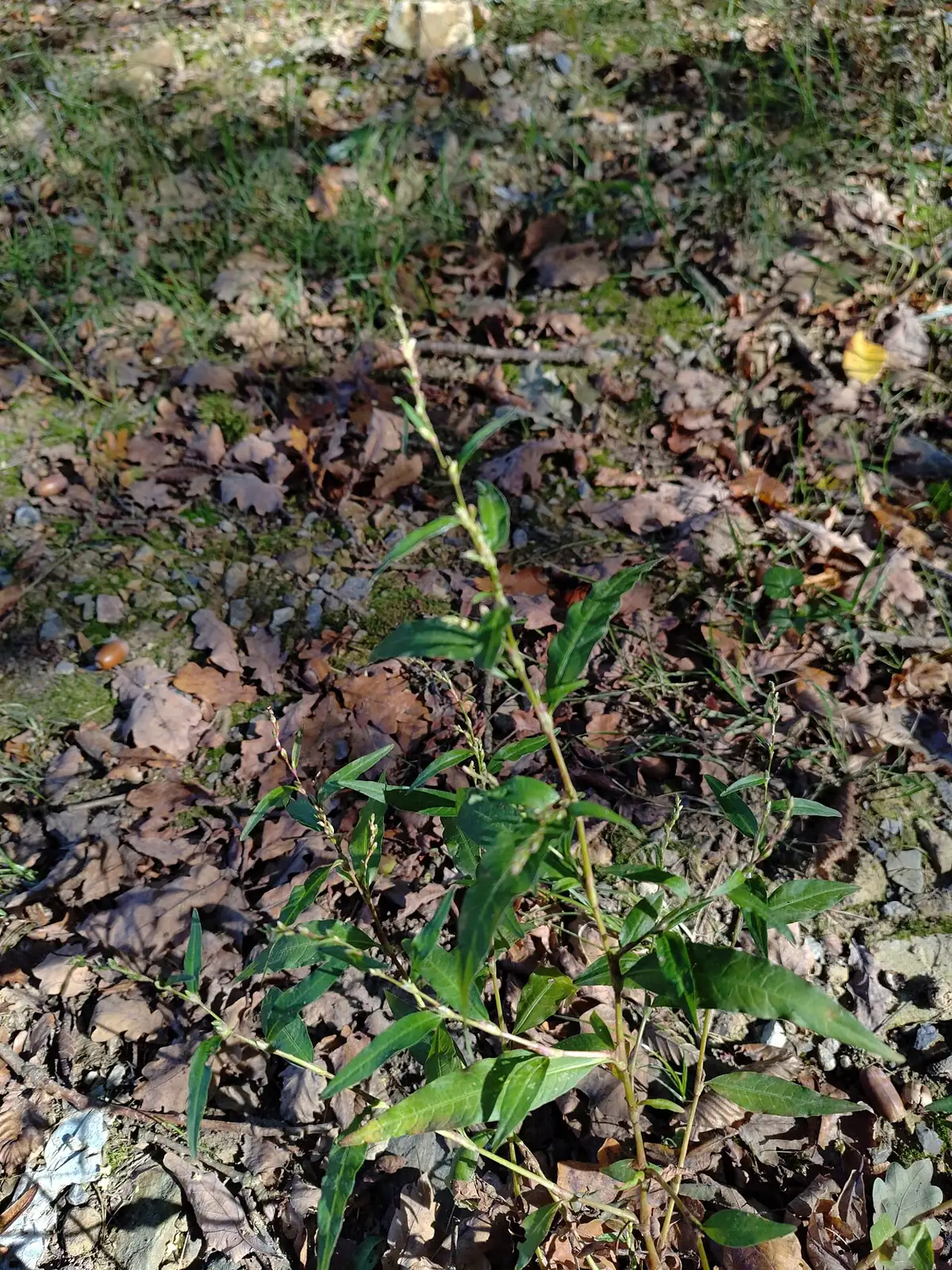
- Size:20–80 cm (8–31 in) tall; usually forms loose clumps rather than a broad, fixed spread.
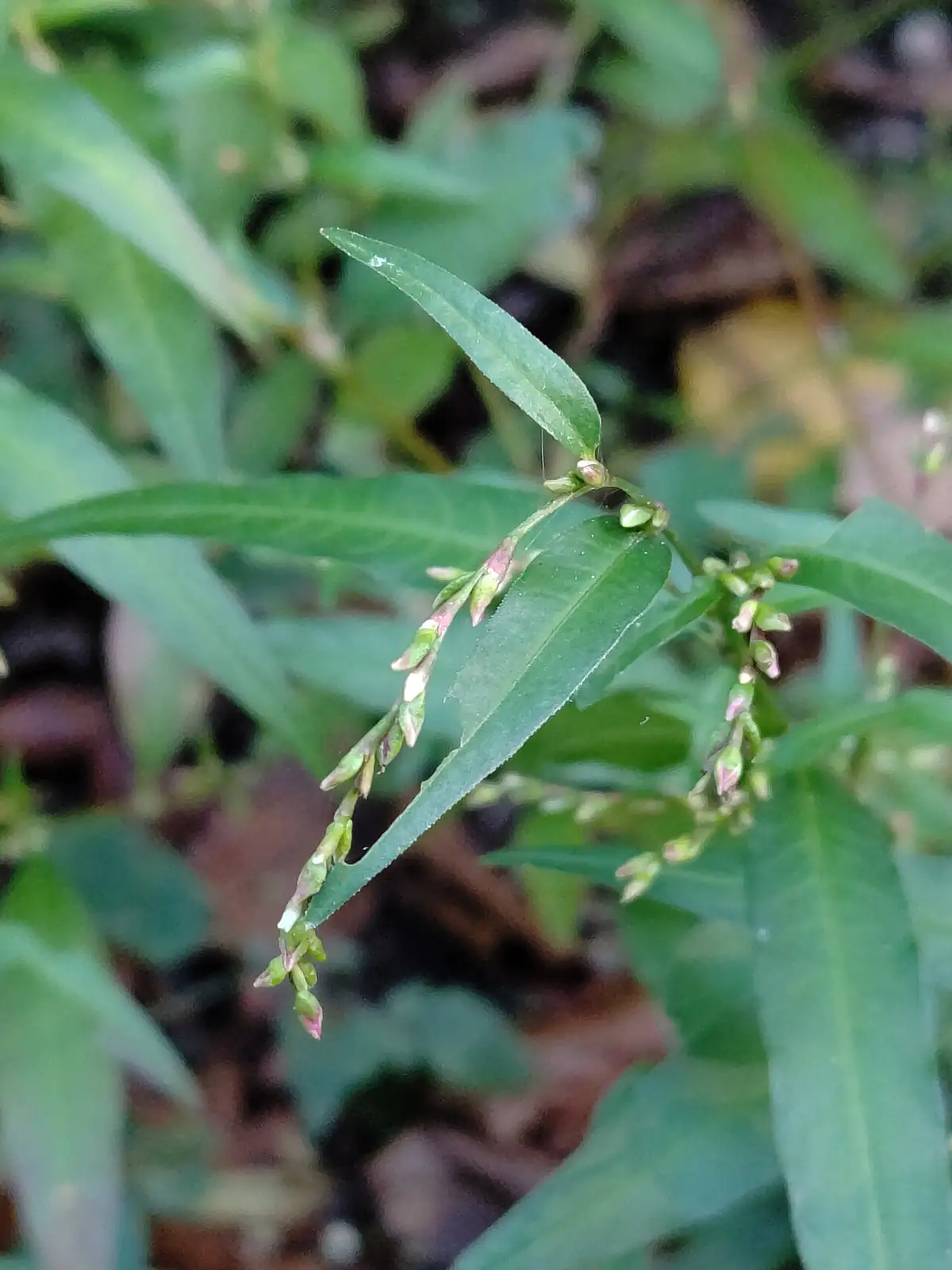
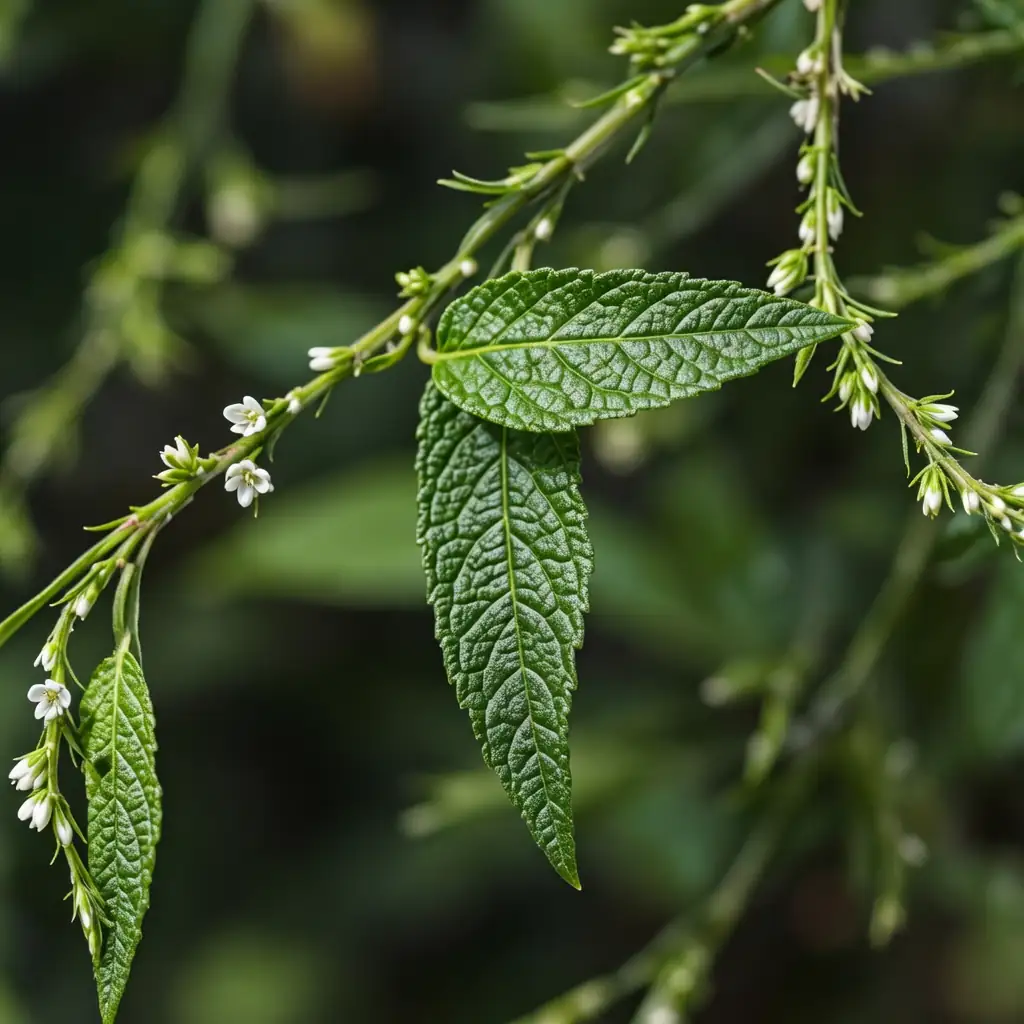
- Foliage: Narrow, lance-shaped leaves with pointed tips and wedge-shaped bases; margins are typically smooth (entire) and may show fine cilia. Leaf surfaces are mostly hairless and dotted with tiny brownish gland points. A key ID trait is the strong peppery/hot taste of the foliage.
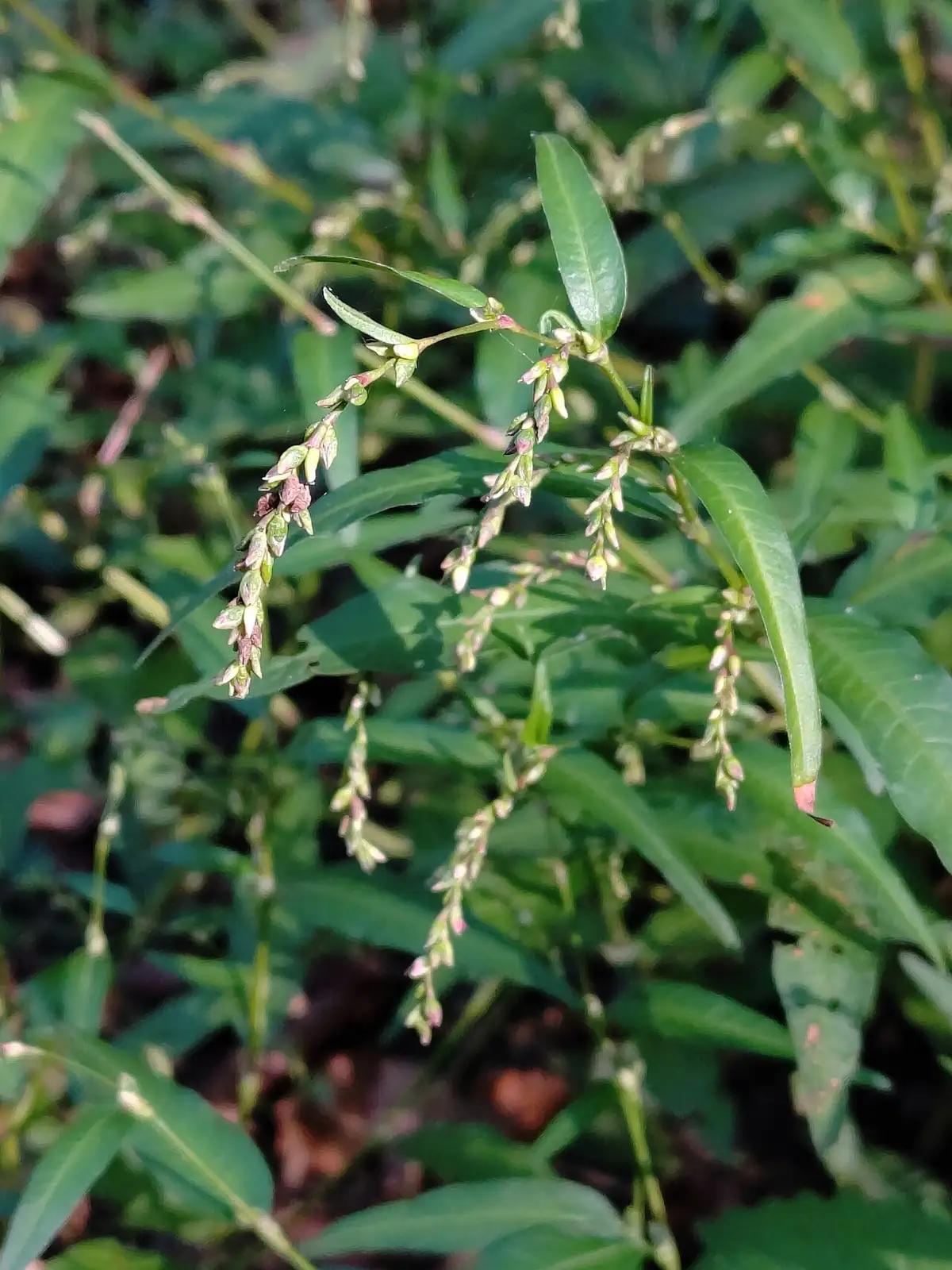
- Flower: Slender racemes that resemble thin spikes, borne at stem tips or from leaf axils and often drooping. Flowers are tiny and spaced along the spike; green, funnel-shaped bracts each hold about 3–5 flowers. The perianth is 5-lobed and mostly green, with upper portions turning white to pale pink and marked by amber-brown translucent gland dots. Fruits are egg-shaped achenes that mature dark brown to nearly black, dotted, and matte rather than glossy.
- Flowering Season: May–September
- Growth Habit: Upright, freely branching annual herb with smooth (hairless) stems and noticeably swollen nodes; strongly prefers consistently moist to wet conditions and adapts well in suitable habitats.
Environment
Sunlight
Full sun to partial shade; more sun usually means sturdier growth and better flowering as long as the soil stays moist.
Temperature
Cool to warm growing-season conditions; roughly 10–30°C (50–86°F).
Humidity
Prefers moist to wet air/ground conditions; tolerates high humidity and even waterlogged sites.
Soil
Moist, fertile silt/loam typical of riverbanks; tolerates poorly drained soil and the edges of standing water.
Placement
Pond margins, rain gardens, wet meadows, streamside plantings, and other consistently damp, naturalistic areas.
Hardiness
Cold-hardy annual; often self-seeds where winters aren’t extreme. Approx. USDA Zone 3–10 (grown as an annual).
Care Guide
Difficulty
Easy—provided it never dries out. It establishes quickly and is generally tolerant in wet sites.
Buying Guide
Pick plants with crisp green leaves and firm, upright stems. Skip any that are wilted or have clearly dried out in the pot. Check for heavy insect presence and excessive spotting on leaves.
Watering
Keep the soil evenly moist to wet at all times; don’t let it dry out. In containers, water frequently so the mix stays damp (even wet) during active growth.
Fertilization
Often unnecessary in fertile ground. If growth looks weak, use a light application of balanced fertilizer during active growth (follow label rates) and avoid overfeeding in already rich soils.
Pruning
Usually not needed. For a tidier look or to reduce spread, remove spent flower spikes before seeds mature and thin crowded stems to improve airflow.
Propagation
Mainly by seed and it commonly self-seeds. You can collect and sow seed onto consistently moist soil in spring.
Repotting
If grown in containers, repot in spring into a moisture-retentive mix; move up a pot size if rootbound. The main rule is simple: never let the container dry out.
📅 Seasonal Care Calendar
Flowering: May–September. Fruiting: June–October. To control self-seeding, cut back or remove plants before seed ripens; to naturalize, allow some seedheads to mature.
Pests, Diseases & Safety
Common Pests & Diseases
Usually trouble-free outdoors. Aphids can appear, and leaf-spot diseases may show up in crowded, stagnant conditions—thin growth for airflow and remove heavily affected parts when needed.
Toxicity
Not clearly established in common pet/houseplant toxicity lists. However, the peppery sap/foliage can irritate the mouth or stomach if chewed or eaten, so it’s best kept away from curious kids and pets.
Culture & Symbolism
Symbolism: No widely standardized flower symbolism is consistently associated with water pepper in English sources.
History & Legends: No well-known, widely repeated legends are strongly tied to this species in mainstream English references.
Uses: Most often used as a naturalistic wet-area plant—helpful for filling in pond edges, ditches, and rain gardens with an informal, meadowy look. It’s also grown and noticed for its uniquely peppery leaves and delicate, airy flower spikes.
FAQ
When does it flower?
Typically from May to September.
When does it set fruit/seed?
Usually June to October.
How tall does it get?
About 20–80 cm (8–31 in) tall.
Where does it grow best?
Wet places like riverbanks, ditches, and damp valley wetlands—anywhere the soil stays consistently moist to wet.
Do the leaves have a smell or taste?
Yes—its leaves have a distinctly hot, peppery taste.
Fun Facts
- Its famously peppery bite is the reason behind the common name “water pepper.”
- The tiny flowers often start out looking green, then develop white-to-pale-pink upper portions with translucent gland dots.
- Its mature fruits are small, egg-shaped achenes that turn very dark and stay matte (not shiny).
- Swollen stem nodes plus smooth, freely branching stems are classic field marks for this plant.