Plant Features
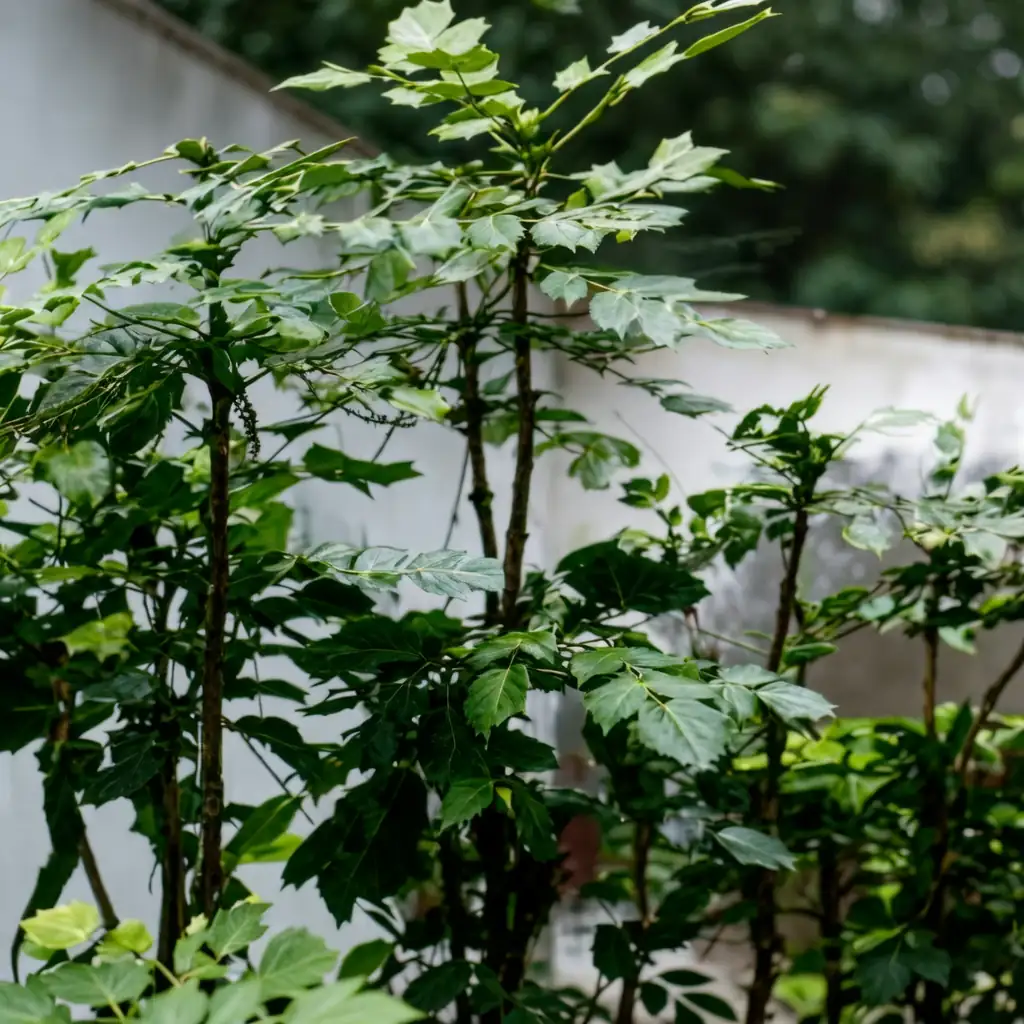
- Size: Typically 1.5–3 m (5–10 ft) tall and 1–2 m (3–6.5 ft) wide; can reach about 4 m (13 ft) in favorable conditions.
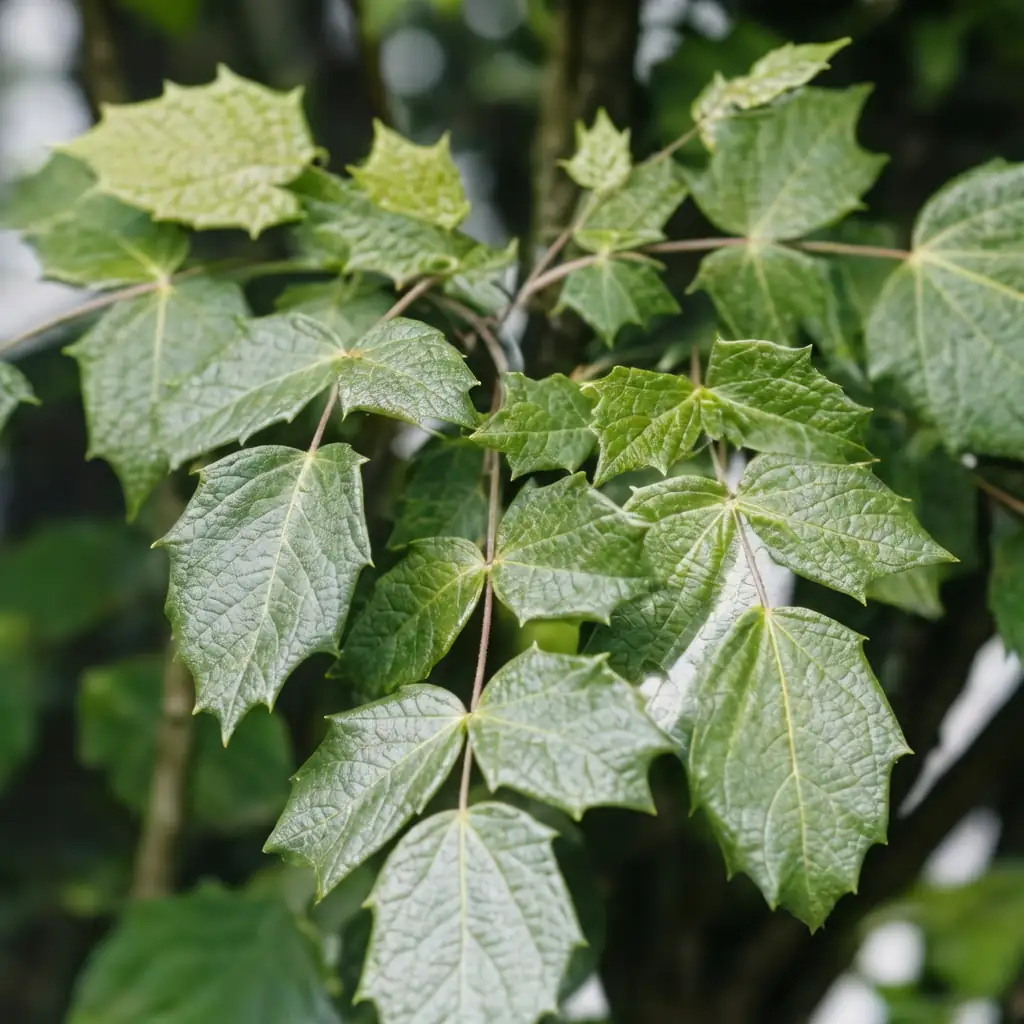
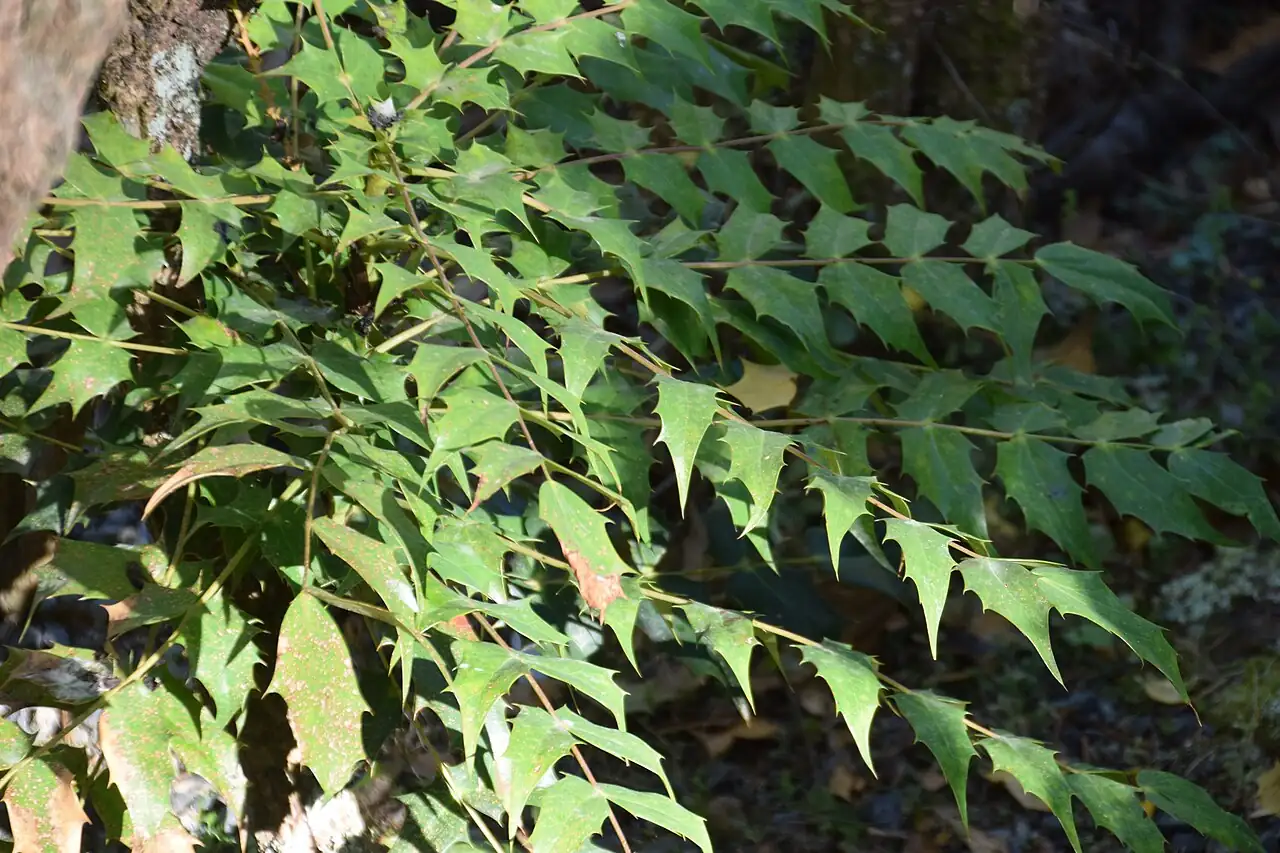
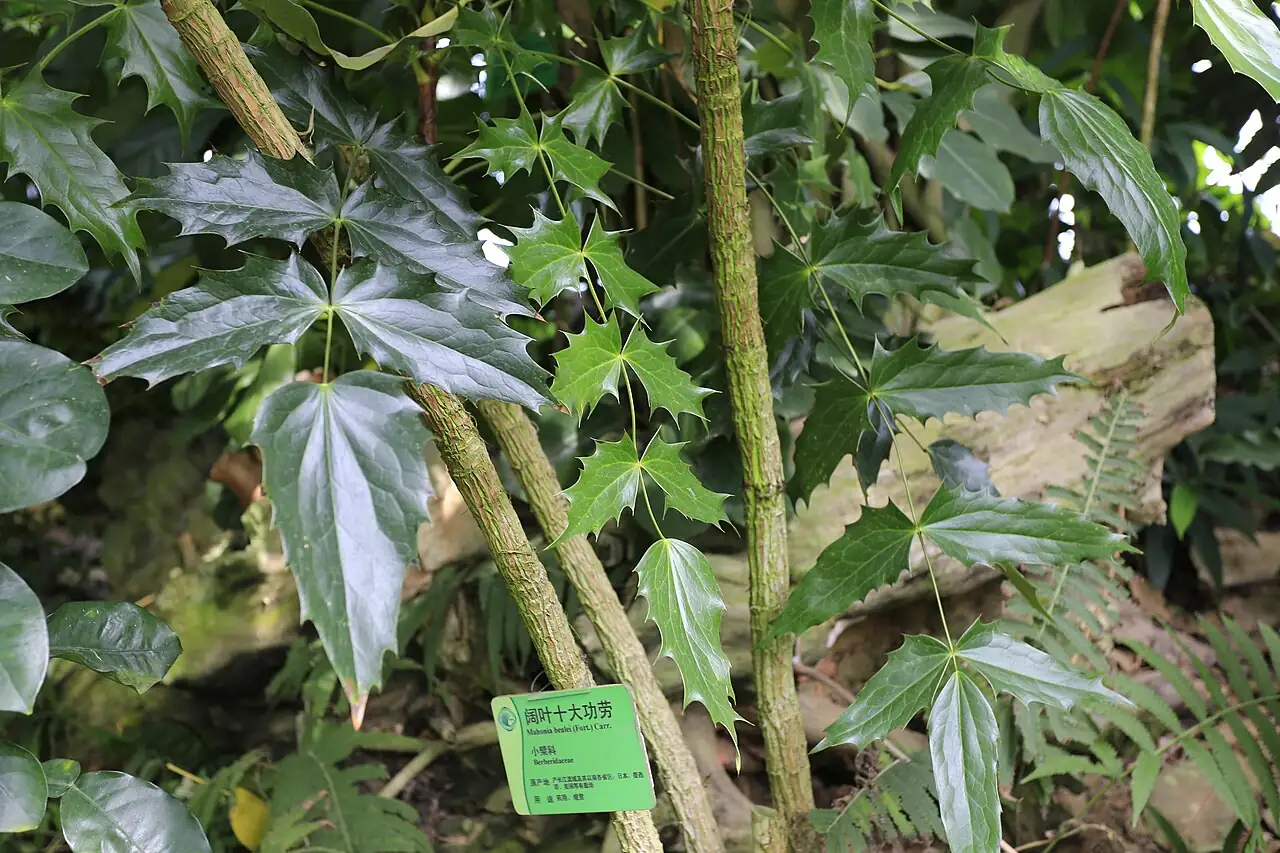
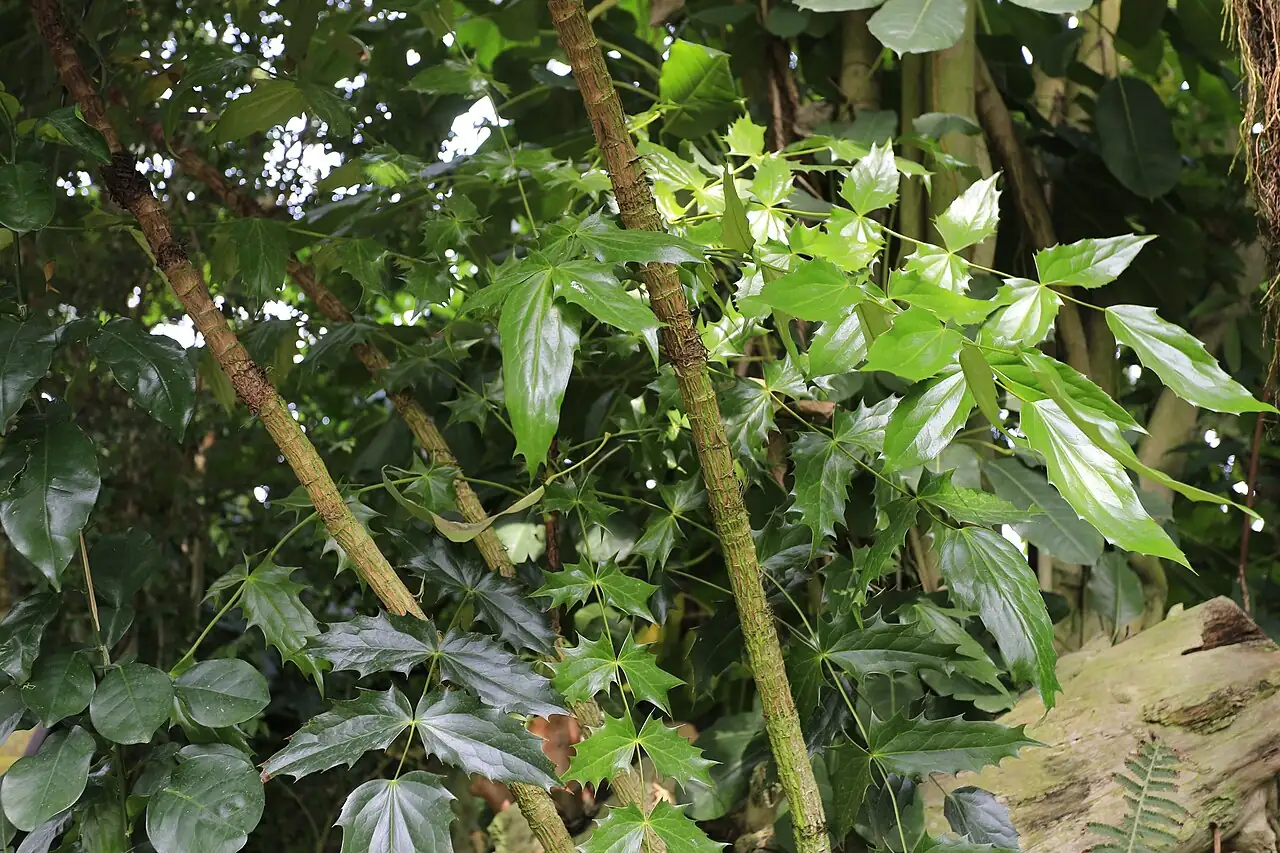
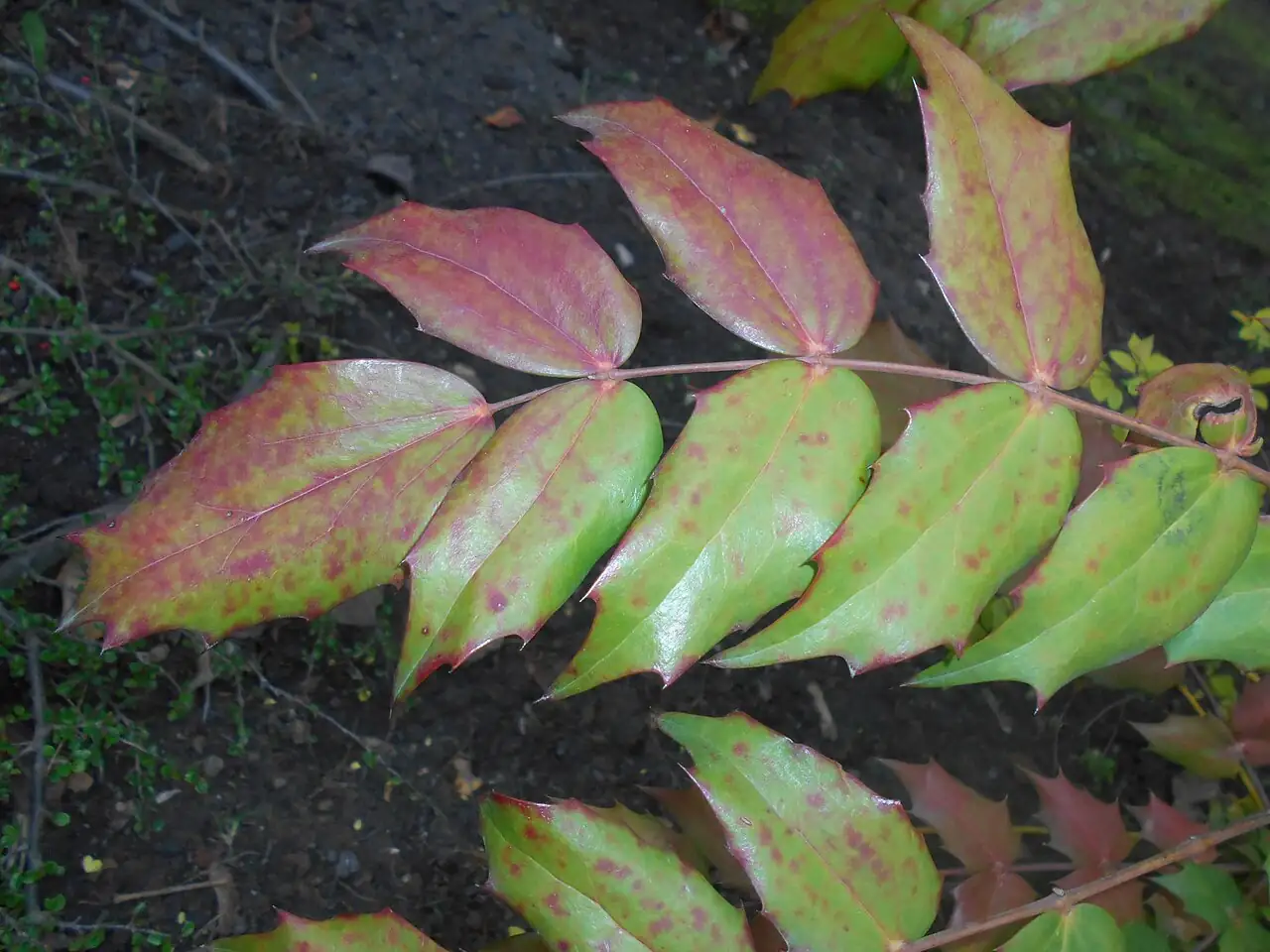
- Foliage: Evergreen, pinnate leaves with 9–15 thick, leathery leaflets. Leaflets are oval to ovate-elliptic with about 2–5 sharp spines per side; the upper surface is glossy deep green, the underside is more yellow-green, and the margins may be slightly rolled.
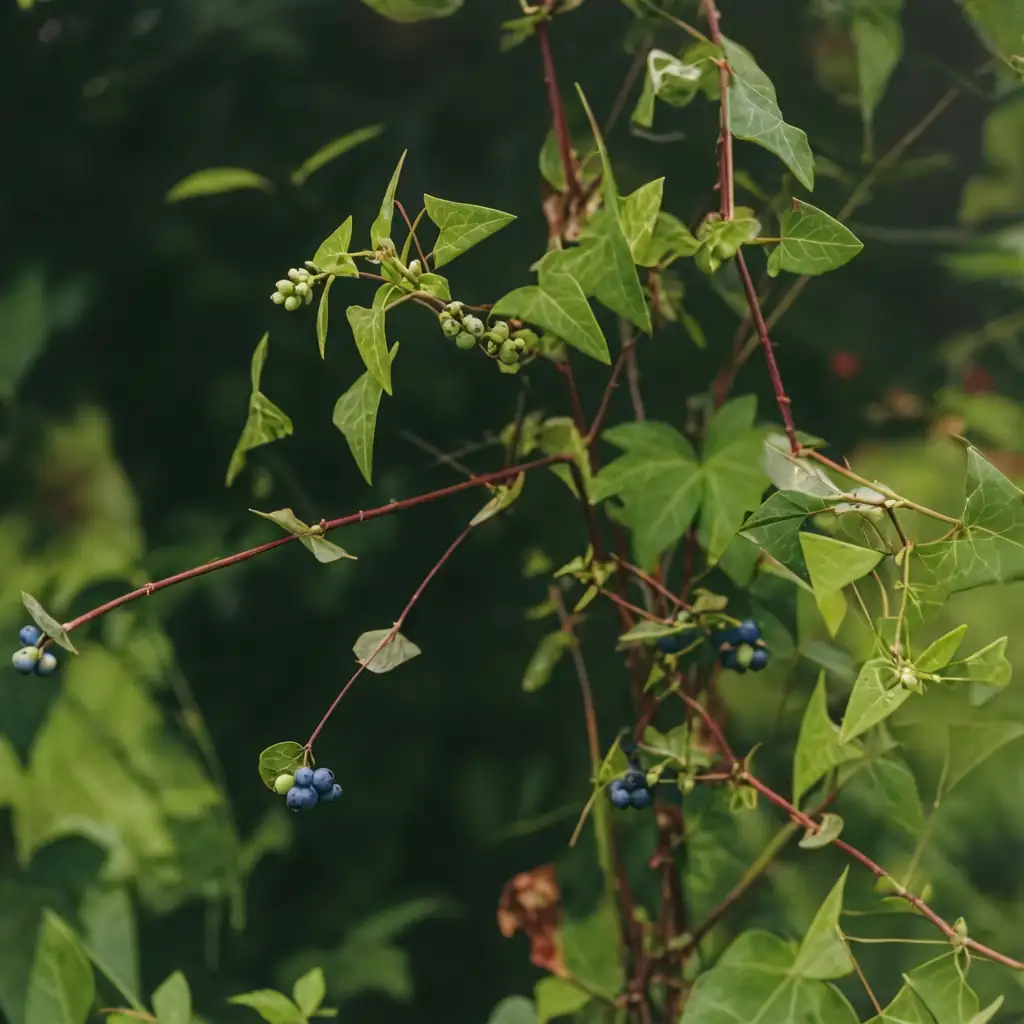
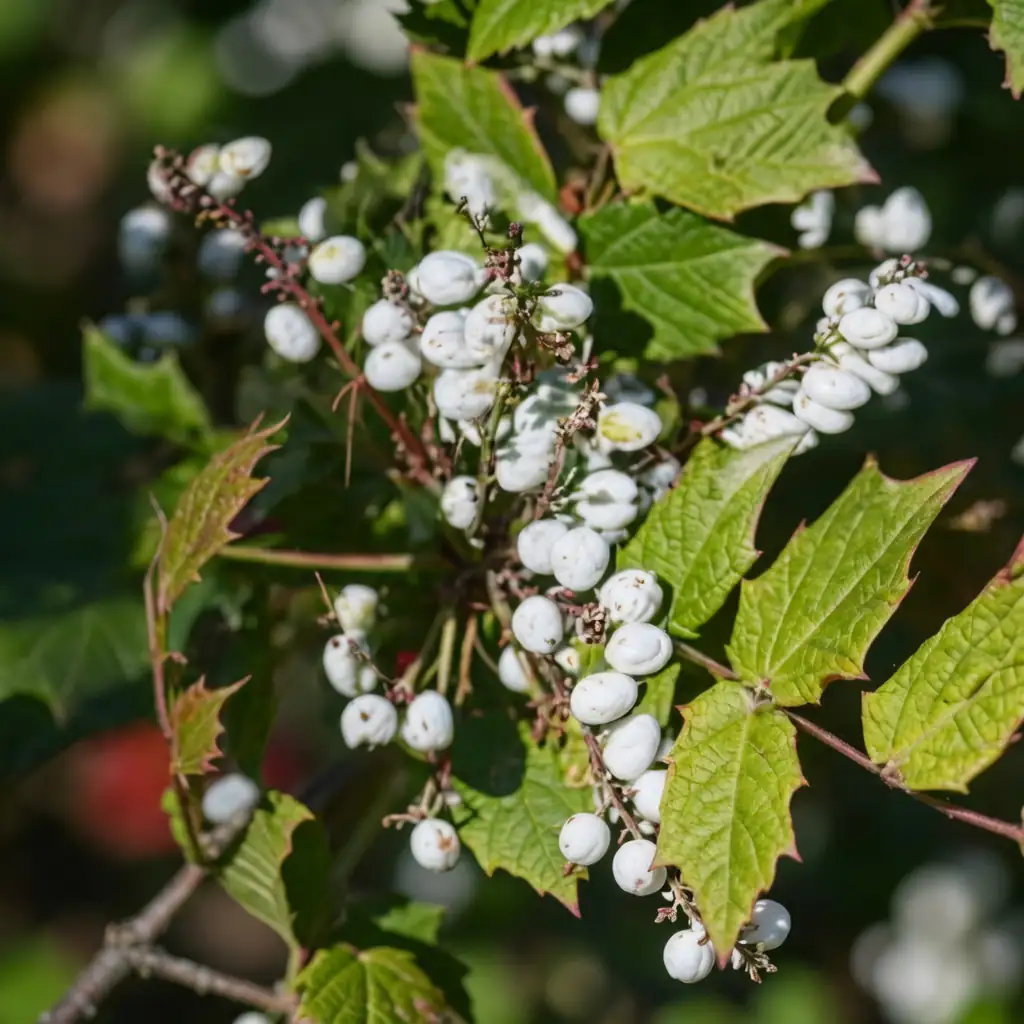
- Flower: Dense, upright racemes of bright yellow, sweetly fragrant flowers. After flowering, oval berries develop, ripening blue to blue-black with a waxy bloom.
- Flowering Season: September to March (fall through late winter, depending on climate)
- Growth Habit: Upright, clump-forming evergreen shrub
Environment
Sunlight
Full sun to partial shade; shade-tolerant. Flowering and berry set are usually best with more light (especially in cooler climates).
Temperature
Prefers mild to warm conditions but is fairly cold-tolerant; ideal growing range about 10–25°C (50–77°F).
Humidity
Prefers evenly moist conditions; adaptable, but looks best with moderate humidity and consistent moisture (not soggy soil).
Soil
Adaptable to many soils; best in fertile, well-drained sandy loam. Avoid waterlogged ground to reduce root problems.
Placement
Great as a specimen or mass planting in parks and gardens; works well near buildings, along paths, by water features, and under open-canopy trees. Can be trained as a deterrent/defensive hedge due to spiny foliage, and it also performs well in large containers for bonsai-style display.
Hardiness
Approximately USDA Zone 7–10 (cold tolerance varies by provenance; protect from severe freezes).
Care Guide
Difficulty
Easy to moderate. A tough shrub once established; the main keys are well-drained soil, occasional deep watering during dry spells, and light shaping after flowering if desired.
Buying Guide
Pick plants with firm, glossy leaves and minimal browning at the leaflet tips. Avoid pots with sour-smelling, soggy mix (a sign of root stress). If you want flowers soon, choose plants showing buds in fall or winter.
Watering
Water regularly during the first growing season to establish roots. After that, water deeply when the top 5–8 cm (2–3 in) of soil is dry; reduce watering in cool seasons. Don’t keep the soil constantly wet.
Fertilization
Feed in early spring with a balanced slow-release fertilizer or top-dress with compost. For container plants, apply a dilute balanced fertilizer every 4–6 weeks during active growth (spring–summer).
Pruning
Lightly prune after flowering to shape and remove damaged or crowded stems. For older, overgrown clumps, rejuvenate gradually by removing a few of the oldest stems at the base each year.
Propagation
Semi-ripe cuttings in summer, division of suckering clumps, or seed (fresh seed often germinates best; seedlings may vary).
Repotting
For container plants, repot every 2–3 years in spring into a free-draining mix; trim circling roots and refresh the top layer annually.
📅 Seasonal Care Calendar
Spring: feed, mulch, and repot if needed. Summer: watch moisture and take semi-ripe cuttings. Fall–winter: enjoy flowering; protect container plants from hard freezes; avoid heavy pruning while in bloom.
Pests, Diseases & Safety
Common Pests & Diseases
Usually resilient. Watch for aphids on tender new growth, scale insects, and occasional leaf spot in damp, poorly ventilated conditions. Improve airflow, avoid overhead watering, and use horticultural soap/oil when appropriate.
Toxicity
Primarily an ornamental plant—do not treat berries or other parts as edible. Keep away from children and pets that may chew it. The spiny leaflets can also cause minor mechanical injury.
Culture & Symbolism
Symbolism: Often linked with resilience and winter beauty—staying evergreen and offering fragrance and color when many plants are resting.
History & Legends: Native to China and long appreciated as an ornamental shrub; it has also become popular internationally for its architectural foliage and cool-season fragrance.
Uses: Ornamental planting for year-round structure, fall-to-winter fragrance and color, and showy berries. Used as a specimen, in mixed borders, underplanting beneath open trees, defensive hedging, rock-garden combinations, and in large containers (including bonsai-style training).
Fun Facts
- It can bloom from fall into winter, adding perfume and bright yellow color when many shrubs are dormant.
- Its holly-like, spiny leaflets make it a surprisingly effective “do-not-touch” hedge near borders or windows.
- The blue-black berries look like tiny grapes, but they’re best enjoyed as decoration rather than food.
- Those thick, glossy leaflets give the plant a strong, architectural presence all year.