Plant Features
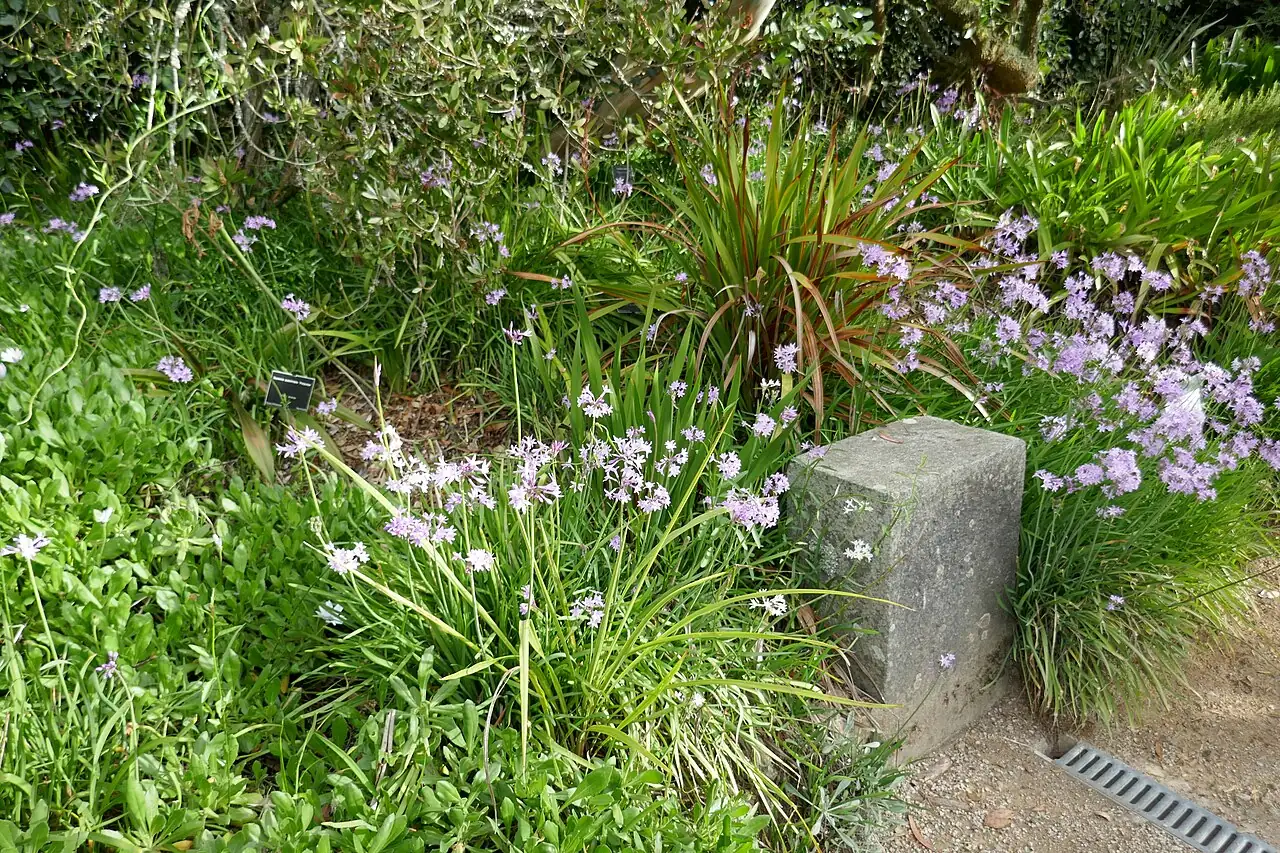
- Size: Typically 30–60 cm (12–24 in) tall; clumps often spread about 30–45 cm (12–18 in) wide.
- Foliage: Narrow, strap-like to semi-cylindrical leaves that can be slightly hollow. When handled or crushed, the foliage (and sometimes the stems) releases a noticeable garlic/chive scent.
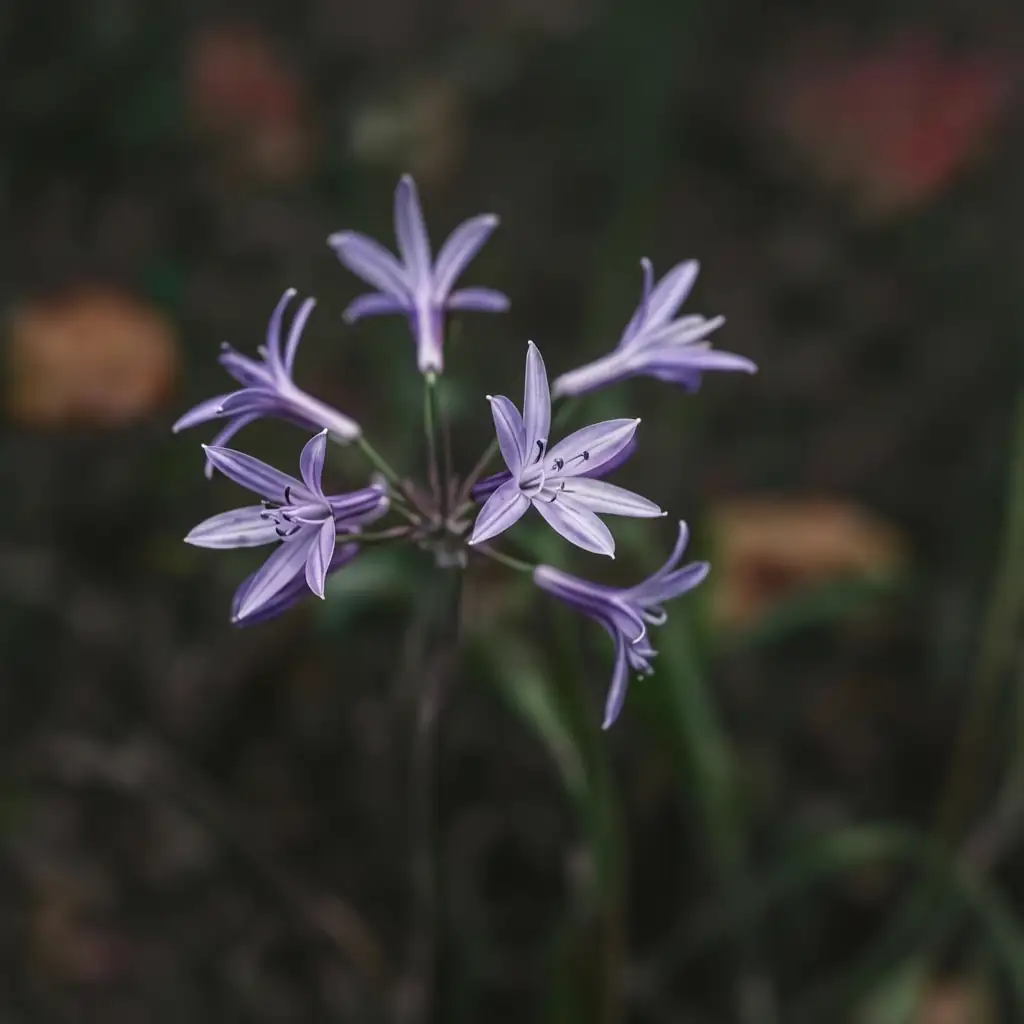
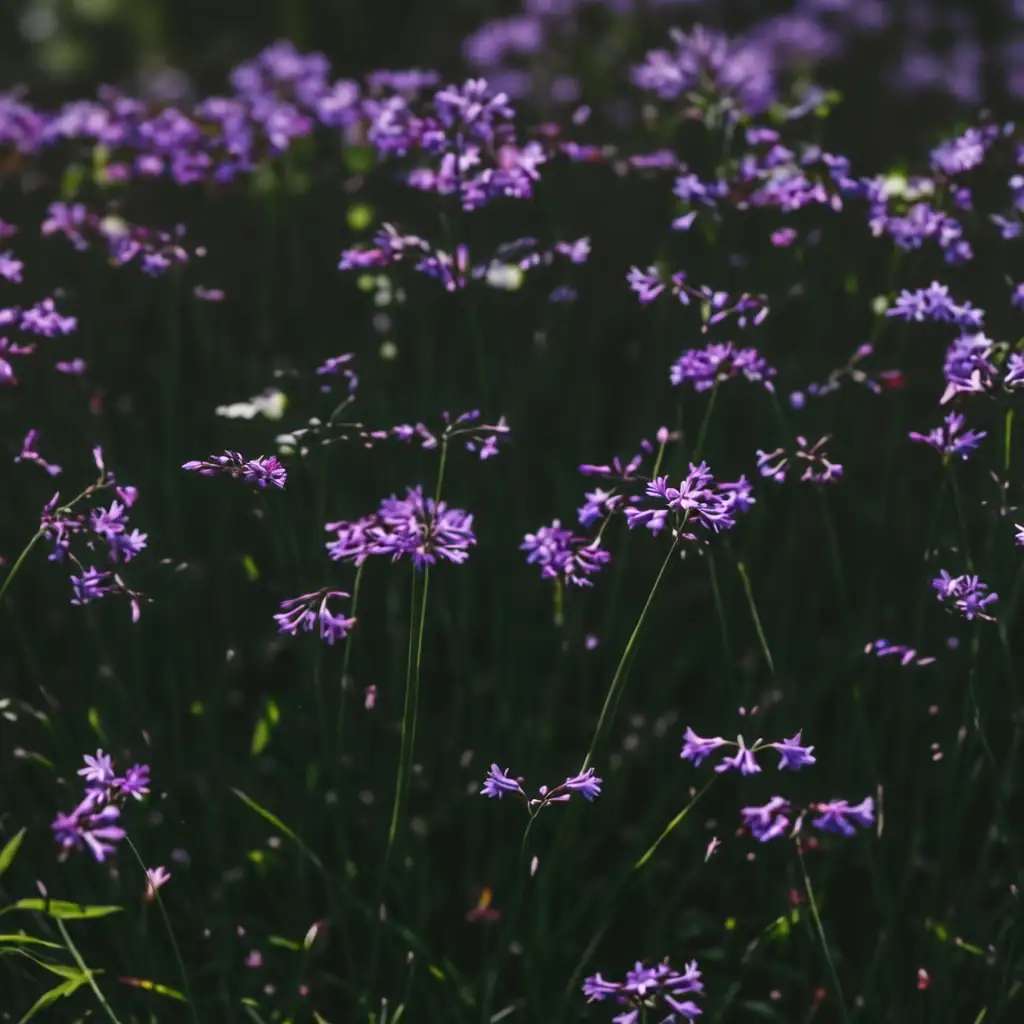
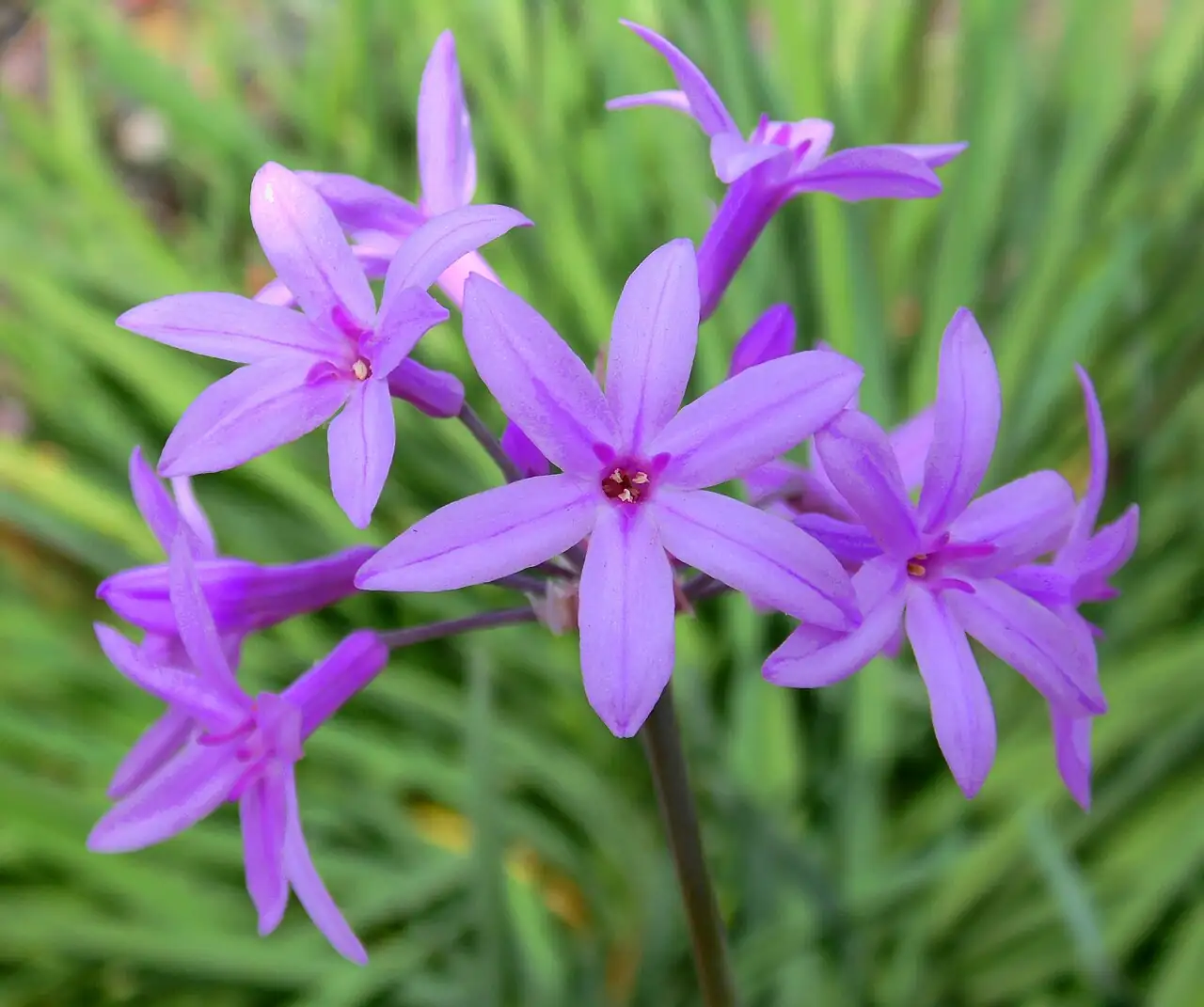
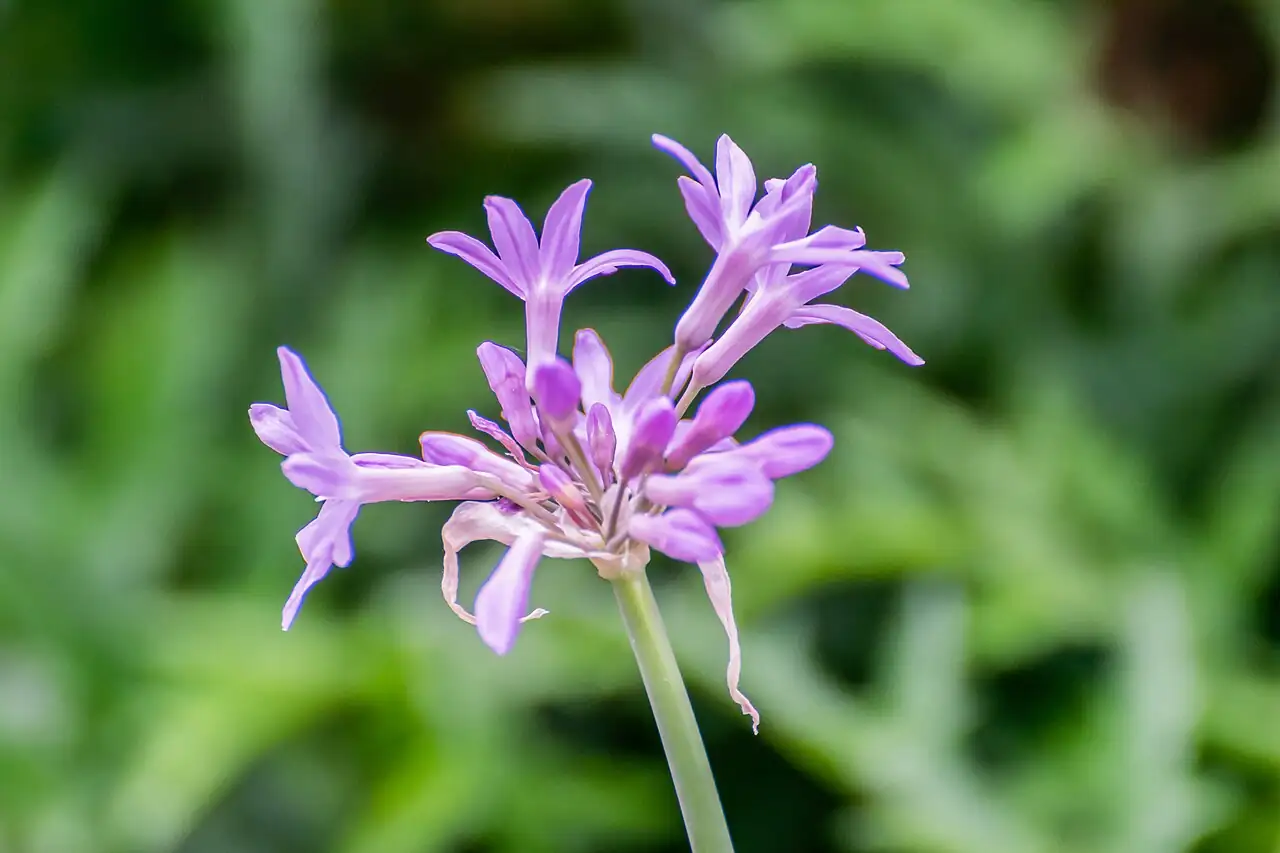
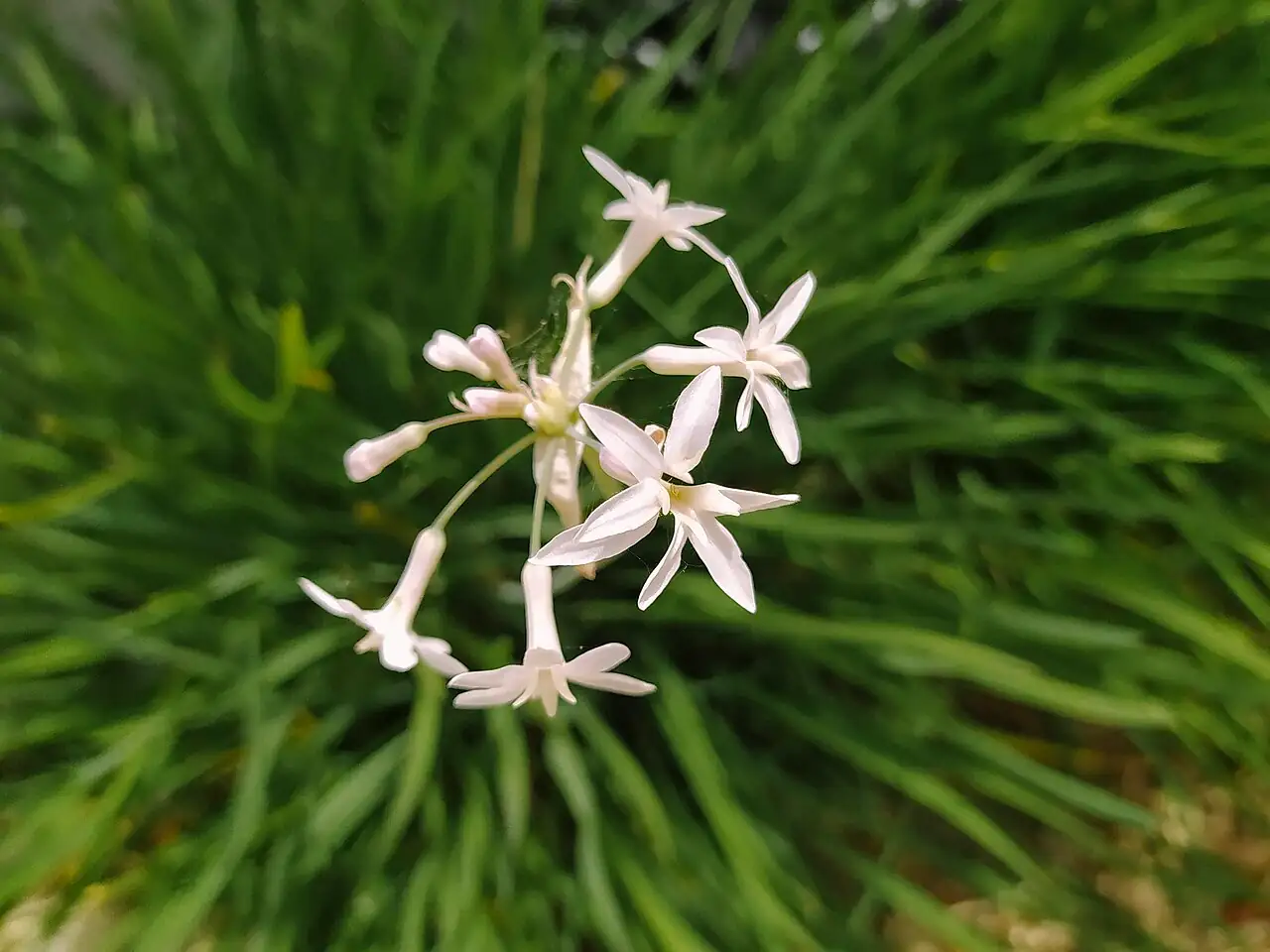
- Flower: Upright stems carry terminal umbels of small, star-shaped flowers in lilac to pinkish-purple, held above the foliage. After flowering, it can form a 3-angled capsule fruit.
- Flowering Season: Long flowering season—typically spring through autumn; in frost-free climates it may bloom for much of the year.
- Growth Habit: Herbaceous, clump-forming bulbous perennial (small cylindrical bulbs) with upright flowering stems.
Environment
Sunlight
Full sun to light shade; best flowering in bright light and tends to perform poorly in deep shade.
Temperature
Prefers warm conditions; best growth around 18–30°C (64–86°F). Protect from hard frost.
Humidity
Average humidity is fine; provide good airflow to help prevent leaf problems, especially in warm weather.
Soil
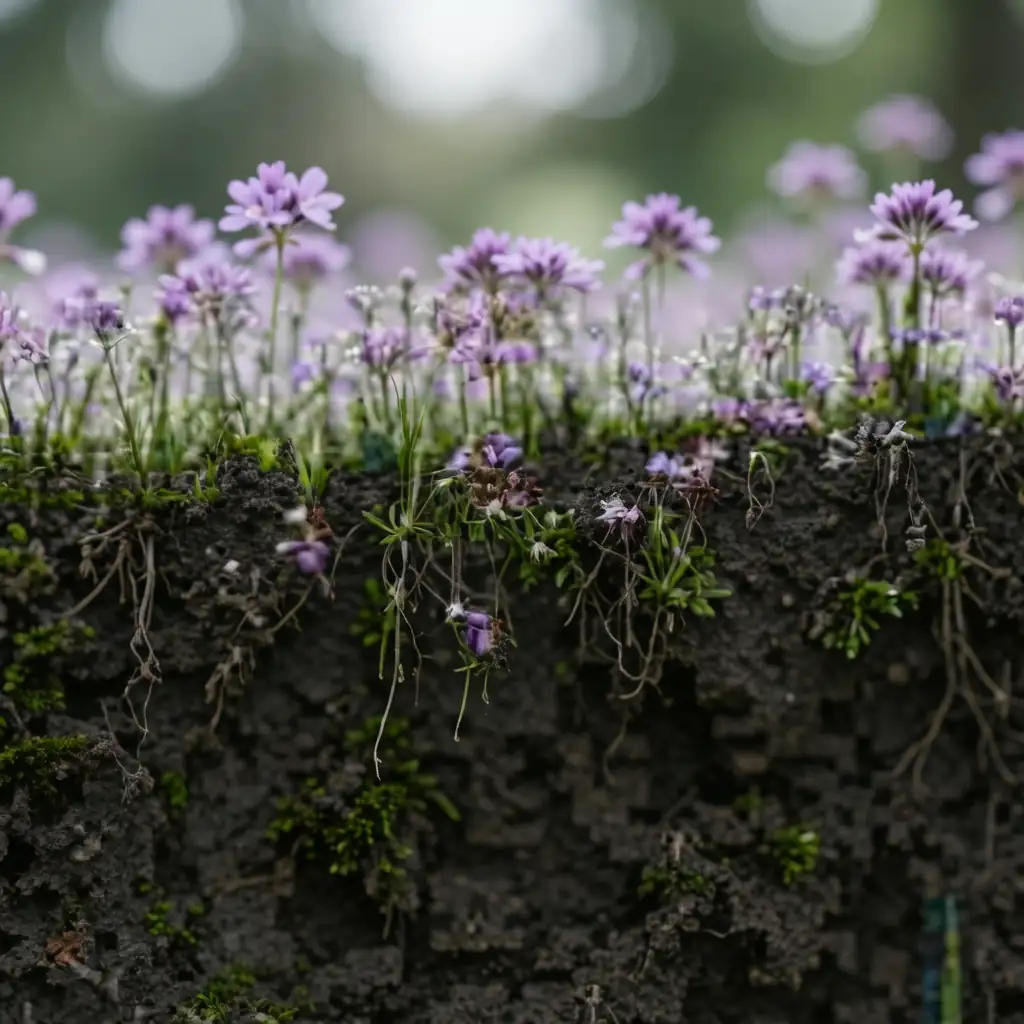
Must be well-drained. Once established, it tolerates poor, sandy, or rocky soils, but struggles in constantly wet ground.
Placement
Great for sunny borders and edging, mass planting as groundcover, meadow-style beds, and sunny containers; also suitable for cutting gardens.
Hardiness
USDA Zone 7–10 (about -18 to -12°C / 0 to 10°F at the cold end depending on conditions). Top growth may be damaged by frost; plants can regrow from bulbs in spring in milder cold zones.
Care Guide
Difficulty
Easy. Tough and low-maintenance once established, especially in sun and well-drained soil.
Buying Guide
Pick firm, healthy bulbs or vigorous clumps with clean green leaves. Avoid plants with mushy bulbs, sour odor in the pot, or yellowing foliage caused by waterlogging.
Watering
Water regularly while establishing. Afterward, water when the top 2–5 cm (1–2 in) of soil dries out. Avoid persistently wet soil to prevent bulb rot. Container plants usually need more frequent watering than those in the ground.
Fertilization
Light feeder. Use a balanced slow-release fertilizer in spring, or feed monthly at half-strength during active growth. Avoid excess nitrogen, which can encourage leaves at the expense of flowers.
Pruning
Deadhead spent flower stems for tidiness and to encourage more blooms. Trim damaged or frost-burned leaves back to the base. Divide congested clumps periodically to keep plants vigorous.
Propagation
Division is easiest and most reliable: lift clumps, separate offsets/bulbs, and replant at the same depth. Seed propagation is possible but slower and may be less uniform.
Repotting
In containers, repot or divide every 2–3 years (ideally in spring). Use a free-draining mix and a pot with drainage holes.
📅 Seasonal Care Calendar
Spring: divide/repot; begin light feeding. Summer: deadhead and water during dry spells. Autumn: reduce feeding; keep deadheading if it’s still blooming. Winter: keep drier and protect from hard freezes; cut back frost-damaged foliage.
Pests, Diseases & Safety
Common Pests & Diseases
Usually trouble-free. Watch for slugs/snails on tender growth and aphids or spider mites in hot, dry conditions. Overwatering and poor drainage can lead to bulb rot.
Toxicity
Generally considered low-risk, but Tulbaghia may cause stomach upset if eaten and can irritate sensitive skin. Keep out of reach of pets and children who might chew it.
Culture & Symbolism
Symbolism: Often linked with resilience and easygoing beauty—thanks to its toughness and long blooming habit.
History & Legends: A South African plant grown worldwide. The name “society garlic” hints at its garlic scent, traditionally said to be milder and more socially acceptable than true garlic breath.
Uses: Ornamental planting for borders, edging, and groundcover; also used as a cut flower.
FAQ
What family does it belong to?
Amaryllidaceae (the amaryllis family).
What is the scientific name?
Tulbaghia violacea.
When does it flower and set fruit?
Typically from spring through autumn; in warm, frost-free climates it may flower and fruit for much of the year.
How tall does it grow?
Usually about 30–60 cm (12–24 in) tall.
Where is it native, and where is it grown in China?
It is native to South Africa and has been widely introduced and cultivated in Jiangsu Province, China.
Does it have a noticeable scent?
Yes—crushed leaves and stems smell like garlic or chives.
What are its main landscape uses?
Borders, edging, mass planting as groundcover, meadow-style beds, lawns/woodland margins, and cut-flower use.
Fun Facts
- Crush a leaf and the garlic/chive aroma shows up instantly—its signature party trick.
- It can resemble agapanthus at a glance, which is why it’s sometimes nicknamed “Pink Agapanthus,” but it’s in a different genus (Tulbaghia).
- It multiplies easily by division, so one clump can become many over time.
- In mild climates, it can bloom for an exceptionally long season—sometimes nearly year-round.
- It’s widely grown well beyond South Africa, including large plantings in Jiangsu Province, China.