

Plant Features
- Size: Typically 50 cm–2 m (20 in–6.6 ft) tall; spread often 30–60 cm (12–24 in) depending on site conditions.
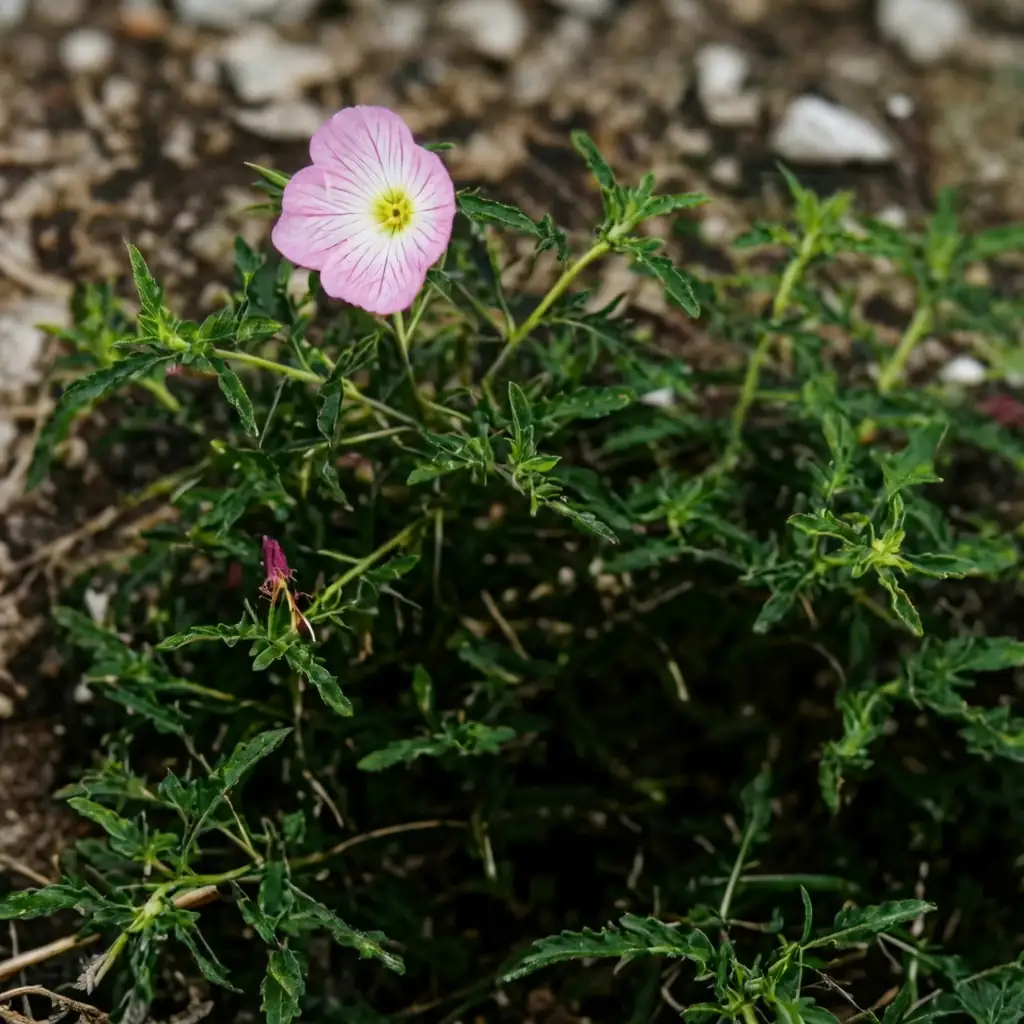
- Foliage: In the first year it forms a basal rosette close to the ground. Leaves are lance-shaped to inversely lance-shaped with pointed tips, and the margins are shallowly and irregularly toothed.
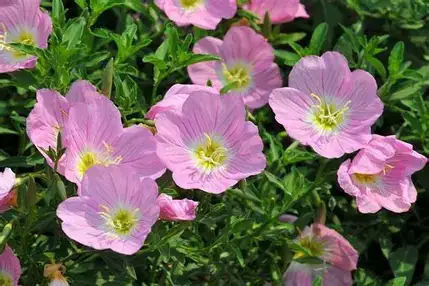
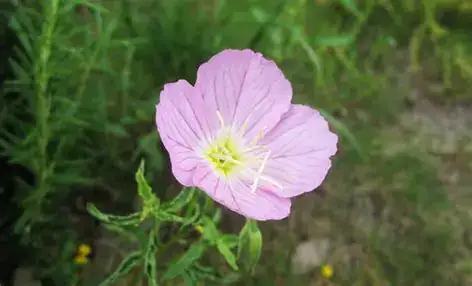
- Flower: Bright yellow, showy, four-petaled flowers are borne along an upright, spike-like flowering stem and often open toward evening. After flowering, it produces narrow capsule-like fruits packed with many small seeds.
- Flowering Season: May–September (May–Sep)
- Growth Habit: Upright, robust biennial herb: leafy rosette in year one, then tall flowering stems in year two.
Environment
Sunlight
Full sun to light shade; flowers best in full sun (at least 6 hours/day).
Temperature
Prefers cool to warm temperate conditions; most active roughly 10–30°C (50–86°F).
Humidity
Average outdoor humidity is fine; drought-tolerant once established.
Soil
Highly adaptable—sandy or loamy soils, including poorer sites. Performs best in well-drained soil and tolerates low fertility; can handle mildly salty or disturbed soils if drainage is good.
Placement
Outdoors in sunny borders, wildflower meadows, naturalized areas, and dry banks; especially well-suited to sandy river edges and open slopes.
Hardiness
USDA Zone 4–9 (generally frost-tolerant).
Care Guide
Difficulty
Easy (especially outdoors); once established it thrives with minimal attention.
Buying Guide
Buy seed or plants from reputable native/wildflower sources. Pick healthy first-year rosettes or sturdy second-year stems with clean, unblemished leaves. Avoid plants showing heavy aphid presence or significant leaf spotting.
Watering
Water regularly during establishment, keeping soil evenly moist for the first few weeks. Once established, water only during extended dry spells; let the top few centimeters/inch of soil dry between waterings.
Fertilization
Usually unnecessary. If plants look weak in extremely poor soil, feed lightly in spring with a balanced fertilizer at half strength. Avoid heavy feeding, which can lead to soft, floppy growth.
Pruning
Deadhead to limit self-seeding if you want a tidier garden. After flowering, cut stems back once you’ve collected seed (or anytime you’re ready to clean up).
Propagation
Primarily by seed. Sow outdoors in fall or early spring. Seeds need light to germinate—press onto the soil surface rather than burying deeply. It may self-seed freely in suitable conditions.
Repotting
Not usually grown long-term indoors. For containers, use a deep pot and a very free-draining mix; refresh the potting mix yearly and avoid waterlogging.
📅 Seasonal Care Calendar
Spring: sow seed or transplant rosettes; keep lightly watered until established. Summer: enjoy blooms; deadhead if you want fewer volunteers. Fall: let seeds mature for wildlife/collection or remove spent stems; rosettes overwinter for next year’s flowering.
Pests, Diseases & Safety
Common Pests & Diseases
Generally low-problem. Watch for aphids, Japanese beetles (where present), and occasional powdery mildew or leaf spots in crowded, humid conditions. Improve airflow, avoid late-day overhead watering, and remove badly affected foliage.
Toxicity
Generally not considered toxic to people or pets as an ornamental plant. However, evening primrose seed/oil supplements can interact with certain medications and may not suit everyone—store any plant material and supplements safely away from children and pets.
Culture & Symbolism
Symbolism: Often linked with quiet resilience and life transitions—fitting for a plant that opens many blooms at dusk and thrives in tough, disturbed places.
History & Legends: Known in North American folk use for a long time, and later became widely recognized through the popularity of evening primrose oil extracted from the seeds.
Uses: A favorite for naturalized wildflower plantings and sunny borders, and commercially grown for its seeds used to make evening primrose oil.
FAQ
When does it flower?
Usually from May–September (May–Sep), depending on your climate and site.
When does it set seed?
Typically July–October (Jul–Oct).
How tall does it get?
Commonly 50 cm–2 m (20 in–6.6 ft) tall.
Where is it native to?
North America, especially eastern Canada and the eastern United States; it’s widely cultivated and naturalized elsewhere.
What is it mainly used for?
Ornamental planting and seed oil production (evening primrose oil).
Fun Facts
- It’s a true biennial: rosette the first year, flowering stalk the second.
- Many blooms open in the evening, giving it the classic “evening primrose” name.
- It handles dry, sandy, nutrient-poor soils where many garden plants struggle.
- Its seeds are used to make evening primrose oil, popular in supplements and skincare.
- It can self-seed readily, making it a good choice for low-maintenance, naturalized areas.


