

Plant Features
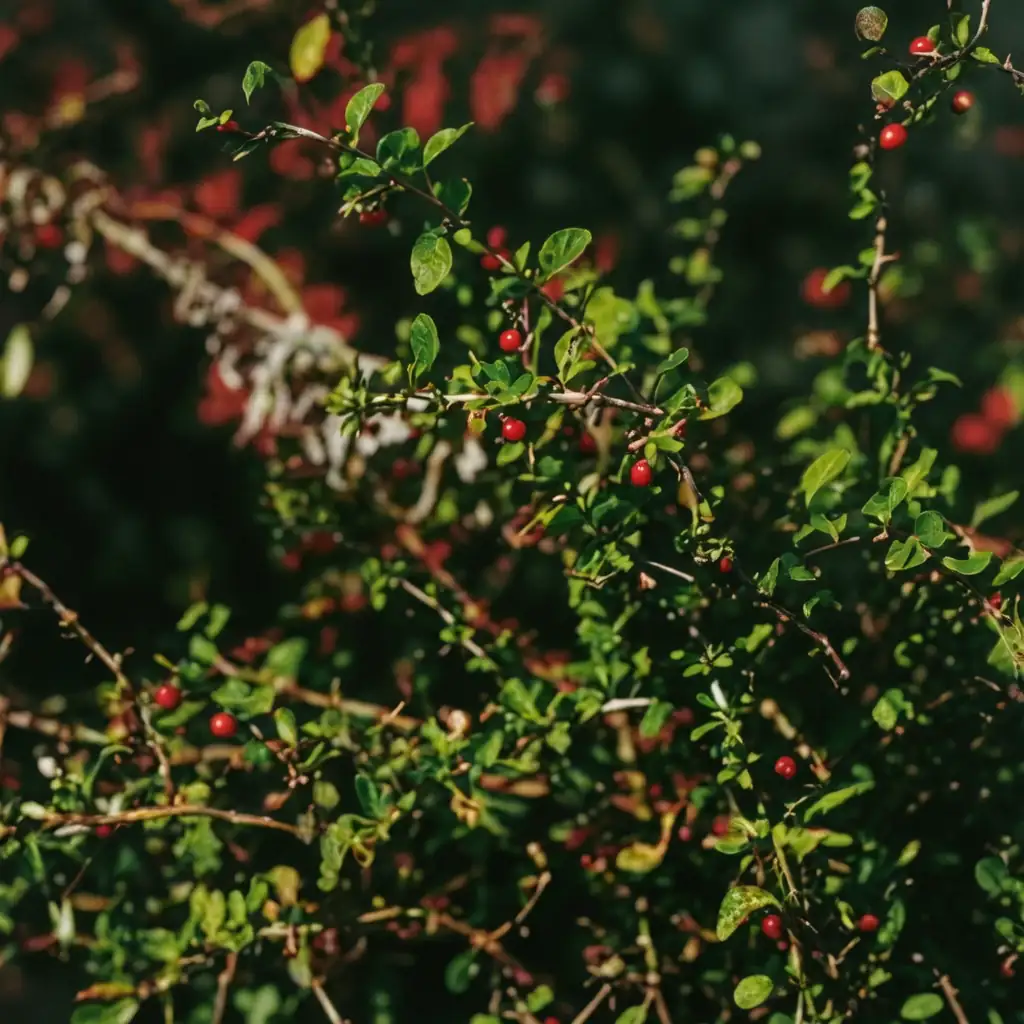
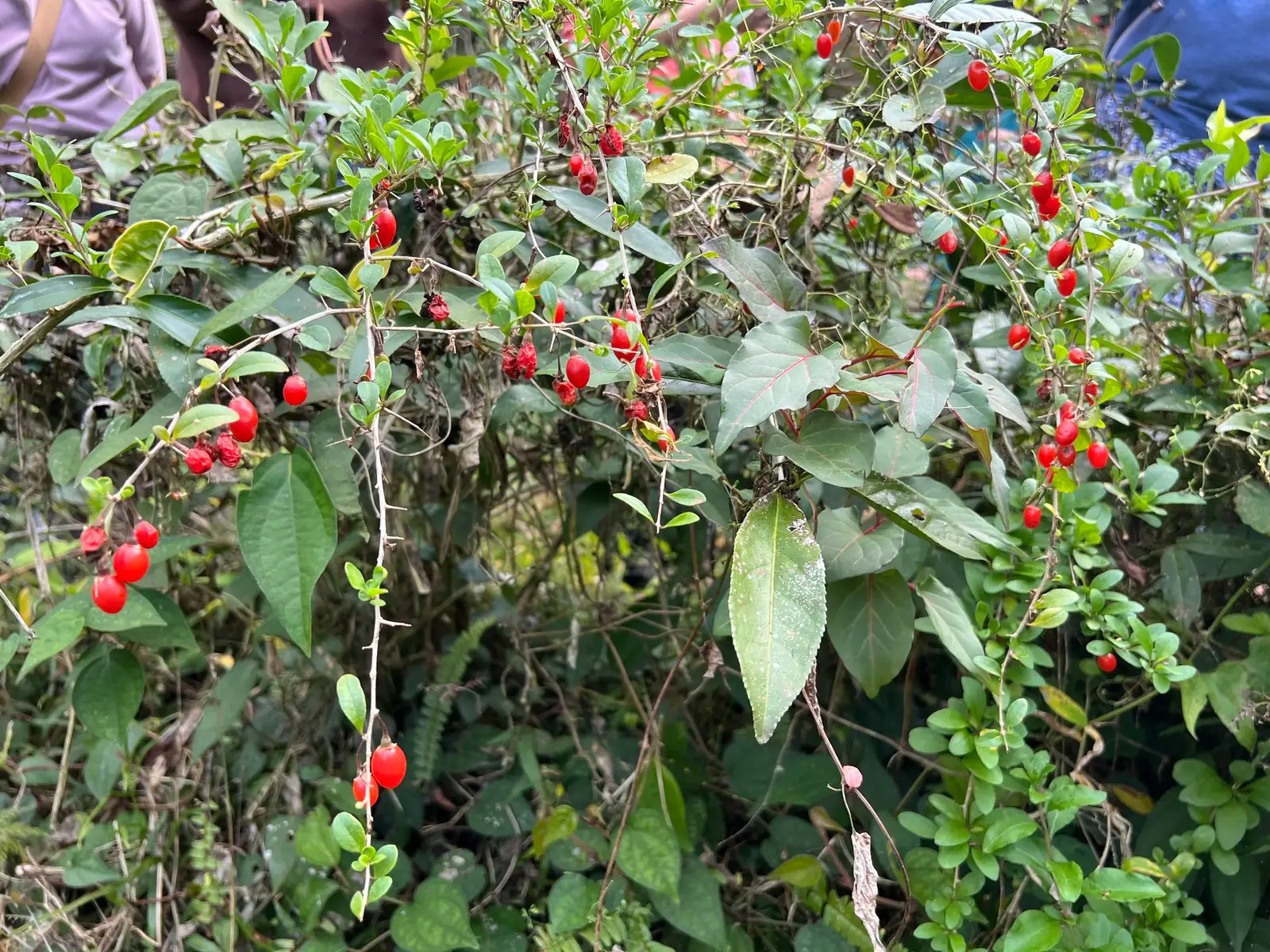
- Size: Typically 0.5–1 m (1.6–3.3 ft) tall; often arching and somewhat spreading with long, drooping shoots.
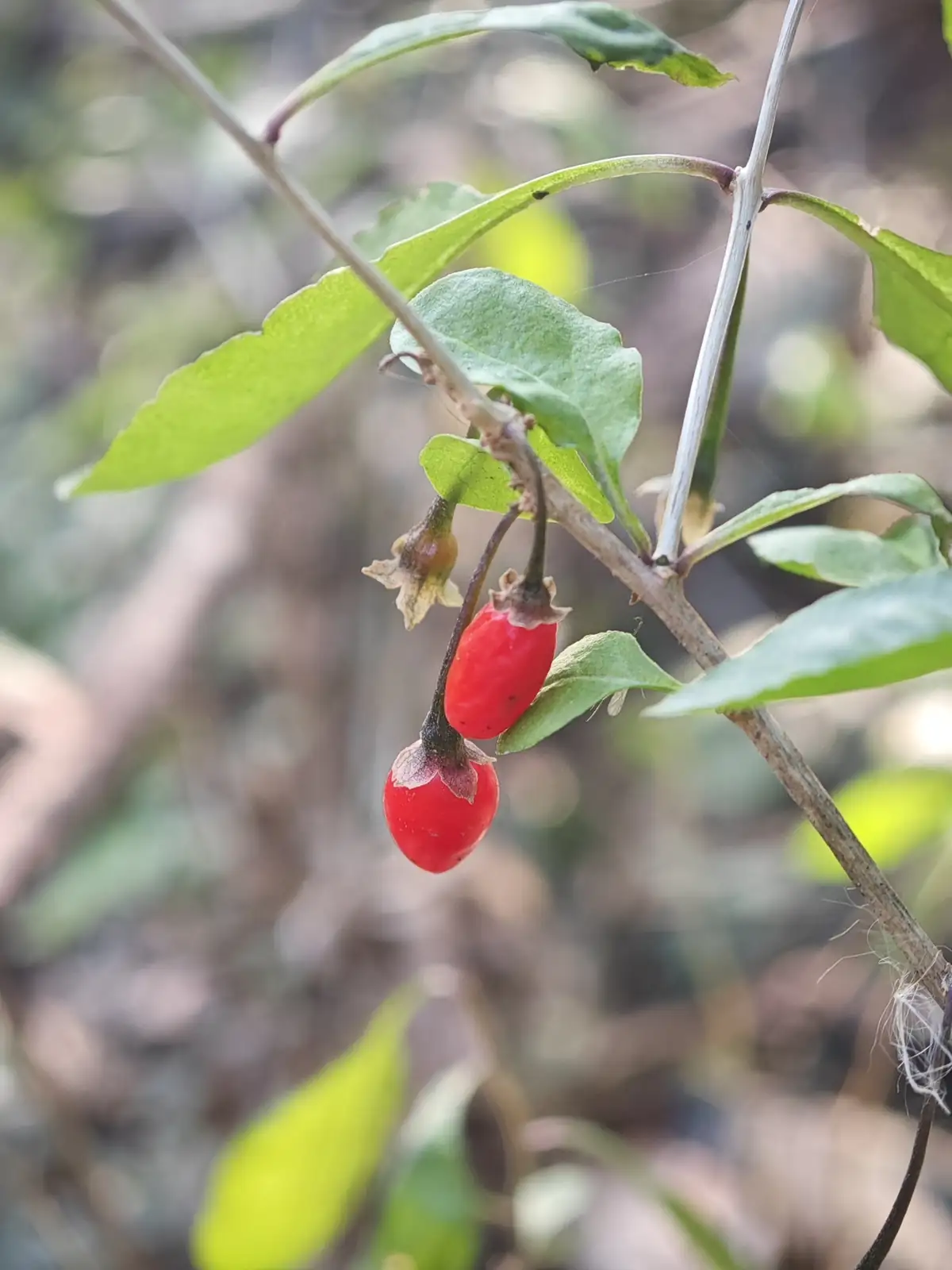
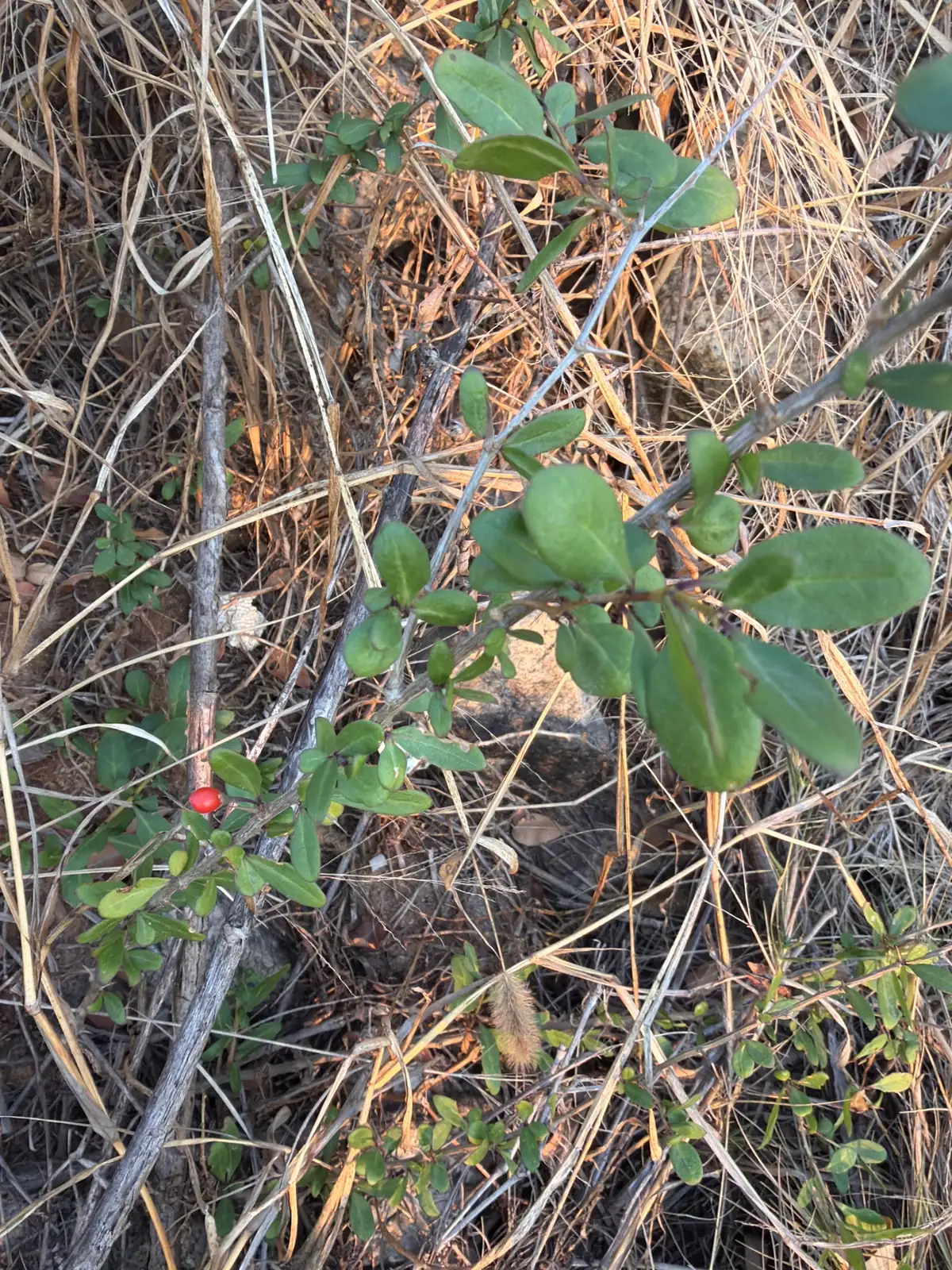
- Foliage: Leaves are simple and usually alternate, sometimes clustered on lower parts of the branch. They range from ovate to oblong or ovate-lanceolate, about 2–6 cm (0.8–2.4 in) long, on short petioles.
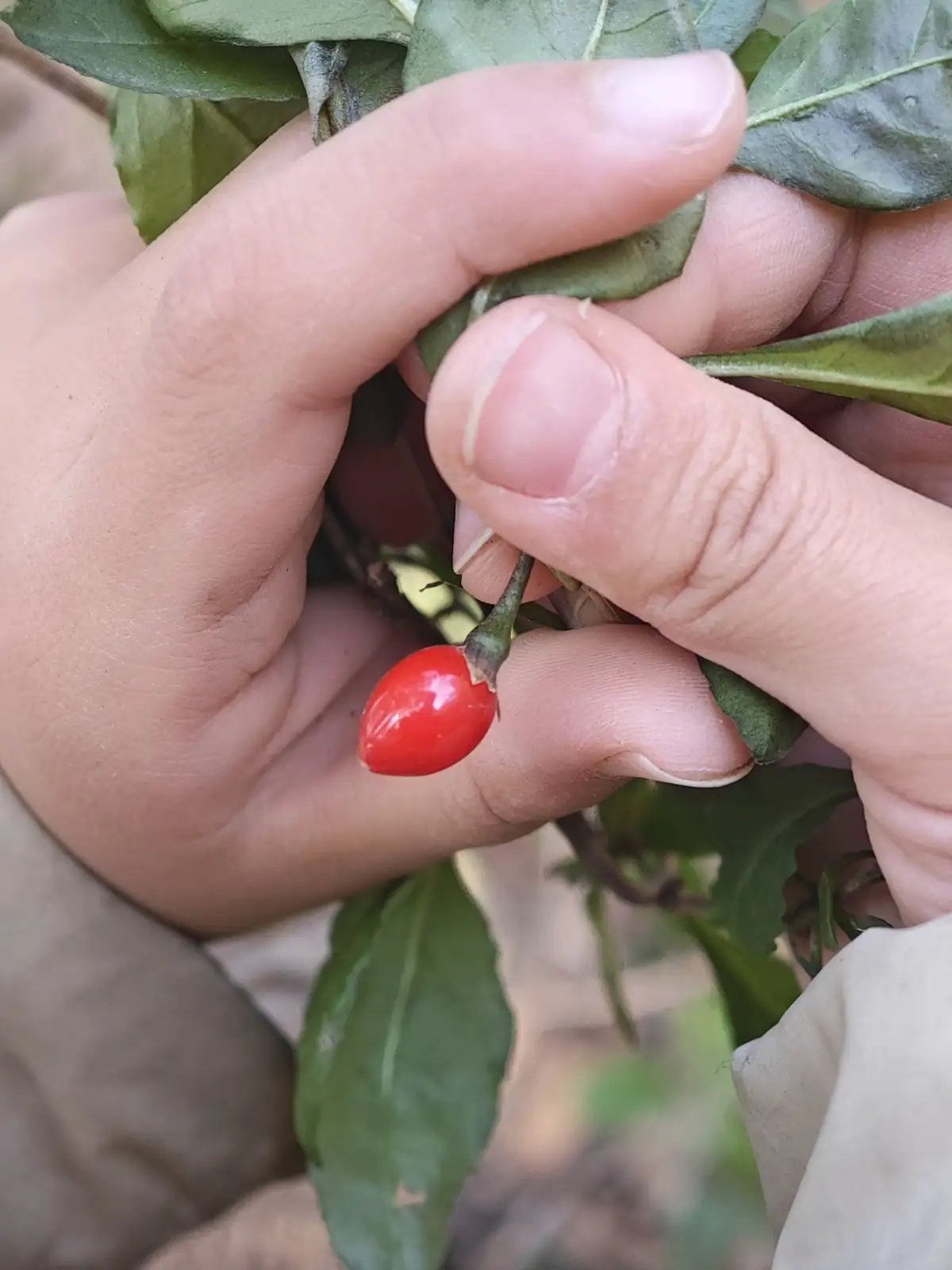
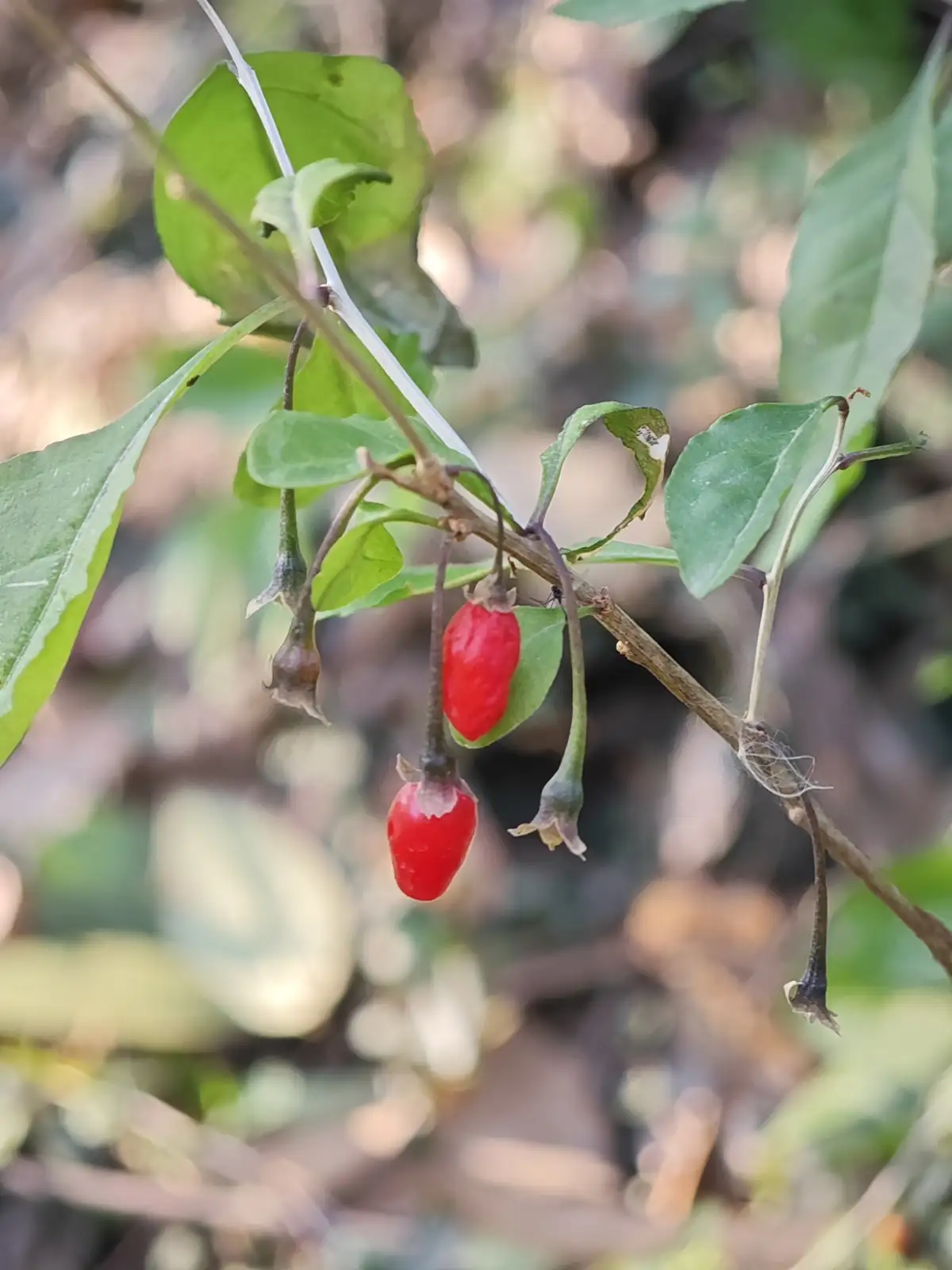
- Flower: Small axillary flowers are pale purple with a funnel-shaped corolla and 5 spreading lobes. Fruits are oval to oblong berries that ripen to a vivid red-orange and may persist for an extended display.
- Flowering Season: June–November
- Growth Habit: Deciduous shrub with a slightly scrambling, arching habit; gray-yellow bark, long slender drooping branches, and short lateral spines.
Environment
Sunlight
Full sun for best flowering and fruiting; tolerates light shade but berry set and color may be reduced.
Temperature
Prefers a dry, sunny, cool-to-temperate climate; cold hardy once established. Typical active growing range about 10–25°C (50–77°F).
Humidity
Comfortable in relatively dry conditions once established. Avoid persistently wet, low-lying sites and prolonged humidity/wetness around the roots.
Soil
Well-drained sandy loam is ideal; tolerates mildly saline/alkaline soils as long as drainage is excellent. Performs poorly in heavy, water-retentive soils.
Placement
Best in a sunny outdoor spot: slopes, banks, and other tough, free-draining sites. Useful as a spiny hedge and as an autumn ornamental fruiting shrub; also suitable for erosion-prone ground where drainage is sharp.
Hardiness
Approx. USDA Zone 5–9 (−29 to −1°C / −20 to 30°F), depending on local conditions and plant provenance; not suited to waterlogged soils.
Care Guide
Difficulty
Easy and highly adaptable; best performance comes from full sun and sharp drainage.
Buying Guide
Choose plants with firm, green stems and healthy buds/leaves. Avoid pot-bound plants or any with sour-smelling, soggy compost. If you’re buying specifically for fruit, choose a reputable edible/fruiting selection and confirm it is Lycium chinense rather than an ornamental-only Lycium.
Watering
Water regularly during establishment (the first growing season), allowing the surface to dry between waterings. Once established, water sparingly—this shrub is drought tolerant. Avoid low spots and heavy soils that stay wet; prolonged wetness commonly leads to root problems and general decline.
Fertilization
Light feeding is usually enough. In spring, use a balanced slow-release fertilizer or a thin layer of compost. Avoid high nitrogen feeding, which can push soft leafy growth at the expense of flowers and berries.
Pruning
Prune in late winter to early spring to shape the shrub and remove dead, weak, or crossing wood. Gentle thinning improves airflow and helps highlight the berry display. Wear gloves—some shoots carry short spines.
Propagation
Propagate by semi-ripe cuttings in summer or hardwood cuttings in winter. It can also be grown from seed, though seedlings may vary in vigor and fruiting quality.
Repotting
If container-grown, repot every 2–3 years in spring into a gritty, free-draining mix. Use a pot with a generous drainage hole and avoid water-retentive composts.
📅 Seasonal Care Calendar
June–November is the main flowering/fruiting window, with the most eye-catching berries often in autumn. As temperatures drop, reduce watering and keep the root zone on the drier side through cool, wet periods.
Pests, Diseases & Safety
Common Pests & Diseases
May attract aphids on soft new growth, spider mites during hot/dry spells, and occasionally scale insects. Most serious issues are tied to poor drainage (root stress/rot). Provide sun and airflow, avoid waterlogged soil, and check new shoots regularly for pests.
Toxicity
The ripe berries are widely eaten when properly identified and used. However, leaves and unripe fruits may cause stomach upset in some people, and goji products can interact with certain medications (notably anticoagulants). Keep plant parts away from pets and children unless you’re confident in identification and safe use.
Culture & Symbolism
Symbolism: Often linked with vitality and longevity in East Asian culture, reflecting its long-standing reputation as a health-supporting fruit.
History & Legends: Long cultivated in East Asia for both edible berries and ornamental value; it has been introduced to other regions and may persist or naturalize where the climate and drainage suit it.
Uses: Grown as an ornamental shrub for its long-lasting autumn berry show, as a spiny hedge, and as a productive edible/medicinal garden plant. It can also help stabilize well-drained slopes and erosion-prone sites.
FAQ
What is the scientific name of Chinese boxthorn?
Lycium chinense.
When does it flower and fruit?
It typically flowers from June to November and also fruits across June to November, with the most striking berry display often in autumn.
What conditions and soil does it prefer?
Full sun and well-drained sandy loam are ideal. It tolerates drought, cold, and mildly saline/alkaline soils, but it dislikes heavy, waterlogged ground.
What are its main uses?
It’s used as an ornamental fruiting shrub, for spiny hedging, for edible berry production, and sometimes for slope stabilization in sharply drained sites.
Fun Facts
- The berries can hang on the plant for a long season, creating a vivid red-orange display well into autumn.
- It’s notably tolerant of tough sites, including dry, erosion-prone slopes—provided drainage is good.
- Once established, it can handle both drought and cold, and it even tolerates mildly saline/alkaline soils.
- Outside China it has been cultivated in Korea, Japan, and parts of Europe, and may naturalize in suitable climates.
- Its popularity comes from a rare combination: showy ornamental fruit plus widely used edible berries.


