Plant Features
- Size: Typically about 30 × 30 cm (12 × 12 in) as a houseplant.
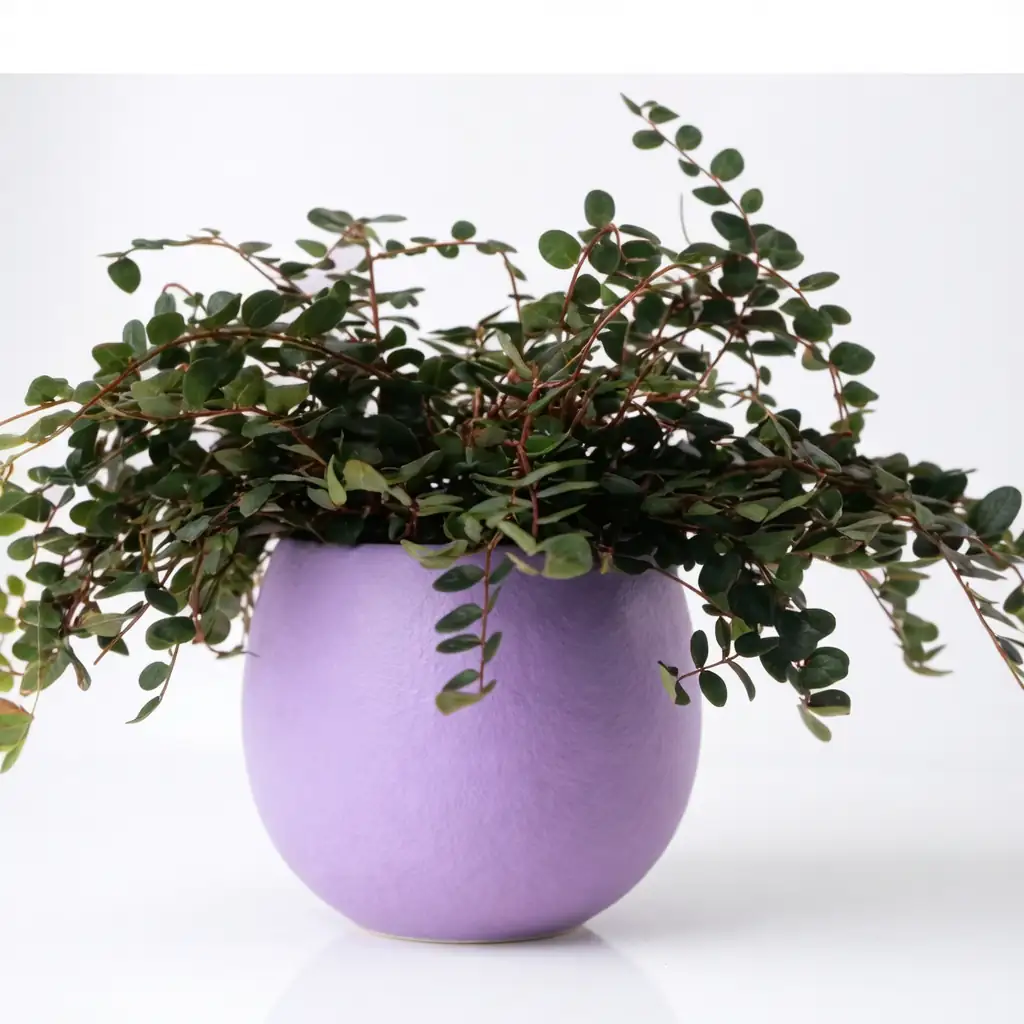
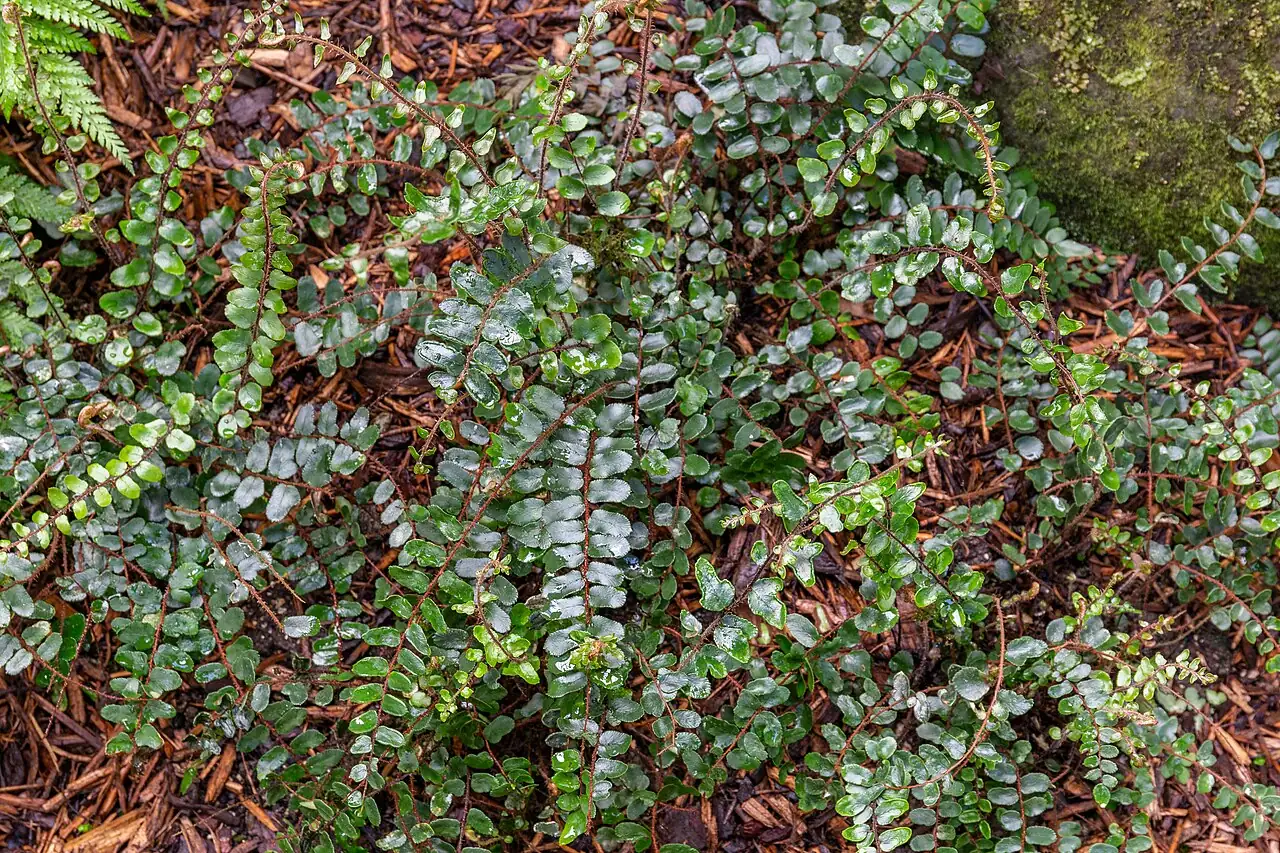
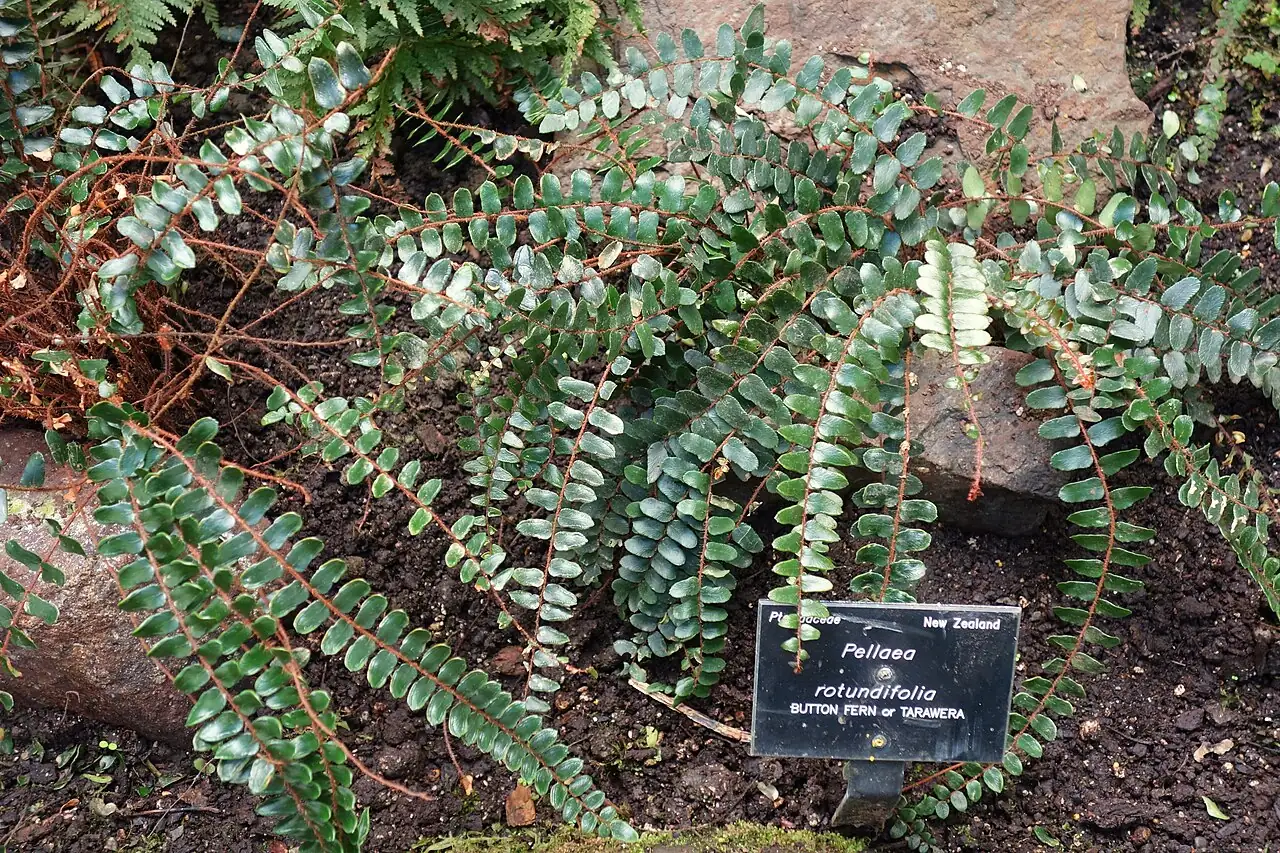
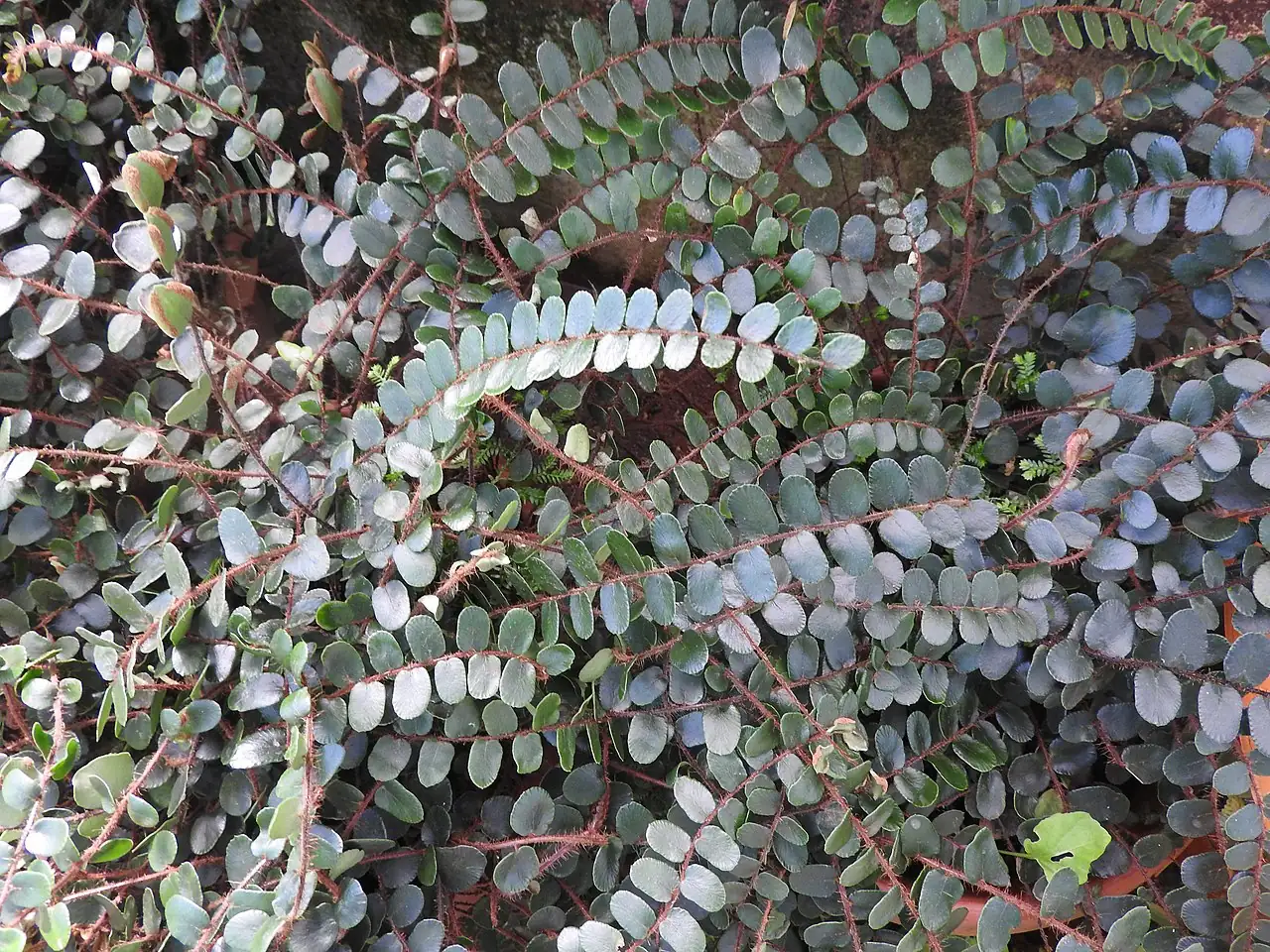
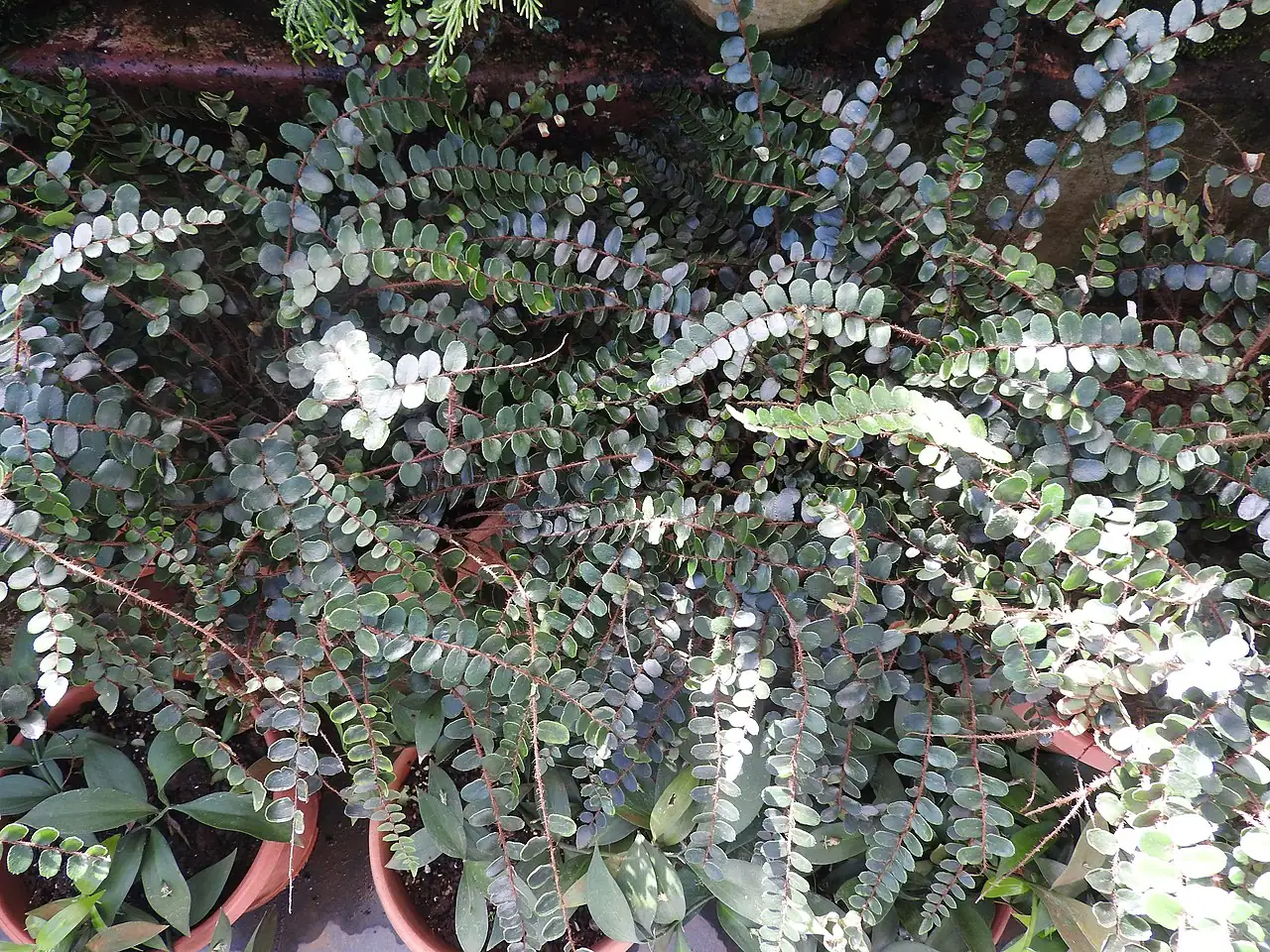
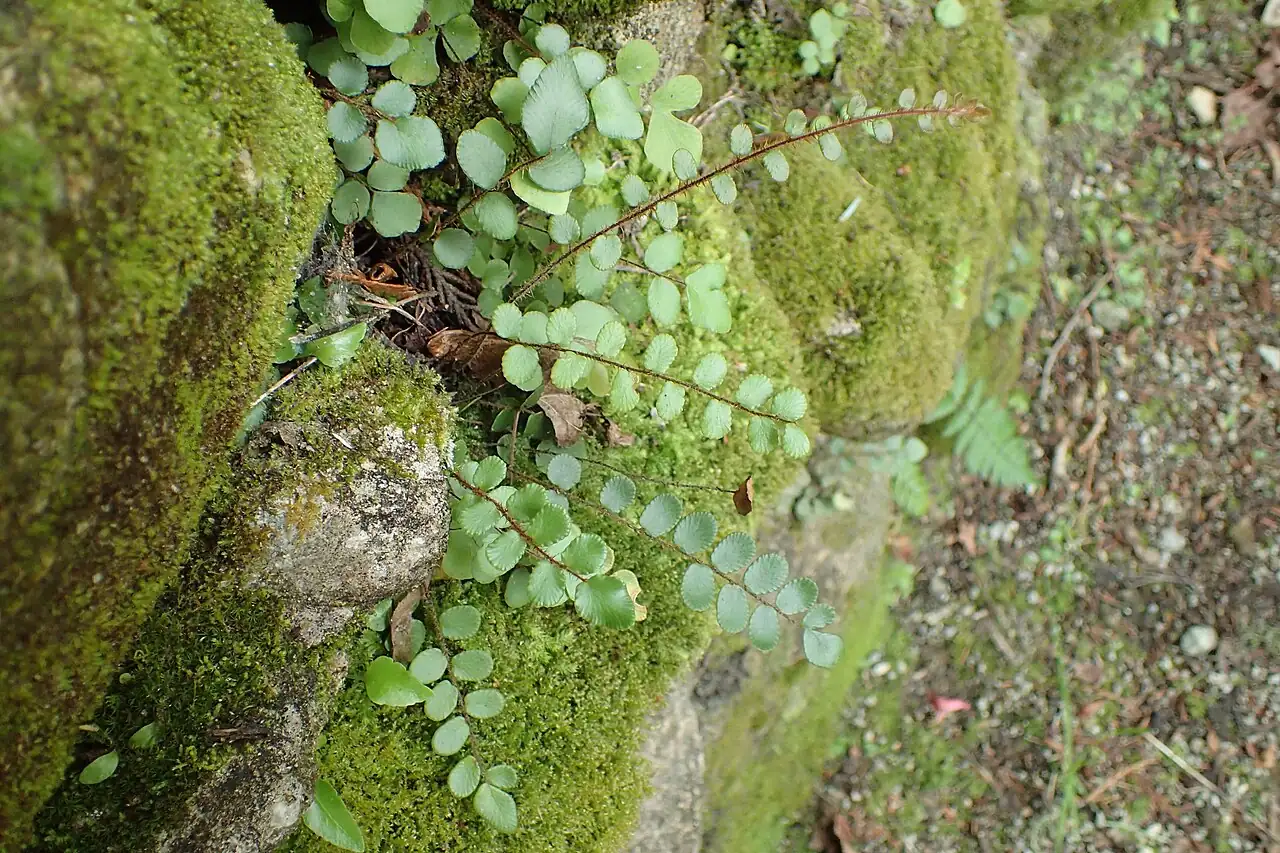
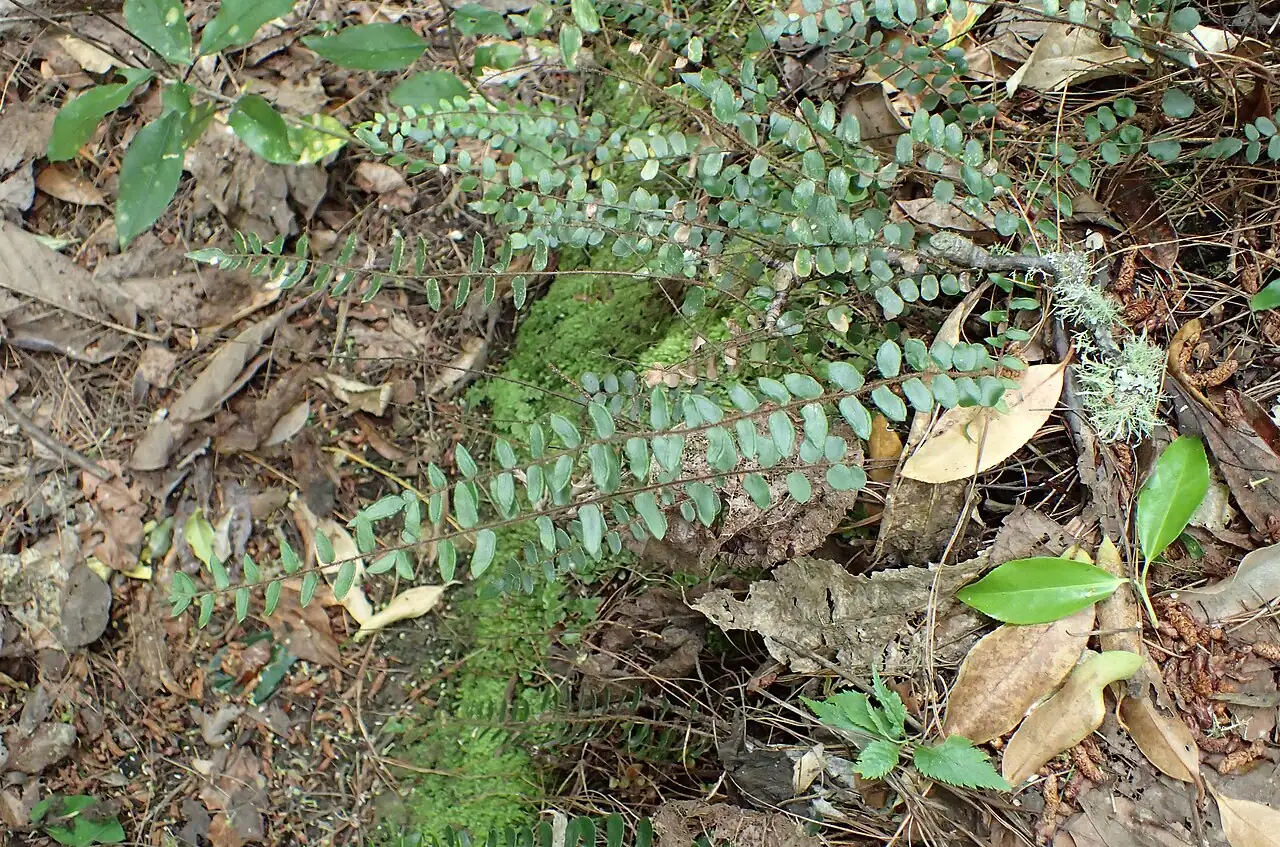
- Foliage: Light, airy, arching fronds lined with many small, rounded leaflets that look like tiny green buttons; overall form stays tidy and compact.
- Flower: No flowers (it’s a fern and reproduces by spores).
- Flowering Season: Not applicable.
- Growth Habit: Arching, clumping fern with short rhizomes.
Environment
Sunlight
Bright indirect light to partial shade; avoid harsh direct sun (especially midday), which can scorch and crisp the fronds.
Temperature
5–24°C (41–75°F); protect from frost and avoid prolonged heat or hot, drying drafts.
Humidity
Moderate humidity is usually sufficient; in very dry homes, occasional misting or a pebble tray can help keep frond tips from browning.
Soil
Free-draining, slightly acidic potting mix (an azalea/rhododendron-style mix works well) amended with perlite for extra drainage. Let the surface dry slightly between waterings—this fern generally dislikes being kept constantly wet.
Placement
Great in small hanging baskets, on tabletops, or as an underplanting/edging in larger shade containers—choose a bright, indirect or part-shade spot away from hot sun.
Hardiness
Tender to frost; best grown indoors or in frost-free outdoor settings. Commonly treated as USDA Zone 10–11 outdoors.
Care Guide
Difficulty
Easy (for a fern), especially if you avoid overwatering and don’t keep the mix soggy.
Buying Guide
Pick plants with firm, evenly green fronds and minimal tip browning. Avoid pots that are waterlogged or smell sour, which can signal root trouble.
Watering
Spring to fall: water when the top of the mix is nearly dry, then water thoroughly and let excess drain. Winter: reduce watering slightly. If indoor air is very dry, use a tray of moist pebbles or mist the foliage every few days.
Fertilization
Feed about once a month year-round with a balanced liquid fertilizer at 1/2 strength.
Pruning
Snip off yellowing or damaged fronds at the base to keep the plant tidy and improve airflow.
Propagation
Best by division of the clump/rhizomes during repotting. Spore propagation is possible but slow and more technical.
Repotting
Use a pot about 15 cm (6 in) wide, or just large enough to fit the rhizomes. Repot every 1–2 years into fresh, free-draining, slightly acidic mix with perlite; don’t let it become severely root-bound.
📅 Seasonal Care Calendar
Spring–fall: water when the surface is almost dry; provide bright indirect light and moderate humidity as needed. Winter: water less often. Fertilize monthly at half strength year-round. Repot every 1–2 years with fresh, well-draining mix.
Pests, Diseases & Safety
Common Pests & Diseases
Indoors it may occasionally attract spider mites, mealybugs, or scale. Overwatering can cause root rot. Improve airflow, avoid soggy soil, and treat pests with insecticidal soap or horticultural oil if needed.
Toxicity
Generally regarded as non-toxic to cats and dogs (often listed as pet-safe). Still, nibbling any plant may cause mild stomach upset.
Culture & Symbolism
Symbolism: Often linked with quiet resilience and gentle elegance—classic fern energy in a compact, charming form.
History & Legends: Widely grown as a modern houseplant and appreciated for its tidy “button” leaflets and its ability to handle typical indoor conditions better than many traditional ferns.
Uses: Ornamental foliage for indoor décor; especially good for small hanging baskets and for edging/underplanting in shade-loving container arrangements.
FAQ
Why are the frond tips turning brown?
The usual culprits are very dry air, irregular watering, or too much direct sun. Move it to bright indirect light, water when the top of the mix is nearly dry, and raise humidity with a pebble tray or occasional misting.
Can button fern tolerate lower humidity than other ferns?
Yes—compared with many classic tropical ferns, it often copes better with average household humidity. It will still look its best with moderate humidity and evenly managed moisture (not soggy soil).
Fun Facts
- Unlike many ferns that insist on constantly moist soil, button fern is known for tolerating a slightly drier potting mix.
- Those round “button” leaflets make it one of the easiest ferns to recognize at a glance.