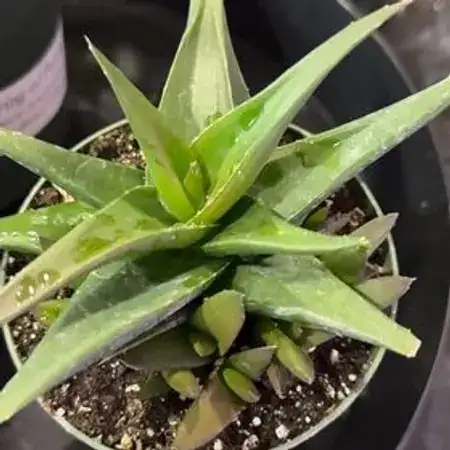
Plant Features
- Size: Up to about 20 × 15 cm (8 × 6 in)
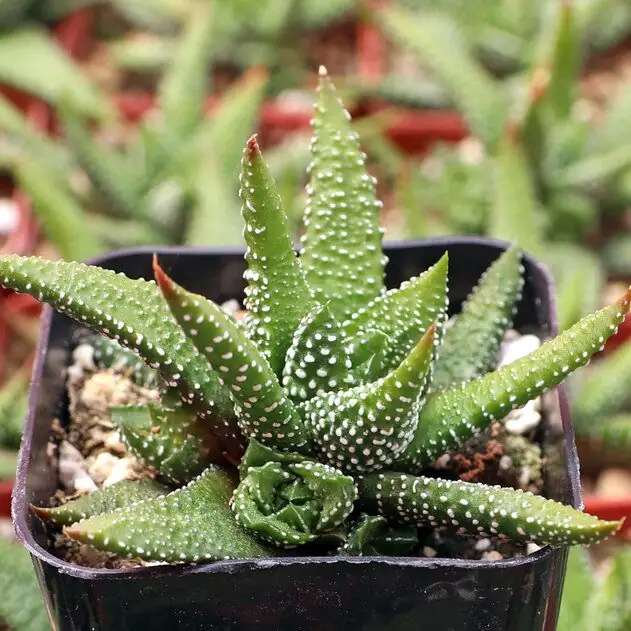
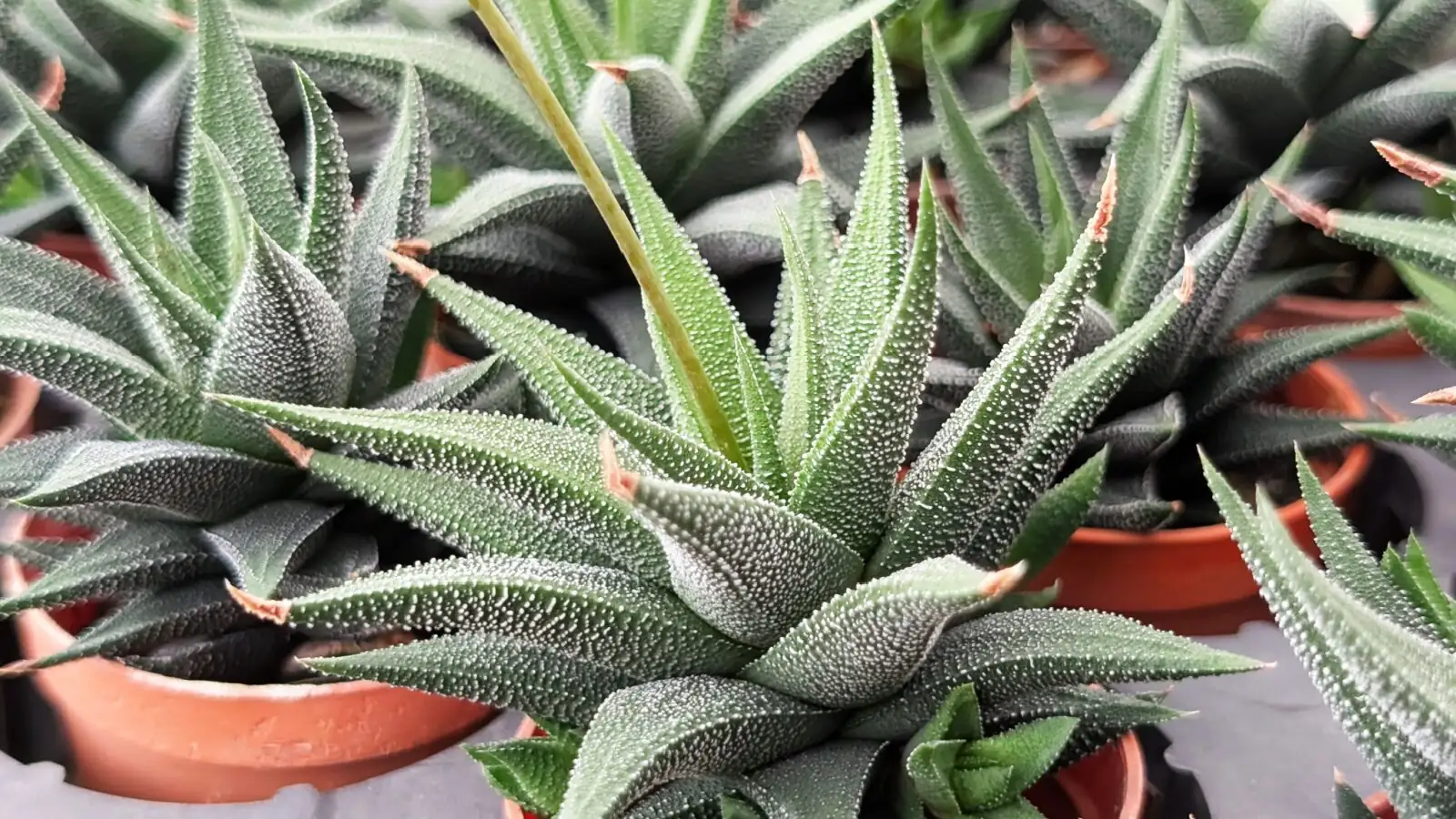
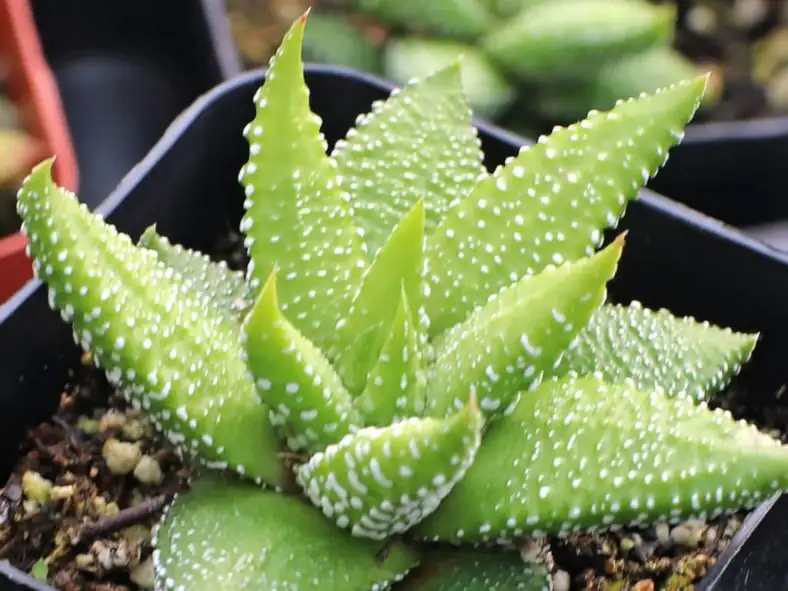
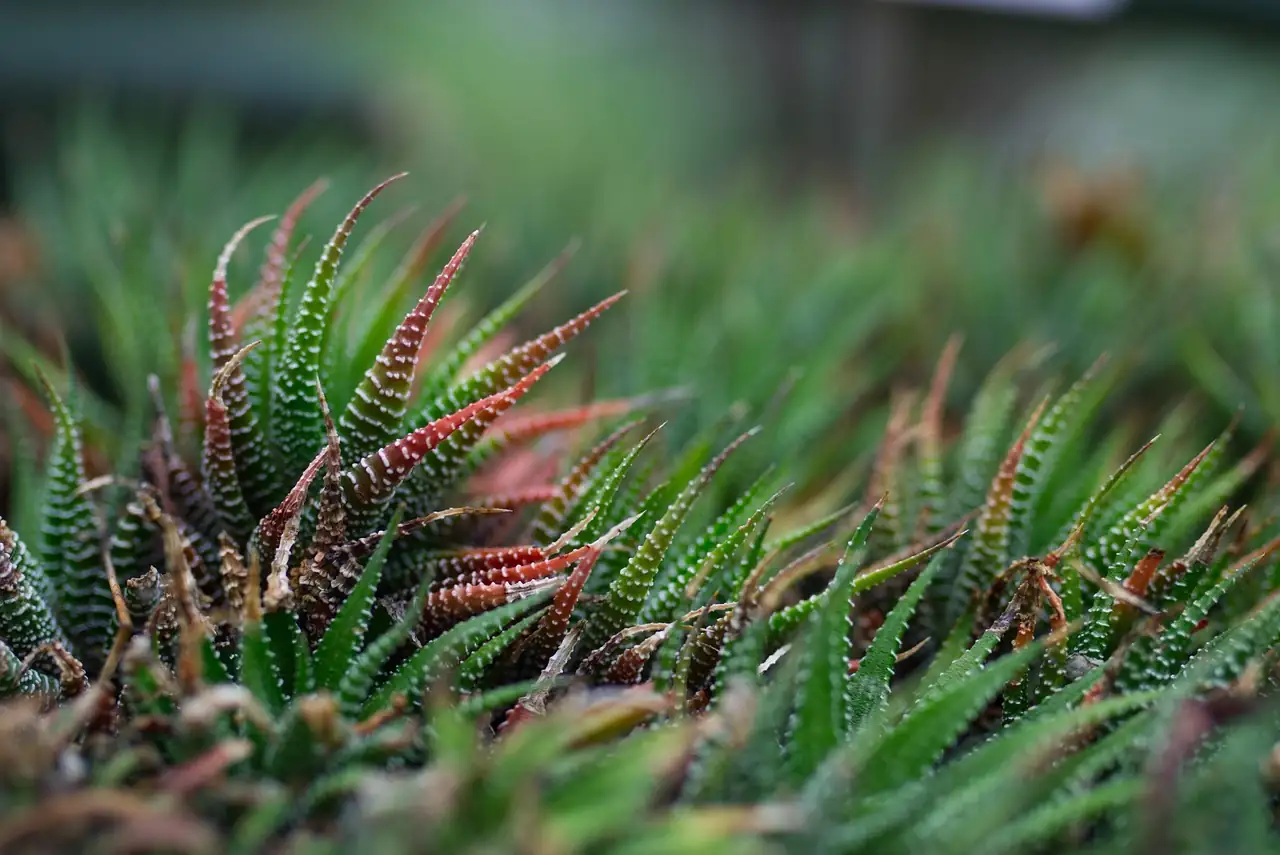
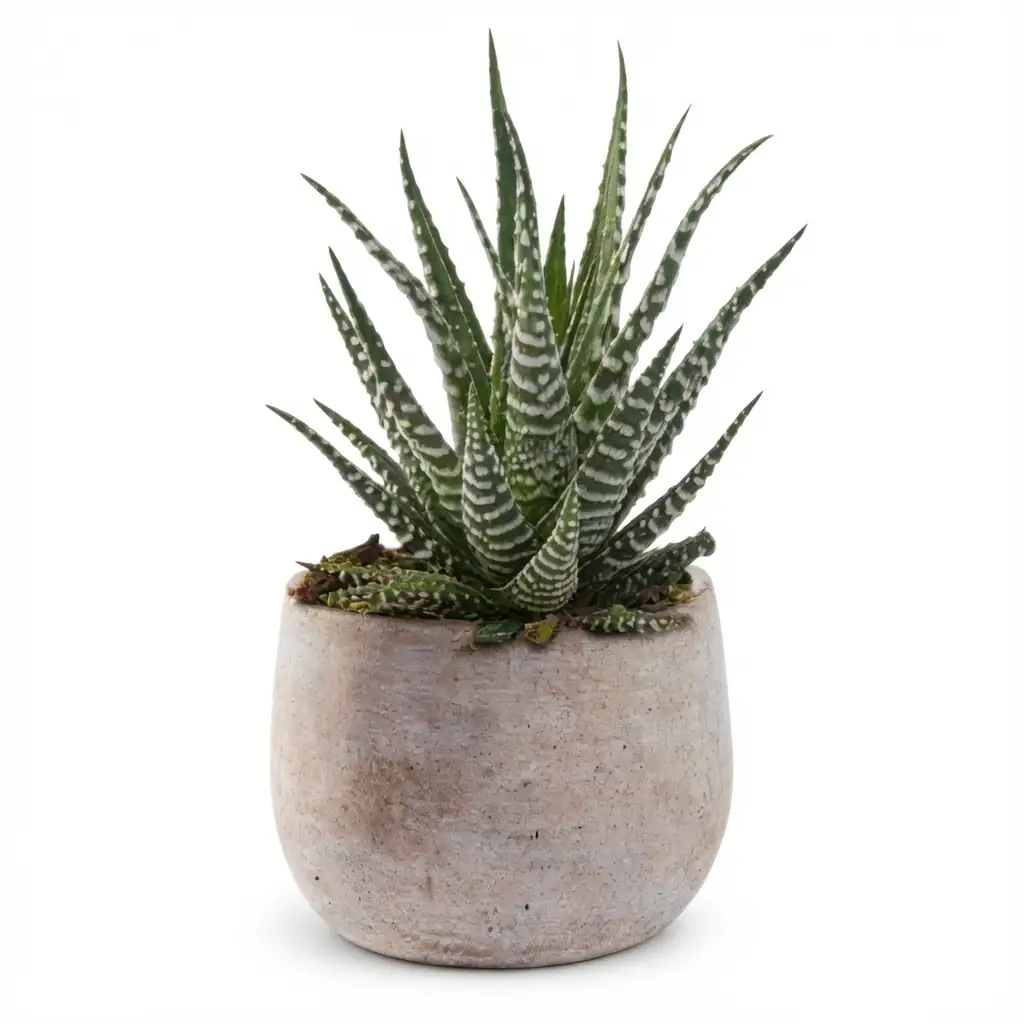
- Foliage: Narrow, pointed, fleshy leaves arranged in a compact rosette; leaf surfaces are often marked with raised white bands/bumps (tubercles) that create a distinctive zebra-like texture and pattern.
- Flower: Slender flower stalks bearing small, white, narrow tubular flowers.
- Flowering Season: Summer
- Growth Habit: A slow-growing, clump-forming rosette succulent that gradually produces offsets (pups) over time.
Environment
Sunlight
Bright light is ideal, with some direct sun tolerated (especially morning sun). An east- or south-facing windowsill works well; it can also handle bright, lightly filtered light.
Temperature
12–26°C (54–79°F); keep above about 5°C (41°F) and protect from frost.
Humidity
Low to average indoor humidity; avoid constantly damp conditions and provide some airflow to reduce rot risk.
Soil
Fast-draining cactus/succulent mix, or potting soil mixed with grit at about 2:1 by volume for extra drainage.
Placement
A bright windowsill or a very bright spot near a window with several hours of sun or strong filtered light.
Hardiness
Not frost hardy; best grown indoors or protected outdoors. Keep above ~5°C (41°F).
Care Guide
Difficulty
Easy; does best with bright light, a gritty fast-draining mix, and infrequent watering.
Buying Guide
Pick a firm, compact rosette with crisp leaves. Avoid plants with mushy tissue, a blackened base, or any sour/rotting smell. Check leaf axils for mealybugs.
Watering
Spring to autumn: water thoroughly, then wait until the surface of the mix has dried before watering again. Winter: water sparingly—just enough to prevent the mix from becoming bone dry for long periods. Overwatering is the quickest way to cause rot.
Fertilization
Spring to autumn: feed monthly with a balanced liquid fertilizer at 1/2 strength. Do not fertilize in winter.
Pruning
Remove dried leaves from the base and cut off spent flower stalks. Avoid cutting into healthy, fleshy tissue unless necessary.
Propagation
Best propagated by offsets (pups). Separate gently, let the cut surfaces callus for 1–2 days, then pot into a dry gritty mix. Start light watering after roots begin to establish. Leaf cuttings are possible but less reliable than offsets.
Repotting
Use a cactus/succulent mix (or potting soil : grit at ~2:1). A small pot about 7.5–10 cm (3–4 in) wide suits its compact roots. Repot in spring every 2–3 years or when root-bound.
📅 Seasonal Care Calendar
Spring–autumn: provide bright light; water when the surface dries; fertilize monthly at 1/2 strength. Winter: keep cooler if possible and water minimally. Spring: repot every 2–3 years if crowded, and refresh the gritty mix.
Pests, Diseases & Safety
Common Pests & Diseases
Mealybugs (often hidden in leaf joints) and root rot from excess moisture are the main problems. Prevent rot with a fast-draining mix, a pot with drainage holes, and allowing the mix to dry between waterings. Treat mealybugs by dabbing with alcohol on a cotton swab or using an appropriate insecticidal soap.
Toxicity
Generally considered non-toxic to people and pets, though chewing may still cause mild stomach upset. Keep out of reach of children and pets that like to nibble plants.
Culture & Symbolism
Symbolism: Often linked with resilience and quiet strength—staying tidy and attractive even with minimal care.
History & Legends: A widely cultivated South African succulent that is still commonly sold under the older name “Haworthia,” even though many forms (including this one) are now classified in Haworthiopsis.
Uses: Primarily grown as an ornamental houseplant—perfect for small pots, bright windowsills, desks, and succulent arrangements.
FAQ
What light does it need?
Bright light is best, with some direct sun (especially morning sun). A sunny windowsill or a spot close to a bright window works well.
What temperature range is best?
About 12–26°C (54–79°F). Keep it above roughly 5°C (41°F) and protect it from frost.
How should I water it?
In spring through autumn, water thoroughly only after the surface of the mix has dried. In winter, water sparingly—just enough so the potting mix doesn’t stay bone dry for long stretches.
How do I fertilize it?
Feed once a month in spring through autumn using a balanced liquid fertilizer at 1/2 strength, and stop fertilizing during winter.
What potting mix and pot size should I use?
Use a fast-draining cactus/succulent mix or potting soil mixed with grit at about 2:1. A small pot around 7.5–10 cm (3–4 in) wide is ideal.
Fun Facts
- Although it’s famous as “zebra haworthia,” it’s now commonly placed in the genus Haworthiopsis rather than Haworthia.
- The white zebra striping is made of raised leaf-surface tubercles, giving the plant its signature texture.