

Plant Features
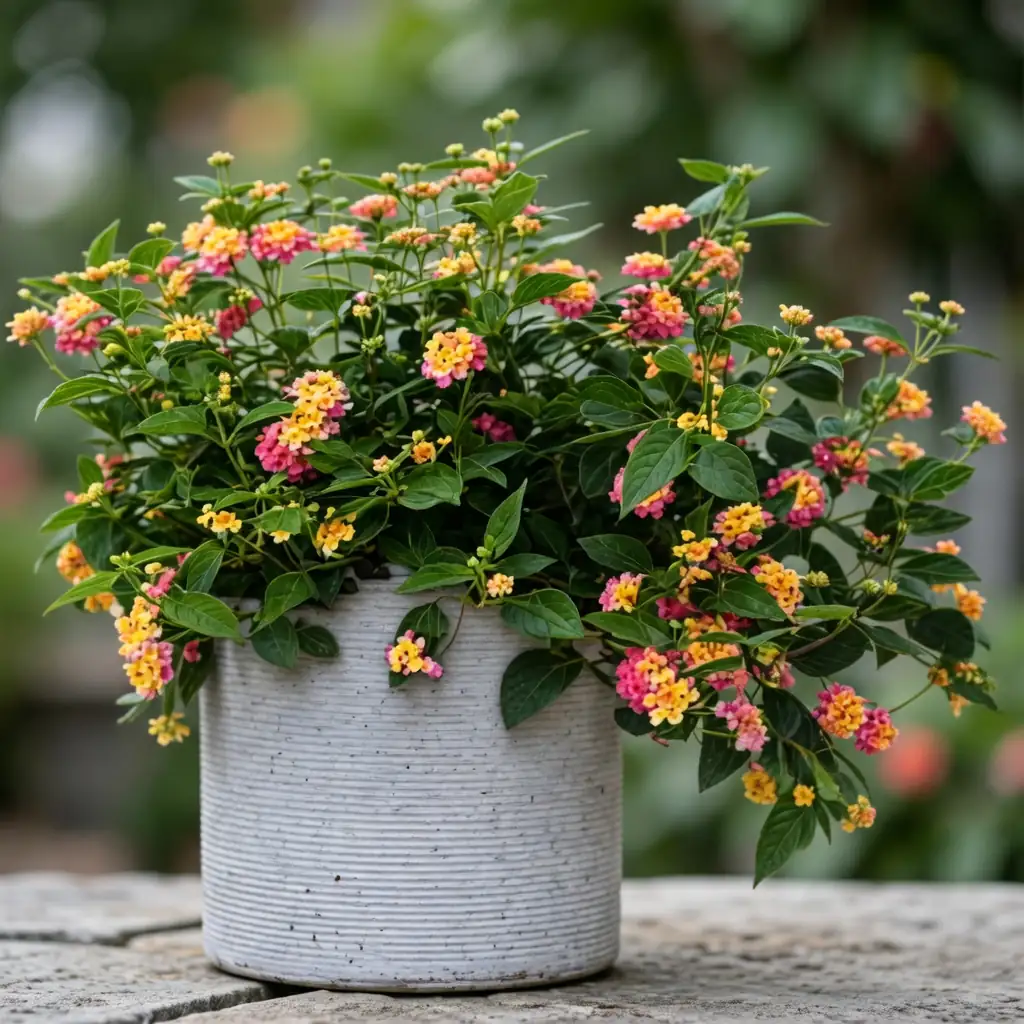
- Size: In containers typically up to about 1 m × 1 m (3.3 ft × 3.3 ft), depending on cultivar and pruning.
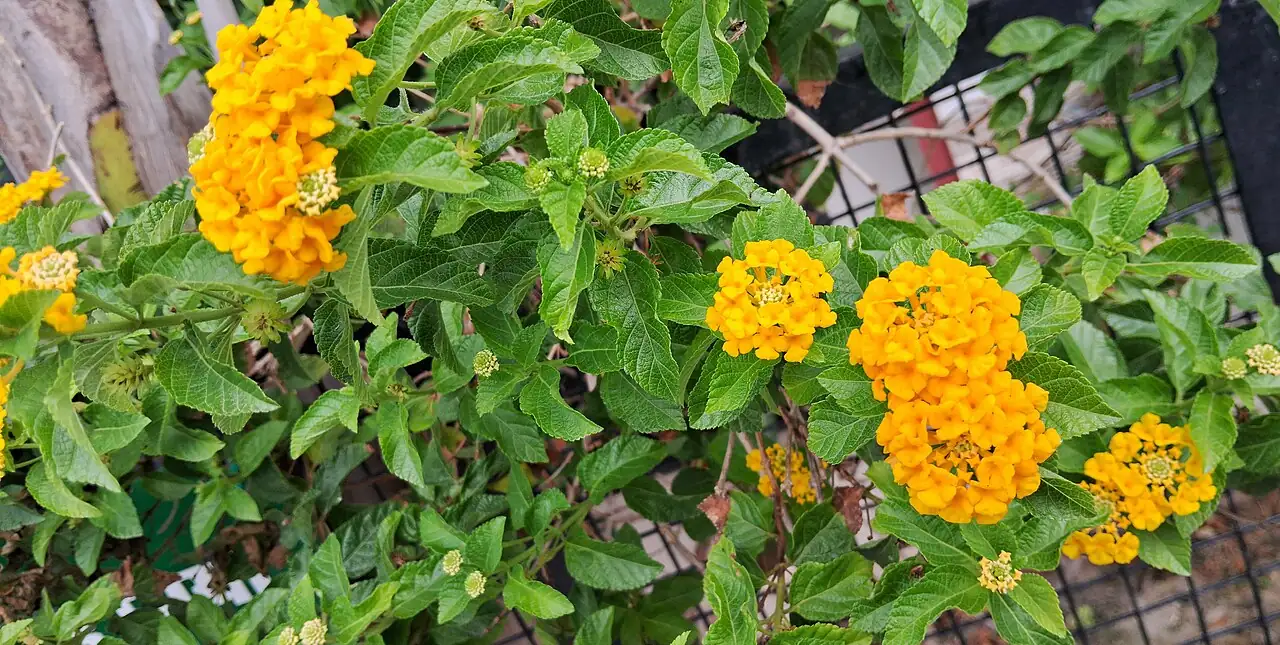
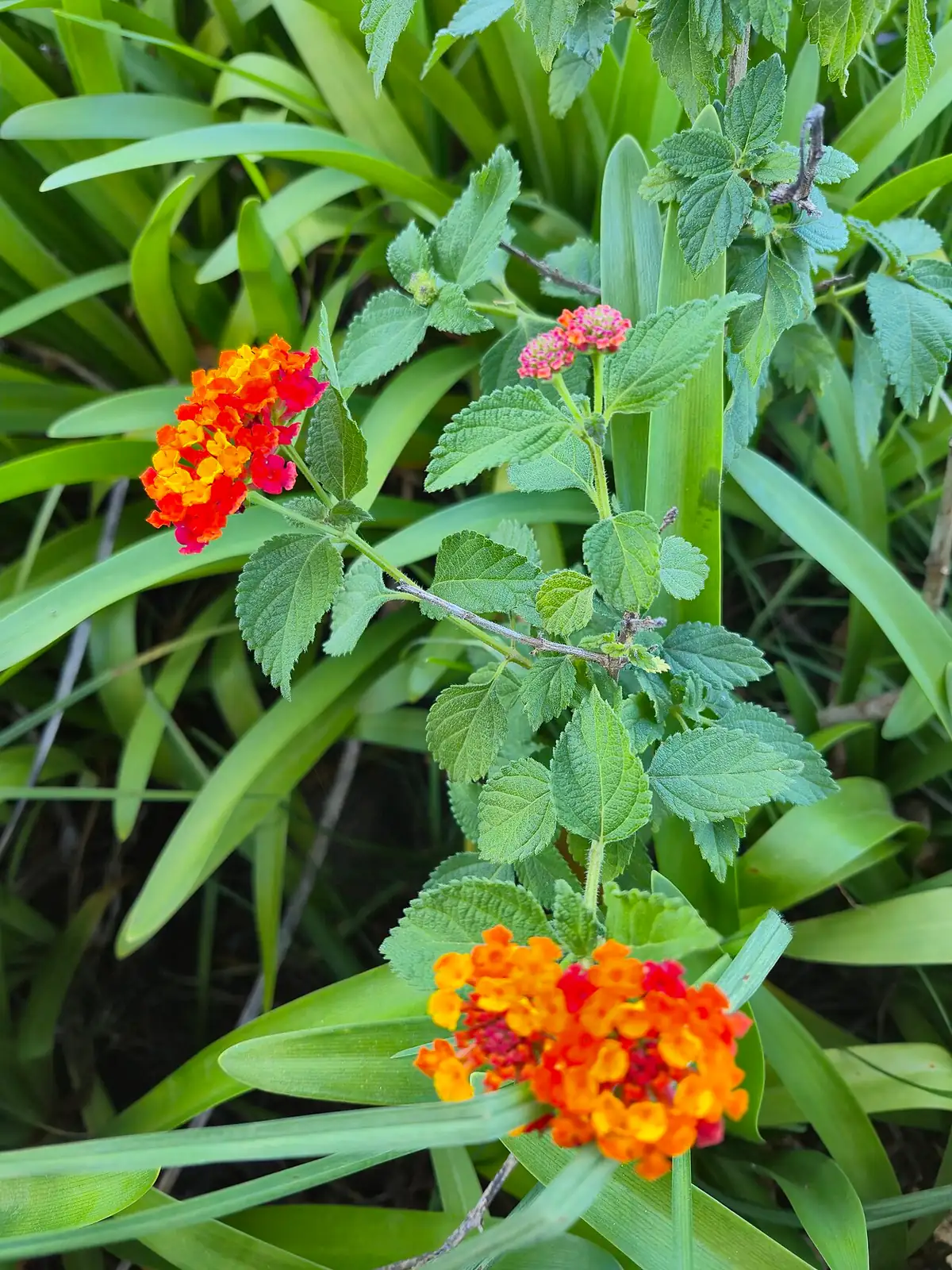
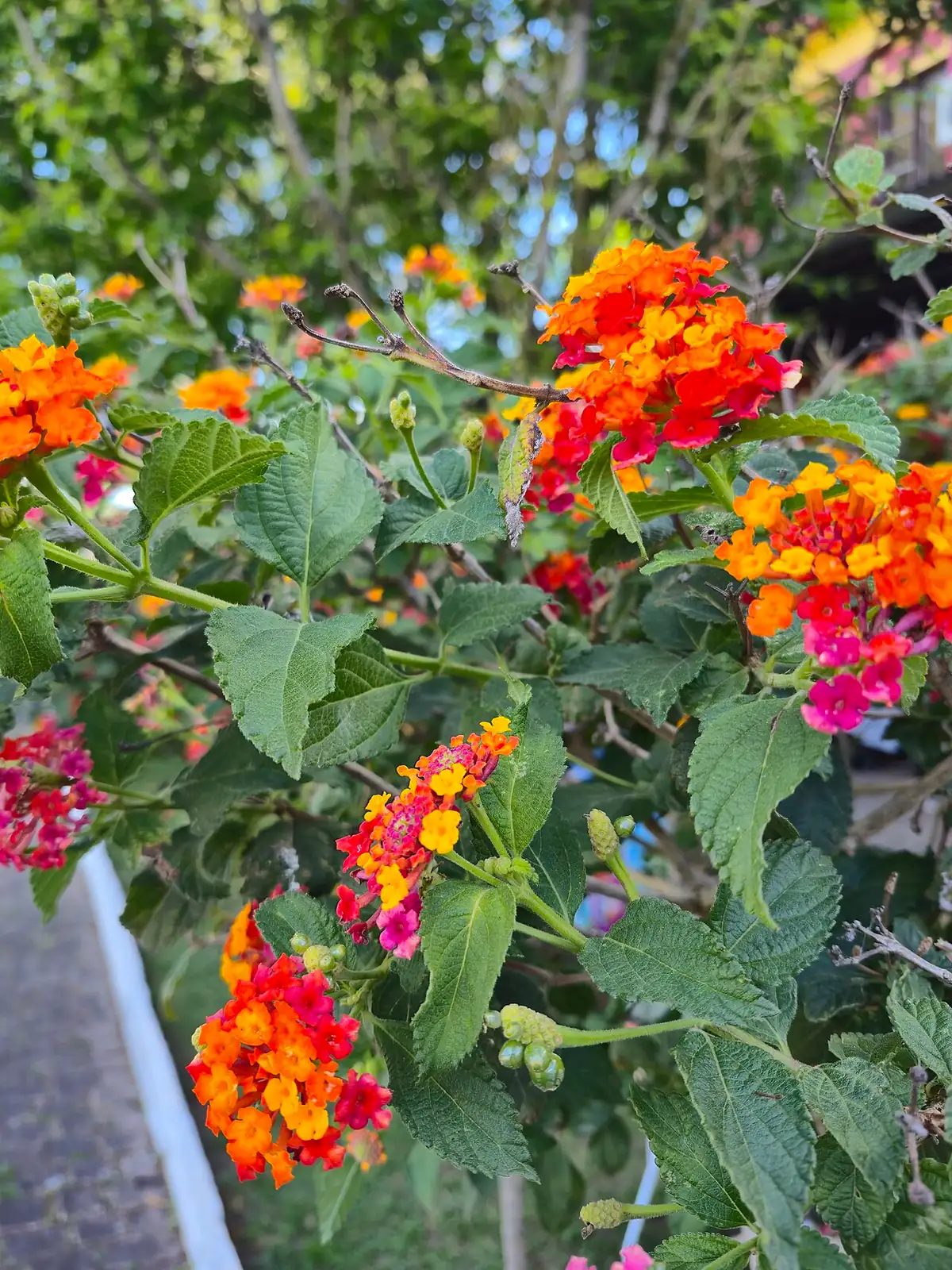
- Foliage: Leaves are opposite and ovate with a slightly rough, lightly hairy feel; the edges are often gently serrated. The foliage is aromatic—crushing a leaf releases a strong scent that many gardeners immediately recognize.
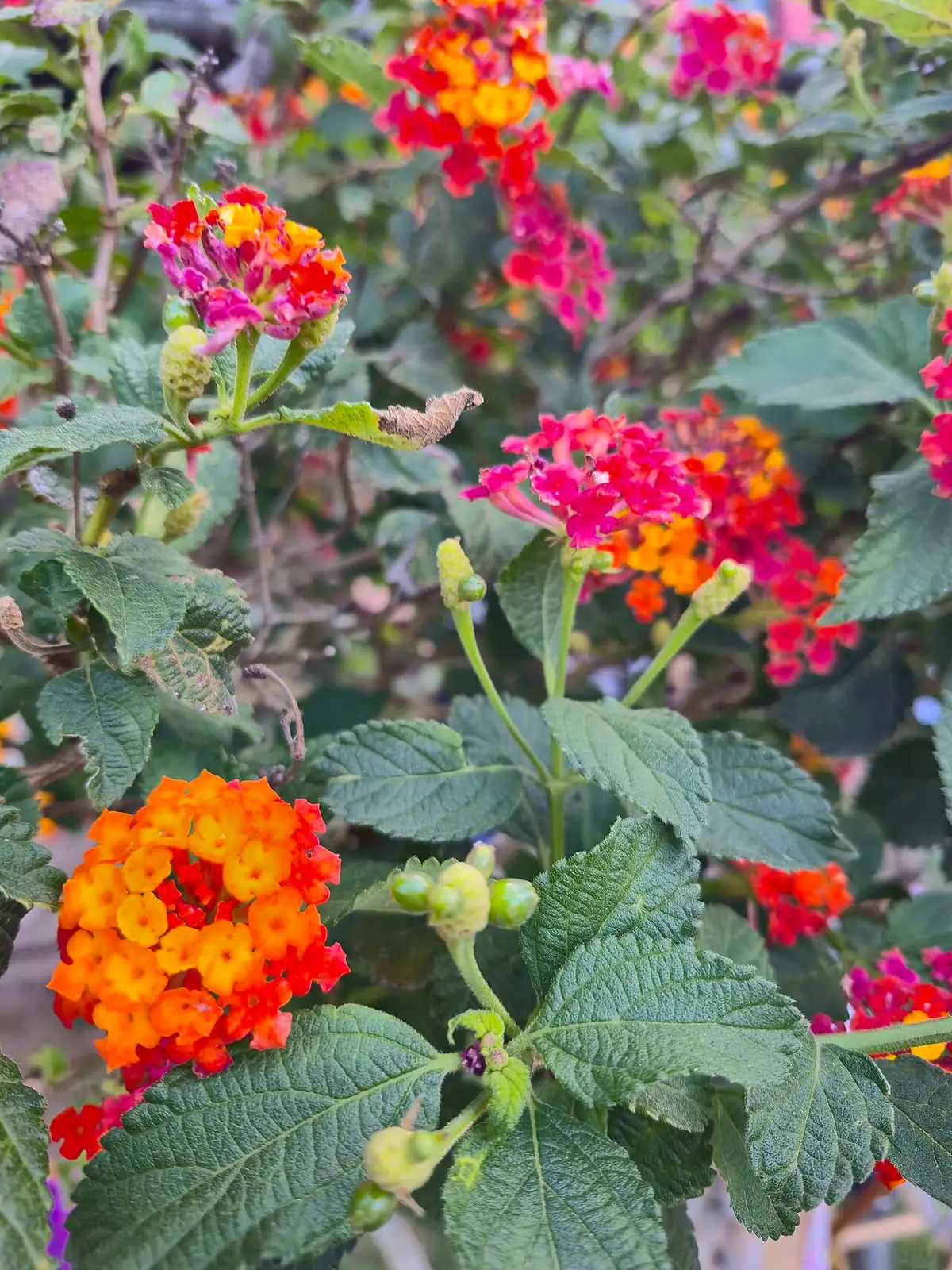
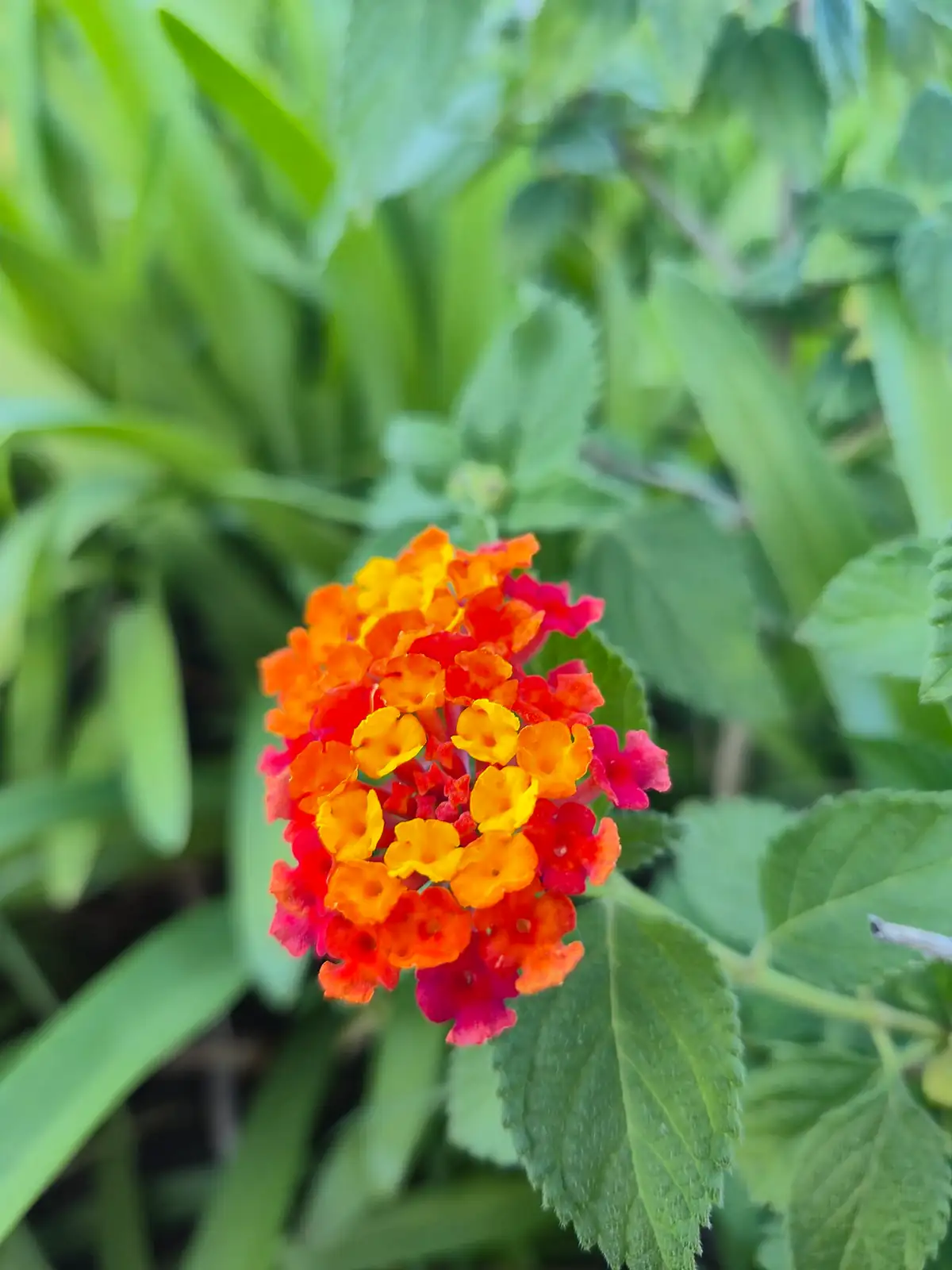
- Flower: Small tubular flowers packed into tight, rounded clusters. Colors commonly include pink, red, yellow, orange, and creamy tones, and the display can look multicolored because individual flowers often change color as they mature.
- Flowering Season: Spring to late autumn (often continuous in warm, frost-free conditions).
- Growth Habit: A vigorous, branching, woody shrub. Depending on cultivar and training, it can be kept compact, grown as a low spreading/mounded plant, or pruned into a small standard (tree form).
Environment
Sunlight
Full sun for the best flowering; tolerates partial sun. Aim for 6+ hours of direct sun daily.
Temperature
Best growth around 10–25°C (50–77°F). Protect from frost and prolonged cold; in cool climates, treat as a tender perennial or overwinter frost-free.
Humidity
Prefers low to moderate humidity with good airflow. Avoid persistently muggy, stagnant conditions, especially in sheltered spots.
Soil
Very well-drained soil/potting mix. For containers, a practical blend is about 3 parts potting substrate to 1 part coarse grit/sand (3:1) to prevent waterlogging.
Placement
Outdoors in a bright, sunny position such as a patio, balcony, or terrace. In cooler climates, move pots to a sheltered, frost-free place for winter.
Hardiness
USDA Zone 8–11 (varies by cultivar). Not reliably frost-hardy; commonly grown as an annual or overwintered indoors/frost-free in colder regions.
Care Guide
Difficulty
Easy. Give it sun, sharp drainage, and light regular feeding while it’s actively growing. Pruning is the secret to keeping it compact and bloom-packed.
Buying Guide
For small spaces, pick compact or dwarf cultivars. Choose plants that are sturdy and well-branched with healthy green leaves. Avoid signs of pests (sticky residue, webbing) and skip any plant sitting in persistently soggy soil or showing dark/blackened stems.
Watering
Spring to autumn: keep the mix evenly moist but never waterlogged. Winter: water sparingly—just enough so the mix doesn’t dry out completely (aim for barely moist).
Fertilization
Spring through autumn: feed with a balanced liquid fertilizer about once a month. Don’t overdo high-nitrogen feeds, which can push leafy growth at the expense of flowers.
Pruning
Prune to shape as a bush, low mound, or train into a standard. If it outgrows its space, cut back in winter; during the growing season, light trimming encourages branching and more blooms.
Propagation
Grown from seed, or from semi-ripe cuttings in warm months (where permitted).
Repotting
Repot when root-bound, typically every 2–3 years. A pot around 20–30 cm (8–12 in) wide suits many container plants; refresh with a sharply free-draining mix (e.g., 3:1 potting mix to grit/sand).
📅 Seasonal Care Calendar
Spring–autumn: water to keep evenly moist and feed monthly with a balanced liquid fertilizer. Winter: keep barely moist and prune back if it’s getting too large. Every 2–3 years: repot if root-bound into fresh, well-drained mix.
Pests, Diseases & Safety
Common Pests & Diseases
Watch for whiteflies, spider mites, aphids, and mealybugs—especially in hot, dry, sheltered conditions. Root rot is the main cultural problem when pots stay wet. Improve airflow, avoid waterlogging, and treat infestations promptly with insecticidal soap or horticultural oil as needed.
Toxicity
Toxic if ingested, particularly the unripe berries; may cause gastrointestinal upset in people and pets. Sap can irritate sensitive skin—wear gloves when pruning if you’re prone to dermatitis, and keep plants away from children and pets.
Culture & Symbolism
Symbolism: Often linked with vibrant energy, warmth, and carefree summer vibes thanks to its long blooming season and bright, changeable colors.
History & Legends: Originally from the tropical Americas, Lantana camara has been widely planted around the world as an ornamental. In many warm regions it has escaped gardens and can become invasive—always check local guidance or regulations before planting it in the ground.
Uses: Mostly grown as an ornamental for sunny patios, balconies, and outdoor containers, bringing a bold, colorful, Mediterranean-style look. Also used in landscaping in warm climates, with invasiveness carefully considered.
Fun Facts
- A single flower cluster can look like a multicolor bouquet because individual flowers often change color as they age.
- The leaves are strongly scented when crushed—some people love it, others find it pungent.
- With pruning, it can be trained into a miniature “tree” standard that looks especially tidy in pots.


