Plant Features
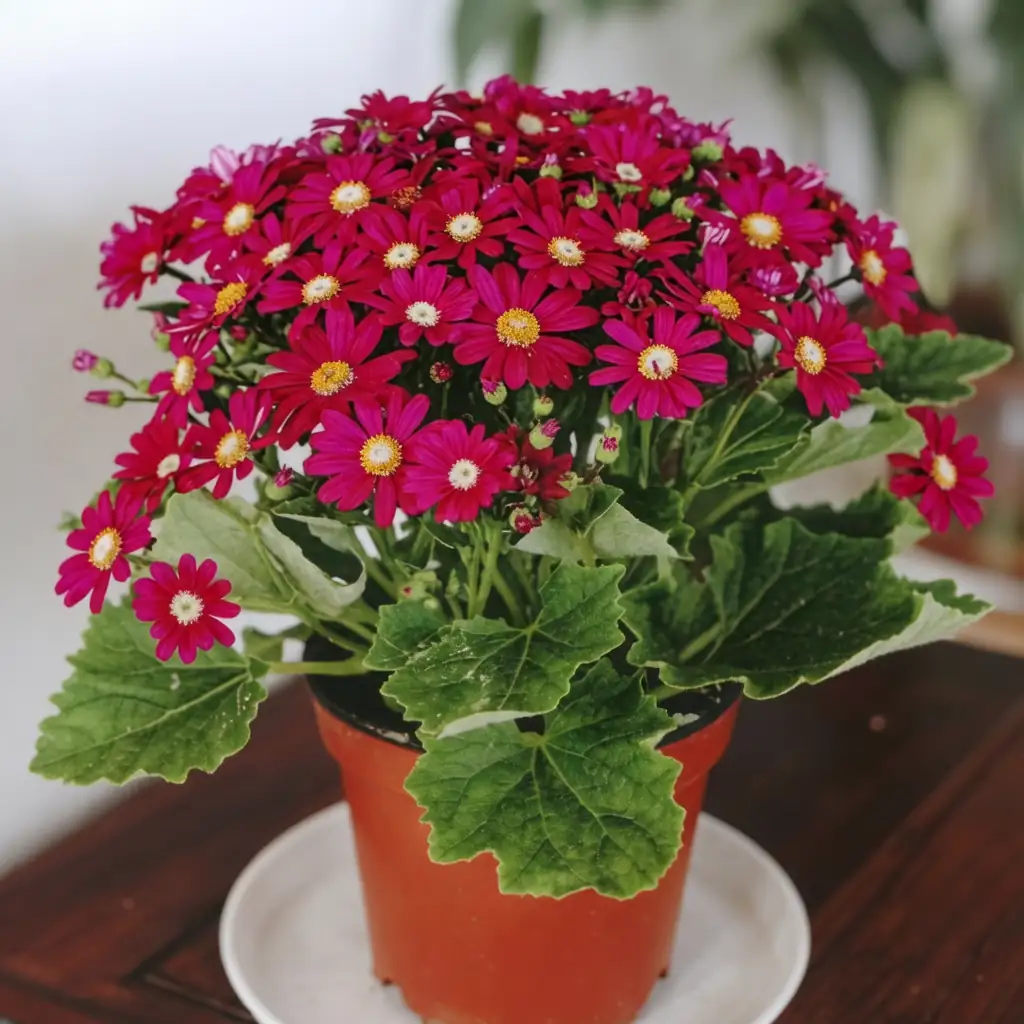
- Size: Typically about 20–45 cm (8–18 in) tall with a similar spread of 20–45 cm (8–18 in), depending on cultivar and conditions; often sold finished in 12–15 cm (4.7–5.9 in) pots, and also commonly seen in 15–20 cm (6–8 in) pots.
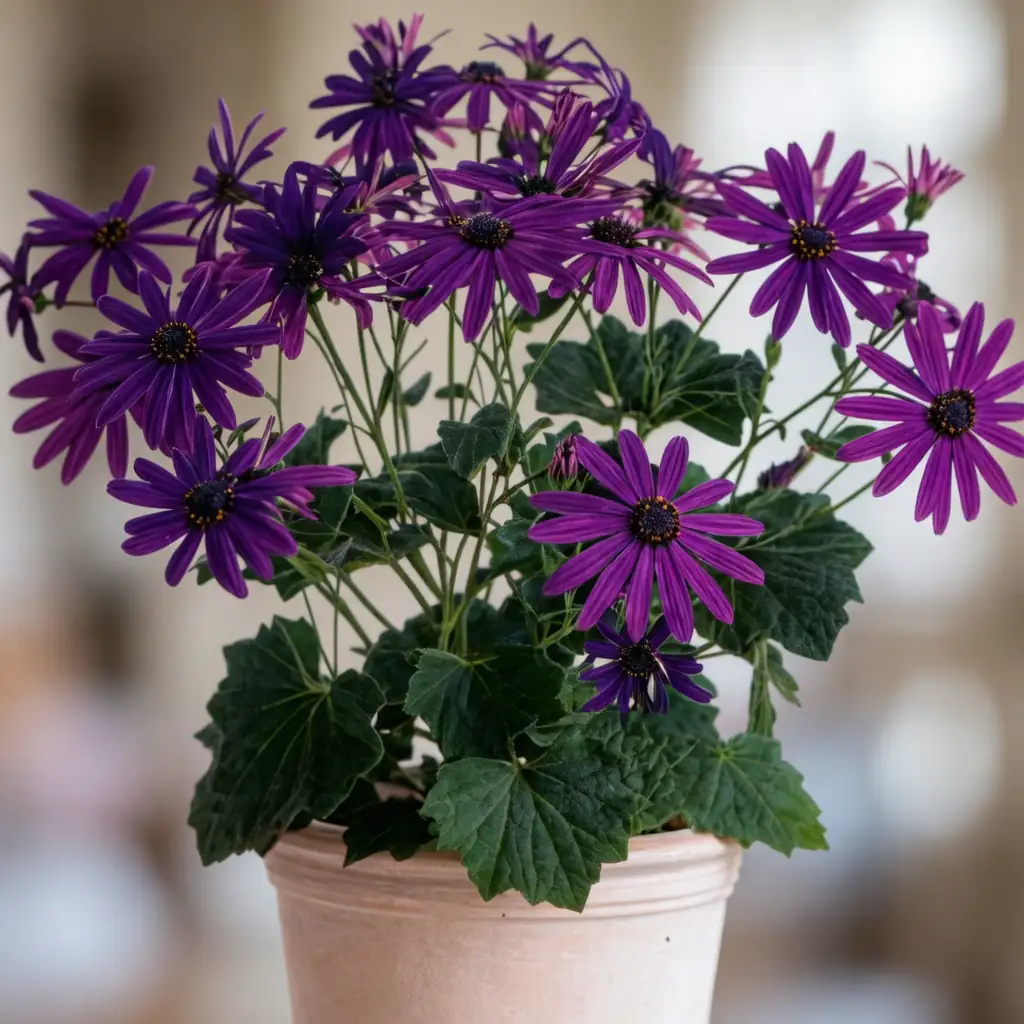
- Foliage: Soft, thick, plentiful green leaves form a dense base mound. Leaves are often triangular with gently wavy edges. With strong light they stay sturdier and deeper green; in low light they can look paler and the plant becomes looser. Too much heat encourages stretching and thinner leaves, while harsh midday sun can scorch or curl foliage.
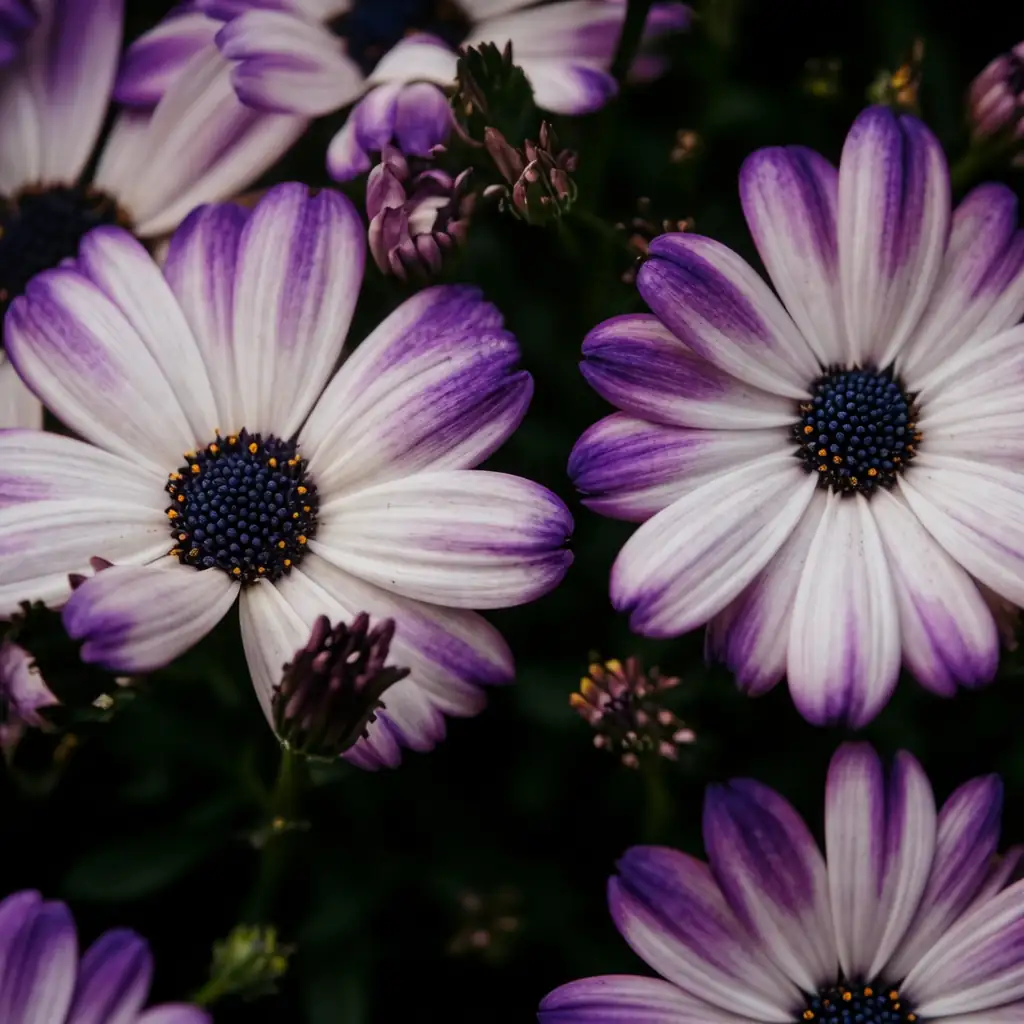
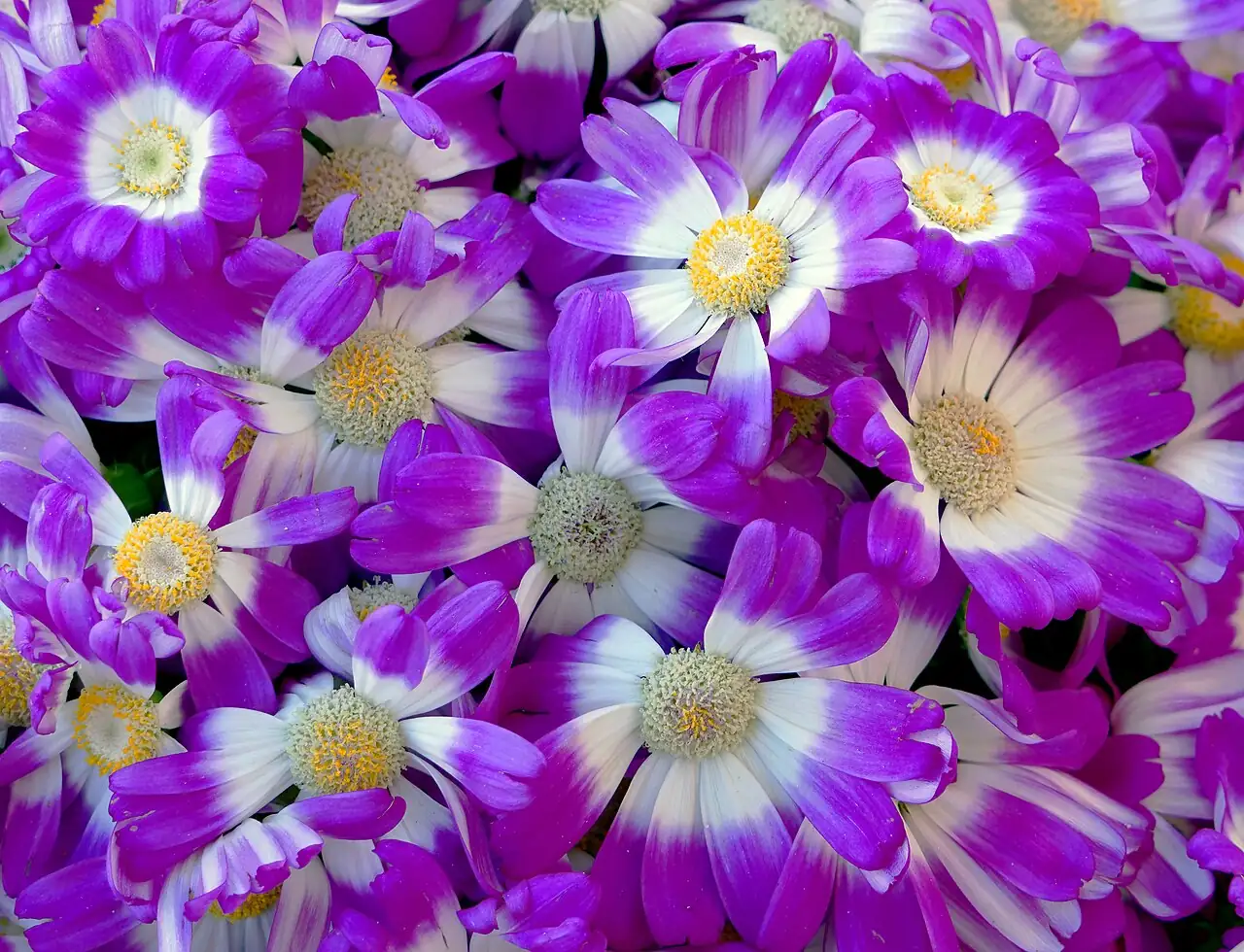
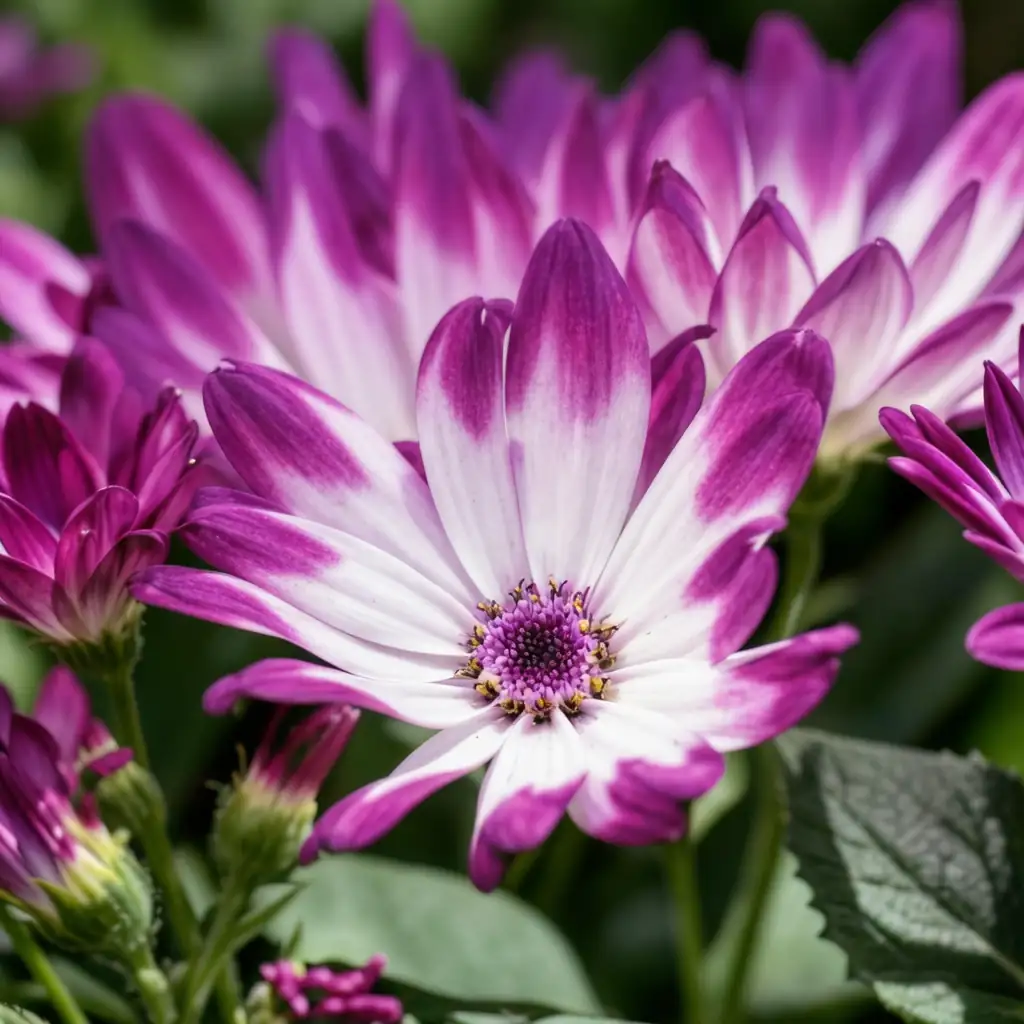
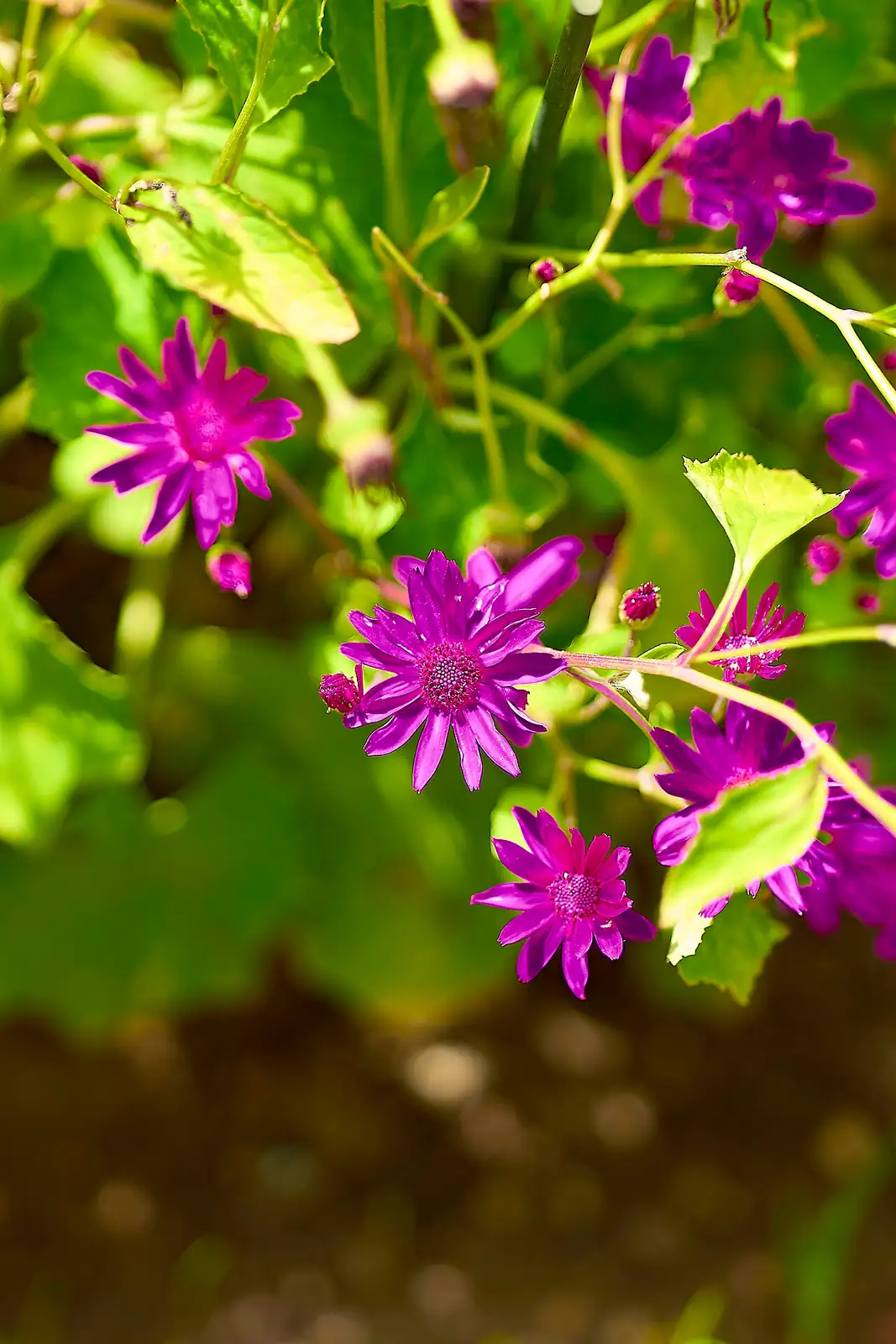
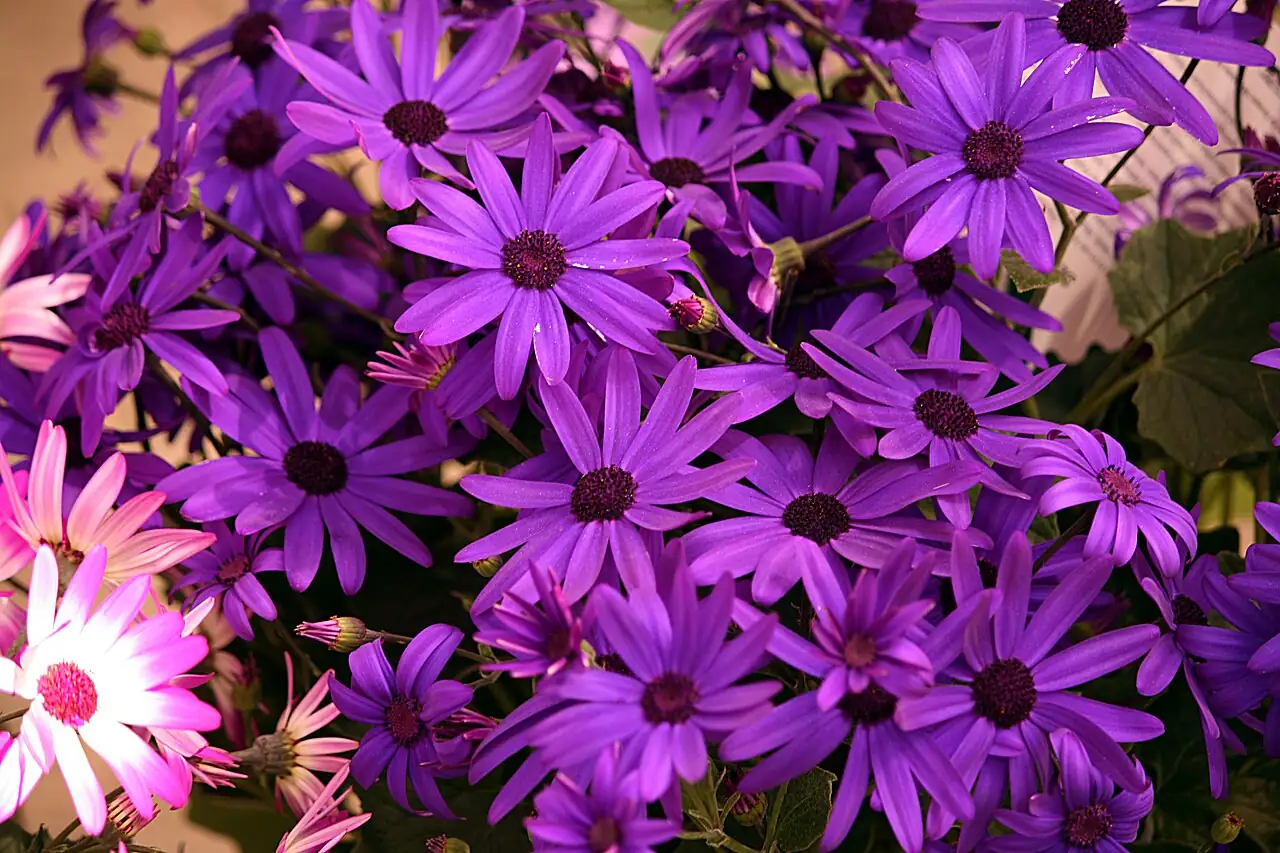
- Flower: A dense, rounded canopy of composite, daisy-like flower heads held above the foliage. Blooms come in vivid purples, pinks, blues, and bicolors; blue forms are especially prized. A top-quality plant looks evenly domed and well-filled, often with about one-quarter to one-third of blooms open. Deadheading helps keep it neat, and cutting back after the first flush may trigger a smaller second round if conditions stay cool and bright.
- Flowering Season: Winter to spring (can extend into spring to early summer depending on culture and climate).
- Growth Habit: Compact, mounded, clump-forming, short-lived seasonal pot plant; readily becomes leggy in warm indoor conditions.
Environment
Sunlight
Bright light is essential. Indoors, place at a very bright window (east or south works well). Outdoors in cool weather, give morning sun with afternoon shade; avoid harsh midday sun that can dull or scorch leaves. Keep developing buds in the sunniest bright spot available, but avoid heat sources.
Temperature
Prefers cool conditions: about 5–21°C (41–70°F), with the best flowering display and compact growth often at 10–15°C (50–59°F). Avoid sustained daytime temperatures above 20°C (68°F). Protect from frost and near-freezing cold, which can damage leaves and flowers.
Humidity
Does best with moderate humidity and good airflow. Avoid stagnant, constantly humid conditions and avoid wetting the flowers, which encourages gray mold. In very dry homes, lightly raise humidity around the plant (without soaking blooms).
Soil
Fertile, loose, well-draining potting mix. A practical blend is an all-purpose mix improved with compost/leaf mold plus sand or perlite for aeration. Keep evenly moist but never waterlogged to prevent root rot.
Placement
A cool, bright room away from radiators, heater vents, and hot drafts; also great on a sheltered balcony/patio during cool weather. If displayed deeper in a room, rotate and return it to the window regularly to maintain color and compactness.
Hardiness
Frost-tender; generally treated as a seasonal container plant. Suitable outdoors year-round only in frost-free climates (roughly USDA Zone 10–11).
Care Guide
Difficulty
Moderate overall: easy to enjoy short-term, but it really needs cool temperatures, strong light, and careful watering. Heat shortens bloom time and causes legginess; soggy soil leads to root problems; poor airflow invites mildew and gray mold.
Buying Guide
Choose a naturally compact, evenly rounded plant with thick, plentiful leaves and no blemishes. Avoid any sign of powdery mildew, gray mold, or pests (especially aphids). The best display plants are full and dome-shaped, with about 1/4–1/3 of the flowers open and plenty of buds still to come; petals should be intact and colors rich and even. Skip pots that feel waterlogged/heavy, and avoid plants shedding lots of pollen (often past peak).
Watering
Keep the mix consistently and evenly moist, but never soggy. Let the surface dry slightly between waterings, and always empty saucers so roots don’t sit in water (root rot risk). During active growth and flowering, watering is often around twice per week, adjusted to your home’s temperature and light. Avoid splashing flowers and foliage late in the day; underwatering causes quick wilting, while overwatering leads to soft growth and disease.
Fertilization
During growth and bloom, feed lightly but regularly. A common approach is every 2 weeks with a diluted balanced liquid fertilizer; some growers also use monthly feeding at label rate. When buds appear, 1–2 feeds slightly higher in phosphorus and potassium (a bloom formula such as 15-15-30) can support flowering. Avoid excess nitrogen, which makes weak, disease-prone growth. Stop feeding as flowering finishes.
Pruning
Deadhead spent blooms/flower stems to keep the plant tidy and prolong the show. After the main flush, you can cut stems back to about 10–15 cm (4–6 in) above the potting mix; in a cool, bright spot this sometimes encourages a second flush.
Propagation
Usually raised from seed for the next season. Sow indoors in late summer to autumn (often August–October): press seed onto the surface (do not cover), keep evenly moist (bottom watering helps), and maintain 21–24°C (70–75°F) for germination in about 1–2 weeks. Pot on at 3–4 true leaves (for example into ~6 cm / 2.4 in pots), then step up as roots fill; plants often flower about 3–5 months from sowing. Note: named hybrids may not come true from seed, so bought plants are often replaced rather than “saved.”
Repotting
Commonly finished in 12–15 cm (4.7–5.9 in) pots; use a well-draining mix and a pot with drainage holes. Repot only if rootbound, and avoid oversized pots that stay wet. Many people treat it as seasonal and simply replace it after flowering.
📅 Seasonal Care Calendar
Late summer–autumn: sow seed indoors (surface-sow; warm germination at 21–24°C / 70–75°F). Winter–spring (main display): keep very bright and cool (ideally 10–15°C / 50–59°F), water to maintain even moisture, and feed lightly. Spring: watch for aphids as temperatures rise; keep airflow up to reduce mildew and Botrytis. After flowering: deadhead, and if desired cut back to 10–15 cm (4–6 in) to attempt a second flush in a cool, bright location; otherwise replace for next season.
Pests, Diseases & Safety
Common Pests & Diseases
Watch for gray mold (Botrytis) and powdery mildew, especially when airflow is poor and flowers stay damp; remove affected parts, improve ventilation, avoid splashing blooms, and use a suitable fungicide if needed. Aphids are common in spring; whitefly and spider mites can also appear, particularly in warm, dry rooms. Root rot is a major risk if the compost stays waterlogged—use free-draining mix, don’t let pots sit in water, and water only when the surface begins to dry.
Toxicity
Use caution: plants formerly sold under Senecio/cineraria are sometimes listed as potentially toxic if ingested, and toxicity guidance for hybrids varies by reference. Best practice is to keep it away from pets and small children, avoid ingestion, and wash hands after handling.
Culture & Symbolism
Symbolism: Often linked with lasting joy, happiness, and a bright, enduring kind of cheer—fitting for a plant that lights up late winter days.
History & Legends: Florist’s cineraria has a long history as a classic cool-season gift plant. Its name has also had a botanical “identity change”: many plants sold as “cineraria” are now classified as Pericallis × hybrida rather than Cineraria or Senecio in modern horticulture.
Uses: Primarily an ornamental pot plant for bright indoor color in late winter through spring, and for cool patios/balconies. In mild, frost-free climates it can also be used as seasonal bedding for spring displays.
FAQ
Why is my florist’s cineraria getting leggy with bigger, thinner leaves?
That’s almost always heat (often combined with not enough light). Warm rooms make stems stretch, leaves thin, and the flowering period shorten. Move it to much brighter light and keep it cool—around 10–15°C (50–59°F) is ideal for a compact, long-lasting display.
What are the most common mistakes with florist’s cineraria indoors?
Keeping it too warm (leggy growth, short bloom), letting it swing between soggy and bone-dry (root rot or wilting), and placing it in dim light (faded colors and loose flower clusters). Poor airflow also increases mildew and gray mold.
Can it bloom again after the first flush?
Sometimes, yes. If you cut the stems back to about 10–15 cm (4–6 in) and keep the plant cool, bright, and evenly moist, it may produce a smaller second flush. In many homes it’s still easiest to treat it as a seasonal plant and replace it.
Fun Facts
- Its intense blue shades are one reason it remains a star among cool-season gift plants—true blues are surprisingly uncommon in many indoor flowering pots.
- Cool temperatures are the real “life extender”: keeping it around 10–15°C (50–59°F) can noticeably lengthen the flowering display.
- From seed to flowers often takes about 3–5 months under good conditions.
- Plants sold as “cineraria” have moved between genera in horticulture; today the common florist plant is usually Pericallis × hybrida.