Plant Features
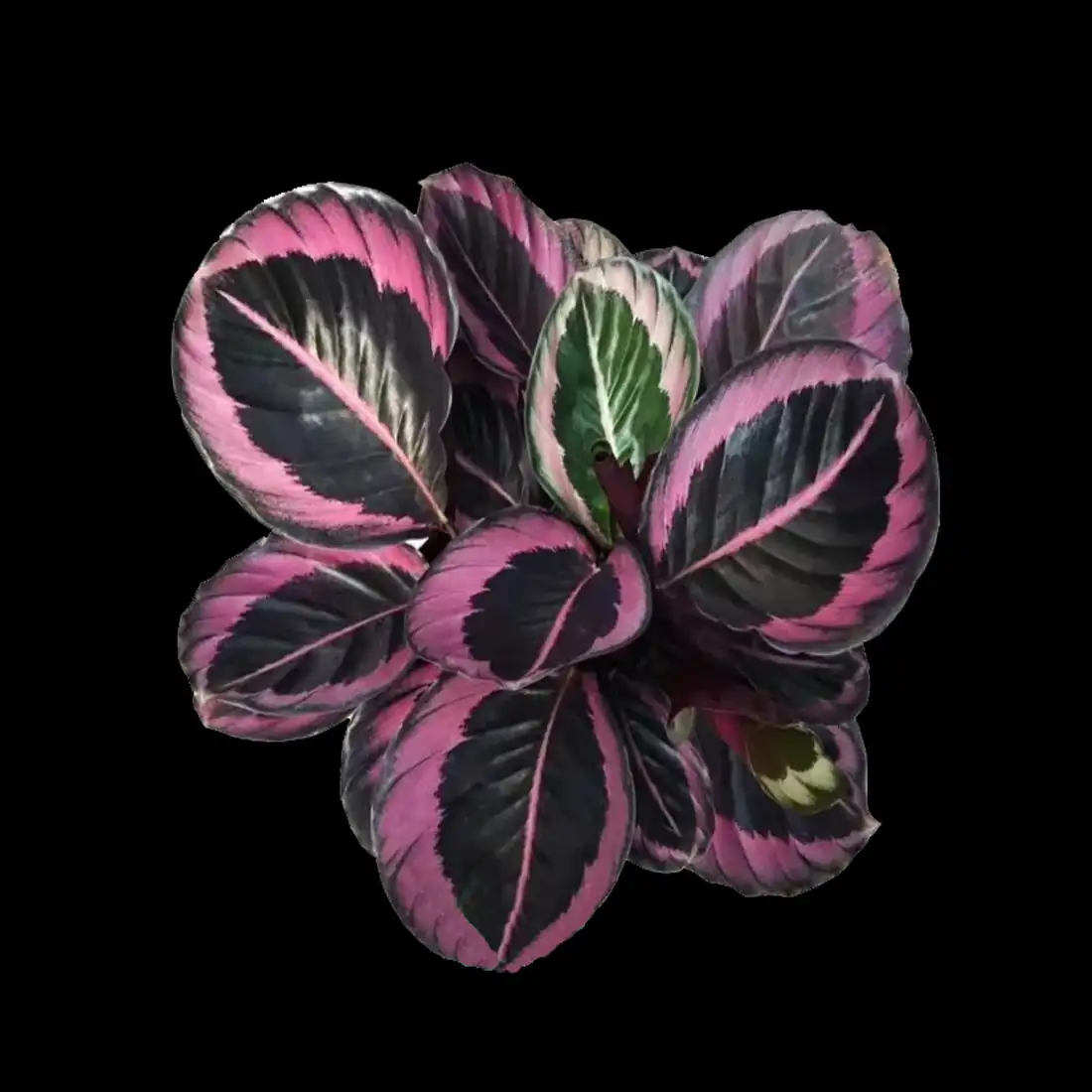
- Size: Typically 30–60 cm (12–24 in) tall and about 30–60 cm (12–24 in) wide indoors, forming a dense clump.
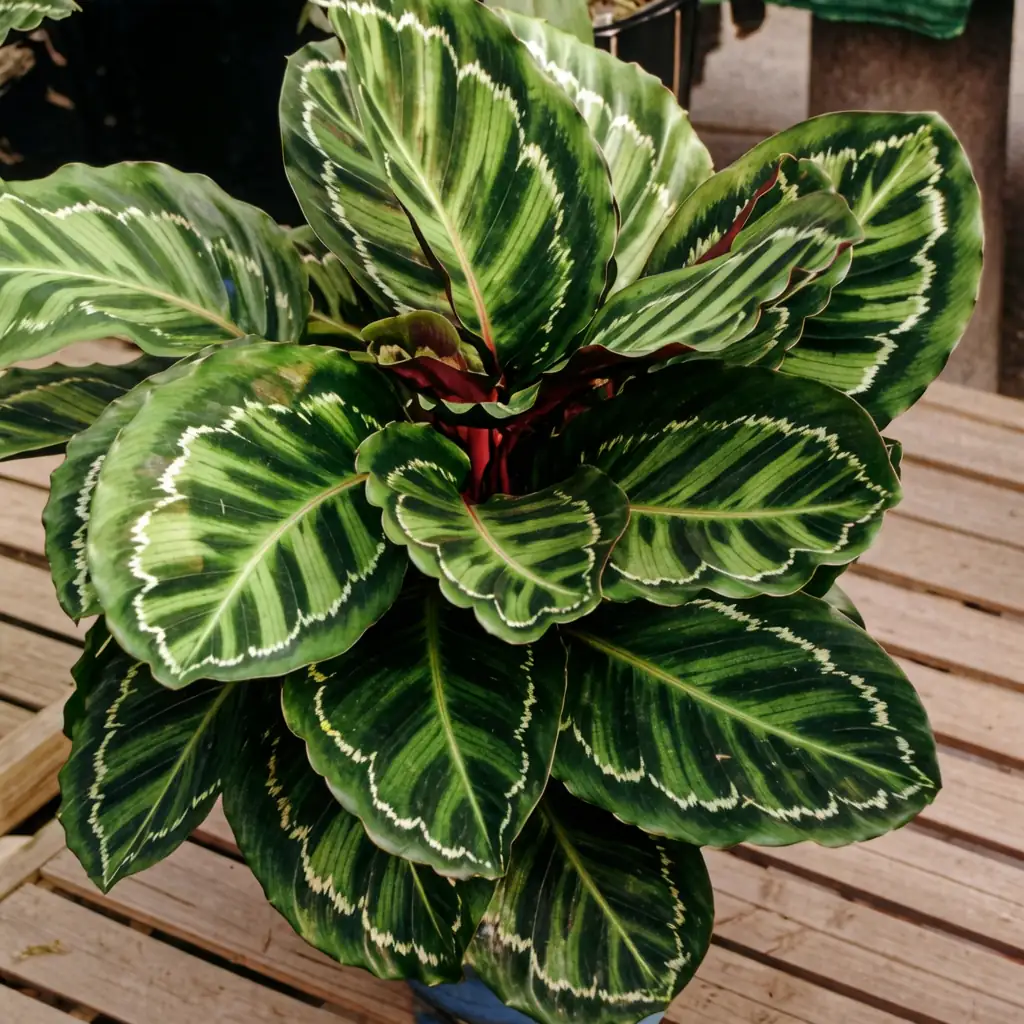
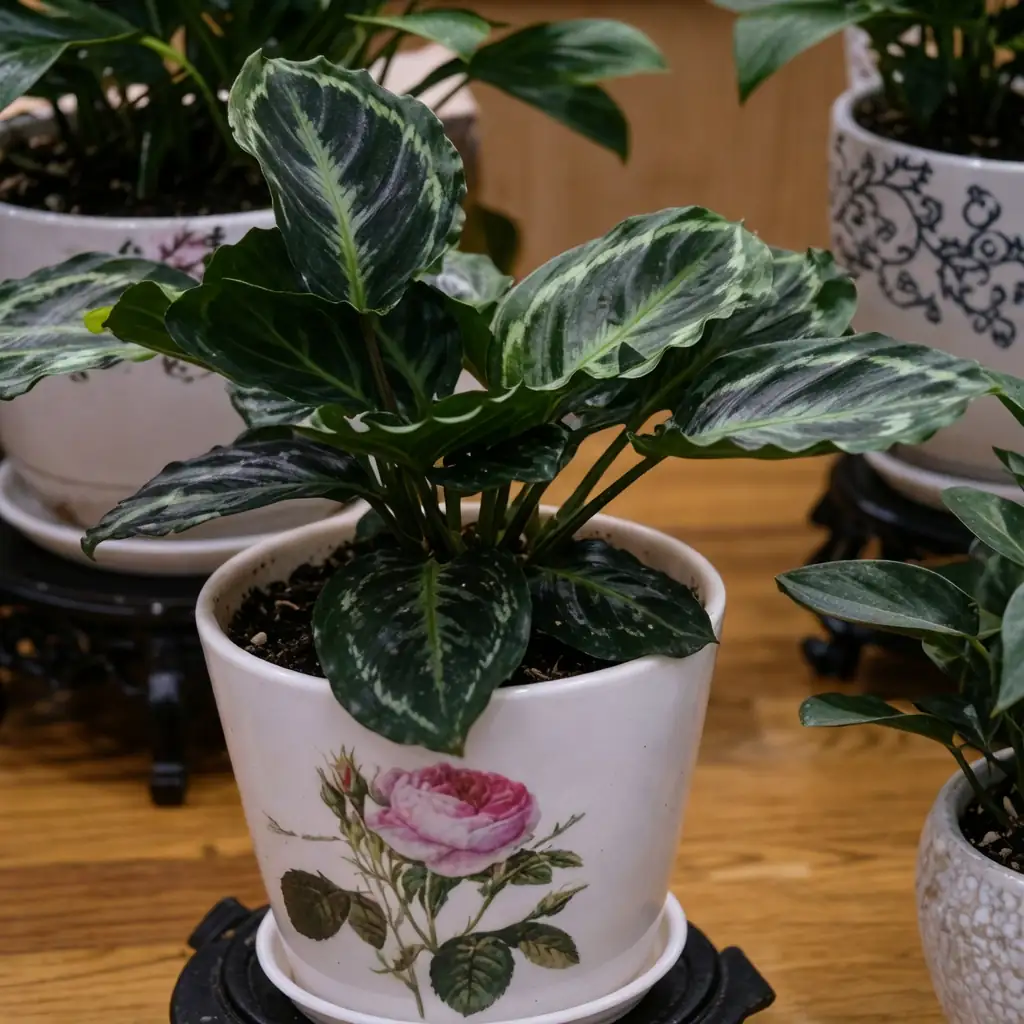
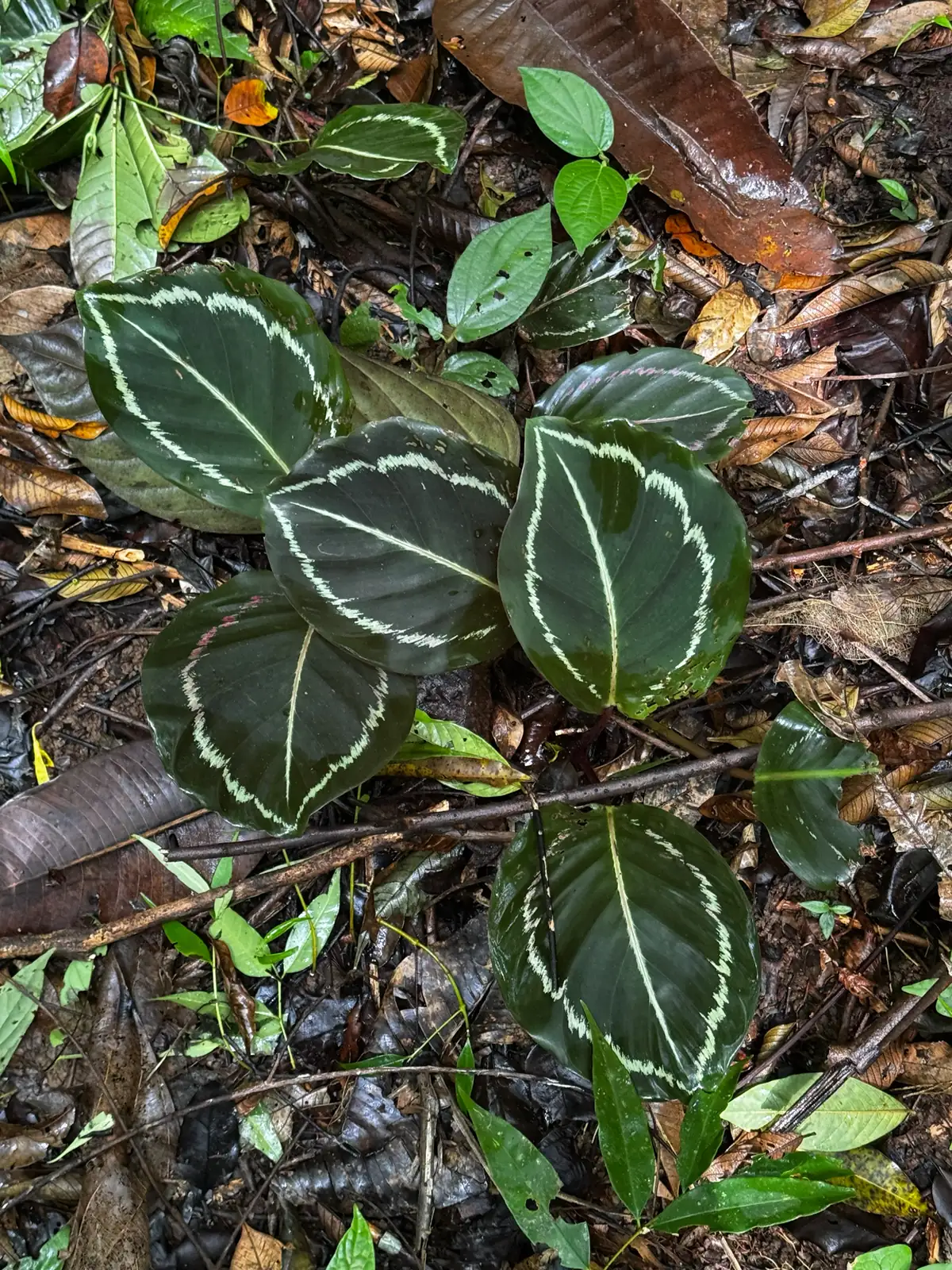
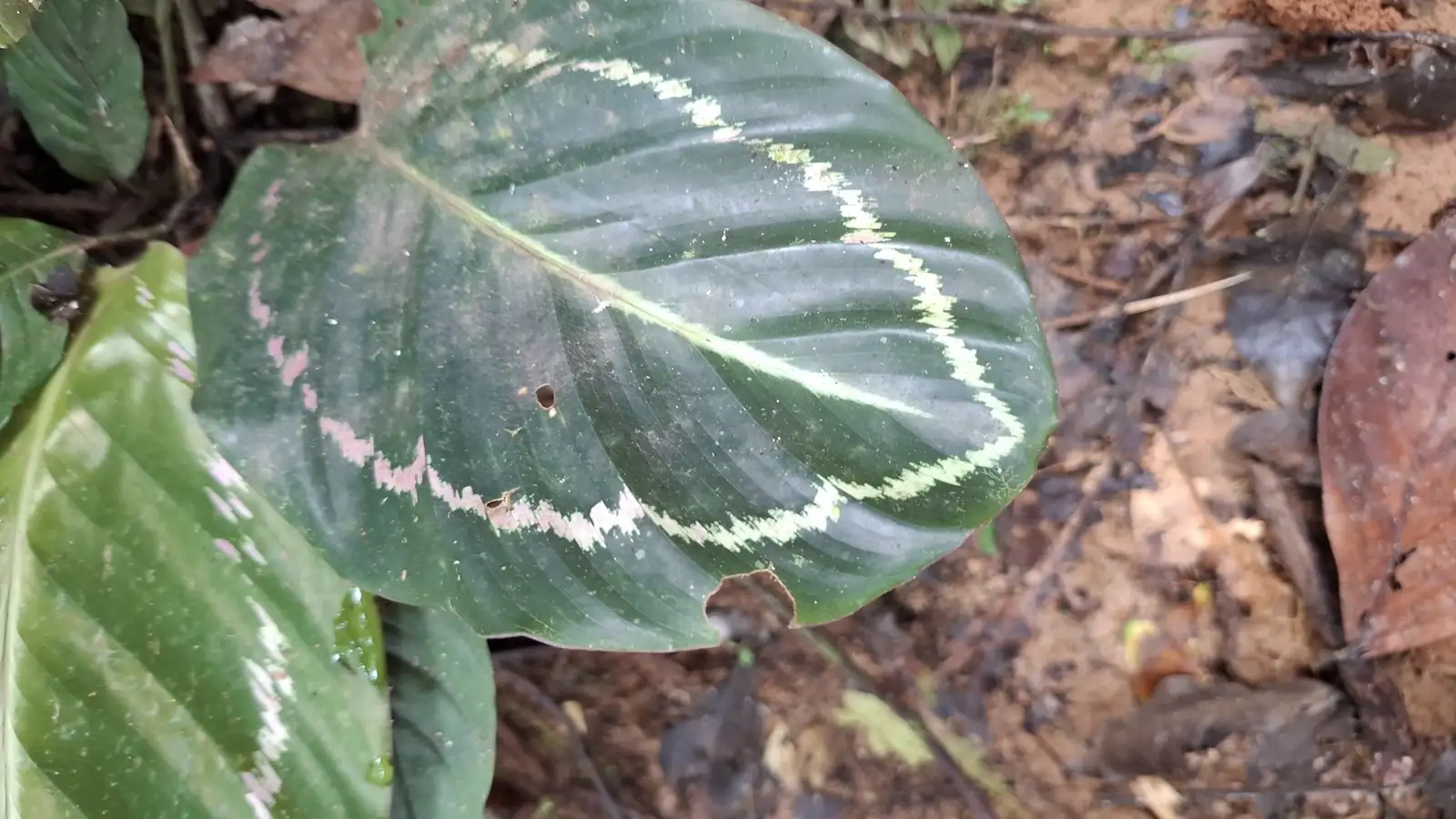
- Foliage: Broad, oval leaves with decorative striping and a purplish to reddish-purple underside. It grows in a tidy clumping habit, and in warm, humid conditions it can produce new leaves fairly quickly.
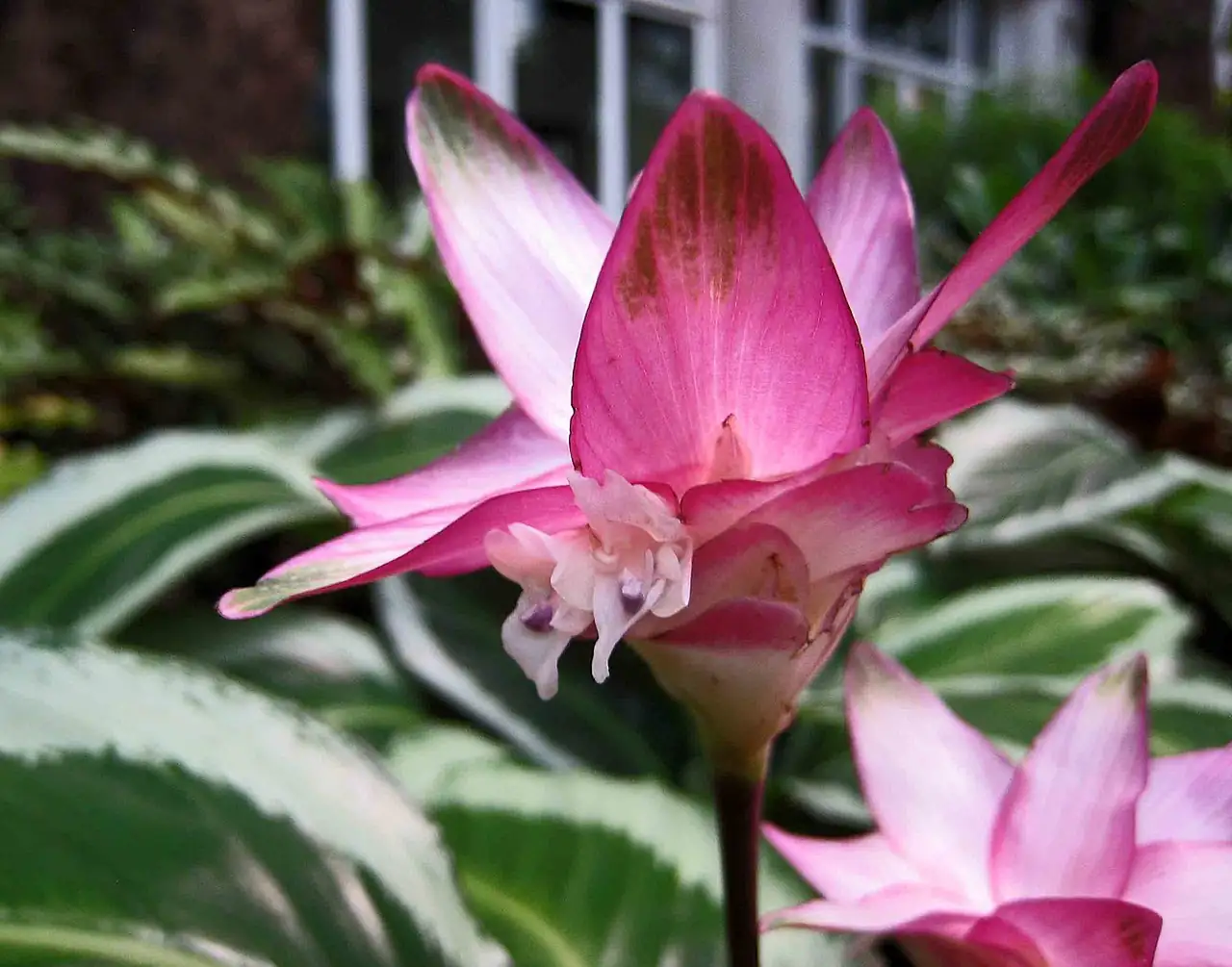
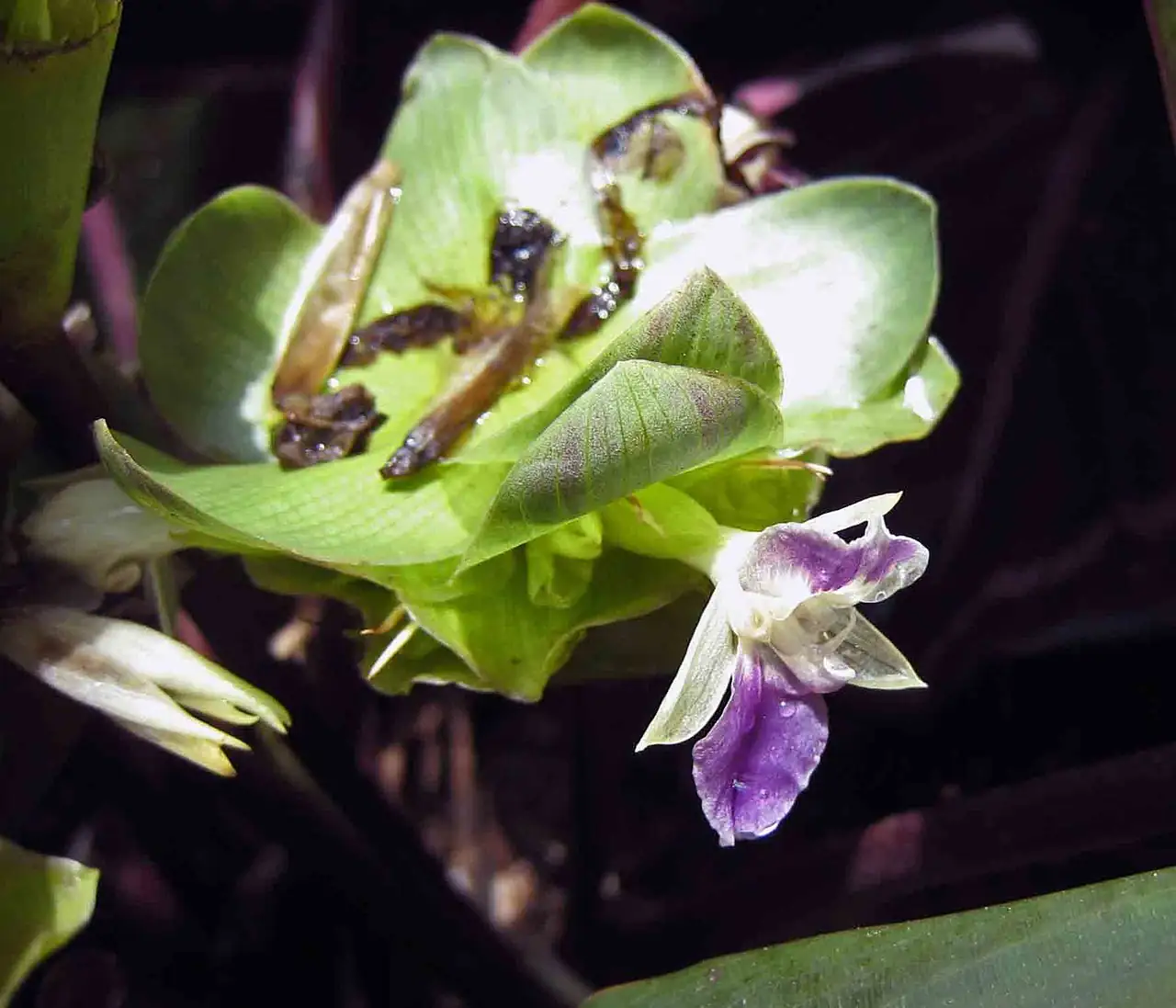
- Flower: Flowers are small and usually not showy indoors; this plant is mainly grown for its foliage.
- Flowering Season: Summer (occasionally indoors).
- Growth Habit: Clumping, upright-from-the-base
Environment
Sunlight
Low to medium light or bright, indirect light. Avoid direct midday sun; aim for about 50%–70% shade (or use a sheer curtain) if near a sunny window. East-facing light is often ideal; south-facing windows can work if the sun is filtered.
Temperature
Ideal 18–24°C (64–75°F). Keep above 8°C (46°F) in winter, and avoid below 5°C (41°F) to prevent chilling injury. In hot weather, try to keep it below 32°C (90°F) with good airflow and added humidity.
Humidity
Prefers high humidity, around 60%–70%. Low humidity and/or excessive light can cause yellowing, browning, or scorched patches. Use a humidifier, pebble tray, or group plants together to raise local humidity.
Soil
A loose, moisture-retentive but free-draining mix—often a peat/coco-based potting mix amended with perlite and/or coarse sand. The goal is ‘evenly moist’ without staying soggy.
Placement
Indoors near an east window, or a south window with filtered light. Keep away from hot/cold drafts (heaters and AC vents). Great for living rooms, bedrooms, and home offices.
Hardiness
Not frost hardy. Best as a houseplant in most climates; outdoors only in reliably warm, frost-free conditions (approx. USDA Zone 11–12).
Care Guide
Difficulty
Moderate: it does best with steady warmth, consistent moisture, and high humidity, but it’s sensitive to cold snaps, dry air, and strong direct sun.
Buying Guide
Pick plants with firm, upright leaves and strong color, avoiding widespread yellowing or crispy edges. Check the leaf undersides for mealybugs and scale. Many nursery plants come in a 12–15 cm (4.7–5.9 in) pot.
Watering
Keep the potting mix evenly moist during active growth, but never waterlog it. Water thoroughly when the top 2–3 cm (0.8–1.2 in) feels dry, then let excess drain away. In winter, reduce watering as growth slows—constantly wet soil can lead to rhizome/root rot. Humidity matters as much as watering: aim for 60%–70%. Light misting can help briefly, but don’t leave water sitting on leaves for long periods (especially overnight).
Fertilization
Feed in the growing season (roughly May–September) about every 2 weeks with a balanced houseplant fertilizer diluted gently. Avoid splashing fertilizer onto the leaves. Pause or sharply reduce feeding in winter, especially if the plant is cooler and not actively growing.
Pruning
Remove yellowing, damaged, or diseased leaves by cutting them off at the base. If the clump becomes crowded, thinning a little can improve airflow and keep the plant looking neat.
Propagation
Division is the most reliable. In late spring to early summer, lift the plant and divide the rhizome into sections that each have roots and several leaves. Pot divisions right away; smaller sections with fewer roots can be started in a lightly moist sand/perlite mix until they establish, then moved into a regular mix.
Repotting
Repot in spring when rootbound or when the potting mix has broken down (often about once a year for fast growers). Size up gradually rather than jumping to a much larger pot. Repotting time is also the easiest time to divide; aim for divisions with a good root cluster and some foliage (for example, 2–3 strong roots/root clusters plus leaves).
📅 Seasonal Care Calendar
Spring: repot and/or divide; keep evenly moist; restart feeding as growth picks up. Summer: peak growth—water more often; provide 50%–70% shade from strong sun; keep humidity high. Autumn: boost humidity support as indoor air dries; watch for yellowing and crisping. Winter: keep above 8°C (46°F); water more sparingly; stop fertilizing if growth slows.
Pests, Diseases & Safety
Common Pests & Diseases
Common pests include scale insects and mealybugs, often hiding on leaf undersides. Rinse and wipe leaves, then repeat treatments as needed; a mild soapy spray can help (test first), typically repeating every 5–7 days for several rounds. In overly wet conditions with stale air, leaf spot/blight can occur—improve airflow, avoid wet foliage overnight, and remove affected leaves promptly.
Toxicity
Generally considered non-toxic to cats and dogs (often listed as pet-safe for Calathea/Goeppertia). Still, chewing any plant may cause mild stomach upset.
Culture & Symbolism
Symbolism: Often associated with quiet beauty and “living art,” thanks to its painted leaf patterns; as a prayer-plant relative, it’s also linked with gentle daily rhythms because the leaves can shift position between day and night.
History & Legends: Commonly sold for home décor as part of the ‘prayer plant’ group (Marantaceae). Many plants once sold as Calathea have been reclassified botanically into Goeppertia, but the older name still appears in shops and on tags.
Uses: Primarily an ornamental indoor foliage plant for homes and offices, prized for colorful leaf patterns and its lush, clumping form.
FAQ
My rose-painted calathea leaves are suddenly turning yellow—why?
Most often it’s a mix of stress factors: chilly temperatures, dry air (low humidity), or too much direct sun. Move it to bright, indirect light, keep it warm (ideally 18–24°C / 64–75°F), and raise humidity toward 60%–70%. Adjust watering so the mix stays evenly moist, not soggy; healthier new growth should follow.
What should I do right after bringing a new plant home?
Give it bright, filtered light (like near a window with a sheer curtain), keep it away from heaters/AC vents, and maintain lightly moist soil. Boost humidity right away. Hold off on regular fertilizing until you see fresh growth and the plant has settled in.
Fun Facts
- Those rich purple-red leaf undersides are a big reason it’s marketed with “rose-painted” style names.
- It’s native to northwestern Brazil, where it grows in warm, humid forest conditions.
- Like many prayer-plant relatives, its leaves can subtly reposition from day to night.