

Plant Features
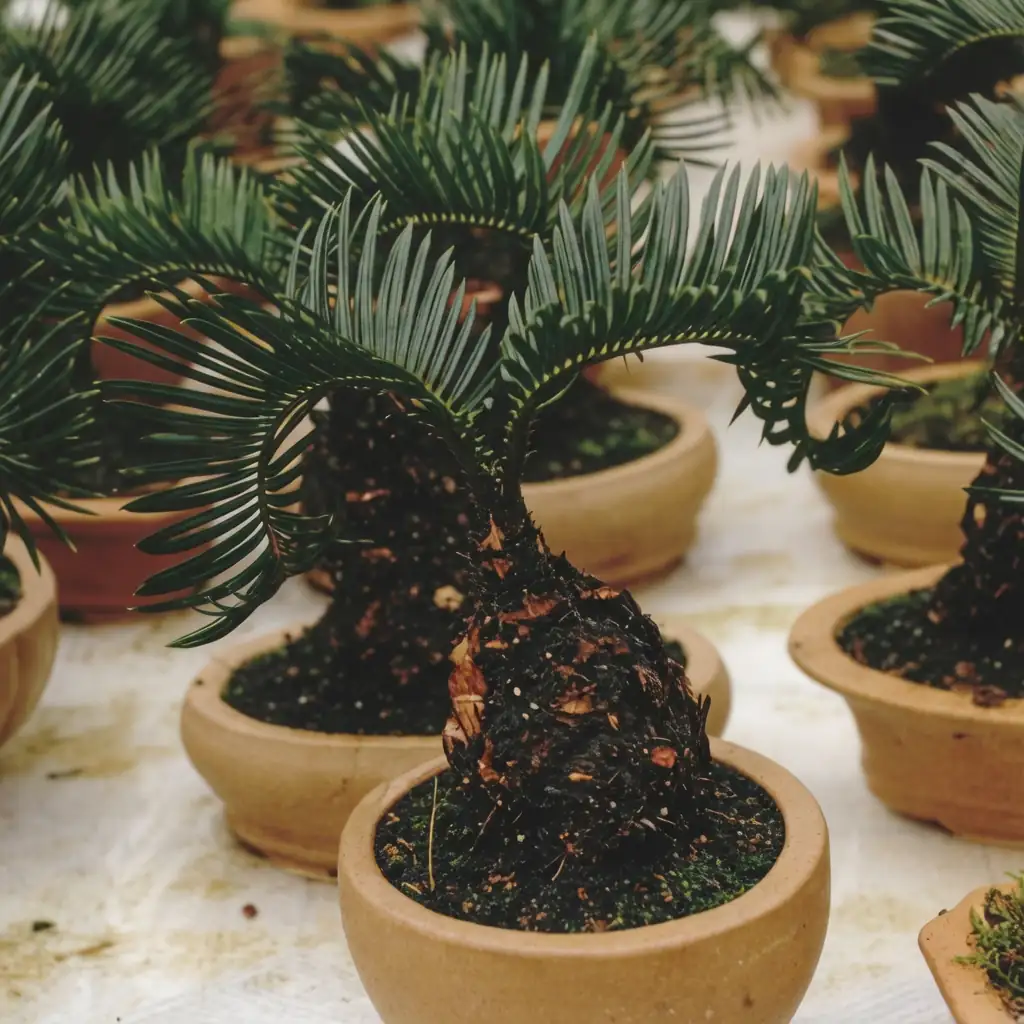
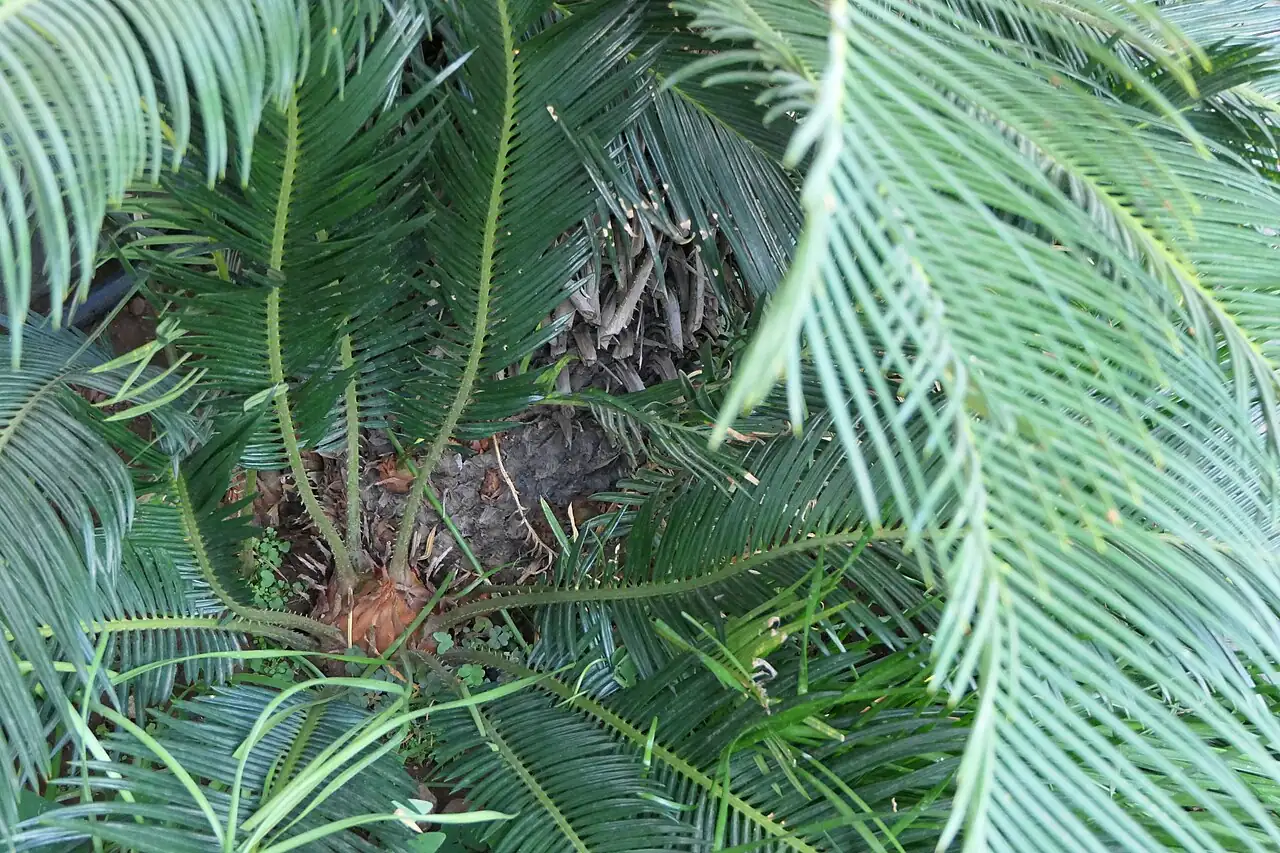
- Size: A very slow-growing cycad. In containers it’s commonly kept in pots about 15–50 cm (6–20 in) across. Over time it can develop a stout trunk/caudex with a crown of fronds.
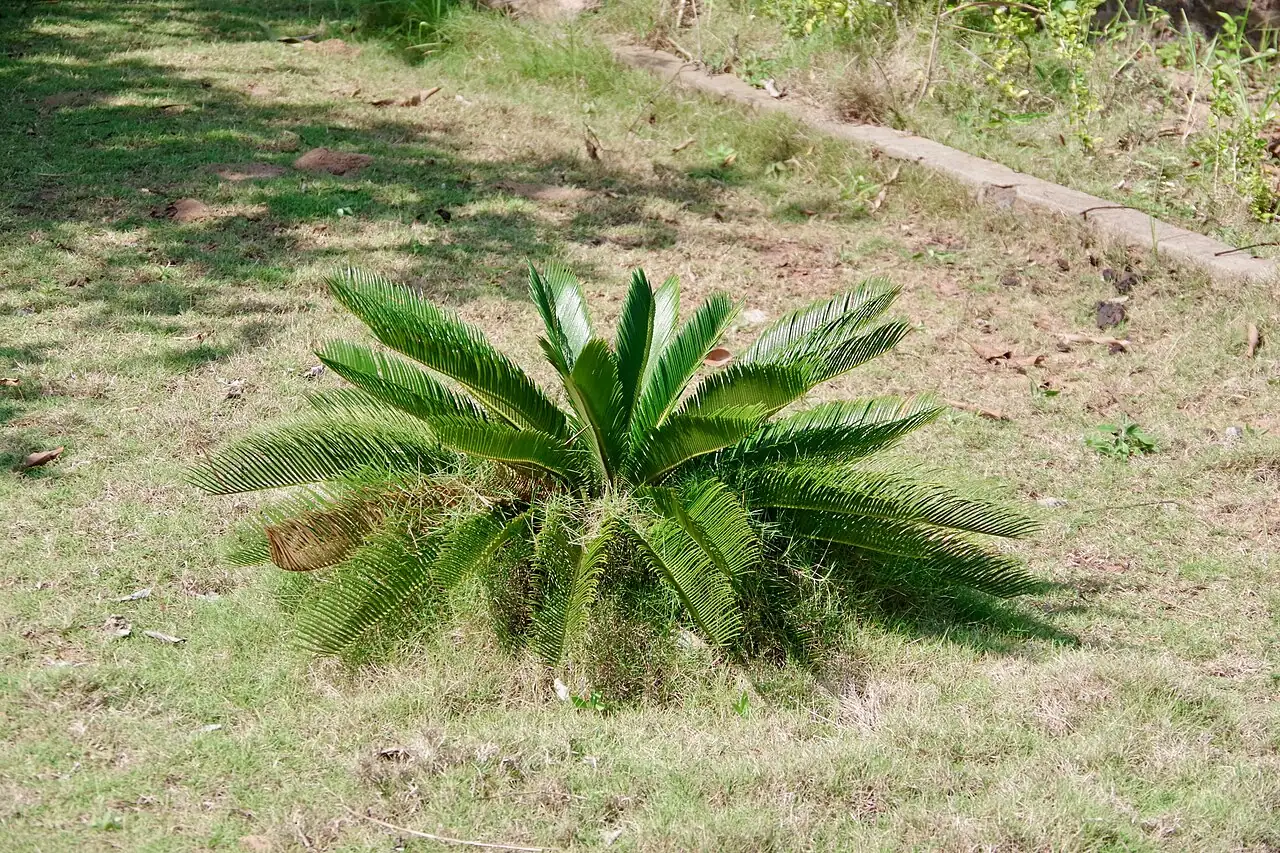
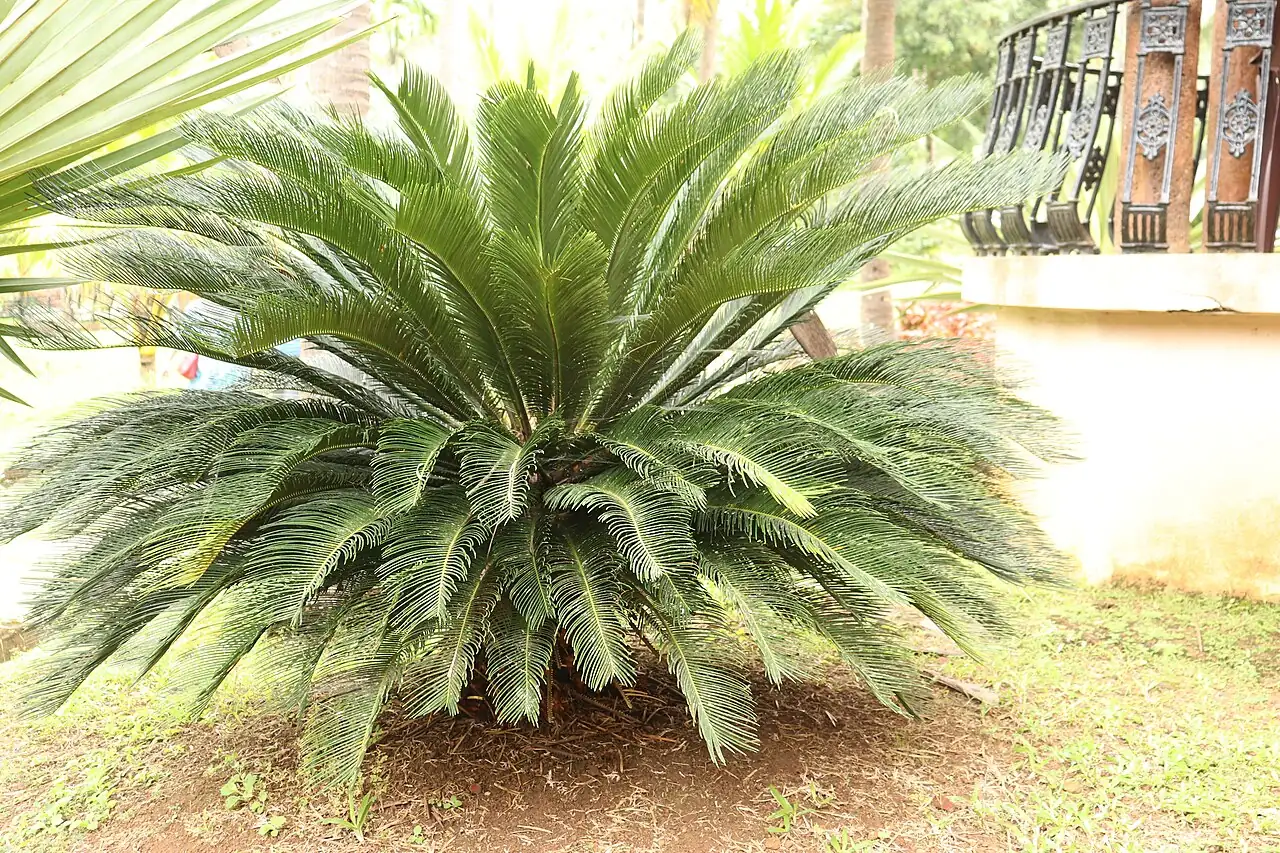
- Foliage: Stiff, feather-like fronds that stay a rich green even in lower light. If light is too low during a new growth flush, the new fronds may come out longer, narrower, and a bit stretched. Older outer fronds gradually fade toward yellow-green and eventually wither; removing these aging fronds keeps the plant tidy and helps highlight the next flush.
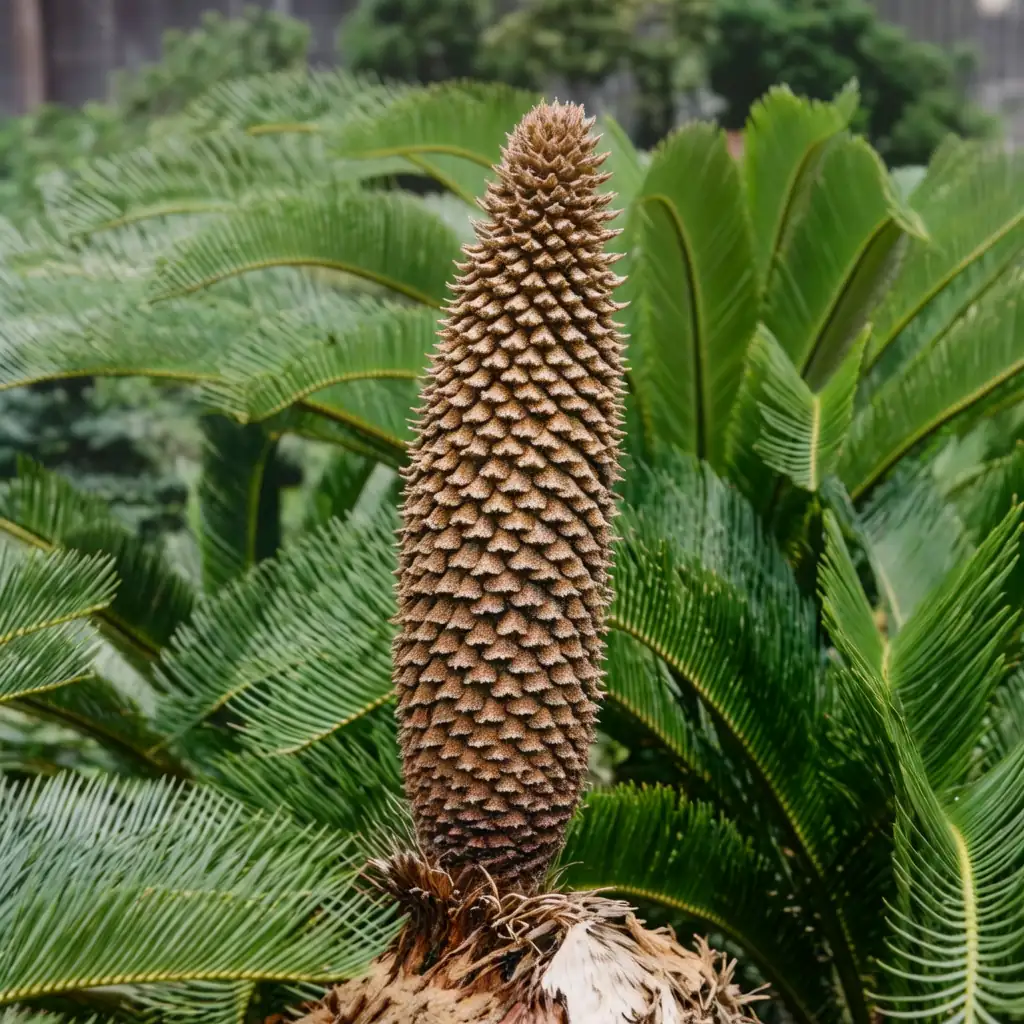
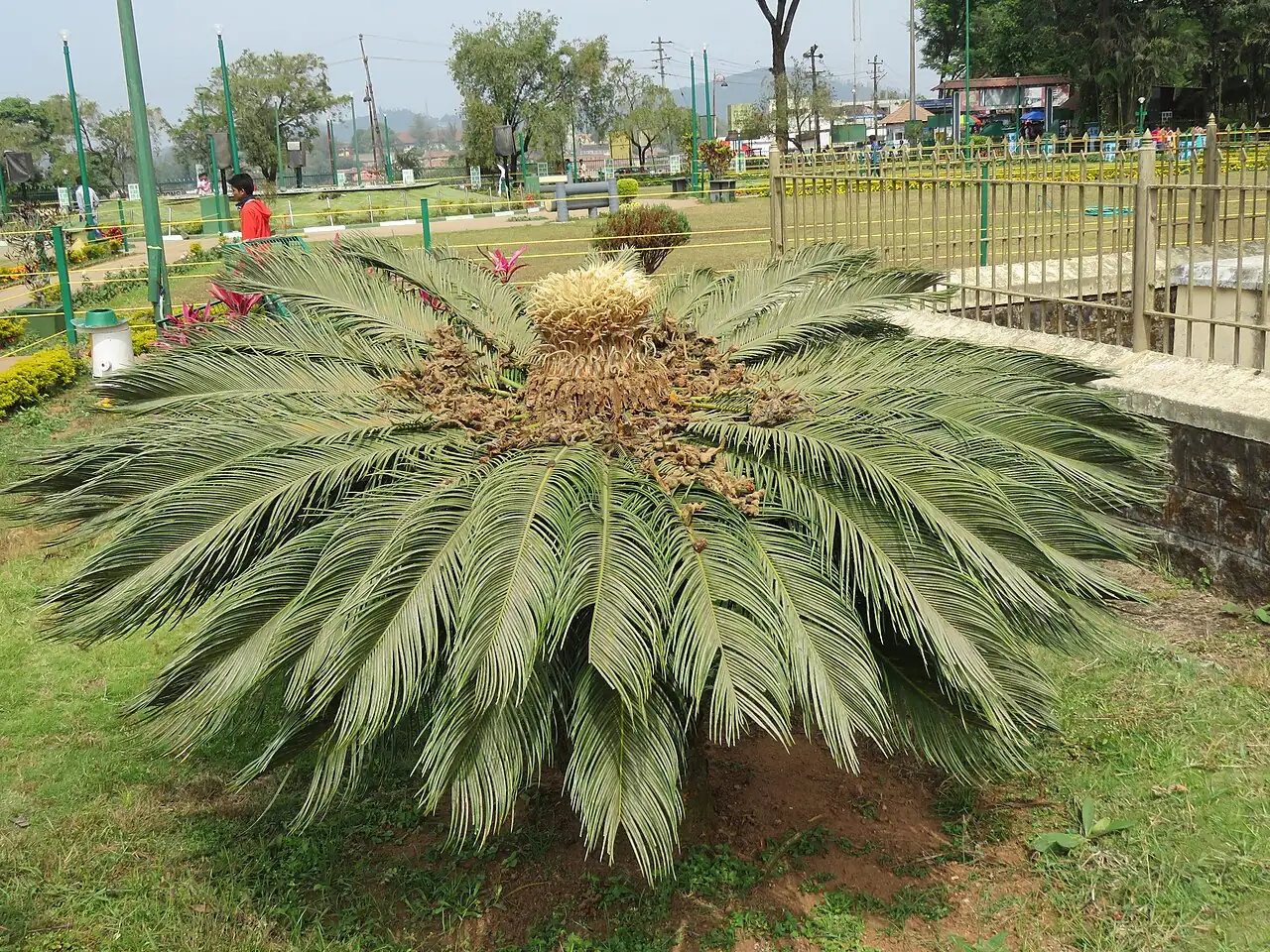
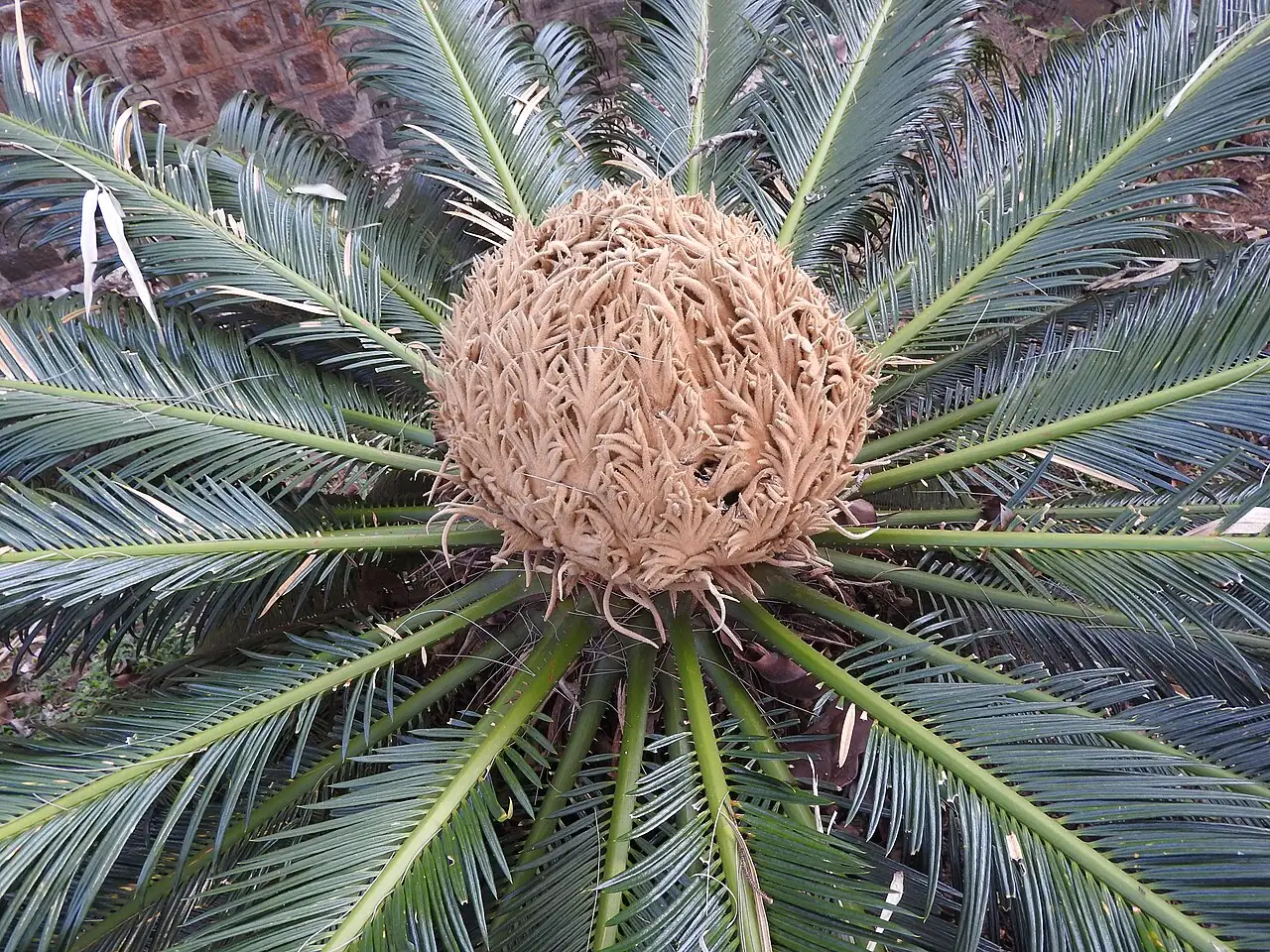
- Flower: Dioecious: male and female cones form on separate plants. After a male cone finishes or a female structure has matured seeds, the spent cone/structure can be removed so the plant can refocus energy on leaf growth.
- Flowering Season: Summer (cones; plants are dioecious).
- Growth Habit: Upright and compact, forming a short, stout trunk with a rosette of rigid fronds. Tolerates heat and shade, but strongly dislikes staying wet—especially when conditions are cool.
Environment
Sunlight
Adaptable: bright light to full sun is ideal, but it also tolerates shade and lower indoor light. It can handle short periods of strong sun without scorching if gradually acclimated. Best results come from a bright, airy spot with good ventilation; low light during frond emergence encourages stretching.
Temperature
Best growth at 13–27°C (55–81°F). Can tolerate summer heat up to about 40°C (104°F) provided the soil drains well and isn’t kept soggy. In winter, keep above 7–10°C (45–50°F); prolonged exposure below 0°C (32°F) can damage fronds, and cold + wet conditions greatly increase rot risk.
Humidity
Enjoys warm, moderately humid air. When indoor temperatures are above 18°C (64°F), light daily misting can help; boost humidity in spring and summer. Keep it a bit drier in winter—cool, damp air plus wet soil is a common path to rot.
Soil
Fertile but sharply draining mix (for example: loam/garden soil + peat/coir with added sand or grit). Prioritize true drainage in the mix—adding a “drainage layer” alone won’t fix a heavy soil. For leafless “bald” caudexes being re-rooted, clean coarse sand can be used temporarily to reduce rot risk.
Placement
Outdoors: sunny, well-ventilated balcony or patio in warm seasons. Indoors: close to a bright window with airflow, especially in winter. Avoid dark corners, cold drafts, and any situation where the pot stays wet.
Hardiness
Not frost-hardy. Outdoors year-round mainly in warm climates (about USDA Zone 9–11). Elsewhere, grow as a container plant and protect from frost.
Care Guide
Difficulty
Easy overall and slow to change, so it’s forgiving of small mistakes—but water management is crucial. Aim for bright light, good airflow, and a fast-draining mix to avoid rot.
Buying Guide
Pick a plant with a firm, sturdy, upright caudex and evenly arranged fronds. Leaves should be deep green without spotting, pests, or mechanical damage, and the growing point should look healthy. For leafless “bald” specimens, choose an oval, symmetrical, hard caudex with no soft areas, rot, or lesions.
Watering
Water carefully and deliberately: let the top of the mix dry out before watering again, and never let the pot sit in water. Spring–summer (active growth): water more regularly and you can mist foliage for humidity. Autumn: reduce watering as temperatures drop. Winter: keep on the dry side—cold, wet soil is the most common cause of root and crown rot.
Fertilization
During the growing season, feed about once a month with a balanced fertilizer (for example 20-20-20) at a conservative dose, or use a well-rotted organic feed. Avoid heavy feeding in winter.
Pruning
Remove aging, yellowing outer fronds after the newest fronds have fully expanded—this improves shape and reduces shading. If the plant produces a cone, remove the spent male cone after it finishes, or remove the female structure after seeds mature, to help redirect energy into the next leaf flush.
Propagation
By seed or offsets (pups). Seeds: sow indoors in late spring to early summer, covering with about 2 cm (0.8 in) of mix; warm conditions of roughly 15–29°C (59–84°F) improve germination, which may begin in about 2 weeks under ideal warmth. Offsets: commonly divided in spring during repotting—separate pups that have formed over about 2–3 years, let cut surfaces dry/callus, then pot into a 50/50 sand-and-soil mix and keep in bright shade until established. Trunk sectioning is sometimes used: cut into 2–3 cm (0.8–1.2 in) thick pieces in early summer, dry, then lay on moist sand with high humidity; pups may appear in ~3–4 months and can be removed and rooted once large enough.
Repotting
Use a pot about 15–50 cm (6–20 in) wide depending on the plant, ideally a slightly shallow round pot with excellent drainage. Repot small to medium plants every 2–3 years; large specimens every 5–6 years. Refresh into a fertile, fast-draining mix and avoid overpotting (too much wet soil around slow roots).
📅 Seasonal Care Calendar
Spring–summer: main growth period; water more, raise humidity, and ensure bright light/airflow; best time for repotting and offset division. Late spring–early summer: sow seed (aim for 15–29°C / 59–84°F). Early summer: possible trunk-section propagation with high humidity. Autumn: taper watering and bring indoors before cold weather. Winter: keep brighter and noticeably drier; maintain above 7–10°C (45–50°F) and avoid cold, wet conditions.
Pests, Diseases & Safety
Common Pests & Diseases
Scale insects are a frequent indoor problem, especially with poor airflow. Improve ventilation, physically wipe pests off, and treat with horticultural oil or insecticidal soap (repeat as needed). Overwatering—especially in cool weather—can lead to root and crown rot.
Toxicity
Highly toxic if ingested by humans or pets. All parts are poisonous, with seeds especially dangerous; ingestion can cause severe gastrointestinal upset and potentially serious liver damage in pets. Keep out of reach of children and animals.
Culture & Symbolism
Symbolism: Often linked with good fortune, freedom, happiness, and longevity—fitting for a plant that can live an extraordinarily long time.
History & Legends: Cycads are often called “living fossils,” representing an ancient lineage of seed plants. Cycas revoluta has been grown ornamentally in East Asia for a long time, prized for its sculptural form and slow, steady, enduring presence.
Uses: Primarily an ornamental foliage plant for containers, patios, and bonsai-style displays. Gardeners also remove old fronds for grooming and use offsets for propagation.
FAQ
Flower markets often sell leafless ‘bald’ sago palms. How should I care for one at home?
Choose a firm caudex with no soft spots, then pot it in a very fast-draining medium such as coarse sand. Keep it in bright light with good airflow and mist lightly for humidity, but avoid soaking the medium. Once new roots and fresh fronds appear, begin gentle feeding (a weak organic feed or diluted balanced fertilizer).
How do I pick a healthy mini sago palm?
Look for a stout, upright caudex and neatly arranged, intact, deep-green fronds with no spotting or pest damage. The growing point should look clean and alive. For leafless plants, choose a symmetrical, hard caudex with no rot, lesions, or mushy areas.
Fun Facts
- Despite the name, it’s not a true palm—Cycas revoluta is a cycad.
- Male and female cones are produced on separate plants (dioecious).
- It can tolerate heat up to about 40°C (104°F) when grown in well-drained conditions.
- With patience and good care, cycads can live for many decades and sometimes much longer.


