

Plant Features
- Size: Typically a compact indoor plant, often reaching about 60 × 60 cm (24 × 24 in) in a pot; can be kept smaller with pruning/pinching.
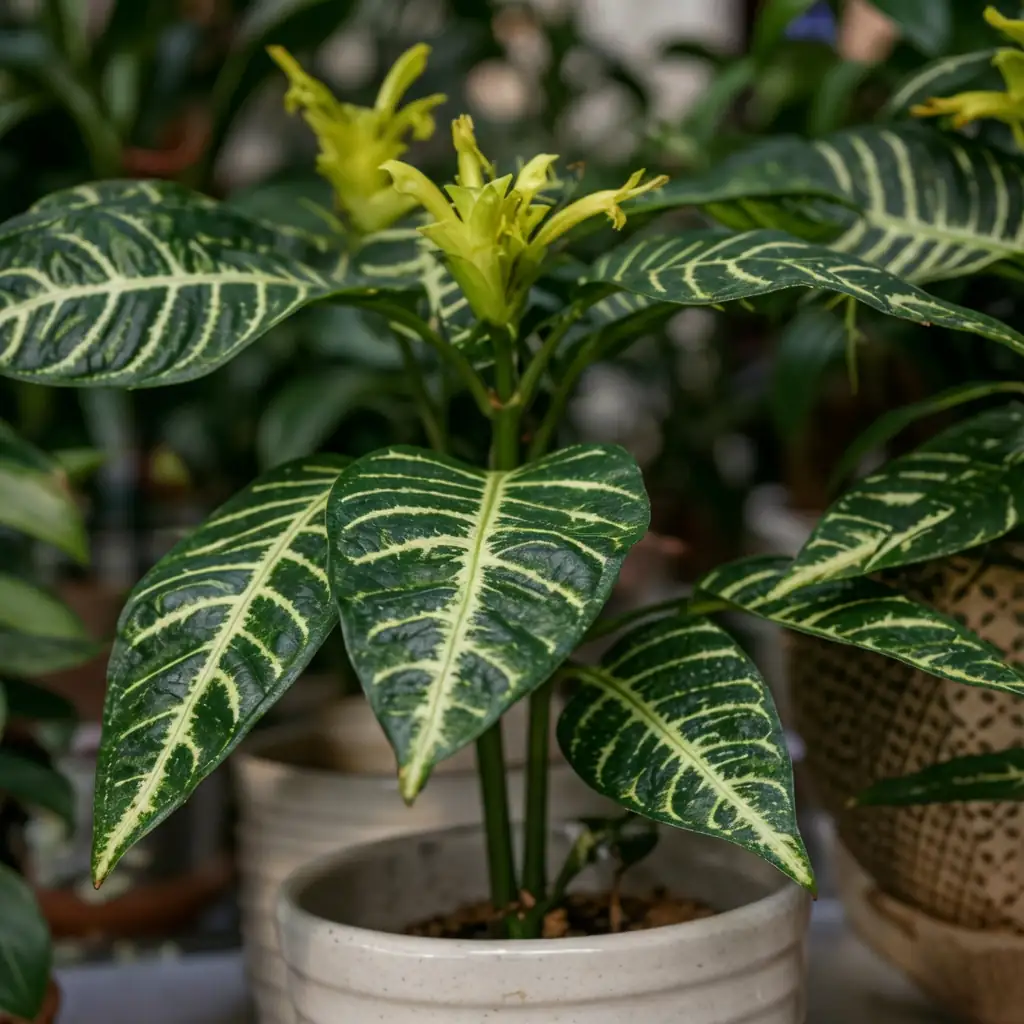
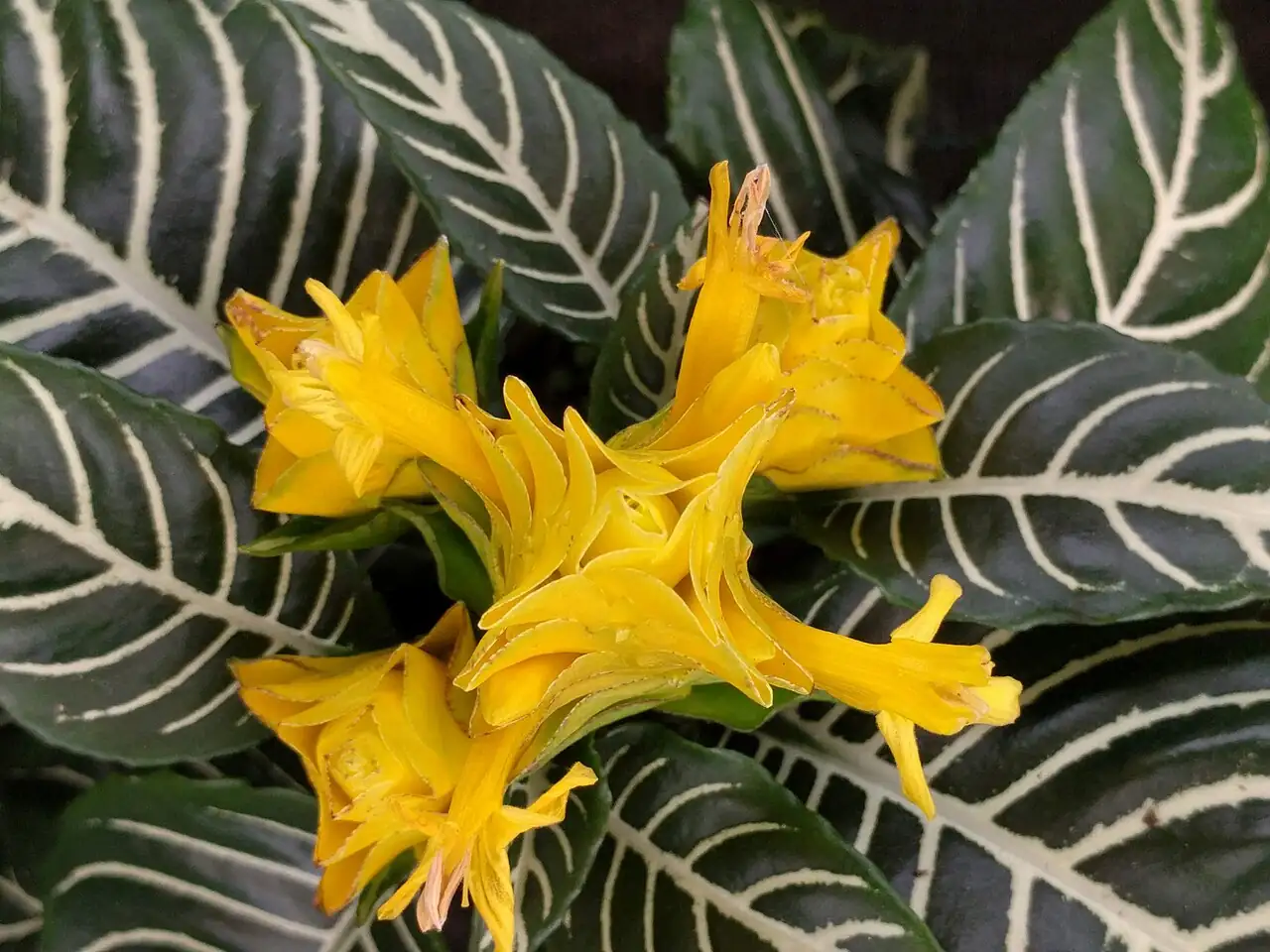
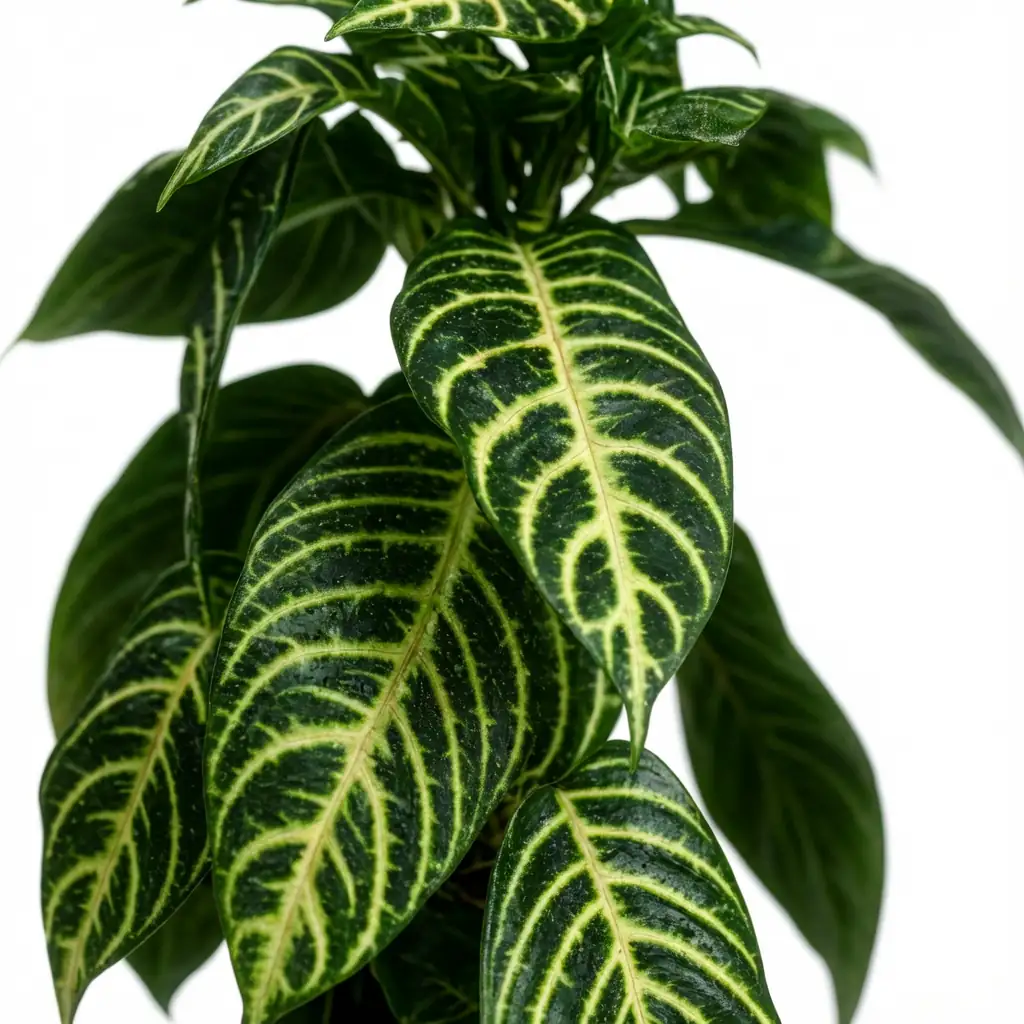
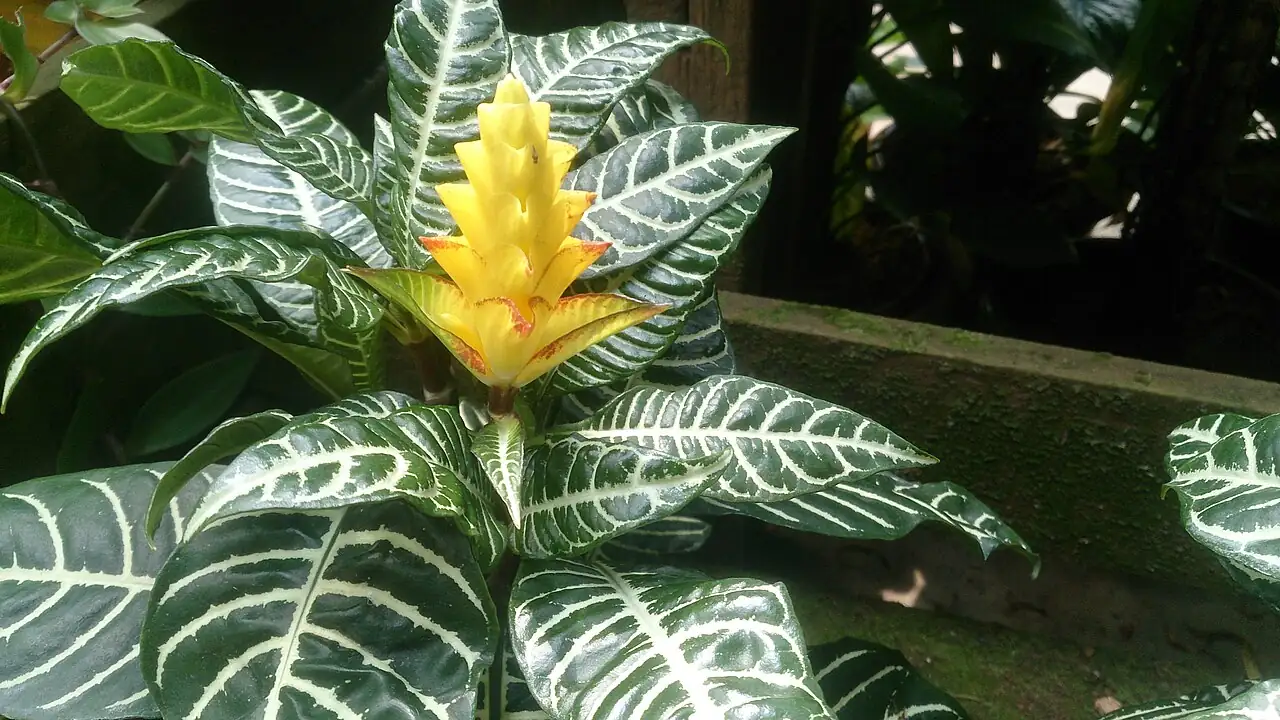
- Foliage: Evergreen, glossy, deep-green leaves with prominent creamy-white veins/striping that create the classic zebra pattern. Leaves are the main ornamental feature and can drop if the plant gets too dry, too cold, or too drafty.
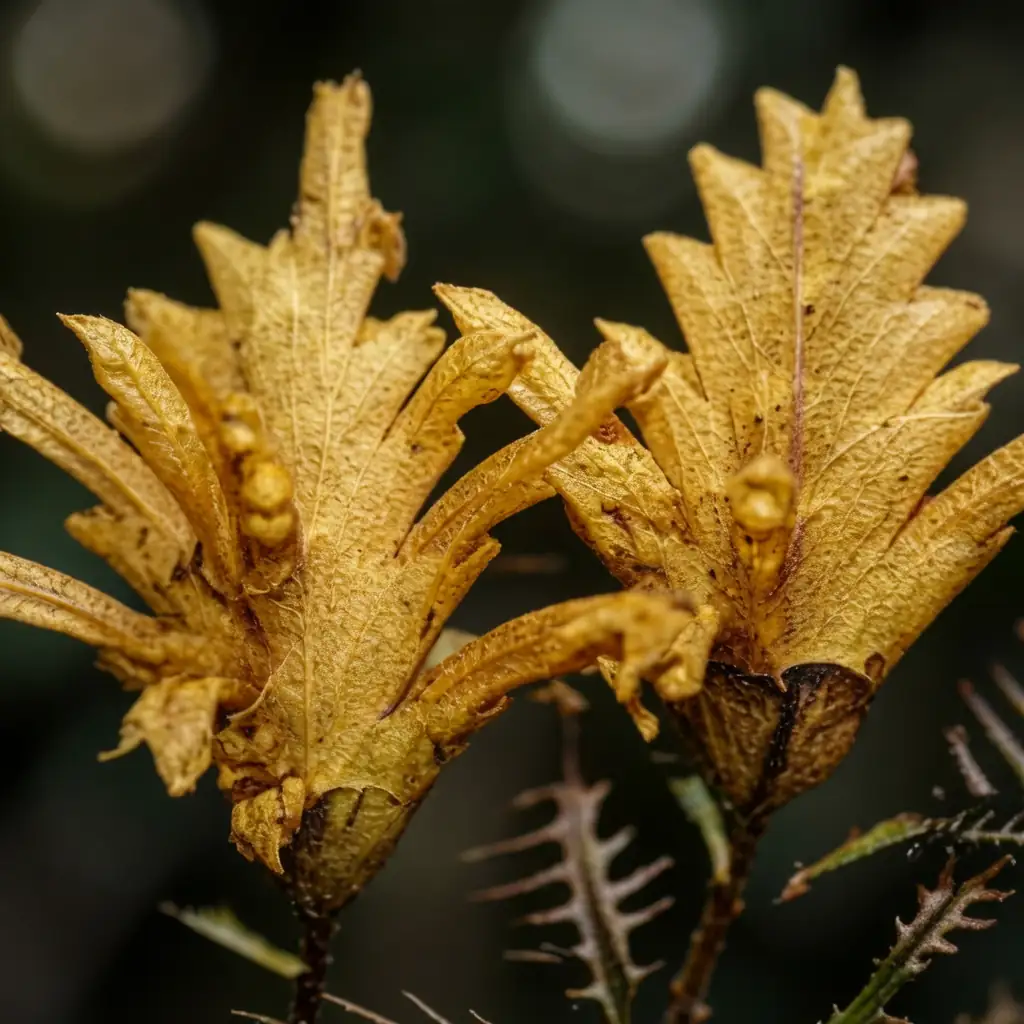
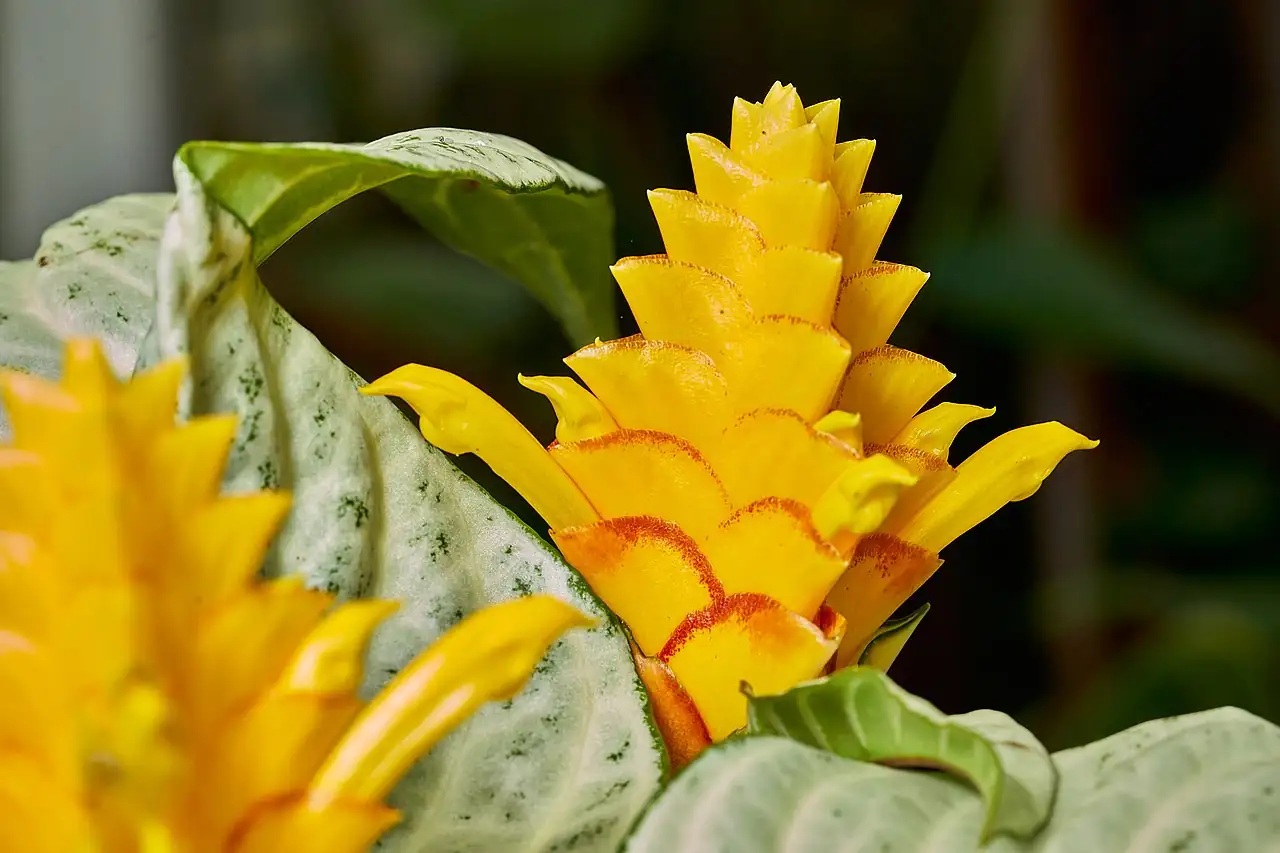
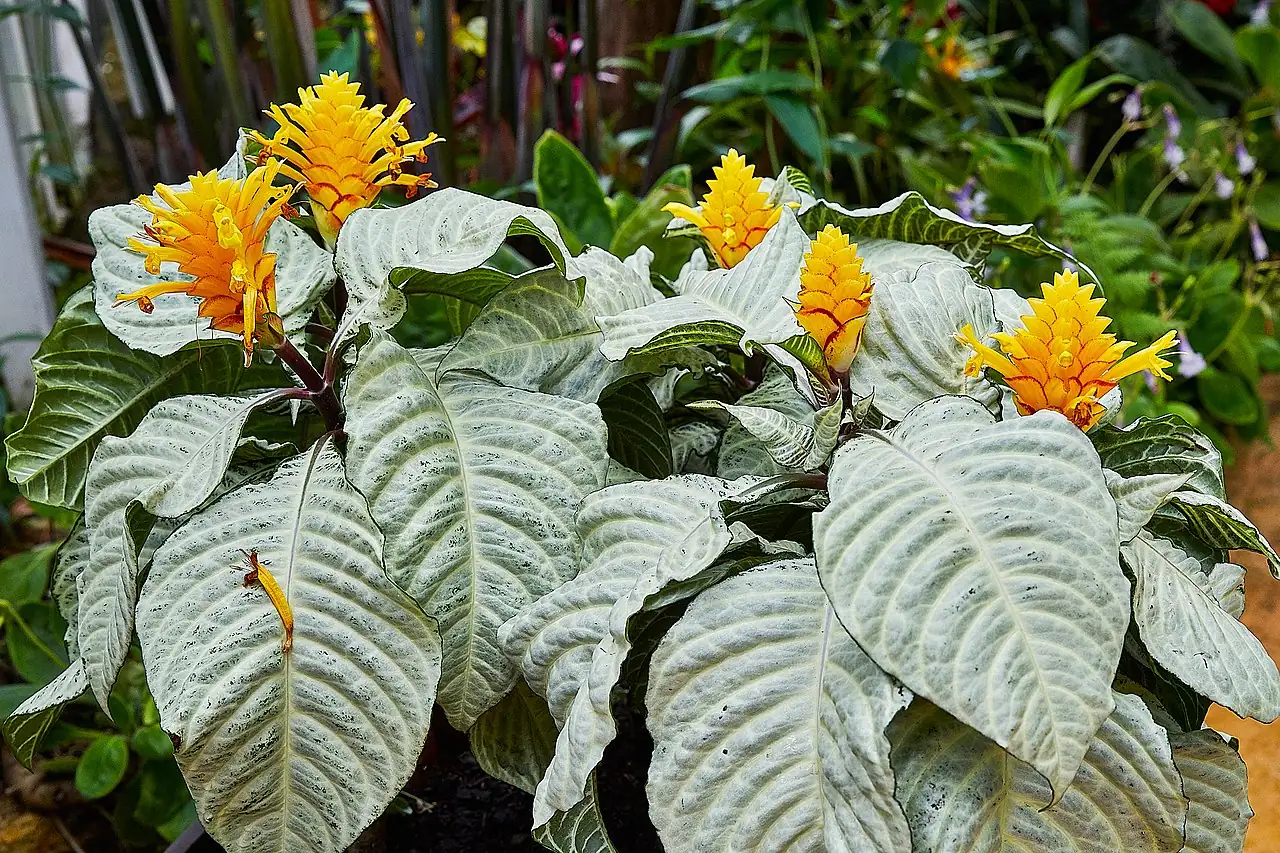
- Flower: Upright flower spikes topped with bright yellow bracts; small orange tubular flowers emerge between the bracts. The bracts last much longer than the true flowers, so the display can look “in bloom” for weeks.
- Flowering Season: Late summer to autumn (often indoors; timing can vary with warmth and light).
- Growth Habit: Upright, compact, bushy tropical subshrub; becomes leggy with age or low light but responds well to tip-pinching and post-bloom pruning.
Environment
Sunlight
Bright, indirect light to partial shade. Gentle morning sun can be tolerated, but avoid harsh midday direct sun (leaf scorch) and avoid very low light (weak growth and poor flowering).
Temperature
Best around 15–27°C (59–81°F). Commonly recommended range is 13–25°C (55–77°F). For flowering, it often performs best when kept consistently warm—many growers find buds form more reliably above about 20°C (68°F). Protect from cold drafts; aim to keep winter temperatures at or above 10–13°C (50–55°F). Brief dips to about 7°C (45°F) may be tolerated by established plants, but temperature swings can cause stress and leaf drop.
Humidity
Prefers medium-high to high humidity—about 50–60% is a good baseline, and it can be happiest around 60–80%. Raise humidity with a humidifier, pebble tray, grouping plants, and occasional misting (especially in dry heated rooms).
Soil
Rich but free-draining, moisture-retentive mix: peat/coco-based potting soil amended with perlite/bark for airflow, or a fertile loam/garden-soil style mix blended with peat and a little sand for drainage. Keep evenly moist but never waterlogged.
Placement
Indoors: ideal in a humid bathroom or kitchen with bright, indirect light. Near an east-facing window is often perfect; a north window can work in summer; keep a little back from bright south/west windows. In winter, place in the brightest warm spot available (often near a bright south-facing window), away from cold glass and drafts.
Hardiness
Not frost hardy. Outdoors year-round only in very warm climates (roughly USDA Zone 11–12). Indoors elsewhere; protect from chills.
Care Guide
Difficulty
Moderate to challenging overall: it’s not hard once you meet its basics, but zebra plant strongly dislikes drying out, cold drafts, and low humidity. In stable warmth and humidity, it becomes much easier and can be quite rewarding.
Buying Guide
Pick a plant with firm stems, crisp glossy leaves, and minimal leaf drop. Avoid plants with brown, crispy edges (often low humidity or salt buildup), limp growth, or constantly soggy soil (risk of root rot). Check leaf undersides and along veins for spider mites, mealybugs, and scale. Common retail pot sizes are around 12–15 cm (4.7–5.9 in) for smaller plants; many growers move up to 15–20 cm (6–8 in) as it fills out.
Watering
Keep the mix evenly moist during active growth (spring through autumn). A common rhythm indoors is watering when the top layer just begins to dry—often roughly twice per week in warm seasons, depending on light, pot size, and humidity. Use rainwater or distilled water if possible (it can be sensitive to mineral salts). In winter, reduce watering: let the surface become nearly dry before watering again (often about every 7–14 days), but don’t let the root ball fully dry out—dry spells can trigger leaf drop.
Fertilization
Spring and summer: feed about every 2 weeks with a balanced liquid fertilizer (e.g., a general houseplant feed). Some growers prefer a gentle approach (half-strength) to avoid salt stress. Autumn/winter: reduce feeding or pause; if the plant continues active growth in a warm, bright spot, light monthly feeding can be used.
Pruning
After flowering, remove spent spikes and cut stems back to just above lower leaves (often leaving about two sets of leaves) to encourage branching and keep the plant compact. If it becomes leggy or bare at the base, pinch tips regularly or do a harder cutback to rebuild a fuller canopy.
Propagation
Stem tip cuttings in spring to early summer. Take cuttings about 8–15 cm (3–6 in) with 2–3 nodes, remove lower leaves, and root in a warm, humid setup (bag/propagator) in a moist, airy medium. Warmth helps—around 25–27°C (77–81°F) speeds rooting. Expect roots in roughly 4–5 weeks under good conditions.
Repotting
Repot annually in spring (or after flowering) into fresh mix. Typical pot size for an adult indoor plant is about 15–20 cm (6–8 in), moving up one size if rootbound. Ensure excellent drainage and don’t oversize the pot.
📅 Seasonal Care Calendar
Spring: repot into fresh mix; resume regular watering as growth picks up; start feeding every 2 weeks; take cuttings; pinch tips for bushiness.
Summer: bright indirect light (often best near north/east exposure); keep evenly moist; boost humidity; feed every 2 weeks; watch for spider mites in dry spells.
Autumn: continue steady moisture; reduce feeding as growth slows; enjoy peak bloom (often late summer–autumn indoors).
Winter: brightest warm spot, away from drafts; water only when the surface is nearly dry (often every 7–14 days); keep humidity up; feed lightly or not at all unless actively growing.
Pests, Diseases & Safety
Common Pests & Diseases
Common pests include spider mites (especially in dry air), mealybugs, scale insects, aphids, and occasionally thrips. Increase humidity (without leaving foliage constantly wet), improve airflow, and treat early with insecticidal soap or horticultural oil. Overwatering can lead to root rot; leaf spot can occur in stagnant, overly wet conditions—avoid splashing leaves late in the day and ensure the pot drains freely. Some sources mention fungicide/insecticide options (e.g., mancozeb for leaf spot, dimethoate for pests), but many home growers prefer safer indoor approaches like soap/oil and isolation.
Toxicity
Not widely listed as seriously toxic to cats or dogs, but any houseplant can cause mild stomach upset if chewed. Sap may irritate sensitive skin. Keep out of reach of pets and small children as a precaution.
Culture & Symbolism
Symbolism: Often linked with boldness and vibrant energy—those high-contrast “zebra” leaves and golden bracts look confident and dramatic.
History & Legends: Zebra plant became a classic 20th-century houseplant, famous for being a “humidity lover.” It’s often used as a gentle challenge plant—once you crack the warmth-and-humidity code, it rewards you with truly spectacular spikes.
Uses: Primarily an ornamental indoor potted plant. It’s especially useful for adding lush, tropical texture to humid rooms like bathrooms and kitchens, and it also works as a statement plant for bright entryways, studies, and bedrooms (as long as humidity is supported).
FAQ
Why is my zebra plant dropping leaves?
The usual triggers are drying out (even once), low humidity, cold drafts, or sudden temperature swings. Keep it evenly moist (not soggy), raise humidity to 50%+ (ideally higher), and keep it warm and away from drafty windows/doors.
Do the yellow “flowers” last a long time?
Yes—the bright yellow parts are bracts, not true petals, and they can stay attractive for weeks. The small orange tubular flowers are shorter-lived, popping out between the bracts.
Can zebra plant be grown in water culture?
It’s sometimes attempted, but zebra plant generally performs best in a moisture-retentive, airy potting mix. If you try semi-hydro or water culture, focus on warmth, bright filtered light, regular water refreshes, and careful nutrient dosing—stagnant water and cold conditions can quickly lead to root problems.
Fun Facts
- Those bright yellow “petals” are actually bracts—modified leaves that act like billboards for the tiny true flowers.
- Low humidity and letting the potting mix dry out are two of the fastest ways to trigger leaf drop.
- In many homes, it blooms most reliably when kept consistently warm—often above about 20°C (68°F).


