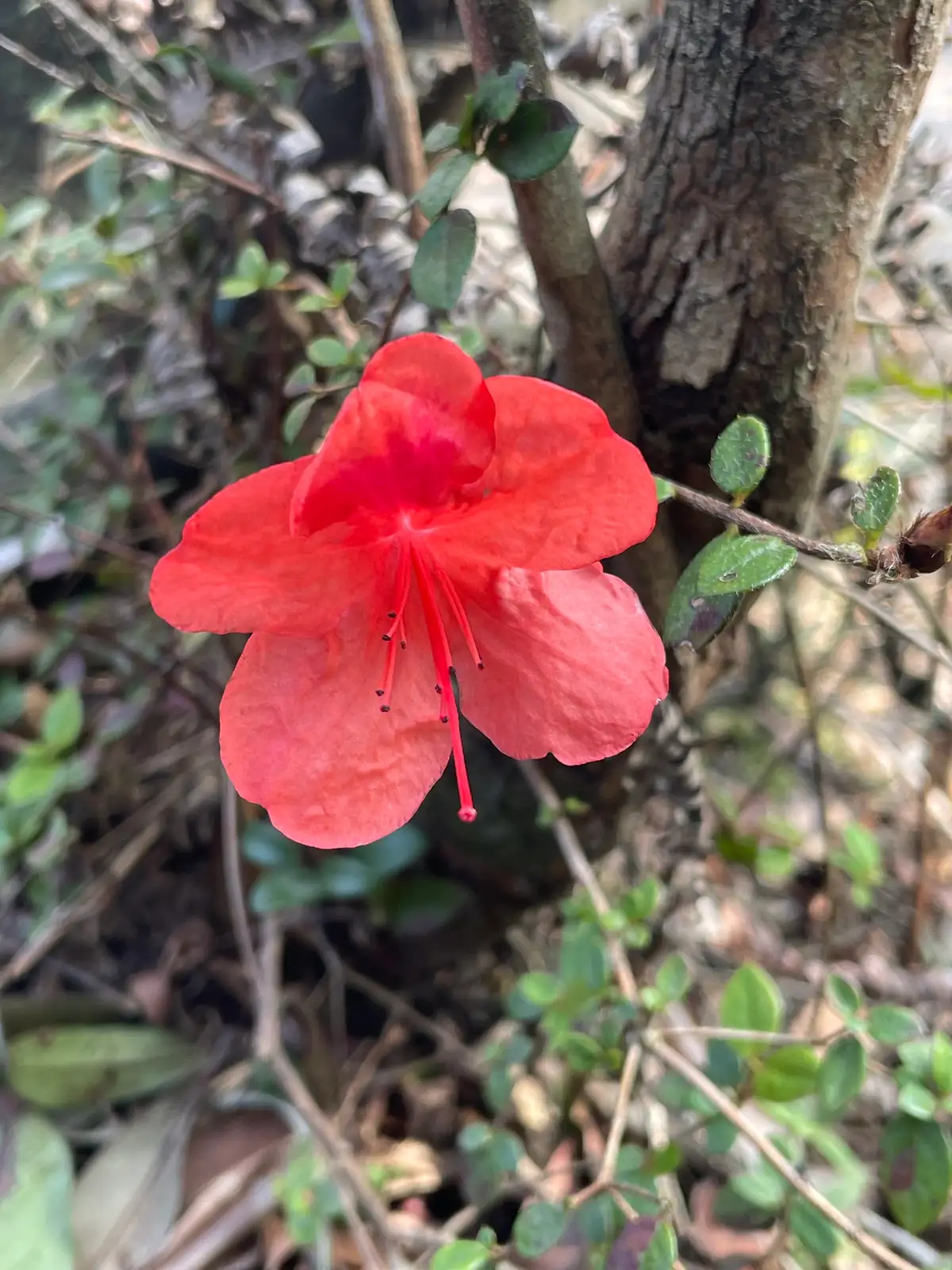
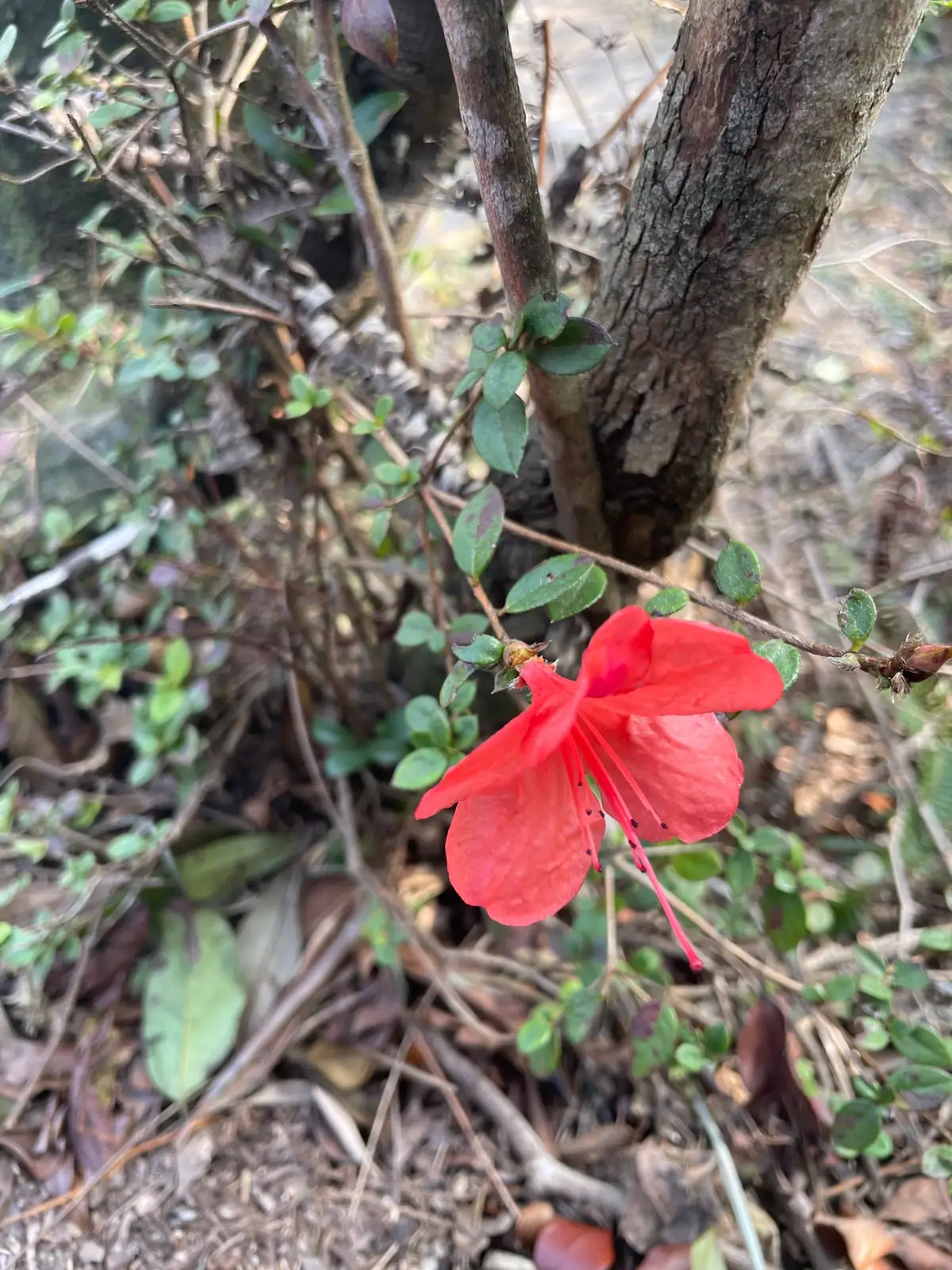
Plant Features
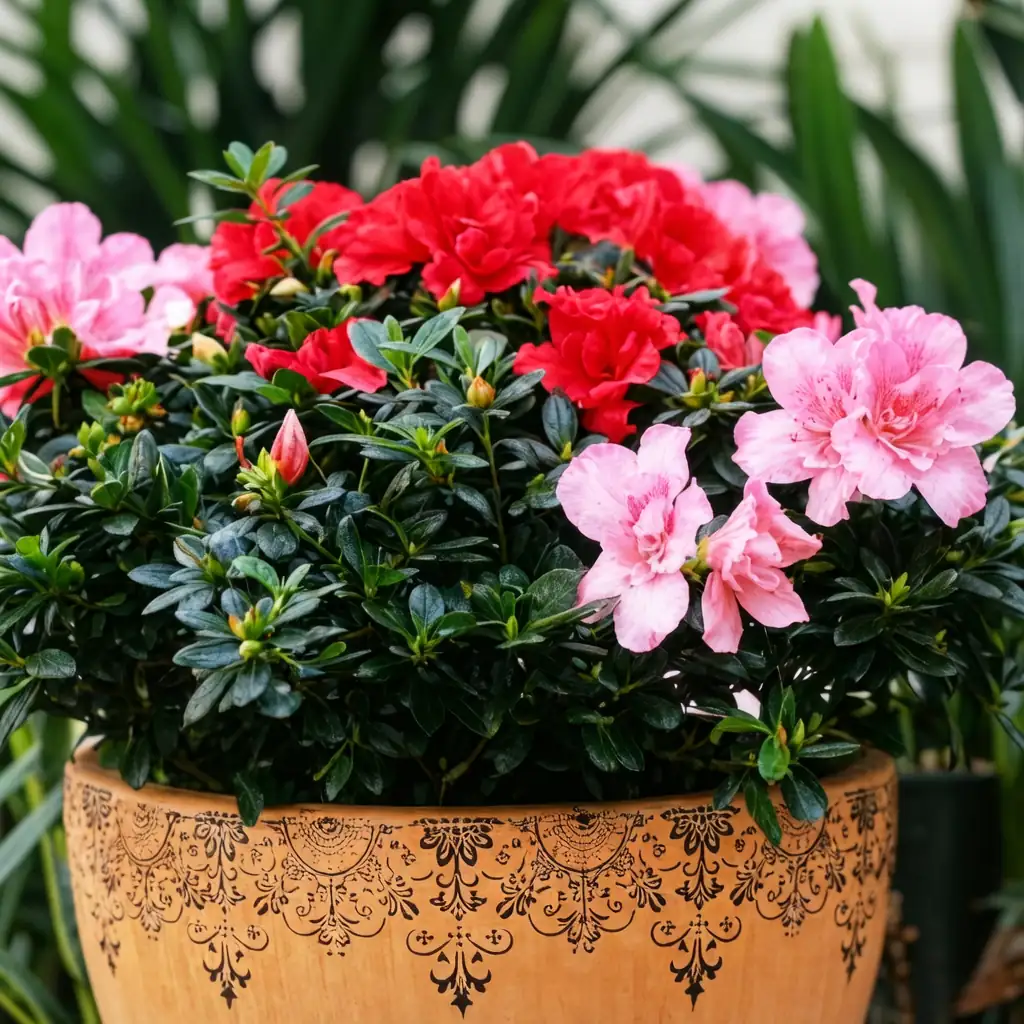
- Size: Typically kept compact in pots: about 30–60 cm (12–24 in) tall and 30–60 cm (12–24 in) wide depending on cultivar and pruning; desktop plants are often 30–40 cm (12–16 in). Common pot diameter is 15–20 cm (6–8 in).
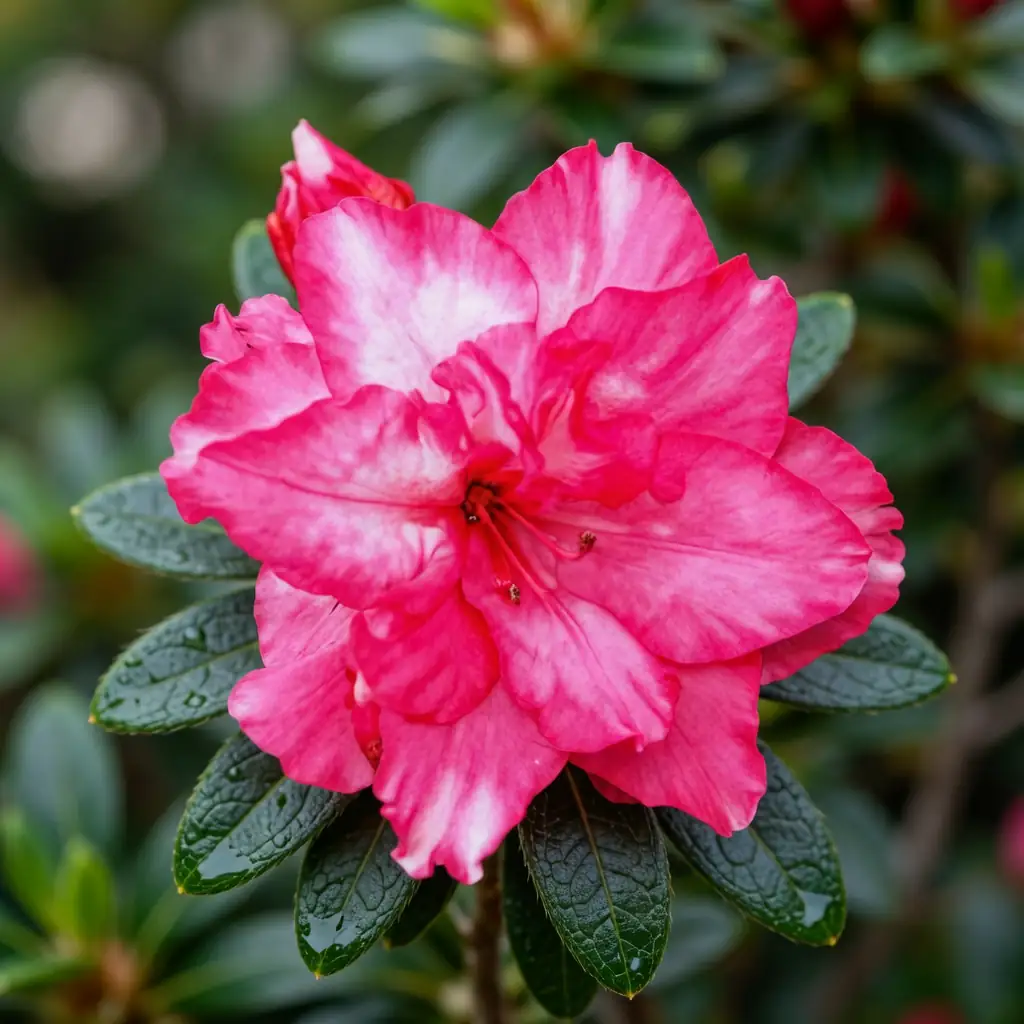
- Foliage: Evergreen, glossy deep-green leaves. The roots are fine and shallow, so the plant reacts quickly to drought or waterlogging. In hot, dry conditions it becomes stressed and is especially prone to spider mites, which can lead to rapid leaf drop if not addressed.
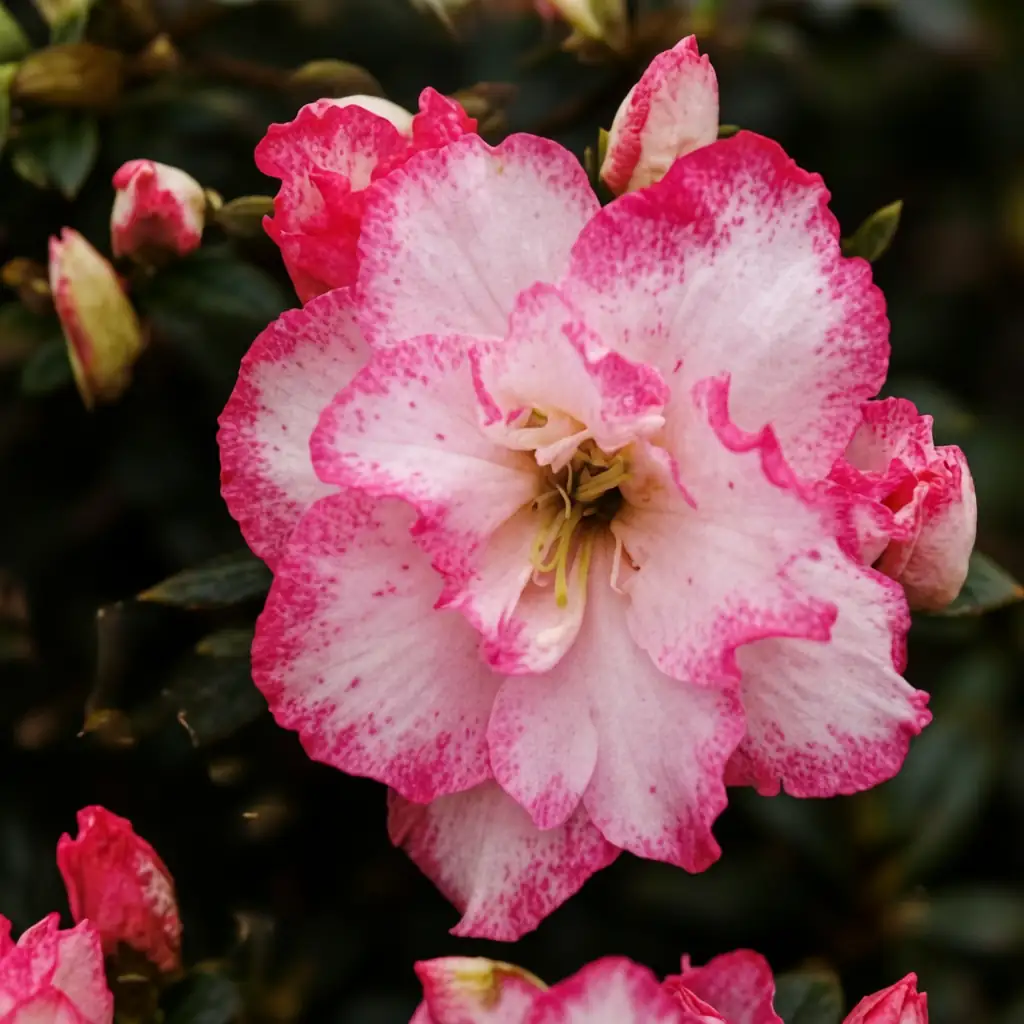
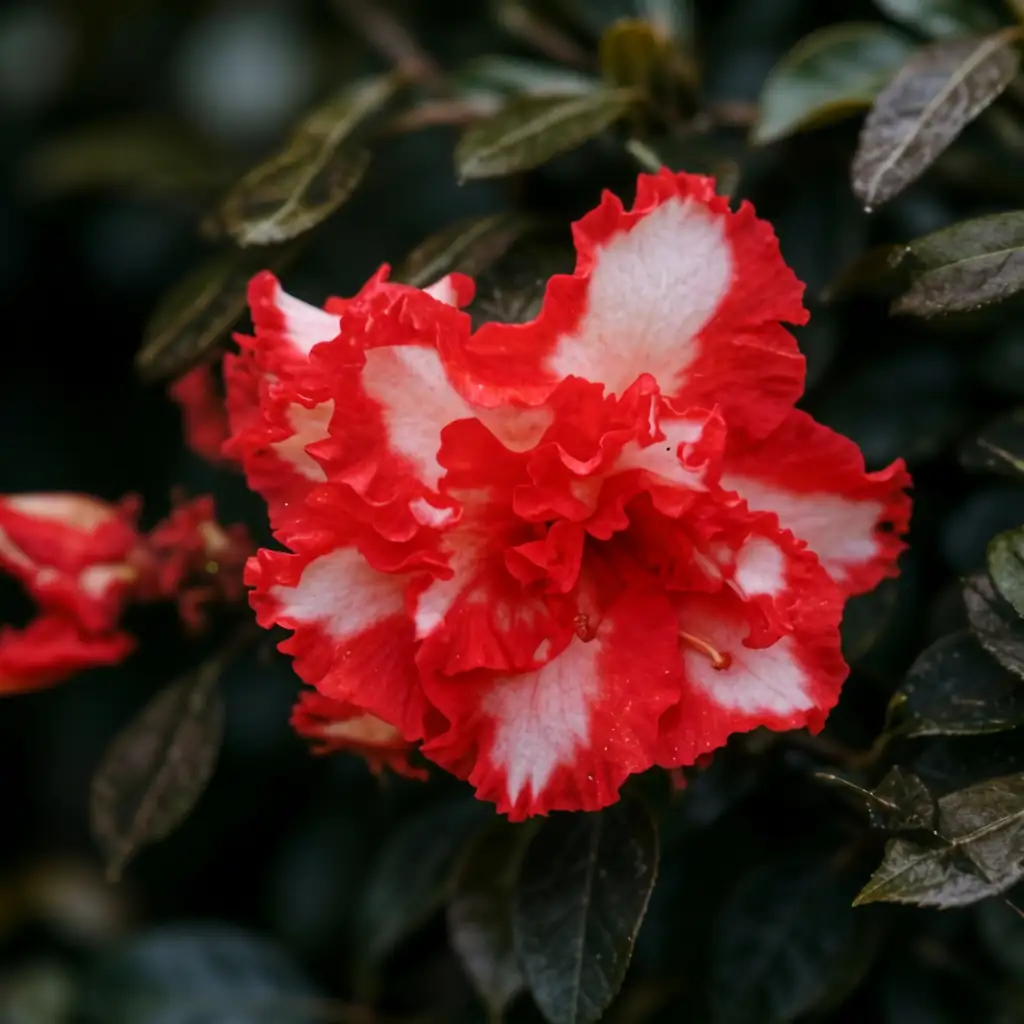
- Flower: Dense clusters of showy, funnel-shaped blooms with lots of variation by cultivar (single to more ruffled forms), commonly in pink, red, white, and bicolors. For the longest display, choose a plant with many plump buds and roughly 20% just opening—then keep it cool and evenly moist.
- Flowering Season: Mostly winter to spring; with excellent care indoors it may bloom 2–3 times per year.
- Growth Habit: Compact, bushy, densely branched, mounded evergreen shrub most often grown as a container plant.
Environment
Sunlight
Bright light with gentle sun. Morning sun from an east-facing window is ideal; an airy south window can work if midday scorch is avoided. Outdoors in mild weather, give bright shade or morning sun and protect from hot afternoon sun.
Temperature
Prefers cool-to-mild conditions around 12–25°C (54–77°F), with best performance often in the mid-teens to low 20s °C. Growth slows around 5–10°C (41–50°F) and above 30°C (86°F). Indoors in winter, keep above 10°C (50°F) and away from heater/AC blasts; protect from frost if outdoors.
Humidity
Enjoys higher humidity (around 50%+). Dry air can shorten flowering and increase bud/leaf problems. Use a humidity tray or light evening misting during hot, dry periods (avoid leaving foliage wet overnight in cool rooms).
Soil
Fertile, loose, well-drained acidic (ericaceous) mix—typically peat/leaf mold–based with added perlite or coarse sand for air space. Excellent drainage is essential; never let the pot sit in water.
Placement
Indoors: a bright, cool, well-ventilated room near an east or bright south window, away from heaters and hot/dry vents. Outdoors (mild seasons): balcony/patio in bright shade or morning sun; shelter from heavy rain, harsh afternoon sun, and heat.
Hardiness
Frost-tender as a florist/house pot plant; many Belgian/florist azaleas are not reliably hardy outdoors. In mild climates some may cope outside roughly in USDA Zone 8–11 (often cited 8–10), but freezing temperatures can damage or kill plants—treat as container plants unless you know your cultivar is landscape-hardy.
Care Guide
Difficulty
Moderate to challenging: not hard once you learn its rhythm, but it does demand cool temps, acidic soil, steady moisture, and protection from heat, drought, and waterlogging.
Buying Guide
Look for a compact, sturdy plant with a symmetrical, well-branched canopy and thick shoots. Leaves should be glossy deep green with no spotting, tears, stickiness, webbing, or pests on either side. For the best “long show,” choose one with lots of full buds and about 20% just starting to open; avoid plants with browning flowers or many buds already dropping. After purchase, give it bright light and airflow immediately, keep it above 10°C (50°F), and don’t tuck it into dim, stuffy corners.
Watering
Aim for consistently moist—not soggy—soil. Because the roots are fine and shallow, extremes cause fast trouble.
– Spring (growth/after bloom): water roughly ~2 times per week, adjusting to how quickly the mix dries.
– Summer: water thoroughly when the top 1–2 cm (0.4–0.8 in) begins to dry; keep it cooler and raise humidity. Avoid prolonged heat above 30°C (86°F).
– Autumn: reduce gradually; often ~2–3 times per week depending on indoor climate.
– Winter (flowering season for many plants): keep above 10°C (50°F); water about once per week, or in smaller, more frequent sips, keeping moisture steady.
Always drain excess water; never leave the pot standing in water, and never let the rootball go bone-dry.
Fertilization
During active growth, feed every 2 weeks with a dilute azalea/rhododendron (acid-loving) fertilizer. If leaves yellow from alkaline soil or hard water, iron supplementation (e.g., chelated iron; some growers use dilute iron sulfate solutions such as ~0.15% per label guidance) can help correct chlorosis. Avoid heavy feeding—salt buildup can burn roots and cause sudden decline.
Pruning
Prune or pinch after flowering and through the growing season to keep a dense, rounded shape. Remove leggy shoots, basal suckers, overcrowded stems, and any dead/diseased twigs to improve airflow and encourage fresh branching.
Propagation
Most commonly by semi-hardwood/semi-ripe cuttings in late spring to early summer (May–June): take 12–15 cm (4.7–5.9 in) cuttings, remove lower leaves, keep a few at the top, and root in a warm, humid, free-draining propagation mix. Rooting often takes about 8–10 weeks (roughly 60–70 days). Air-layering in spring on mature wood can root in about 4–5 months. Grafting is also used commercially under warm, humid conditions.
Repotting
Repot annually in spring or right after flowering. Handle gently—roots are brittle. Refresh into a well-aerated acidic mix; many plants stay in the 15–20 cm (6–8 in) pot range, stepping up only if roots are crowded.
📅 Seasonal Care Calendar
Spring: keep evenly moist; repot in spring or after flowering; pinch/prune for shape.
Summer: protect from heat and harsh sun; water deeply as the surface dries; raise humidity; watch for spider mites/scale.
Autumn: bring to a cooler, bright, well-ventilated spot; gradually reduce watering.
Winter: bright and cool (but above 10°C/50°F); avoid heaters/drafts; keep moisture steady and air humid to prolong bloom.
Pests, Diseases & Safety
Common Pests & Diseases
Spider mites and scale commonly flare in hot, dry air and can cause stippling, weakness, and heavy leaf drop. Leaf spot and sooty mold may appear when airflow is poor or foliage stays damp. Improve ventilation, avoid wet leaves late in the day, remove badly affected leaves, and treat early with insecticidal soap or horticultural oil for mites/scale. Use an appropriate labeled fungicide if leaf spot persists, following local guidance.
Toxicity
Toxic if eaten (contains grayanotoxins). Keep away from children and pets. Ingestion can cause drooling, vomiting, diarrhea, weakness, and potentially more serious cardiac/neurological symptoms.
Culture & Symbolism
Symbolism: Often gifted for cheerful, affectionate feelings—commonly linked with themes like “the joy of love,” tender affection, elegance, and even a gentle “take care of yourself.”
History & Legends: Belgian azaleas belong to the long tradition of European florist-azalea breeding, developed for compact pot culture and heavy flowering under greenhouse conditions—perfect for winter and early-spring gift seasons.
Uses: Primarily ornamental: a winter-to-spring blooming pot plant for homes, bright balconies, and seasonal displays. Mixing cultivars (for example, pink with red, or white with bicolors) is a popular way to create a richer color show.
FAQ
My Belgian azalea is dropping lots of leaves—what’s the most likely cause?
Hot, dry air is a prime trigger, often together with spider mites. Move it to a cooler, brighter spot with good airflow, raise humidity, and inspect leaf undersides for fine webbing or speckling. Keep the soil evenly moist (not soggy) and treat mites early with insecticidal soap or horticultural oil.
How can I make the flowers last longer?
Keep it cool and away from heaters/AC vents and strong drafts. Provide bright light without harsh midday sun, maintain steady moisture, and boost humidity. Also avoid placing it near ripening fruit, which can release ethylene gas that encourages bud and flower drop.
Why did my buds fall off before opening?
Bud drop usually comes from stress: low light, warm rooms, dry air, stagnant airflow, or watering swings (too dry or waterlogged). Shift it to a bright, cool, airy location and keep moisture consistent; during flowering, smaller and more frequent watering often works better than heavy soaking.
Fun Facts
- Many “Belgian azaleas” sold as houseplants are florist azaleas bred specifically to bloom heavily in winter under greenhouse conditions.
- Because azaleas are acid-lovers, hard (alkaline) water can quickly lead to yellowing leaves from iron being locked up in the soil.
- Their fine, shallow roots are the reason they can wilt fast when dry—and also crash fast if kept soggy.