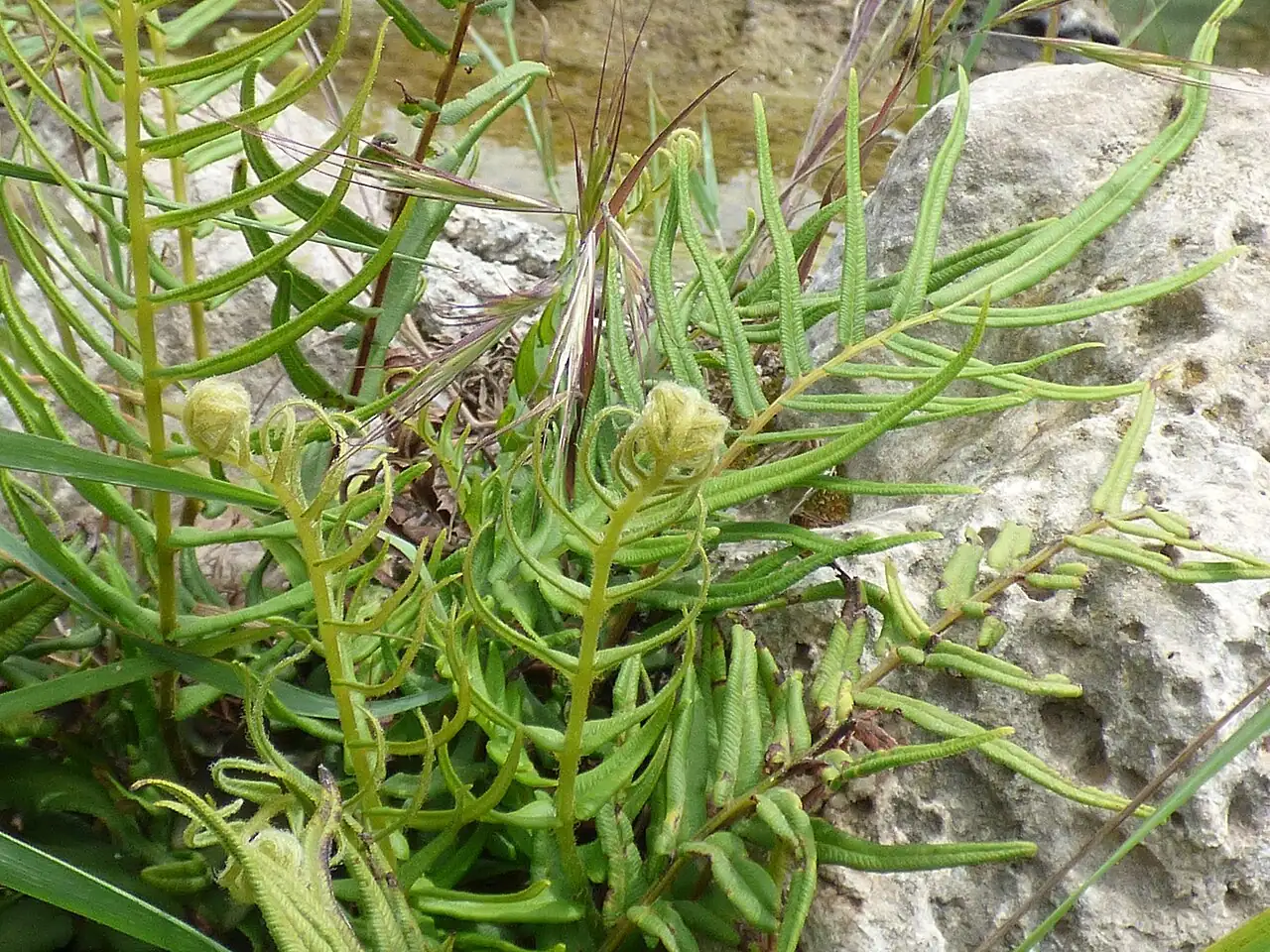
Plant Features
- Size: Typically 30–60 cm (12–24 in) tall and about 30–60 cm (12–24 in) wide in pots; a mature houseplant often reaches around 60 × 60 cm (24 × 24 in), depending on age, pot size, and growing conditions.
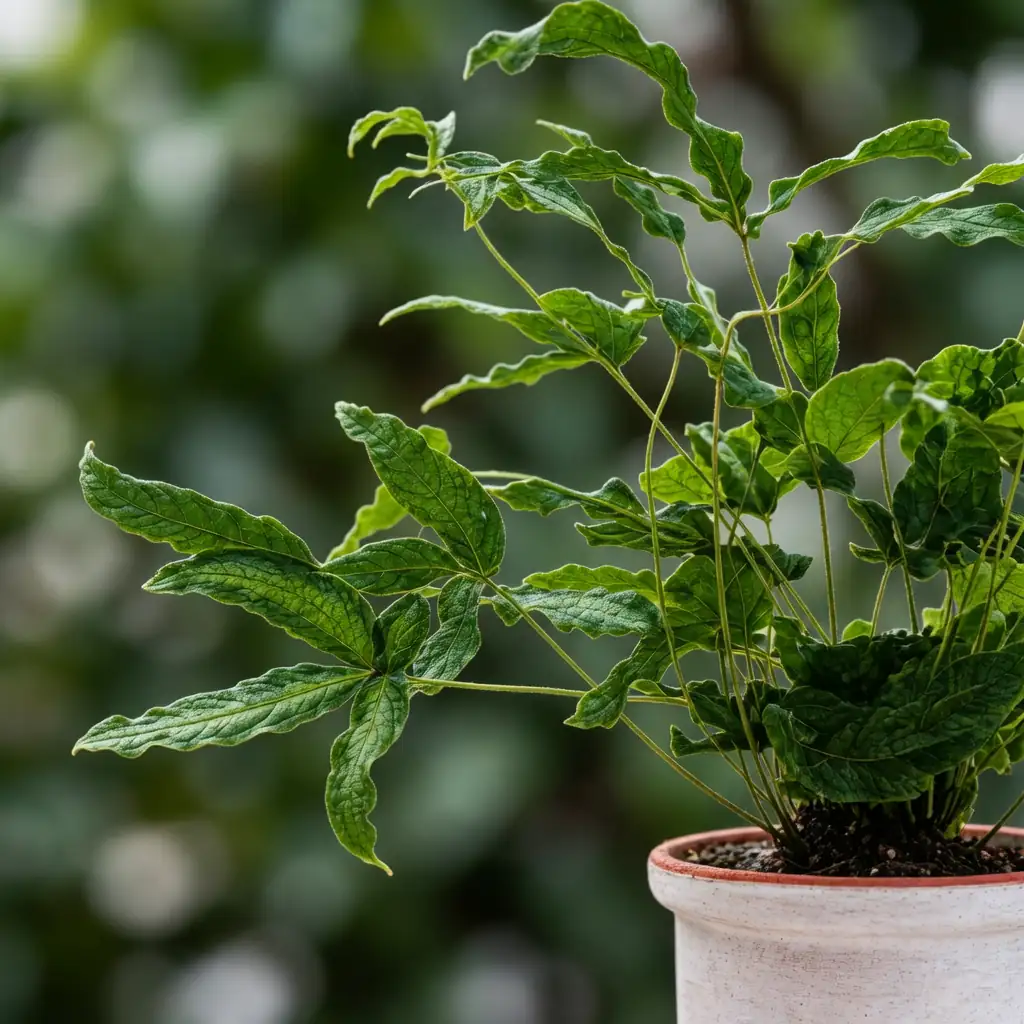
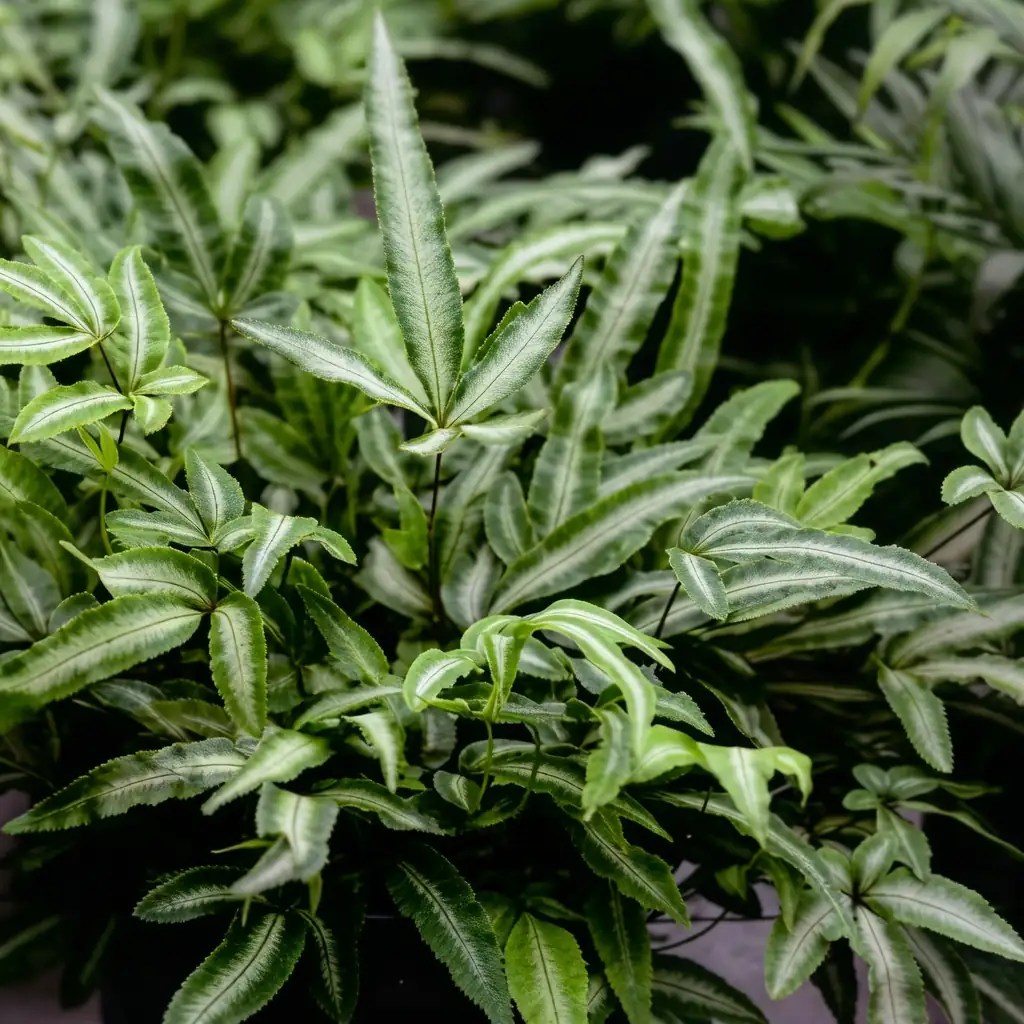
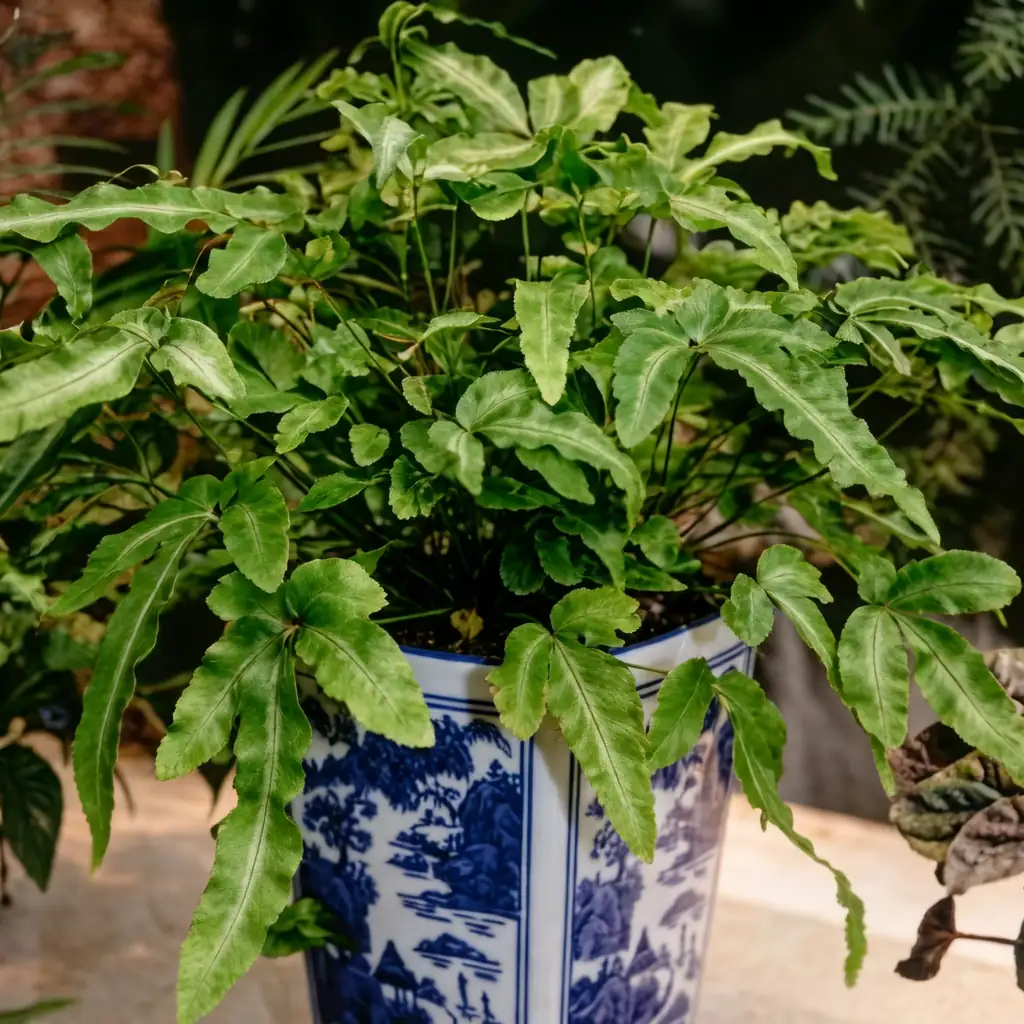
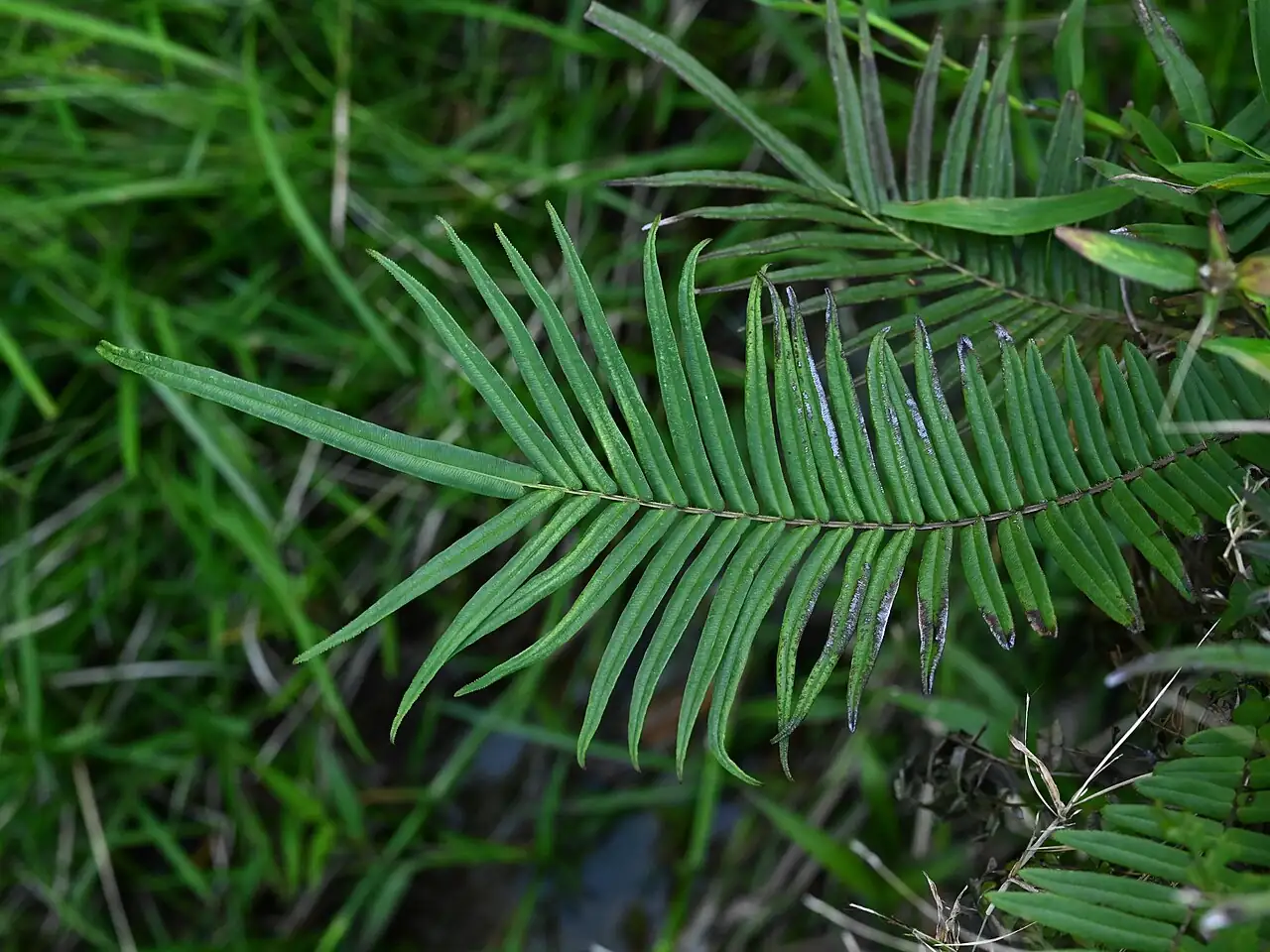
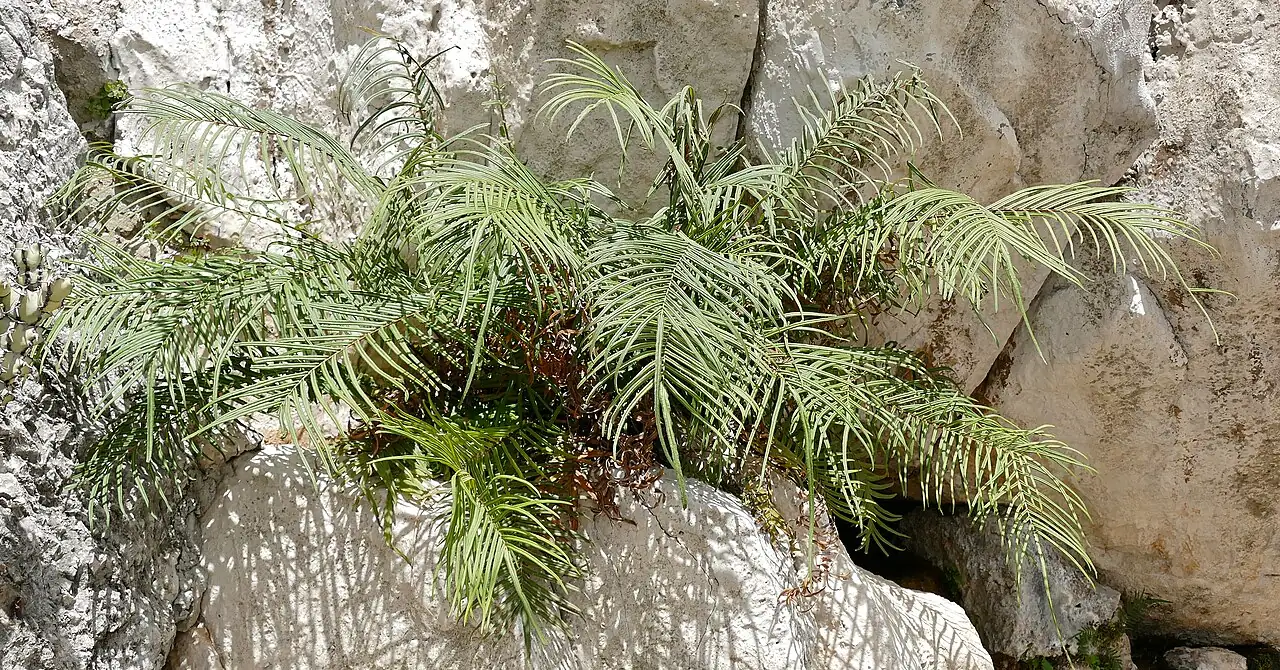
- Foliage: Dense, finely divided, narrow fronds form a full clump. Fronds rise and arch outward on wiry, dark stems, giving the plant an elegant, fountain-like look. Foliage is usually solid green, but some cultivated forms can be variegated with a pale/white stripe down the center of each leaflet. If kept too dry, placed in hot direct sun, or exposed to drying drafts, fronds may yellow, curl, or develop crispy tips. Thinning overcrowded or overly tall fertile (spore-bearing) fronds can improve airflow and keep the plant looking neat.
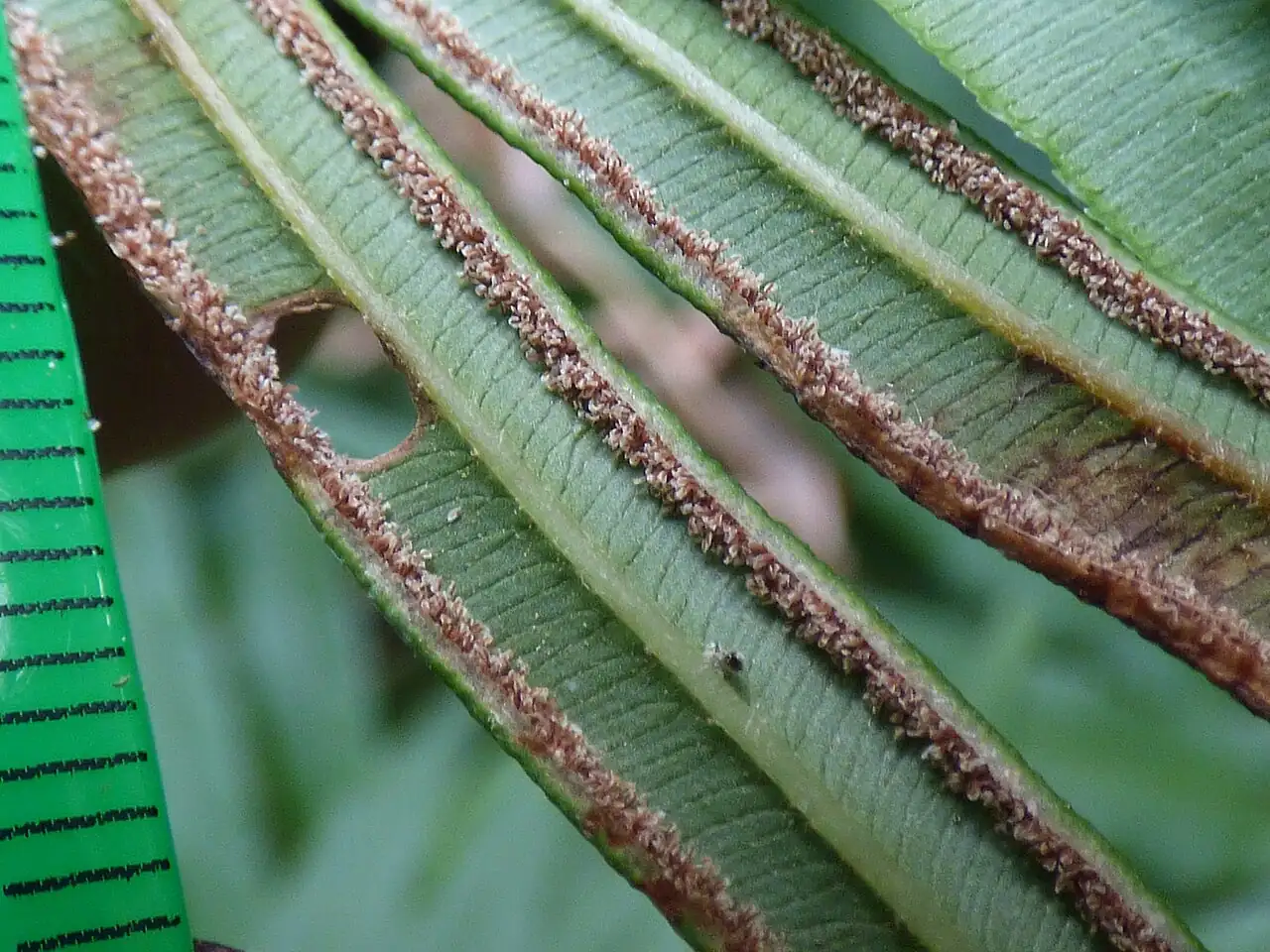
- Flower: No flowers (fern). Reproduces by spores on fertile fronds, typically visible as spore clusters on the underside of mature fronds.
- Flowering Season: Not applicable (fern).
- Growth Habit: Clump-forming, tufted and arching; grows as a spreading clump that can be divided during repotting. Well-suited to pots and hanging baskets.
Environment
Sunlight
Bright, indirect light to partial shade. Avoid strong direct sun—especially midday sun. A south or southeast-facing window with a sheer curtain works well; east/north windows or bright shelves also suit it if light is filtered.
Temperature
Comfortable in typical indoor temperatures. Best around 18–27°C (64–81°F), though it also does well in the slightly cooler 13–24°C (55–75°F) range. Protect from cold drafts and avoid prolonged temperatures below about 10°C (50°F).
Humidity
Prefers medium to high humidity. Moderate humidity is often sufficient, but it looks best with extra moisture in the air—around 60–70% is ideal. In prolonged dry air (roughly 30–40%), tips can brown and fronds may yellow; misting, grouping plants, or placing it in a naturally humid room (like a bright bathroom) helps.
Soil
Moisture-retentive but free-draining potting mix. Options include a peat-based fern mix blended with leaf mold/leaf compost and coarse sand for drainage, or a practical indoor blend such as 2 parts all-purpose potting mix + 1 part bark-based medium + 1 part horticultural charcoal. Excellent drainage is essential—use pots with drainage holes and avoid waterlogged media.
Placement
Bright indoor spot with filtered light—sheltered windowsills, plant stands, or shelves near an east/north window. Keep away from heaters, AC vents, and drying drafts. A bright bathroom can be ideal if it isn’t in direct sun.
Hardiness
Frost-tender. Commonly grown as a houseplant; outdoors year-round only in warm climates (approximately USDA Zone 9–11). Not frost hardy.
Care Guide
Difficulty
Easy to moderate: very forgiving compared with many ferns if you keep it evenly moist and out of harsh sun. It can decline quickly if repeatedly allowed to dry out, baked in direct sun, or stressed by dry drafts.
Buying Guide
Pick a plant with fresh, green, evenly colored fronds and minimal browning at the tips. Avoid specimens that are bone-dry or sitting in sour-smelling, waterlogged mix. Check undersides of fronds and stems for pests (especially scale and mealybugs). Also look for roots: heavily circling roots or roots pushing hard out of drainage holes may mean it’s overdue for repotting.
Watering
Aim for evenly moist soil during active growth (spring through autumn): water thoroughly, let excess drain, and don’t leave the pot standing in water. As a rough guide indoors, this may mean watering about 3 times per week in summer, adjusting to heat, light, and pot size. In winter, water less—often about once per week, or when the surface begins to dry—while still avoiding a complete dry-out. Regular misting supports frond quality, especially in dry rooms.
Fertilization
Spring to early autumn: feed about once a month with a balanced liquid fertilizer diluted to 1/2 strength. If you prefer a higher-potassium approach, a fertilizer in the general range of 15-15-30 can work well when diluted appropriately. Organic option: a well-diluted, fully composted liquid feed. Try to keep fertilizer solution off the fronds to reduce spotting, and occasionally flush the pot with plain water to help prevent salt buildup.
Pruning
Simple and satisfying: snip off yellow, brown, damaged, or messy fronds at the base any time. During repotting you can also trim old, dead roots and shorten overly long fibrous roots. If the clump becomes too dense, thinning a few crowded or tall fertile fronds improves airflow and appearance.
Propagation
Best by division in early spring during repotting. Lift the plant, gently separate the rhizome/clump into sections (including any side offsets), remove aged pieces, and trim dead roots and damaged fronds. Replant divisions immediately and keep them warm, in part shade, and in higher humidity until established. It can also be grown from spores, but that method is slower and more advanced.
Repotting
Repot about every 2 years in spring, or sooner if roots are crowded or growing out of the pot. Refresh with a free-draining fern mix and move up only one pot size if needed. Young plants often do well in a 12.5–15 cm (5–6 in) pot or hanging basket; ensure excellent drainage.
📅 Seasonal Care Calendar
Early spring: repot (and divide if you want more plants). Spring–autumn: keep evenly moist, mist regularly (every 1–2 days in dry air), and feed monthly at half strength; remove tired fronds as needed. Summer: watering is often more frequent (sometimes ~3x weekly indoors, adjusted to conditions). Winter: reduce watering—water when the surface starts to dry, keep warm, and protect from cold drafts and very dry heat.
Pests, Diseases & Safety
Common Pests & Diseases
Most common problems are scale insects, mealybugs, and spider mites (especially in dry air), plus occasional leaf spot. Improve airflow, avoid leaving fronds wet late in the day, and remove badly affected fronds. For scale/mealybugs: wipe off manually and follow up with horticultural oil or insecticidal soap, repeating as needed. For spider mites: raise humidity and rinse fronds. For leaf spot: remove affected fronds and, if necessary, use a fungicide labeled for ferns according to directions. Browning tips can also come from low humidity, underwatering, or fertilizer-salt buildup—flush the pot periodically with plain water.
Toxicity
Generally regarded as non-toxic or low-toxicity to people and pets. Still, chewing or swallowing fronds can cause mild stomach upset, so it’s best kept away from pets that like to nibble and from small children.
Culture & Symbolism
Symbolism: Often linked with resilience and quiet elegance—ferns keep their greenery and grace even when flowers aren’t part of the show.
History & Legends: Brake ferns (Pteris) have been grown ornamentally for a long time thanks to their airy, architectural fronds. Chinese brake fern is also frequently mentioned in scientific literature because it tolerates mineral-rich substrates and has unusual abilities in certain soils.
Uses: Primarily an ornamental foliage plant for indoor pots, shaded patios, and hanging baskets. It’s especially handy for brighter bathrooms and other humid rooms where many houseplants struggle.
FAQ
Several fronds on my Chinese brake fern turned yellow and curled—what should I do?
If the base (rhizome) is still firm, it can bounce back. Cut the yellow/curling fronds off at the base, water thoroughly, and move it to bright, indirect light. Increase humidity (misting, grouping plants, or a short-term clear bag “tent” with some airflow). Avoid direct sun and drafts, and new fronds should emerge.
My fern is very dense and large. When repotting, do I have to move it to a bigger pot?
Not always. You can either move it up one pot size or divide the clump and replant part of it back into the same pot with fresh mix. Avoid making divisions too tiny—small pieces establish slowly and may struggle.
What light does it need?
Bright, indirect light to partial shade. Direct midday sun can scorch fronds and dry the plant quickly.
Does it need high humidity?
It’s happier with moderate to higher humidity. Many homes are fine, but in dry rooms regular misting, a humid bathroom, or a humidifier keeps fronds looking their best.
Fun Facts
- Pteris vittata is famous as an “arsenic hyperaccumulator” and has been studied for phytoremediation—helping remove arsenic from contaminated soils.
- Unlike flowering plants, ferns reproduce by spores; check the undersides of mature fronds for spore clusters.
- It’s often tougher than many delicate indoor ferns—as long as it isn’t repeatedly dried out or scorched by direct sun.