Plant Features
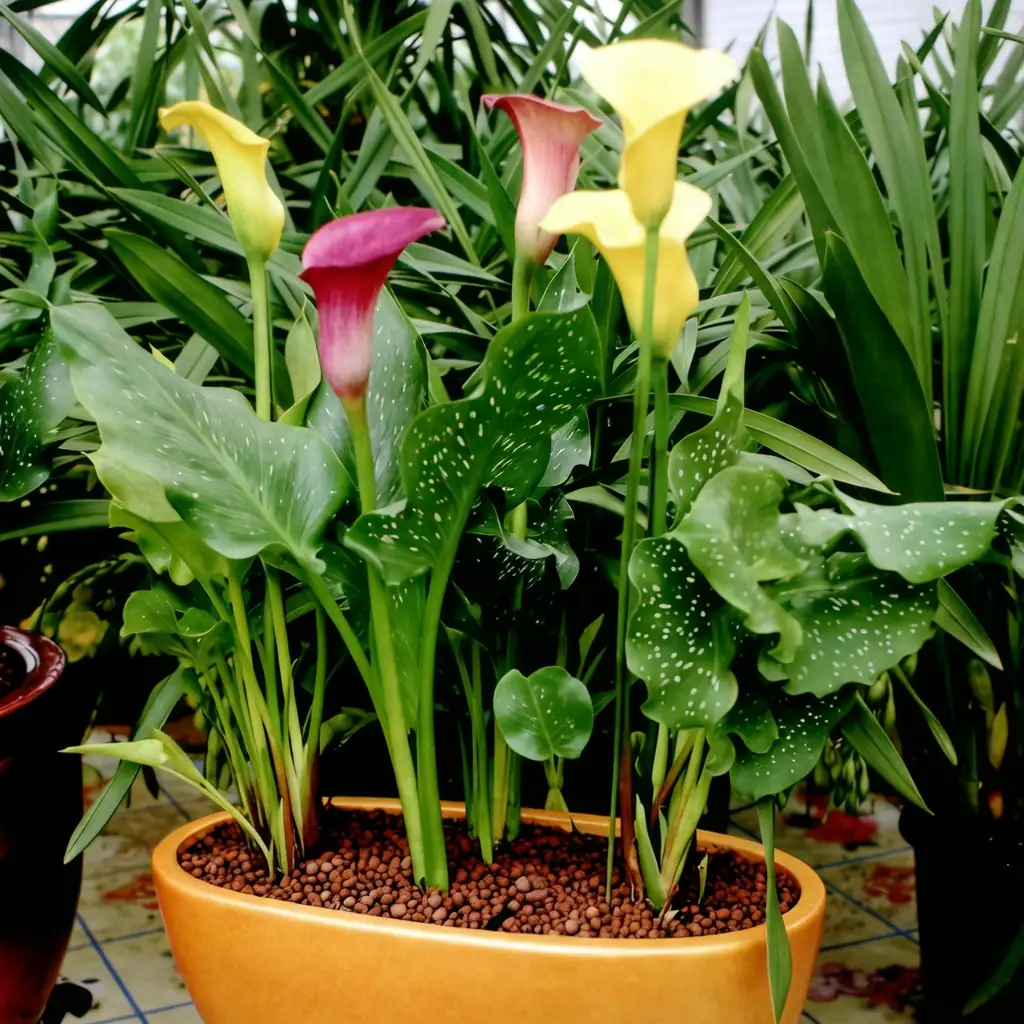
- Size: Typically about 30–90 cm (12–35 in) tall; often reaches around 60 × 60 cm (24 × 24 in) in good conditions. For container culture, a 12–15 cm (4.7–5.9 in) diameter pot can be used for small displays; some growers plant 3–5 rhizomes for a fuller look, while many horticultural guides also recommend a wider pot to reduce waterlogging risk.
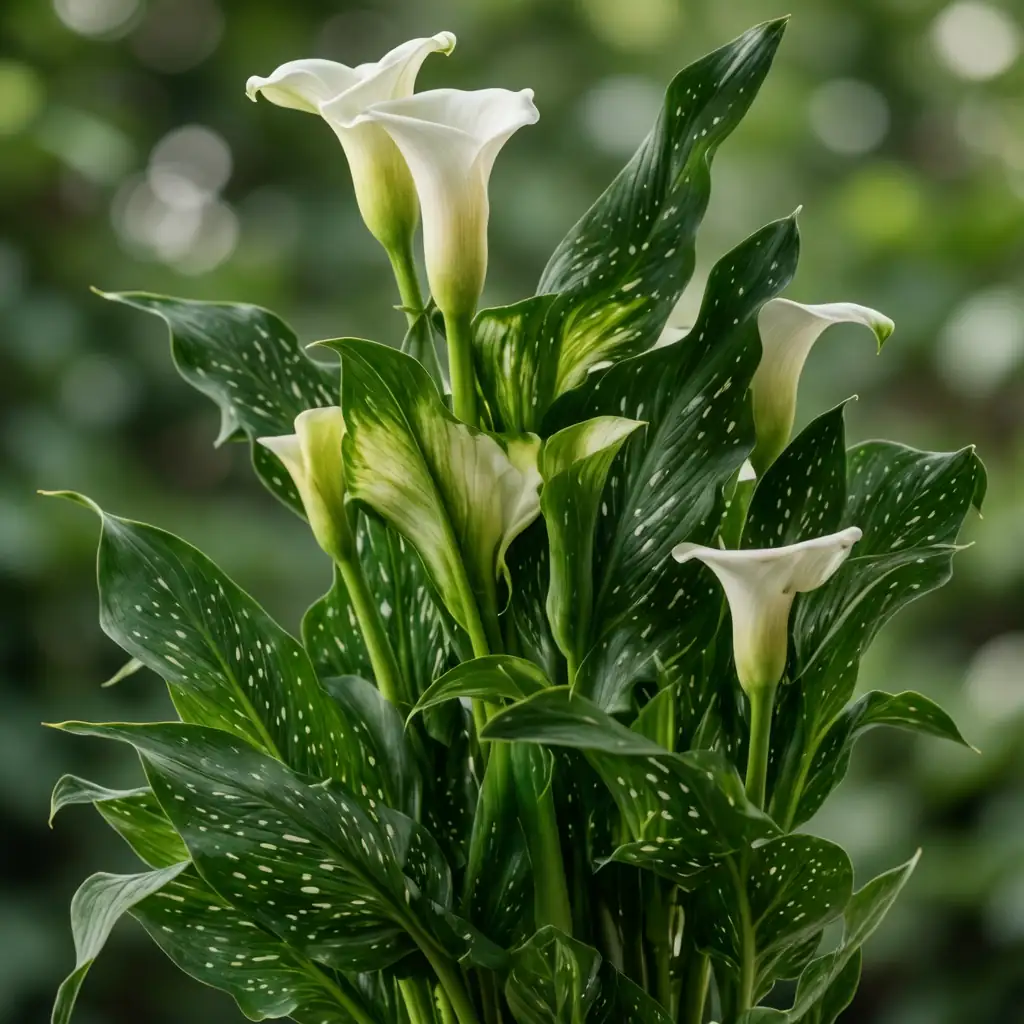
- Foliage: Glossy, rich green, arrow-shaped leaves; depending on cultivar they may be solid green or attractively speckled. Leaves commonly yellow and die back in autumn or after flowering as dormancy begins. In dry indoor air, the plant appreciates a bit more humidity—mist the leaves if needed, but avoid wetting the blooms.
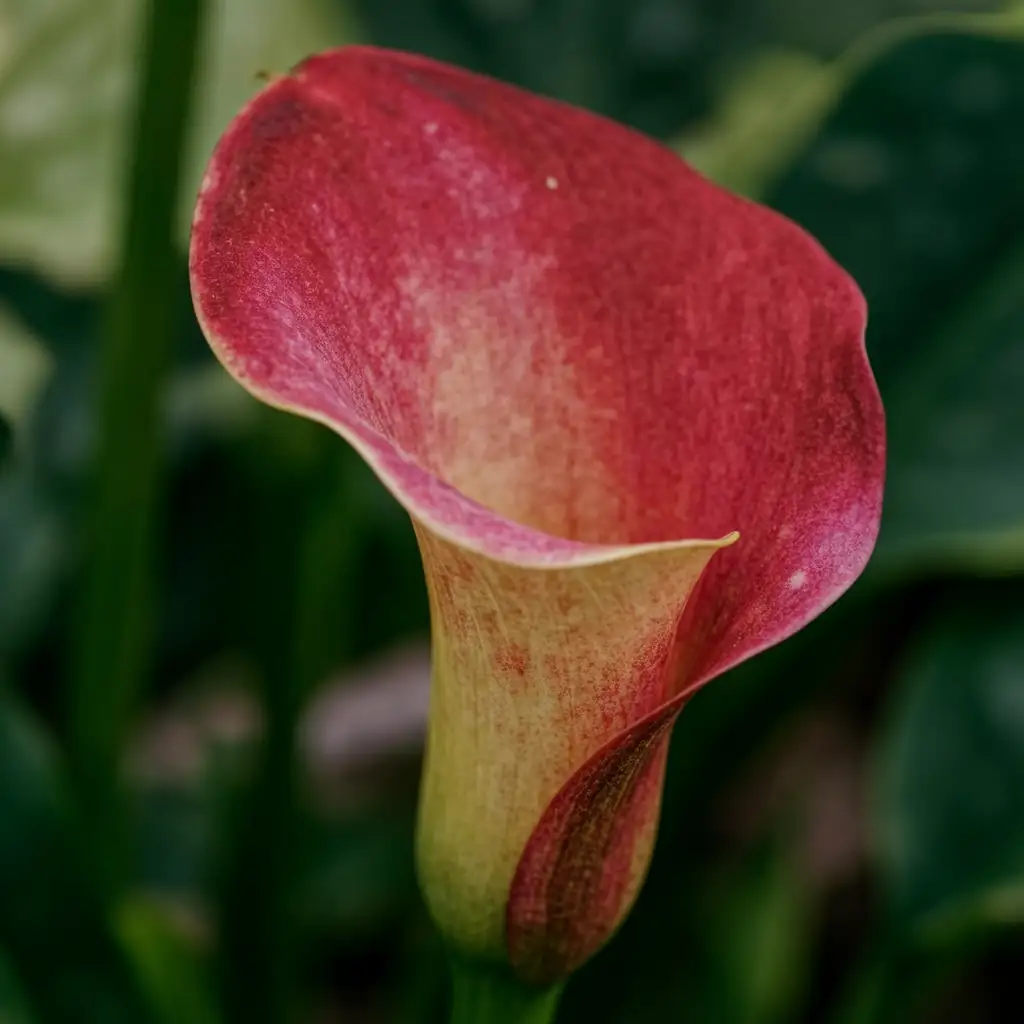
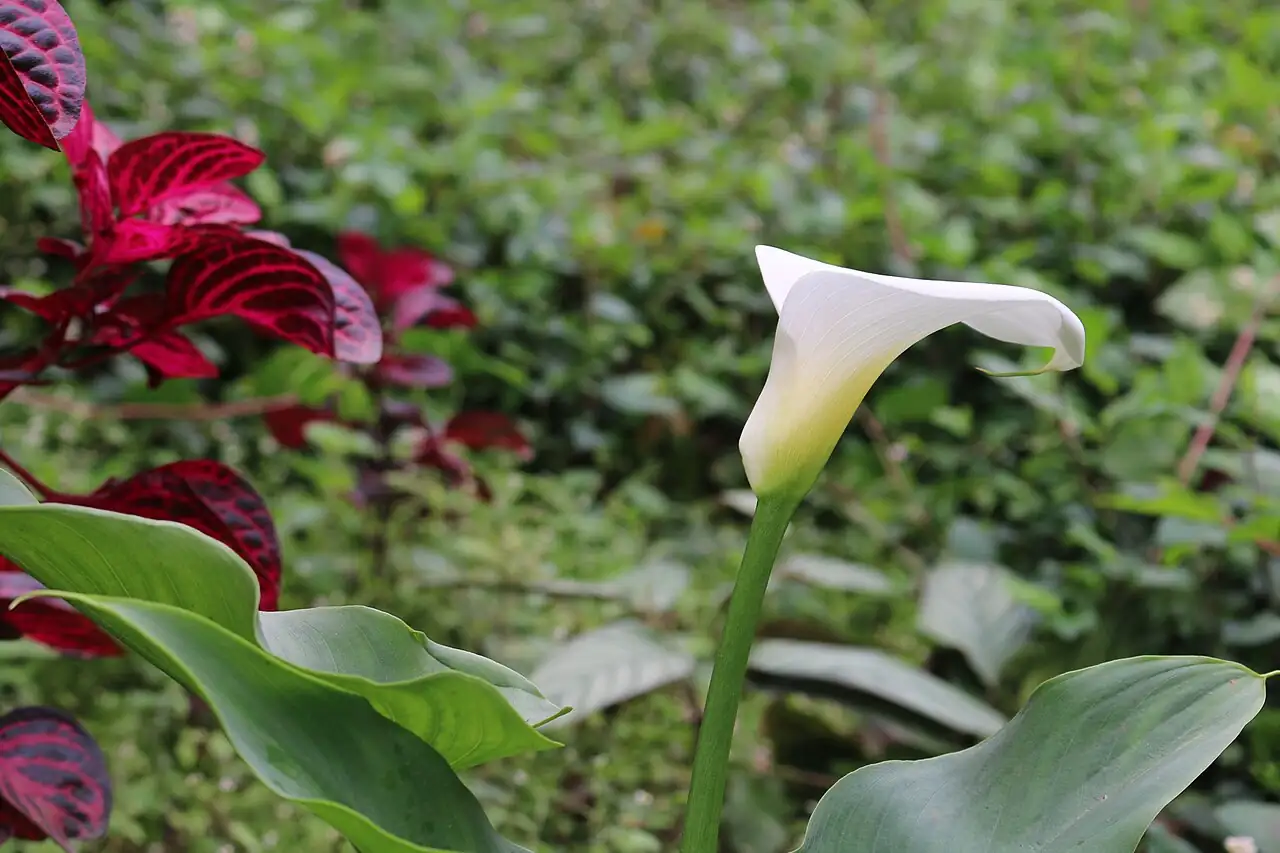
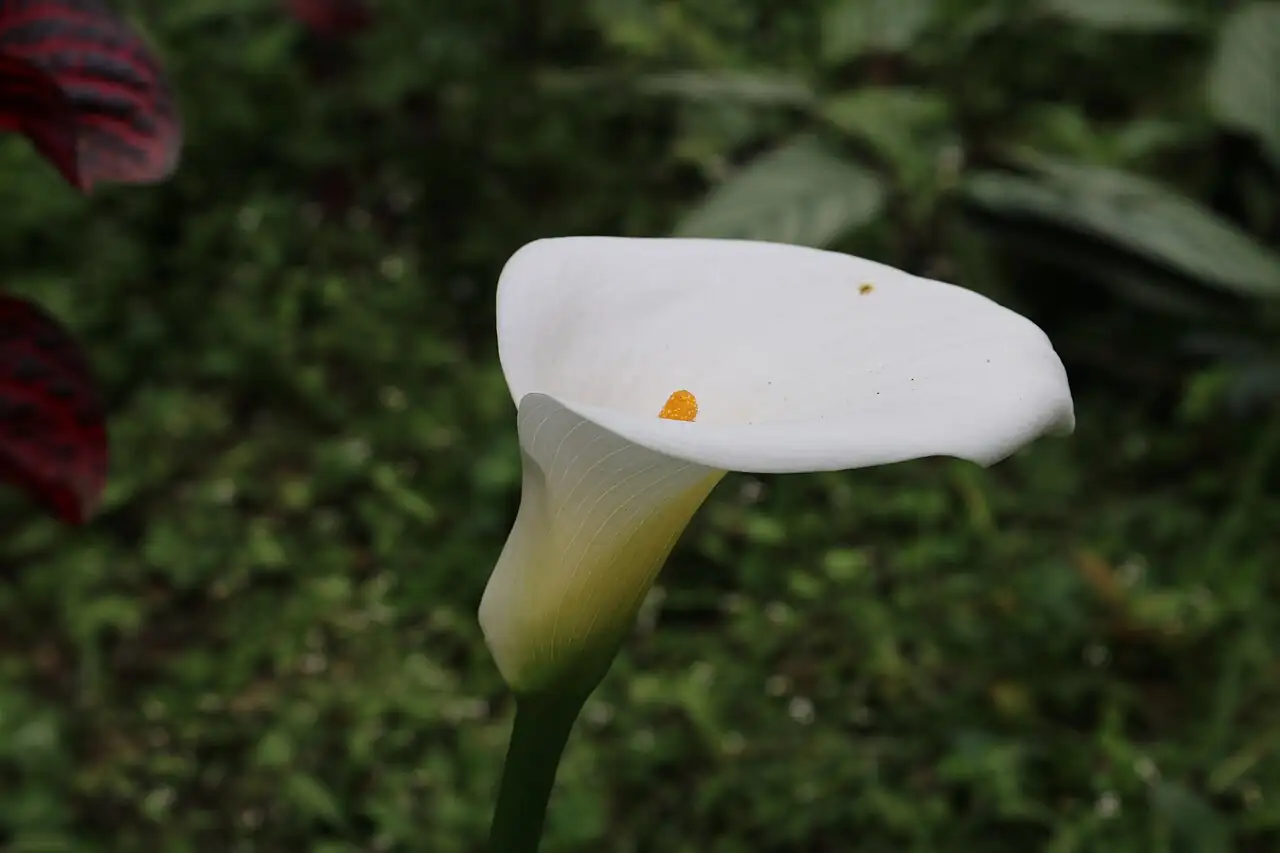
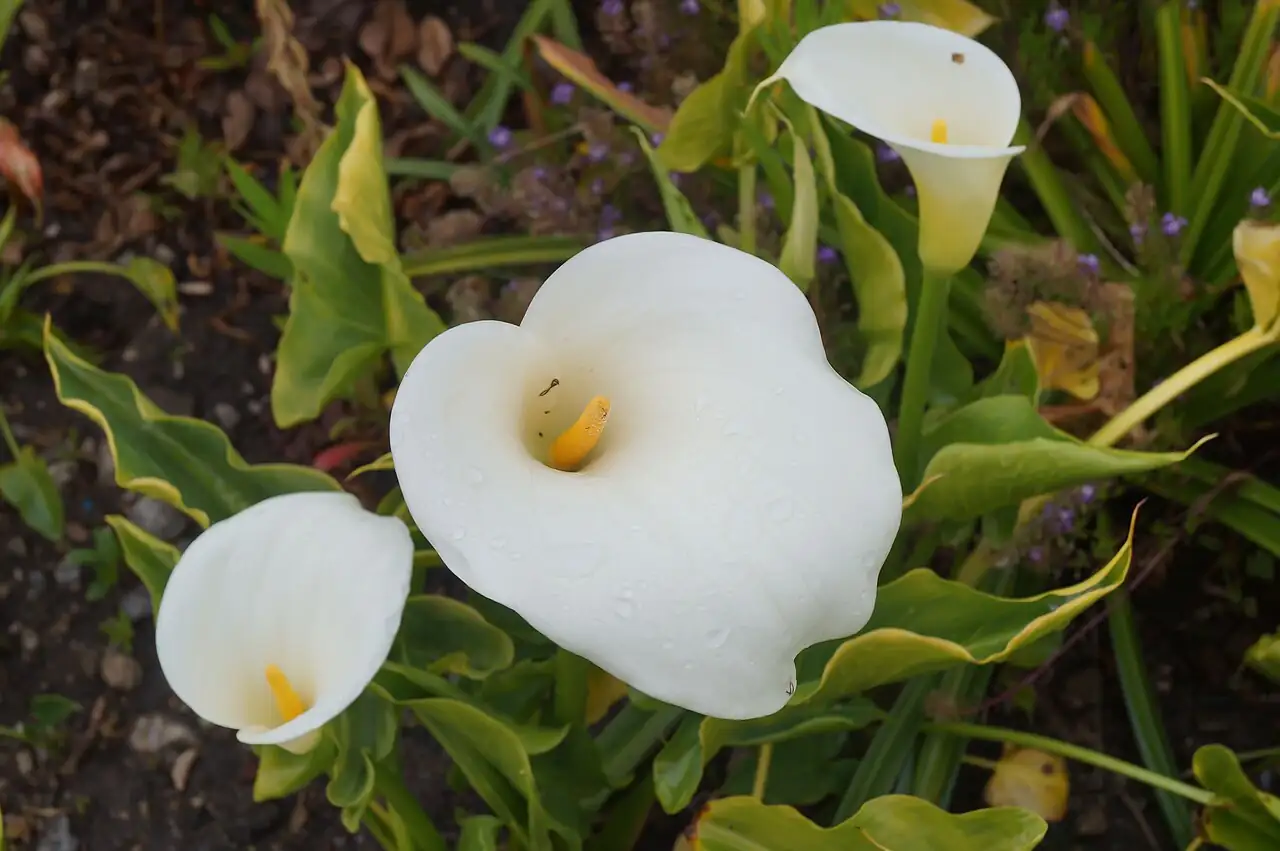
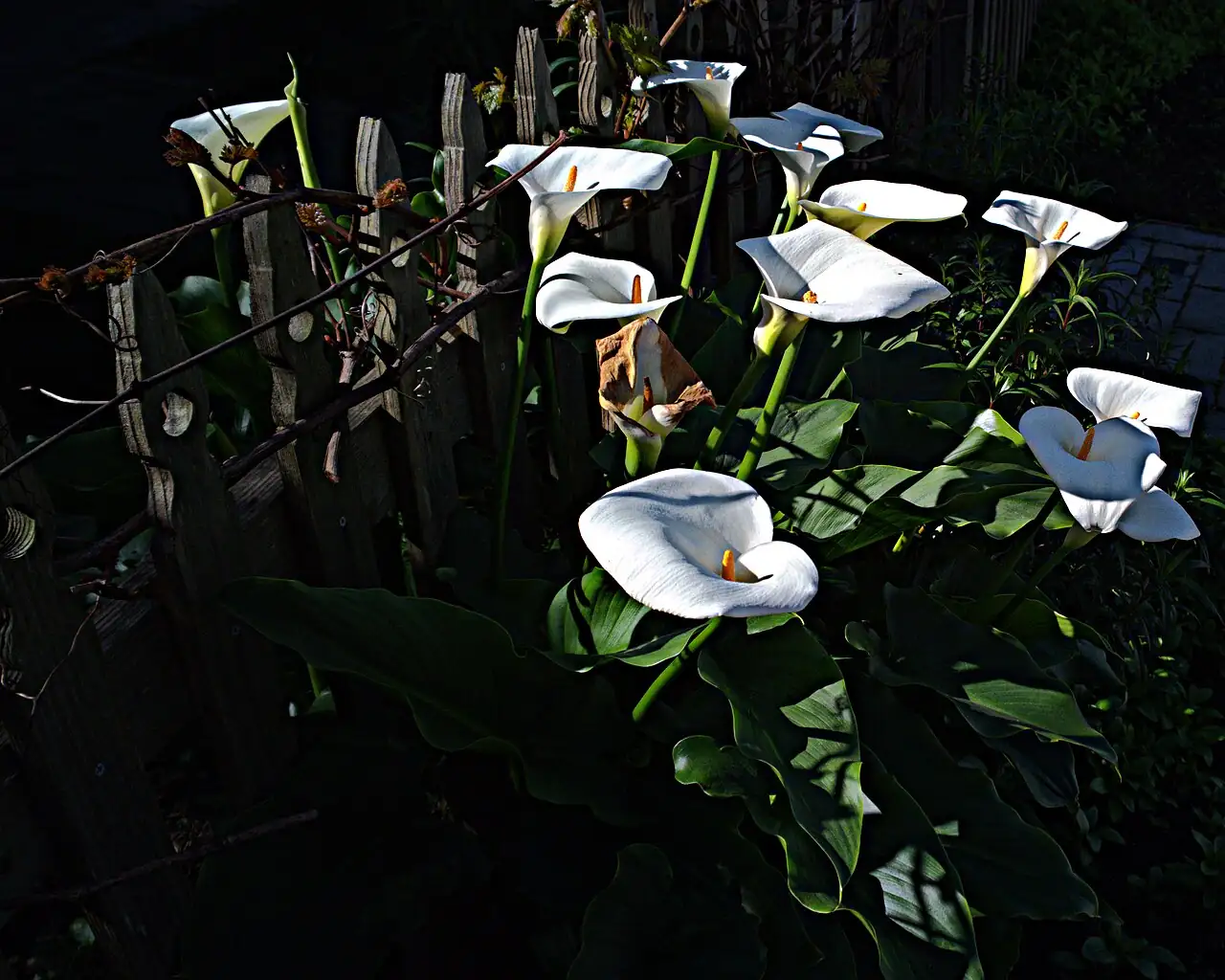
- Flower: A dramatic spathe (white in the classic form, but also yellow, pink, purple, deep red, and even near-black in many hybrids) surrounds a central spadix packed with tiny true flowers—creating the iconic “calla” silhouette. For cut flowers, stems last best when the spathe is nearly fully unfurled, clean and unbruised, with an intact, tidy spadix.
- Flowering Season: Spring to autumn (often late spring through midsummer indoors or in containers, depending on cultivar and conditions).
- Growth Habit: Clump-forming perennial grown from a thick rhizome (often sold like a bulb). It enjoys bright light and steady moisture while actively growing, then typically rests with reduced growth and dieback. It dislikes frost, prolonged drought, and sitting wet during dormancy.
Environment
Sunlight
Partial sun to bright, filtered light. Indoors, an east- or south-facing window with a sheer curtain is ideal. In hot climates, protect from harsh midday sun; outdoors, morning sun and afternoon shade often give the best results.
Temperature
Best growth and flowering is commonly around 10–20°C (50–68°F), though it can also grow well in a slightly warmer range of about 15–25°C (59–77°F). Protect from frost; prolonged heat (around/above 25°C / 77°F) or cold (around/below 5°C / 41°F) can push it toward dormancy and reduce performance.
Humidity
Moderate humidity suits it fine, especially with good airflow. During active growth, slightly higher humidity can help—mist leaves when air is very dry (avoid spraying flowers).
Soil
Fertile, humus-rich, moisture-retentive but well-drained mix (for example: loam + peat/coir + sand/perlite, with a little well-rotted compost/manure). Keep evenly moist in the growing season, but allow it to become much drier during winter rest to prevent rhizome rot.
Placement
Bright, airy spot with filtered light—such as a bright windowsill, sunroom, or sheltered balcony. Outdoors, a protected position with morning sun/afternoon shade is ideal. Keep away from heaters, hot drafts, and air-conditioning vents; good ventilation helps prevent pests and rot.
Hardiness
Tender and not reliably frost-hardy. Often grown outdoors year-round only in mild areas (roughly USDA Zone 8–10); in colder regions, overwinter dry/cool and frost-free or treat as a seasonal container plant.
Care Guide
Difficulty
Easy to moderate. It’s quite straightforward if you follow its rhythm: consistently moist while growing, then noticeably drier during dormancy. It’s most often tripped up by cold damage, drought during active growth, or overly wet soil during rest.
Buying Guide
For potted plants, choose specimens with upright, fresh green leaves and clean, well-shaped spathes. For cut stems, look for spathes that are nearly fully open with no tears or bruising and a clean, intact spadix for better vase life. When buying dormant rhizomes, select firm, plump, clean pieces with no soft spots, mold, pests, or rot; larger rhizomes (about 14–16 cm / 5.5–6.3 in in circumference) generally flower more reliably. After bringing plants home, place them in bright light with airflow, keep the mix evenly moist during growth, mist leaves only if the air is dry, and keep blooms dry to reduce petal/spathe rot.
Watering
During active growth and flowering, water generously and keep the potting mix consistently moist—but not waterlogged. Once flowering ends and the plant starts to yellow and rest, gradually reduce watering, then keep the mix almost dry through dormancy. Too much moisture during rest/storage is a common cause of rhizome rot.
Fertilization
Feed every 2 weeks with a balanced liquid fertilizer during active growth—from spring until blooming is underway or until blooms fade (practice varies). A safe approach: feed regularly while the plant is actively producing leaves and buds, then stop once flowering is in full swing and/or as the plant begins to wind down. Avoid letting fertilizer solution sit in leaf bases, which can encourage rot.
Pruning
Remove spent flower stems to keep the plant tidy. After flowering, allow foliage to naturally yellow and die back, then remove collapsing leaves. This helps the rhizome store energy for next season.
Propagation
Most commonly by division of offsets from the rhizome. Divide after flowering as the plant transitions (often late spring to early summer) or when repotting (commonly late winter to early spring, depending on how you overwinter it). Pot divisions separately; under good conditions some divisions can flower relatively quickly. Seed is possible but slow: best germination around 21–27°C (70–81°F), often sprouting in about 15–20 days, with flowering typically taking 3–4 years.
Repotting
Often repotted during the resting season (winter) or just before active growth resumes (late winter). Use a fertile but free-draining mix and a pot that’s wider than it is deep. Many growers plant the rhizome with the growth points (“eyes”) facing up and leave the top slightly exposed to reduce rot risk. For small container displays, some people use a 12–15 cm (4.7–5.9 in) pot and plant 3–5 rhizomes for fullness, adjusting pot size upward as needed for drainage and spacing.
📅 Seasonal Care Calendar
Spring to late summer (active growth): keep evenly moist, provide bright filtered light, and feed every 2 weeks. Flowering: keep moisture steady; avoid wetting the spathes to prevent spotting/rot; feeding is usually reduced or stopped once flowering is established. Autumn: foliage often yellows and dies back naturally. Winter (dormancy): keep almost dry, cool, and frost-free; repot or refresh mix during this period. Late winter: replant/position rhizomes with “eyes” up, top slightly exposed, then move back into brighter light and gradually resume watering as growth starts.
Pests, Diseases & Safety
Common Pests & Diseases
Common indoor pests include aphids, spider mites, thrips, and mealybugs—improve airflow, rinse foliage, and use insecticidal soap or horticultural oil as needed (per label). The biggest cultural problem is rhizome/root rot from poor drainage or overly wet soil during dormancy; a well-drained mix and a drier winter rest are the best prevention. When storing or inspecting dormant rhizomes, discard any that are soft, smelly, or visibly rotting.
Toxicity
Toxic if chewed or eaten. All parts contain insoluble calcium oxalate crystals and can cause mouth/throat irritation, drooling, and digestive upset in people and pets (especially cats and dogs). Keep out of reach; wear gloves if you have sensitive skin.
Culture & Symbolism
Symbolism: Calla lilies are strongly associated with weddings and elegant formal bouquets. White calla lilies in particular are often linked with purity and sympathy, so they’re also common in memorial arrangements. In some gifting traditions, people prefer giving an even number of stems and may avoid giving a single stem.
Uses: A classic ornamental for gardens (especially in mild climates) and containers, and a premium cut flower prized for its clean lines and long vase life—especially in wedding and event design. Compact, colorful cultivars are often the easiest choice for indoor or patio growing.
FAQ
What light is best for a calla lily indoors?
Aim for bright, filtered light—an east window or a south window with a sheer curtain is ideal. Too little light reduces flowering, while harsh midday sun (especially in hot climates) can scorch.
How often should I water it?
Keep the mix consistently moist during active growth and flowering, but never waterlog it. When the plant finishes blooming and starts to die back, reduce watering gradually and keep it almost dry through dormancy to prevent rhizome rot.
Why did my calla lily suddenly stop growing or die back?
Dieback is often normal dormancy, especially after flowering or in autumn. It can also be triggered by stress—prolonged heat (around/above 25°C / 77°F), cold (around/below 5°C / 41°F), drought during growth, or soggy soil during rest.
Is calla lily safe around pets?
No—calla lily is toxic if chewed or ingested. Keep it out of reach of cats and dogs and contact a vet if ingestion is suspected.
How do I plant the rhizome?
Plant in late winter to early spring in a fertile, well-drained mix, with the growth points (“eyes”) facing upward. Many growers leave the top of the rhizome slightly exposed to reduce rot risk, and use a wider pot for better drainage.
Fun Facts
- The “petal” you admire is actually a spathe (a modified leaf); the true flowers are the tiny ones packed on the spadix.
- Many colorful shop-sold callas are hybrids that naturally go fully dormant after flowering—resting is normal and helps them rebloom.
- Seeds may sprout in about 15–20 days at 21–27°C (70–81°F), but plants usually take 3–4 years to flower from seed.
- Dividing offsets can be a faster route to blooms than seed—sometimes flowering again within a season under good conditions.