

Plant Features
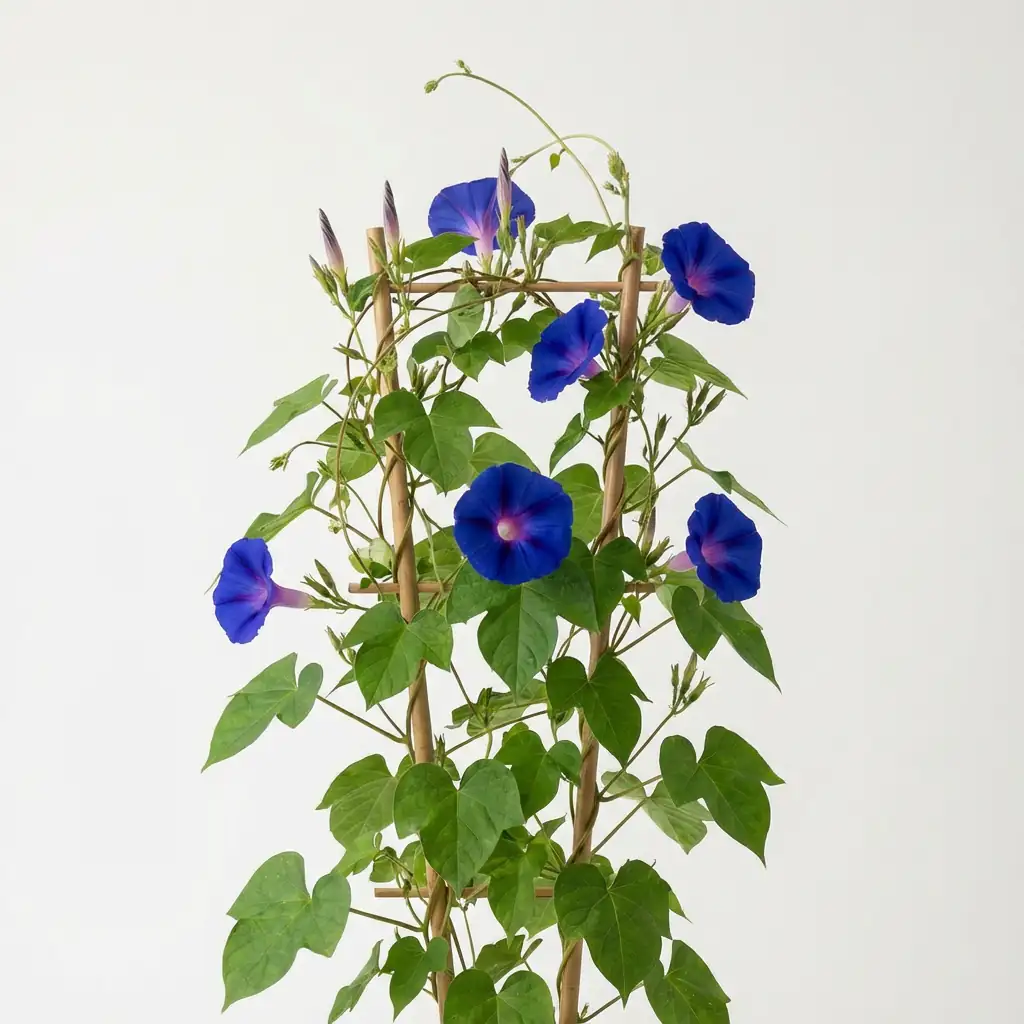
- Size: Vines typically reach 1.8–4.6 m (6–15 ft) in a single season, and can go longer with strong support.
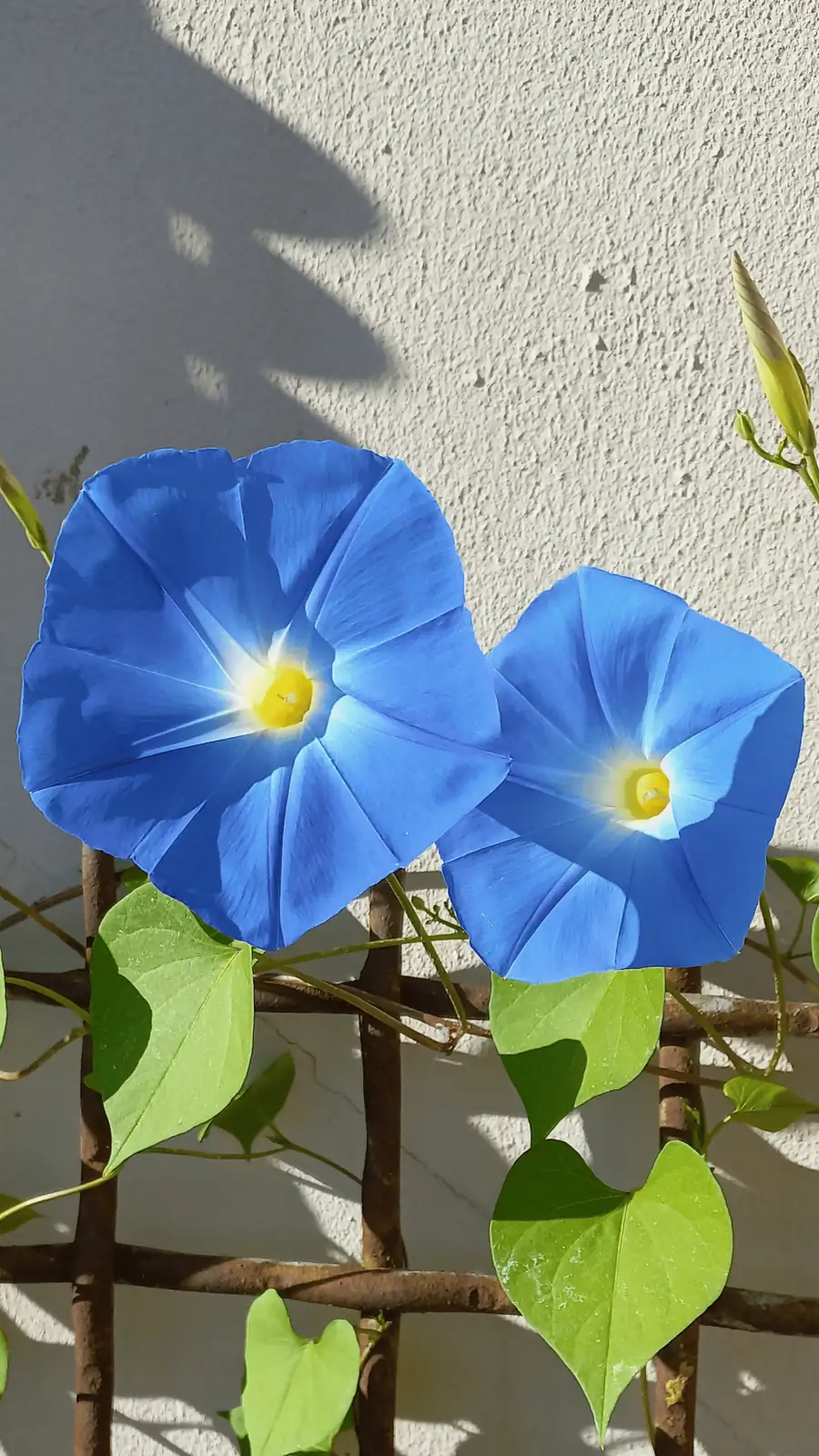
- Foliage: Leaves are usually heart-shaped and medium to dark green, often slightly hairy. Typical leaf size is about 5–15 cm (2–6 in) across, creating a dense, leafy screen as the vine climbs.
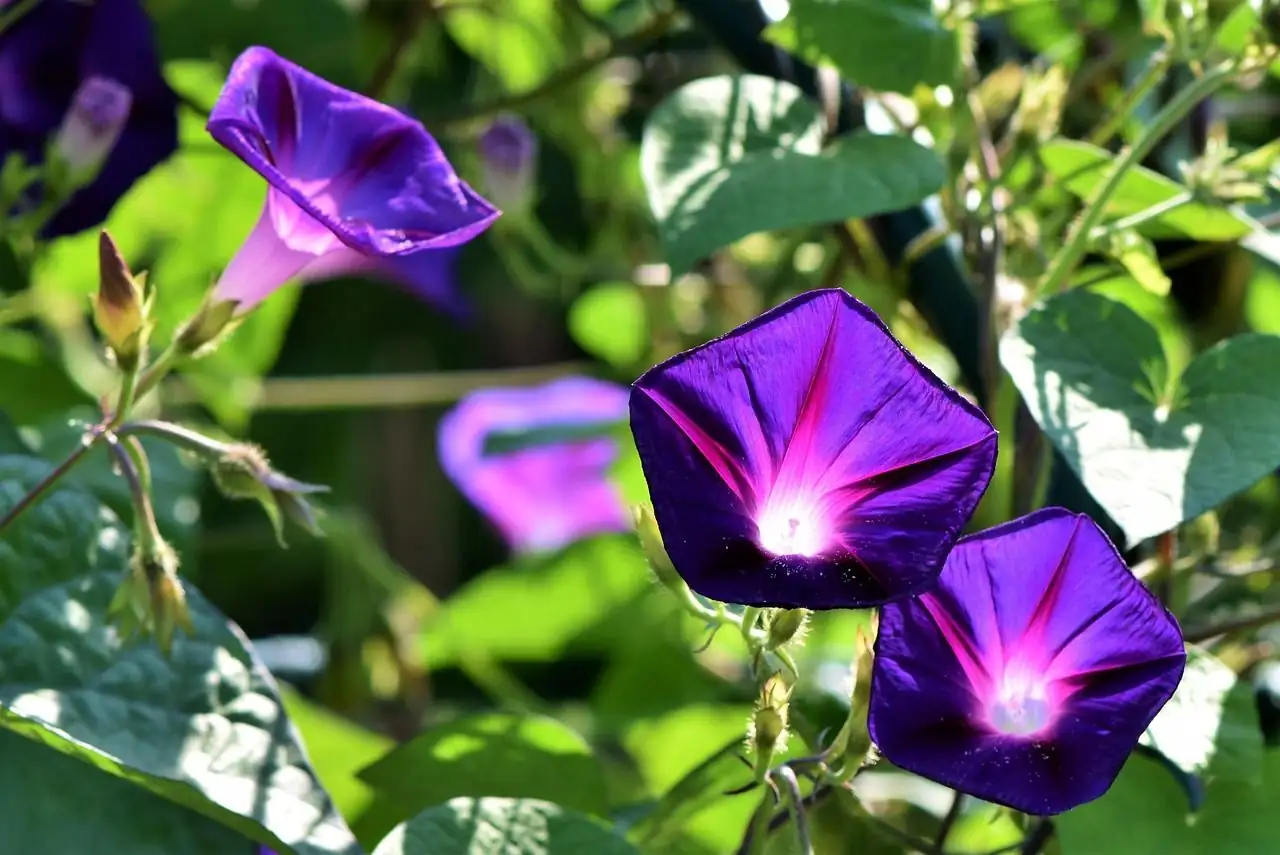
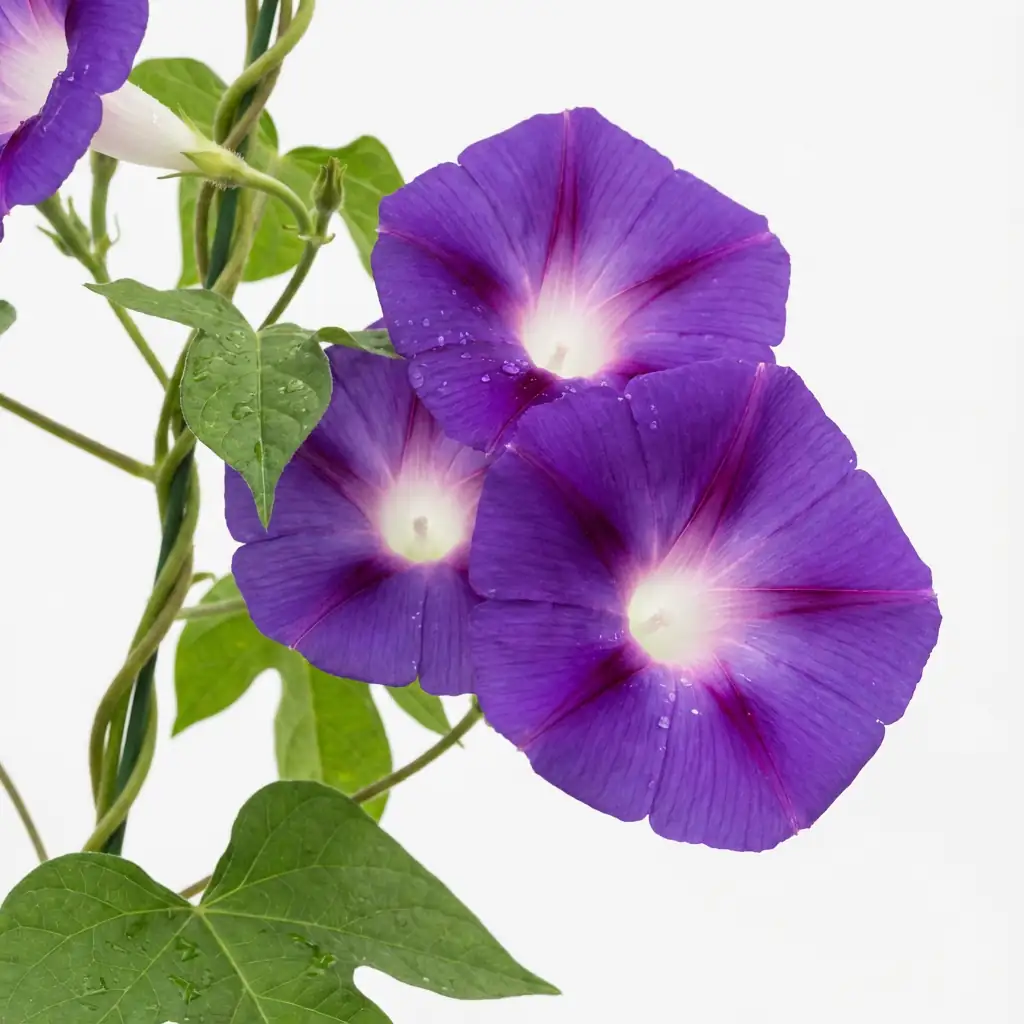
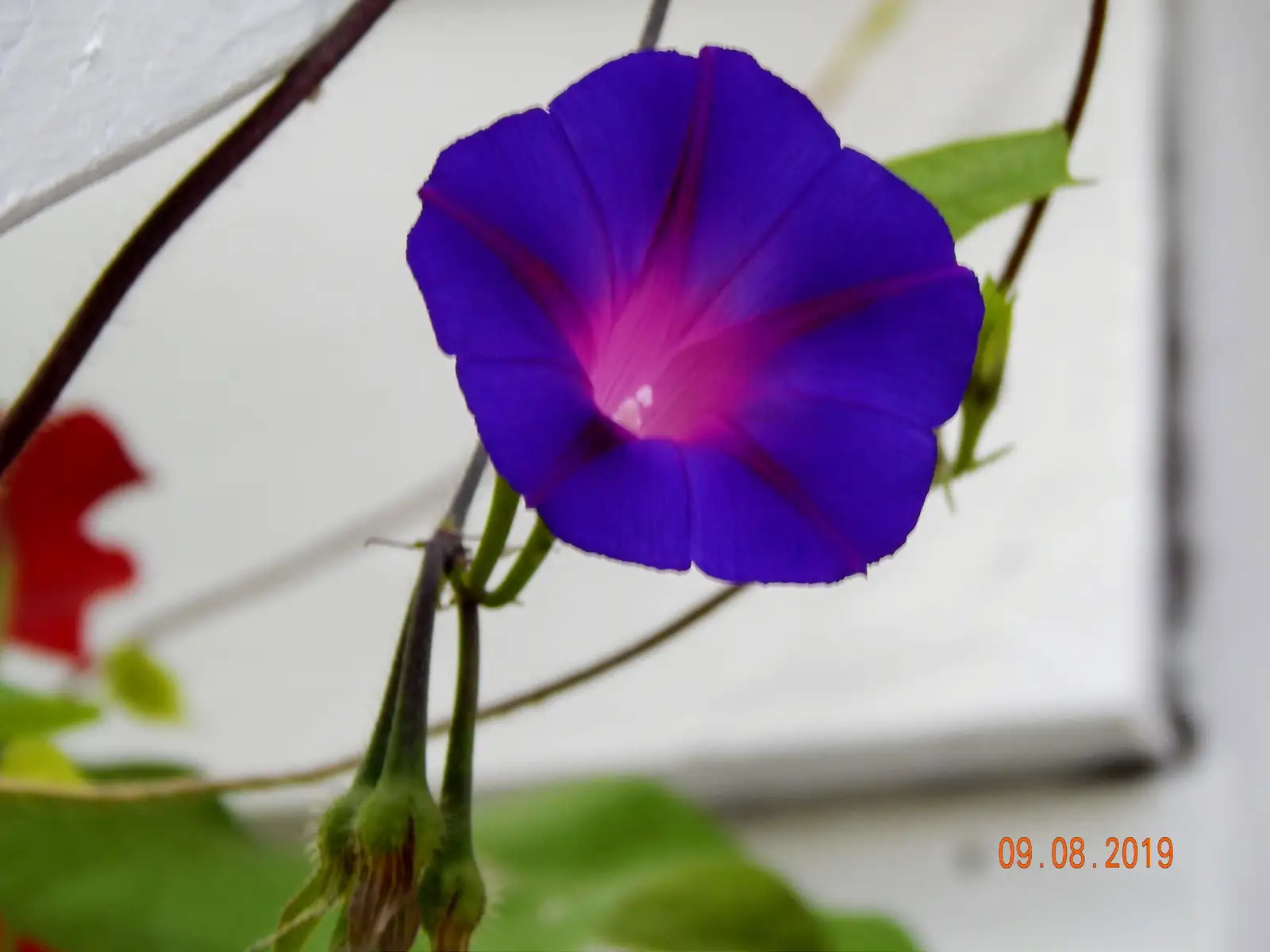
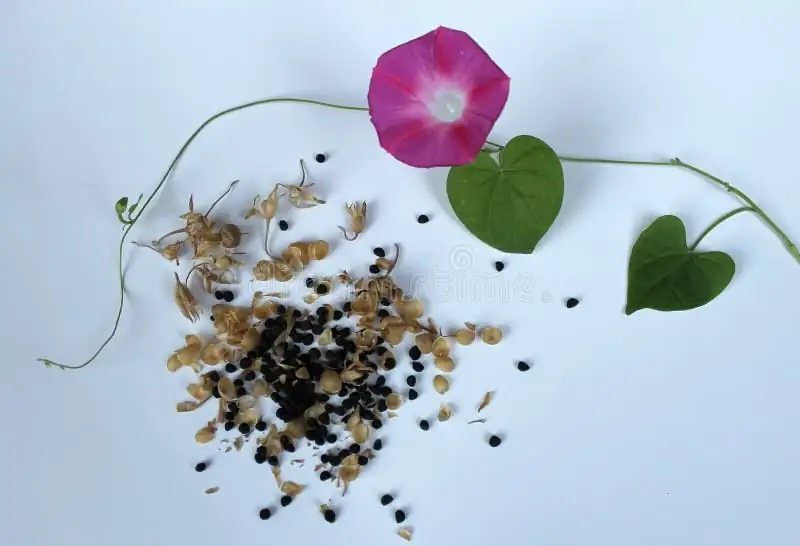
- Flower: Flowers are trumpet/funnel-shaped and showy, roughly 5–13 cm (2–5 in) across. Colors commonly include purple, blue, pink, red, magenta, and white, often accented by a lighter or white throat. Individual blooms are short-lived (often just one day), but plants can produce new flowers continuously in season.
- Flowering Season: Early summer to first frost (commonly June to October).
- Growth Habit: A twining, climbing vine that wraps its stems around supports; can also sprawl as a groundcover if left unsupported.
Environment
Sunlight
Full sun is best—aim for 6–8 hours of direct light daily for strong growth and good flowering. In very hot climates, a little afternoon shade can help blooms last longer.
Temperature
Warm-season grower; performs best around 18–29°C (65–85°F). Sensitive to frost and typically grown after the last frost date.
Humidity
Adaptable to average humidity levels; no special humidity needs as long as air circulation is reasonable.
Soil
Well-draining soil is key. Prefers moderately fertile ground with a neutral to slightly acidic pH around 6.0–6.8. Avoid overly rich, nitrogen-heavy soil, which can push leafy growth at the expense of flowers.
Placement
Ideal for fences, trellises, pergolas, arches, balcony railings, and quick seasonal screening; can also be used as a temporary groundcover.
Hardiness
Commonly grown as an annual in USDA Zones 2–11; can behave as a perennial in frost-free or near frost-free areas (often Zones 9–11) depending on species and local conditions.
Care Guide
Difficulty
Easy and beginner-friendly; grows quickly with basic sun, support, and consistent watering.
Buying Guide
Pick plants with fresh green leaves and no visible pests, spotting, or wilting. If buying seeds, choose plump, intact seeds without cracks or mold.
Watering
Water regularly, especially while establishing. A good rule is about 2.5 cm (1 in) of water per week from rain and/or irrigation. Keep soil evenly moist but never soggy. Once established, plants handle short dry spells better. Mulching around the base helps keep roots cool and reduces drying.
Fertilization
Feed lightly. Use a low-nitrogen or balanced fertilizer about every 4–5 weeks during active growth. If you’re getting lots of leaves but few flowers, switch to a higher-phosphorus bloom formula and avoid overfeeding.
Pruning
Usually minimal. Trim back wandering or overly long vines to keep growth tidy. Deadheading is optional, but removing spent flowers can reduce self-seeding and encourage a neater display.
Propagation
Mostly grown from seed. Direct sow outdoors after the last frost when soil is about 18°C (64°F). For quicker germination, nick/roughen the seed coat (scarify) and soak seeds overnight. Sow about 6 mm (1/4 in) deep and space roughly 15 cm (6 in) apart; germination often occurs in 7–14 days in warm soil.
Repotting
Typically unnecessary when grown as an annual. If container-growing, start in a roomy pot with a trellis from the beginning to avoid disturbing roots later.
📅 Seasonal Care Calendar
Spring: sow after last frost and provide a support immediately. Summer: water during dry spells and feed lightly; enjoy peak flowering. Fall: blooms often continue until frost; collect mature seeds before cold weather if you want volunteers next year.
Pests, Diseases & Safety
Common Pests & Diseases
Generally sturdy, but can occasionally attract aphids, spider mites, or leaf miners. Fungal issues like powdery mildew, rust, or fusarium wilt may appear in crowded, damp conditions. Improve airflow, avoid frequent overhead watering, and use a strong water spray or insecticidal soap for soft-bodied pests.
Toxicity
Seeds are poisonous if eaten, especially in quantity, and may cause nausea, vomiting, diarrhea, and potentially serious neurological effects. Keep seeds and seedpods away from children and pets; do not ingest.
Culture & Symbolism
Symbolism: Often associated with love and affection, renewal, and the idea of fleeting beauty—because each bloom is brief, yet the plant keeps offering new flowers day after day. In Victorian flower language it’s also linked with unrequited love.
History & Legends: Morning glories have a long cultural history: in Japan they’ve been cultivated for centuries (often called “asagao”) and are celebrated as a symbol of summer, with many ornamental varieties developed through careful breeding. In parts of Mesoamerica, certain morning glory seeds were used ceremonially for their psychoactive properties. In Chinese tradition, some related species have been used medicinally as a strong purgative (only under professional guidance).
Uses: Primarily an ornamental climber for quick seasonal coverage on trellises and fences, and for attracting pollinators like butterflies and hummingbirds. In some regions, certain morning glory species can self-seed heavily or behave invasively, so it’s wise to manage seed production if that’s a concern locally.
FAQ
Why do morning glories open in the morning and close later?
They’re tuned to light and temperature: the flowers open in the cooler morning hours and often close as heat and intense sun build, which helps reduce moisture loss and protects the delicate bloom.
Do morning glories come back every year?
In warm, frost-free climates they may persist longer (sometimes as perennials, depending on species). In most cooler areas they’re grown as annuals, but they can self-seed and return the next year if you let seeds mature.
How can I tell morning glory from bindweed?
Morning glories usually have larger, heart-shaped leaves and larger, showier flowers in many colors. Bindweed typically has smaller, arrow-shaped leaves and smaller flowers, often just white or pale pink, and it’s more aggressively weedy.
Are morning glory seeds hallucinogenic?
Some species contain compounds that can affect the nervous system, but ingesting seeds is dangerous and can cause poisoning. Treat the seeds as toxic and never consume them.
Fun Facts
- Morning glories are close relatives of sweet potatoes—both are in the genus Ipomoea.
- Each flower is short-lived (often a single day), but the plant can produce fresh blooms daily through the season.
- Some morning-glory relatives, like moonflower, open at night instead of in the morning.
- Blooms often stay open longer on cool or cloudy days.
- With sun and support, the vine can race upward 1.8–4.6 m (6–15 ft) in one growing season.


