

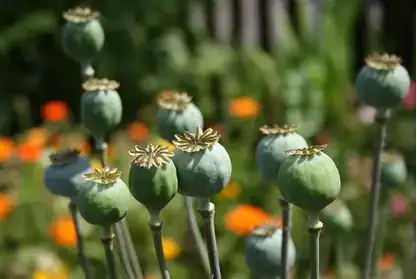
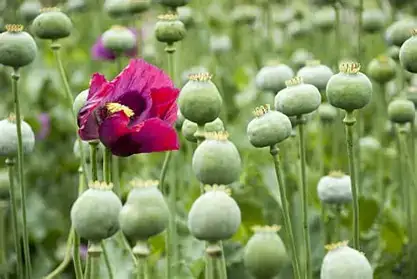
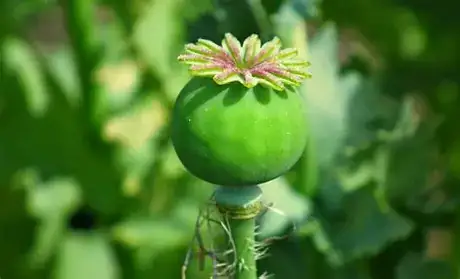
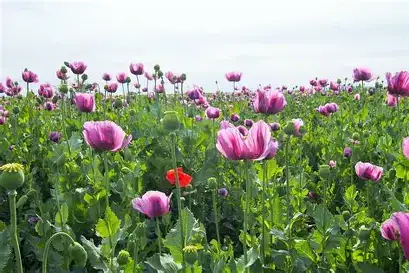
Plant Features
- Size: Typically 30–150 cm (12–59 in) tall, depending on variety and growing conditions
- Foliage: Leaves are glaucous blue-green to gray-green with a waxy bloom; they’re elongated to elliptic, often lobed, and tend to clasp the stem. Foliage may have fine hairs, especially when young.
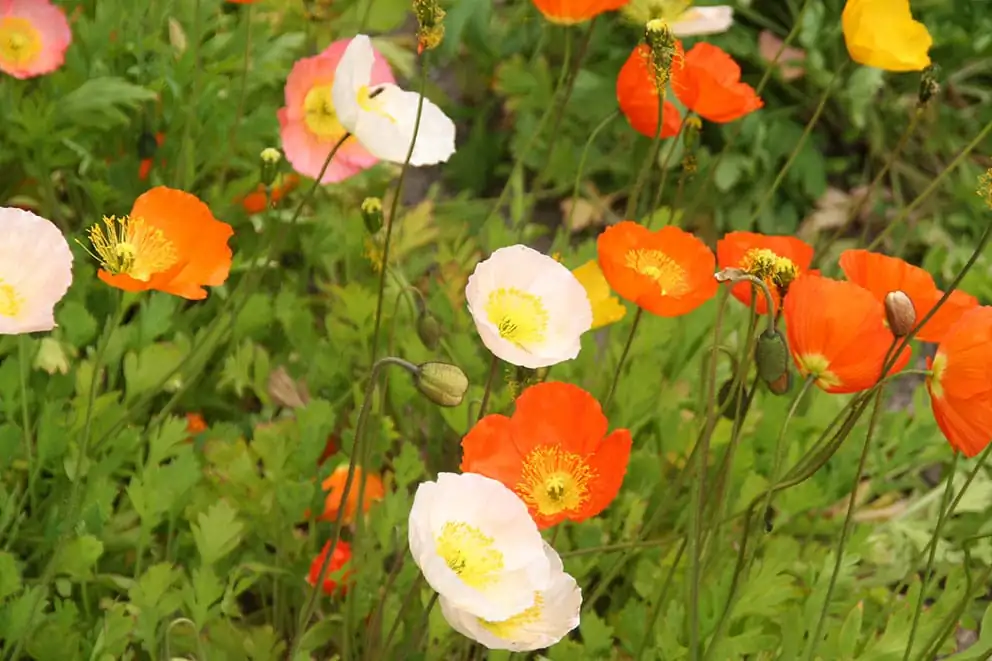
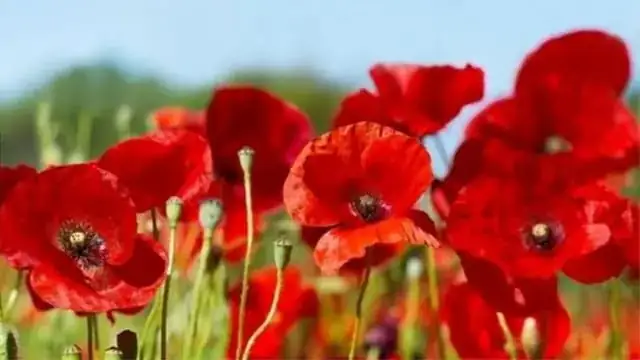
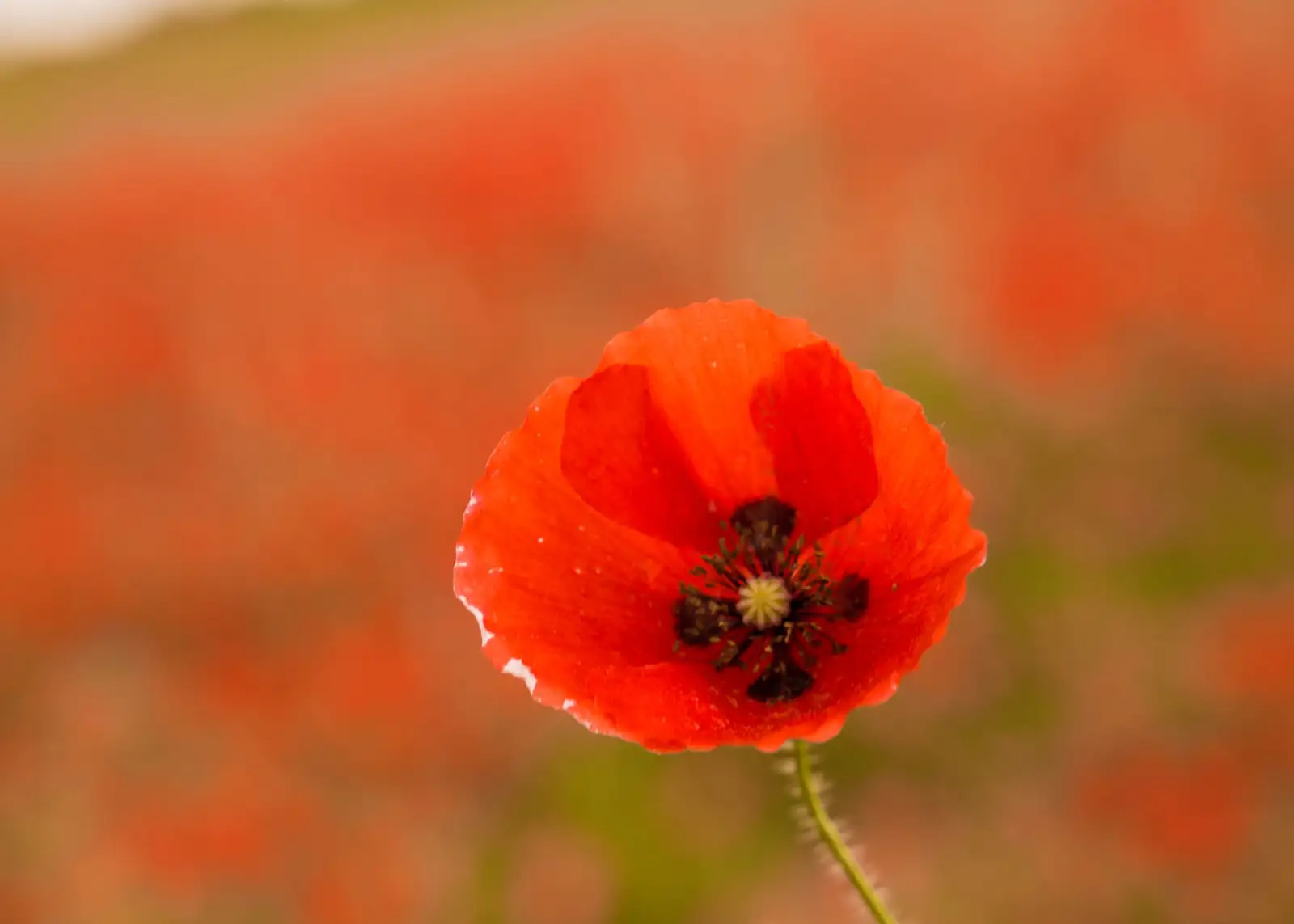
- Flower: Large solitary flowers with 4–6 delicate, crinkled petals that open from nodding buds. Colors range from red and purple to white and pink (and occasionally orange), with a prominent central disk and many stamens.
- Flowering Season: Late spring to early summer (typically May–July)
- Growth Habit: Upright herb, usually grown as an annual (sometimes biennial in mild climates), with single or branched stems and a noticeable taproot
Environment
Sunlight
Full sun for best flowering—aim for at least 6–8 hours of direct light per day
Temperature
Prefers cool conditions and often performs best when days stay around or below 15°C (59°F); struggles in prolonged heat. Tolerates light frosts once established.
Humidity
Does well in moderate humidity with good air circulation; once established it can handle fairly dry air and soil better than soggy conditions
Soil
Well-drained sandy loam to light garden soil with decent fertility; avoid waterlogged ground. pH about 6.0–7.5.
Placement
Best outdoors in sunny borders, meadows, cottage gardens, or cutting gardens; generally not an ideal indoor plant due to light needs and its taproot
Hardiness
Often listed as hardy in USDA Zones 3–8 (varies by strain and overwintering method); not suited to hot, humid summers without careful timing
Care Guide
Difficulty
Moderate: easy from seed in the right season, but fussy about heat, drainage, and transplanting. Important note: Papaver somniferum is legally restricted in many regions—always check local laws before growing.
Buying Guide
Buy seed from reputable suppliers and confirm legality in your area. If you want the “poppy look” without legal worries, consider commonly permitted alternatives such as Iceland poppy (Papaver nudicaule) or California poppy (Eschscholzia californica).
Watering
Keep soil lightly moist during germination and early seedling growth, then water more sparingly. Let the soil dry somewhat between waterings; overwatering commonly leads to root problems (especially with its taproot).
Fertilization
Light feeder. In average garden soil, annual forms often need little to no extra fertilizer. If growth is weak, use a balanced, mild/slow-release feed in early spring—avoid heavy nitrogen that produces lush leaves at the expense of blooms.
Pruning
Deadhead to extend flowering, or leave some blooms to form pods if you want seed saving and self-sowing. After flowering finishes, allow foliage to die back naturally or tidy it away once it yellows.
Propagation
Seed-grown. Direct sow in fall or very early spring while the soil is cool. Seeds need light to germinate—press onto the surface rather than burying deeply. Germination usually takes about 10–30 days at roughly 13–15°C (55–59°F).
Repotting
Usually not recommended—poppies develop a taproot and dislike transplanting. Direct sow where you want them to flower.
📅 Seasonal Care Calendar
Spring: direct sow early; thin seedlings to about 15–30 cm (6–12 in) apart. Summer: enjoy blooms; deadhead or let pods mature; water only during extended drought. Fall: sow for earlier spring flowering in suitable climates; collect dry pods for seed. Winter: plants may overwinter as small rosettes in mild regions; protect with a light mulch where winters are harsh.
Pests, Diseases & Safety
Common Pests & Diseases
Can attract aphids and thrips. Common issues include downy mildew and bacterial blight in damp, crowded conditions, and root rot if soil stays wet. Improve airflow, avoid overwatering, and use insecticidal soap or beneficial insects for aphids as needed.
Toxicity
High caution: the plant contains potent alkaloids (notably in the latex of unripe pods). Ingestion of plant parts (other than mature culinary seeds) can be dangerous to people and pets, potentially causing severe poisoning. Keep away from children and animals, and handle responsibly.
Culture & Symbolism
Symbolism: Often linked with sleep and peace (from its sedative history), as well as beauty and consolation. Red poppies are especially famous as symbols of remembrance for fallen soldiers, inspired by World War I and the poem “In Flanders Fields.”
History & Legends: Cultivated since ancient times (often cited back to around 5000 BCE in parts of Mesopotamia). Egyptians, Greeks, and Romans used poppies medicinally and in rituals; in Greek myth they’re associated with Demeter and Hypnos. In modern culture, the remembrance poppy tradition grew after WWI when poppies flourished on disturbed soils in Flanders.
Uses: Ornamental for bold blooms and dramatic seed pods; culinary use of mature poppy seeds in baking and as a source of poppyseed oil; medicinal importance as the source of pharmaceutical alkaloids (e.g., morphine, codeine, thebaine). Also historically used for industrial seed oil (paints/varnishes/soaps). Note: production of opium is illegal/strictly controlled in most places.
FAQ
Is it legal to grow opium poppy?
Legality varies widely by country (and sometimes by region). In some places, growing Papaver somniferum may be restricted or illegal without permits—even as an ornamental. Always check local regulations before buying seed or planting.
Are poppy seeds safe to eat?
Yes—mature poppy seeds sold for food are widely used and considered safe as a culinary ingredient. However, very large amounts or unwashed seeds can sometimes contain trace residues that may affect drug tests.
How do I collect poppy seeds?
Let pods dry on the plant until they turn tan-brown and you can hear seeds rattle. Cut the pod and shake seeds out (many pods have natural openings near the top). Store seeds cool and dry.
Why did my poppies make leaves but few flowers?
The usual culprits are too much shade (they need strong sun), warm weather arriving too early (they prefer cool-season growth), overcrowding, or excess nitrogen fertilizer that encourages leafy growth over blooms.
Fun Facts
- One seed pod can hold up to about 2,000 tiny seeds.
- The Latin epithet “somniferum” means “sleep-bringing.”
- Poppies became a remembrance symbol in part because they sprang up quickly on disturbed WWI battlefields.
- The “poppy field” scene in The Wizard of Oz nods to the plant’s long association with sleepiness and sedation.
- The Czech Republic is widely known as a major producer of culinary poppy seeds.


