Plant Features
- Size: Highly variable by species and cultivar: dwarf irises about 10–20 cm (4–8 in); standard bearded irises about 60–90 cm (2–3 ft); tall types can reach around 120 cm (4 ft).
- Foliage: Long, narrow, sword-shaped leaves held in fan-like clumps. Typically fresh green, with some varieties showing subtle bronze tones or variegation. Foliage generally stays attractive through the growing season when kept healthy and well-spaced.
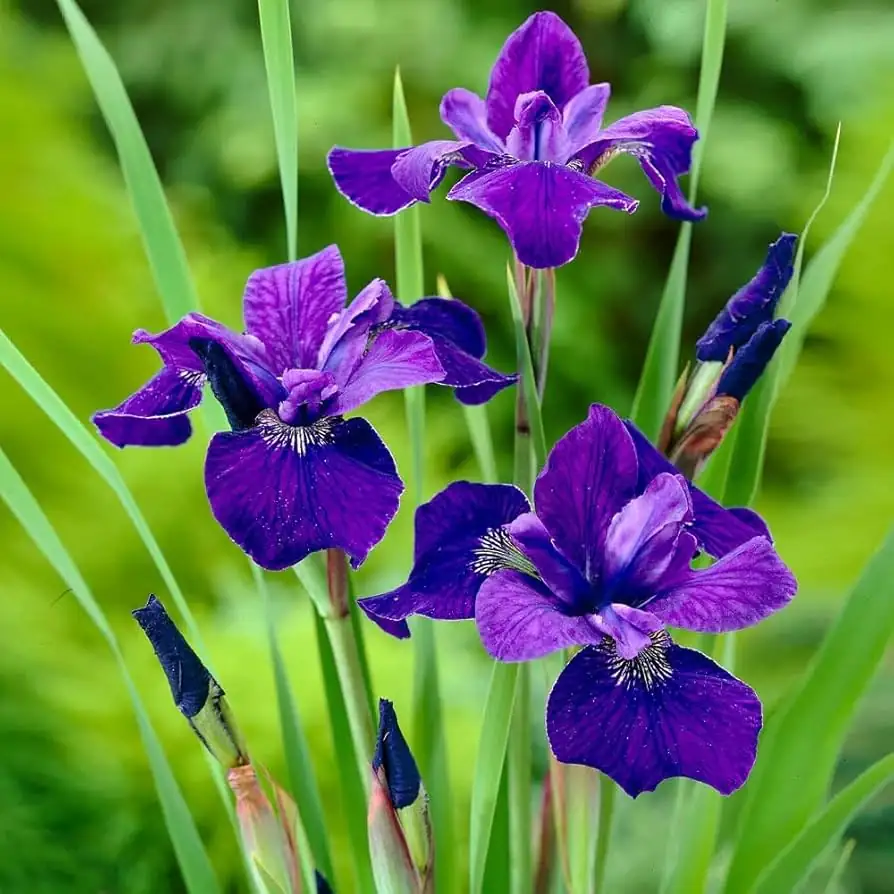
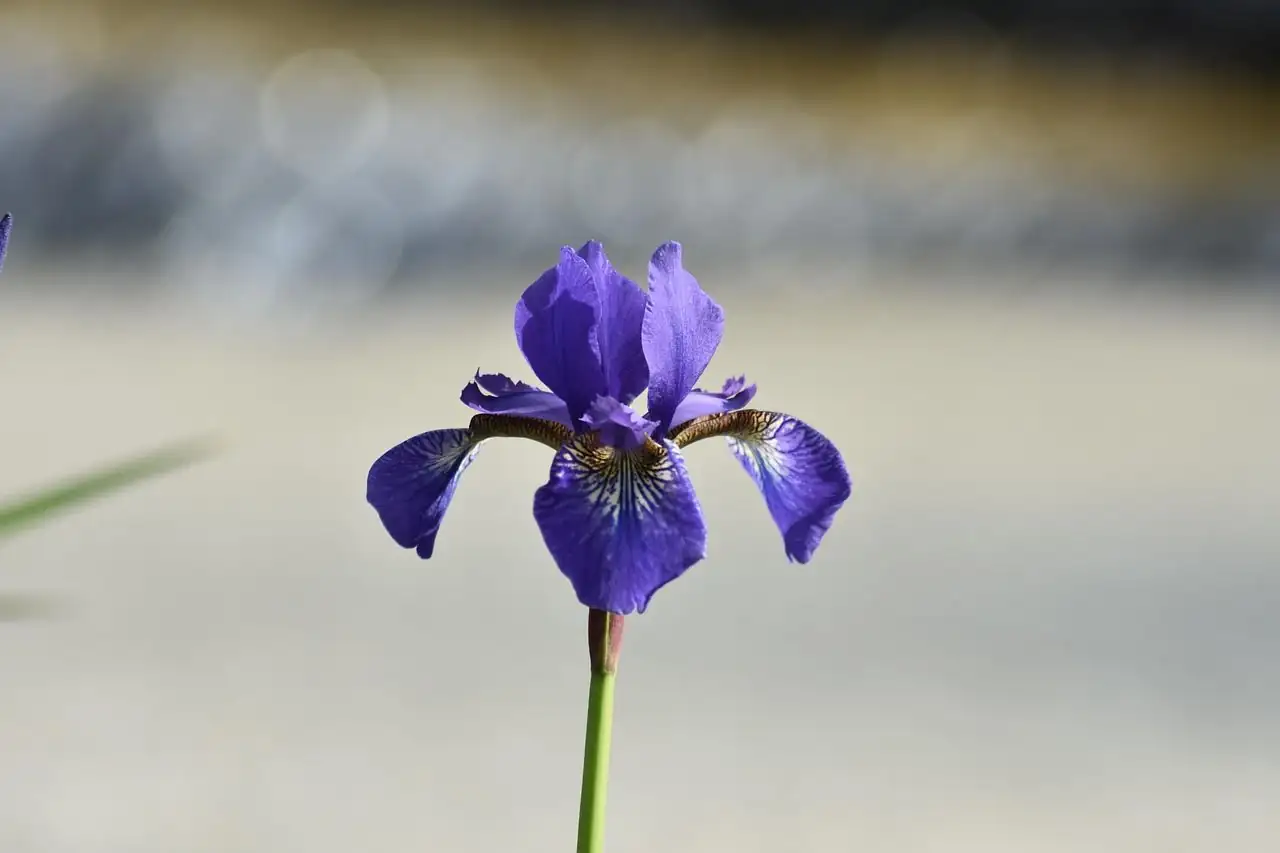
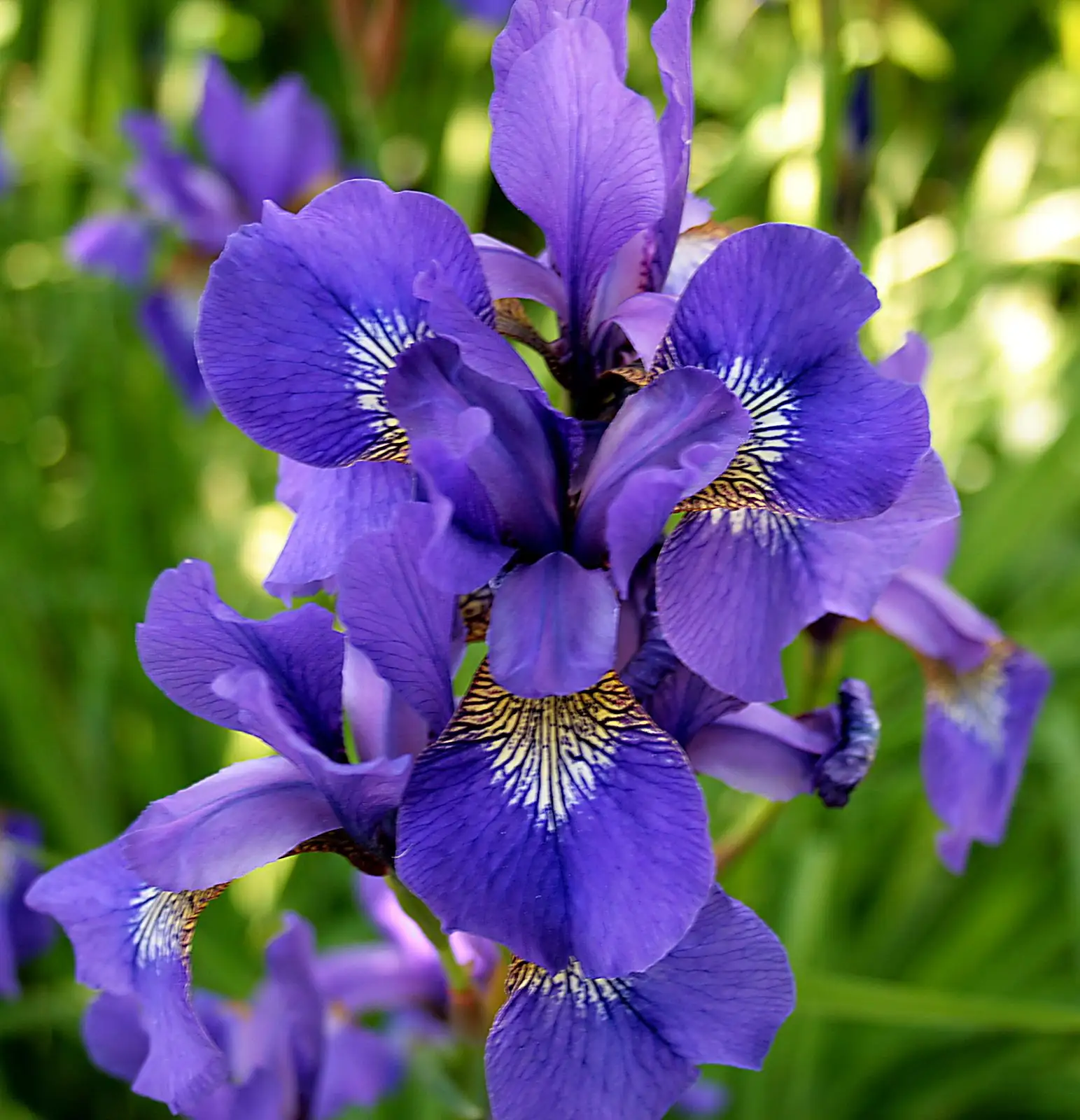
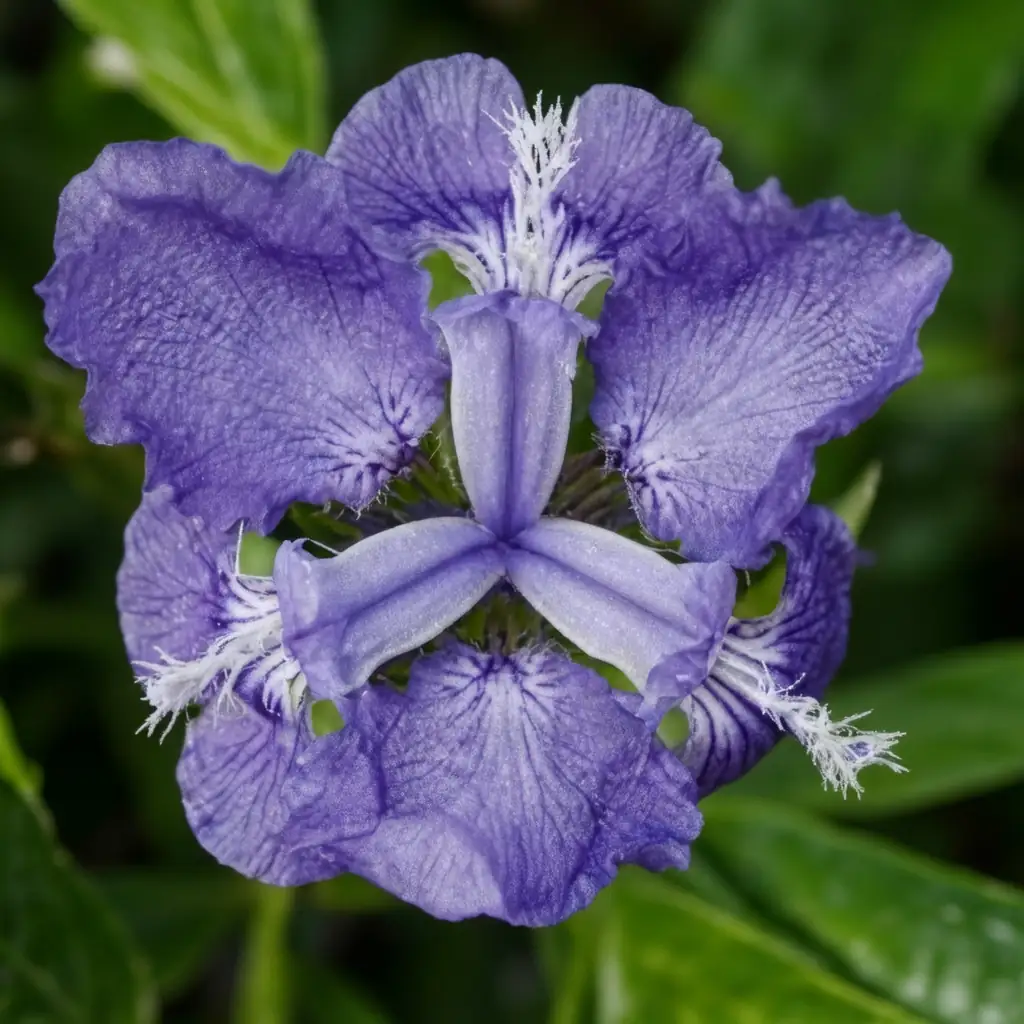
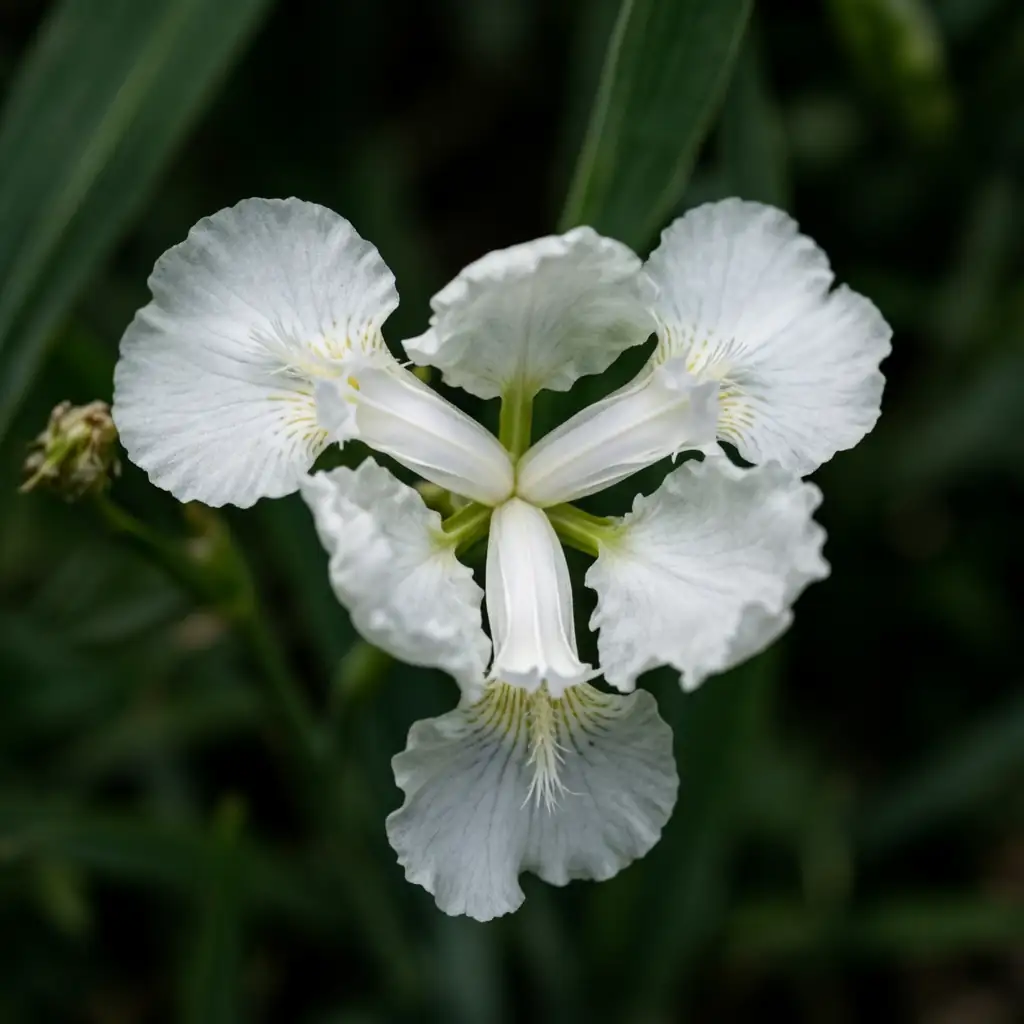
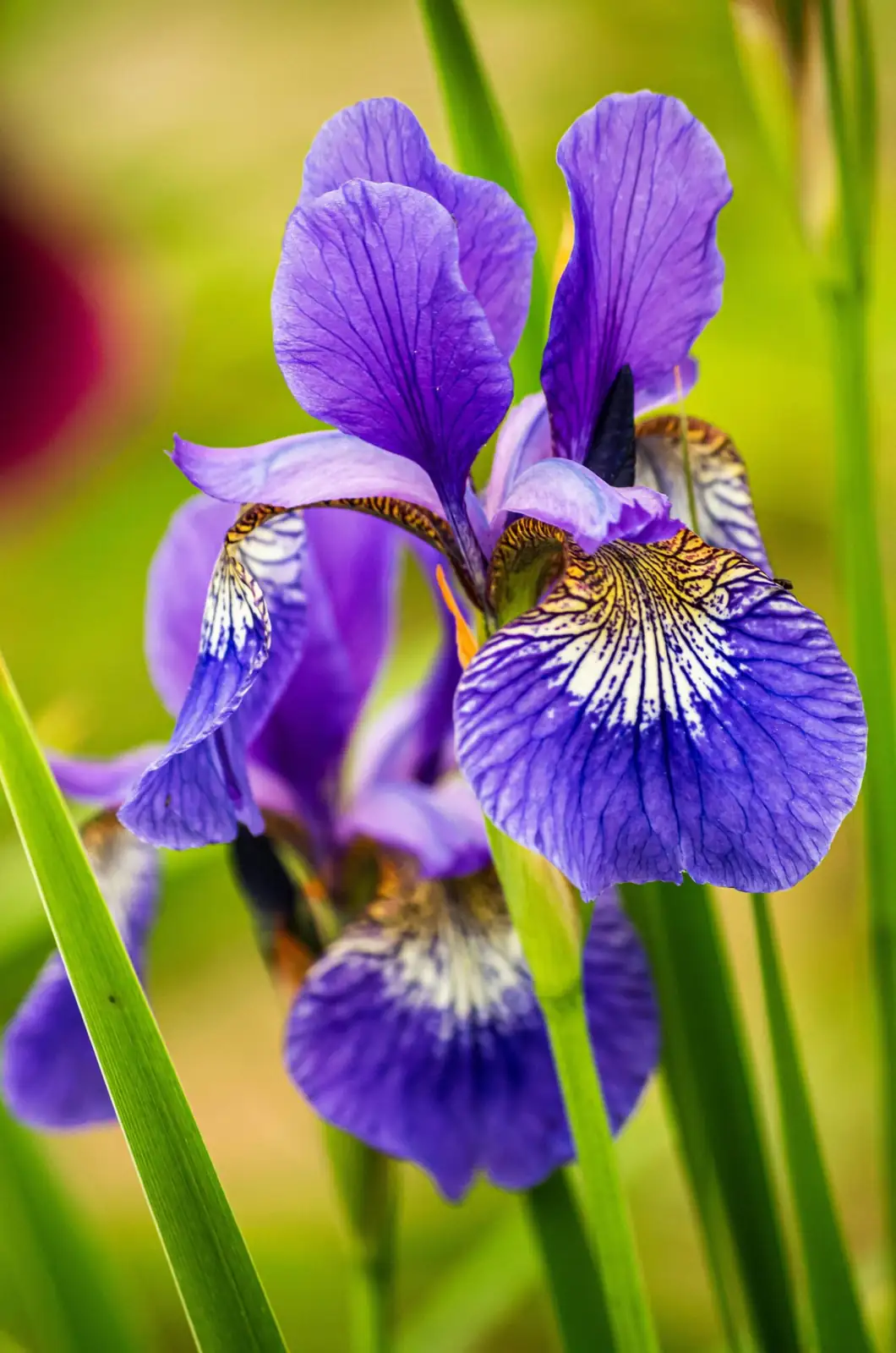
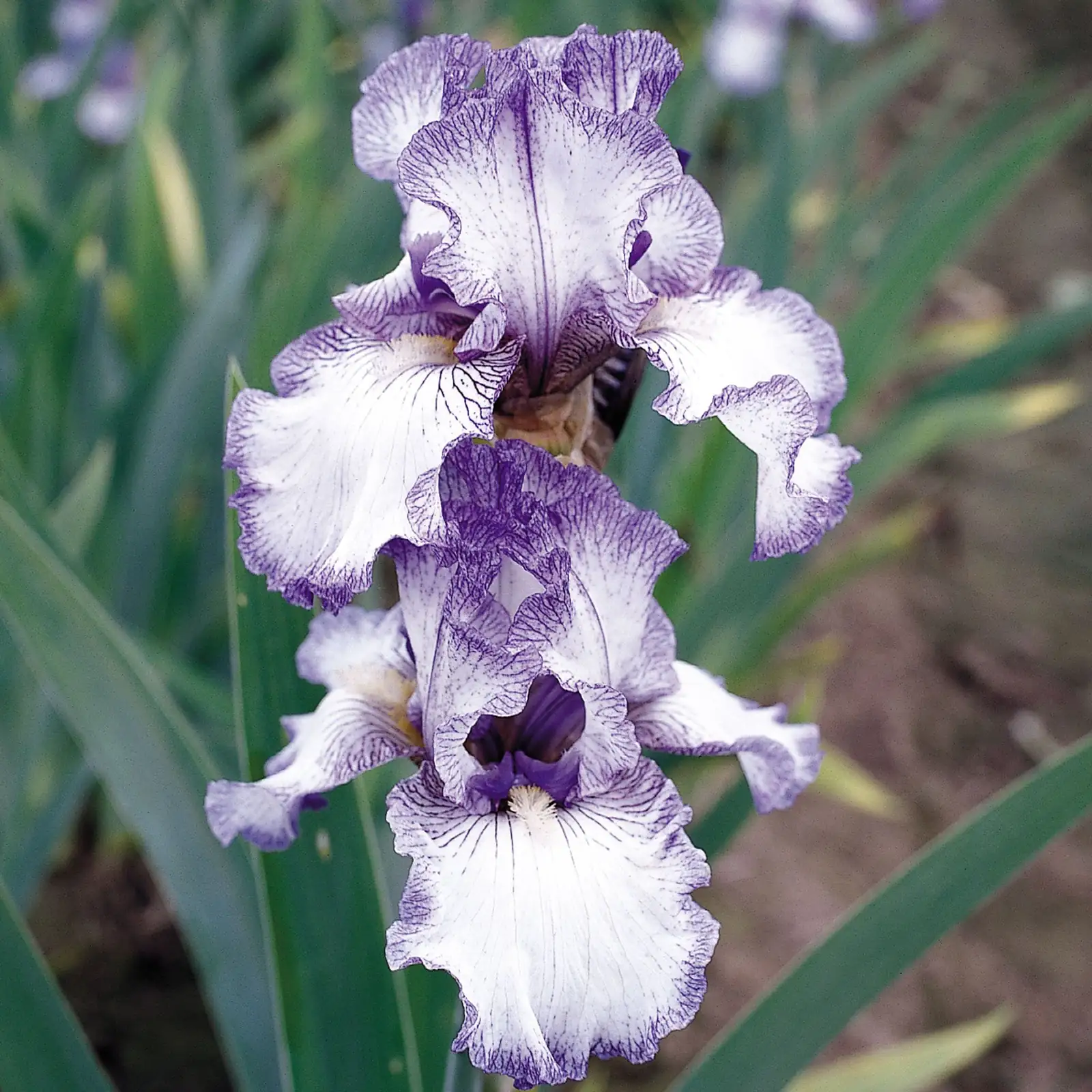
- Flower: Distinctive, iris-shaped flowers made up of three upright standards and three hanging falls; many bearded types show a fuzzy “beard” on the falls. Blooms are often 7–15 cm (3–6 in) across and come in an extraordinary palette—purple, blue, yellow, white, pink, orange, red, brown, and near-black—frequently with veining, edging, or dramatic signal markings.
- Flowering Season: Late spring to early summer (roughly April–June), with some reblooming cultivars flowering again in late summer or fall.
- Growth Habit: Clump-forming perennial. Depending on the group, plants grow from rhizomes (common in bearded irises) or bulbs; rhizomatous types slowly spread horizontally over time while maintaining an upright, fan-like form.
Environment
Sunlight
Full sun is best—about 6–8 hours of direct light daily—for strongest blooming. Tolerates partial shade, but flowers are usually reduced; bearded irises especially should not be shaded by taller neighbors.
Temperature
Generally hardy, with many garden irises suited to USDA Zones 3–9 (varies by type). Many tolerate winter lows down to about -29°C (-20°F). They prefer moderate temperatures during active growth.
Humidity
Average humidity is fine, but good air circulation is important to prevent leaf diseases and rot. Some groups (such as Japanese irises) prefer consistently higher moisture around the roots.
Soil
Fertile, well-draining soil is key; aim for neutral to slightly acidic conditions (around pH 6.5–7.0). Bearded irises prefer drier, sharper drainage, while Siberian and Japanese irises handle (and often appreciate) more consistent moisture. Compost helps fertility, but avoid heavy, waterlogged soils.
Placement
Great in mixed borders and flower beds, cutting gardens, mass plantings, and containers. Moisture-loving types can be placed near ponds or water features (not necessarily submerged). Works well as a focal point or planted in repeating drifts for a designer look.
Hardiness
Typically USDA Zones 3–9 depending on species/cultivar; generally cold-hardy and adaptable. Once established, many types are reasonably drought-tolerant (especially bearded irises).
Care Guide
Difficulty
Easy to moderate: generally low-maintenance once established, but best flowering and disease resistance come from good sun, spacing, and proper planting depth (especially for rhizomes).
Buying Guide
Choose firm, healthy rhizomes with no soft spots, mold, or rot, and with clear growing points (fans). Avoid shriveled, overly dry, or damaged pieces. Buy from reputable sources to reduce the risk of iris borer and disease issues.
Watering
Water regularly while establishing and during prolonged dry spells. After establishment, many irises (especially bearded types) tolerate some drought. Water deeply, then let the soil dry somewhat between waterings; avoid constant wetness and keep rhizomes from staying soggy to prevent rot. Minimize overhead watering to reduce leaf spot problems.
Fertilization
Feed in early spring with a balanced fertilizer such as 10-10-10 or, for best bloom, a lower-nitrogen option (too much nitrogen encourages leaves over flowers). Reblooming varieties may benefit from a second light feeding after the first bloom cycle. An annual compost top-dress is helpful for overall vigor.
Pruning
Deadhead spent flowers to keep plants tidy and reduce wasted energy. After bloom, cut the finished flower stalk to the base but leave foliage to photosynthesize. In fall after a hard frost, cut leaves back to about 15 cm (6 in) and remove any diseased material to improve next year’s health.
Propagation
Division is the main method: typically every 2–5 years (often when bloom declines). For bearded irises, divide in late summer—about 6–8 weeks after flowering. Lift the clump, separate healthy rhizomes, discard old woody centers, and replant divisions with roots spread out. Seed is possible but slow, often taking 2–3 years (or more) to bloom and may not come true to type.
Repotting
Container irises should be refreshed about every 2–3 years or when crowded. Use a gritty, well-draining potting mix and a pot with drainage holes; set rhizomes at or just below the soil surface (not deeply buried).
📅 Seasonal Care Calendar
Spring: remove winter mulch, fertilize, watch for pests, enjoy blooms, and deadhead. Summer: water during drought; divide bearded irises 6–8 weeks after bloom; keep beds weeded and airy. Fall: plant new rhizomes/divisions; cut back foliage after hard frost; remove debris. Winter: apply a light mulch only after the ground freezes (where needed), then remove in early spring.
Pests, Diseases & Safety
Common Pests & Diseases
Key pests include iris borers (a major problem that tunnel into foliage and rhizomes), plus aphids, thrips, slugs, and snails. Reduce problems with sanitation (remove old leaves/debris), proper spacing, and targeted controls when needed. Common diseases include bacterial soft rot, crown/rhizome rot, rust, and leaf spot. Prevention focuses on excellent drainage, correct planting depth, good airflow, removing infected tissue, and avoiding frequent overhead watering.
Toxicity
Iris is toxic if ingested (people and many pets including dogs, cats, and horses). Rhizomes are often the most irritating part. Symptoms may include nausea, vomiting, abdominal pain, and diarrhea. Sap can also irritate sensitive skin—gloves are a good idea when dividing or handling rhizomes.
Culture & Symbolism
Symbolism: Often linked with faith, hope, wisdom, courage, and admiration. Color meanings are popular in gardens and gifting: purple for royalty and wisdom, white for purity, yellow for joy/passion, blue for hope/faith, and pink for affection and friendship. In mythology it’s tied to messages and communication, as Iris was a divine messenger.
History & Legends: The name comes from Iris, the Greek goddess who traveled on rainbows as a messenger between realms. Irises were cultivated in antiquity (including ancient Egypt) and became powerful symbols of authority and eloquence. The stylized iris inspired the fleur-de-lis, long associated with French royalty. The iris motif also appears in civic emblems (notably New Orleans and Florence) and in art—most famously in Vincent van Gogh’s “Irises.”
Uses: Primarily ornamental—excellent for borders, perennial beds, and as cut flowers. Some irises are also culturally important in heraldry and art. The dried rhizomes of certain irises (especially Iris germanica and relatives) are processed into “orris root,” a prized perfumery ingredient used as a fragrance fixative; it develops its scent slowly over several years. Traditional medicinal uses have been recorded historically, but they’re not a substitute for professional medical guidance due to toxicity concerns.
FAQ
Why aren’t my irises blooming?
The usual culprits are too much shade (they want 6–8 hours of sun), rhizomes planted too deep (many should be at or slightly above the soil surface), overcrowding (divide the clump), and overfeeding with high-nitrogen fertilizer (more leaves, fewer flowers). Newly planted divisions may also take a season to settle in.
When should I divide irises?
For bearded irises, late summer is ideal—about 6–8 weeks after flowering. Divide when clumps get crowded and blooming declines, commonly every 3–5 years (sometimes sooner in vigorous varieties).
Can irises grow in containers?
Yes—dwarf and intermediate types are especially container-friendly. Use a pot with drainage holes and a fast-draining mix. Water a bit more often than in-ground plantings, but never let the pot sit in water.
How long do iris flowers last?
Each bloom typically lasts 1–3 days, but multiple buds open in sequence, so a plant can flower for about 2–3 weeks. As cut flowers, they often last around 3–7 days with clean water and timely stem trims.
Fun Facts
- There are over 300 iris species, spanning a huge range of colors—true blues included.
- Orris root (from certain iris rhizomes) is dried and aged for about 3–5 years before its signature violet-like scent develops.
- The fleur-de-lis is widely associated with the iris and became one of the most famous floral emblems in European history.
- Vincent van Gogh painted “Irises” in 1889; it later became one of the most celebrated flower paintings in the world.