

The Journey of Adiantum raddianum: From the Heart of the Rainforest to Your Living Room
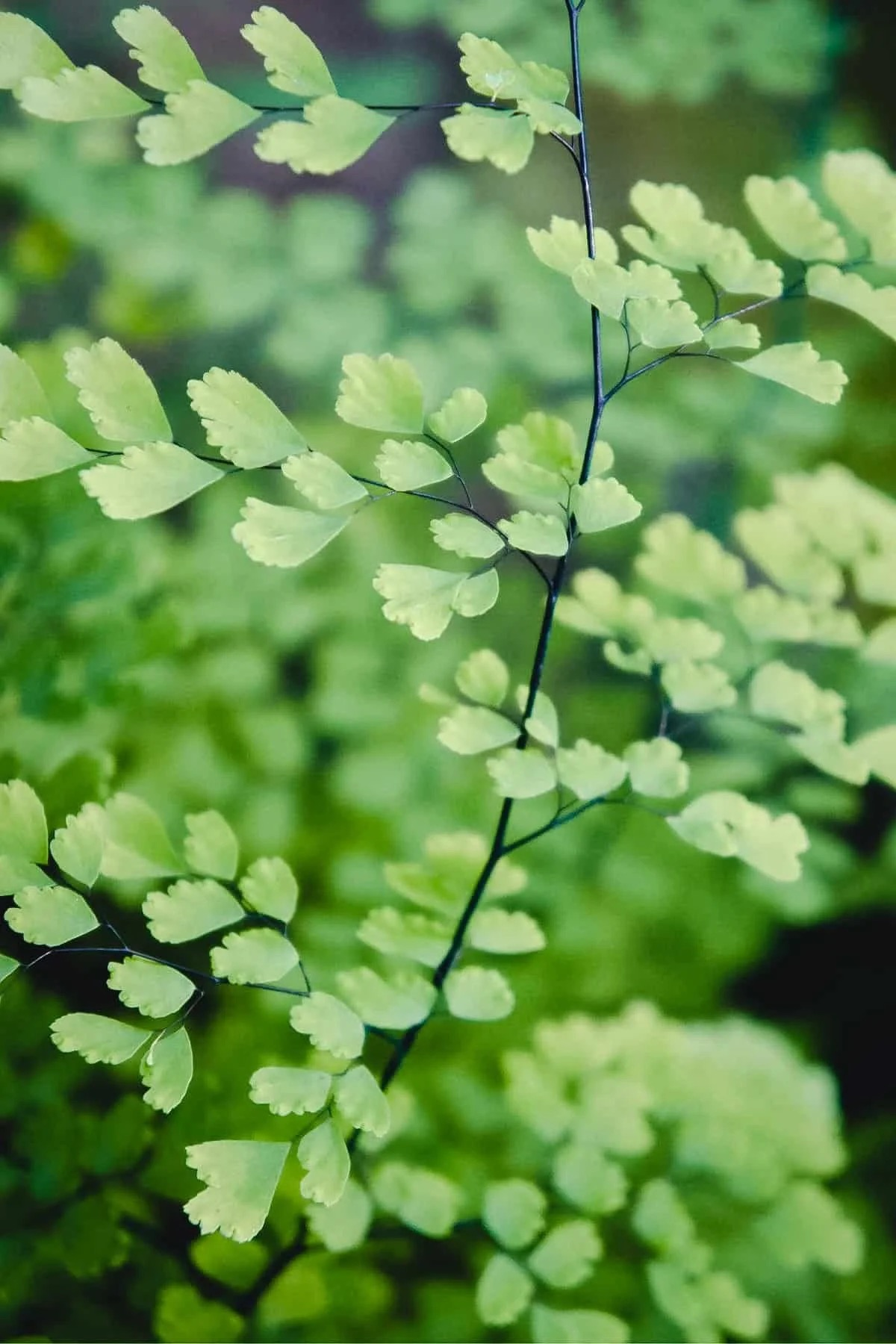
Imagine strolling through a lush Brazilian rainforest, where every step is softened by a carpet of emerald-green ferns. Among these verdant marvels is the Adiantum raddianum, commonly known as the Maidenhair Fern. This delicate yet resilient plant has traveled a remarkable journey from its tropical origins to become a cherished fixture in homes worldwide. How did this fern, with its fan-shaped leaves and wiry stems, earn a spot in our living spaces? Let’s explore the fascinating history and allure of this botanical gem.
A Rich Tapestry of History and Myth
The Maidenhair Fern’s story is steeped in history and mythology. Its name, Adiantum, is derived from the Greek word meaning “unwetted,” a nod to its unique ability to repel water thanks to its hydrophobic leaves. This characteristic was noted by Pliny the Elder, a Roman natural historian, who marveled at the fern’s ability to stay dry even in the moist environments it thrives in.
In ancient lore, the fern is often associated with Venus, the Greek goddess of love and beauty. This connection is inspired by the plant’s delicate, hair-like stems, reminiscent of Venus’s flowing locks in Botticelli’s famous painting. The fern’s alias, “Venus Hair Fern,” further cements this mythological link. During the Middle Ages, the fern was valued not only for its ornamental qualities but also for its supposed ability to protect homes and impart hidden knowledge—a nod to its symbolic ties with mystery and protection.
From the Wild to the Window Sill
Native to the tropical Americas and the West Indies, including the dense rainforests of Brazil, Adiantum raddianum has adapted remarkably well to indoor environments. Its transition from wild to cultivated plant reflects its resilience. In the 19th century, during the Victorian era’s fern craze, or “pteridomania,” maidenhair ferns became iconic “parlor ferns,” adored for their refined appearance and ability to thrive indoors given the right conditions.
Cultivation and Care: The Secret to Success
While the Maidenhair Fern is undeniably beautiful, it has a reputation for being somewhat finicky—a diva of the plant world, if you will. But fear not! With a few tips, you can keep this diva happy and thriving:
- Light: Think “forest floor” lighting. This fern loves bright, indirect light but shies away from direct sun, which can scorch its leaves. An east-facing window or a spot with dappled shade is ideal.
- Temperature and Humidity: Keep it warm and cozy, ideally between 18–24°C (65–75°F). Humidity is the secret sauce; aim for 60–70% to prevent those delicate fronds from crisping.
- Watering: Consistency is key. The soil should be kept evenly moist, like a well-wrung sponge. Avoid letting it dry out completely, as this is the number one cause of brown, crispy leaves.
The Maidenhair’s Modern Appeal
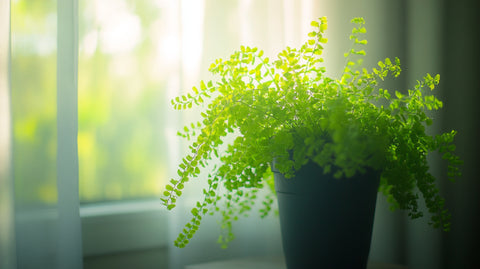
Today, the Maidenhair Fern continues to charm plant enthusiasts and interior decorators alike. Its ethereal, lace-like fronds add a touch of elegance to any space, whether cascading over the edge of a pot or nestled in a terrarium. It’s a popular choice for those looking to create a tranquil, nature-inspired ambiance in their homes. Plus, its non-toxic nature makes it a safe choice for households with pets.
Folklore and Symbolism
Symbolically, the Maidenhair Fern embodies delicacy, purity, and quiet resilience. In various cultures, it has been used as a protective talisman, believed to ward off negativity and bring hidden knowledge to light. Its presence in homes is not just an aesthetic choice but a nod to these deeper meanings, adding an element of spiritual elegance to your decor.
Conclusion
The Maidenhair Fern’s journey from the rainforests of the Americas to our homes is a testament to its enduring appeal and adaptability. With the right care, this graceful plant can thrive, bringing a touch of the exotic and the timeless to your own indoor jungle. Whether you’re an experienced gardener or a newcomer to the world of houseplants, the Maidenhair Fern offers a unique blend of beauty and history that’s hard to resist. So, where will you place this botanical treasure in your home?