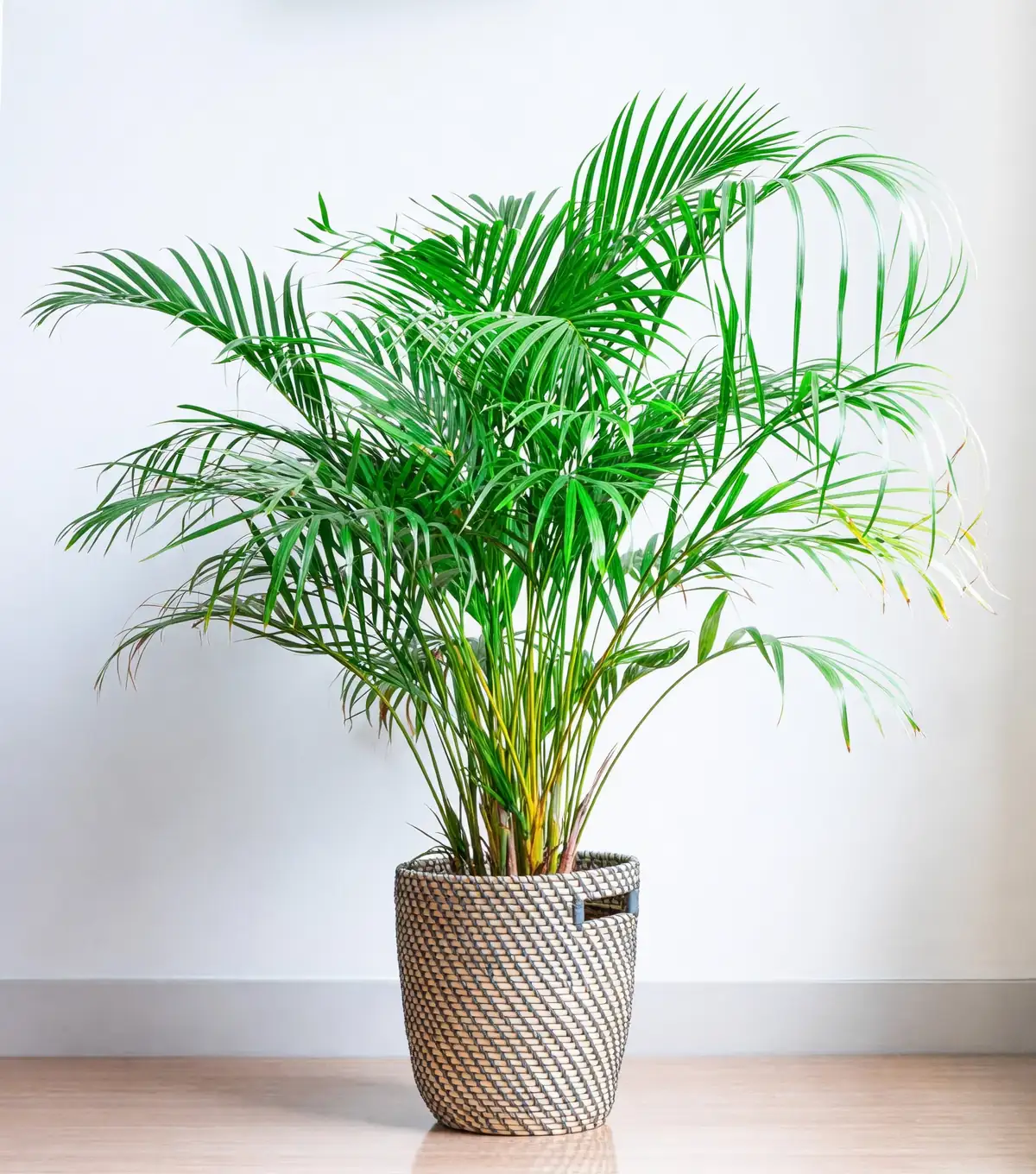
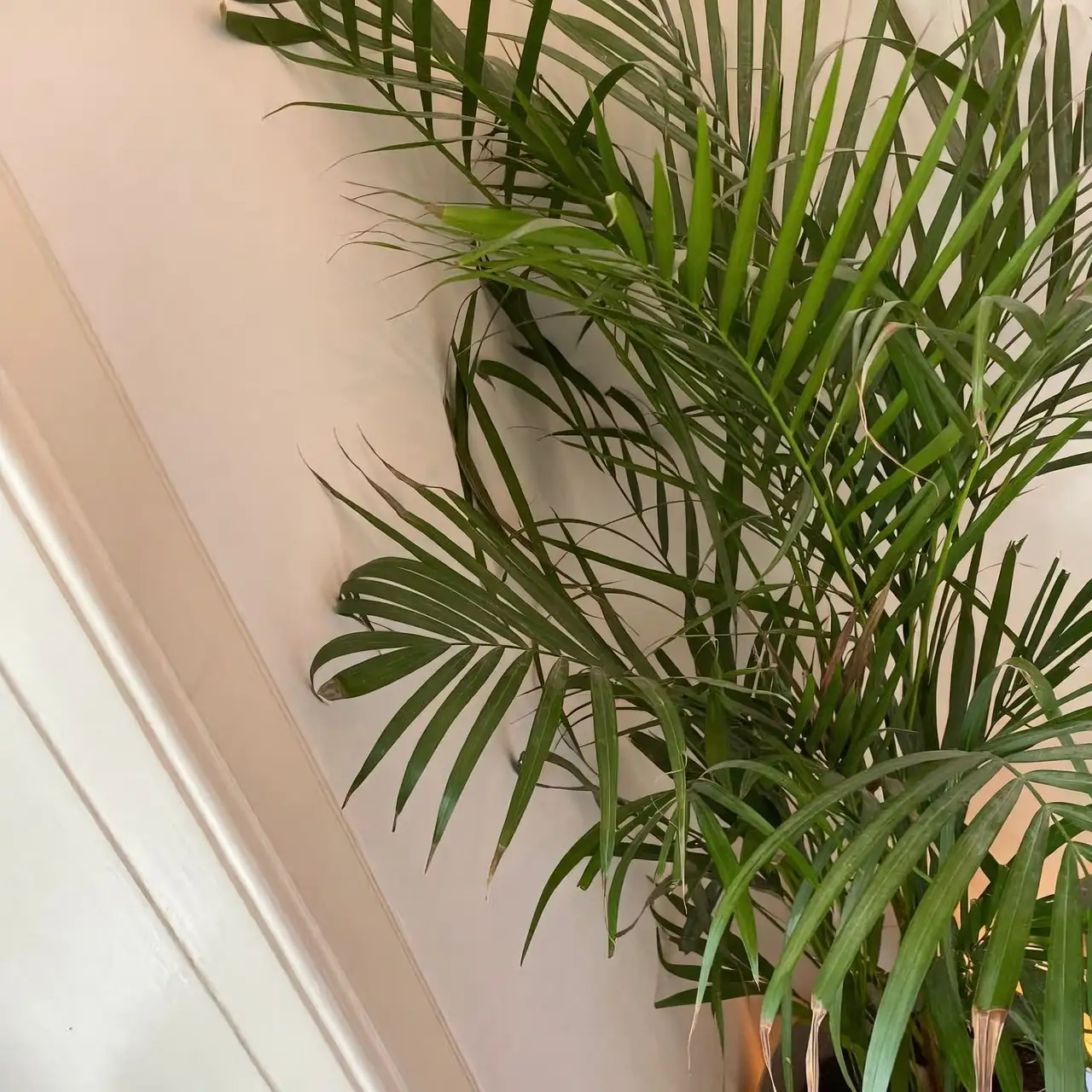
Imagine stepping into a room and instantly feeling as if you’ve been transported to a serene tropical paradise. The secret? The Areca Palm, or scientifically known as Dypsis lutescens, which is not only a visual delight but also a natural air purifier. With its bamboo-like canes and lush fronds, this plant is a favorite among indoor gardeners and landscape enthusiasts alike. But what if you want to multiply this beauty in your home or garden? Let’s dive into the art and science of propagating the Areca Palm through division and seed.
Propagation through Division
Why Division?
Division is the most common and efficient way to propagate Areca Palms, especially if you have a mature plant that’s developed a dense clump of stems. It’s a straightforward method that will have you nurturing new plants in no time.
Step-by-Step Guide
- Timing is Key: The best time to divide your Areca Palm is in spring when the plant is gearing up for a growth spurt. This helps the divisions establish more robustly.
- Prepare the Plant: Before you start, water the plant well a day in advance. This ensures the roots are hydrated and less prone to shock during the division process.
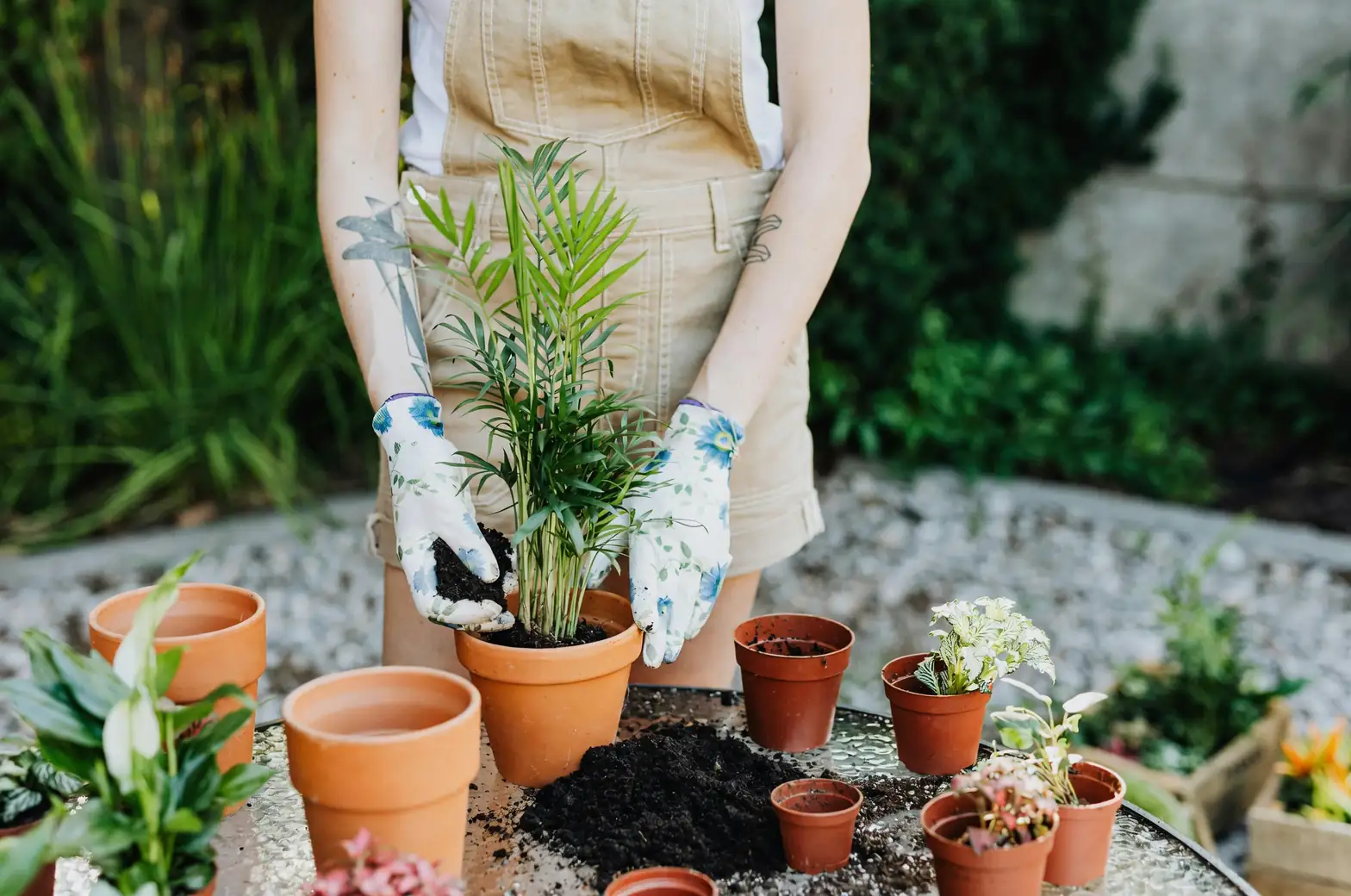
- Remove the Plant: Gently remove the plant from its pot. If it’s in the ground, carefully dig up the clump while preserving as much of the root system as possible.

- Divide the Clump: Using a sharp, sterilized knife or a pair of garden shears, divide the clump into sections. Aim for at least two to four stems per division, ensuring each has a healthy root system.
- Pot the Divisions: Plant each division in a pot filled with a well-draining potting mix. A mix of peat, perlite, and coarse sand works wonders. Ensure the pot has drainage holes to prevent waterlogging.
- Create the Right Environment: Place the newly potted divisions in a warm, humid spot with bright, indirect light. Keep the soil evenly moist but not soggy.
- Patience and Care: As your divisions establish, maintain a warm temperature (above 50°F/10°C) and high humidity. A pebble tray or a humidifier can be helpful.
Propagation through Seeds
Why Seed Propagation?
Seed propagation is less common but offers a rewarding challenge for the patient gardener. It’s a chance to start from scratch and witness the entire life cycle of the Areca Palm.
Step-by-Step Guide
- Collect Fresh Seeds: If you’re lucky enough to have an Areca Palm that blooms, collect the seeds when they appear. Fresh seeds have a higher chance of successful germination.
- Prepare the Potting Mix: Use a free-draining potting mix. A combination of potting soil with added sand is ideal for seed starting.
- Sow the Seeds: Spread the seeds on the surface of the moist soil and cover them lightly. Avoid burying them too deep as this can hinder germination.
- Create a Greenhouse Effect: Cover the pot with a plastic dome or clear plastic wrap to keep the environment humid and warm—around 72–77°F (22–25°C).
- Maintain Moisture: Keep the soil consistently moist, but not waterlogged. This may take up to 4-6 weeks for germination to occur, so patience is crucial.
- Post-Germination Care: Once germination occurs, remove the cover gradually and continue to provide bright, indirect light. Transplant the seedlings once they’re a few inches tall.
Tips for Success
- Humidity: Areca Palms thrive in humid environments. Regular misting, a pebble tray, or a humidifier can prevent the dreaded brown tips.
- Light: Bright, indirect light is essential. Direct sunlight can scorch the fronds, while too little light will slow growth.
- Watering: Water when the top 1-2 inches of the soil feels dry. Be cautious of overwatering, which can lead to root rot.
The Magic of Areca Palms
Beyond propagation, Areca Palms are celebrated for their ability to purify the air and add a touch of elegance to any space. In Feng Shui, they symbolize welcome and calm, bringing positive vibes to your home or office.
Embrace the journey of propagating your Areca Palm, and you’ll be rewarded with lush, green companions that not only beautify your environment but also enhance your well-being. Happy gardening!