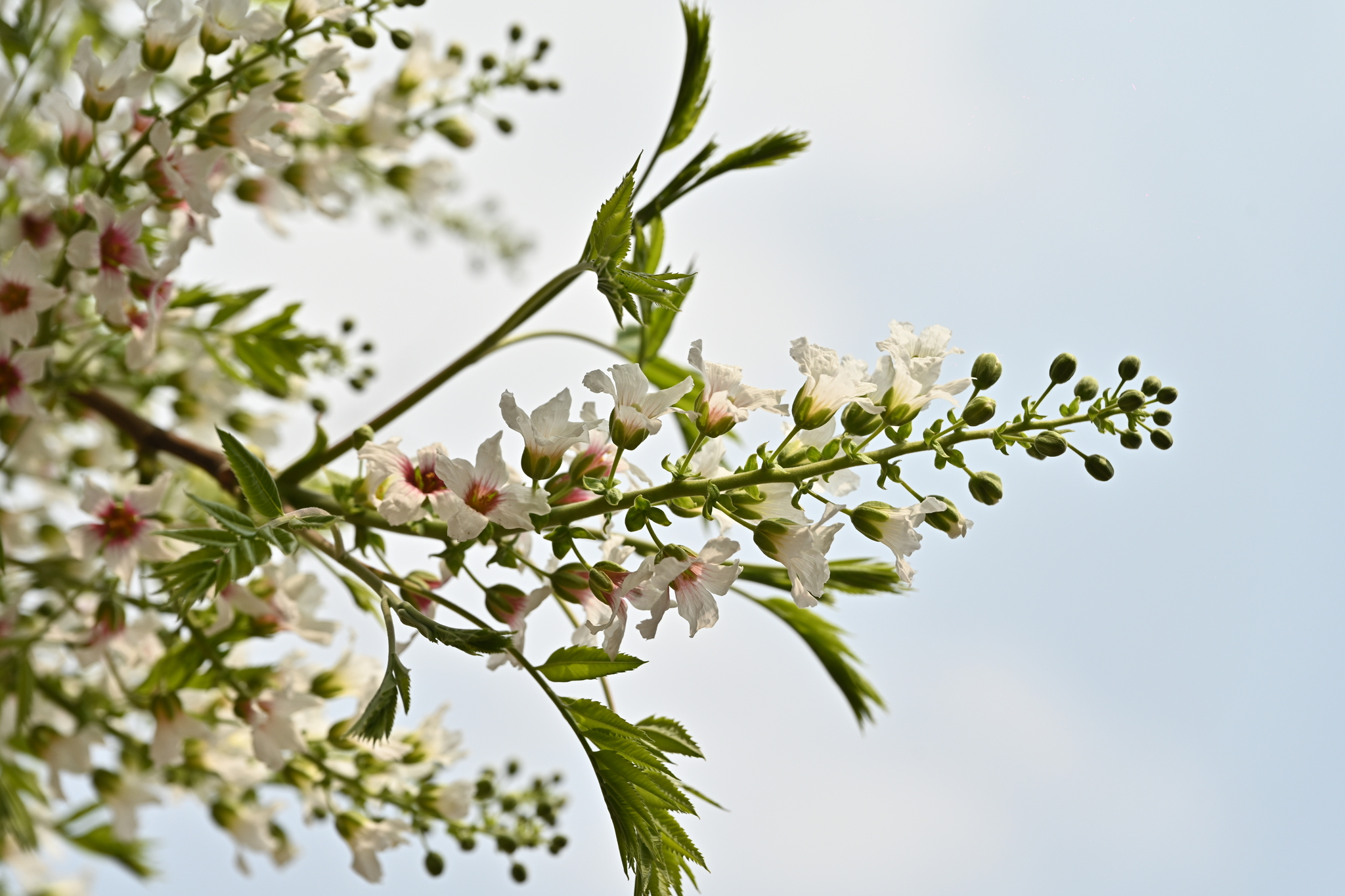
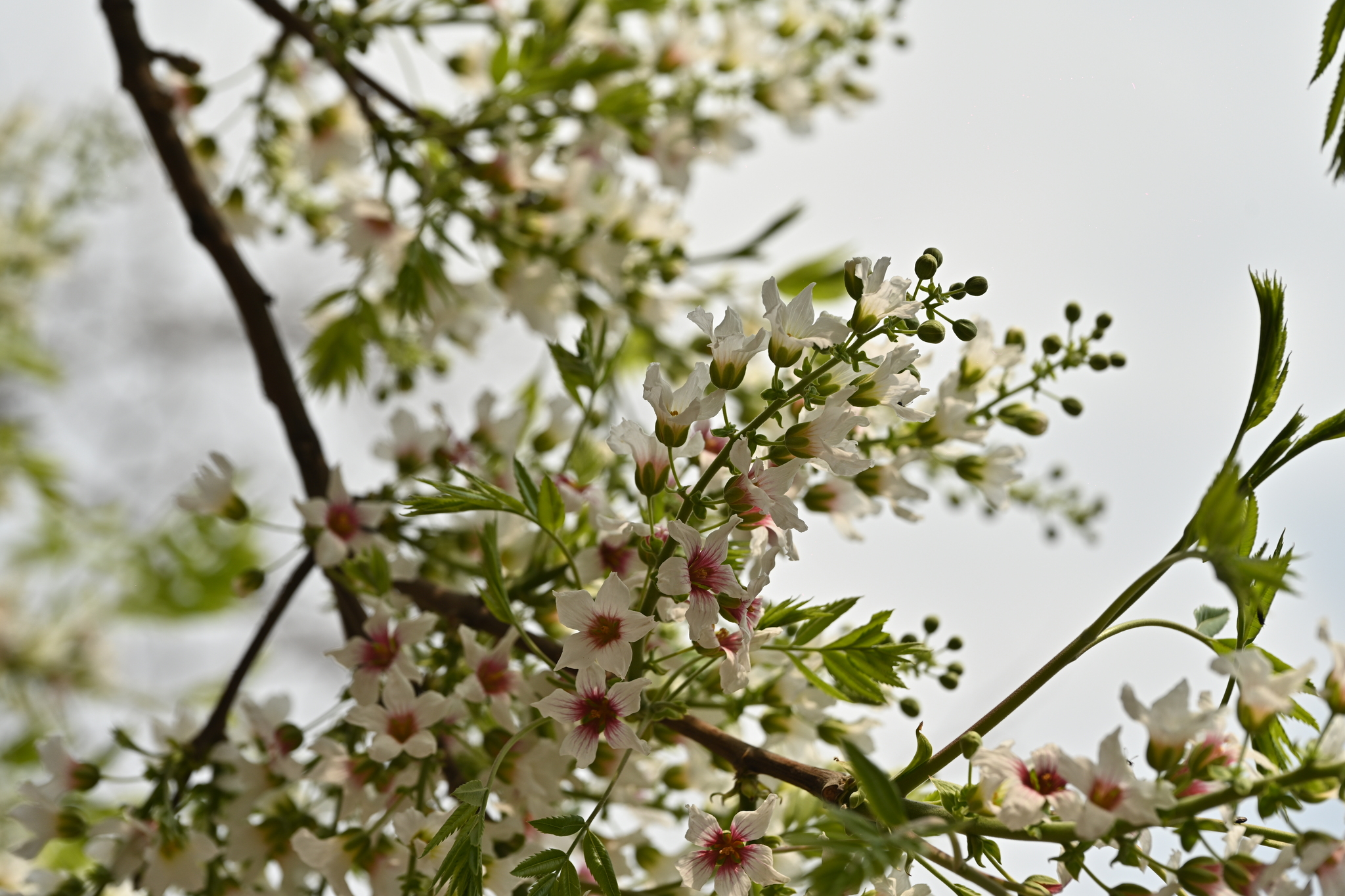
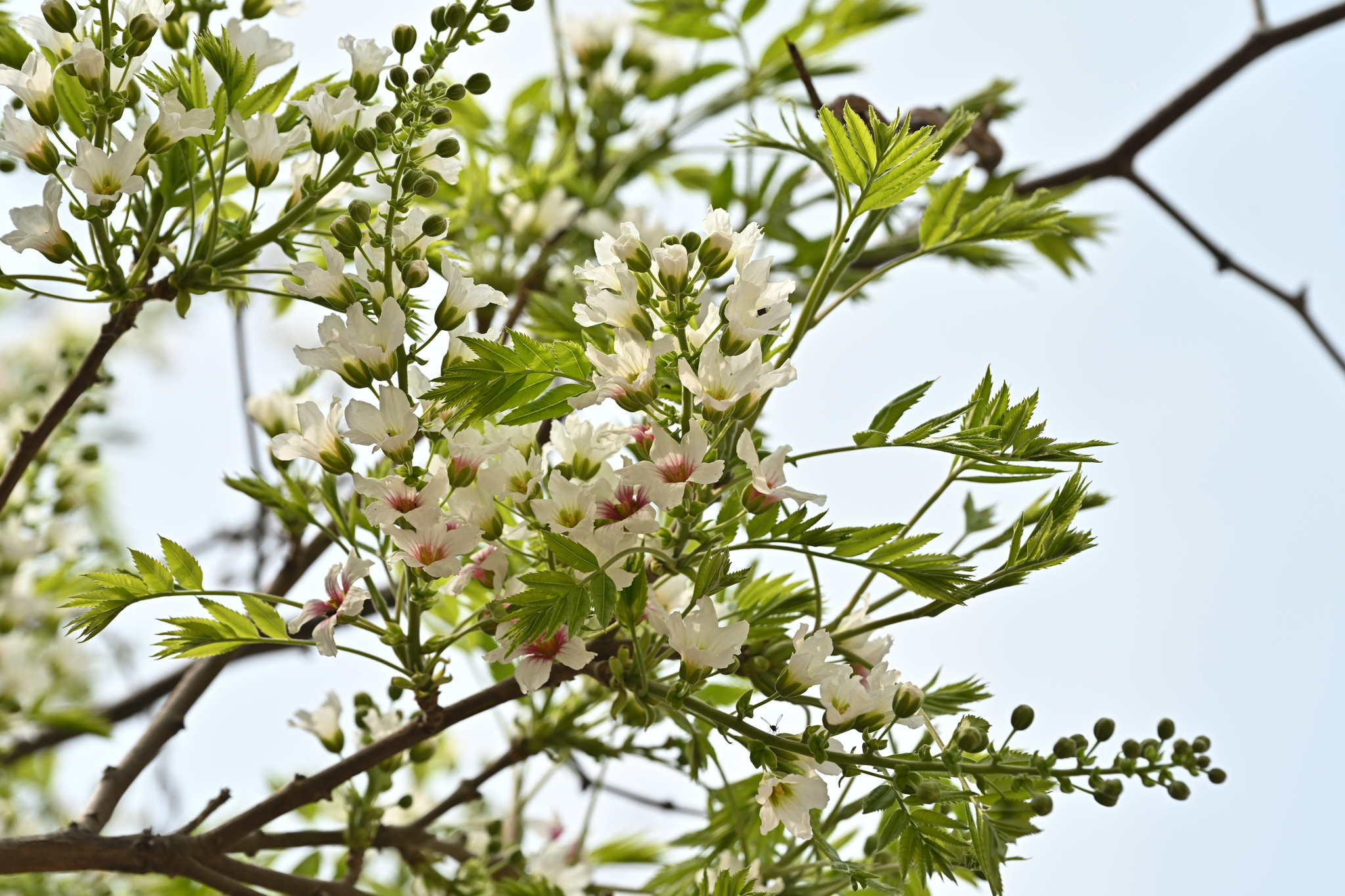
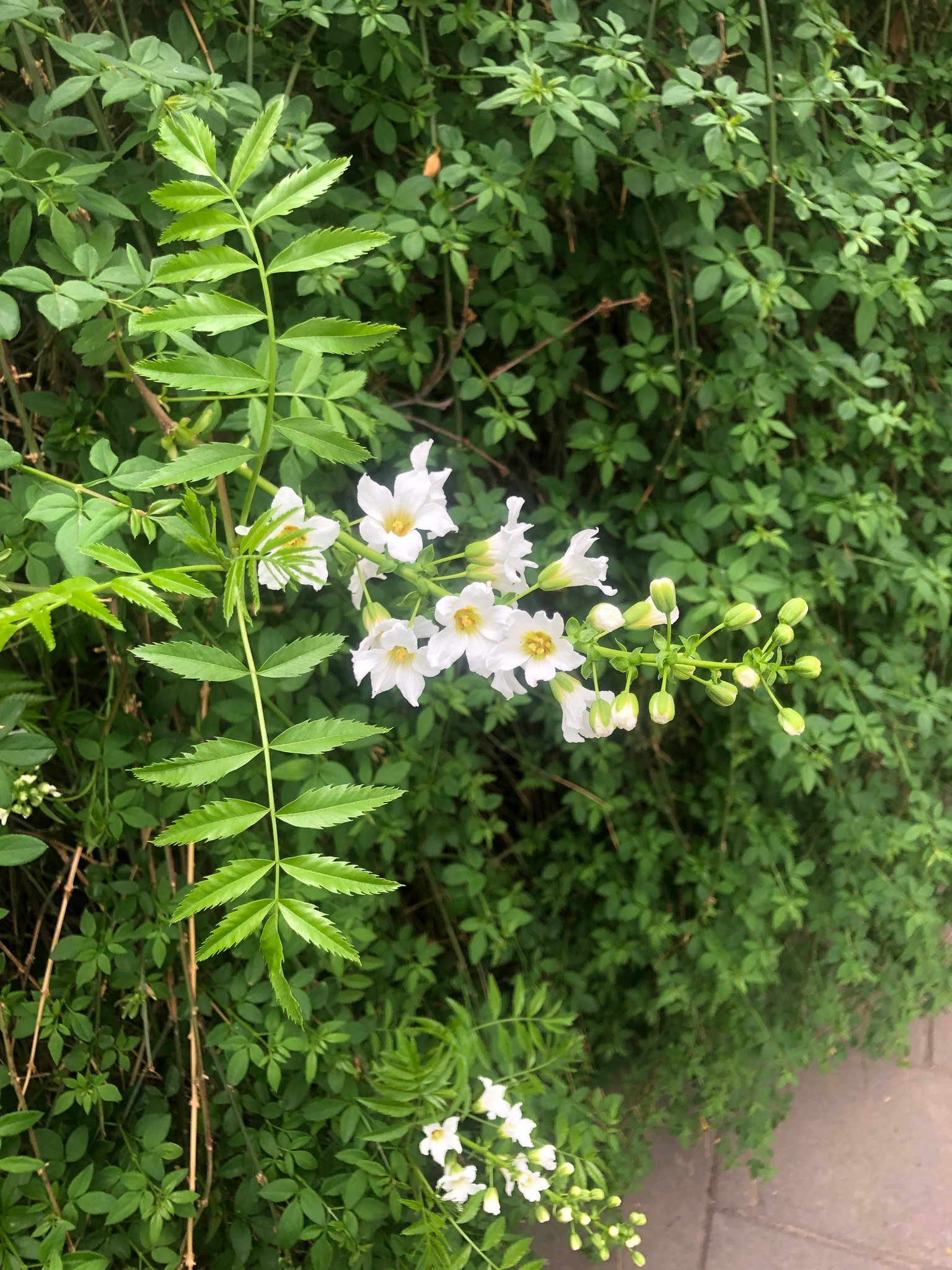
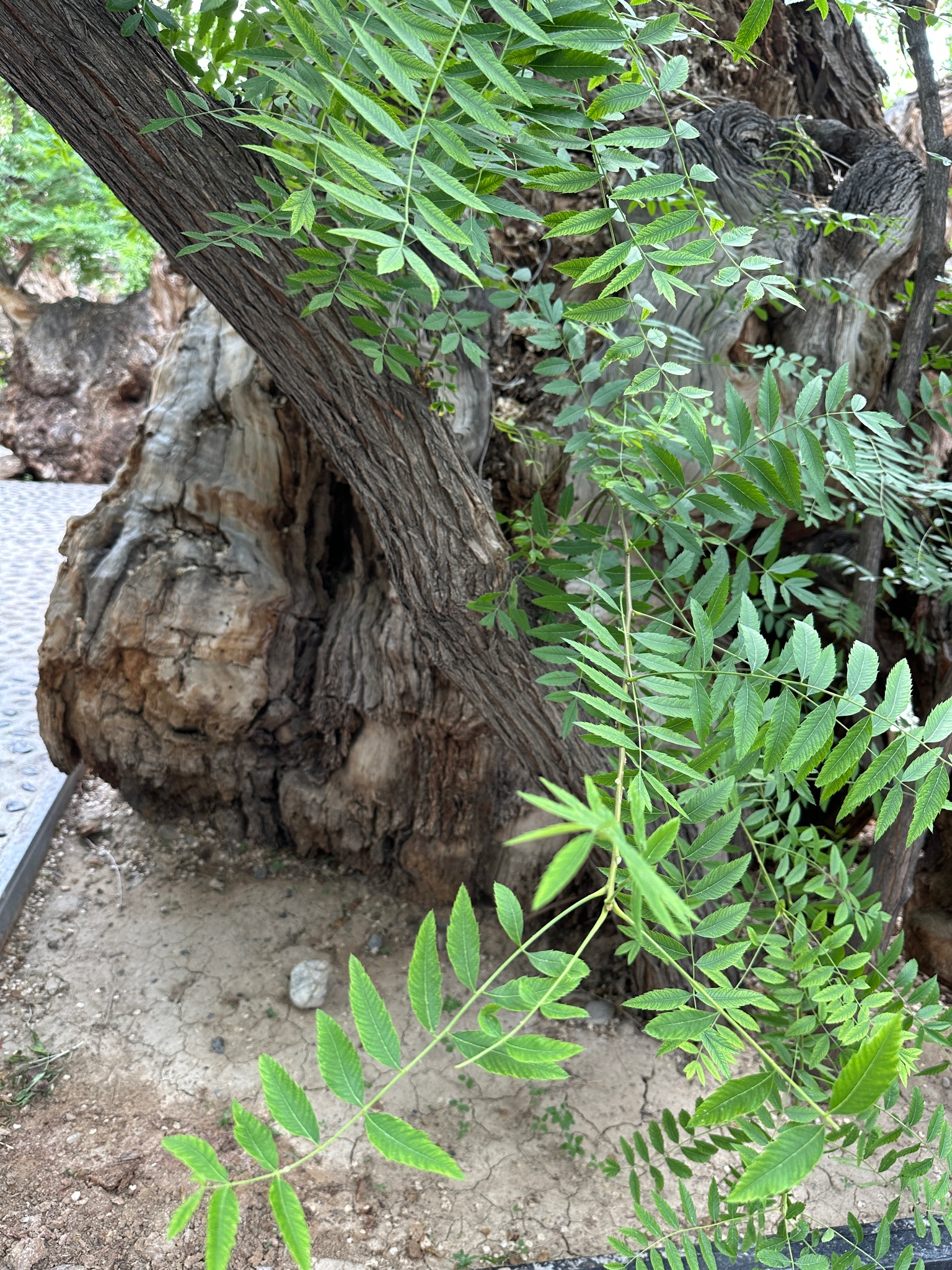
🌱 Plant Features
- Size:2–5 m (6.6–16.4 ft) tall, often forming a broad, multi-stemmed crown
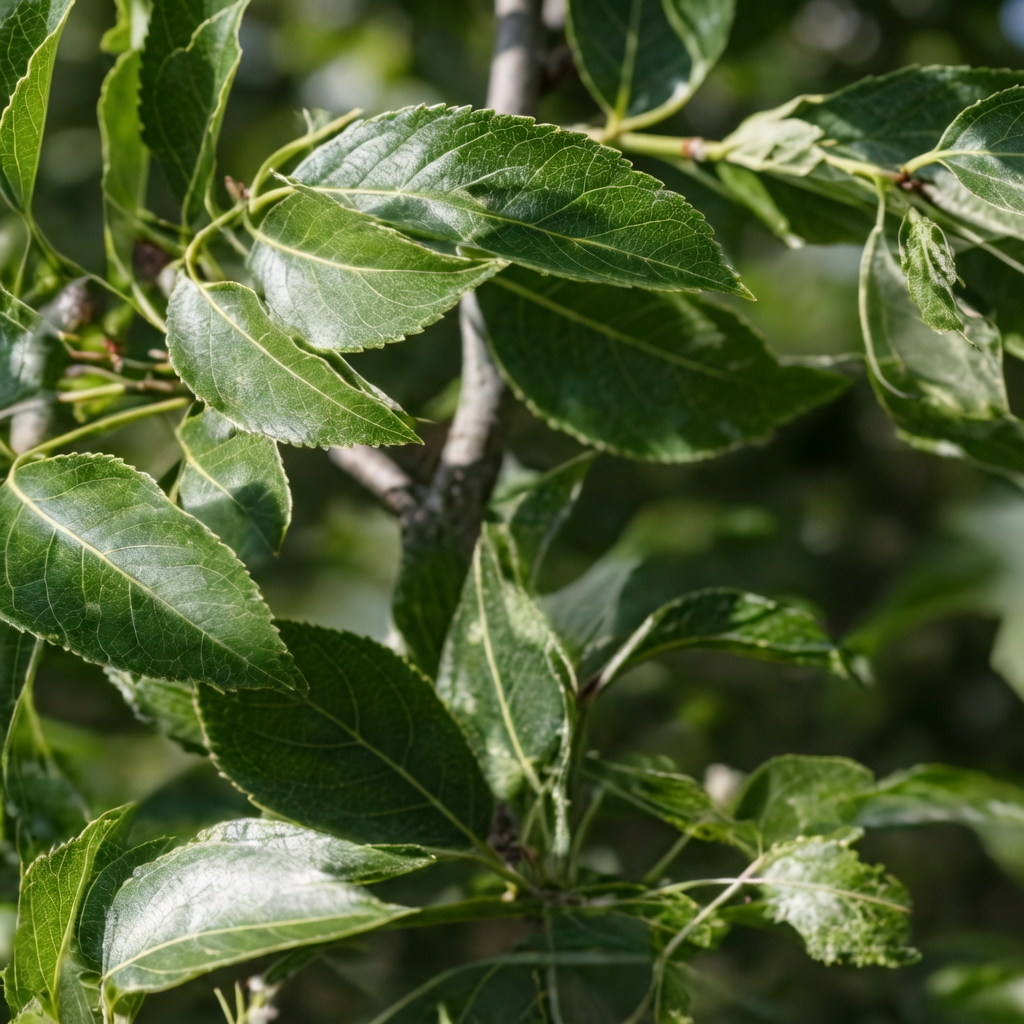
- Foliage:Leaves are alternate and odd-pinnate, typically with about 9–19 leaflets. The leaflets are oblong to lance-shaped with serrated (toothed) edges, giving the plant a light, textured look. Young twigs may have a purplish-brown tint.
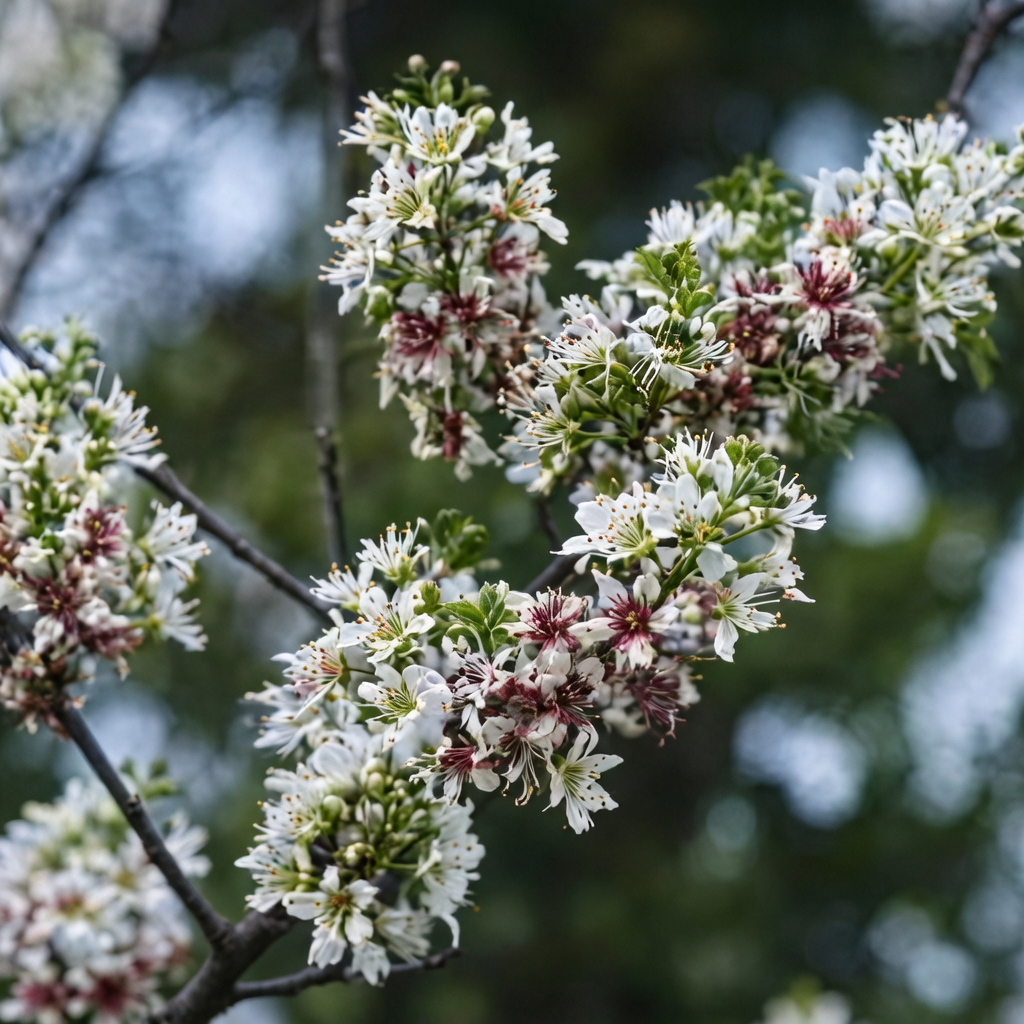
- Flower:Flowers are carried in terminal, upright panicles. Blooms are mainly white, often with delicate colored markings near the center that add extra visual pop to the flower clusters.
- Flowering Season:Spring
- Growth Habit:Deciduous, clump-forming shrub or small tree; commonly multi-stemmed with grey-brown bark that may be slightly fissured.
🌤️ Environment
Sunlight
Full sun to partial shade; full sun is best for the heaviest flowering and best seed set.
Temperature
Cold-hardy and well-suited to temperate climates. Grows actively around 15–30°C (59–86°F). It handles winter cold well but is unhappy in waterlogged soils.
Humidity
Comfortable in relatively dry conditions once established; avoid persistently wet, stagnant, poorly ventilated sites.
Soil
Adaptable, but happiest in deep, fertile, well-drained soil. Tolerates slightly alkaline soils. Avoid heavy, water-retentive ground that stays soggy.
Placement
Best in a sunny, well-drained spot. Works beautifully as a specimen or planted in groups in parks, courtyards, and open garden spaces.
Hardiness
USDA Zone 4–7 (approx.); hardy to cold but not to prolonged waterlogging.
🪴 Care Guide
Difficulty
Easy to moderate: resilient and adaptable once established, but drainage is non-negotiable—waterlogging is the fastest way to lose it.
Buying Guide
Pick plants with a healthy, well-branched structure and clean, undamaged bark. Avoid anything showing root rot signs (e.g., sour smell, blackened roots). Skip severely pot-bound plants; look for firm buds and overall vigor.
Watering
Water regularly while the plant is establishing, then switch to a lighter hand. Let the top layer of soil dry between waterings and never allow standing water. It becomes drought-tolerant with maturity, but soggy soil can quickly cause decline.
Fertilization
Feed in spring with compost or a balanced slow-release fertilizer. On very poor soils, a second light feeding after flowering may help. Avoid excessive nitrogen, which can push leafy growth at the expense of blooms.
Pruning
Prune in late winter to early spring while dormant. Remove dead, weak, and crossing stems, and shape gently. For multi-stem clumps, thinning a few older stems at the base can improve airflow and overall health.
Propagation
Most commonly grown from seed. Fresh seed typically benefits from cold stratification before sowing; seedlings develop a strong root system. Cultivated named selections may be grafted.
Repotting
Primarily an outdoor woody plant, though young plants can be grown in containers. Repot in early spring into a deep pot with excellent drainage, moving up only one size to avoid overly wet potting mix.
📅 Seasonal Care Calendar
Blooms in spring; fruits develop through summer and typically ripen in early autumn.
🔬 Pests, Diseases & Safety
Common Pests & Diseases
Generally sturdy. The main problem is root trouble (especially root rot) from poor drainage or waterlogged soil. Stressed plants may attract aphids or scale; improve vigor, increase airflow via pruning, and use targeted controls only if needed.
Toxicity
Not known to be toxic in typical ornamental settings. Seeds/kernels are considered edible and oil-rich; as with any unfamiliar food, use proper preparation and avoid overconsumption.
🎋 Culture & Symbolism
Symbolism:Often linked with resilience and prosperity—hardy growth paired with valuable, oil-rich seeds.
History & Legends:Long cultivated in northern China as both a garden ornamental and a useful oilseed tree. In more recent years it has drawn attention as a promising woody oil crop for cooler, drier regions.
Uses:Ornamental: a striking spring-flowering shrub/small tree for gardens and public landscapes. Practical: grown for its oil-rich seeds; kernels are also eaten and the plant is promoted in parts of northern China as a woody oil crop.
❓ FAQ
Why is my Yellowhorn not flowering well?
The most common reasons are too much shade, overly rich/high-nitrogen feeding, or stress from poor drainage. Give it more sun, avoid heavy nitrogen fertilizer, and make sure water drains quickly after rain or watering.
Can Yellowhorn handle drought?
Yes—once established, it’s notably drought-tolerant. During the first year or two, water more regularly to help it build a strong root system, then let the soil dry somewhat between soakings.
💡 Fun Facts
- Yellowhorn is one of the relatively rare temperate woody plants grown specifically for oil-rich seeds—interesting for both gardeners and agroforestry.
- Its wild range stretches widely across northern China, and it’s often found on dry hillsides and in valleys—exactly the kind of background that explains its cold and drought tolerance.