
🌱 Plant Features
- Size:0.3–5 m (1–16 ft) tall; often wider when allowed to sprawl, trail, or cascade
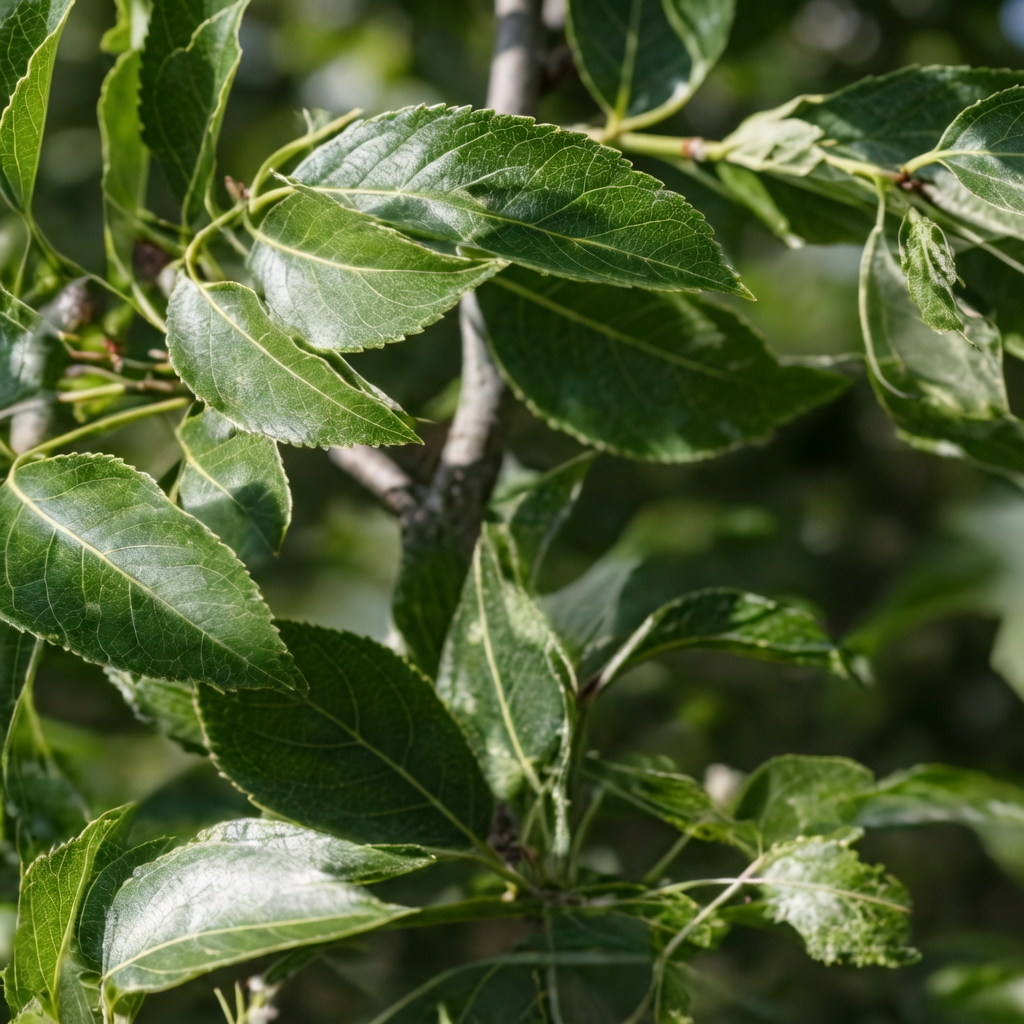
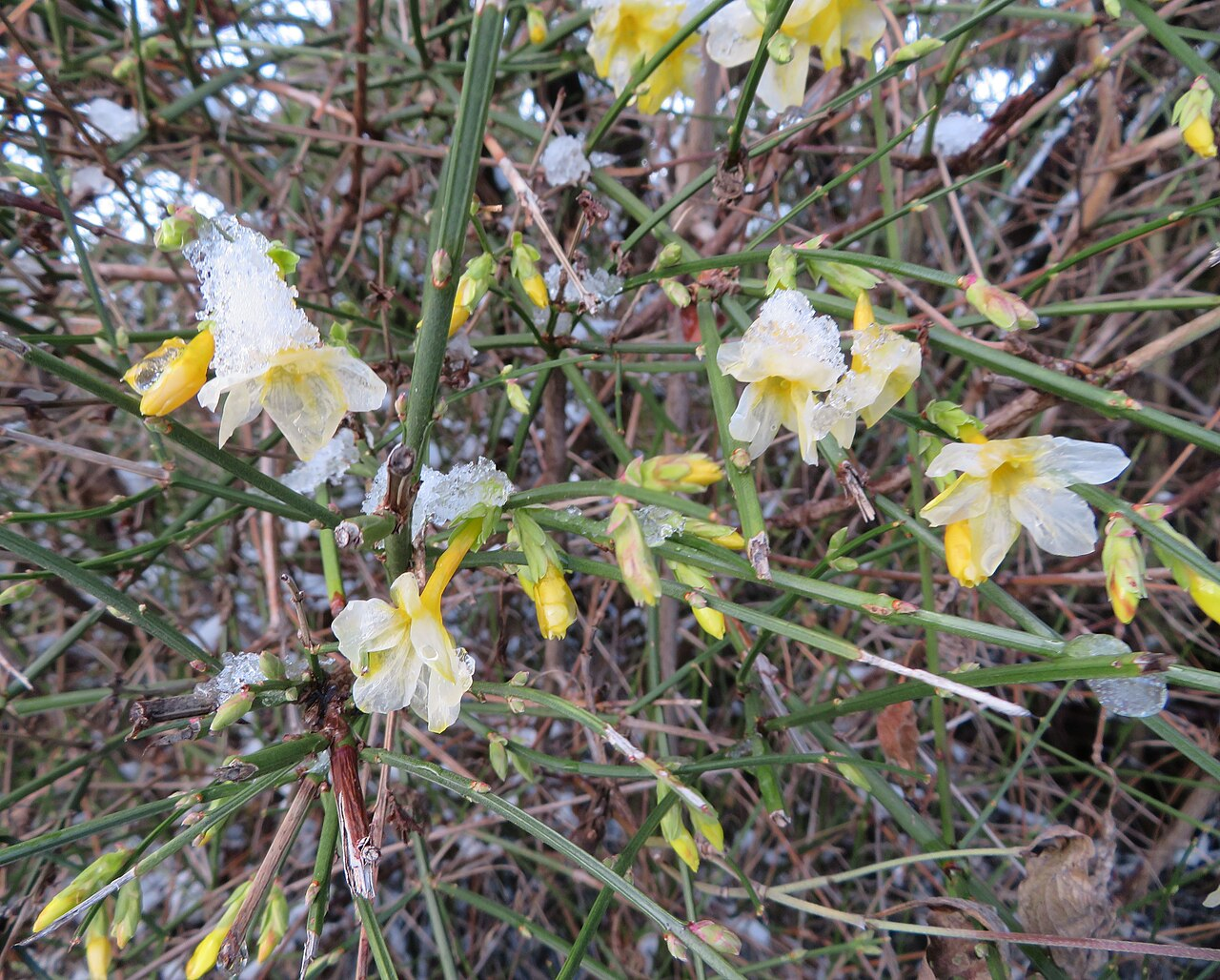
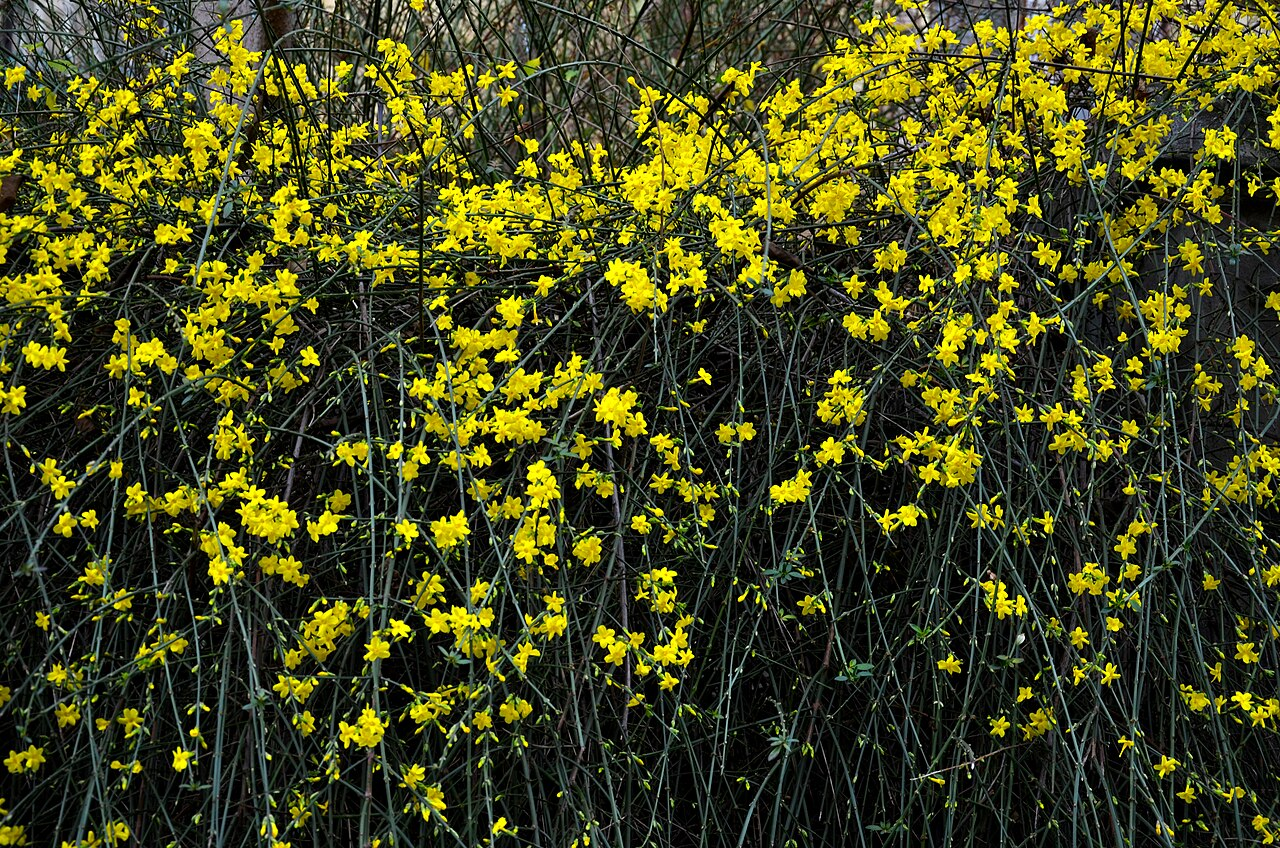
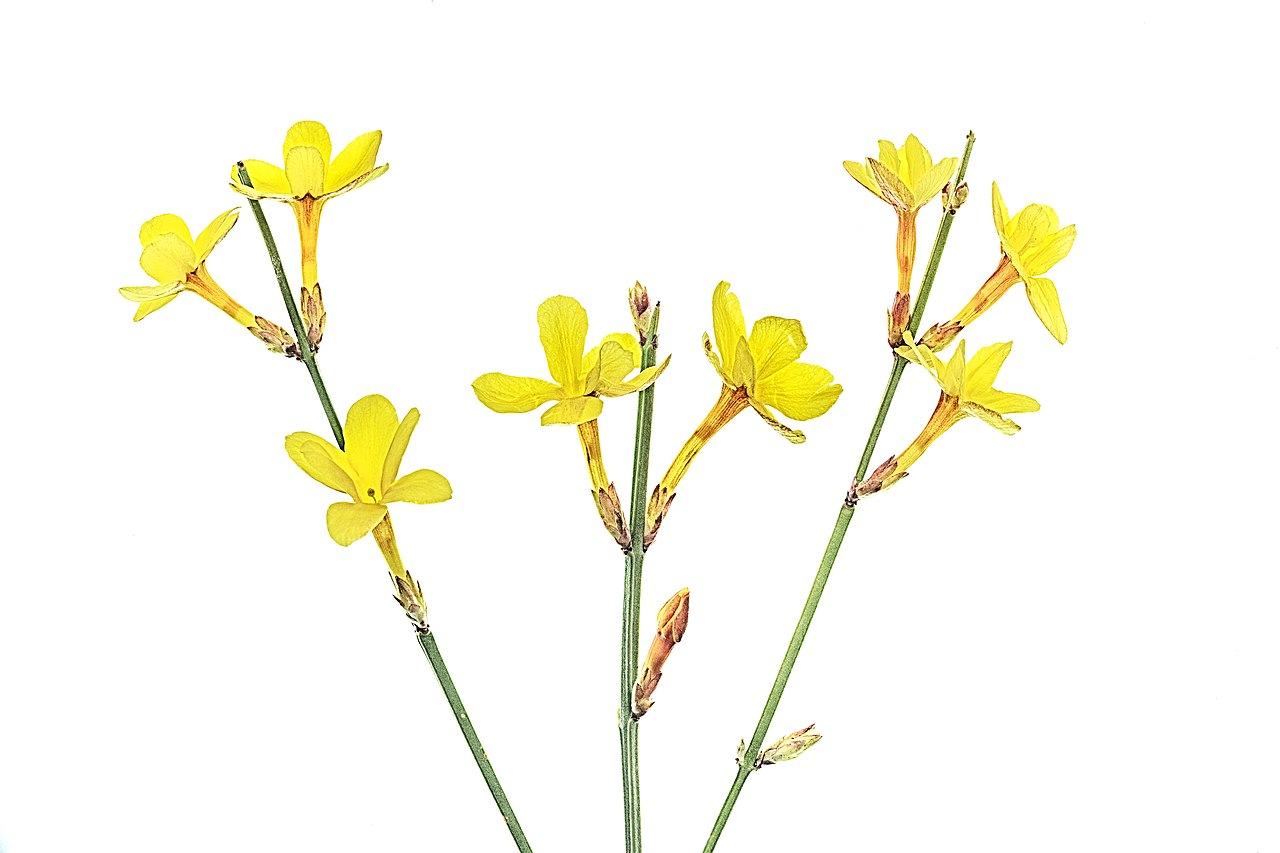
- Foliage:Leaves are opposite and commonly trifoliate (three leaflets). Stems are long, slender, green, and typically four-angled; new shoots may start upright, then arch outward as they lengthen.
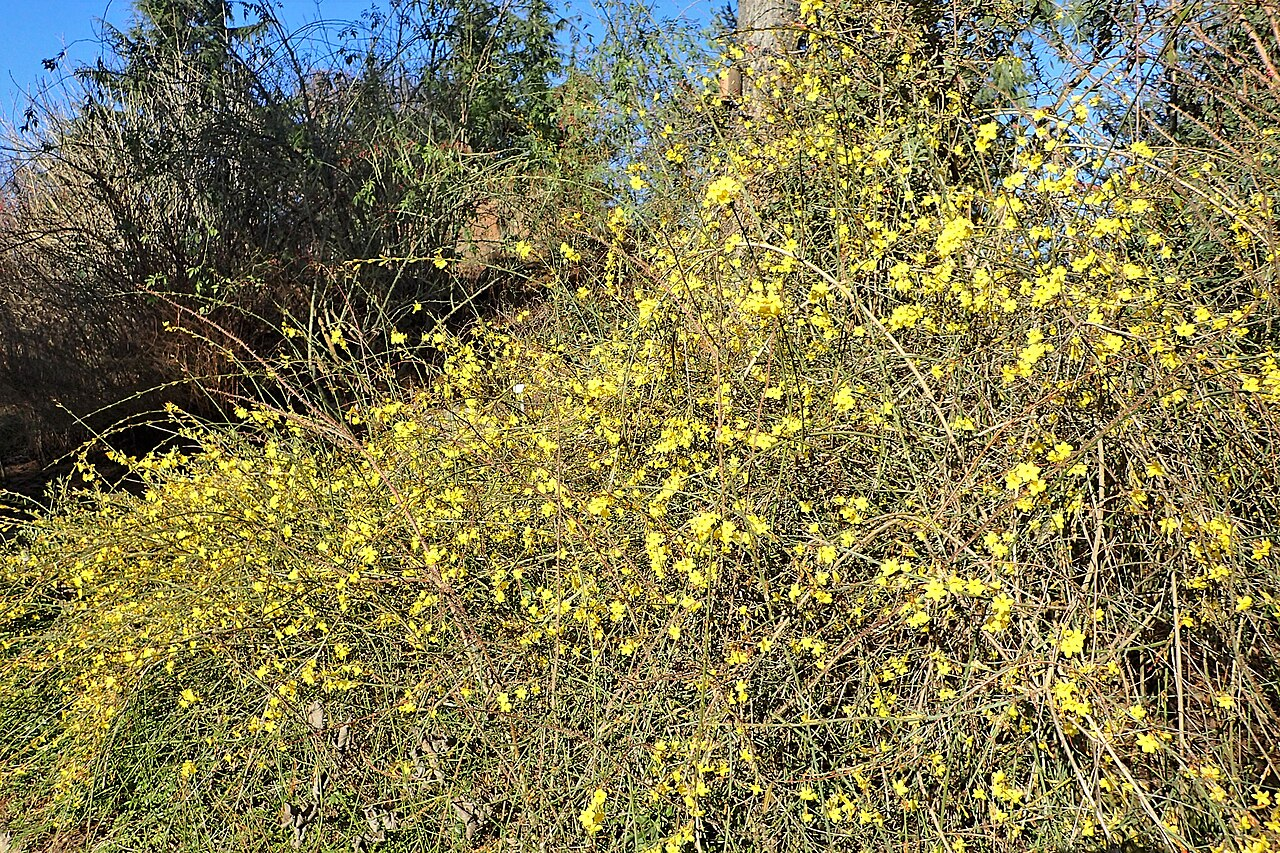
- Flower:Bright yellow, starry flowers appear singly from the leaf axils along the previous year’s stems, often opening before the leaves. Each flower has a small tube with typically about 6 spreading lobes, creating a cheerful, open look in late winter light.
- Flowering Season:February–April (late winter to early spring)
- Growth Habit:Deciduous, shallow-rooted shrub with long, arching to scrambling stems; responds vigorously after pruning and readily reshoots from buds.
🌤️ Environment
Sunlight
Full sun to light shade; flowering is best in full sun
Temperature
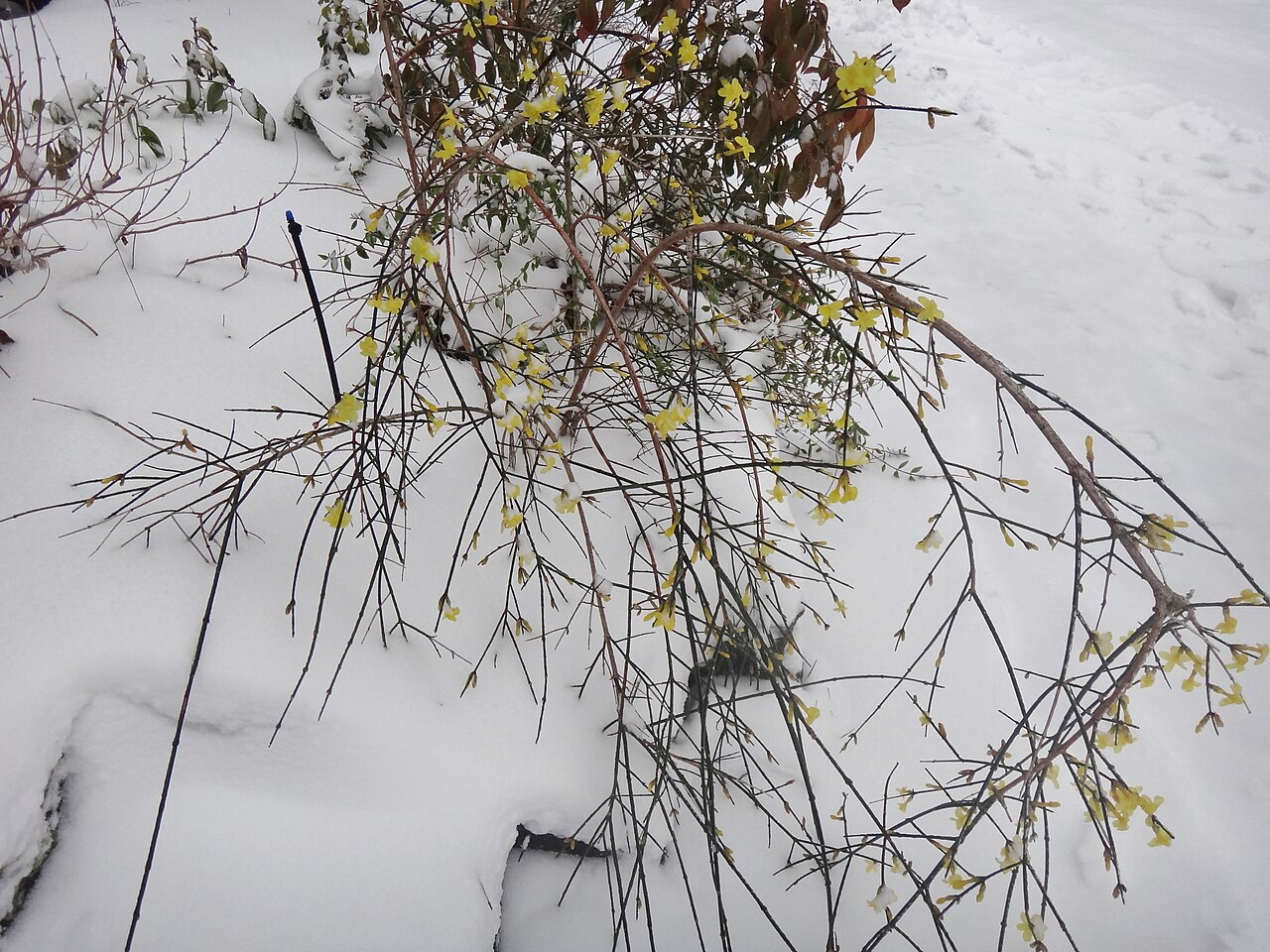
Prefers mild conditions but is notably cold-hardy; best growth around 10–25°C (50–77°F). Avoid prolonged hot, humid stagnation, and protect roots from winter waterlogging.
Humidity
Average outdoor humidity; tolerates a range, performing best with moderate moisture during active growth
Soil
Well-drained soil is essential. Tolerates many soil types but does best in fertile, loamy, well-draining ground; avoid heavy clay that stays wet or any constantly soggy sites.
Placement
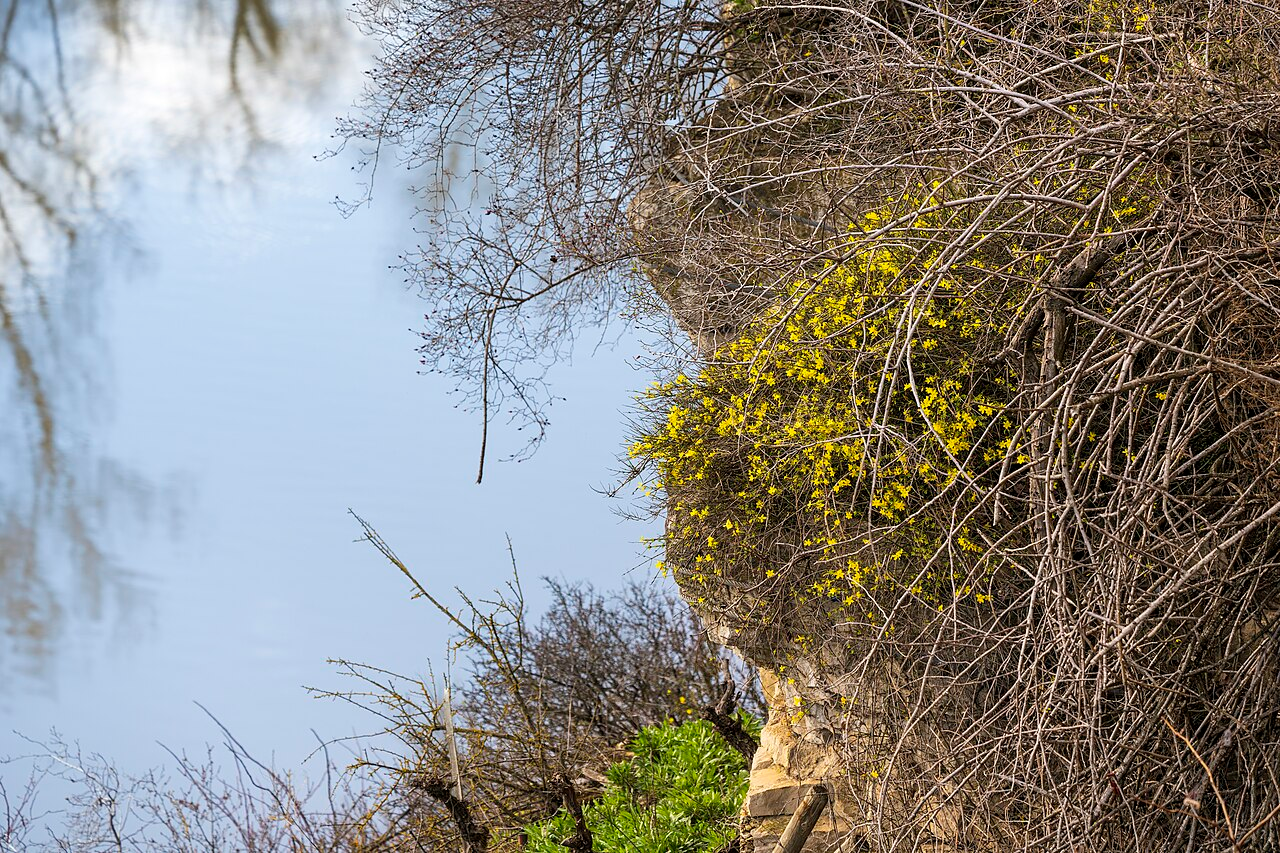
Great for slopes, banks, and lawn edges; train against walls and trellises, let it cascade over low retaining walls, or tuck it near paths/bridges and woodland margins for an early-season show.
Hardiness
USDA Zone 6–9 (approx. -23 to -7°C / -10 to 20°F); drainage matters as much as cold tolerance
🪴 Care Guide
Difficulty
Easy and adaptable. Reliable in cold winters and tolerant of some drought once established, but it strongly dislikes poor drainage or waterlogged soil. Shallow-rooted and rebounds well after cutting back.
Buying Guide
Pick plants with firm, healthy green stems and obvious buds. Avoid pot-bound specimens, blackened stems, or potting mix that smells sour (often a sign of stagnant, overly wet conditions).
Watering
Water regularly during the first growing season to establish roots. After that, water during prolonged dry spells. Keep moisture even but never soggy—especially in winter—since root decline is most likely in waterlogged soil. Containers should not sit in standing water.
Fertilization
Feed lightly in early spring after flowering with compost or a balanced slow-release fertilizer. Go easy on high nitrogen, which can push lots of leafy growth with fewer flowers.
Pruning
Prune right after flowering. Remove dead, weak, or crowded stems and shorten flowered shoots back to a strong side shoot to encourage new growth that will carry next year’s flowers. Older plants can be rejuvenated by removing some of the oldest stems at the base over time.
Propagation
Very easy: take semi-ripe cuttings in summer or hardwood cuttings in late autumn to winter. Long, arching stems also layer readily—pin a section to the soil, keep it in contact, and it often roots.
Repotting
If container-grown, repot every 2–3 years into a fresh, well-draining mix and a pot with drainage holes. Refresh the top layer yearly. Pots dry faster in summer, but drainage remains non-negotiable year-round.
📅 Seasonal Care Calendar
Blooms February–April. Prune immediately after flowering. Take semi-ripe cuttings in summer; hardwood cuttings in winter. Fruit set is uncommon in cultivation, but when it happens, fruits may mature around December.
🔬 Pests, Diseases & Safety
Common Pests & Diseases
Usually trouble-free. Aphids may appear on soft new growth; scale insects can settle on stems. Manage with horticultural soap/oil and better airflow. Most serious problems come from wet, poorly drained soil leading to root issues.
Toxicity
Not generally considered highly toxic, but chewing or ingestion may cause mild stomach upset in people or pets. It’s best to discourage nibbling and keep out of reach of curious children and animals.
🎋 Culture & Symbolism
Symbolism:A classic symbol of spring’s arrival—hope, renewal, and optimism—because it flowers when winter still lingers.
History & Legends:Long cherished in Chinese gardens as an early-blooming shrub that brings color and life to the landscape when very little else is in flower.
Uses:Primarily ornamental, valued for late-winter to early-spring color. Excellent for banks and slopes, border planting, woodland-edge effects, and training along walls—or simply letting it spill naturally over a ledge.
❓ FAQ
Why does my winter jasmine have lots of green stems but few flowers?
The two most common reasons are too little sun and pruning at the wrong time. Give it full sun if possible and prune right after it finishes flowering—winter jasmine blooms on last year’s growth, so autumn pruning often removes next year’s buds.
Can winter jasmine grow in wet soil near a pond or stream?
Only if the site drains well. It dislikes constantly wet or waterlogged ground, which can lead to root decline. If you want it near water, plant it on a raised mound or amend/improve drainage first.
💡 Fun Facts
- It often flowers on bare stems before the leaves appear, making the yellow blooms look even brighter against winter skies.
- Those long, flexible stems are perfect for training along walls or letting the plant cascade for a natural waterfall effect.
- It’s native to multiple regions of China and is commonly found at woodland edges and in shrubland on slopes.