🌱 Plant Features
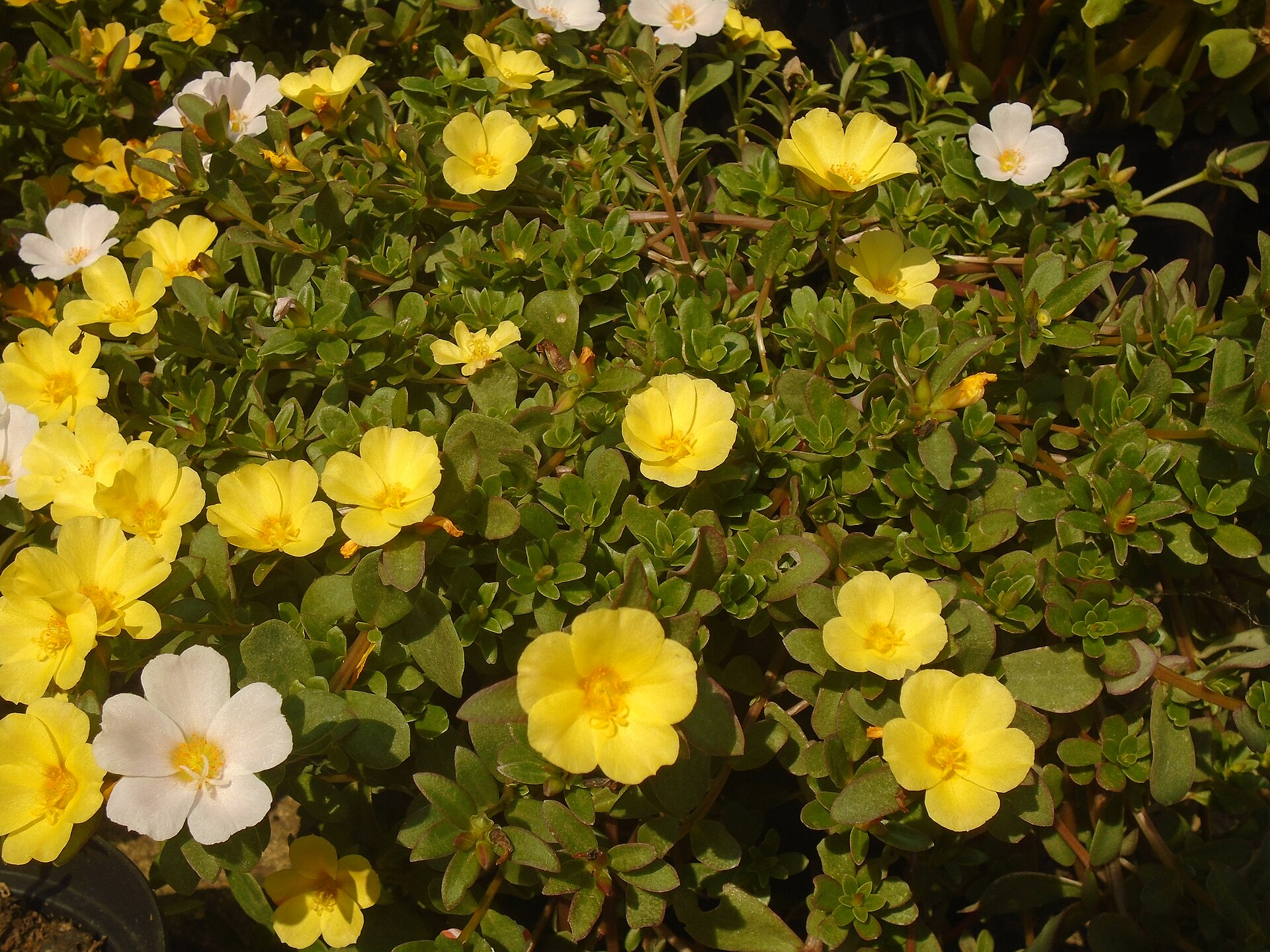
- Size:Typically 15–25 cm (6–10 in) tall; spreads as a low, branching mat (groundcover habit).
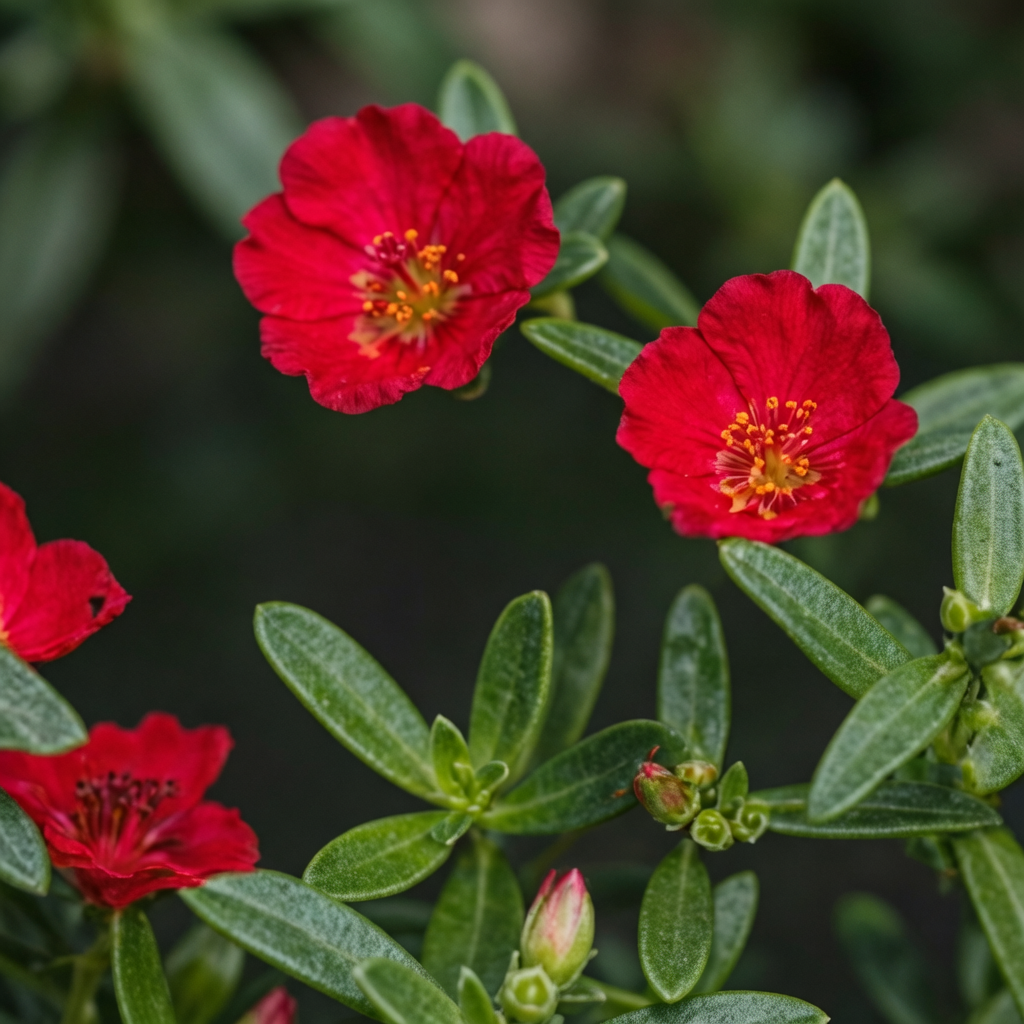
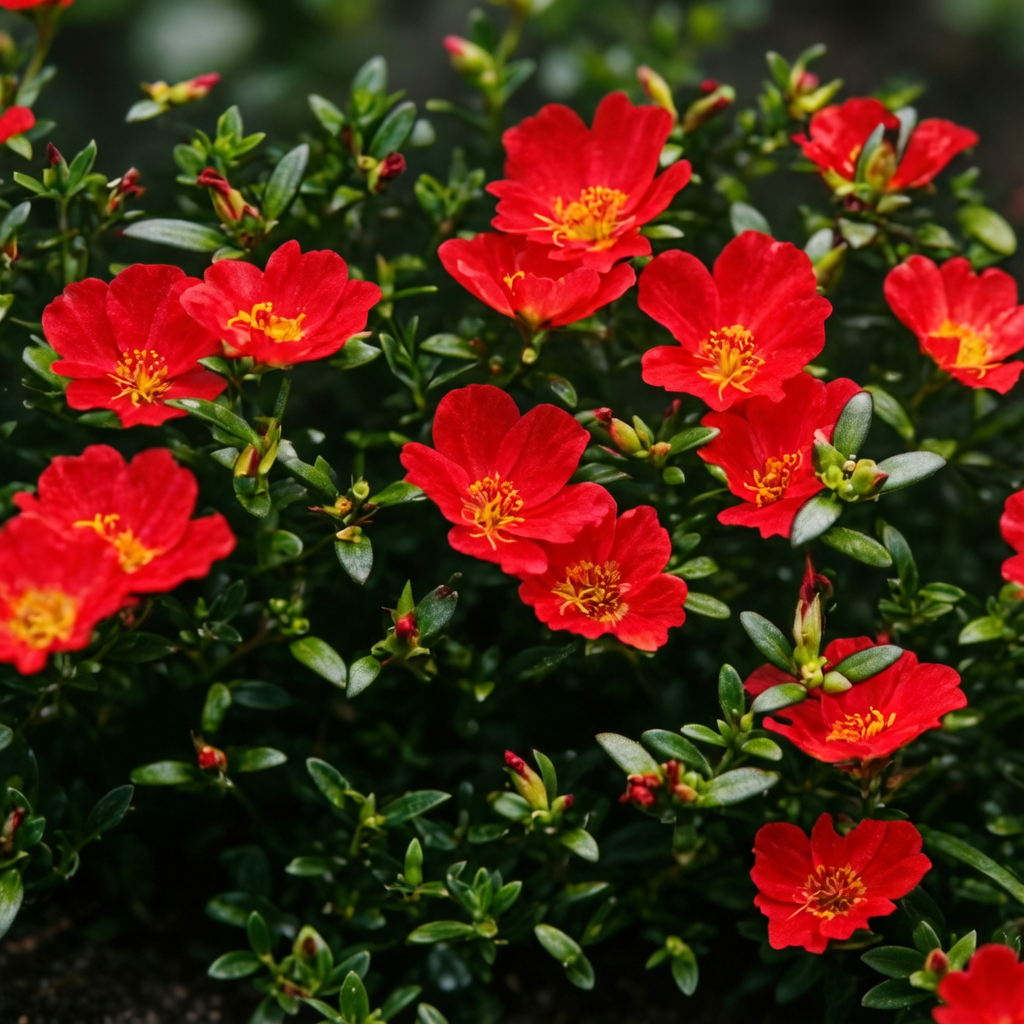
- Foliage:Leaves are flat, thick, and succulent; typically obovate (broader toward the tip) with smooth, entire margins—built to handle sun and dry spells.
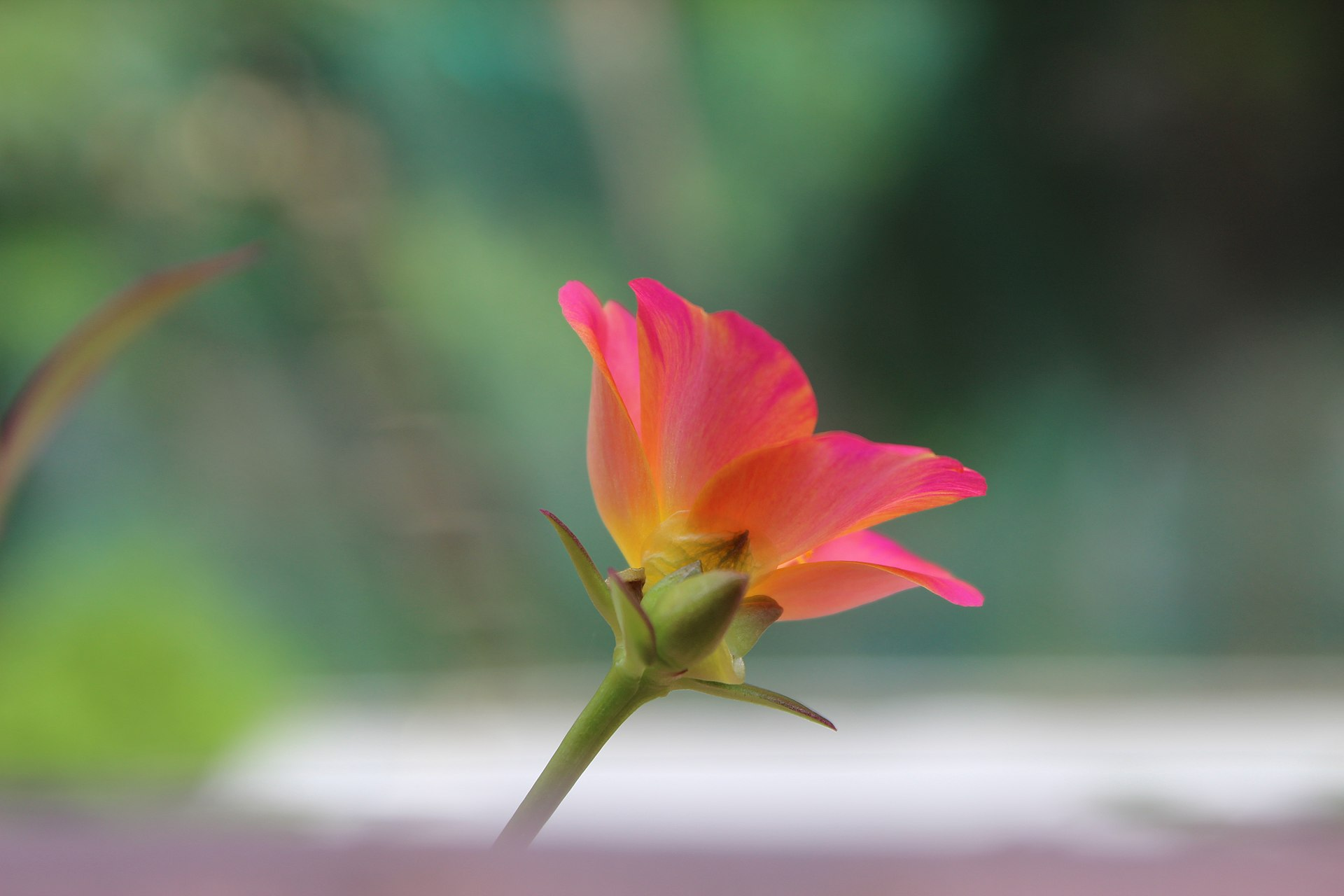
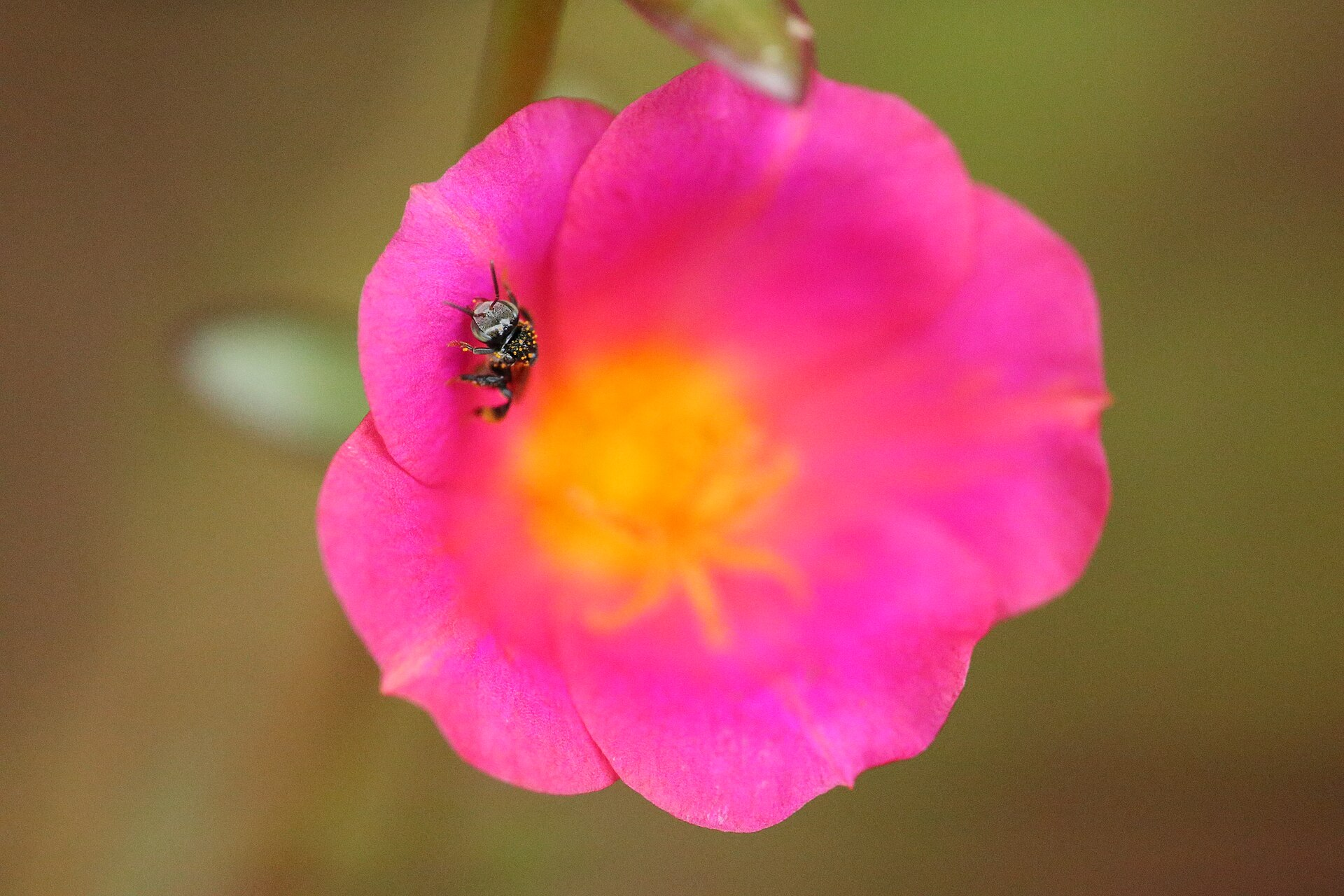
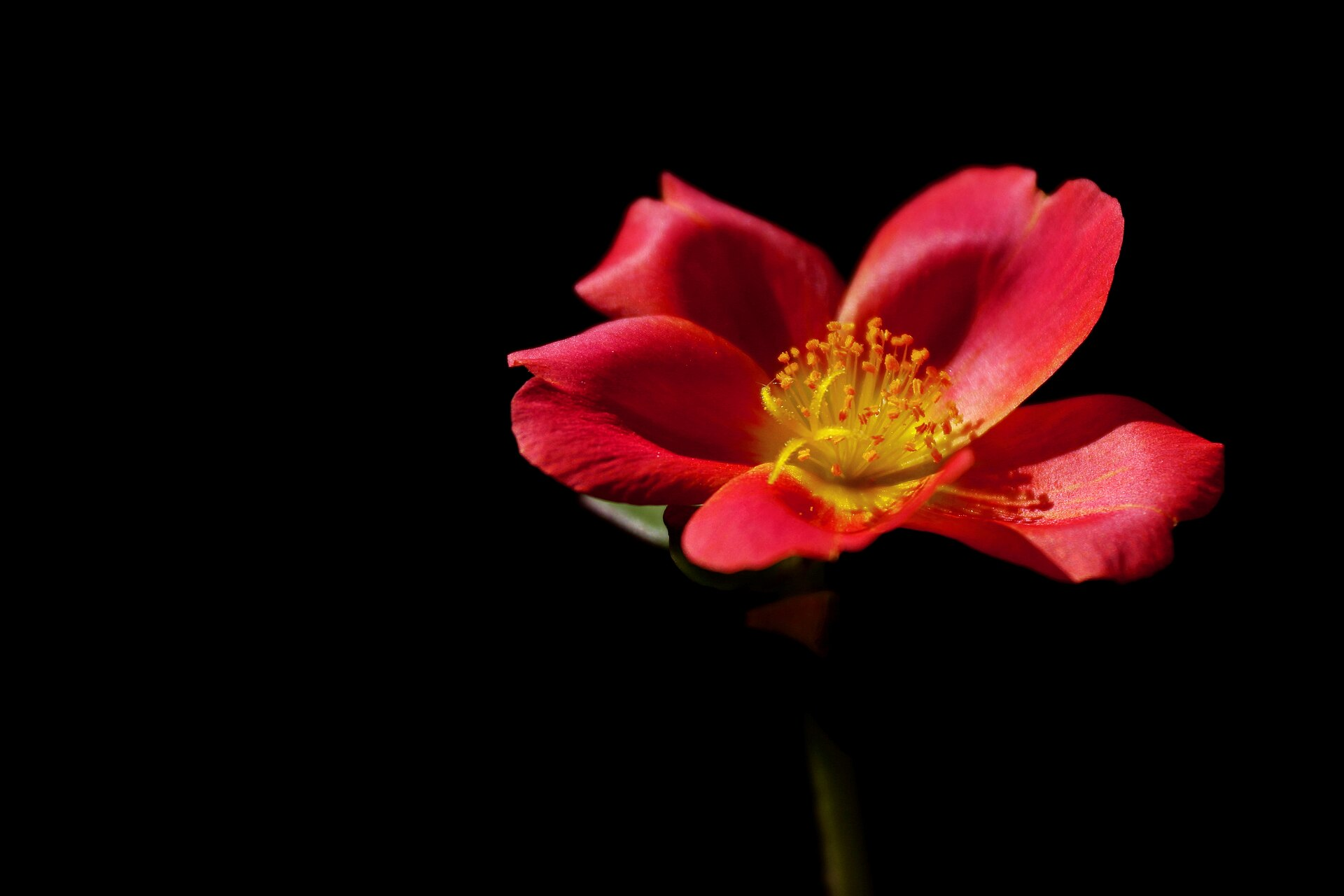
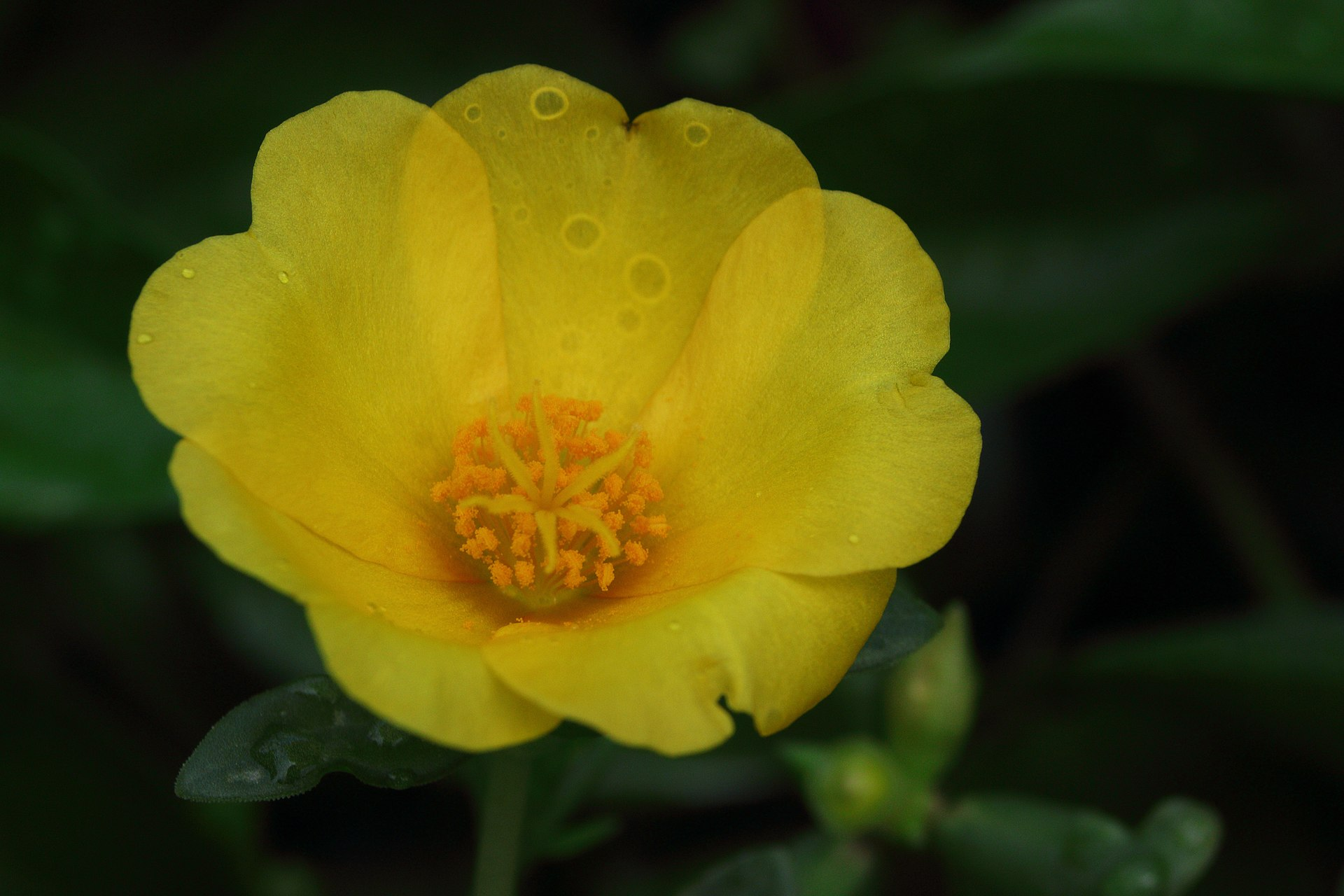
- Flower:Large, showy flowers held above the foliage; typically 5-petaled, in yellow, white, pink, red, and many cultivar-driven color blends. Double-flowered forms occur. Fruit is a capsule packed with very small seeds; the base of the fruit may show a distinctive winged ring.
- Flowering Season:May–August
- Growth Habit:Warm-season annual herb with slender, branching stems; low, spreading, mat-forming groundcover.
🌤️ Environment
Sunlight
Full sun; flowers best with strong, direct light.
Temperature
Best growth at 16–30°C (61–86°F); frost-tender and not cold hardy.
Humidity
Prefers evenly moist conditions, but once established it copes well with dry periods; avoid persistently stagnant, overly humid conditions that keep stems wet.
Soil
Adaptable, but performs best in fertile, well-drained sandy loam. Avoid waterlogged, poorly drained soils (a fast-draining mix is ideal in pots).
Placement
Sunny outdoor beds and borders, edging along paths and steps, rock gardens, and as a bright groundcover; also excellent for containers placed in full sun.
Hardiness
Not frost hardy; typically grown as an annual in temperate regions. Very tolerant of heat, drought, poor soils, and short periods of excess moisture.
🪴 Care Guide
Difficulty
Easy. Very adaptable—thrives in heat and sun, tolerates drought and brief wet spells, but quickly declines with cold or frost.
Buying Guide
Choose compact plants with firm, plump succulent leaves and plenty of buds. Avoid mushy stems (possible rot) and leggy, pale growth (not enough light).
Watering
Water to establish, then let the top layer of soil dry slightly between waterings. In containers or during hot weather, water more often—but always ensure excellent drainage. Avoid keeping soil constantly soggy.
Fertilization
Light feeder. If growth is weak, use a balanced liquid fertilizer at half strength every 2–4 weeks during active growth (late spring through summer). Avoid excessive nitrogen, which can push leafy growth at the expense of flowers.
Pruning
Pinch or lightly trim to encourage branching and heavier bloom. Deadheading is optional—many forms look tidy without much cleanup, but removing spent blooms can keep the display neat.
Propagation
Primarily by seed. Let capsules dry, then collect the extremely fine seeds and sow on the surface in warm conditions (do not bury deeply). Some cultivated forms may also root from stem cuttings.
Repotting
In pots, refresh the mix or move to a slightly larger container once roots fill the pot. Handle gently (stems are soft). Use a fast-draining medium.
📅 Seasonal Care Calendar
Start seeds after the danger of frost has passed. Keep plants in full sun through summer. Main flowering is May–August; fruiting often June–September. In frost-prone areas, plants are typically removed at season’s end.
🔬 Pests, Diseases & Safety
Common Pests & Diseases
Usually trouble-free. In overly wet, poorly ventilated conditions it may develop stem or root rot. Aphids or spider mites can appear during hot, dry spells—improve airflow and use appropriate control methods if needed.
Toxicity
No consistently reliable toxicity references are specific to Portulaca umbraticola in the provided data. Treat as an ornamental plant: discourage chewing by children and pets, and seek medical/veterinary advice if ingestion occurs and any symptoms appear.
🎋 Culture & Symbolism
Symbolism:Often linked with cheerful, sunlit color and resilience—proof that summer heat can still be a blooming season.
History & Legends:Widely grown as an ornamental bedding and groundcover plant; many modern cultivars have been selected for larger flowers, richer colors, and double blooms.
Uses:Primarily ornamental—valued for vivid, long-season color and its low, spreading coverage. Great for sunny beds, edging, steps, rock gardens, and bright container displays.
💡 Fun Facts
- The flowers look oversized compared to the small succulent leaves, giving a bold “color pop” effect even in tiny spaces.
- The seed capsules hold extremely fine seeds, making self-seeding easy in warm climates.
- The distinctive winged ring at the base of the fruit is a key feature behind the name “wingpod.”
- Double-flowered cultivars are especially popular for bedding displays and mixed color carpets.
- It’s widely cultivated and has become naturalized in many warm regions beyond its reported American origins.