🌱 Plant Features
- Size:Woody climbing vine; length varies widely with support and habitat—often several meters (several feet) or more when allowed to climb.
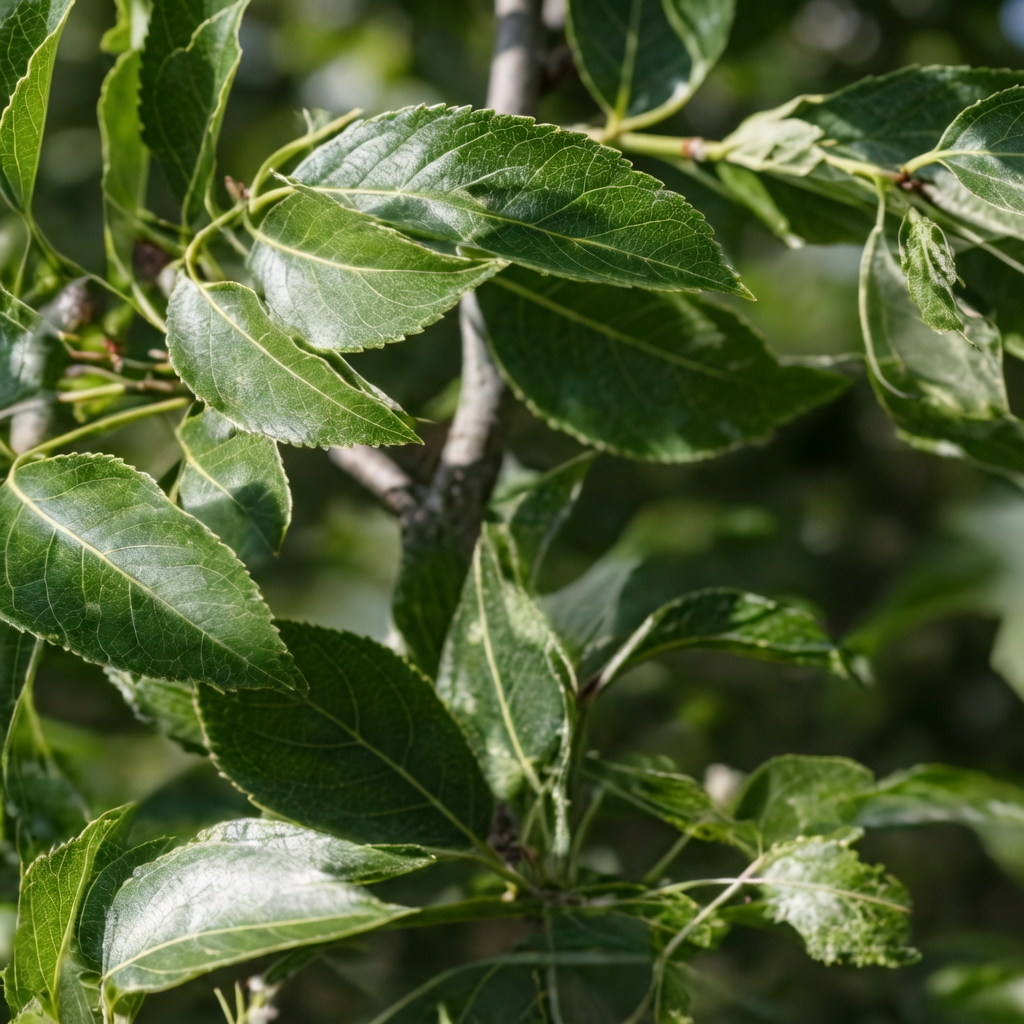
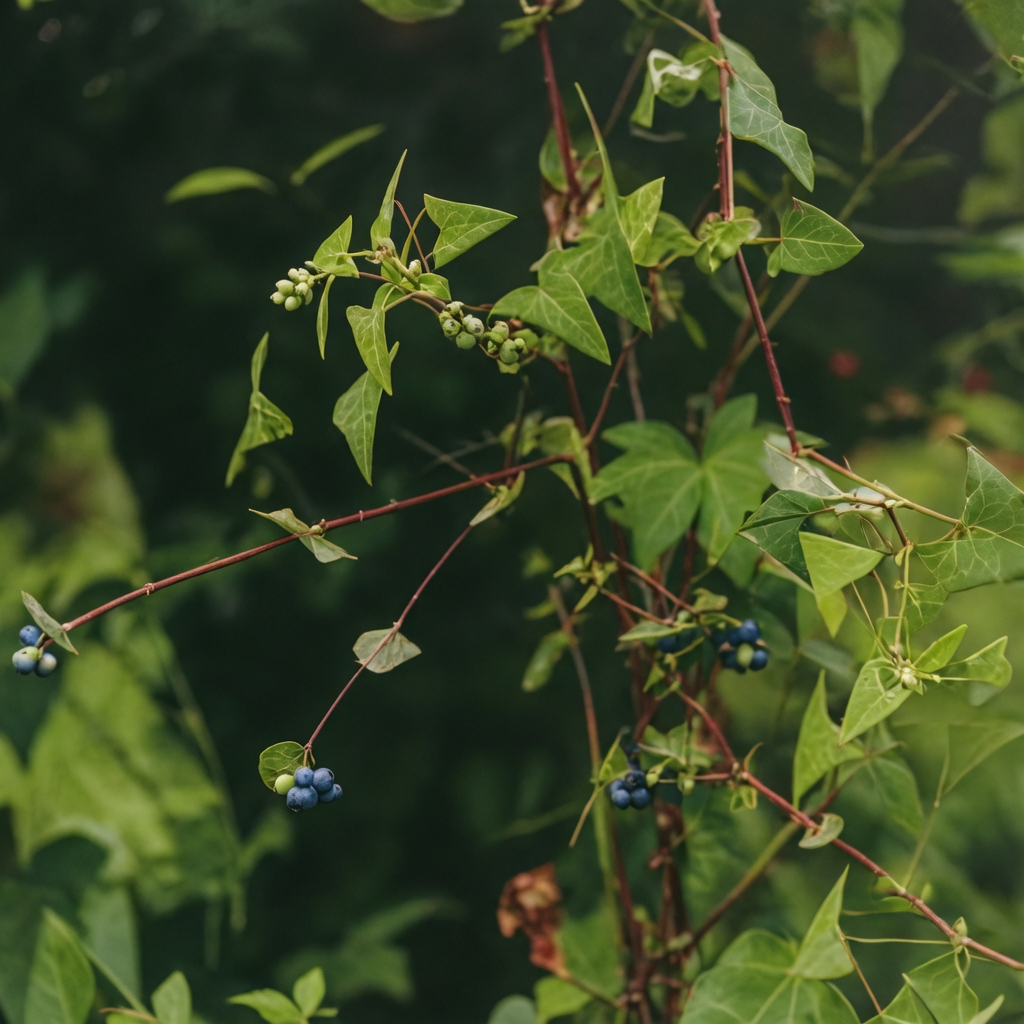
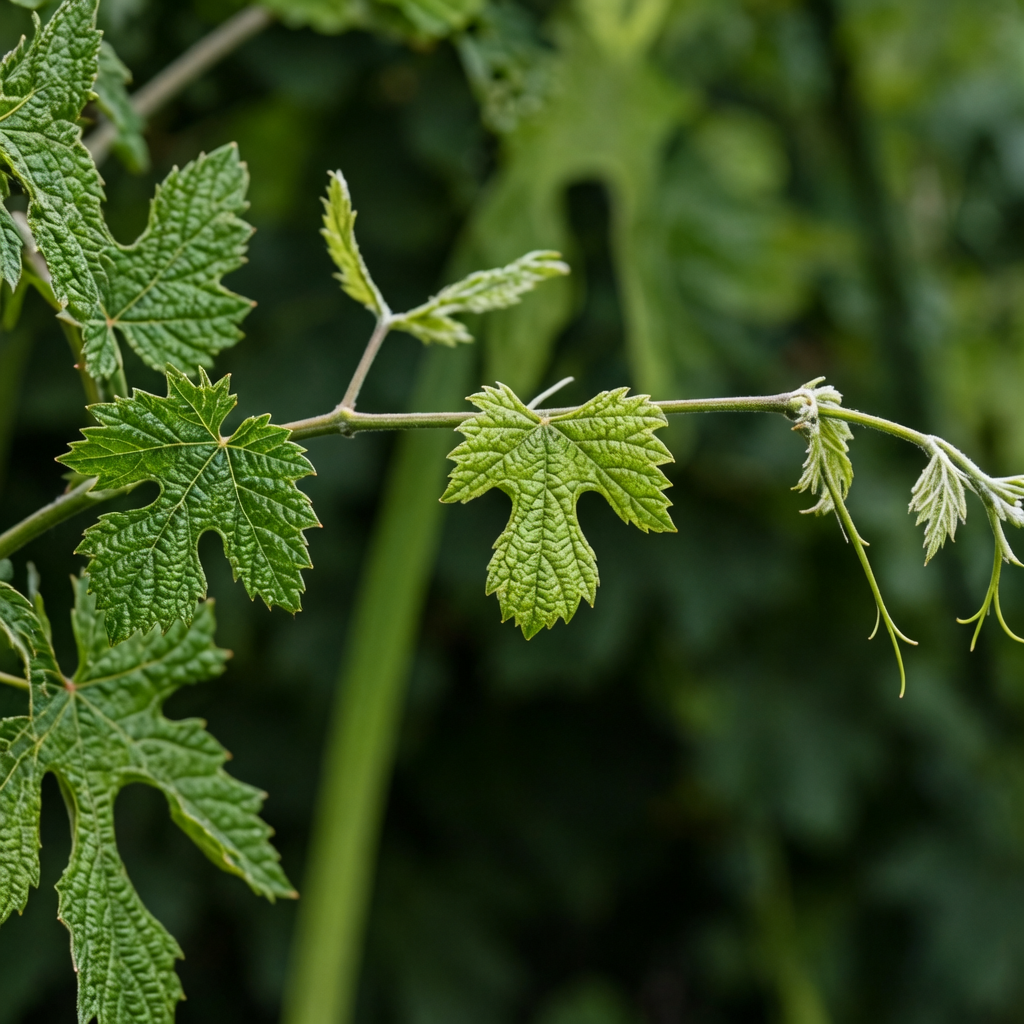
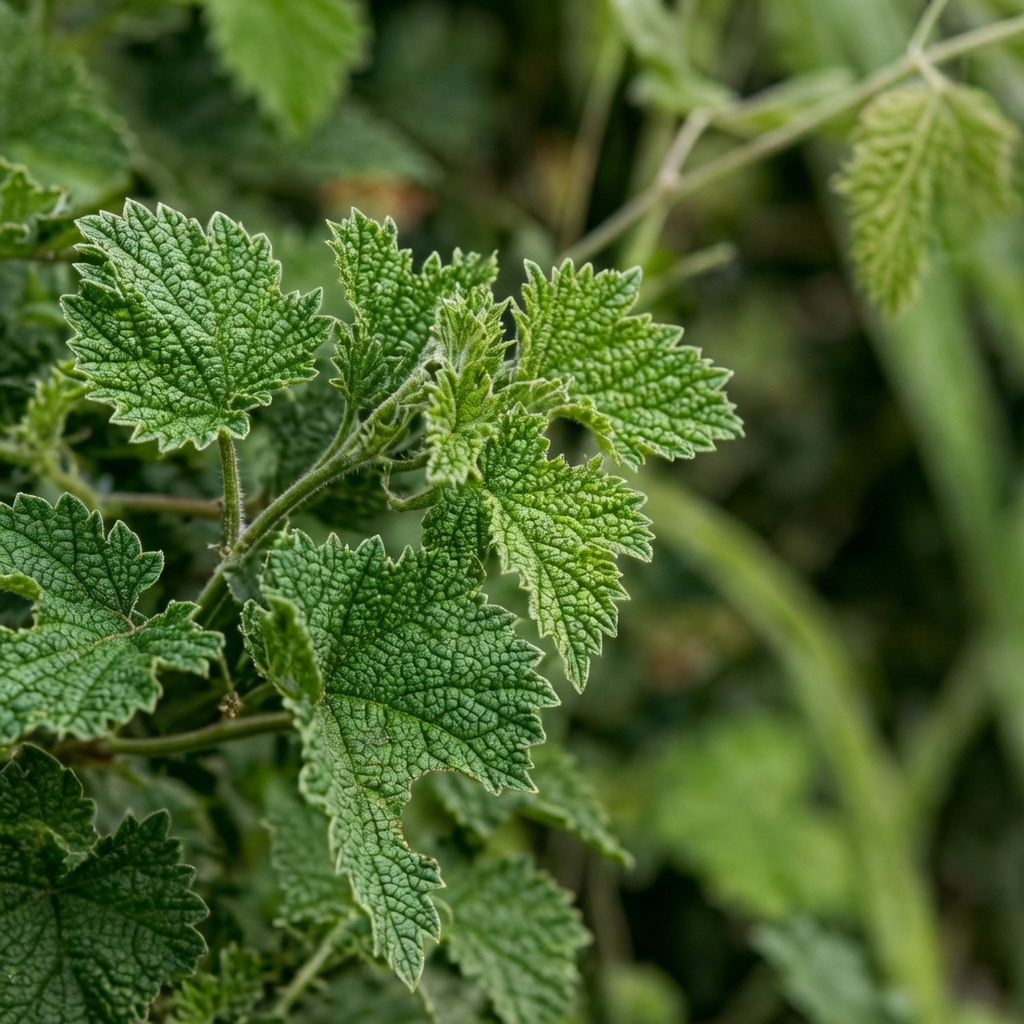
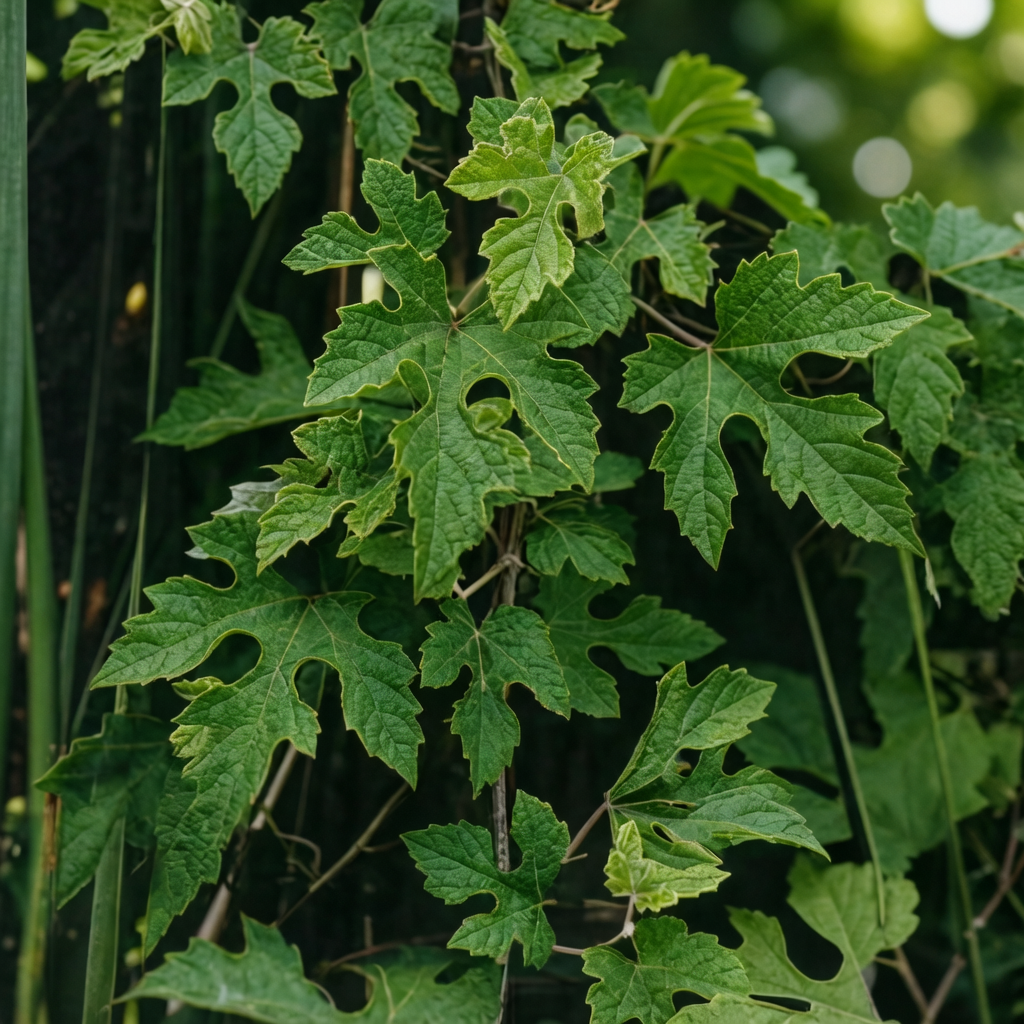
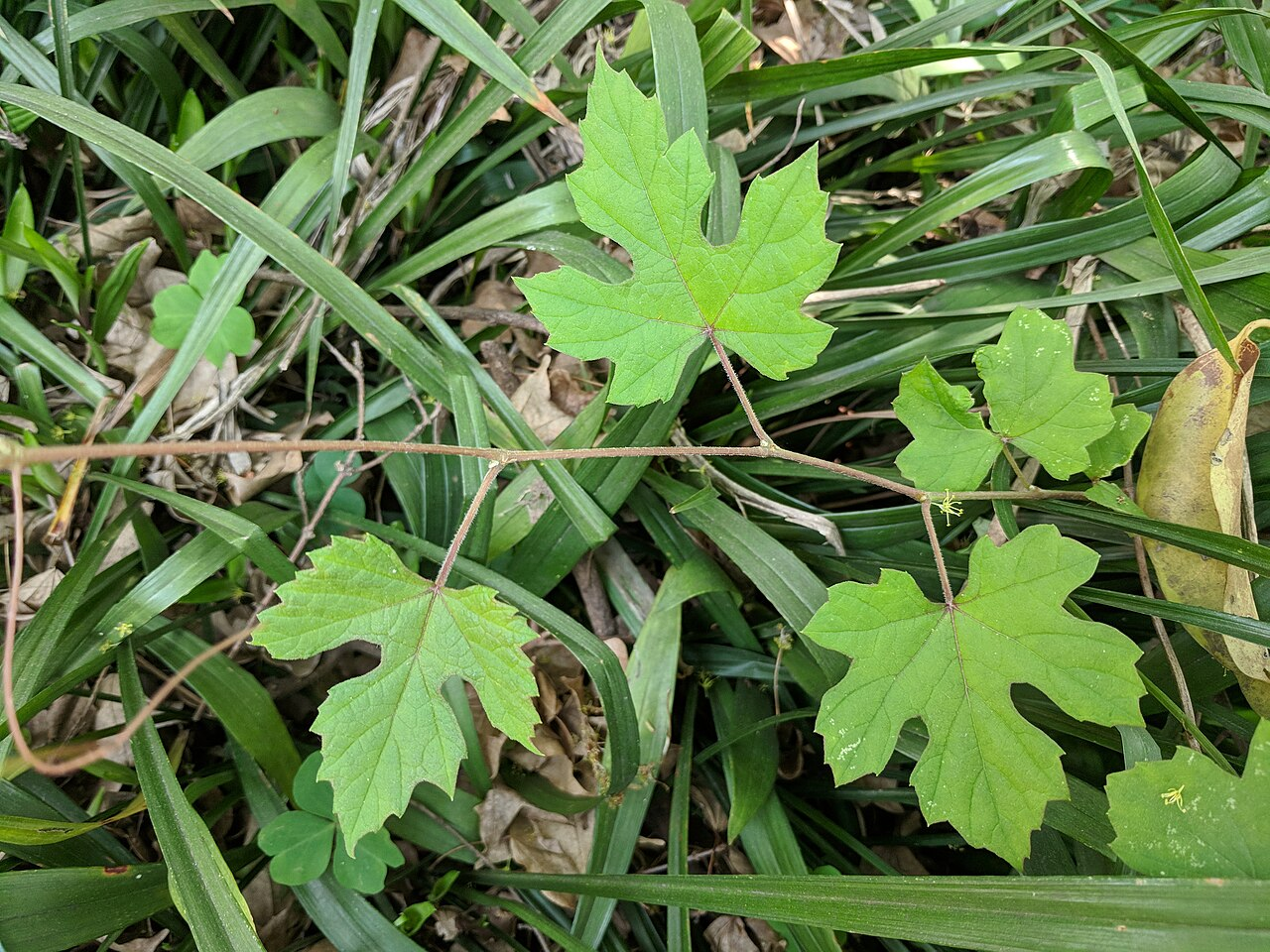
- Foliage:Leaves are palmately shaped with 3–5 deep lobes and blunt-toothed margins. The underside is densely covered in gray-white, velvety hairs, giving it a pale, felted look—one of the easiest identification clues in the field.
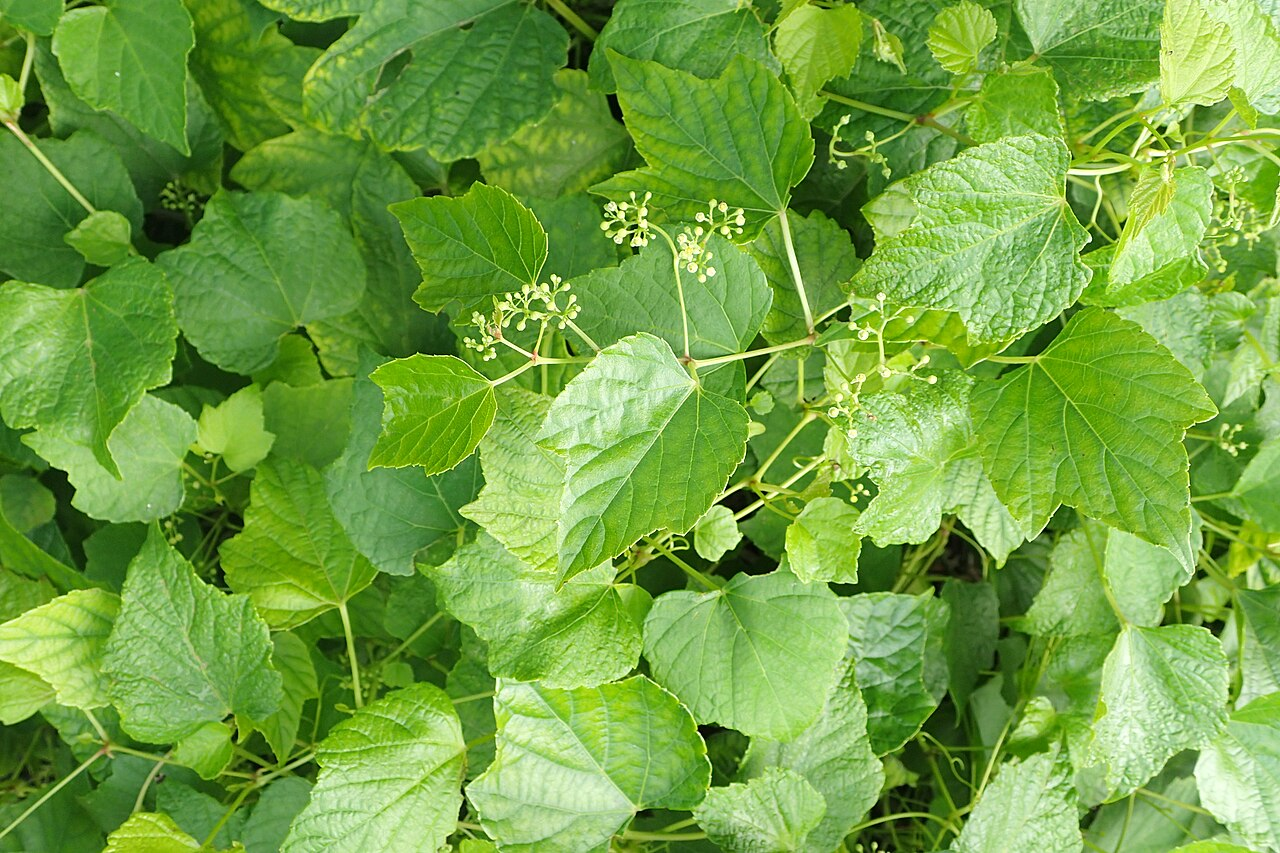
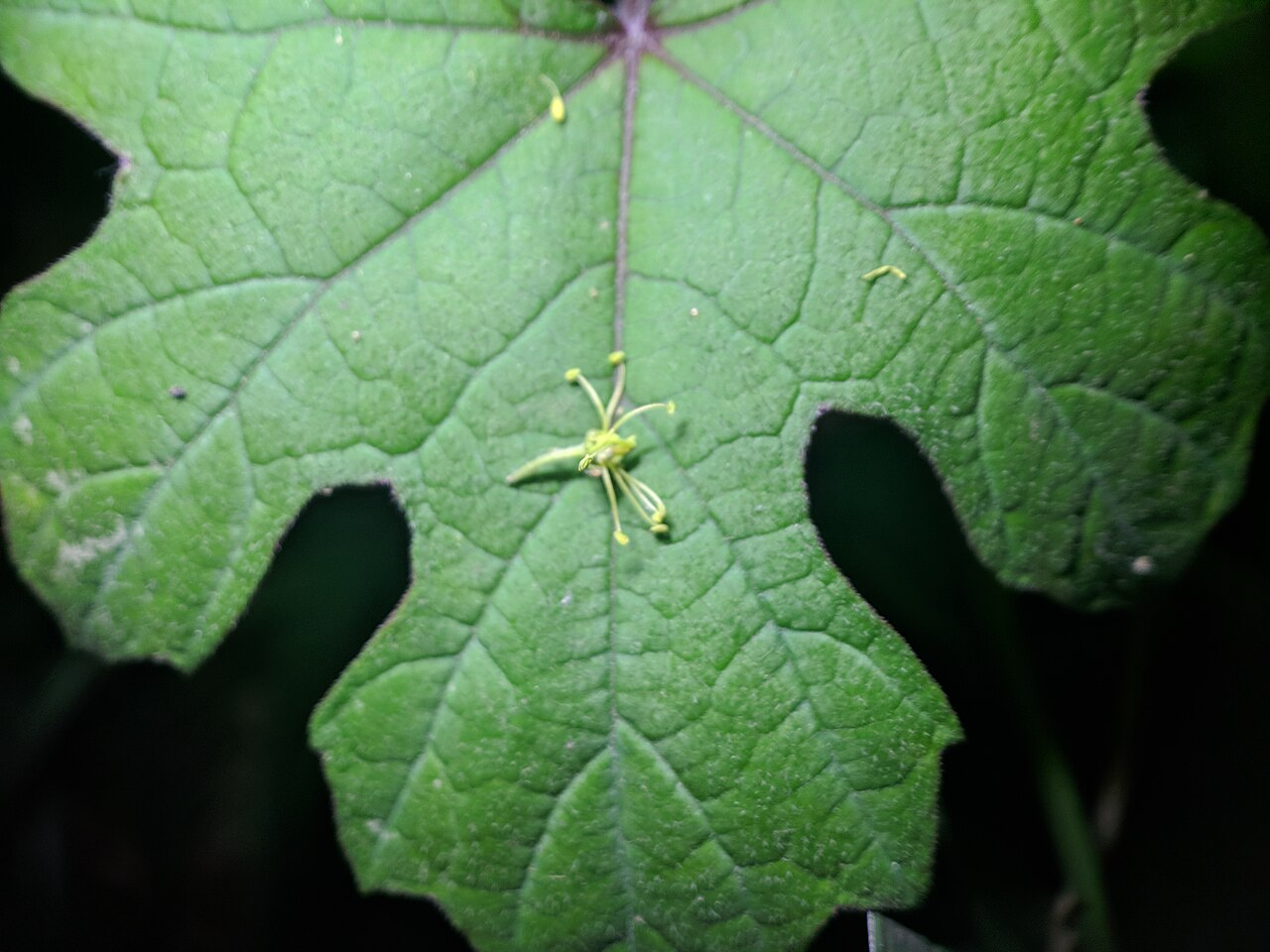
- Flower:Dioecious: male and female flowers occur on separate plants. Flowers are small and greenish, carried in panicles opposite the leaves. Male flowers have slender stamens with yellow anthers.
- Flowering Season:April–August (Apr–Aug)
- Growth Habit:A slender, angular-stemmed, twining/climbing vine. Adaptable across a wide range of climates and elevations, and can be trained on supports or left to ramble along edges and thickets.
🌤️ Environment
Sunlight
Full sun to partial shade. It will grow in brighter shade, but fruits best and colors up better with more sun.
Temperature
Temperate conditions; generally grows where seasonal temperatures range roughly from about -10 to 35°C (14 to 95°F). Protect young growth from severe late frosts.
Humidity
Average outdoor humidity is fine. Tolerates periods of higher humidity, but good airflow helps reduce mildew problems.
Soil
Well-drained loam or sandy loam is ideal. Tolerant of a range of soils, but performs best in moderately fertile ground. Avoid waterlogged sites.
Placement
Outdoors on a trellis, pergola, fence, or along a woodland edge where it can climb. It also naturally scrambles along ditches, scrub, and field margins.
Hardiness
Approximately USDA Zone 6–9; relatively cold-hardy for a grapevine, though extreme freezes and late frosts can damage tender new shoots.
🪴 Care Guide
Difficulty
Easy to moderate outdoors once established. It’s vigorous and forgiving, but benefits from training and periodic pruning so it doesn’t become a tangled mass.
Buying Guide
Pick vines with firm, healthy stems and no dieback. If you want fruit, confirm the plant’s sex (or buy more than one), since male and female flowers are on separate plants.
Watering
Water regularly while establishing. After that, water during prolonged dry spells—aim for evenly moist soil, not soggy. Deep watering is better than frequent light sprinkles.
Fertilization
Light feeding in spring with compost or a balanced fertilizer is usually enough. Avoid heavy nitrogen, which can push lots of leafy growth but reduce flowering and fruiting.
Pruning
Prune during dormancy (late winter) to control size and encourage productive new shoots. Remove weak, tangled, and overcrowded growth, and train main canes neatly along the support.
Propagation
Commonly propagated by hardwood cuttings taken during dormancy, or semi-hardwood cuttings in summer. Seed is possible, but seedlings vary and plant sex won’t be predictable.
Repotting
Usually grown in the ground. If grown in a container, repot every 1–2 years into fresh, well-draining mix and provide a strong support structure as it gains size.
📅 Seasonal Care Calendar
Spring: train new shoots and feed lightly. Summer: tie in fast growth and water in drought. Late summer–autumn: harvest fruit when fully colored. Winter: prune while dormant and check/repair supports.
🔬 Pests, Diseases & Safety
Common Pests & Diseases
May attract typical grapevine pests such as aphids, scale insects, spider mites, and caterpillars. In humid conditions, watch for powdery mildew and downy mildew. Improve airflow, avoid overhead watering, and remove heavily infected leaves to slow spread.
Toxicity
Traditionally used for its fruit by people. However, as with many Vitis (grape) species, grapes/raisins can be toxic to dogs—don’t let pets snack on fallen fruit.
🎋 Culture & Symbolism
Symbolism:Often linked with abundance, harvest, and prosperity—thanks to its grape clusters and exuberant growth.
History & Legends:A wild Chinese grape relative long used locally for home fermentation and practical rural crafts; its climbing habit makes it a familiar sight in countryside hedgerows and woodland edges.
Uses:Ornamental climber for naturalistic landscapes; fruit can be fermented for wine; used in traditional herbal contexts as a tonic; stems historically used as a fiber source for rope-making.
❓ FAQ
Why is my wild grape vine flowering but not producing grapes?
This species is dioecious—male and female flowers grow on separate plants. A single vine may be male (flowers but no fruit) or female (can fruit, but needs pollen from a nearby male). Planting multiple vines or ensuring a male is present usually solves the issue.
What’s the easiest way to identify Vitis bryoniifolia?
Check the leaves: they’re often 3–5 deeply lobed, and the underside is densely covered in gray-white, velvety hairs—giving it a pale, felted look that stands out compared with many other wild grapes.
💡 Fun Facts
- It’s dioecious—so fruiting depends on having both male and female plants in the area.
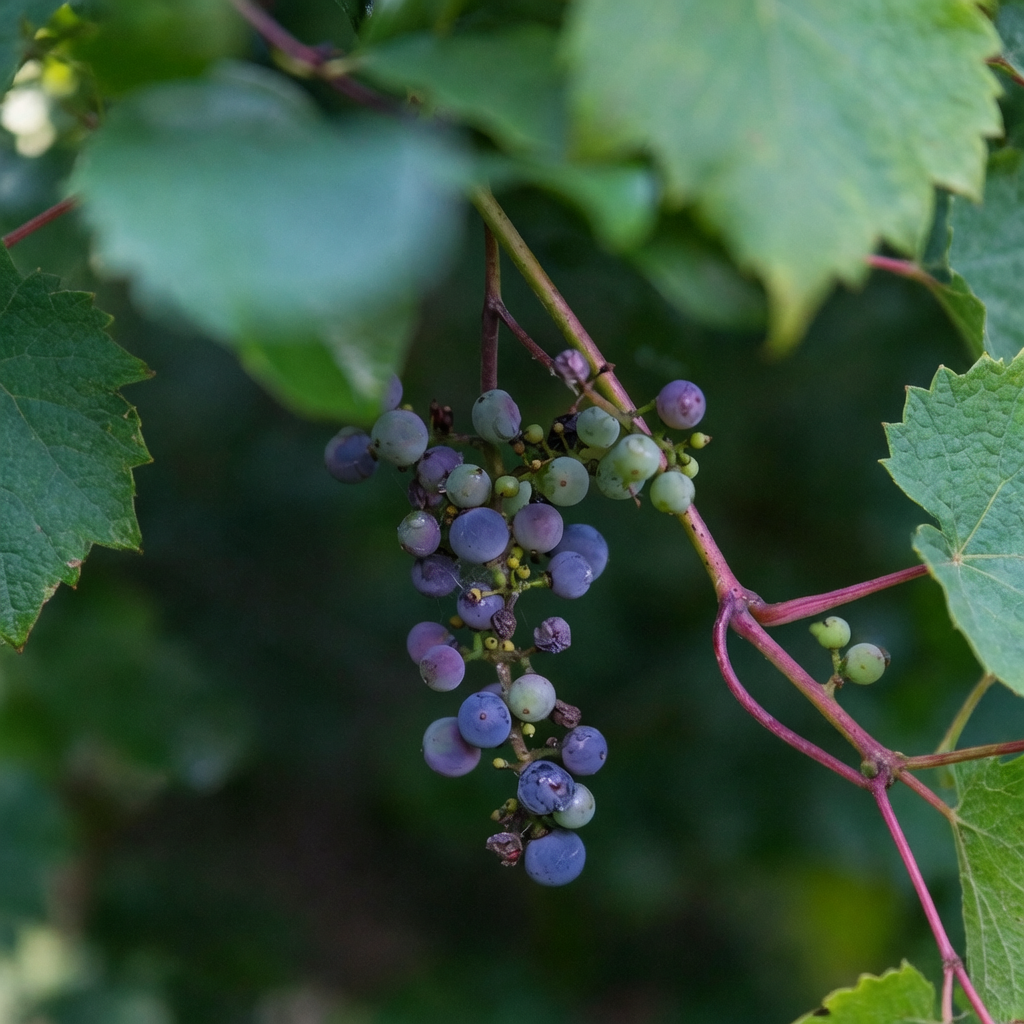
- Its small, round grapes ripen to a purplish red, and fruiting is often noted from June–October (Jun–Oct).
- That dense gray-white fuzz beneath the leaves is a classic field mark and can make the foliage look silvery in a breeze.
- Its wide provincial distribution in China is a good hint at how adaptable and resilient it is.
- Beyond fruit, people have historically used its tough stems as a source of fiber for rope.