🌱 Plant Features
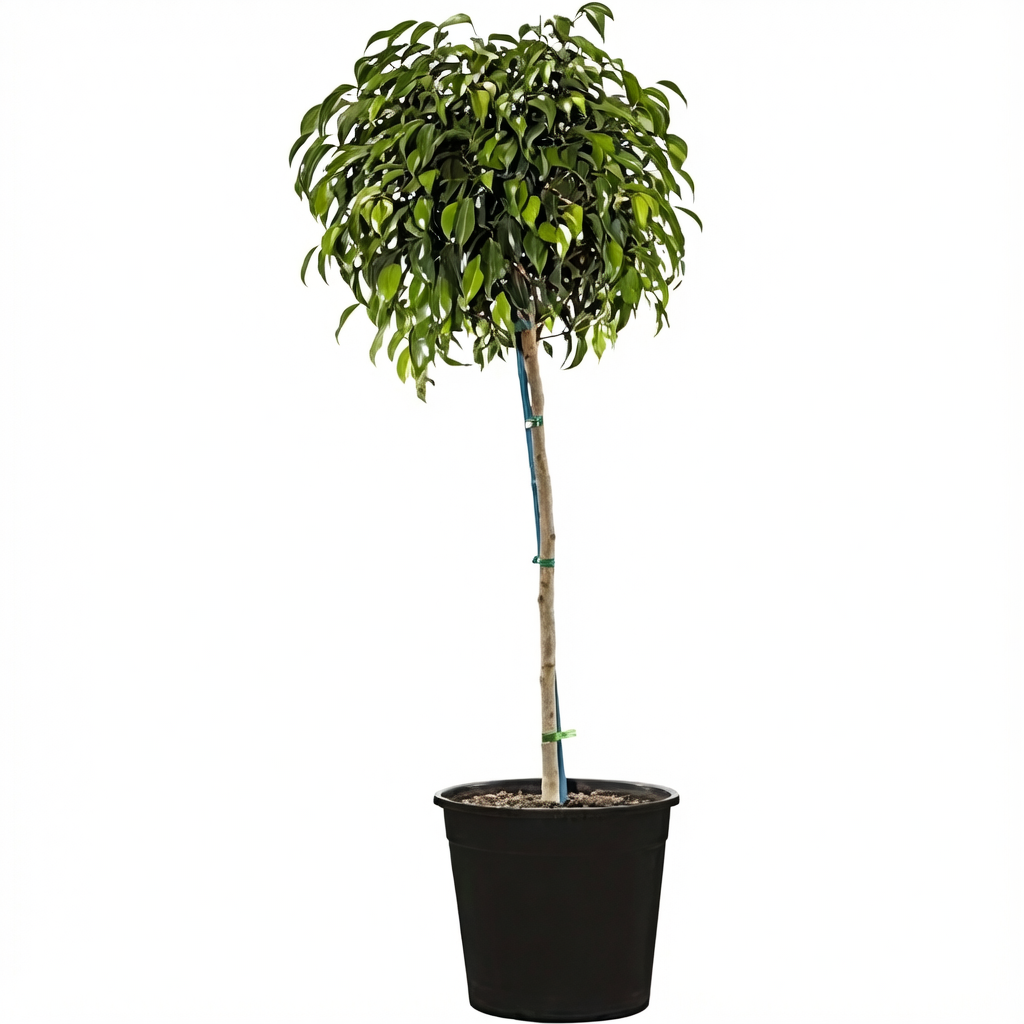
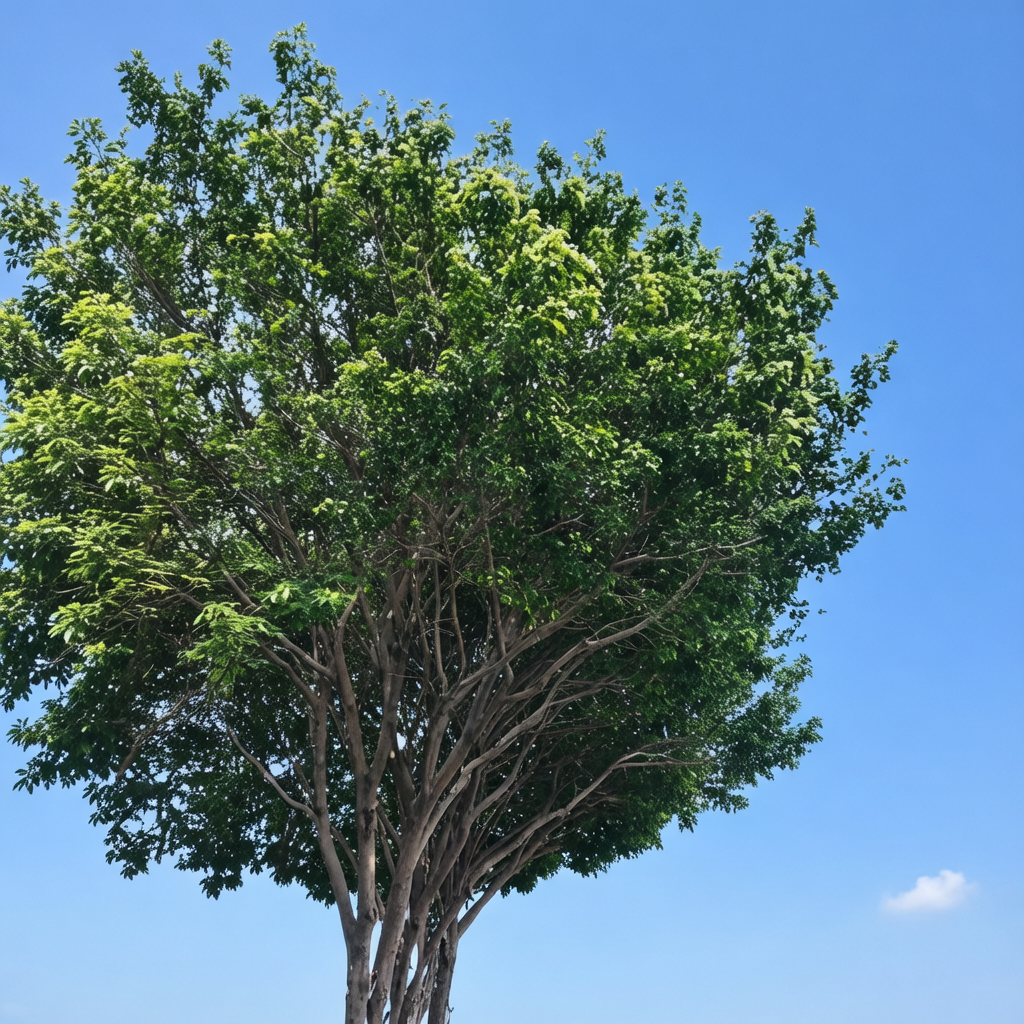
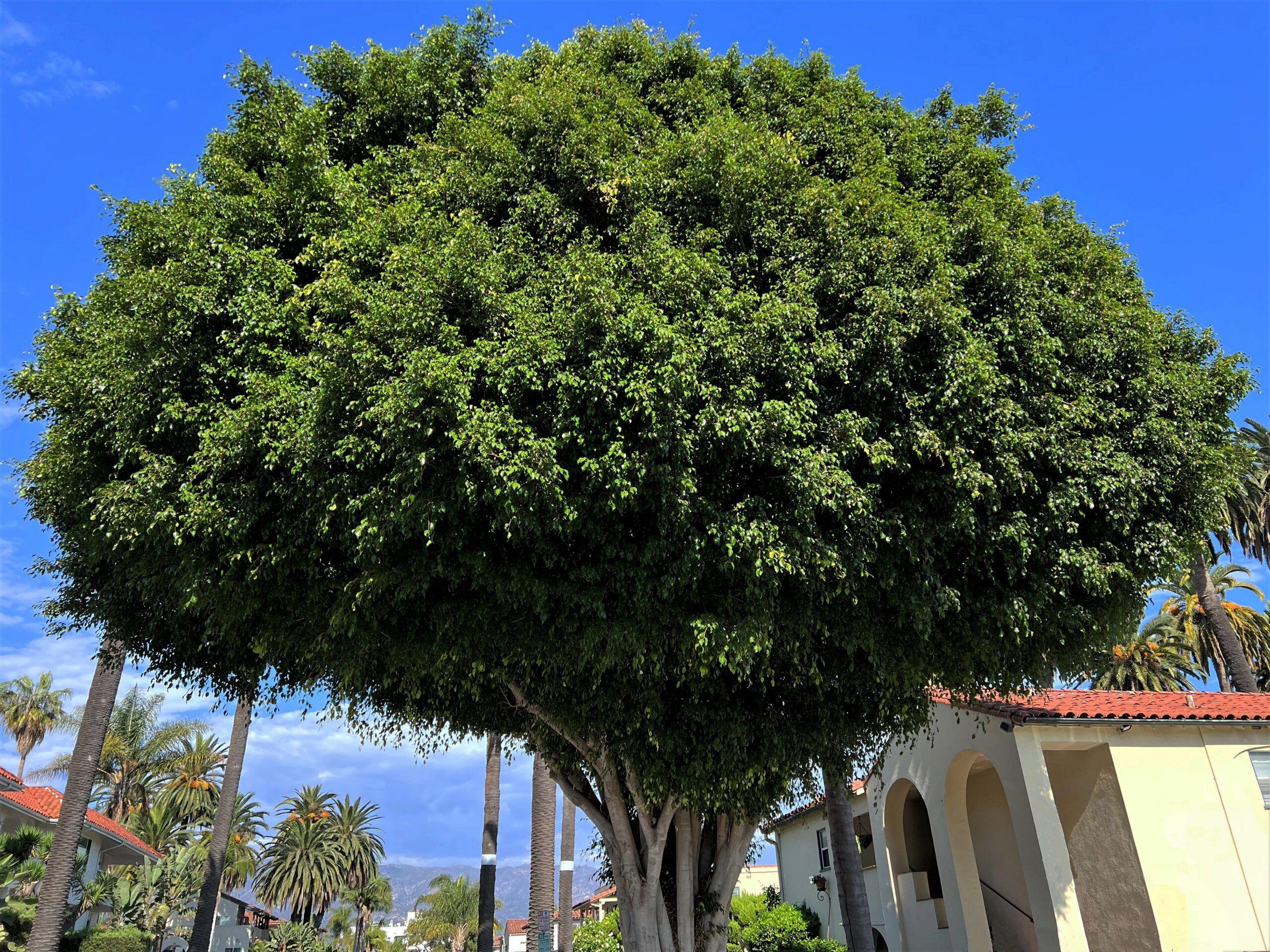
- Size:Outdoors in the ground (warm climates): about 12–15 m (40–50 ft) tall and 7.5–9 m (25–30 ft) wide. Indoors in a pot: commonly 0.9–1.8 m (3–6 ft), though it can be kept taller in large, bright spaces; some indoor specimens reach around 3.5 m × 1.2 m (11.5 ft × 3.9 ft) with time and careful care.
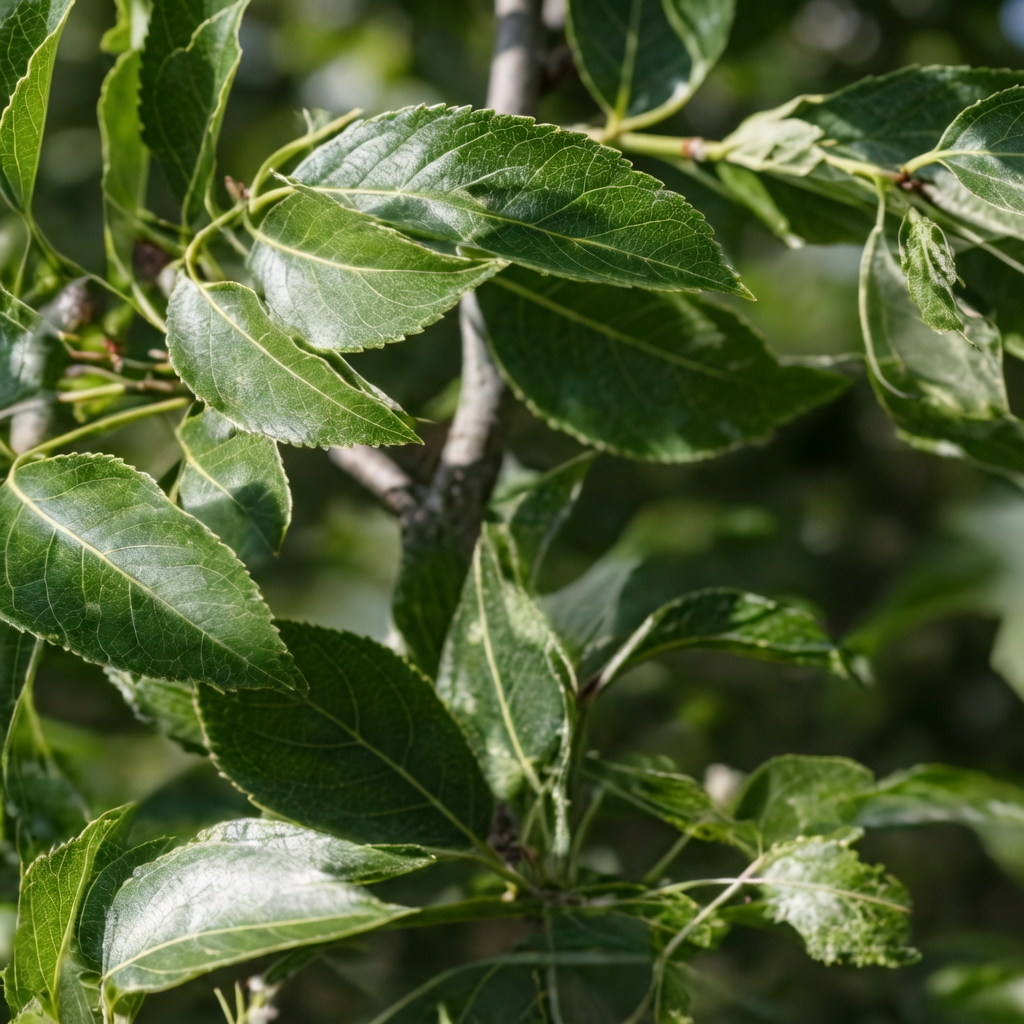
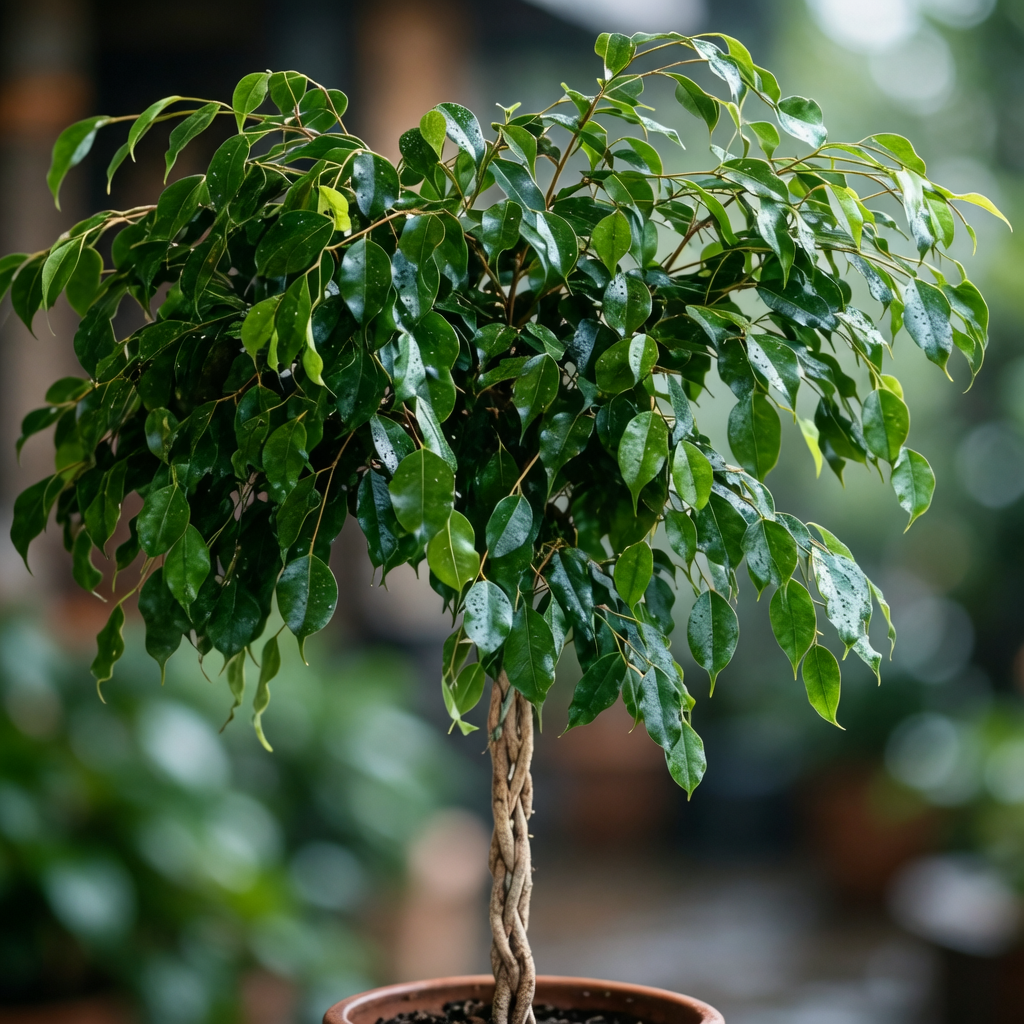
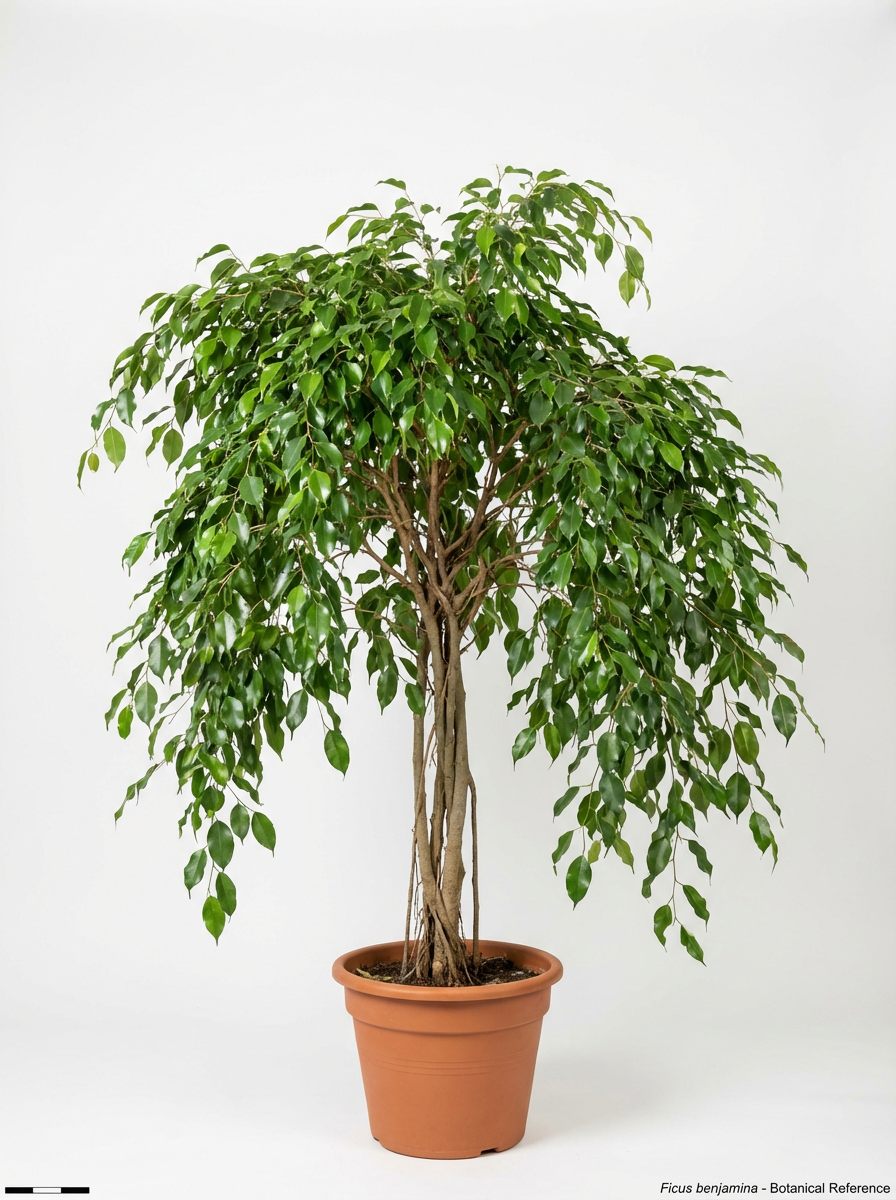
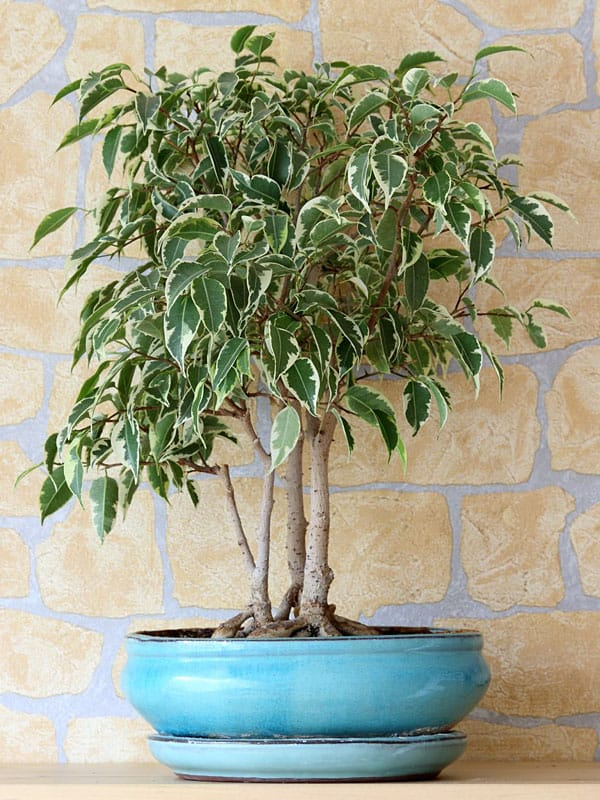
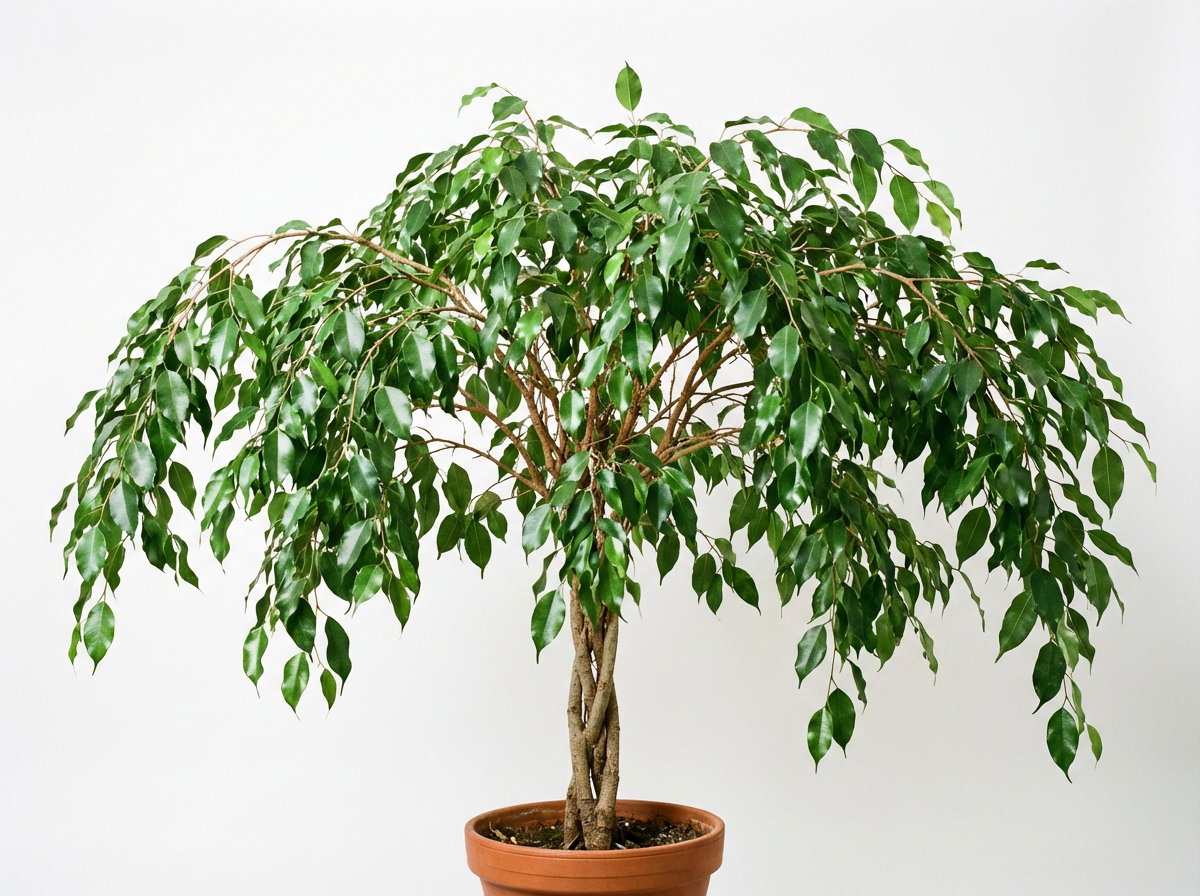
- Foliage:Leaves are small to medium, pointed-oval, and notably glossy, carried along slender, arching stems that create the plant’s signature “weeping” look. Many plants are solid green; some cultivars show cream/ivory variegation (which usually needs brighter light to hold its pattern). Leaves can drop readily when stressed—especially after moves, drafts, low light, or inconsistent watering.
- Flower:Like other figs, the true flowers are tiny and hidden inside a specialized fig structure called a syconium—so you won’t see showy blooms. Indoors, flowering and fruiting are uncommon. Outdoors in suitable climates, small figs may develop and can ripen from red to purplish-black (typically not a feature of houseplants).
- Flowering Season:Rarely observed indoors; in its natural/outdoor habitat it may flower/fruit seasonally (often late summer to autumn, roughly August–November).
- Growth Habit:An upright, woody evergreen tree with a rounded canopy and gracefully drooping branches. In humid, tropical conditions it may form aerial roots that can descend and root, sometimes creating extra supporting trunks over time.
🌤️ Environment
Sunlight
Bright, indirect/filtered light is ideal. It can take a little gentle morning sun, but avoid harsh midday or afternoon sun through glass (leaf scorch risk). Keep light levels consistent to reduce leaf drop; variegated types generally want brighter light than green forms.
Temperature
Best kept warm and steady: about 16–24°C (61–75°F) for comfortable indoor growth; it also does well in a broader “houseplant warm” range around 18–29°C (65–85°F). Protect from cold drafts and sudden swings. It may survive brief chills, but it is not frost tolerant and prolonged cold can cause damage and leaf drop.
Humidity
Prefers moderate to higher humidity. Aim roughly around 50–70% if possible; it will cope with average indoor humidity but appreciates extra moisture in summer or during heating season (low humidity can contribute to crispy edges and leaf drop).
Soil
A well-draining potting mix is key—moisture-retentive but never soggy. A quality houseplant mix amended for drainage (e.g., with perlite/sand) works well; slightly acidic to neutral is fine. Don’t let the pot sit in water.
Placement
A bright, spacious, stable spot indoors—living rooms, offices, lobbies, galleries—away from HVAC vents, drafty doors, and frequent traffic. Choose a location you can keep it in; frequent moving is a common trigger for leaf drop.
Hardiness
USDA Zones 10–12. Not frost tolerant; protect from temperatures near or below freezing.
🪴 Care Guide
Difficulty
Moderate to challenging. It’s straightforward once established, but it’s famously sensitive to change (light, temperature, drafts, repotting, and inconsistent watering), which often shows up as sudden leaf drop.
Buying Guide
Look for a plant with dense foliage, good color, and minimal active leaf drop. Check leaf undersides and stems for pests (especially scale and spider mites), and avoid plants sitting in waterlogged mix. A healthy root system (not black/mushy, not severely root-bound) sets you up for success—remember that stressed plants may drop leaves after purchase, so plan to keep conditions steady.
Watering
Water when the top 2.5–5 cm (1–2 in) of mix feels dry, then water thoroughly and let excess drain. The goal is evenly moist soil, not soggy soil. In winter, reduce watering and keep the mix only lightly moist—never bone-dry for long, but definitely not wet. Using lukewarm rainwater or distilled water can help if your tap water is very hard/chlorinated. Misting can be helpful in summer or during very dry indoor periods, but prioritize consistent root-zone watering and good drainage.
Fertilization
Feed during active growth. A practical approach: spring through autumn, apply a balanced liquid fertilizer about once a month (many growers use half-strength to avoid salt buildup). Alternatively, use a slow-release fertilizer at the start of spring. Reduce feeding in late autumn/winter (e.g., every 2 months or pause if growth slows).
Pruning
Prune lightly to shape, manage size, and encourage bushier growth—best in spring to early summer. Remove dead, weak, or crossing growth anytime. Avoid heavy, all-at-once pruning if the plant is already stressed. Use clean, sharp tools; the milky sap can irritate skin.
Propagation
Most often by stem cuttings (spring/summer). Take 7.5–12.5 cm (3–5 in) cuttings with at least a couple of leaf nodes, let sap bleed off briefly, then root in a warm, humid setup in bright indirect light. Air layering is also very effective for larger plants; seed is possible but uncommon for home growers.
Repotting
Repot in spring only when needed (clearly root-bound or drying out too quickly). Many plants prefer stability; frequent repotting or moving can trigger leaf drop. If it doesn’t need a full repot, refresh the top layer of mix instead. When repotting, use a pot with drainage and a well-draining mix; trim only obviously unhealthy roots.
📅 Seasonal Care Calendar
Spring: light pruning, begin feeding, repot only if necessary or refresh topsoil. Summer: water more regularly, boost humidity if air is dry, watch for spider mites. Autumn: taper feeding and monitor for drafts as temperatures drop. Winter: water sparingly (lightly moist, not wet), keep warm and away from heaters/cold windows, and avoid moving the plant.
🔬 Pests, Diseases & Safety
Common Pests & Diseases
Common pests include spider mites (fine webbing, speckling), scale (brown bumps on stems/leaves), mealybugs (white cottony clusters), aphids, and sometimes thrips. Leaf drop is often a stress signal—moves, drafts, low light, over/underwatering, or sudden temperature changes. Root rot is a major risk in poorly draining soil or if the pot sits in water. Manage with isolation, wiping pests off, insecticidal soap/neem, improved airflow, and—most importantly—correct watering and stable conditions.
Toxicity
Toxic/irritating to people and pets. The milky latex sap can cause skin irritation/dermatitis, and chewing or ingesting leaves may cause mouth and gastrointestinal upset (e.g., drooling, vomiting, nausea, reduced appetite). Keep out of reach of children, cats, and dogs; wear gloves when pruning and clean up fallen leaves.
🎋 Culture & Symbolism
Symbolism:Often linked with resilience, stability, and a calming, tree-like presence indoors. In some cultures it’s also associated with good luck, prosperity, and positive home energy.
History & Legends:Long cultivated across Southeast Asia and widely adopted worldwide as a signature indoor “ficus.” It’s also associated with Thailand—often cited as the official tree of Bangkok—and is valued for its elegant silhouette in both interiors and warm-climate landscapes.
Uses:A popular ornamental foliage plant for homes, offices, hotels, and other large indoor spaces; also used outdoors as a street/specimen tree or hedge in frost-free climates. It’s a favorite for bonsai because it responds well to training and can develop interesting roots. Commonly promoted as an indoor air-quality plant (often noted in popular summaries of NASA-style indoor plant studies).
❓ FAQ
Why is my weeping fig dropping leaves?
Sudden leaf drop is usually stress: moving the plant, drafts, a big light change, temperature swings, low humidity, or watering that’s too erratic (either soggy soil or letting it dry too far). Choose one bright spot, keep it warm, and water consistently once the top 2.5–5 cm (1–2 in) dries.
How much light does a weeping fig need indoors?
Bright, indirect light is ideal. A little morning sun is fine, but avoid harsh midday/afternoon sun through glass. If you have a variegated form, give it brighter light to keep the creamy pattern from fading.
How should I water it?
Water when the surface layer dries: top 2.5–5 cm (1–2 in). Water thoroughly, then let excess drain—never leave it standing in water. In winter, keep it only lightly moist. Lukewarm rainwater or distilled water can be helpful in hard-water areas.
Is weeping fig toxic to pets?
Yes. The sap and foliage can irritate and may cause vomiting or mouth/GI upset if chewed by cats or dogs. Place it out of reach and clean up fallen leaves.
Can I repot or move it whenever I want?
Try not to—this plant loves consistency. Repot only when clearly root-bound (usually in spring), and otherwise refresh the top layer of soil. Frequent moving is one of the fastest ways to trigger leaf drop.
💡 Fun Facts
- Weeping fig’s “flowers” are hidden inside the fig (a syconium), so it never puts on a showy bloom display like typical flowering houseplants.
- In the tropics it can produce aerial roots that hang down and can eventually root, creating a dramatic multi-trunked look.
- It can begin life as an epiphyte in nature, later sending roots down that may envelop a host tree—one reason some Ficus are called “strangler figs.”
- Variegated weeping figs usually need brighter light than green ones to keep their creamy pattern.