🌱 Plant Features
- Size:Up to about 10 × 20 cm (4 × 8 in) overall spread, depending on age and growing conditions.
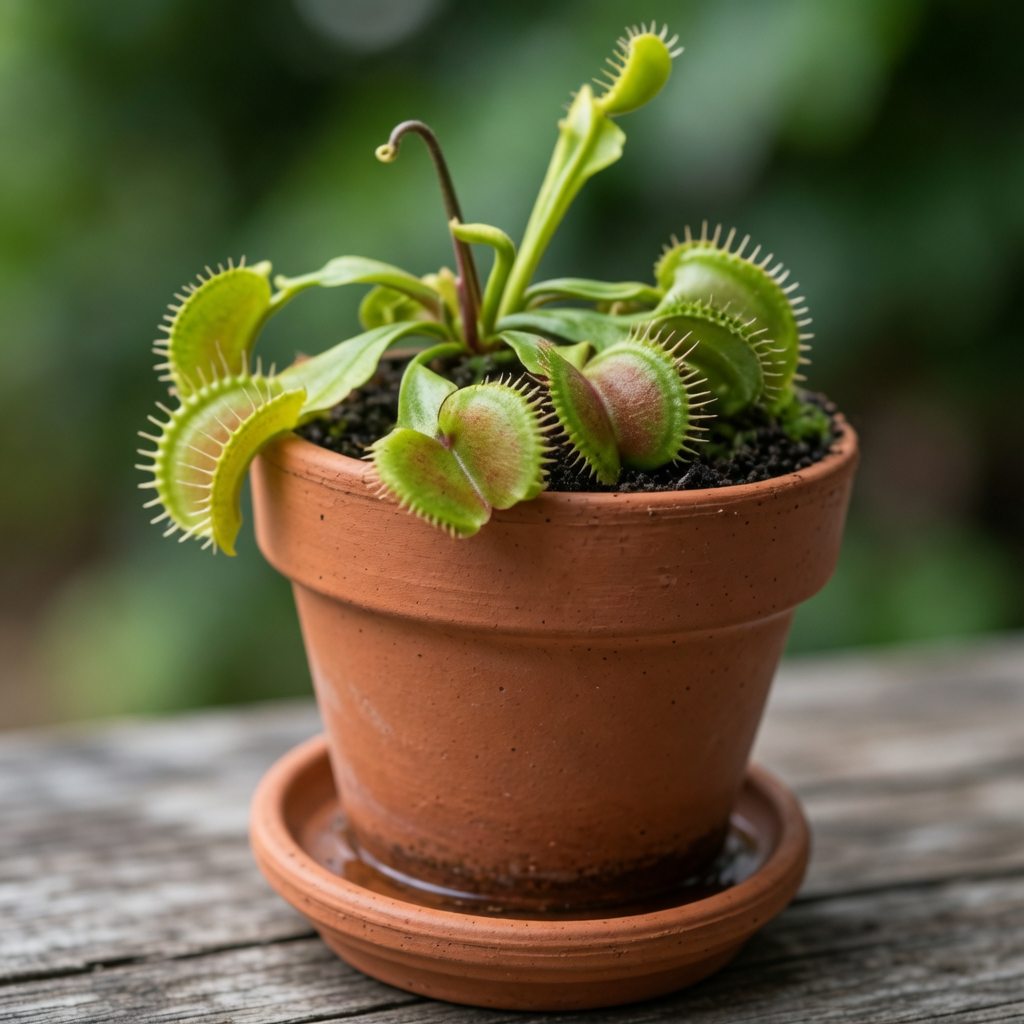
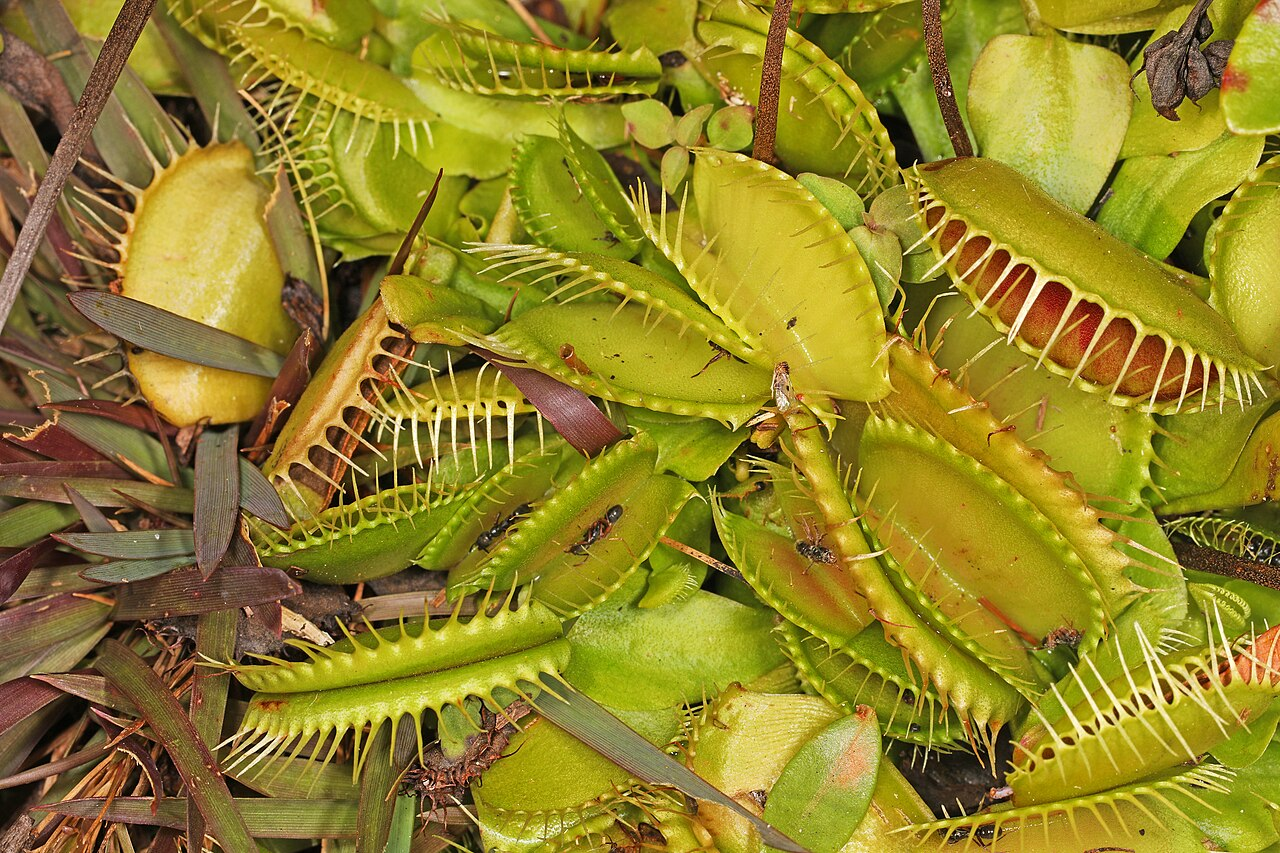
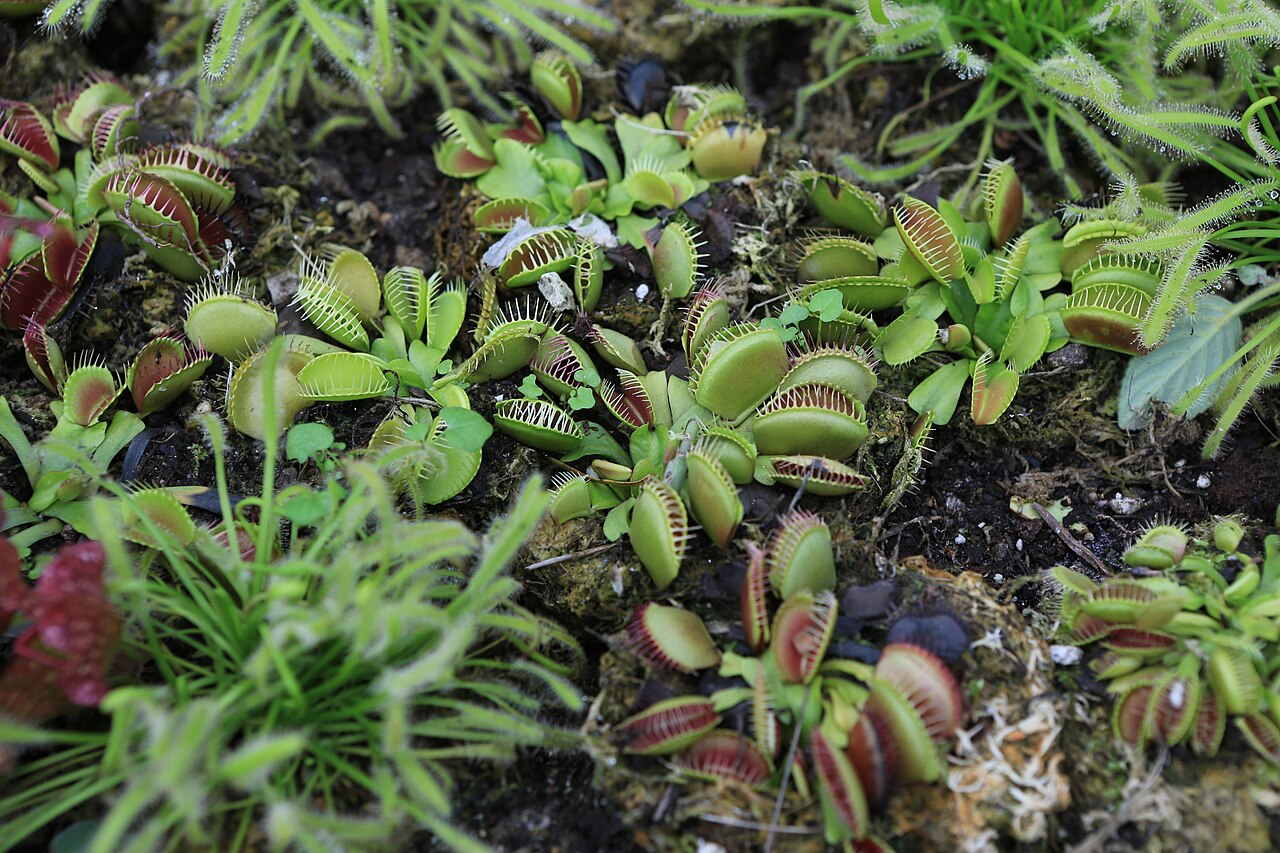
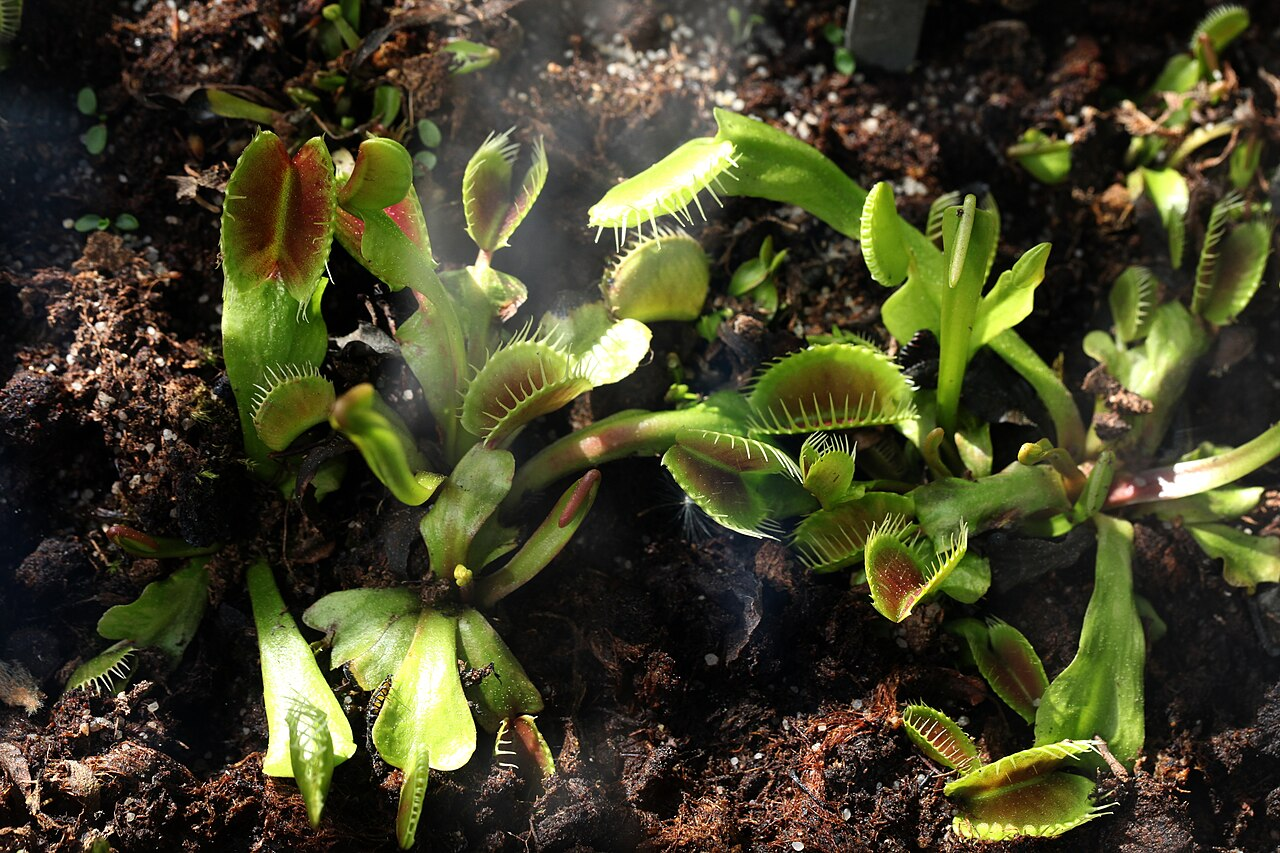
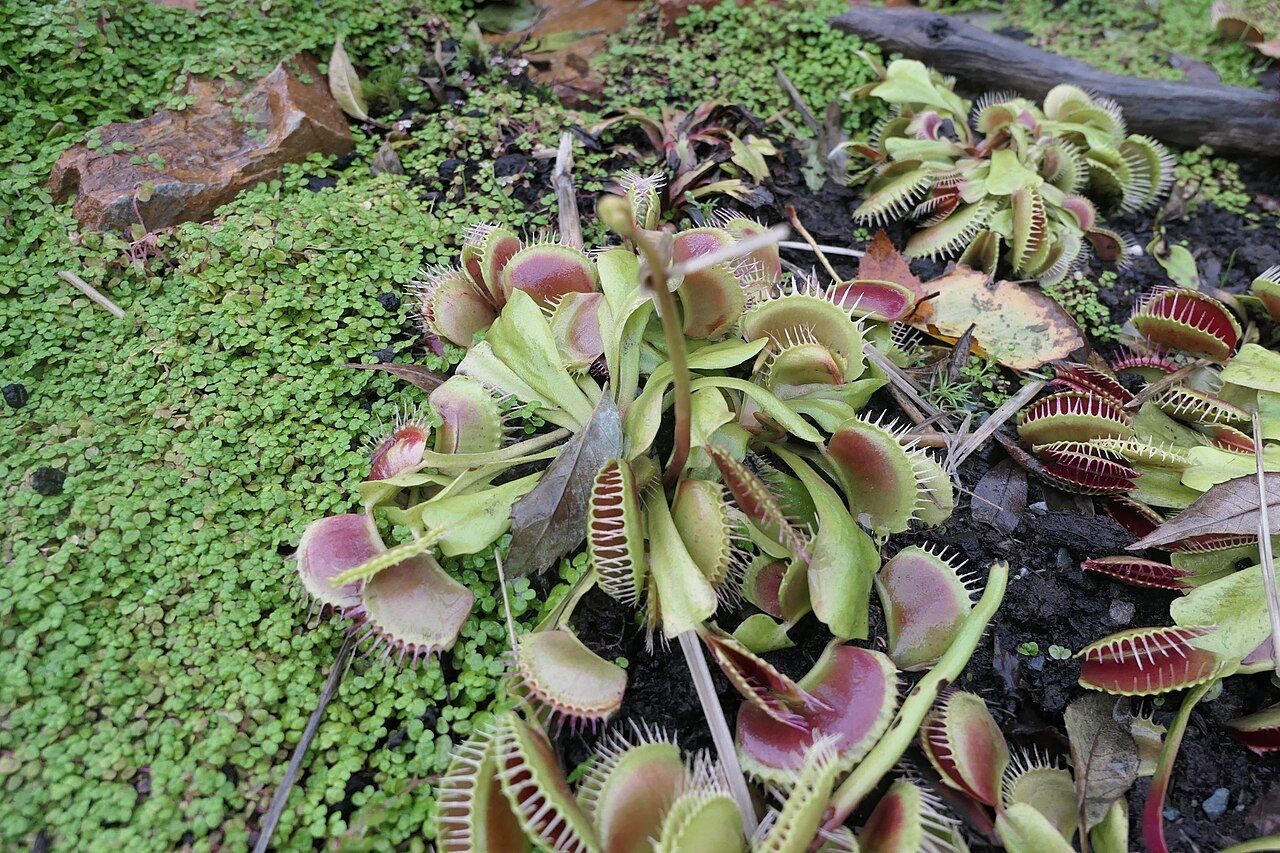
- Foliage:Leaves are modified into hinged snap traps with sensitive trigger hairs. Spring foliage is often broader and held closer to the crown; summer foliage is typically longer with traps carried farther outward, and the inside of the traps may blush red with strong light.
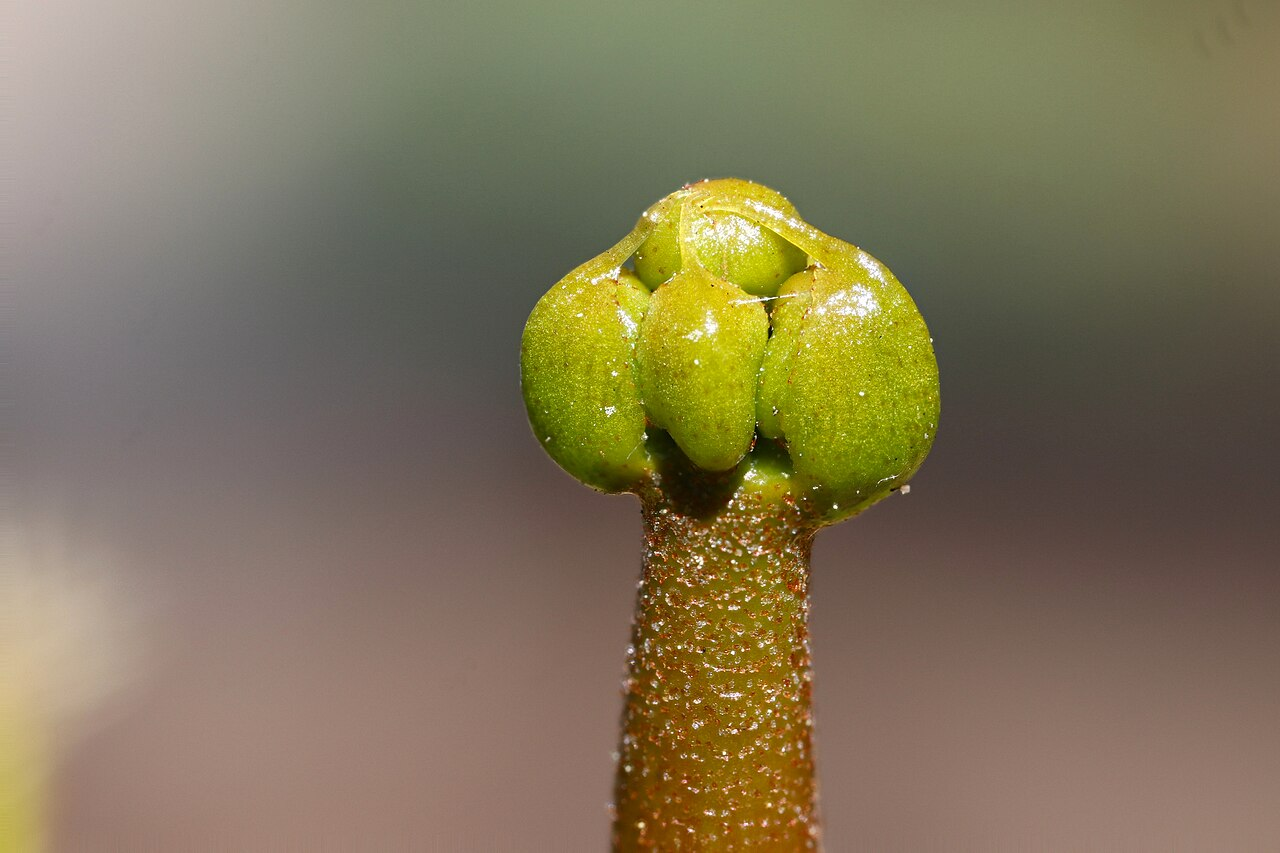
- Flower:Produces upright stems in spring bearing small white flowers, typically with five petals.
- Flowering Season:Spring
- Growth Habit:Low, clumping rosette; perennial carnivorous herb with a distinct winter dormancy.
🌤️ Environment
Sunlight
Full sun is best for strong growth and good trap color—aim for 6+ hours of direct sun daily. Indoors, typical bright rooms are often not enough unless supplemented with a strong grow light.
Temperature
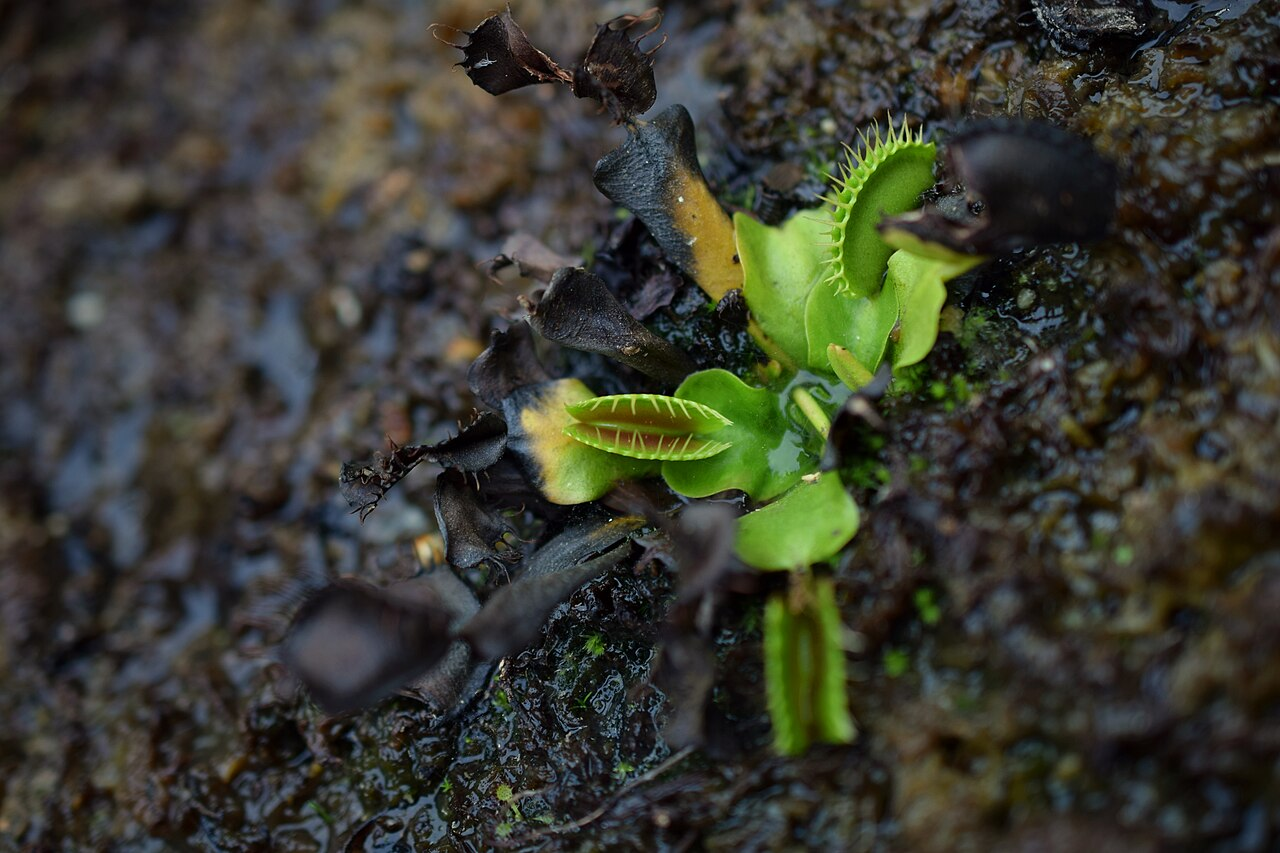
Active growth: about 9–27°C (48–81°F). Winter dormancy: ideally cool conditions around 0–10°C (32–50°F); avoid prolonged deep freezes for potted plants.
Humidity
Moderate humidity is usually fine. Prioritize good airflow to reduce rot and mold, especially in cooler seasons.
Soil
Very nutrient-poor, acidic carnivorous-plant medium such as a 1:1 sphagnum peat moss and perlite mix (by volume). Avoid regular potting soil, compost, or any enriched mixes/fertilizers. A pot about 10–15 cm (4–6 in) deep helps accommodate roots and keeps moisture stable.
Placement
Best outdoors in full sun during the growing season if possible. Indoors, use the brightest sunny windowsill or a strong grow light. During dormancy, keep it cool and away from heaters/radiators; fresh air helps, and outdoor placement can also provide natural insect opportunities in the growing season.
Hardiness
USDA Zone 7–10 (commonly grown in containers; protect potted plants from extended hard freezes).
🪴 Care Guide
Difficulty
Easy once the “non-negotiables” are met: very strong light, pure water, nutrient-poor soil, and a cool winter dormancy.
Buying Guide
Pick plants with firm, intact traps and a healthy central growth point. Avoid specimens in dry media or in standard potting mix. In winter, smaller and darker foliage is normal due to dormancy.
Watering
Use only rainwater, distilled water, or reverse-osmosis water. From spring through late summer, keep the pot sitting in a tray of pure water so the medium stays consistently wet. From autumn through winter dormancy, remove it from constant standing water and keep the medium just damp (moist but not soggy).
Fertilization
Do not fertilize. Fertilizers and rich media can burn roots and seriously damage or kill the plant.
Pruning
Trim off blackened/dead traps and leaves to lower mold risk—especially during dormancy. If the plant is small or recovering, you can cut the flower stalk to conserve energy.
Propagation
Best propagated by division of offshoots or by leaf pullings. Seed propagation is possible but slow and typically requires fresh seed and careful conditions.
Repotting
Repot about once a year in late winter to early spring (as dormancy ends) to refresh the medium and check the rhizome. Use a 1:1 peat moss and perlite mix and a pot about 10–15 cm (4–6 in) deep; avoid standard compost/potting soil.
📅 Seasonal Care Calendar
Spring–late summer: full sun; keep in a tray of rain/distilled/RO water; let it feed naturally and avoid repeatedly triggering traps. Autumn–winter (dormancy): provide cooler conditions; reduce standing water and keep the medium only lightly damp; keep away from indoor heat sources. Late winter/early spring: clean up dead growth and repot.
🔬 Pests, Diseases & Safety
Common Pests & Diseases
Can be bothered by aphids, fungus gnats, and spider mites. Rot and gray mold (Botrytis) may develop in stagnant air, low light, and overly wet conditions—especially during dormancy. Improve airflow, remove dead tissue promptly, and use pest controls appropriate for carnivorous plants.
Toxicity
Generally considered non-toxic to people and pets. Not edible; ingestion may cause mild stomach upset. Traps are not dangerous to humans or household pets.
🎋 Culture & Symbolism
Symbolism:Often linked with curiosity, fascination, and nature’s clever engineering.
History & Legends:Scientifically described in the 18th century and celebrated ever since as one of the most dramatic examples of plant carnivory. Although famous worldwide, it’s naturally native to a surprisingly small region in the southeastern United States, making conservation and responsible sourcing important.
Uses:Mostly grown as an ornamental conversation piece and an educational plant for demonstrating carnivory and rapid plant movement.
❓ FAQ
Can I trigger a Venus flytrap repeatedly for fun?
It’s best not to. Each trap has a limited number of closures, and repeated snapping wastes energy and can shorten the trap’s life and weaken the plant overall.
What’s special about the leaves/traps?
They’re modified leaves with trigger hairs that activate a rapid snap shut. The plant’s look can shift by season—broader, lower spring traps versus longer summer leaves and often redder trap interiors.
When does it flower?
Usually in spring, sending up tall stalks with small white, five-petaled flowers.
How should I water a Venus flytrap?
Use rainwater, distilled water, or reverse-osmosis water only. In spring through late summer, keep the pot in a water tray; during dormancy (autumn through winter), stop constant tray watering and keep the mix just damp.
Does it need fertilizer?
No. Fertilizer and enriched soils can burn the roots and may kill the plant.
What potting mix and pot should I use?
Use a nutrient-poor mix such as 1:1 sphagnum peat moss and perlite, in a pot about 10–15 cm (4–6 in) deep. Avoid regular potting soil.
Where should I place it, and what about winter care?
Give it as much sun as possible (full sun is ideal). In winter dormancy, keep it cool and away from heaters, and keep the medium only slightly damp.
💡 Fun Facts
- A trap often requires two touches (or sustained stimulation) within a short time before it fully closes—an anti-false-alarm feature that helps avoid snapping on raindrops or debris.
- Each individual trap can only close a limited number of times before it stops functioning and dies back.
- Despite its global fame, wild Venus flytraps come from a very small natural range, so buying responsibly grown plants matters.