🌱 Plant Features
- Size:Typically 30–150 cm (12–59 in) tall; forms dense clumps, with spread varying by container size and growing conditions.
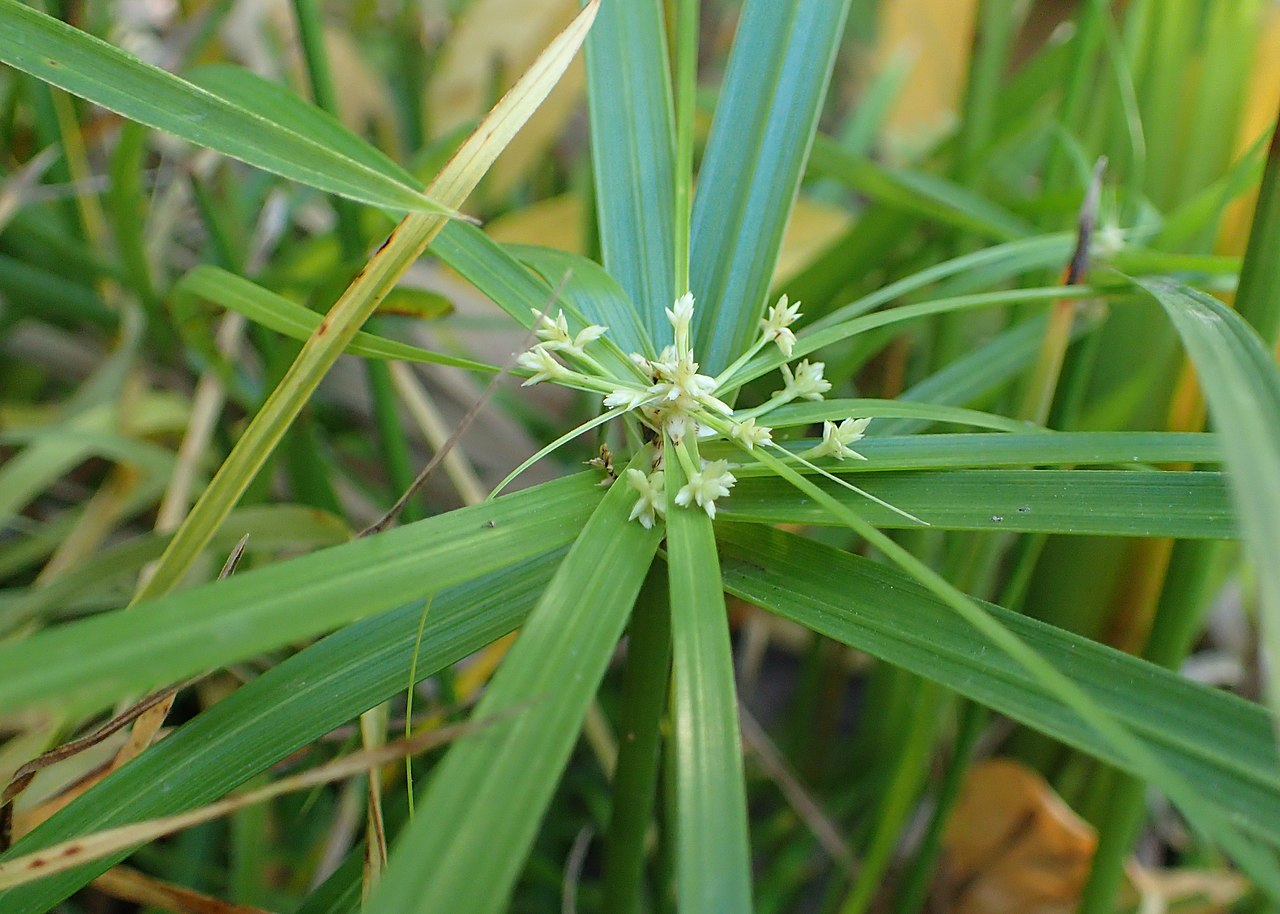
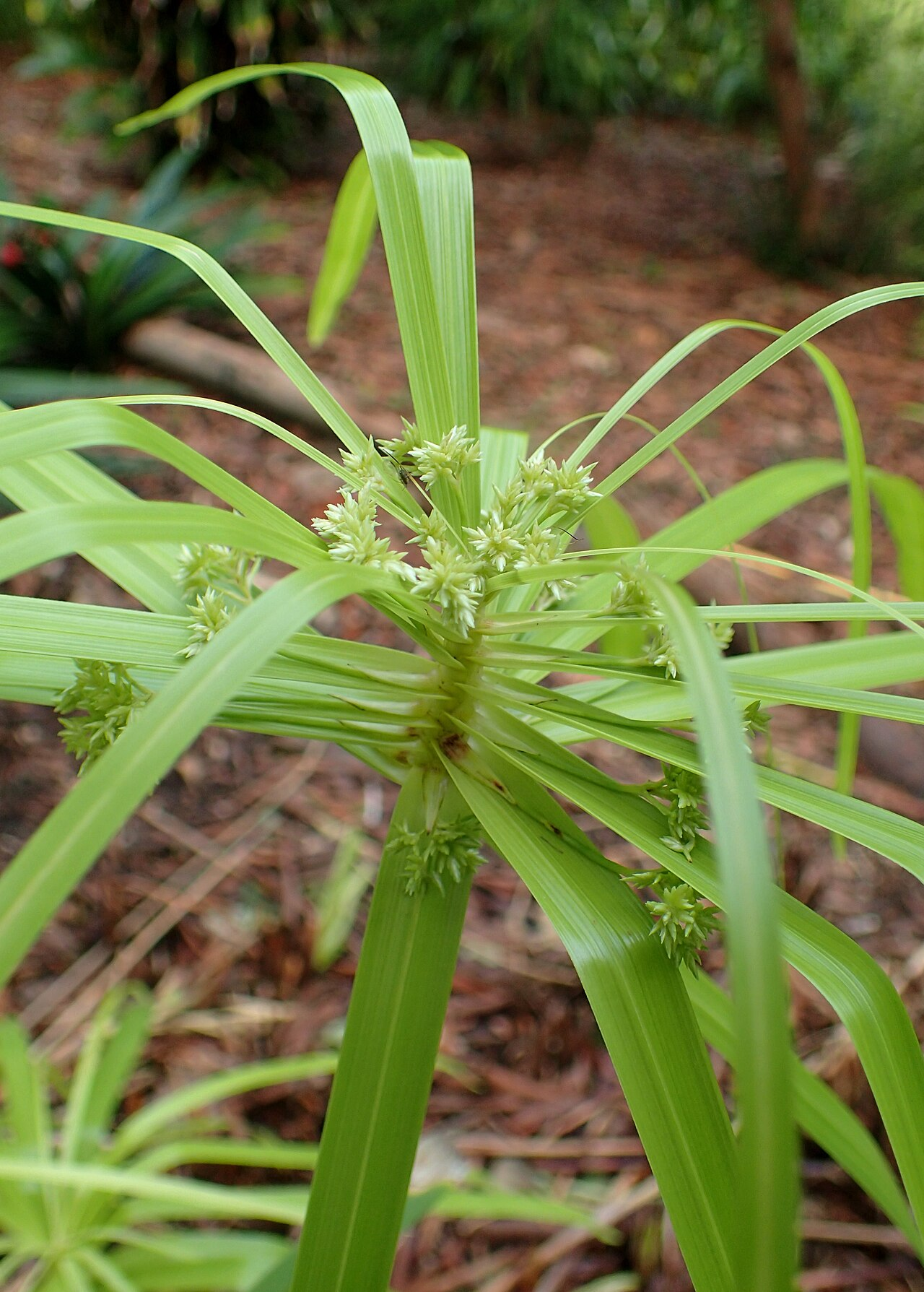
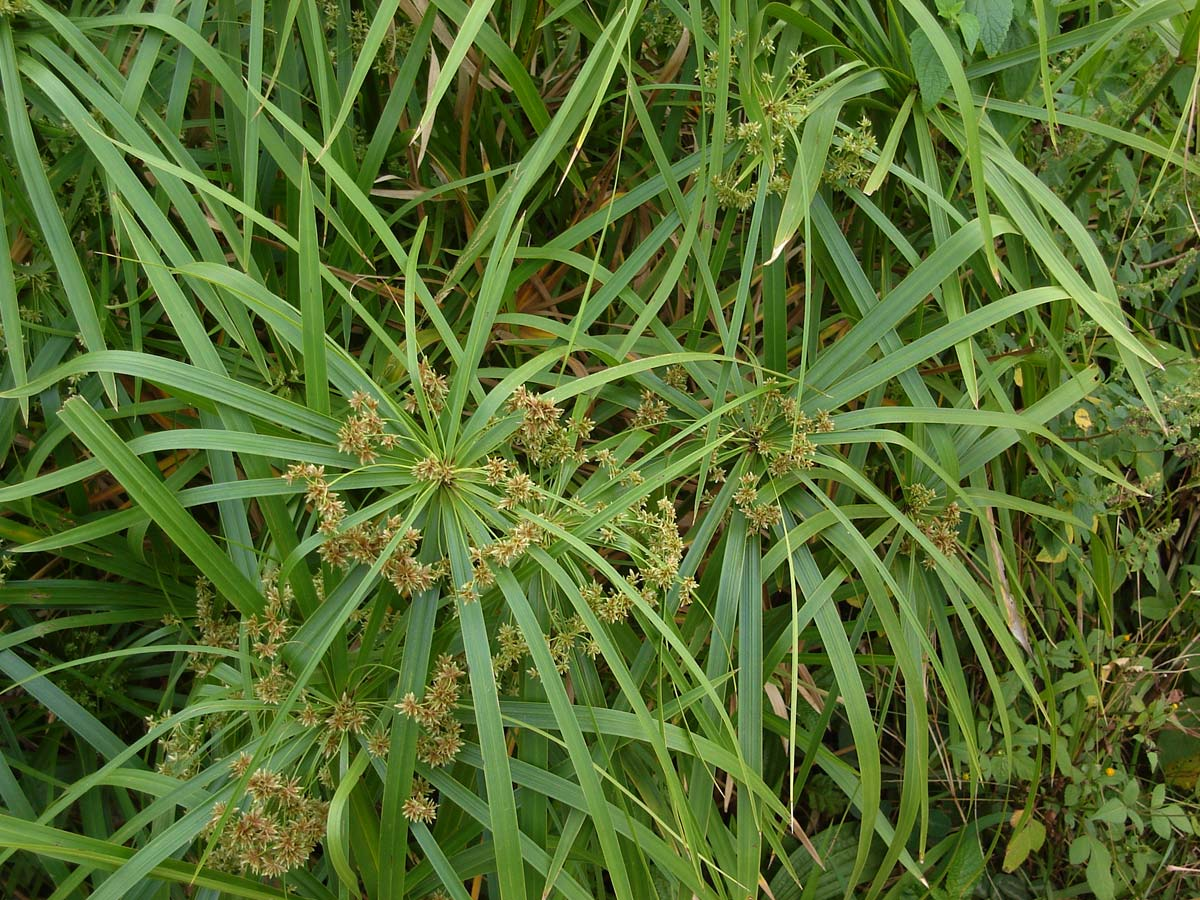
- Foliage:True leaves are mostly reduced to brown, sheath-like bases hugging the stem. The main “foliage look” comes from long, narrow, green bracts at the stem tip that radiate outward like spokes of an umbrella.
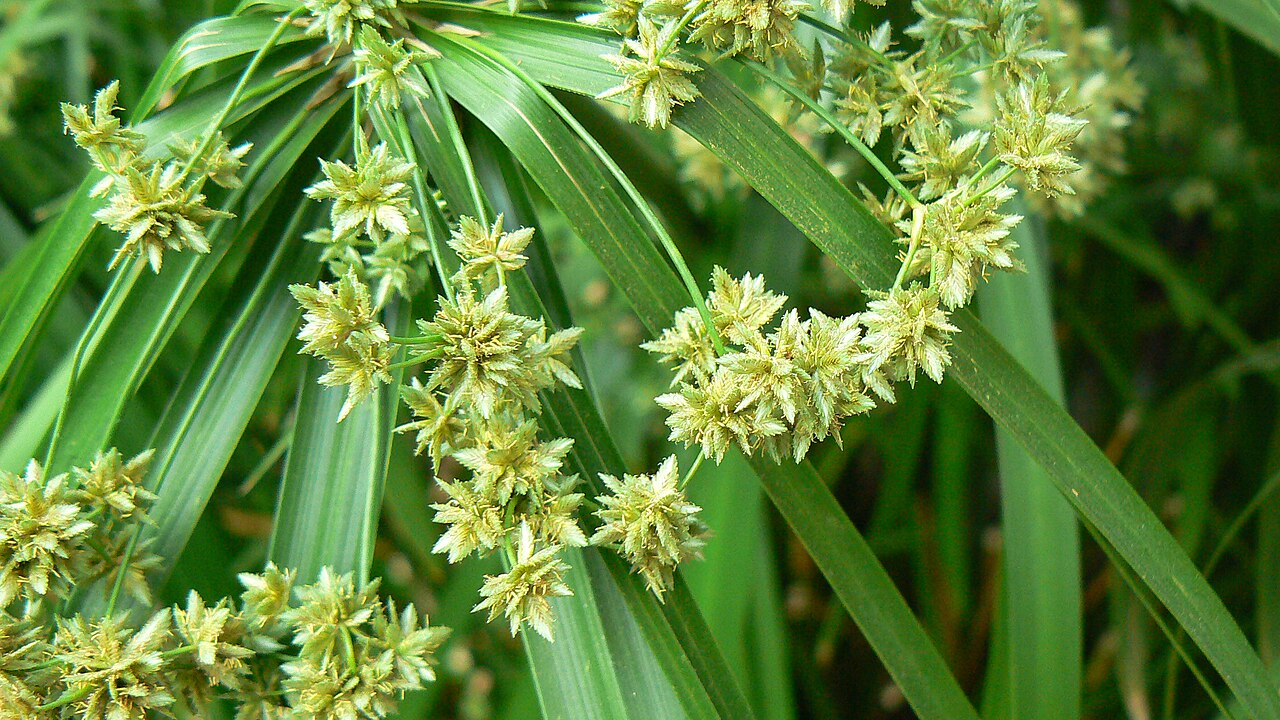
- Flower:Produces small, flattened spikelets gathered into compound, umbel-like clusters held above the bracts; the flowers are visually understated compared with the decorative bracts.
- Flowering Season:June–July
- Growth Habit:Perennial, clump-forming herb with upright, unbranched, triangular (three-angled) stems; spreads slowly via short, sturdy underground rhizomes.
🌤️ Environment
Sunlight
Full sun to bright indirect light; tolerates partial shade. Best growth comes with strong light, good airflow, and consistently moist to wet conditions.
Temperature
Warm-loving; protect from cold. Aim to keep it above 5–10°C (41–50°F) in winter.
Humidity
Enjoys humid, moisture-rich air and naturally performs well near water features; adapts to typical outdoor humidity when kept well-watered.
Soil
Flexible as long as moisture is constant. In pots, use a moisture-retentive mix and never let it dry out completely; for pond margins, heavy loam or aquatic planting media works well.
Placement
Pond edges, bog gardens, and water features; also great in bright indoor containers, water culture (vase/jar), display pots, floral arrangements, and bonsai-style accent plantings.
Hardiness
Frost-tender; usually overwintered with protection in cool climates. Roughly corresponds to USDA Zone 9–11 for year-round outdoor growth.
🪴 Care Guide
Difficulty
Easy overall: it’s forgiving about “too wet” (it actually loves it), but the main challenge is avoiding cold damage—overwinter it above 5–10°C (41–50°F).
Buying Guide
Pick plants with firm, upright stems and fresh green bracts. Avoid plants with blackened stem bases or a sour/stagnant smell in the pot—these can point to rot from stagnant water, poor airflow, or neglect.
Watering
Keep consistently moist to wet. It’s ideal for boggy soil or standing in shallow water and can be grown in water culture. In soil, water thoroughly and frequently—especially in warm weather—and don’t allow the pot to dry out fully.
Fertilization
During active growth (spring through early autumn), feed lightly with a balanced fertilizer at half strength every 2–4 weeks. In water culture, use very dilute fertilizer sparingly to reduce algae and salt buildup.
Pruning
Remove yellowing or damaged stems at the base. You can trim spent flower clusters for a neater appearance, or leave them to mature.
Propagation
Best propagated by division in spring or early summer: split dense clumps, ensuring each division has healthy rhizome and shoots, then replant into fresh media or pond baskets.
Repotting
Repot or divide every 1–2 years in spring when it becomes crowded. Move to a wider pot or aquatic basket and refresh the growing medium.
📅 Seasonal Care Calendar
Flowers in June–July; fruits typically develop August–November. In winter, move to a sheltered location and keep temperatures around 5–10°C (41–50°F) or warmer; reduce feeding but keep moisture even.
🔬 Pests, Diseases & Safety
Common Pests & Diseases
Usually trouble-free. Indoors, watch for spider mites, aphids, and mealybugs. Stagnant water and poor airflow can lead to stem or base rot—refresh water, improve airflow, and remove affected stems promptly.
Toxicity
No well-documented toxicity is commonly reported for this species. Still, chewing or ingesting ornamental plants may cause mild stomach upset, so keep it away from pets that like to nibble.
🎋 Culture & Symbolism
Symbolism:Often linked with calm, balance, and a refreshing waterside vibe—its tidy umbrella shape feels soothing and orderly.
History & Legends:A widely grown ornamental sedge used around the world in warm-climate gardens and water features. It’s popular for creating a “papyrus-like” look in containers and ponds without needing true papyrus.
Uses:A favorite for small water gardens, bog gardens, and naturalistic pond margins. Also used for indoor water-culture displays, container planting, floral arrangements, and bonsai-style accent planting.
❓ FAQ
Can umbrella sedge grow in just water?
Yes. You can grow it in water culture with the base kept in clean water. Refresh the water regularly, provide bright light, and use very dilute fertilizer only occasionally.
Why are the stems turning yellow in winter?
Most often it’s cold stress combined with lower light. Keep it above 5–10°C (41–50°F), move it to brighter light, and remove yellow stems at the base.
💡 Fun Facts
- Although native to Africa, it’s cultivated widely far beyond its natural range.
- The stems are distinctly three-angled (triangular in cross-section), a classic sedge hallmark.
- The showy “umbrella” effect comes from leaf-like bracts, not from the tiny flowers.
- It’s a quick way to add structure and height to pond edges in small water features.
- It tolerates very wet soils and can even grow with its roots submerged.