
🌱 Plant Features
- Size:Typically 1–2 m tall (3.3–6.6 ft) and 1–2 m wide (3.3–6.6 ft) when mature; size varies with climate and pruning.
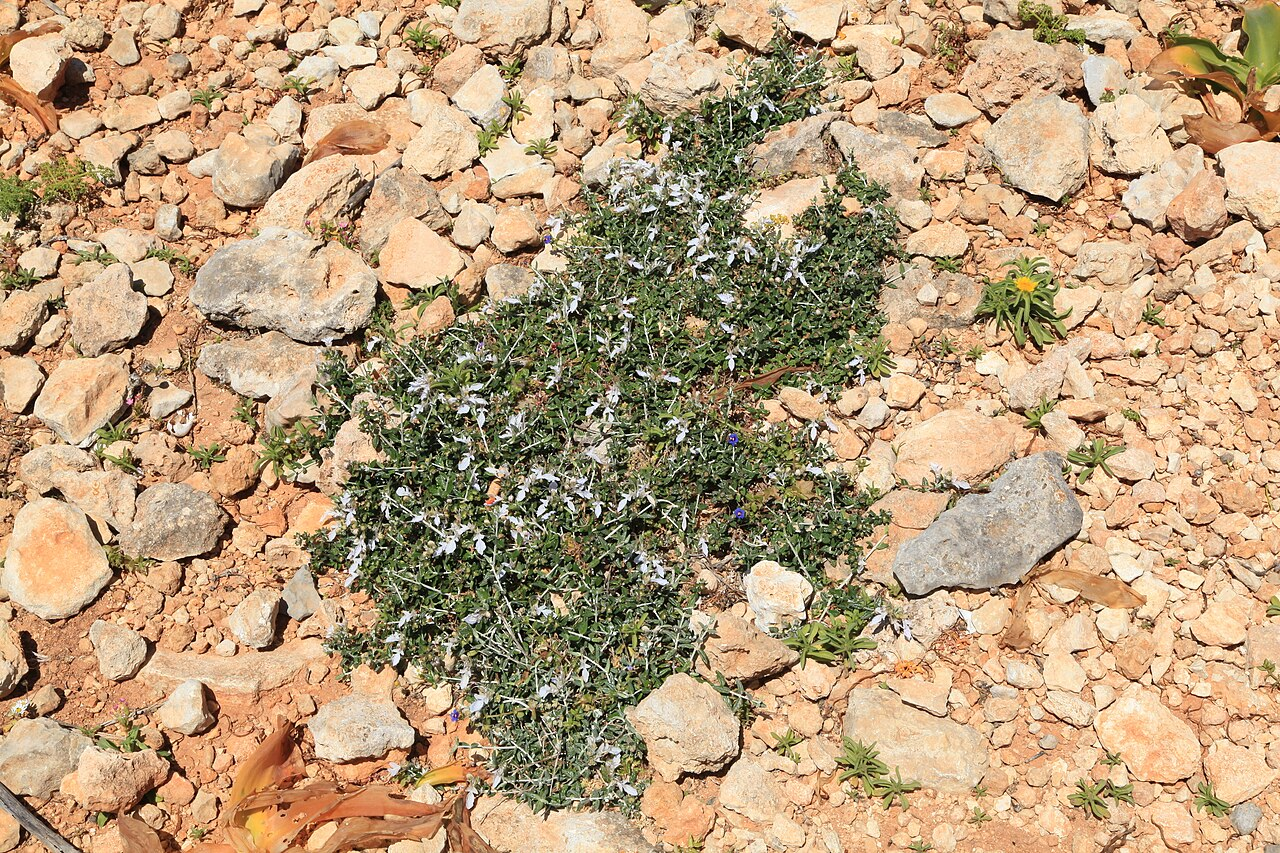
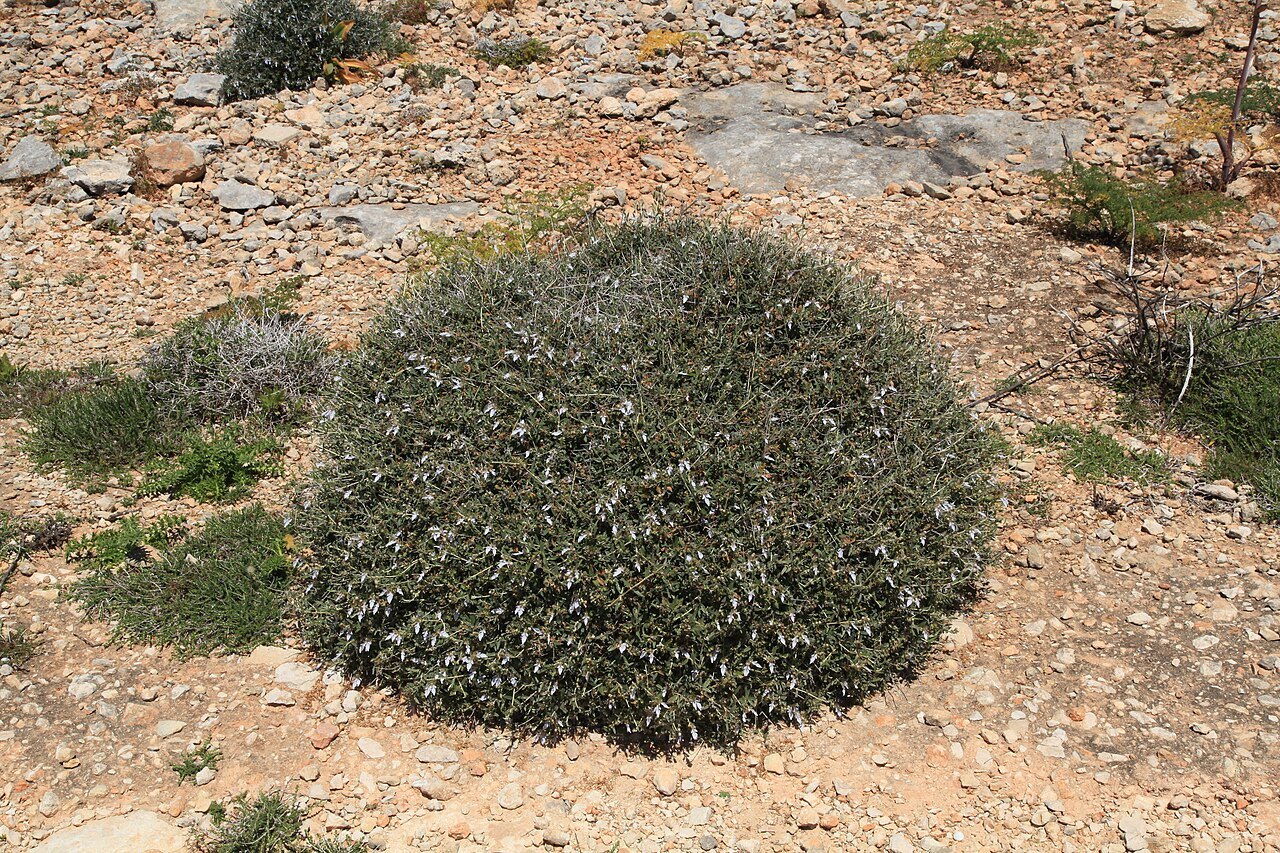
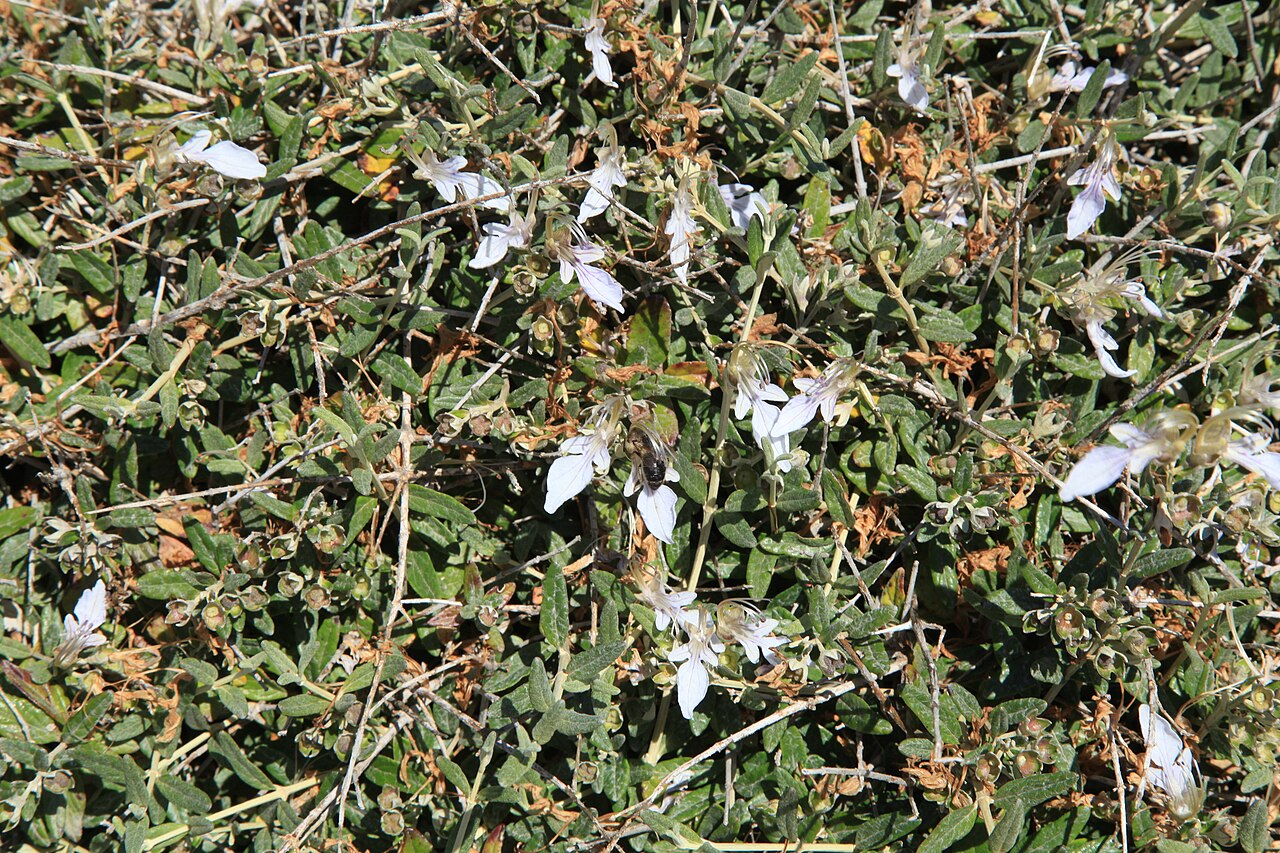
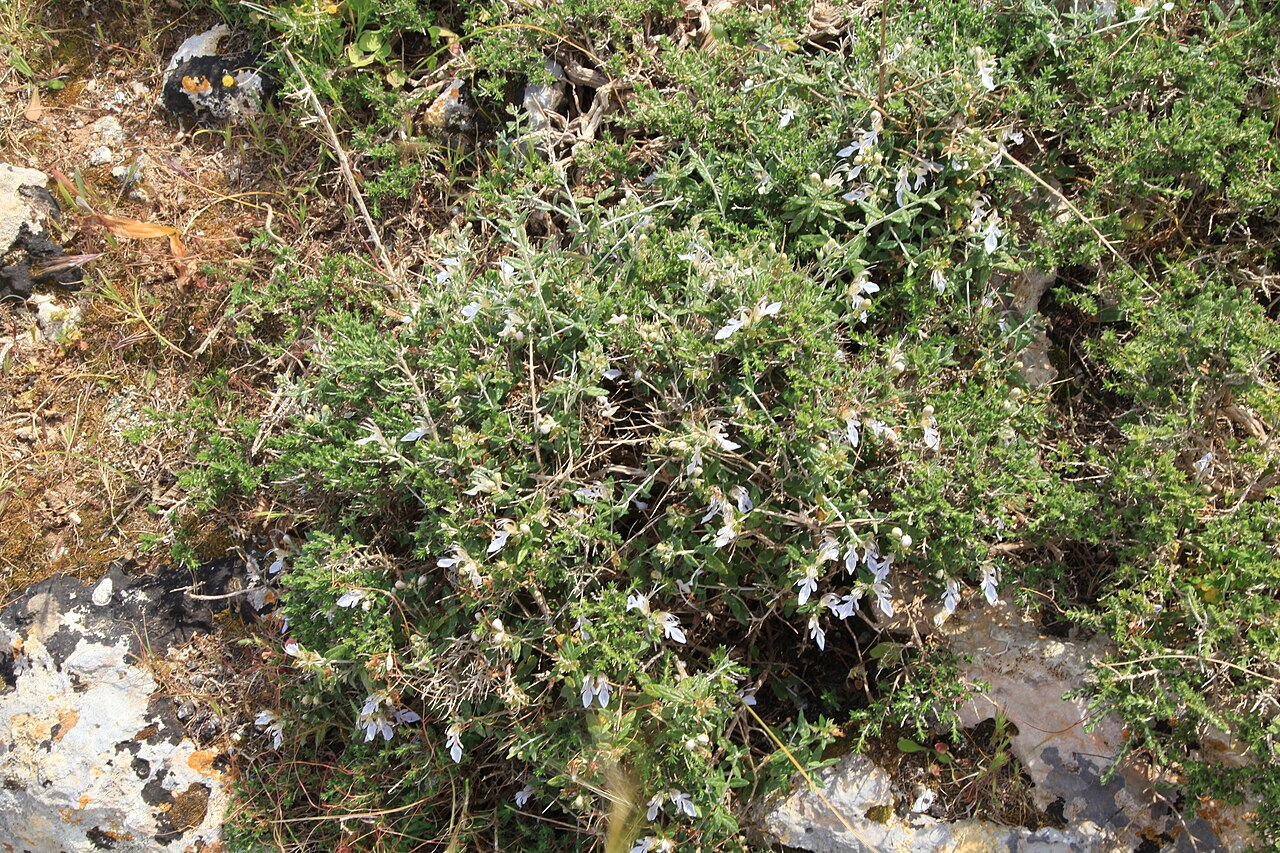
- Foliage:Evergreen, opposite leaves that are oval to lance-shaped with smooth margins. Foliage is gray-green to silvery on top with noticeably paler, whitish undersides, creating an overall silver sheen. The plant carries many twiggy stems and naturally builds a dense, rounded mound.
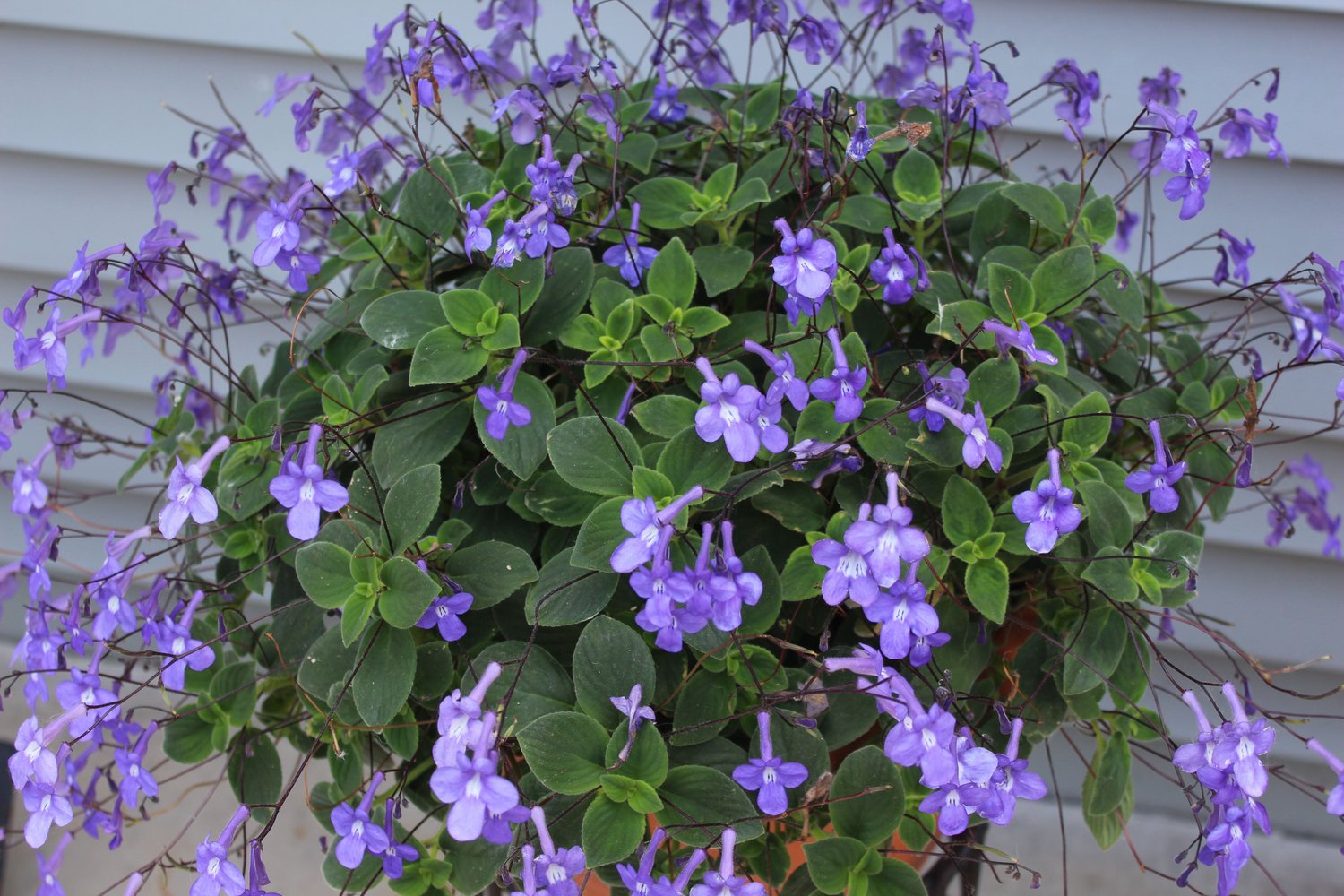
- Flower:Small, soft lavender-blue to pale blue flowers with a two-lipped (mint-family) shape, carried in clusters along the upper stems. The bloom effect is light and airy, standing out beautifully against the silver foliage.
- Flowering Season:Late spring to early summer (typically May–June).
- Growth Habit:Evergreen, bushy, naturally mounding shrub (may behave more like a subshrub in colder areas); responds well to gentle shaping to stay compact.
🌤️ Environment
Sunlight
Full sun to light shade; full sun gives the best flowering and the strongest silver foliage color.
Temperature
Grows best around 10–30°C (50–86°F). Once established it handles heat and drought well. Cold tolerance is roughly to about -7°C (19°F), especially in very well-drained sites.
Humidity
Prefers dry to average humidity; avoid persistently humid, still-air conditions.
Soil
Needs sharp drainage. Ideal is well-drained sandy or gritty loam; tolerates poor soils and a wide pH range (about pH 5–8). Avoid waterlogged soil and heavy clay unless significantly amended for drainage.
Placement
Best in sunny borders, Mediterranean-style plantings, rock gardens, slopes, and along paths; also works well as a low informal hedge or courtyard shrub in dry gardens.
Hardiness
Approximately USDA Zone 8–10; protect from hard, prolonged freezes, and prioritize winter drainage (especially in containers).
🪴 Care Guide
Difficulty
Easy. It’s very forgiving once established—sun and excellent drainage are the key requirements.
Buying Guide
Pick plants with dense, evenly silvery foliage and firm, healthy stems. Avoid pots that are soggy, smell sour, or show blackened stems/leaves (often linked to poor drainage). Check leaf undersides for pests such as whitefly or scale.
Watering
Water regularly during the first growing season to establish roots. After that, water deeply but infrequently, letting the top few centimeters of soil dry between waterings. In-ground plants usually only need water during extended drought. Avoid constantly wet soil, especially in cooler months.
Fertilization
Usually needs little feeding. If growth seems weak, apply a light, balanced slow-release fertilizer in spring. Avoid heavy nitrogen, which can cause floppy growth and fewer flowers.
Pruning
Lightly trim after flowering to keep a tidy, compact shape and encourage bushiness. Don’t cut hard back into old, leafless wood; prune gradually and keep some green growth on any stems you shorten.
Propagation
Most reliably propagated from semi-ripe cuttings in summer. It can also root by layering when stems touch the ground, and may be grown from seed when viable.
Repotting
For container plants, repot in spring every 1–2 years into a free-draining mix (for example, with added grit or perlite). Use pots with drainage holes and never leave the pot sitting in water.
📅 Seasonal Care Calendar
Spring: tidy and shape; light feeding if needed. Late spring–early summer: enjoy flowering and avoid overwatering. After bloom: trim to maintain a compact mound. Autumn–winter: keep drier and protect from prolonged hard freezes, especially in containers.
🔬 Pests, Diseases & Safety
Common Pests & Diseases
Generally trouble-free. In containers or sheltered spots it may attract whitefly, spider mites, or scale. Root rot is the main risk and is typically caused by poor drainage or overwatering, especially in winter.
Toxicity
Not commonly listed as toxic to people or pets. However, as with many aromatic mint-family plants, chewing or ingesting may cause mild stomach upset in sensitive individuals—discourage pets from nibbling.
🎋 Culture & Symbolism
Symbolism:Often linked with resilience and calm—its cool silver foliage and drought tolerance give it that effortlessly composed Mediterranean-garden vibe.
History & Legends:Teucrium is a long-established Mediterranean garden genus with a background in traditional herb lore. Teucrium fruticans, however, is grown mainly as an ornamental for its foliage and flowers rather than as a kitchen herb.
Uses:A versatile ornamental shrub for sunny borders, rock gardens, and dry/low-water landscapes. Excellent as a silver-leaved contrast plant in mixed plantings, a pollinator-friendly shrub in late spring, and a low informal hedge. Pairs beautifully with other drought-tolerant Mediterranean classics such as lavender and rosemary.
❓ FAQ
When does tree germander flower?
It usually blooms in late spring to early summer, most often around May–June.
Where is it native to?
It’s native to the Mediterranean region, especially the western Mediterranean (including Spain), and is widely cultivated elsewhere.
What plant family does it belong to?
It’s in the mint family, Lamiaceae, in the genus Teucrium.
What temperature range suits it best?
It thrives around 10–30°C (50–86°F). Once established it tolerates heat and drought, and it can handle cold down to about -7°C (19°F) when drainage is excellent.
Where should I plant it in the landscape?
Choose a sunny, well-drained spot—perfect for borders, rock gardens, slopes, along paths, or as a low hedge in Mediterranean-style and low-water gardens.
💡 Fun Facts
- Those silvery leaves help reflect sunlight, which is one reason it copes so well with heat and drought.
- It’s a natural partner for lavender and rosemary because it enjoys the same bright sun and lean, well-drained soil.
- With tree germander, drainage matters far more than rich soil—too much water is usually the real problem.
- Its pale blue flowers are a welcome nectar stop for many pollinators in late spring and early summer.