🌱 Plant Features
- Size:Very small fern: sterile fronds about 1–2 cm (0.4–0.8 in) long; fertile fronds about 3–6 cm (1.2–2.4 in) long.
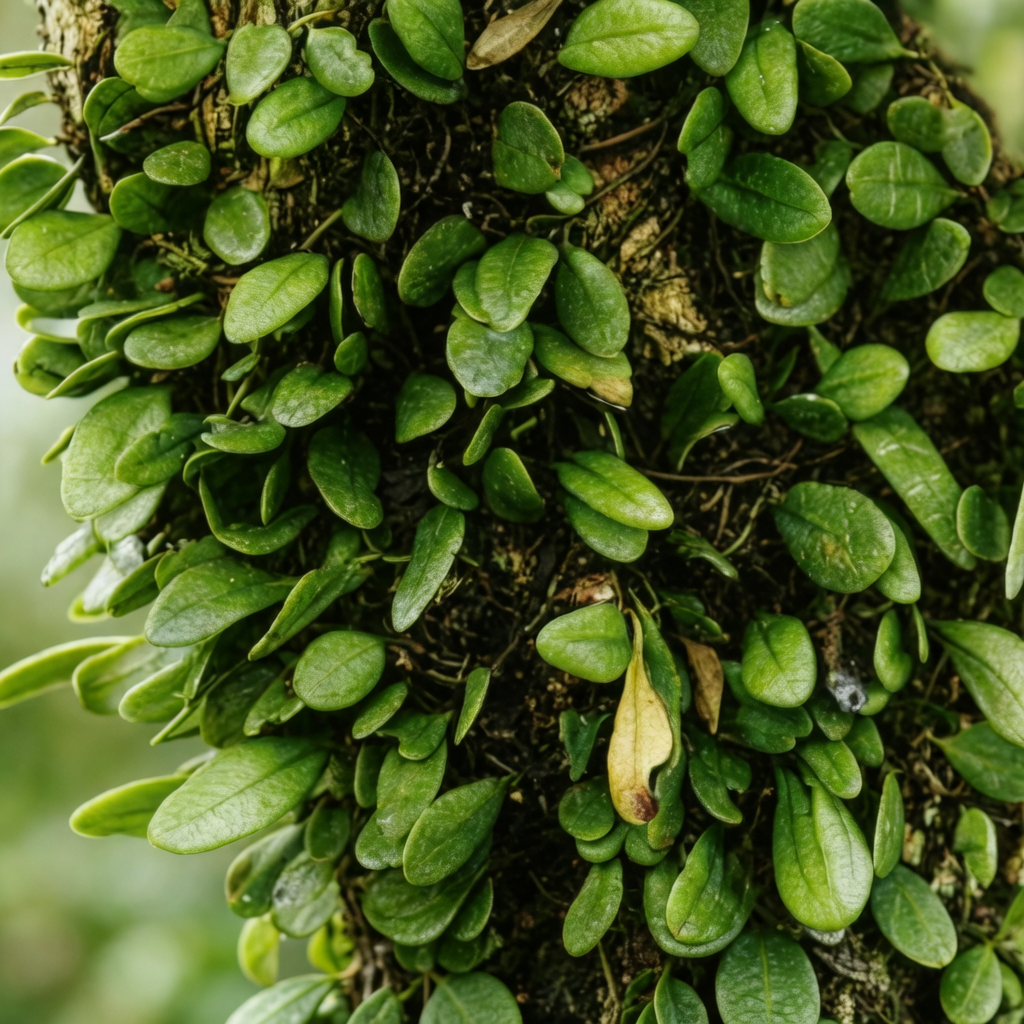
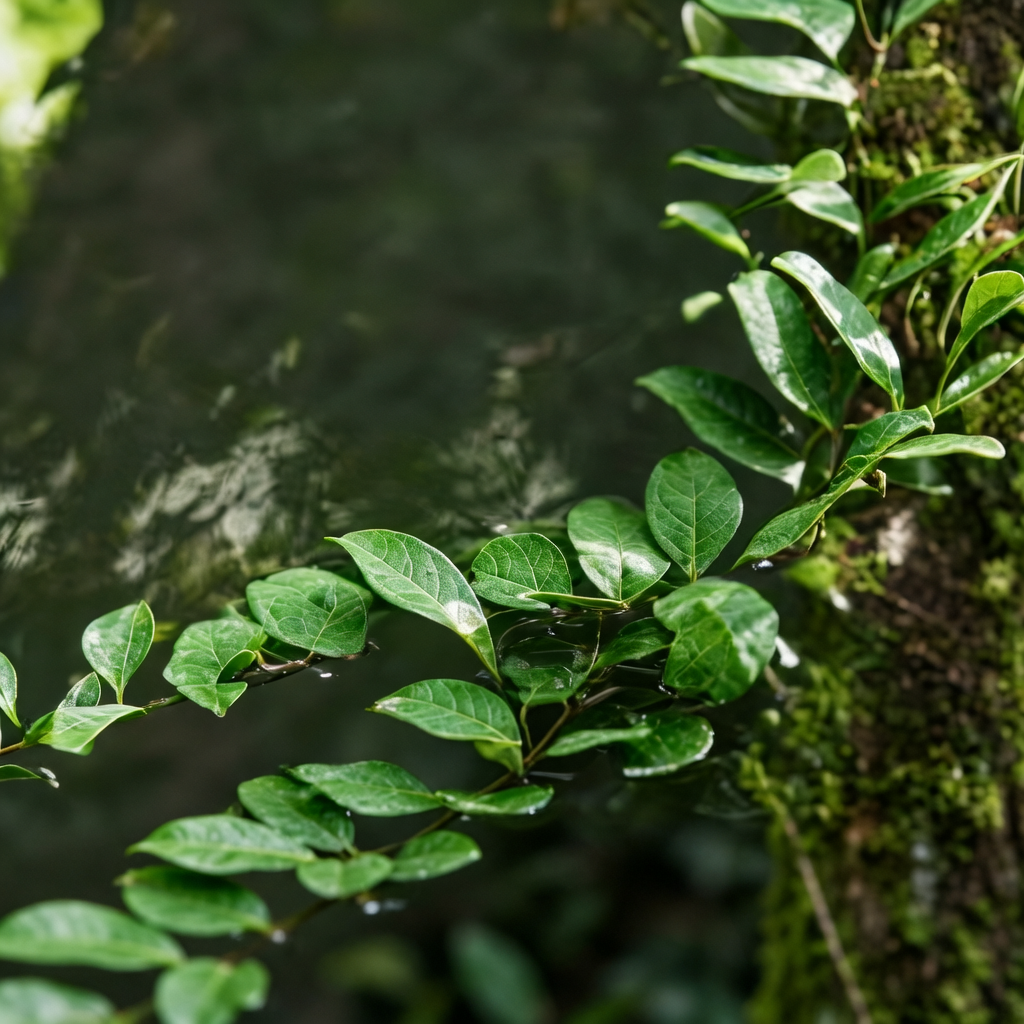
- Foliage:Perennial fern with spaced fronds and a classic two-form (dimorphic) habit. Sterile fronds are oblong to egg-shaped; fertile fronds are more tongue-like to inversely lance-shaped (and can sometimes resemble the sterile fronds). Fronds are thick and fleshy when hydrated, becoming more leathery when dry. Upper surface is smooth; the underside may show sparse tiny scales.
- Flower:This is a fern, so it does not make flowers. Instead, fertile fronds produce spores (sporangia) used for reproduction.
- Flowering Season:No flowering; spores are typically produced from about June to August, and may be present into October (varies with conditions).
- Growth Habit:Small, slow-growing epiphyte or lithophyte that clings to humid, shaded tree trunks and rocks; can form a low mat when conditions stay consistently moist and humid.
🌤️ Environment
Sunlight
Bright, filtered light or partial shade. Avoid harsh direct sun, which can scorch such small, thick fronds quickly.
Temperature
Prefers cool to warm conditions around 10–25°C (50–77°F). Protect from frost and from long spells of hot, dry air.
Humidity
High humidity is key—about 60–90% (60–90%) is ideal, especially indoors.
Soil
Not a typical “potting-soil” plant. Best mounted on bark/wood, or grown in a very airy epiphyte mix such as fine bark + sphagnum + perlite. Keep evenly moist while ensuring plenty of air around the rhizomes/roots to reduce rot risk.
Placement
Terrarium, greenhouse, a shaded bathroom with good light, or a bright indoor spot where humidity stays high. Especially happy mounted on cork/bark or in a shallow pot with an epiphyte-style mix.
Hardiness
Not frost-hardy; keep above about 5°C (41°F). Outdoors, it’s only suitable where winters are mild and humidity is dependable (often treated as a warm-temperate to subtropical fern depending on microclimate).
🪴 Care Guide
Difficulty
Moderate: it becomes quite manageable once you provide stable humidity and consistent moisture, but it tends to sulk in dry indoor air.
Buying Guide
Pick plants with firm, green fronds and no crispy edges. Avoid specimens with blackened bases (possible rot). For mounted plants, check that the mount isn’t bone-dry and that the roots/rhizomes look intact and well-attached.
Watering
Keep consistently moist. Water when the surface just begins to dry—don’t let the mount or mix dry out completely. Use room-temperature water. Pair constant moisture with gentle airflow to help prevent rot in humid setups.
Fertilization
Light feeder. During active growth, apply a balanced fertilizer diluted to about 1/4 strength every 4–6 weeks. In enclosed terrariums, flush occasionally to prevent fertilizer salts from building up.
Pruning
Simply trim yellowing or damaged fronds at the base with clean scissors. Avoid heavy pruning—this is a slow grower and resents being “over-groomed.”
Propagation
Division of creeping rhizomes is the most practical method. Spore propagation is possible but slow and usually requires clean/sterile technique and patience.
Repotting
Repot or remount every 1–2 years, or sooner if the medium breaks down. Keep rhizomes near the surface and avoid burying them deeply.
📅 Seasonal Care Calendar
Spring–summer: keep humidity high, moisture steady, and feed lightly. Autumn: reduce feeding but maintain even moisture. Winter: keep above 10°C (50°F), water a bit less often (without drying it out), and ensure airflow to discourage fungal issues.
🔬 Pests, Diseases & Safety
Common Pests & Diseases
Can attract scale insects, mealybugs, and spider mites—especially when humidity is low. Constantly wet, stagnant conditions can lead to rhizome rot or fungal spotting; improve airflow and avoid waterlogged media.
Toxicity
No well-documented toxicity to people or pets for this species. Still, chewing or eating plant material may cause mild stomach upset, so it’s best kept away from curious pets.
🎋 Culture & Symbolism
Symbolism:Often seen as a little symbol of resilience and quiet strength—thriving by clinging to bark and rock in dim, sheltered places.
History & Legends:Not strongly associated with widely shared legends in English-language references; it’s better known as a regional wild fern of humid forests and shaded rocky habitats.
Uses:Grown mainly as an ornamental for terrariums, mounts, and other humid, shaded displays. It is also reported in local traditional contexts as having medicinal value; any medicinal use should be guided by qualified professionals.
❓ FAQ
Why are there different frond shapes on the same plant?
That’s normal for this species. It often produces short sterile fronds and longer fertile fronds that carry spores—dimorphic fronds are a classic feature here.
Can I grow it like a normal potted houseplant?
It can survive in a pot, but it won’t enjoy regular dense potting soil. Use a very airy epiphyte mix and aim for high humidity; many people get the best results mounted on bark or kept in a terrarium.
💡 Fun Facts
- It’s recorded from a broad swath of China, including the Yangtze River basin and multiple provinces from south to north-central regions.
- In nature it often lives off the ground—on damp tree trunks and shaded rocks—rather than in deep soil.
- Its “two frond types” habit is one reason it looks so characterful up close.
- If you ever see a source mention its “flowering season,” it’s really talking about spore production—ferns don’t flower.