🌱 Plant Features
- Size:Typically 15–30 cm (6–12 in) tall and about 30–45 cm (12–18 in) wide; size varies by cultivar and pruning.
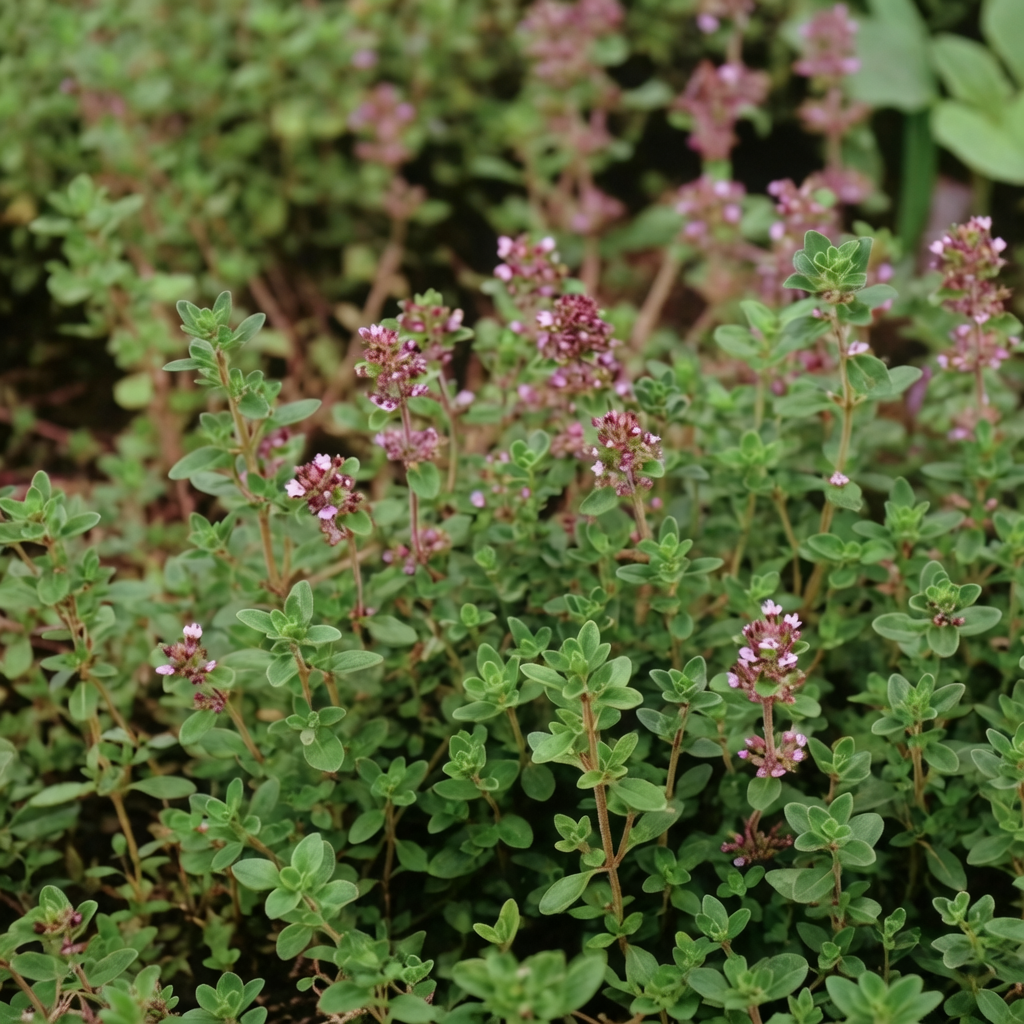
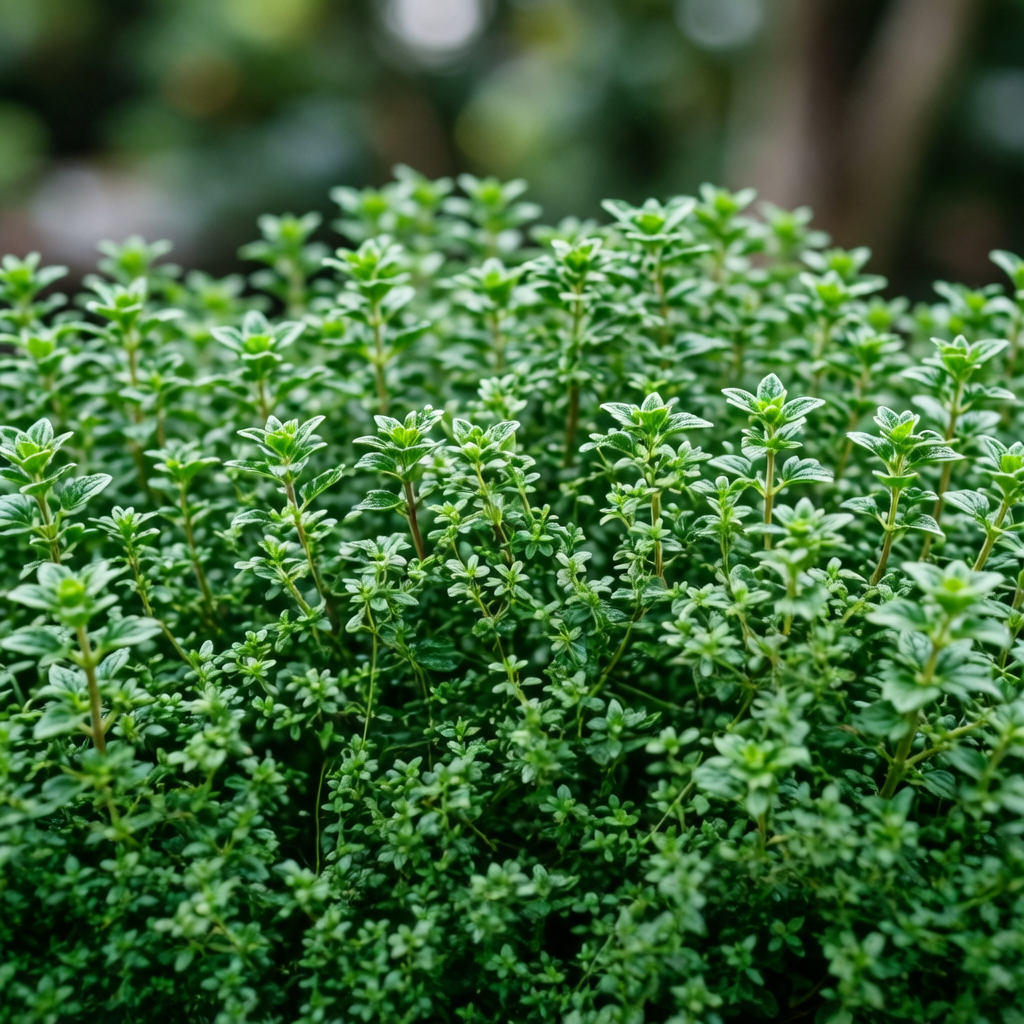
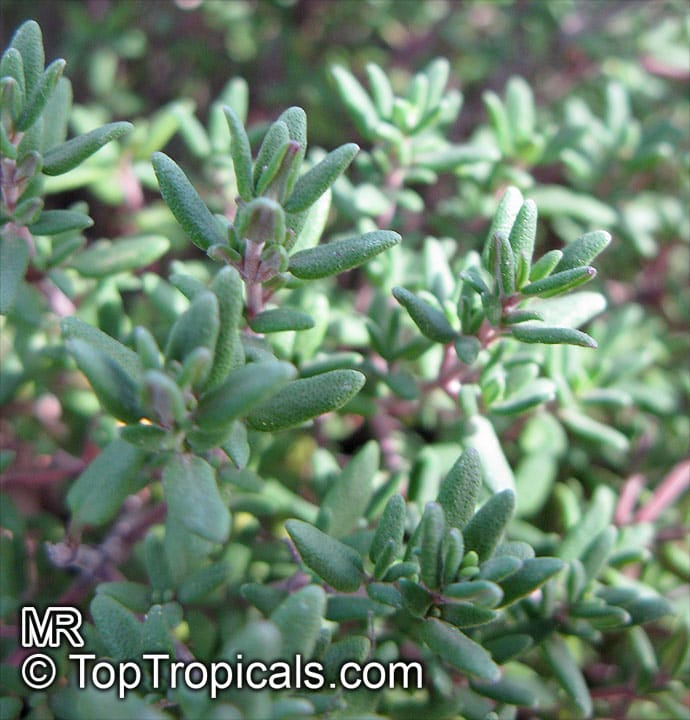
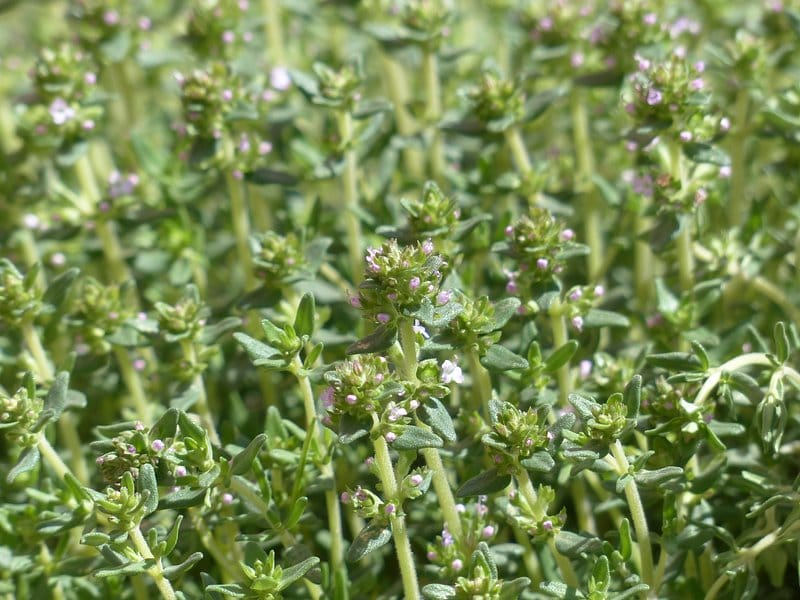
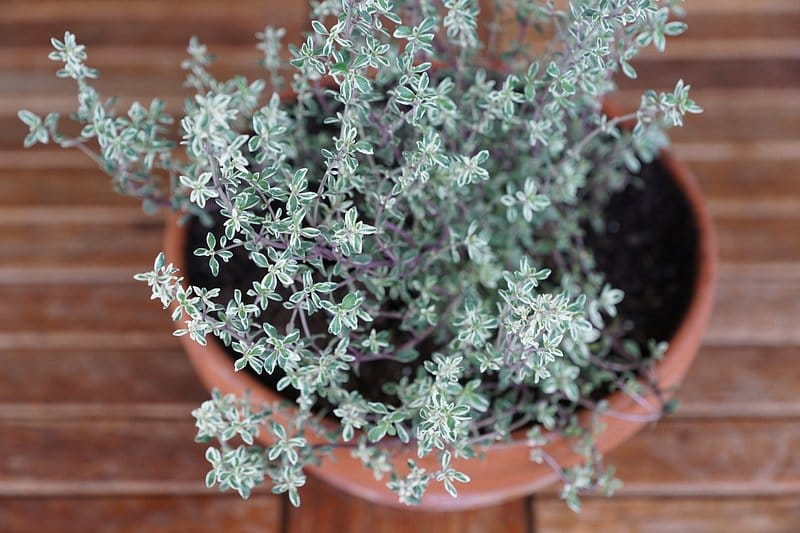
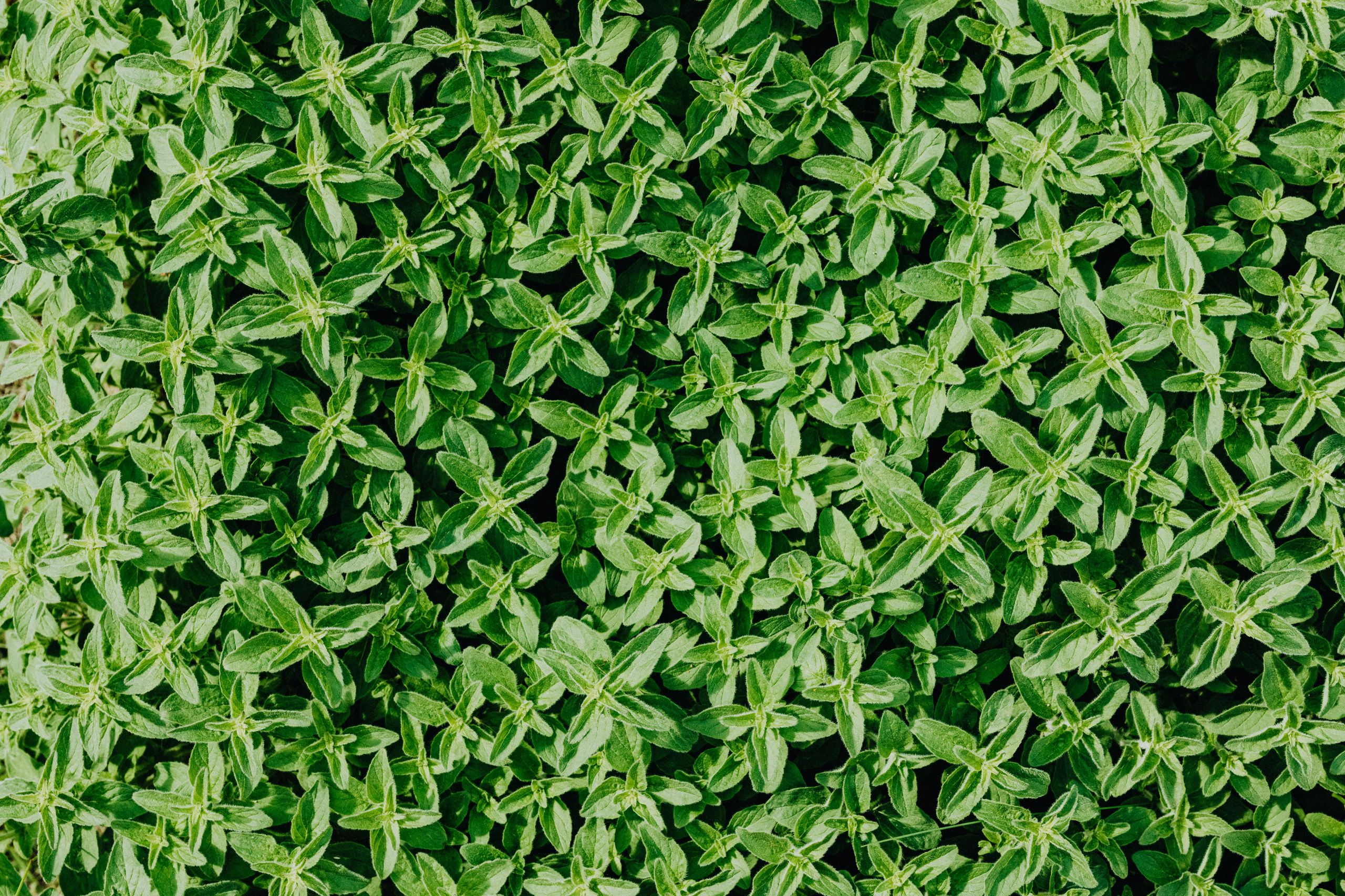
- Foliage:Dense, compact growth with very small evergreen leaves carried in opposite pairs on square stems (typical of the mint family). Leaf color ranges from gray-green to deep green; the foliage is strongly aromatic due to essential oils (notably thymol). A healthy plant should smell noticeably fragrant when a leaf is gently rubbed.
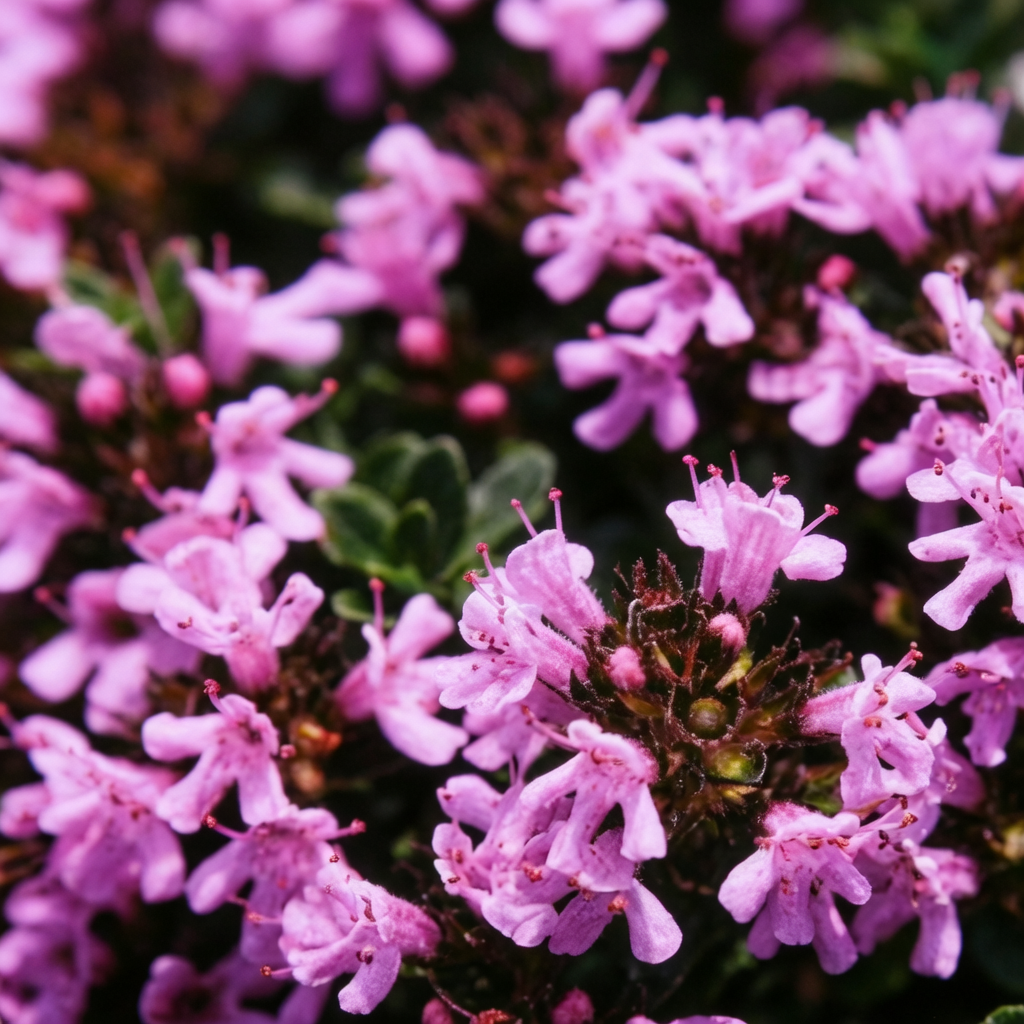
- Flower:Produces clusters/whorls of tiny tubular, nectar-rich flowers—most often pale pink to lilac/lavender, sometimes white. Flowers are highly attractive to bees and other pollinators and are edible, with a milder flavor than the leaves.
- Flowering Season:Spring to summer (often late spring into summer; roughly May–August depending on climate).
- Growth Habit:Low, bushy to creeping, woody-based perennial subshrub. Forms a compact mound or a dense mat with trailing stems, making it excellent as edging, groundcover, or a container plant.
🌤️ Environment
Sunlight
Full sun for best growth and strongest flavor—aim for at least 6–8 hours of direct sun daily. Indoors, use the brightest window (often south-facing) or supplement with a grow light.
Temperature
Grows best in mild to warm conditions around 13–18°C (55–64°F) to 20–25°C (68–77°F). Heat tolerant once established, though extreme heat above 30°C (86°F) can benefit from a little afternoon protection. In well-drained soil it can tolerate winter lows to about -10°C (14°F).
Humidity
Prefers relatively dry air and good airflow. Prolonged high humidity and still air increase the risk of fungal issues; keep foliage as dry as possible (especially indoors and in winter).
Soil
Lean, very well-drained soil is the secret: sandy/gritty or rocky mixes are ideal, with neutral to slightly alkaline pH. In containers, use a free-draining potting mix cut with grit/perlite/coarse sand; never let pots sit in water.
Placement
Sunny balcony/patio/terrace, bright windowsill, herb garden beds, rock gardens, borders, along paths, between stepping stones, and in containers or window boxes where drainage is excellent.
Hardiness
Commonly hardy in USDA Zones 5–9; winter survival depends heavily on drainage (winter wet is more dangerous than cold).
🪴 Care Guide
Difficulty
Easy and beginner-friendly overall. The main rule is simple: thyme tolerates dryness much better than wet feet, so drainage and restrained watering matter more than pampering.
Buying Guide
Pick compact, well-shaped plants with dense shoots and rich green (or healthy gray-green) foliage. Avoid yellowing, leaf drop, wilt, blackened stems, mushy crowns, or pots that feel constantly wet or smell sour. For the best cooking quality, rub a leaf—strong fragrance usually means high essential-oil content.
Watering
Water deeply, then let the mix dry out before watering again. In pots, wait until the surface looks dry and pale (often when the top 2–5 cm / 1–2 in has dried), then water thoroughly and drain completely. In-ground plants rarely need extra water once established except during prolonged drought. Overwatering and waterlogged soil are the most common causes of failure (root/crown rot), especially in winter.
Fertilization
Minimal feeding is best. Thyme often needs little to no fertilizer; too much (especially high nitrogen) can make growth leggy and dilute the aroma and flavor. If the plant seems weak, feed lightly in early spring (or use a small amount of well-aged compost) and, for container plants, a very modest slow-release balanced fertilizer at reduced rate can be used. Avoid heavy or frequent feeding.
Pruning
Trim lightly to keep plants compact and prevent them from getting too woody. After flowering (late summer in many climates), cut back up to about one-third of soft growth to tidy and encourage fresh shoots. In spring, a light shaping prune also helps. Avoid cutting hard into old, leafless woody stems, as regrowth can be slow or patchy.
Propagation
Easy to propagate. Seeds: surface-sow (they need light) in spring or start indoors 6–10 weeks before last frost; germination can take about 5–7 days in warm bright conditions or up to 2–3 weeks depending on temperature and seed freshness. Cuttings: take 7.5–10 cm (3–4 in) non-flowering tips in spring/early summer (softwood) or summer (semi-ripe) and root in a gritty, free-draining medium. Division: split mature clumps in spring. Layering: pin low stems to the soil; once rooted, sever and transplant.
Repotting
Repot in spring or just after flowering. Refresh the mix and ensure excellent drainage; moving up one pot size is usually enough. Many growers repot every 1–3 years depending on vigor and root crowding; when repotting, it can help to remove a portion of old mix from the rootball and trim lightly to rebalance top growth.
📅 Seasonal Care Calendar
Spring: full sun, light pruning, divide plants, sow seed, and (if needed) a very light feed; start or refresh container plants. Early summer: take soft cuttings; harvest regularly. Summer: harvest often, water pots only when dry, ensure ventilation; trim after flowering. Autumn: reduce watering, keep in the sunniest spot, take final harvests before hard frosts. Winter: keep on the dry side, protect from winter wet, and shelter containers; minimal watering indoors with bright light and airflow.
🔬 Pests, Diseases & Safety
Common Pests & Diseases
Generally pest-resistant thanks to its aromatic oils. Possible pests include aphids, spider mites (especially indoors), thrips, and occasional plant bugs. Most disease issues come from excess moisture and poor airflow: root/crown rot, gray mold (Botrytis), and sometimes powdery or downy mildew. Prevention works best—sharp drainage, spacing/airflow, watering at the soil level, and avoiding persistently damp conditions. Remove affected parts promptly; if treatment is needed, use products labeled for herbs/edibles and follow local guidance.
Toxicity
Generally non-toxic and widely used as a culinary herb. Thyme is considered safe for people and, in normal amounts, is not regarded as toxic to common pets; however, concentrated thyme essential oil can irritate skin and mucous membranes and should be kept away from children and pets (and not ingested).
🎋 Culture & Symbolism
Symbolism:Often linked with courage, good luck, and a sense of clean, uplifting energy. Traditionally, thyme was carried or gifted as a protective, strengthening herb—both for the heart and the home.
History & Legends:Thyme has been cherished around the Mediterranean since ancient times. Egyptians used it in embalming; Greeks burned it as incense in temples and used it in baths; Romans helped spread it across Europe through cooking and household cleansing. In medieval Europe it was tucked under pillows to ward off nightmares, and women embroidered or gifted thyme to knights as a symbol of bravery. Folk stories even claim thyme sprang from the tears of Helen of Troy or the goddess Aphrodite. Beyond Europe, regional traditions also include harvesting and drying thyme for herbal tea and summer refreshment.
Uses:Culinary: a cornerstone herb for soups, stews, roasts, sauces, breads, and vegetable dishes; essential in bouquet garni and herbes de Provence, and especially loved for balancing rich, fatty foods. Herbal/traditional: valued for its aromatic oils (including thymol) and used historically in home remedies for respiratory and digestive comfort—use medicinally with appropriate guidance. Household/fragrance: essential oil and extracts are used in soaps, perfumes, and cleaning products. Garden/ecology: excellent nectar plant for bees and butterflies; useful as edging or fragrant groundcover, and often used in companion planting to help discourage certain pests.
❓ FAQ
Why are my thyme leaves turning yellow?
Most often it’s too much water or poor drainage. Thyme hates constantly damp soil—roots get stressed, and leaves yellow or drop. Let the mix dry between waterings, make sure the pot drains freely, and switch to a grittier, faster-draining soil if needed.
Why is my thyme not flowering?
Common causes are not enough sun (it wants 6–8+ hours), overly rich soil, or too much nitrogen fertilizer (which pushes leafy growth instead of blooms). Move it to a sunnier spot, ease up on feeding, and keep watering on the dry side.
Can thyme grow indoors?
Yes—if it gets very bright light and airflow. Put it in the sunniest window you have (often south-facing) or use a grow light, use a gritty fast-draining mix, and water only when the soil has dried noticeably.
When and how should I harvest thyme?
Harvest anytime during active growth, with the strongest flavor often just before flowering. Snip sprigs or stem tips and avoid taking more than about one-third of the plant at once so it rebounds quickly. You can use it fresh or dry the sprigs and strip the leaves later.
How do I revive a thyme plant that’s declining?
Check for soggy soil first—overwatering is the usual culprit. Let it dry, improve drainage, remove dead/rotting stems, and repot into fresh gritty mix if needed. Give it full sun and water sparingly until new growth returns.
💡 Fun Facts
- The name “thyme” is linked to Greek roots associated with fumigation and courage, which fits its long history as both incense and a symbol of bravery.
- Thyme honey—made when bees forage heavily on thyme flowers—is prized for its intense aroma and flavor.
- Thymol from thyme has been used historically in antiseptic products like mouthwashes and medicinal bandages.
- Thyme is happiest in lean soil; heavy feeding can actually make it less fragrant.
- Many thymes exist (hundreds of species and cultivars), with flavors that can lean lemony, orangey, or spicy depending on the type.