🌱 Plant Features
- Size:Typically about 15 cm (6 in) tall; spreads by creeping runners (stolons) that root as they go
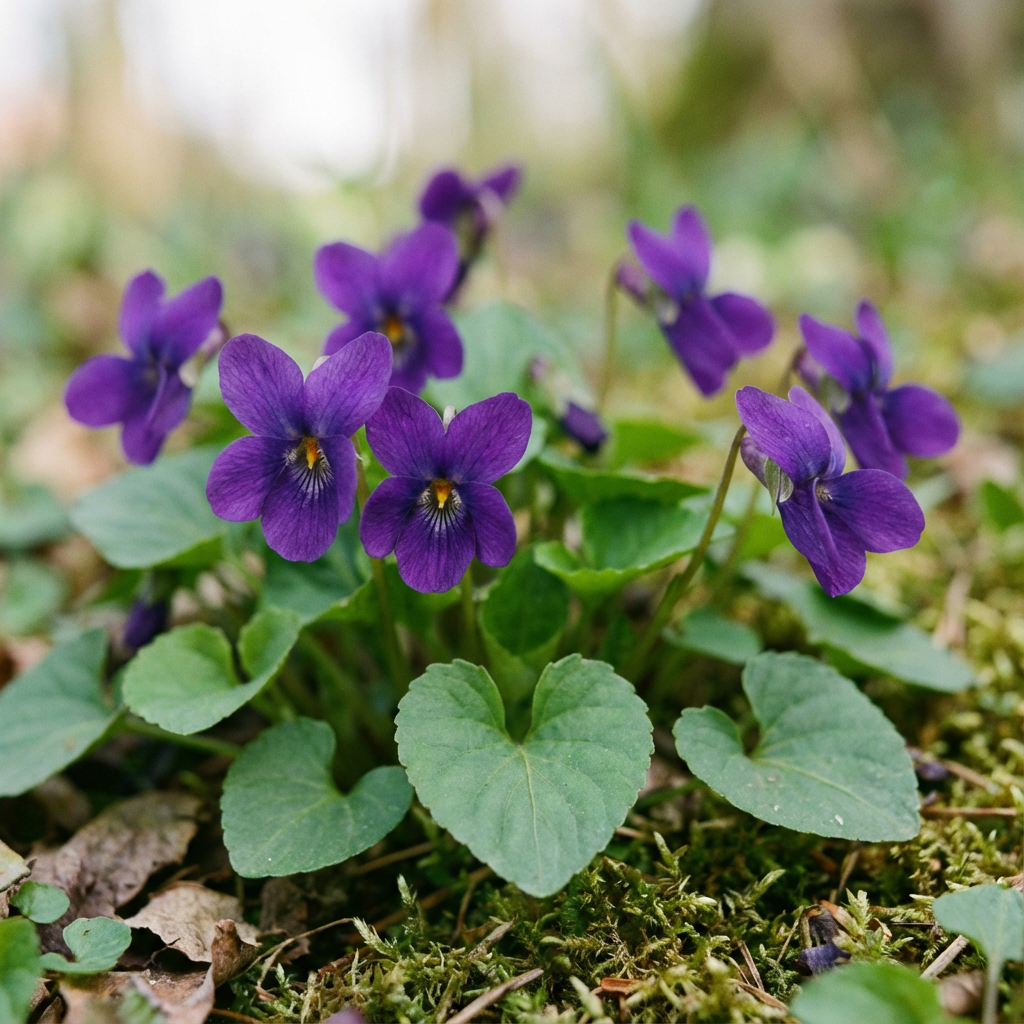
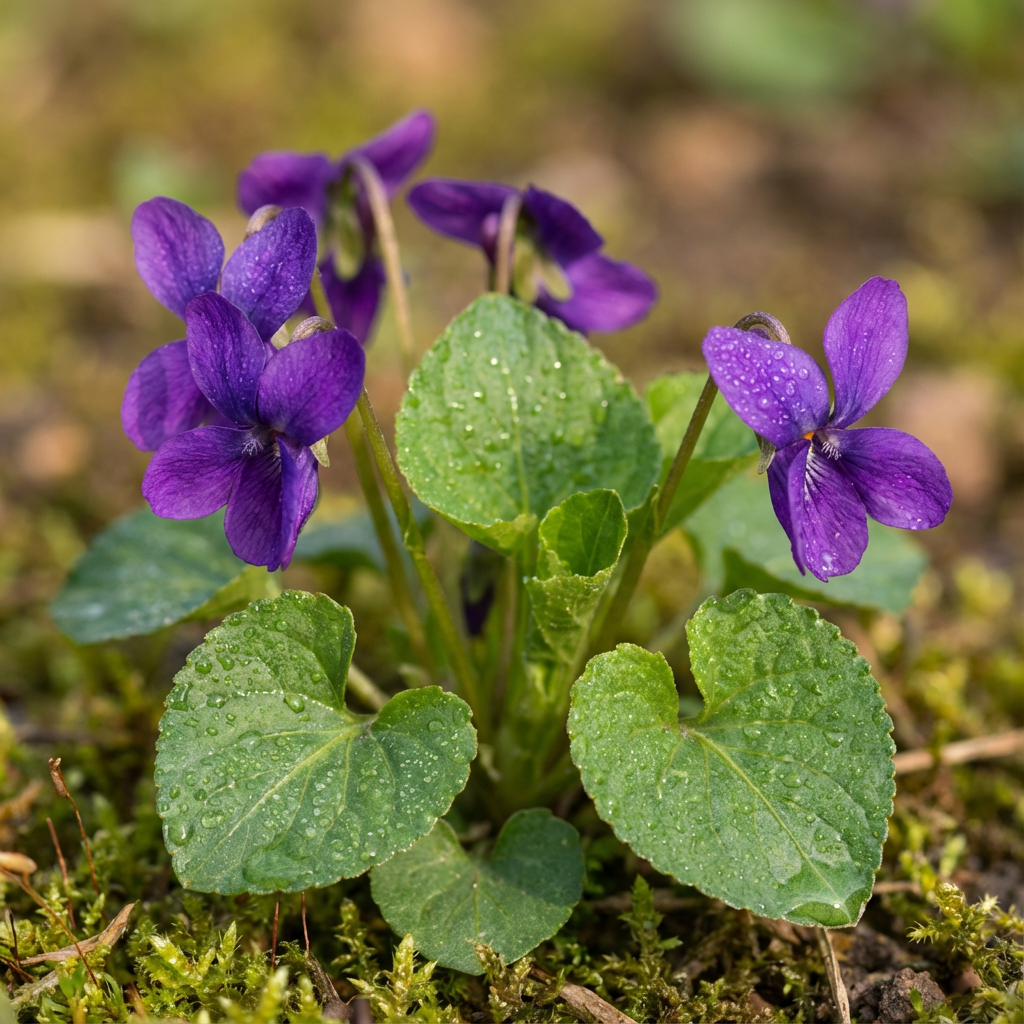
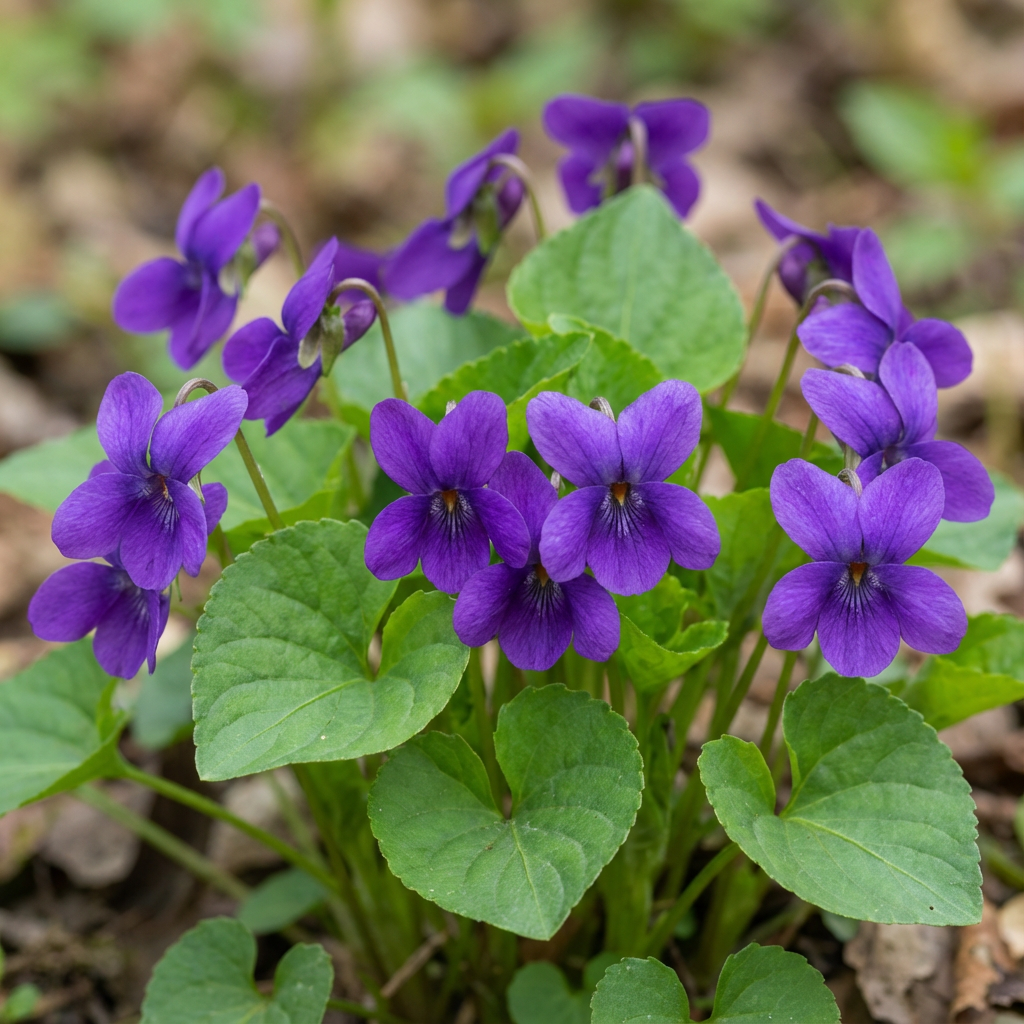
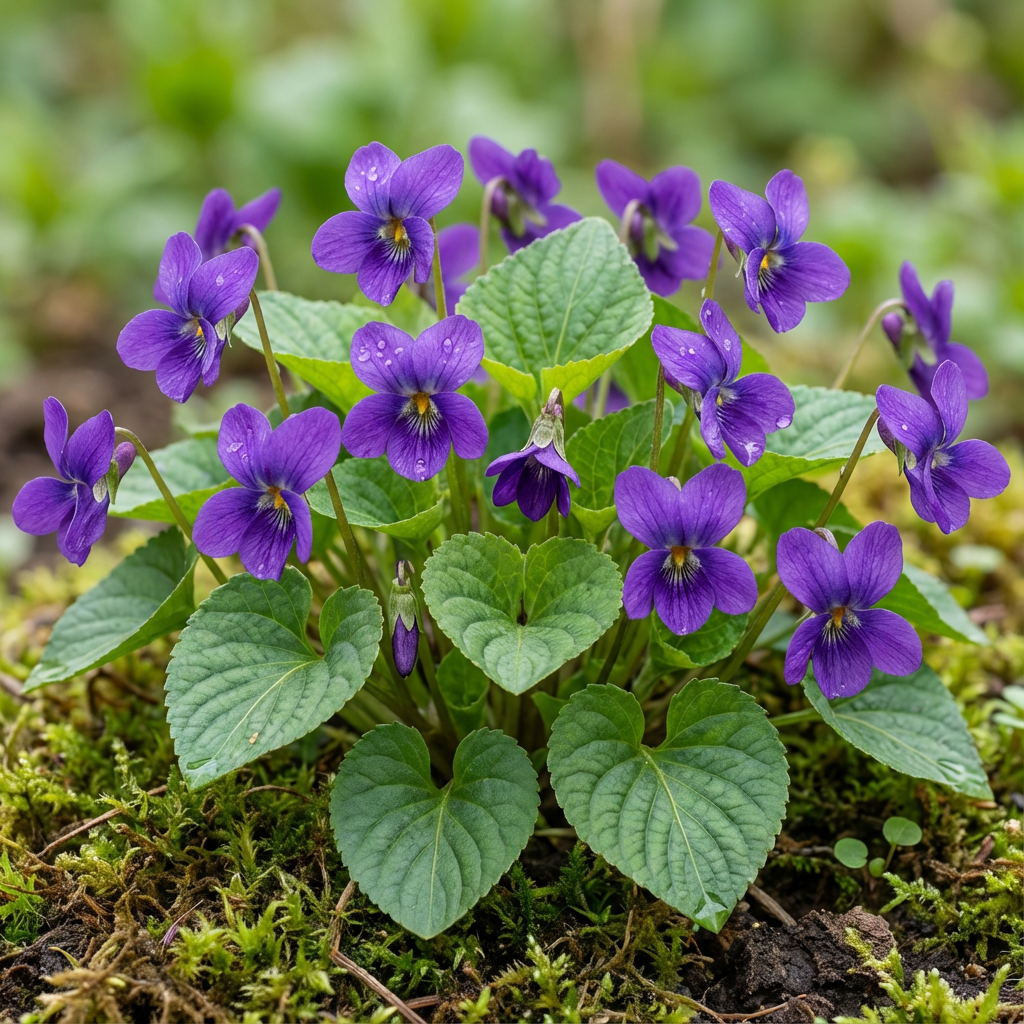
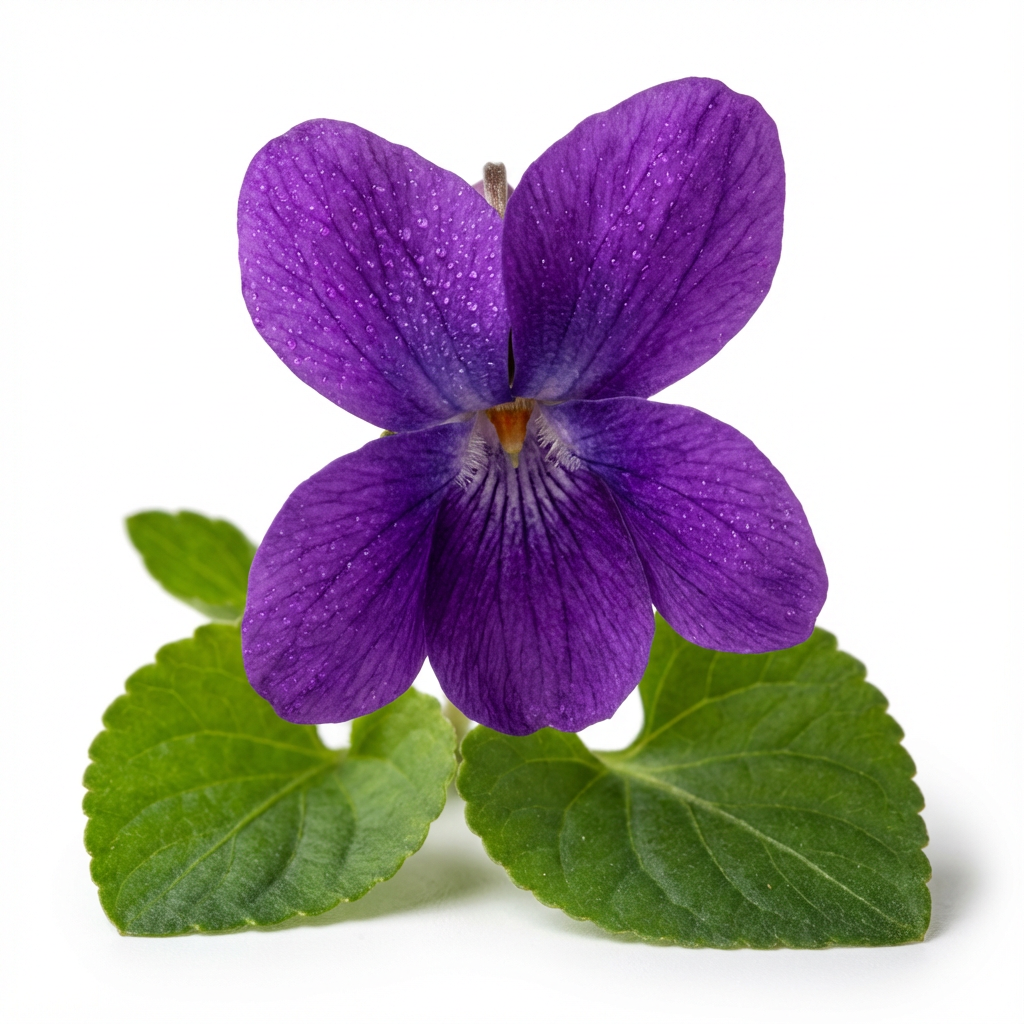
- Foliage:Basal leaves (no obvious above-ground stem) are rounded to kidney-shaped or broadly heart-shaped, usually up to about 4.5 cm (1.8 in) long and wide. Margins are gently scalloped (crenate). Leaves can be nearly smooth or lightly hairy, with a distinctly heart-shaped (cordate) base.
- Flower:Showy, sweetly scented flowers, most often deep purple. Petals may have slightly wavy margins; the side petals are often bearded near the base, and the lower petal has a spur. Individual flowers are commonly around 1.5–2 cm (0.6–0.8 in) long including the spur.
- Flowering Season:Late winter through spring, commonly February–April (may extend later in cool climates)
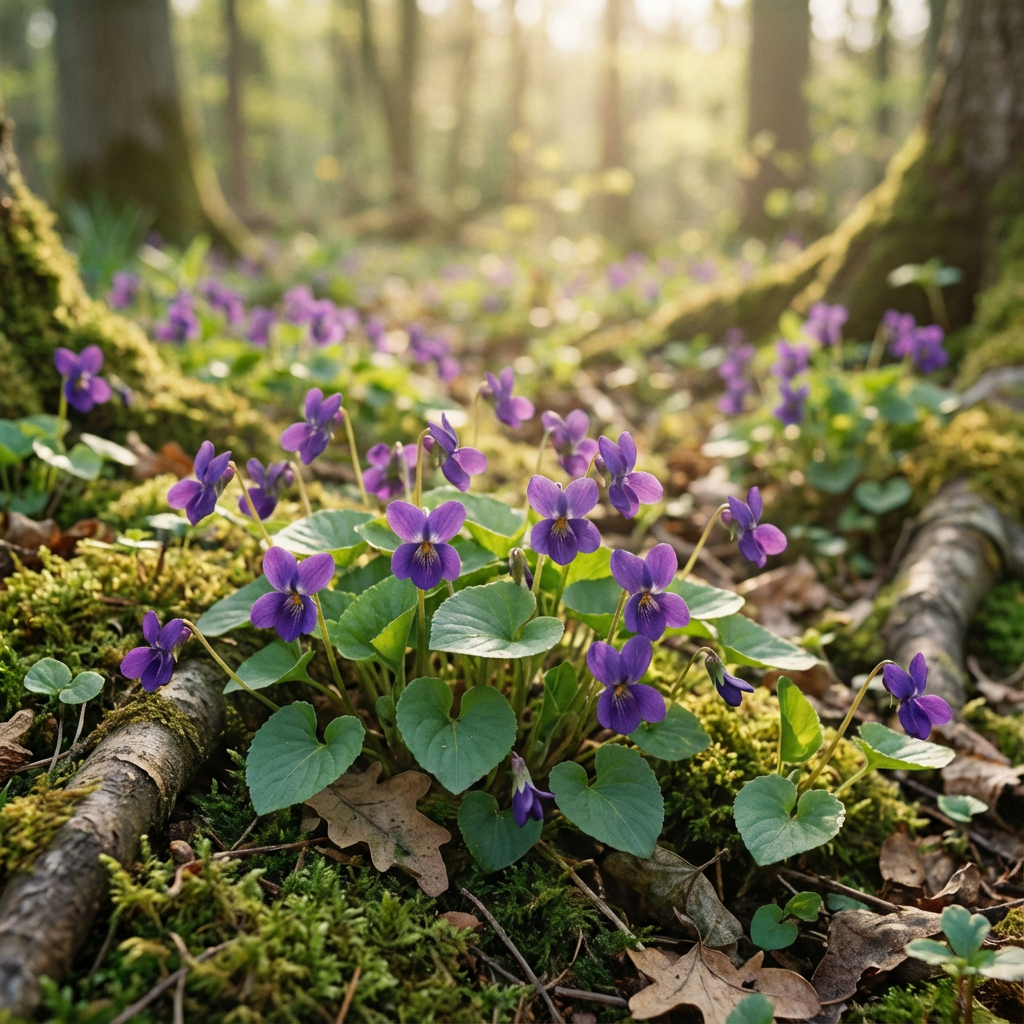
- Growth Habit:Low, herbaceous perennial that clumps and gradually spreads into colonies via stolons; excellent as a gentle, naturalistic ground cover
🌤️ Environment
Sunlight
Best in partial shade to dappled/filtered sun, similar to woodland light. Morning sun with afternoon shade is ideal in warmer areas.
Temperature
Prefers cool to mild conditions; cold tolerant but tends to sulk in hot summers. Commonly suited to USDA Zones 5–9.
Humidity
Enjoys evenly moist conditions; appreciates moderate humidity and suffers if kept too dry for long periods.
Soil
Fertile, loose, and moisture-retentive but well-drained soil (often described as a moist, well-drained sandy loam). Good drainage helps prevent rot.
Placement
Woodland gardens, under shrubs, shaded border edges, rock gardens, and cool containers; also lovely naturalized as a scented ground cover where it won’t bake in full sun.
Hardiness
Cold hardy; generally reliable in Zones 5–9 and can handle light frosts.
🪴 Care Guide
Difficulty
Easy—once established, it’s mostly about keeping it from drying out and protecting it from strong heat.
Buying Guide
Choose plants with fresh, vibrant green leaves, no spotting or mildew, and no visible pests. A well-filled pot with healthy roots (not sour-smelling or waterlogged) gives the best start.
Watering
Keep the soil consistently moist, especially in spring growth and flowering. Water when the surface begins to dry, then water thoroughly; avoid soggy conditions to prevent root rot. Seedlings need more consistent moisture early on—after establishment, a gentle “slightly dry between waterings” rhythm works well.
Fertilization
Feed lightly during active growth. A balanced fertilizer or compost in spring works well; liquid feeding can be done about every 7–10 days in the growing season if you want lush growth and more blooms. After germination, begin feeding roughly 2 weeks later (or about 1 week after transplanting) with a mild, balanced feed.
Pruning
Deadhead spent blooms to keep plants neat and encourage more flowering. In late fall, trim weak growth and rein in long runners if you want a tidier patch (or let it roam for a natural look).
Propagation
Easily propagated by seed (spring or fall sowing) and by division. Naturally spreads by stolons, which can be gently pegged down to root and then separated into new plants.
Repotting
For container-grown plants, divide and refresh the potting mix every 2–3 years, ideally in spring or fall.
📅 Seasonal Care Calendar
Spring (Feb–Apr): peak bloom—keep evenly moist and feed lightly. Summer: protect from heat and harsh sun; keep cool, shaded, and watered. Fall: tidy, divide if needed, and prepare for winter. Winter: generally hardy; plants can overwinter outdoors in suitable climates.
🔬 Pests, Diseases & Safety
Common Pests & Diseases
Watch for aphids, red spider mites (especially in hot/dry conditions), and slugs/snails. Can be affected by violet gall midge, leaf spots, and powdery mildew. Reduce problems with good airflow, clean up old foliage, avoid waterlogging, and water at the soil line rather than over the leaves when possible.
Toxicity
Use caution: the seeds and rhizomes are considered toxic and may cause vomiting and more serious symptoms if ingested. Keep away from children and pets. (The flowers and leaves are sometimes used as edibles in small amounts, but avoid consuming seeds/rhizomes.)
🎋 Culture & Symbolism
Symbolism:Sweet Violet is traditionally linked with modesty and humility, as well as faithfulness and devotion. It’s also a flower of quiet longing—often used to express remembrance and affectionate loyalty.
History & Legends:A long-loved European garden plant, Sweet Violet appears in stories from ancient Greece, where it was associated with love and fertility. In Victorian “flower language,” it became a symbol of faithfulness and devotion. Napoleon is famously said to have adored violets, helping cement their romantic reputation.
Uses:Ornamental: prized for fragrance, early bloom, and its ability to form a soft ground cover. Perfumery: flowers have been used in fragrance and essential-oil traditions. Culinary: flowers (and sometimes leaves) are used as edible decorations in salads and desserts, or infused for teas and syrups—avoid seeds and rhizomes. Traditional medicine: historically used in folk remedies (e.g., for soothing coughs and as a mild calming/cooling herb), though modern use should be cautious and informed.
❓ FAQ
What is the difference between Sweet Violet and Pansy?
Sweet Violet is a fragrant perennial with smaller, typically purple flowers and a creeping habit. Pansies are usually grown as annuals or biennials, have larger “face”-marked blooms, and are generally less fragrant.
Can Sweet Violet grow in hot summer regions?
It struggles in sustained heat. In warm regions, grow it in bright shade, keep the soil evenly moist (not soggy), and treat it as a cool-season charmer rather than a summer workhorse.
Are Sweet Violet flowers edible?
The flowers (and sometimes young leaves) are used as edible garnishes in some traditions, but the seeds and rhizomes are toxic and should not be eaten.
💡 Fun Facts
- Sweet Violet is famous in perfumery—its scent is beloved, even though violet fragrances are often recreated with aroma compounds rather than distilled oil.
- It can spread by runners and knit itself into a fragrant, flowering carpet in the right conditions.
- It’s among the earliest bloomers of the year, sometimes flowering while winter still lingers.
- Napoleon’s fondness for violets helped turn them into a little symbol of romance and devotion in European culture.
- In some places, “violet” names get mixed up with other plants; Sweet Violet (Viola) is not the same as stock (Matthiola), which is also sometimes nicknamed for its fragrance.