🌱 Plant Features
- Size:Typically 5–15 cm (2–6 in) tall, spreading by stolons to form dense mats
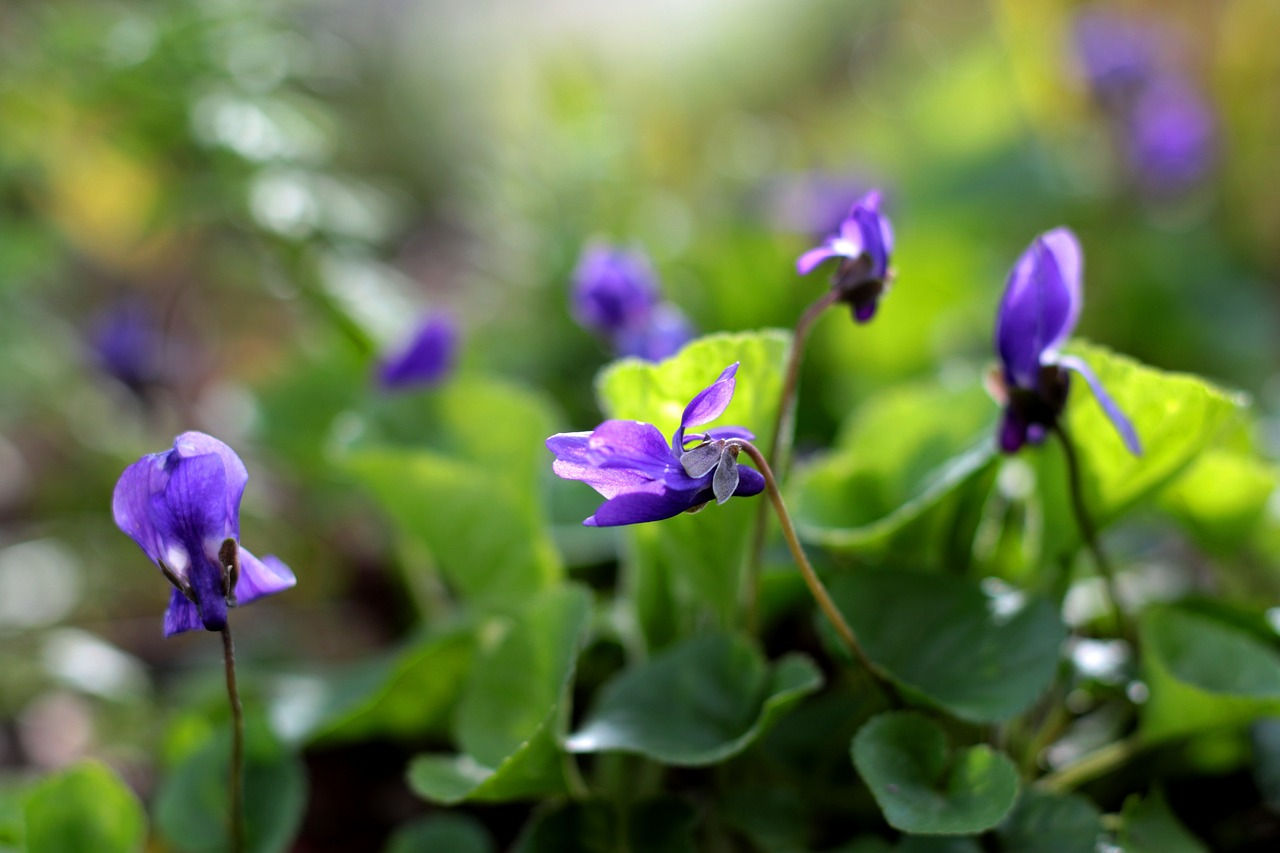
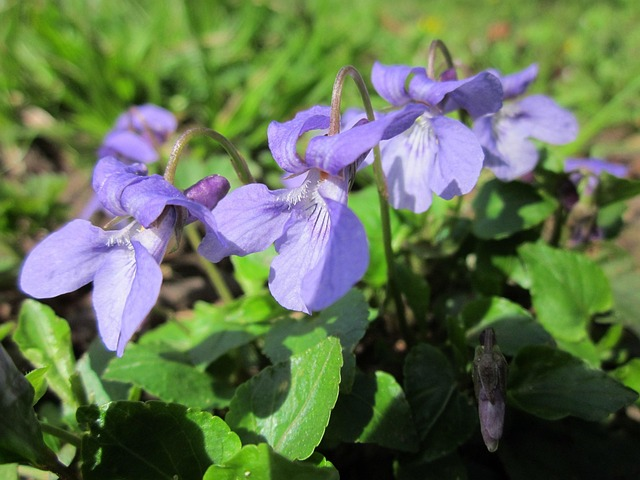
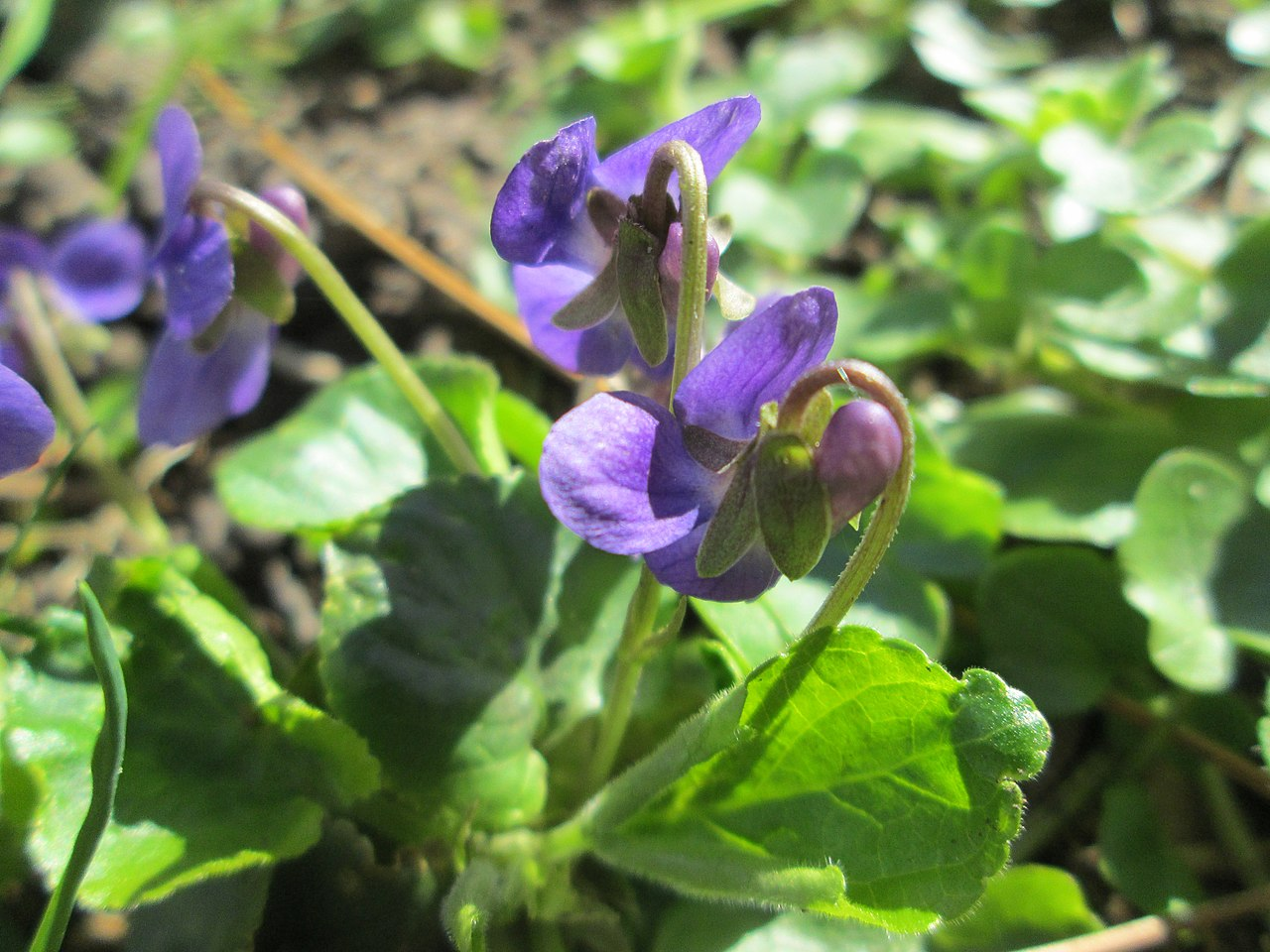
- Foliage:Leaves form a basal rosette and are heart-shaped to rounded, deep green, softly hairy, with scalloped edges and long petioles.
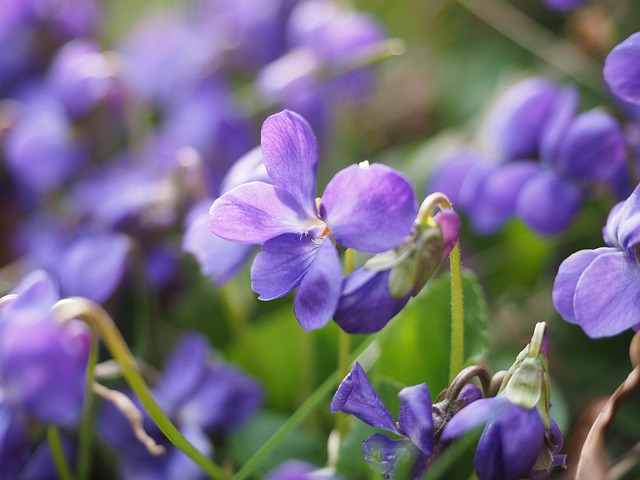
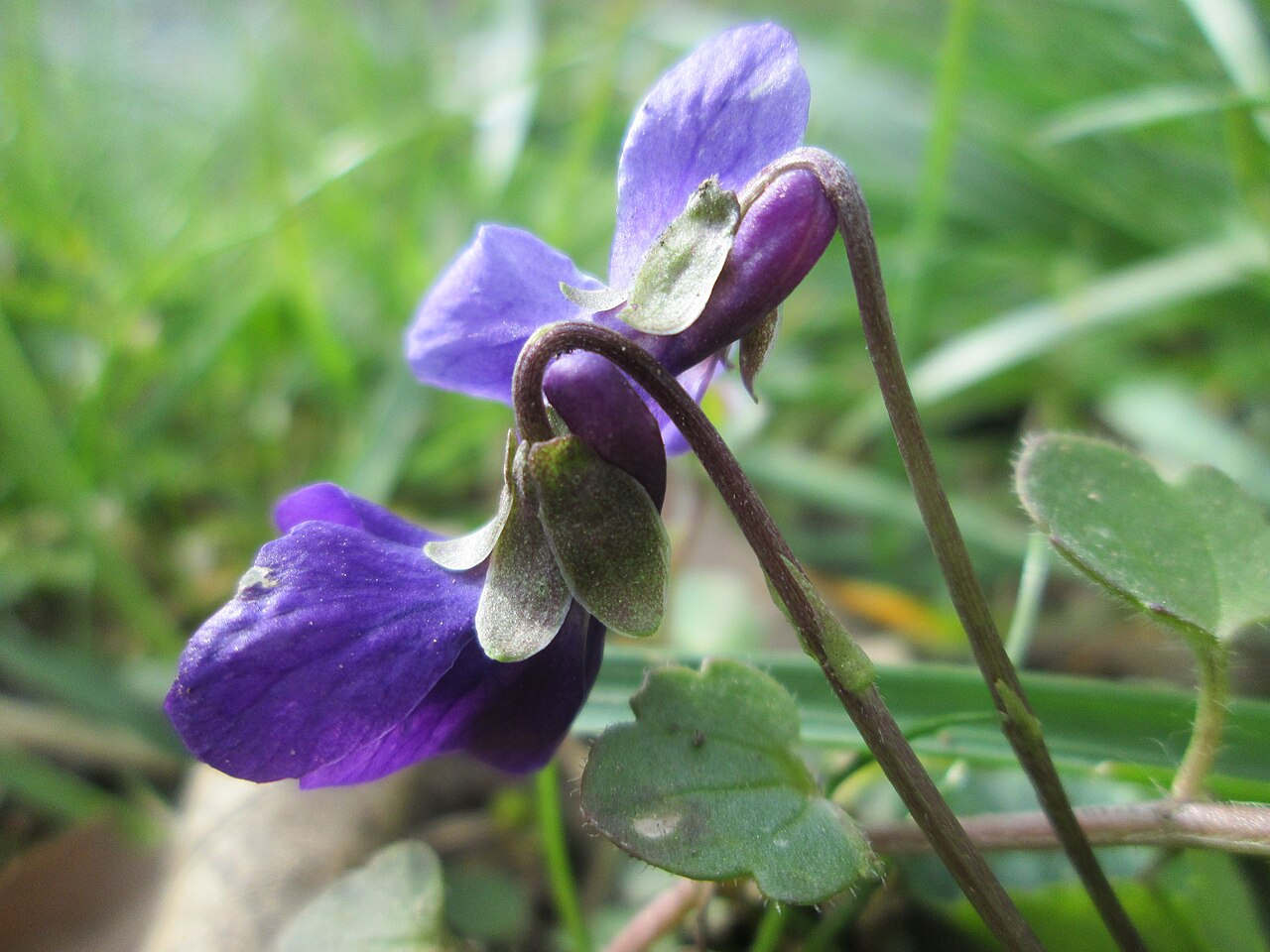
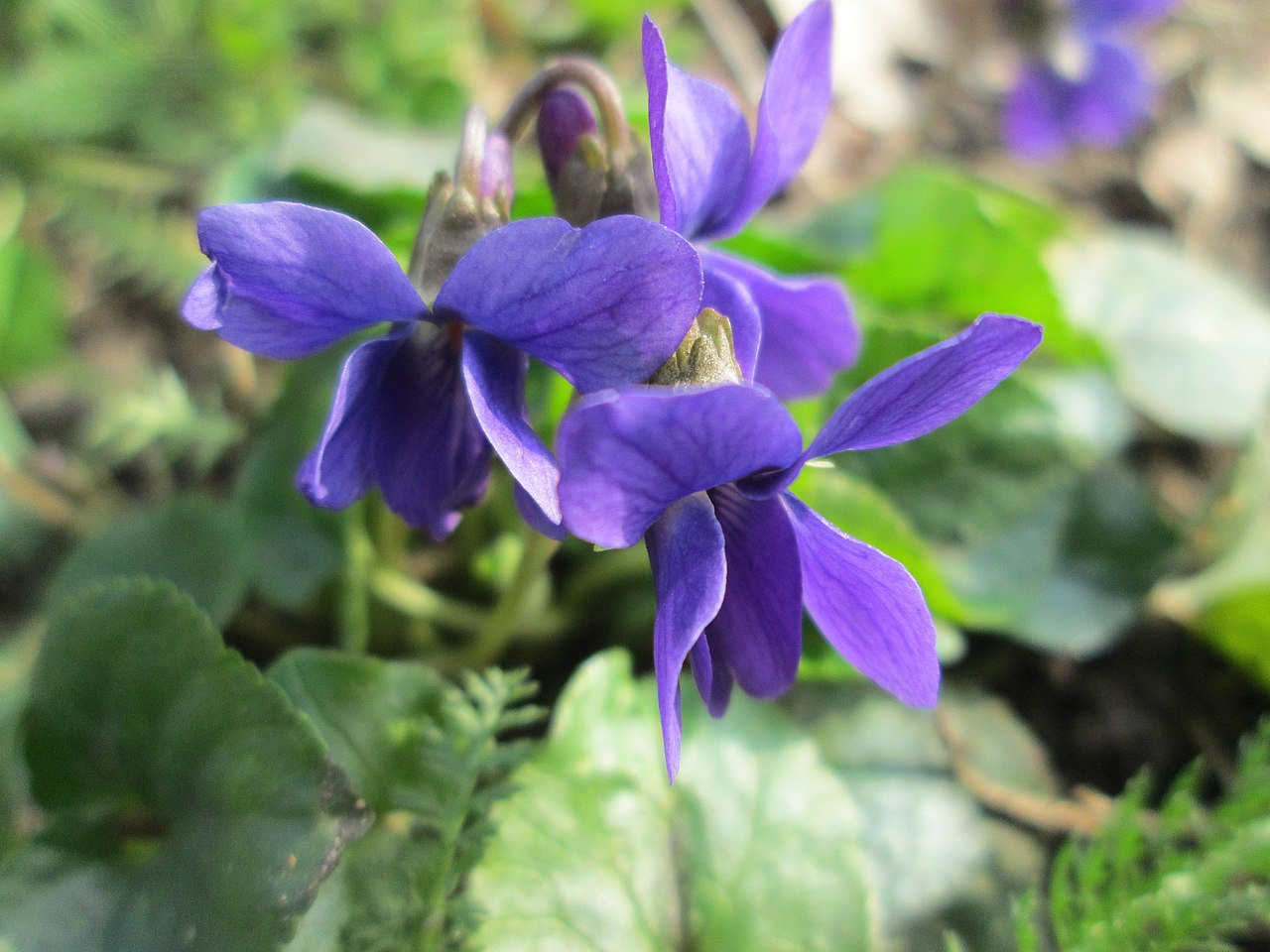
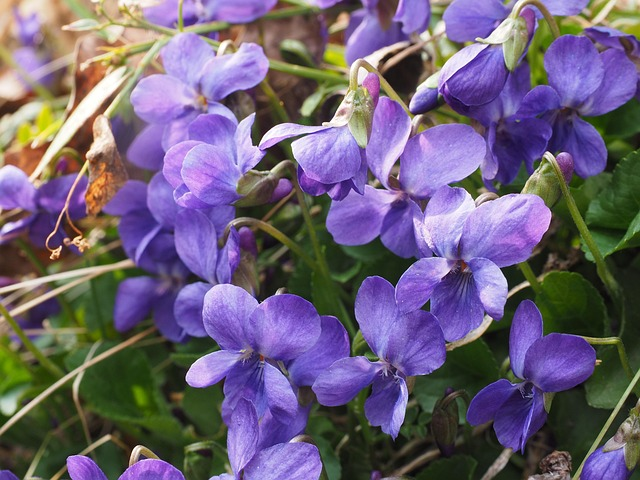
- Flower:Small, irregular five-petaled flowers (about 1.5–2 cm / 0.6–0.8 in across), usually deep purple to violet-blue with darker veining on the lower petals. Many forms are strongly fragrant, and cultivated varieties may also bloom in white or pale lavender. Flowers often nod slightly and show the classic violet spur.
- Flowering Season:Early spring (March to May); some plants may rebloom in autumn
- Growth Habit:Low-growing, spreading perennial that forms dense clumps and mats through creeping stolons and short rhizomes
🌤️ Environment
Sunlight
Partial shade to full shade; happiest in dappled woodland light. Avoid harsh, hot direct sun.
Temperature
Cool-growing; ideal around 15–20°C (60–70°F). Very cold hardy and can tolerate down to about -15°C (5°F).
Humidity
Prefers evenly moist conditions with moderate to high humidity; dislikes prolonged drought.
Soil
Fertile, humus-rich, well-draining soil; prefers neutral to slightly acidic pH around 6.0–7.0.
Placement
Woodland gardens, under shrubs and trees, shady borders, rock gardens, and containers; excellent as a fragrant ground cover in sheltered spots.
Hardiness
USDA Hardiness Zones 3–9 (generally hardy; protect from extreme exposure where winters are severe).
🪴 Care Guide
Difficulty
Easy and beginner-friendly; generally forgiving as long as it’s kept from baking sun and bone-dry soil.
Buying Guide
Choose plants with fresh, vibrant green leaves, no spotting or mildew, and a firm, healthy root system. Shopping in early spring or fall usually gives the best establishment.
Watering
Keep soil consistently moist but never soggy. Water regularly during active growth; let the surface dry slightly between waterings. If possible, water at the soil line (or bottom-water in pots) to keep foliage and blooms dry and reduce mildew risk.
Fertilization
In spring, top-dress with compost or use a balanced slow-release fertilizer. During active growth, a diluted liquid feed about every 10–15 days can boost vigor; slightly higher phosphorus/potassium during flowering can encourage more blooms.
Pruning
Deadhead spent flowers to encourage tidiness and repeat bloom. In autumn, trim old foliage and thin crowded patches to improve airflow and reduce disease pressure.
Propagation
Very easy: divide clumps in early spring or fall; root runners (stolons) or take small divisions with roots attached. Can also be grown from seed—germinate around 15–20°C (60–70°F) with a light covering and steady moisture. Sweet violet also forms cleistogamous (non-opening) flowers that self-pollinate and set seed, helping it naturalize.
Repotting
For containers, repot every 1–2 years in early spring before strong new growth. Use a rich but well-draining mix and avoid damaging fine roots.
📅 Seasonal Care Calendar
Spring (Mar–May): Peak flowering—keep evenly moist and feed lightly. Summer (Jun–Aug): Provide shade and cooler conditions; plants may go semi-dormant in heat, so reduce watering but don’t let the roots dry out completely. Autumn (Sep–Nov): Great time to divide; some plants rebloom. Winter (Dec–Feb): Top growth may die back; roots rest—mulch in very cold, exposed sites.
🔬 Pests, Diseases & Safety
Common Pests & Diseases
Watch for aphids, spider mites, slugs, and snails. Powdery mildew and leaf spot can appear in still, damp conditions. Improve airflow, avoid overhead watering, remove affected leaves, and use insecticidal soap/neem for aphids. Mildew may be managed with appropriate fungicides or gentle home-style treatments (e.g., baking soda solution) where suitable.
Toxicity
Generally considered non-toxic to people and pets (dogs, cats, horses). Flowers and leaves are edible and rich in vitamins (notably A and C). Avoid eating the roots, which can cause nausea or vomiting.
🎋 Culture & Symbolism
Symbolism:Often associated with modesty, faithfulness, devotion, remembrance, and pure love. Purple violets especially suggest loyalty; white forms are linked with innocence and purity.
History & Legends:Loved since ancient Greek and Roman times, sweet violets appear in myth and poetry—one tale says Persephone was gathering spring flowers (including violets) when Hades abducted her. Violets also became a romantic emblem in the Victorian “language of flowers.” A famous historical footnote: Napoleon and Josephine adored violets, and pressed violets from Josephine’s grave were reportedly found in Napoleon’s locket.
Uses:Ornamental ground cover and early-spring color for shade gardens; culinary use of fresh or candied flowers in desserts, salads, teas, and cake decorations (young leaves can be eaten fresh or cooked); traditional herbal use for soothing coughs and inflammation; fragrance use in perfumery (true violet scent is costly to extract, so many perfumes use synthetics); also used in crafts like pressing and drying.
❓ FAQ
Why does it sometimes seem like sweet violets stop smelling after the first sniff?
Sweet violet contains beta-ionone, a compound that can temporarily desensitize your scent receptors. After a good sniff you may “lose” the fragrance for a few minutes—then your sense of smell returns.
Will sweet violets survive hot summers?
They prefer cool conditions and may go dormant or look ratty in strong summer heat, especially in dry soil. The roots usually survive, and plants often regrow when weather cools in autumn.
How can I tell Sweet Violet from other violets?
Fragrance is the easiest clue—Viola odorata is notably sweet-scented, while many other violets are weakly scented or scentless. Look for rounded heart-shaped leaves, nodding flowers, and a noticeable spur.
Can I eat the flowers?
Yes—flowers and young leaves are edible. Use blooms fresh, candied, or frozen into ice cubes; add young leaves to salads or cook them like tender greens. Avoid consuming the roots.
💡 Fun Facts
- Sweet violets can produce cleistogamous flowers—tiny, non-opening flowers that self-pollinate and set seed out of sight.
- Beta-ionone is why the violet scent can seem to “disappear” after you smell it once.
- Natural violet perfume is extremely expensive because it takes a huge quantity of flowers for a very small yield—many modern violet fragrances rely on synthetic aroma compounds.
- In parts of medieval Europe, violets were used as simple household deodorizers and air fresheners.
- Violets have been chosen as state flowers by Illinois, New Jersey, Rhode Island, and Wisconsin.
- Shakespeare referenced violets in works such as Hamlet and The Winter’s Tale.
- Sweet violets contain mucilage (a soothing soluble fiber), which is one reason they were traditionally used in gentle cough syrups and throat remedies.
- Violets contain rutin and other flavonoids that have a long history in traditional herbal use.