🌱 Plant Features
- Size:Highly variable by cultivar. Dwarf/container types are typically 30–60 cm (12–24 in) tall, many garden and cut-flower types reach about 1.2–3.5 m (4–12 ft), and exceptional giants can exceed 9 m (30 ft).
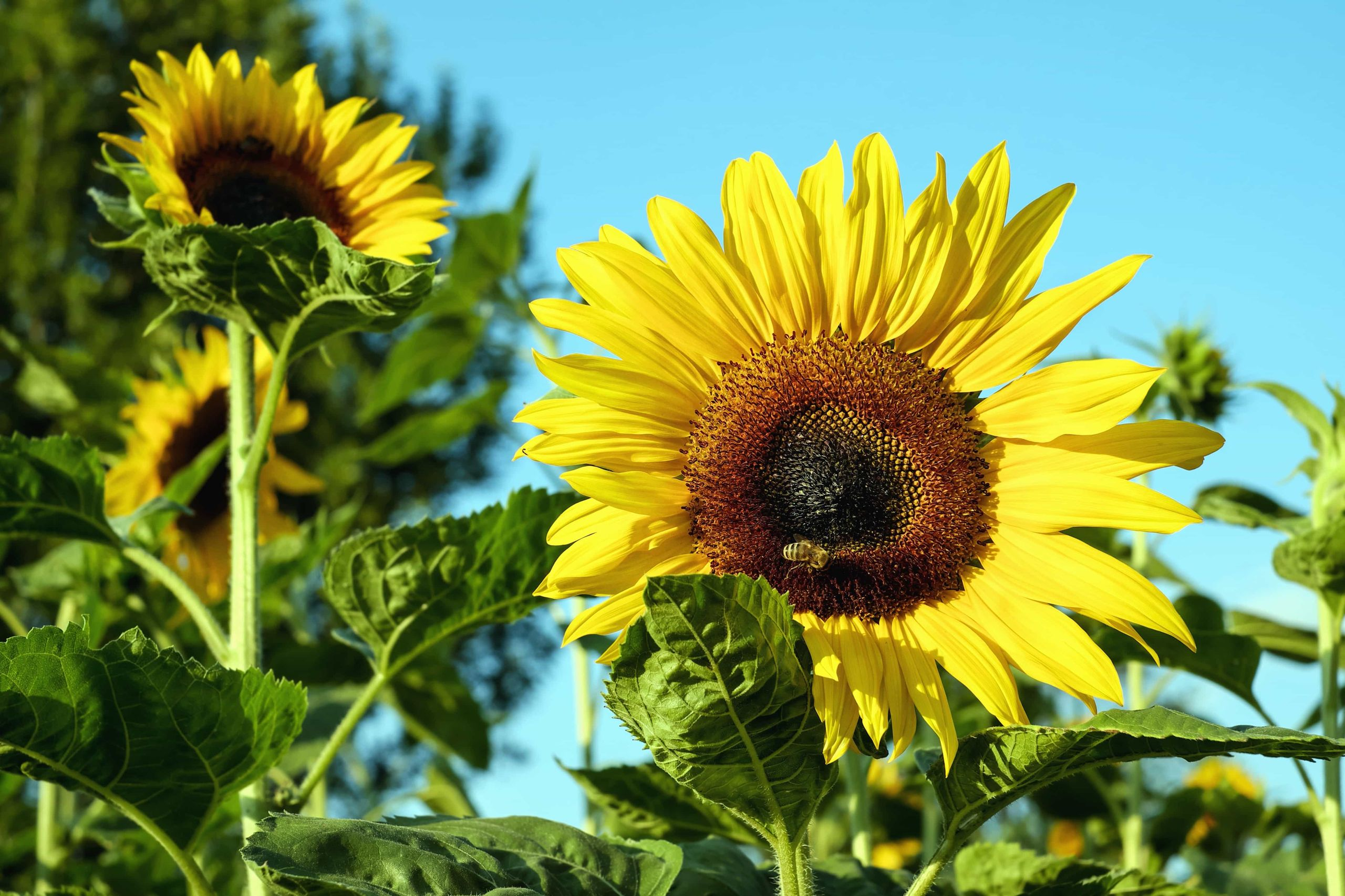
- Foliage:Leaves are broad ovate to heart-shaped, coarsely toothed, and rough to the touch with noticeable hairs. They’re usually mid-to-deep green with prominent veins and are carried alternately along sturdy, upright stems.
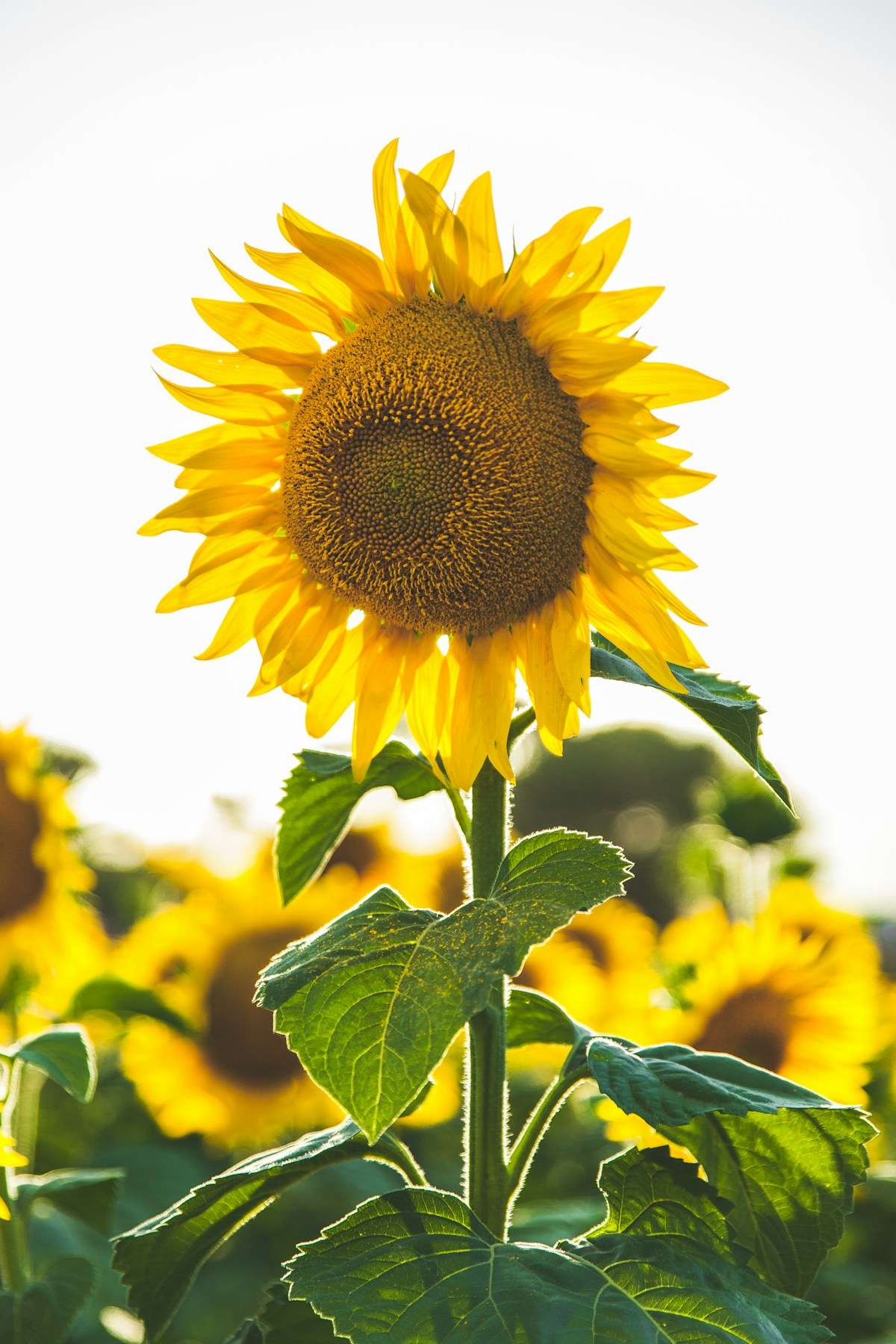
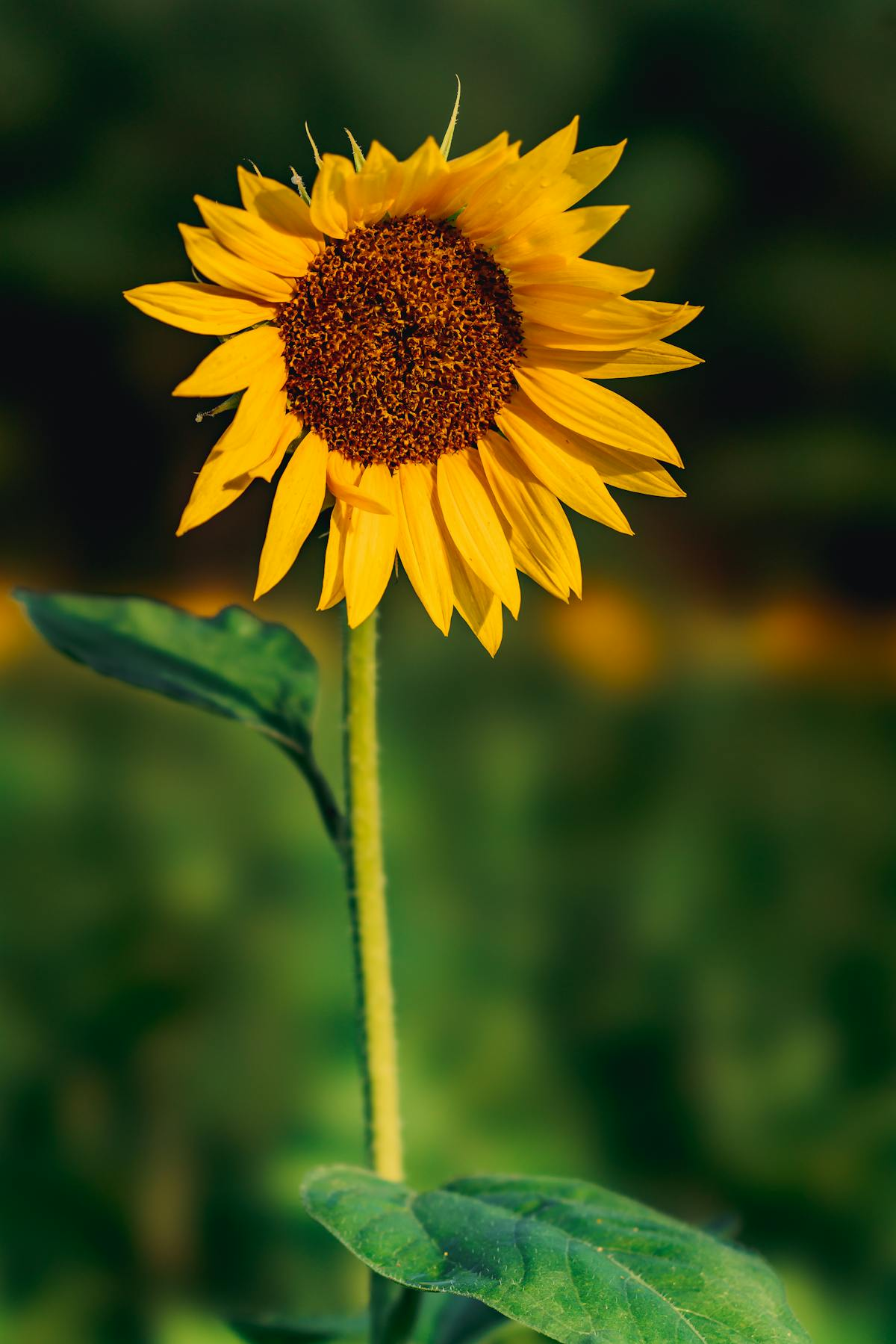
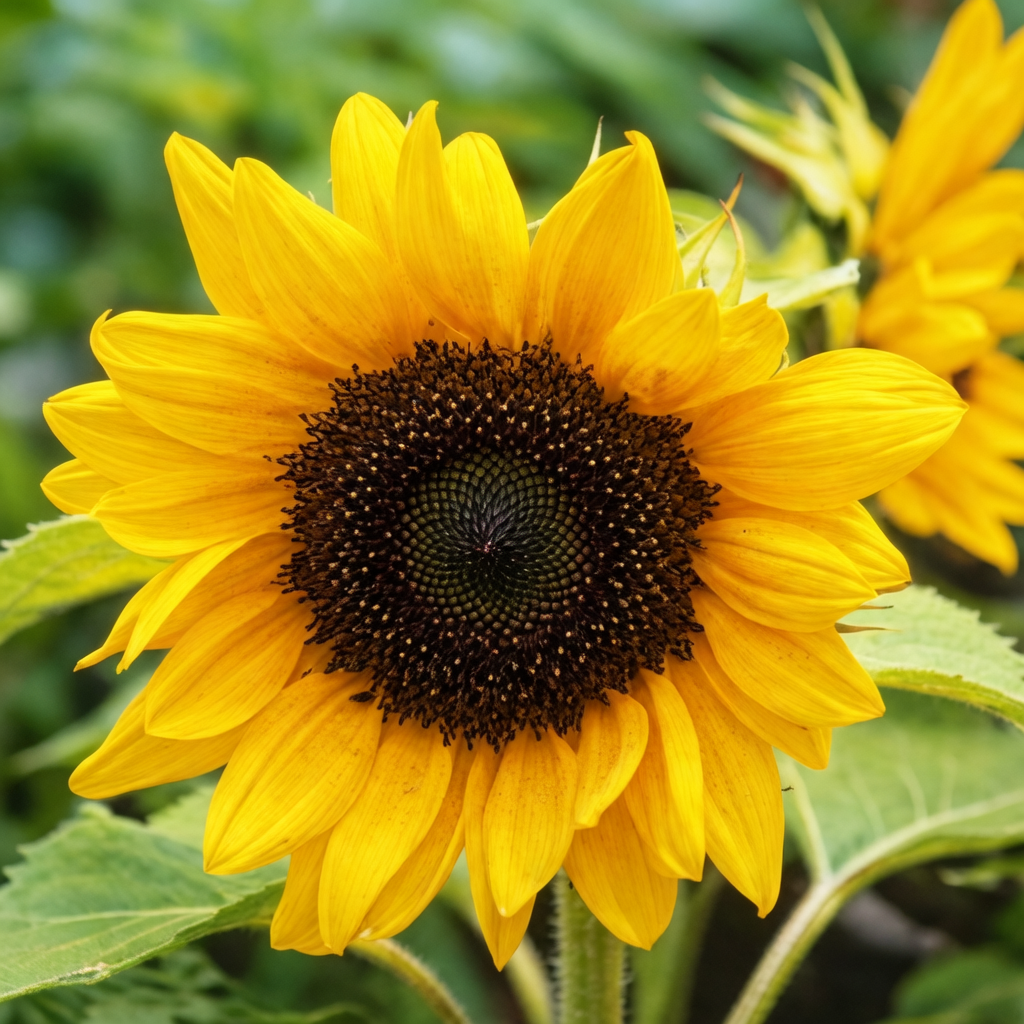
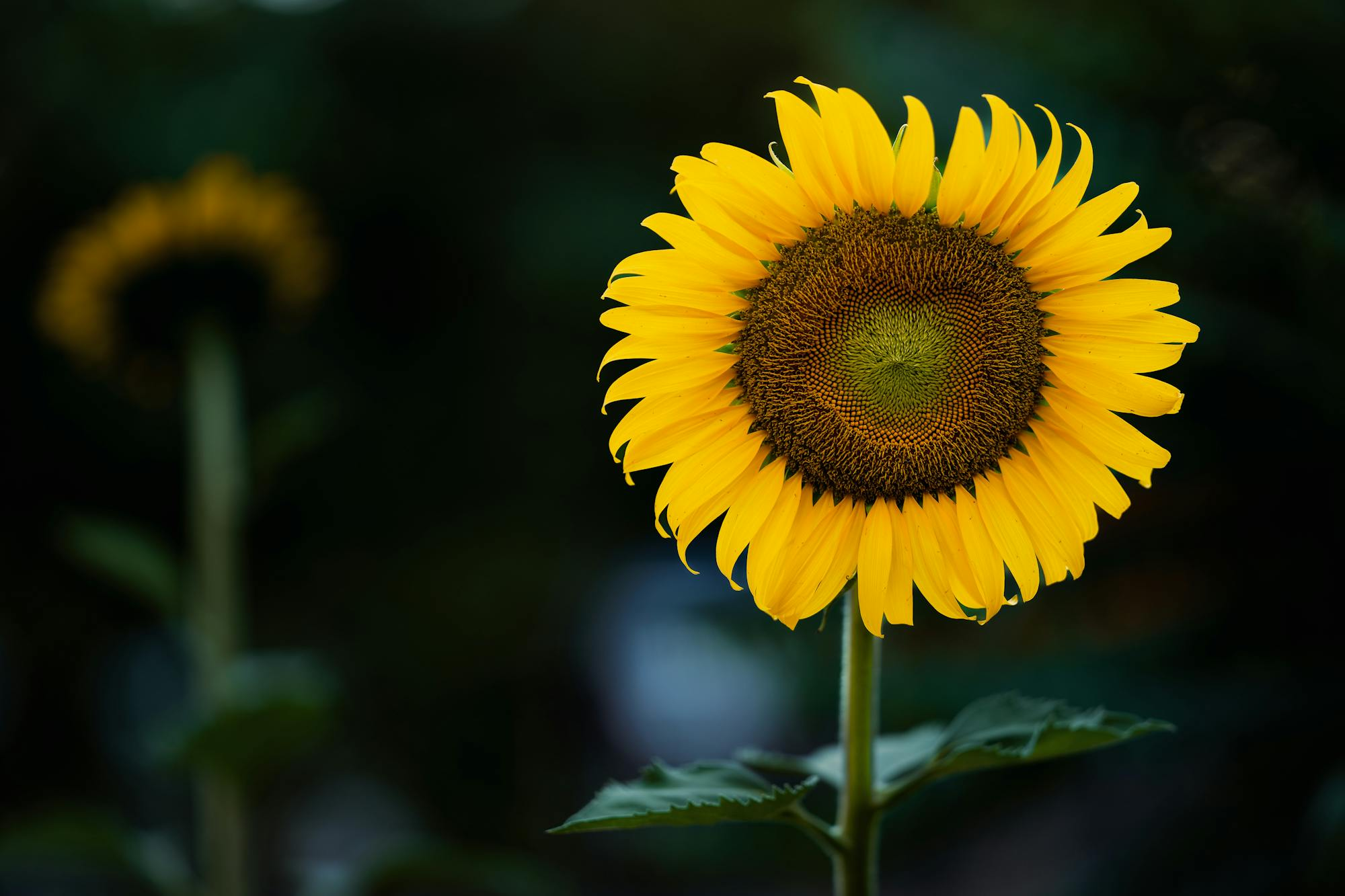
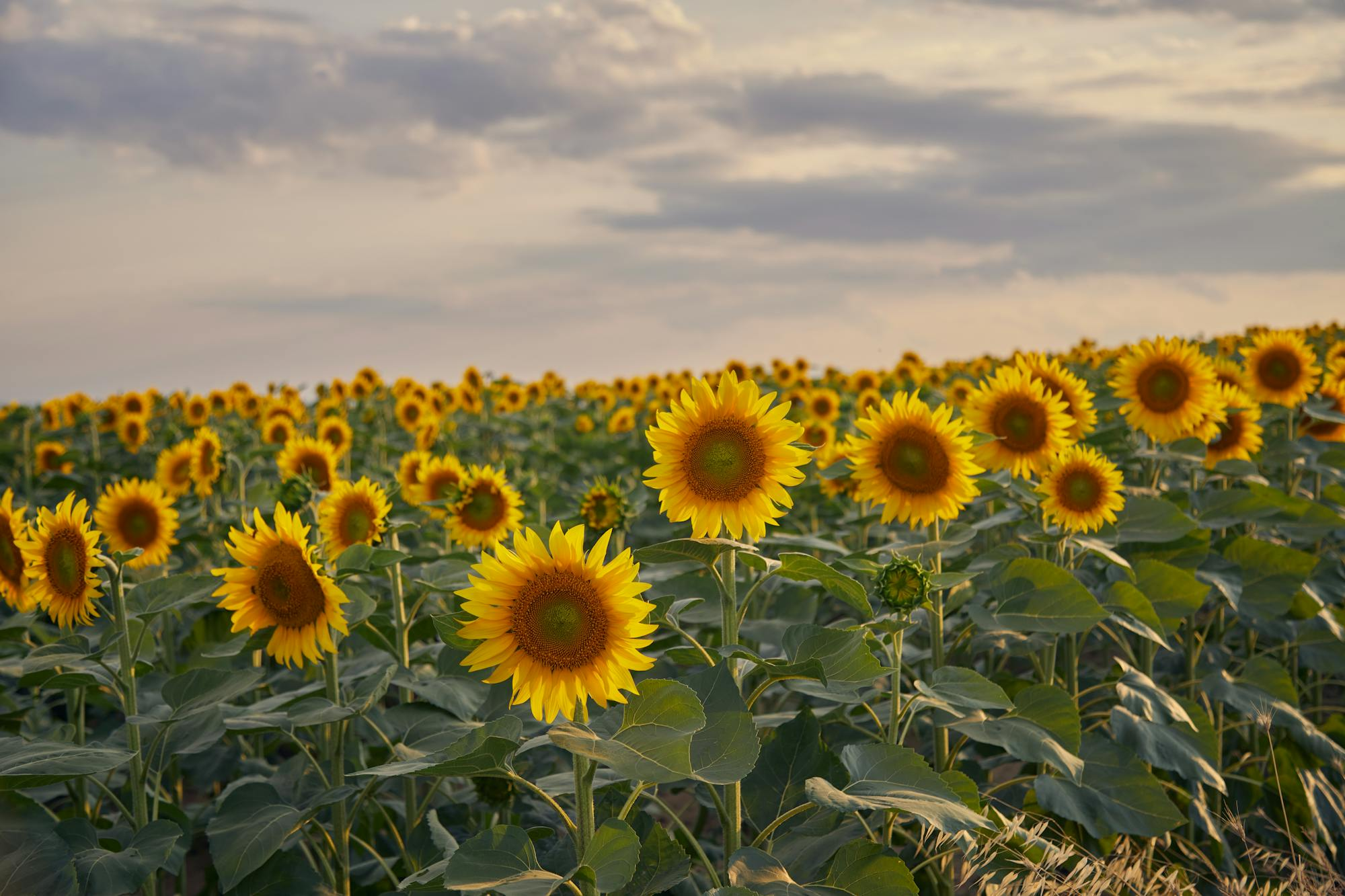
- Flower:Large daisy-like flower heads (capitula) are commonly 9.5–30 cm (4–12 in) across. The outer “petals” (ray florets) are typically bright yellow and mostly sterile, while the center disk florets are fertile (often brown to purplish) and mature into seeds. Many ornamental cultivars offer smaller, tidier heads or fully double, fluffy pompon-like blooms; individual blooms may last roughly 7–10 days, so succession sowing keeps the show going.
- Flowering Season:Summer to autumn (often July–August in temperate climates, extending later with succession sowing and suitable cultivars).
- Growth Habit:Fast-growing, upright annual herb with thick, angular, hairy stems. Often single-stemmed (especially in pots) unless pinched to encourage branching; young plants track the sun, while open mature heads tend to face east.
🌤️ Environment
Sunlight
Full sun is essential—aim for at least 6–8 hours of direct light daily. Too little or inconsistent light often leads to weak stems, drooping leaves, and uneven flower heads.
Temperature
A warm-season annual. Seeds germinate once soil is above 10°C (50°F). Best growth is usually around 15–30°C (59–86°F); many gardeners see especially sturdy plants with warm days around 21–27°C (70–81°F) and cooler nights around 10–16°C (50–61°F). Protect from frost.
Humidity
Comfortable on the drier side with good airflow. Drought-tolerant once established, but prolonged wetness and poor ventilation encourage disease; keep moisture steady during bud formation and flowering without waterlogging.
Soil
Adaptable (loam, sandier soils, even some clay if drained), but performs best in loose, fertile, well-drained soil. A deep, loosened root zone suits its taproot. Preferred pH about 6.0–7.5. For containers, use a free-draining mix (quality potting soil plus compost/leaf mold and perlite or coarse sand).
Placement
The brightest, sunniest spot you have: open garden beds, borders, along fences, patios/balconies, or a very sunny windowsill for dwarf cultivars. Tall types may need shelter from strong wind and staking.
Hardiness
Tender annual; frost sensitive. Grown as an annual in most climates (roughly USDA Zones 2–11 as an annual).
🪴 Care Guide
Difficulty
Easy—great for beginners and kids. The two big secrets are strong sun and avoiding constantly wet soil; when those are right, sunflowers grow quickly and reward you fast.
Buying Guide
If buying seed, choose plump, undamaged seeds. Match the plant to your goal: dwarf/compact cultivars for containers, branching (often pollenless) types for cut flowers, and large-seeded varieties (e.g., ‘Mammoth Russian’) for snacking or bird feeding. If buying potted plants or cut stems, look for flower heads that are nearly open for best display.
Watering
Keep seedlings evenly moist. After establishment, water deeply and then allow the top layer of soil/mix to dry slightly before watering again—sunflowers dislike soggy conditions. In heat, water more often, especially during bud formation and flowering for larger blooms. Avoid wetting the flower head and don’t let pots sit in standing water (which can yellow lower leaves).
Fertilization
In rich garden soil, fertilizing may be minimal. In poorer soil or containers, feed during active growth: either a slow-release granular fertilizer at planting, or regular liquid feeding. Many growers use a balanced-to-slightly higher potassium “bloom” fertilizer about every 10 days in pots (follow label rates). Avoid heavy over-fertilizing, which can lead to weak stems or overly lush growth.
Pruning
Single-stem types usually need no pruning. Pinching can encourage branching on suitable cultivars (often producing several blooms). For a tidier plant, remove unwanted side shoots once buds are visible, especially if you want fewer, larger flowers. Deadhead spent blooms to prolong flowering if you’re not saving seed.
Propagation
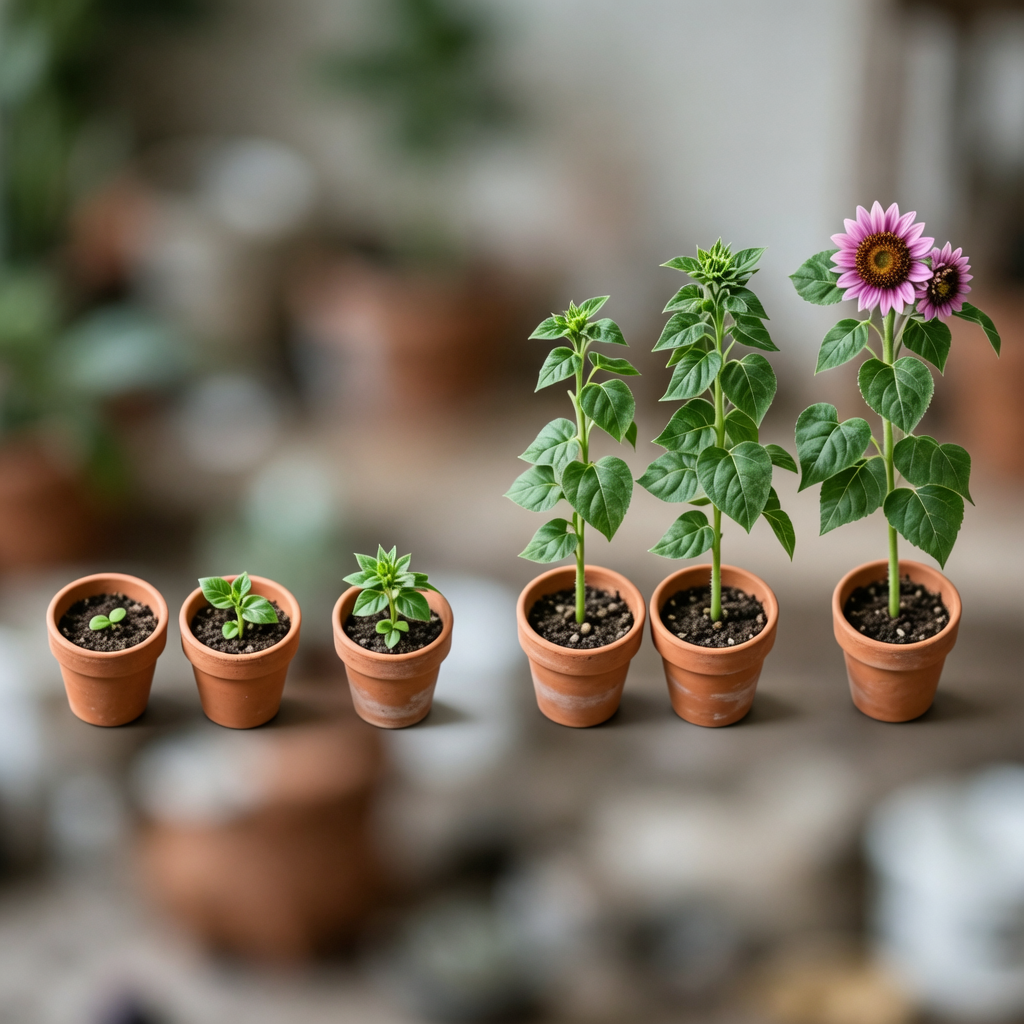
By seed. Direct sow outdoors after the last frost once soil is warm (above 10°C/50°F), or start under warmth for earlier blooms. Typical sowing depth is about 2.5–4 cm (1–1.5 in). Germination often takes 7–10 days around 20–22°C (68–72°F). Many cultivars flower in about 70–95 days; some dwarf pot types can bloom in about 50–60 days. For continuous blooms, succession sow every 10–14 days. Note: some double-flowered forms may set seed poorly and can benefit from hand pollination.
Repotting
Usually not repotted because it’s grown as a one-season annual. For containers, choose a pot size that matches the cultivar: small types often do well in 10–15 cm (4–6 in) pots, while larger cultivars need much bigger containers with excellent drainage (a minimum of about 30 cm (12 in) wide and 40 cm (16 in) deep is a solid starting point for many compact types).
📅 Seasonal Care Calendar
Spring: sow after frost; keep evenly moist for germination; begin light feeding once growth is active.
Summer: maximum sun; water more during heat; feed as needed; stake tall varieties; consider succession sowing for a longer show.
Autumn: reduce watering as temperatures drop; enjoy late blooms; harvest seeds when the back of the head turns brown if desired.
Winter: the plant completes its life cycle; save seed and plan next season (most gardeners re-sow rather than overwinter).
🔬 Pests, Diseases & Safety
Common Pests & Diseases
Common pests include aphids, spider mites, beetles, and sunflower moth (larvae can damage developing seeds). Birds and squirrels may raid seed heads—netting can help if you’re harvesting. Diseases can include powdery mildew, downy mildew, rust, leaf spots, Sclerotinia (white mold), and Fusarium wilt. Prevention helps most: strong sun, good spacing/airflow, well-drained soil, watering at the base (not over the head), and promptly removing infected leaves. Use soaps, oils, or labeled fungicides as appropriate and according to local regulations.
Toxicity
Generally considered non-toxic to humans, dogs, and cats. As with many plants, eating a large amount of plant material may cause mild stomach upset.
🎋 Culture & Symbolism
Symbolism:Sunflowers are classic symbols of warmth, loyalty, adoration, positivity, and the joyful “pursuit of light.” They’re often given to express admiration and devotion—and they’re hard not to smile at.
History & Legends:Domesticated in North America over 5,000 years ago by Indigenous peoples, sunflowers traveled to Europe in the 1500s and later became a major oil crop in Russia before returning to global prominence. They’re also famously associated with art (hello, Van Gogh) and are a national symbol in Ukraine. A well-known Greek myth tells of the nymph Clytie, whose longing for the sun god Helios is sometimes linked (loosely and romantically) to the idea of sun-following flowers.
Uses:Ornamental planting in beds, borders, and containers; excellent cut flowers (often about 7–10 days in a vase with preservative). Seeds are eaten roasted or made into sunflower butter, and they’re pressed for sunflower oil. Plants and seeds are also used for wildlife and livestock feed. Sunflowers have even been used in phytoremediation research to help pull certain pollutants (including some heavy metals/radionuclides) from contaminated water or soil.
❓ FAQ
Do sunflowers really follow the sun?
Yes—when they’re young. Buds and immature heads track the sun from east to west during the day and reset at night. Once the flower opens, it usually stops moving and tends to face east, which can help the flower warm up early and attract pollinators.
How can I get flowers for a longer period?
Use succession sowing: plant a new batch of seeds every 10–14 days. Because many blooms last about 7–10 days, staggered sowing creates a steady “wave” of flowers.
Why are my sunflower leaves drooping or my flower head uneven?
Most often it’s not enough direct sun (or inconsistent light), which leads to weak stems and uneven development. Heat stress plus low light can make it worse. Move the plant to full sun and keep watering steady—moist but never waterlogged.
Can I grow sunflowers in pots?
Absolutely—just choose dwarf or compact cultivars. Give them a sunny spot and a container with great drainage. A useful baseline is a pot at least 30 cm (12 in) wide and 40 cm (16 in) deep for many compact types, with larger pots needed for taller cultivars.
How long do sunflowers take to grow from seed?
Many garden types bloom in about 70–95 days. Some dwarf/container cultivars can flower faster—around 50–60 days—especially in warm, bright conditions.
💡 Fun Facts
- Sunflower seeds are arranged in beautiful Fibonacci spirals—an efficient natural pattern for packing seeds tightly.
- The species name “annuus” literally means “annual.”
- The record tallest sunflower reached 9.17 m (30 ft 1 in) in Germany (2014).
- One large flower head can produce up to around 2,000 seeds.
- Some ornamental double-flowered sunflowers are bred for looks over seed production, so they may set fewer viable seeds.