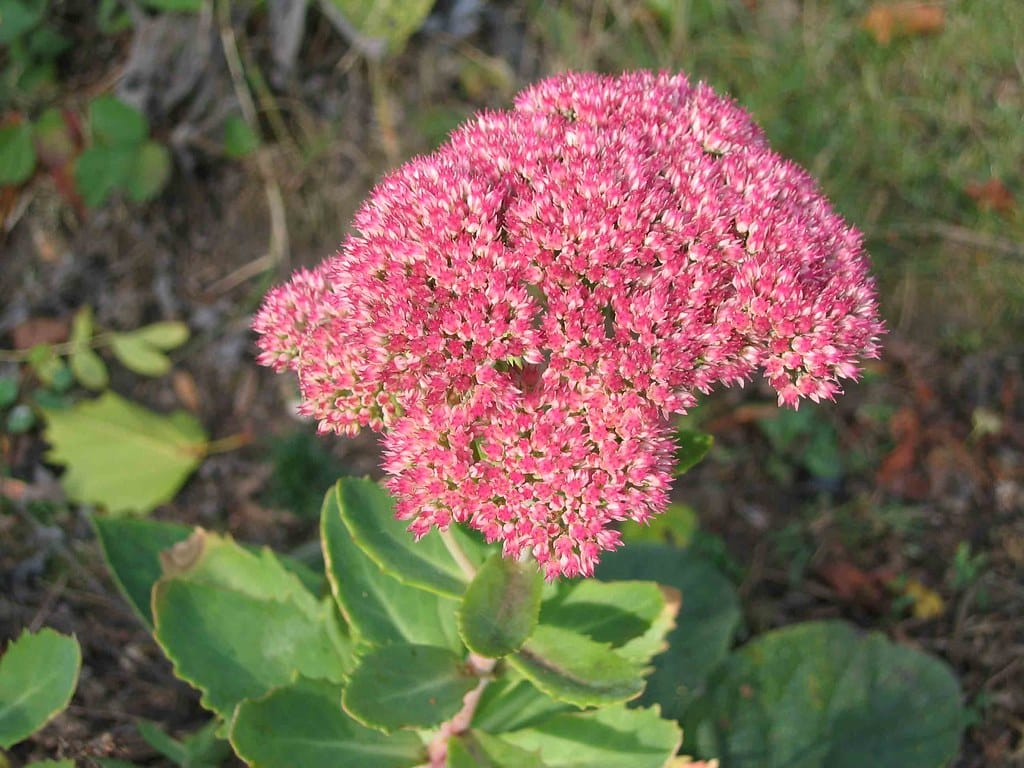
🌱 Plant Features
- Size:Varies widely by species and cultivar: typically 15–60 cm (6–24 in) tall and 30–60 cm (12–24 in) wide. Some creeping types stay just a few cm/inches high, while upright forms commonly reach 45–60 cm (18–24 in).
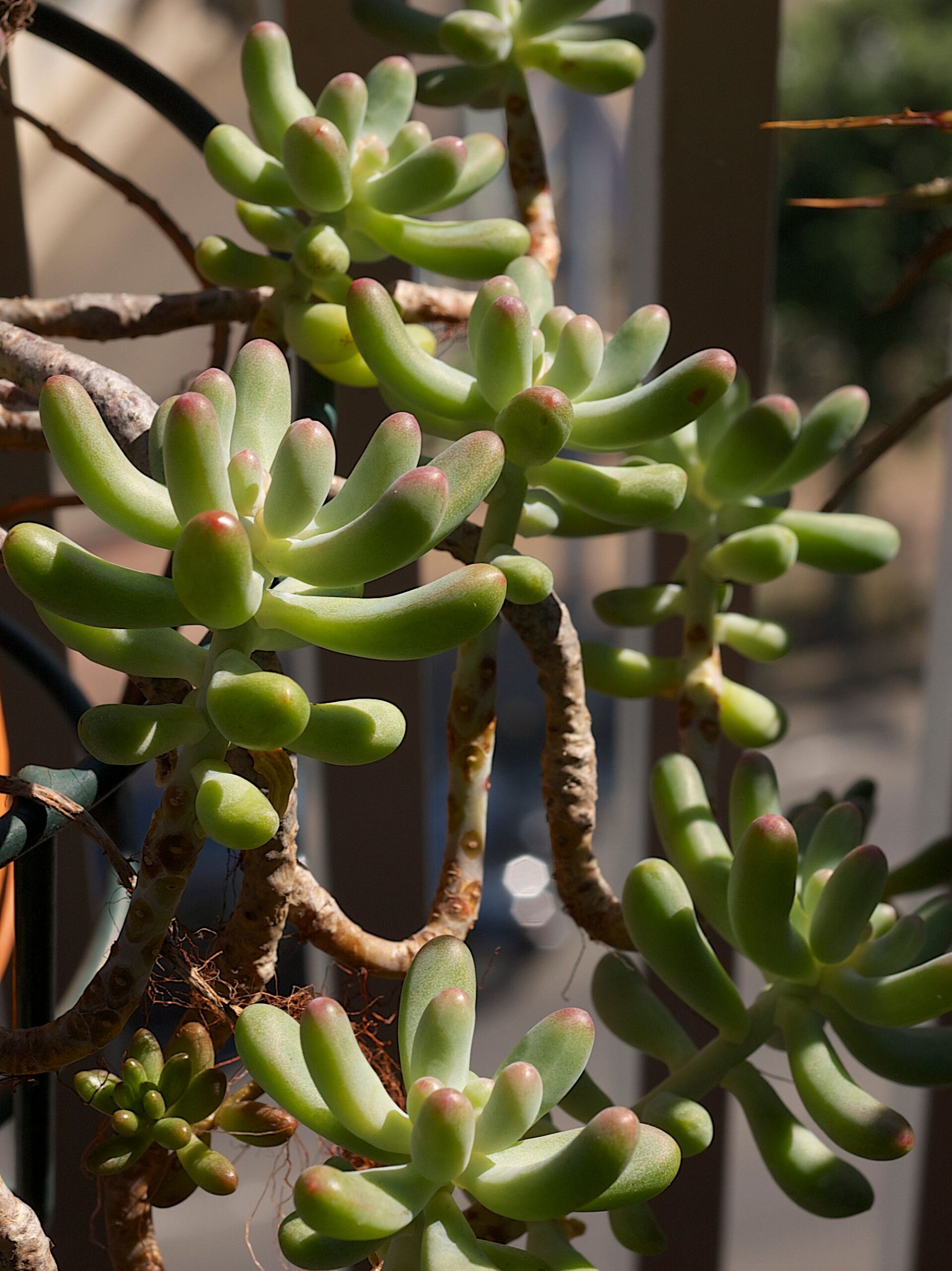
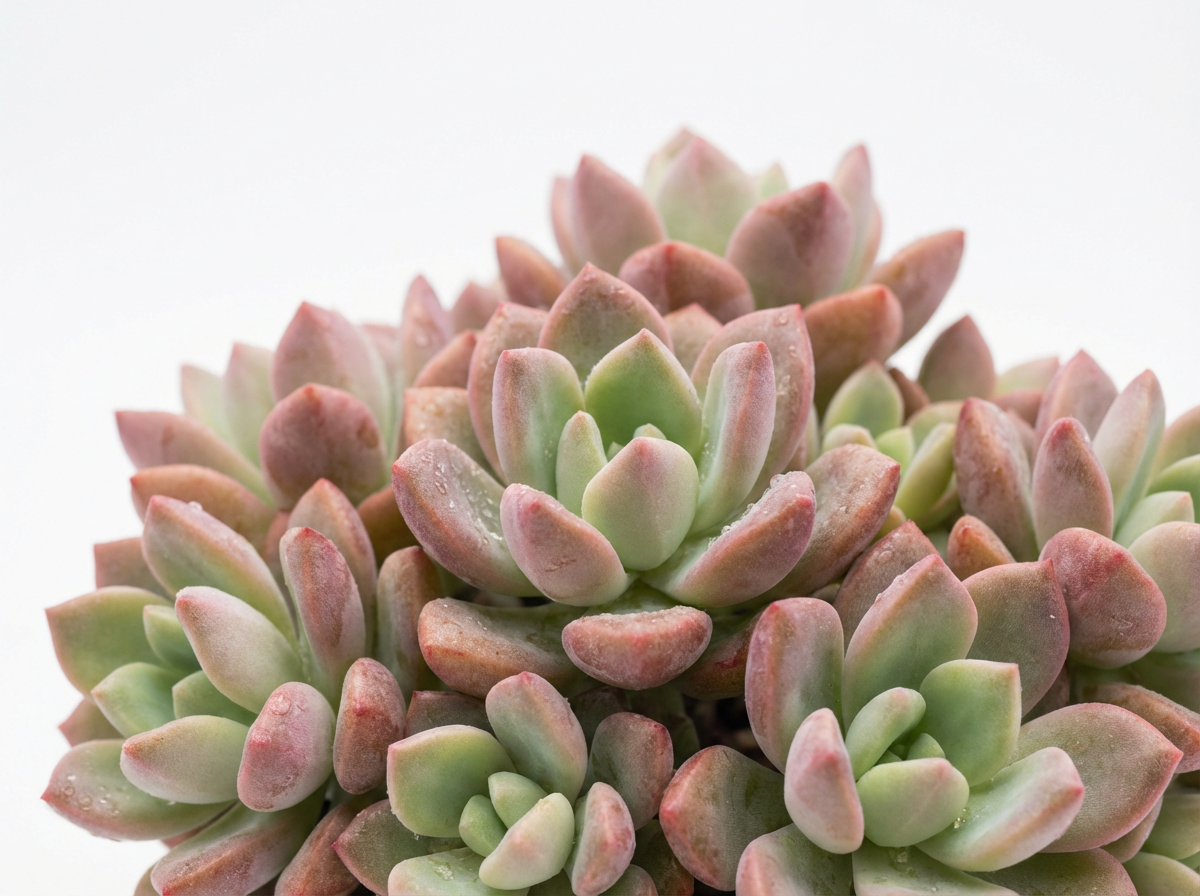
- Foliage:Leaves are thick and fleshy (classic succulent texture) and can be oval, lance-shaped, or even cylindrical. Arrangement varies—alternate, opposite, or rosette-like—depending on the species. Colors range from green to blue-green, often developing red, purple, or pink tints in strong sun or cool weather. Many have a smooth surface with a subtle waxy coating that helps reduce water loss.
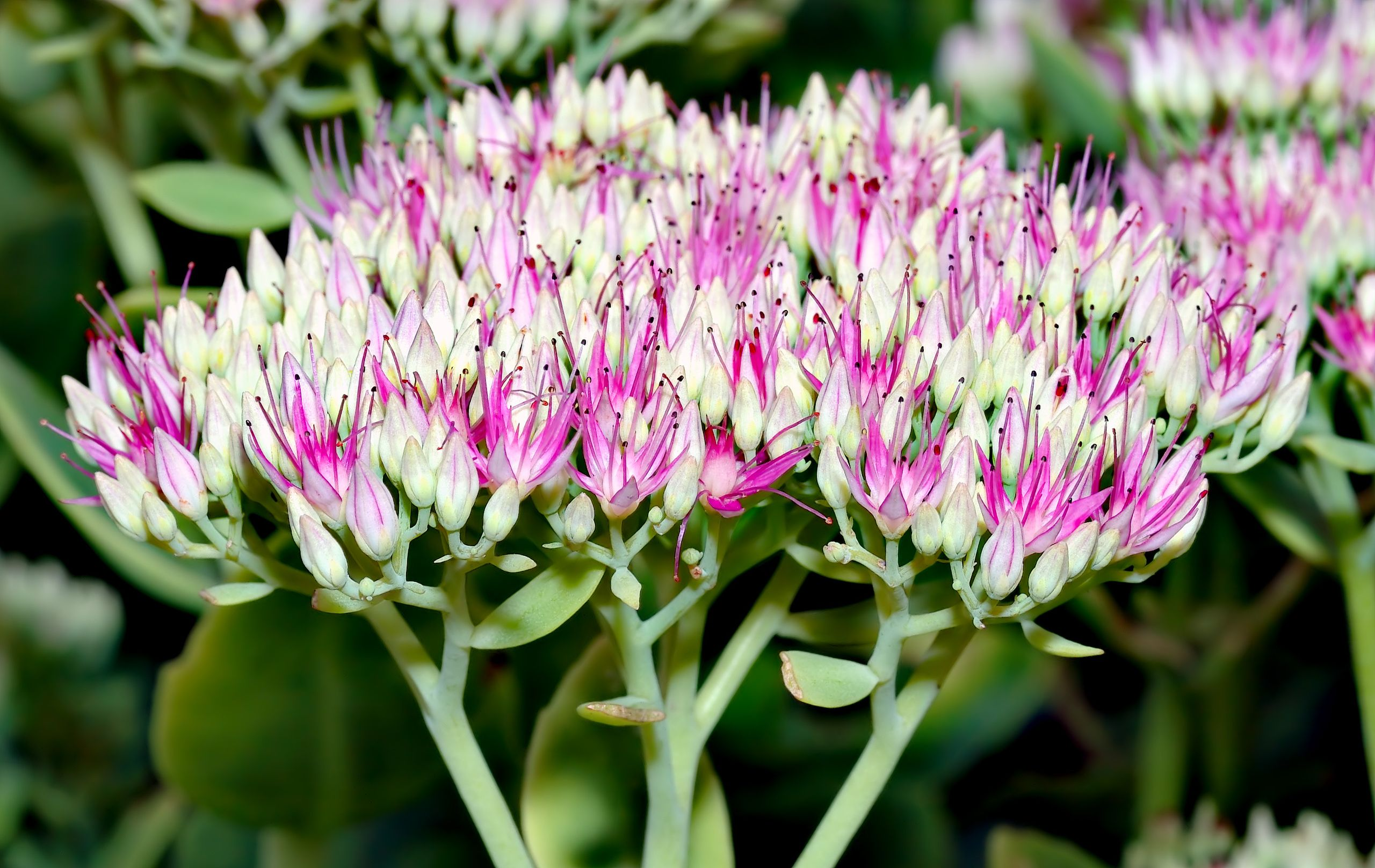
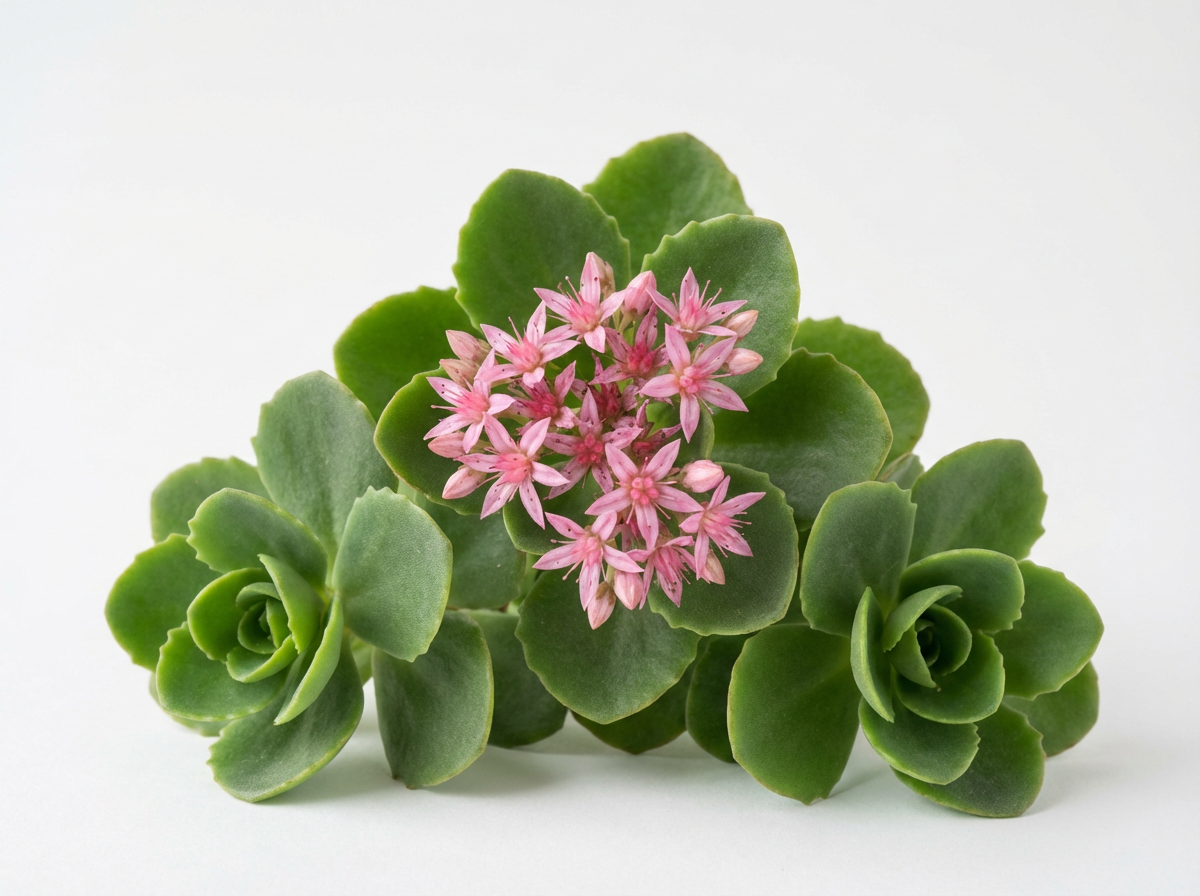
- Flower:Flowers are usually small and star-shaped, gathered into dense, often flat-topped clusters (cymes/umbels). Colors can be white, yellow, pink, red, or deep burgundy. These blooms are highly attractive to bees, butterflies, and other beneficial insects.
- Flowering Season:Mostly summer to fall, roughly July–October (some species bloom in spring).
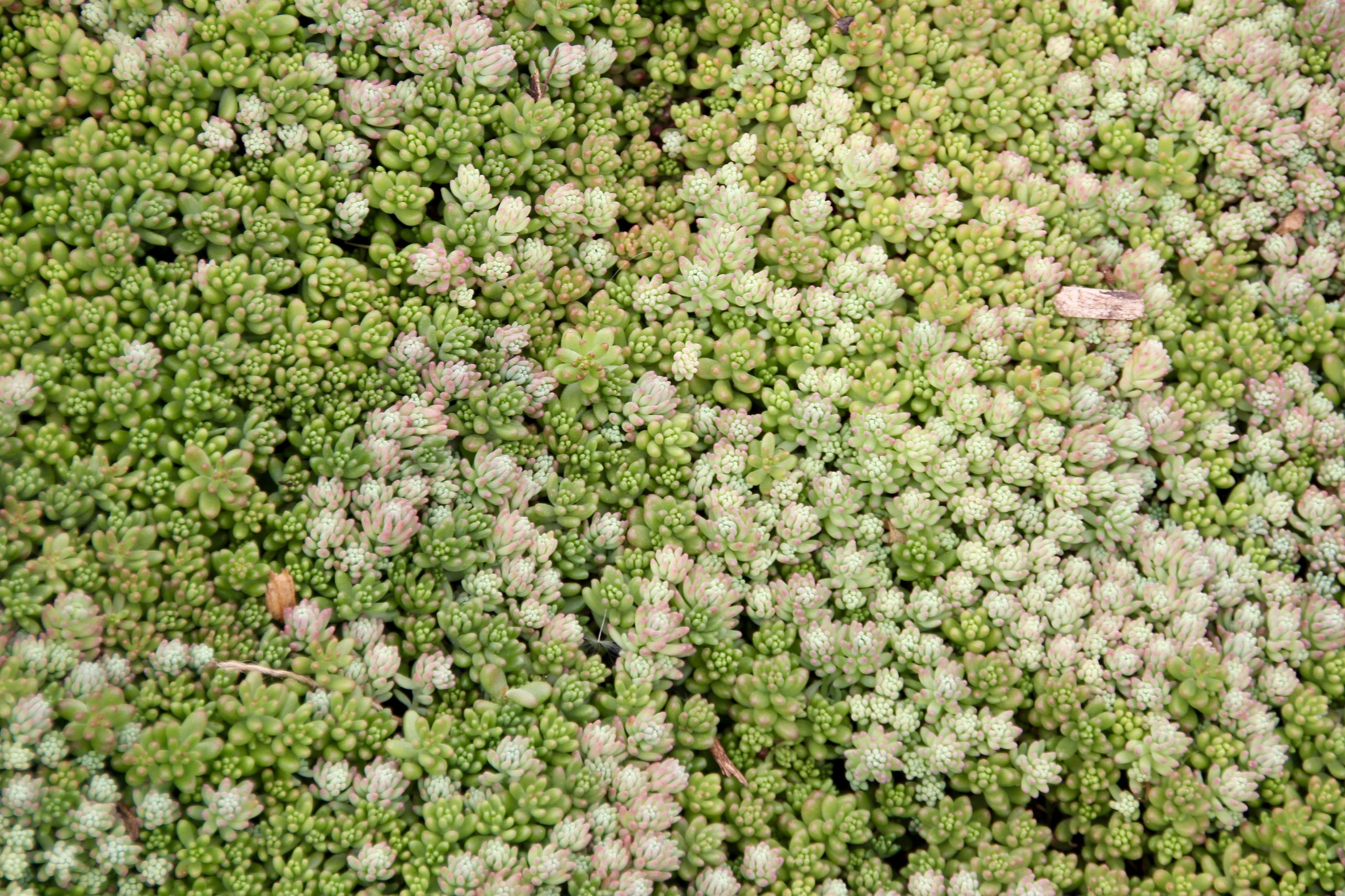
- Growth Habit:Highly variable: creeping ground covers, trailing spillers, cushion-formers, or upright clump-forming perennials. Stems may be erect, decumbent, or prostrate.
🌤️ Environment
Sunlight
Full sun is best (aim for 6+ hours of direct light daily). Many tolerate partial shade, but plants may stretch (get leggy) and flower less. In very hot climates, a bit of afternoon shade can help prevent stress.
Temperature
Best growth around 15–27°C (60–80°F). Many sedums are very cold-hardy, with some tolerating about -29°C to -10°C (-20°F to 14°F) depending on species. Prolonged extreme heat above about 35°C (95°F) can slow growth or stress plants, especially if soil stays wet.
Humidity
Prefers drier air and copes well with low humidity. In humid areas, excellent drainage and good airflow are important to reduce fungal problems.
Soil
Needs loose, fast-draining soil—gritty, sandy, or gravelly mixes are ideal. Avoid heavy clay or water-retentive soil. Sedum generally performs better in lean soil; overly rich soil and heavy feeding often cause weak, floppy growth. (Reported tolerance range includes very acidic to neutral soils.)
Placement
Ideal for rock gardens, borders, slopes, green roofs, living walls, containers, and xeriscapes. Can be grown indoors on a very bright windowsill, but usually looks best outdoors with strong light and airflow.
Hardiness
Commonly grown types span roughly USDA Zones 3–10 (depends on species/cultivar).
🪴 Care Guide
Difficulty
Very easy—one of the most forgiving, low-maintenance choices for beginners and busy gardeners.
Buying Guide
Pick plants with firm, plump leaves and compact growth. Avoid any with mushy stems/leaves (rot), severe stretching (low light), or obvious pests and damage. Healthy sedum should look crisp and sturdy, not soft or collapsed.
Watering
Use a “soak and dry” approach: water thoroughly, then wait until the soil dries out completely before watering again. In active growth (often spring and fall), that may be about weekly, depending on pot size, heat, wind, and soil mix. In hot summer weather, check more often—watering may be needed every few days in containers, but only when the mix is fully dry. In winter, water very sparingly (many types rest/dormant). Overwatering is the fastest way to lose sedum; established plants are often fine on rainfall alone.
Fertilization
Usually unnecessary. If you want faster growth in containers, use a light dose of a balanced fertilizer once in spring. Avoid heavy feeding—too much fertility leads to lush, weak stems and fewer flowers.
Pruning
Minimal pruning. Clean up dead or damaged growth in early spring. For upright types, pinching stems back in early summer can encourage bushier plants and reduce flopping (it may delay flowering a bit). After blooming, you can trim for neatness, or leave the seed heads for winter texture and wildlife value. Divide clumps about every 3–4 years to keep them vigorous.
Propagation
Exceptionally easy. Stem cuttings (about 10–15 cm / 4–6 in) root quickly in a gritty mix; leaf cuttings can also form new plants; and division works well in spring or fall. Most cuttings root readily within a few weeks under bright light and dry-to-slightly-moist conditions (never soggy).
Repotting
Container plants benefit from fresh mix about once a year in spring. Use a cactus/succulent soil or a gritty DIY mix and always choose pots with drainage holes (terra cotta helps mixes dry faster).
📅 Seasonal Care Calendar
Spring: restart watering as growth resumes; optional light feed; divide crowded clumps; take cuttings. Summer: protect from extreme heat with afternoon shade where needed; water only when fully dry; avoid fertilizer; watch for pests. Fall: enjoy peak bloom on many types; keep watering until frost if dry; leave seed heads for winter interest. Winter: keep mostly dry; don’t pamper—cool and dry is safer than warm and wet; cut back dead stems in late winter/early spring.
🔬 Pests, Diseases & Safety
Common Pests & Diseases
Generally tough and trouble-free. Possible pests include mealybugs, scale, aphids, slugs/snails, and black vine weevil; occasional nibbling by birds, deer, squirrels, or voles may happen. Most diseases trace back to wet conditions—root/crown rot from overwatering and poor drainage, plus powdery mildew or leaf spot in humid, stagnant air. Prevention is simple: sharp drainage, good airflow, and avoiding frequent overhead watering; treat soft-bodied insects with washing/insecticidal soap as needed.
Toxicity
Usually considered low-risk and largely non-toxic to people and pets, but individual species vary. Some (e.g., Sedum acre and a few others) can cause mild stomach upset if chewed or eaten in quantity. If pets are prone to sampling plants, place out of reach and confirm the exact species before assuming it’s fully safe. Some sedums have edible young parts in certain cultures, but always verify species identity first.
🎋 Culture & Symbolism
Symbolism:Stonecrop often symbolizes calm strength and resilience—plants that stay cheerful through drought and thin soils. In some traditions it’s associated with prosperity and endurance, and red-flowering forms are sometimes linked with love and passion.
History & Legends:“Sedum” is often linked to the Latin idea of “sitting,” a nod to how these plants seem to perch on rocks and walls. Folk beliefs in parts of Europe credited roof-planted stonecrops with protection from storms and lightning—an old tradition that feels surprisingly modern now that sedum is a staple for green roofs. A few species (notably Sedum acre) also have a history in traditional remedies for minor skin complaints, though such uses should be approached cautiously.
Uses:Ornamental planting is the big one: rock gardens, borders, containers, ground covers, and pollinator beds. Many species are excellent for green roofs and living walls because they tolerate heat, drought, and shallow soils. Spreading forms can help with slope stabilization and erosion control. A handful of species have culinary or traditional medicinal uses, but suitability depends strongly on correct identification.
❓ FAQ
Why isn’t my sedum blooming?
Most often it’s not getting enough sun—aim for at least 6 hours of direct light. Overwatering or rich soil (and especially fertilizer) can also push lots of leafy growth at the expense of flowers.
Why are the leaves shriveling or dropping?
The most common cause is overwatering leading to root rot. Let the mix dry completely, check roots, and repot into a gritty, fast-draining soil if needed. Less commonly, severe drought, sudden heat, or sun scorch can also shrivel leaves.
Can sedum grow indoors?
Yes, but it needs very bright light (a south-facing window is best) and careful watering. Indoors it may stretch toward the light; rotating the pot and giving it summer outdoor time often keeps it more compact.
How do I help sedum through intense summer heat?
Give afternoon shade in extreme climates, avoid keeping the soil wet, and water deeply only when the mix is fully dry. Good airflow matters, and it’s best not to fertilize during heat stress.
Should I cut sedum back in fall?
You can, but many gardeners leave it standing through winter—the dried flower heads look great, feed birds, and provide shelter for beneficial insects. Do the main cleanup in early spring.
Why is my upright sedum flopping over?
Flopping usually comes from too much shade, overly rich soil, or fertilizer. Move it to brighter sun, stop feeding, and consider pinching stems in early summer to build sturdier, bushier growth.
💡 Fun Facts
- Sedums use CAM photosynthesis—taking in carbon dioxide at night—one reason they’re so drought-tough.
- Sedum is one of the largest groups in the stonecrop family, with hundreds of species.
- Sedum is a classic “green roof” plant: it copes with wind, heat, shallow soil, and long dry spells.
- Some sedums can dry dramatically and then rebound when moisture returns—an impressive survival trick.
- ‘Autumn Joy’ is a famous garden sedum now often placed in the related genus Hylotelephium.