🌱 Plant Features
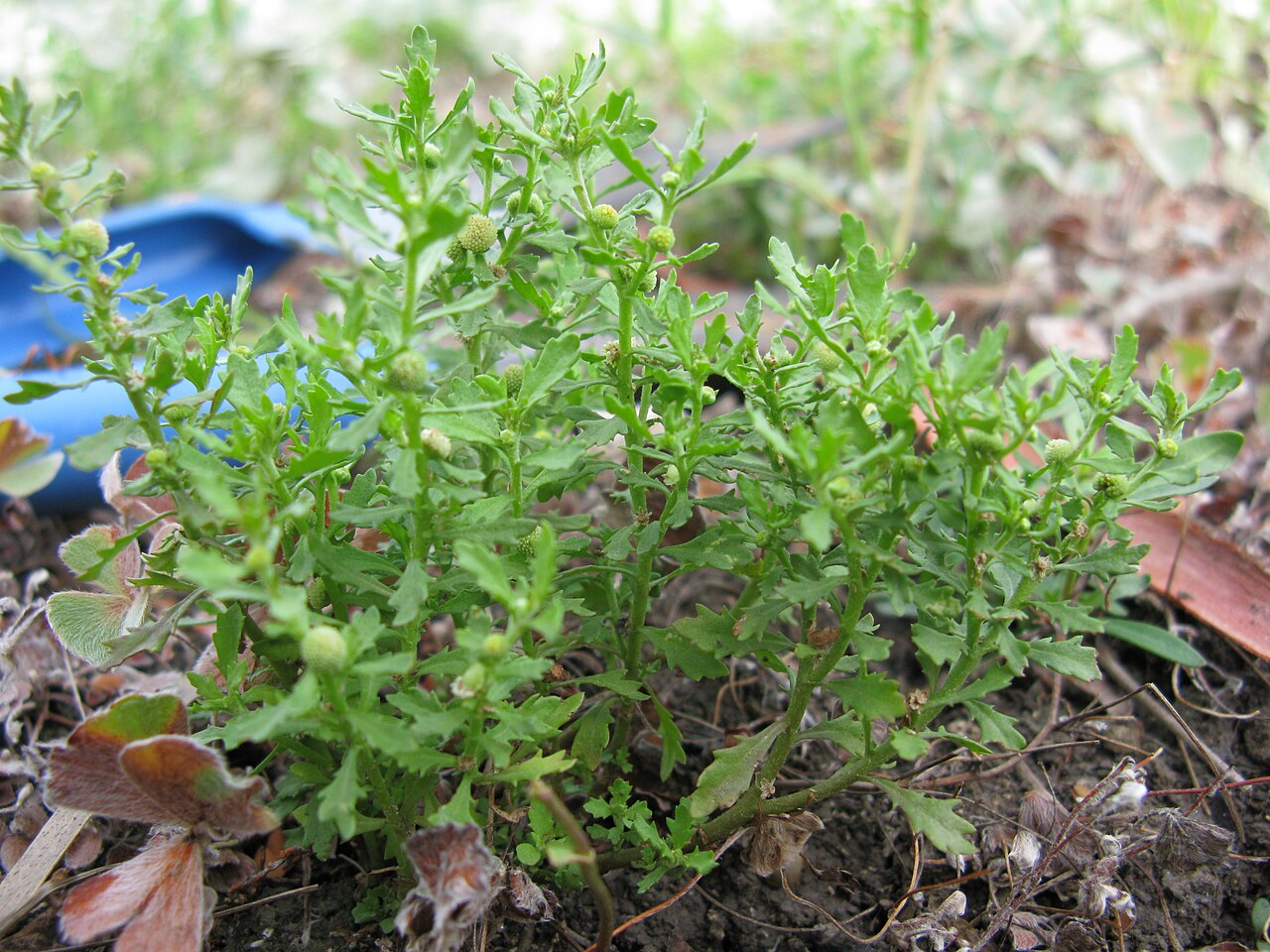
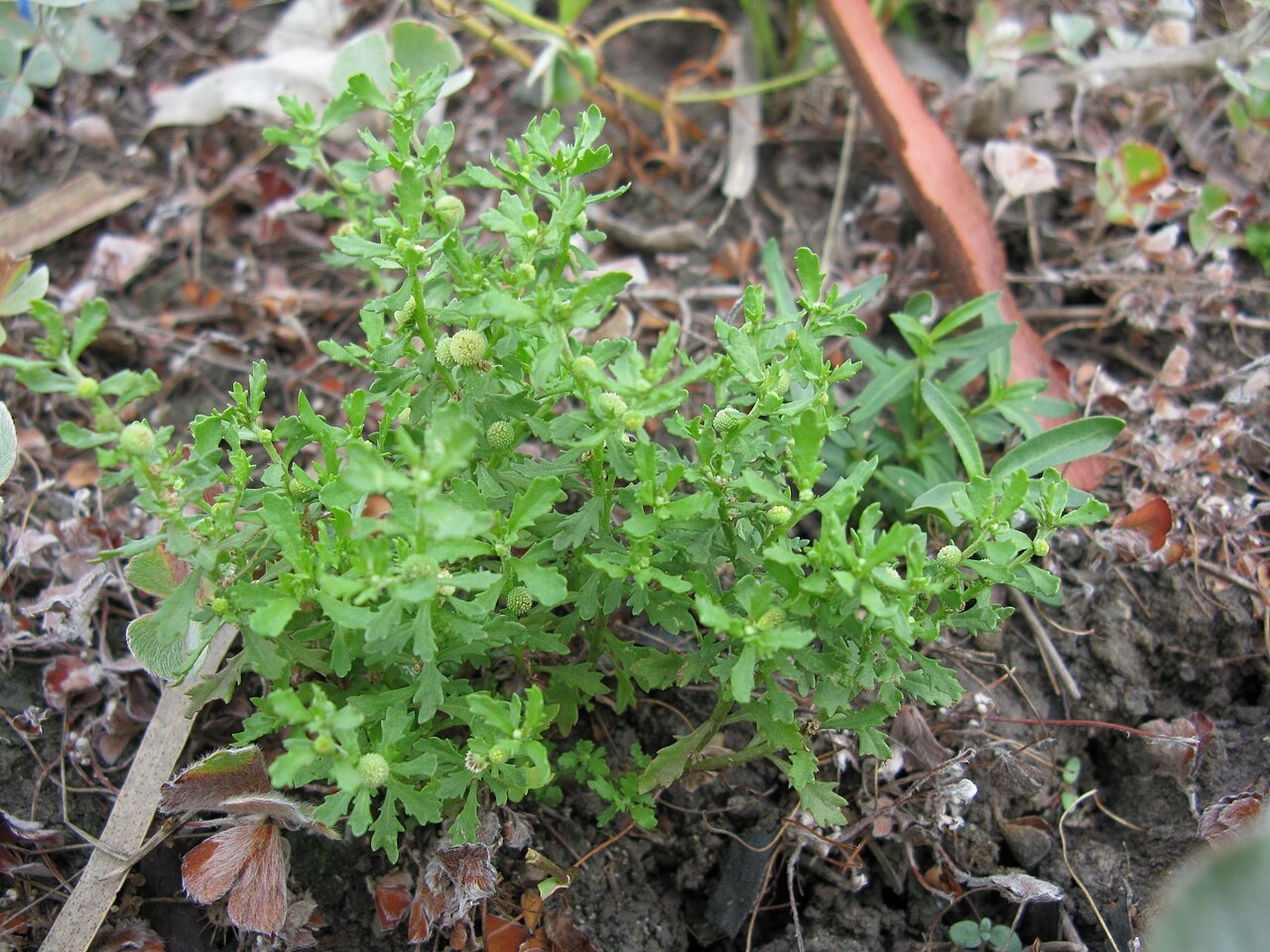
- Size:5–20 cm (2–8 in) tall; typically forms a low, spreading mat
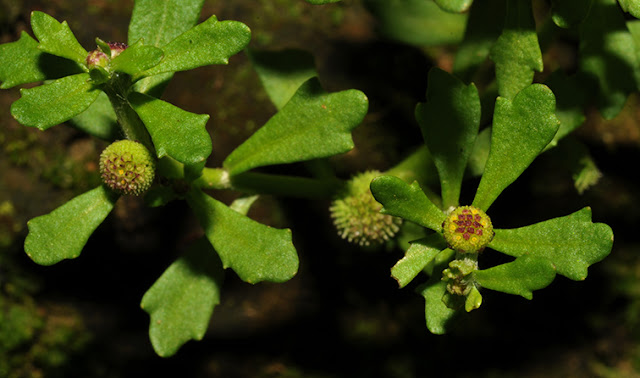
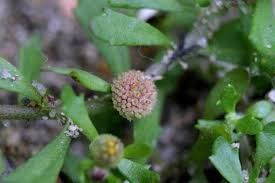
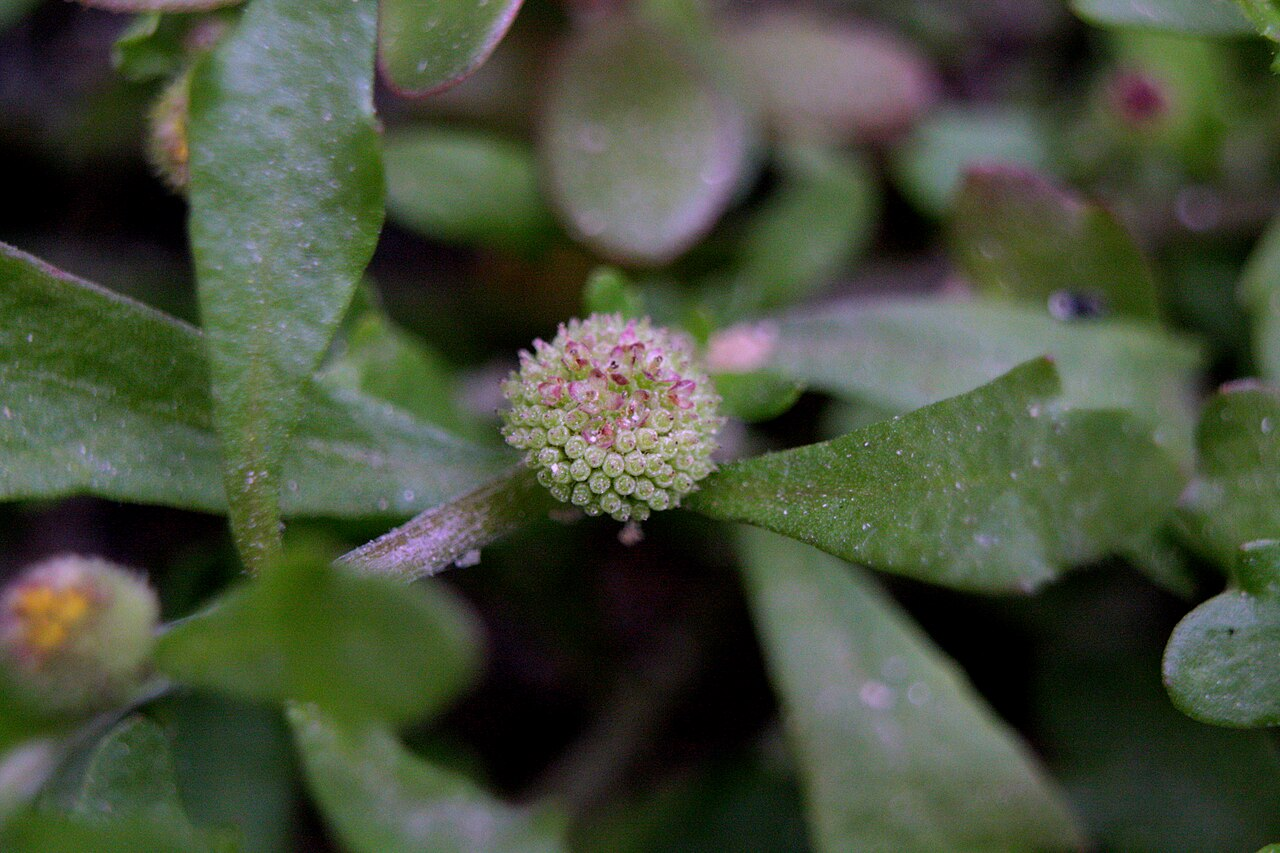
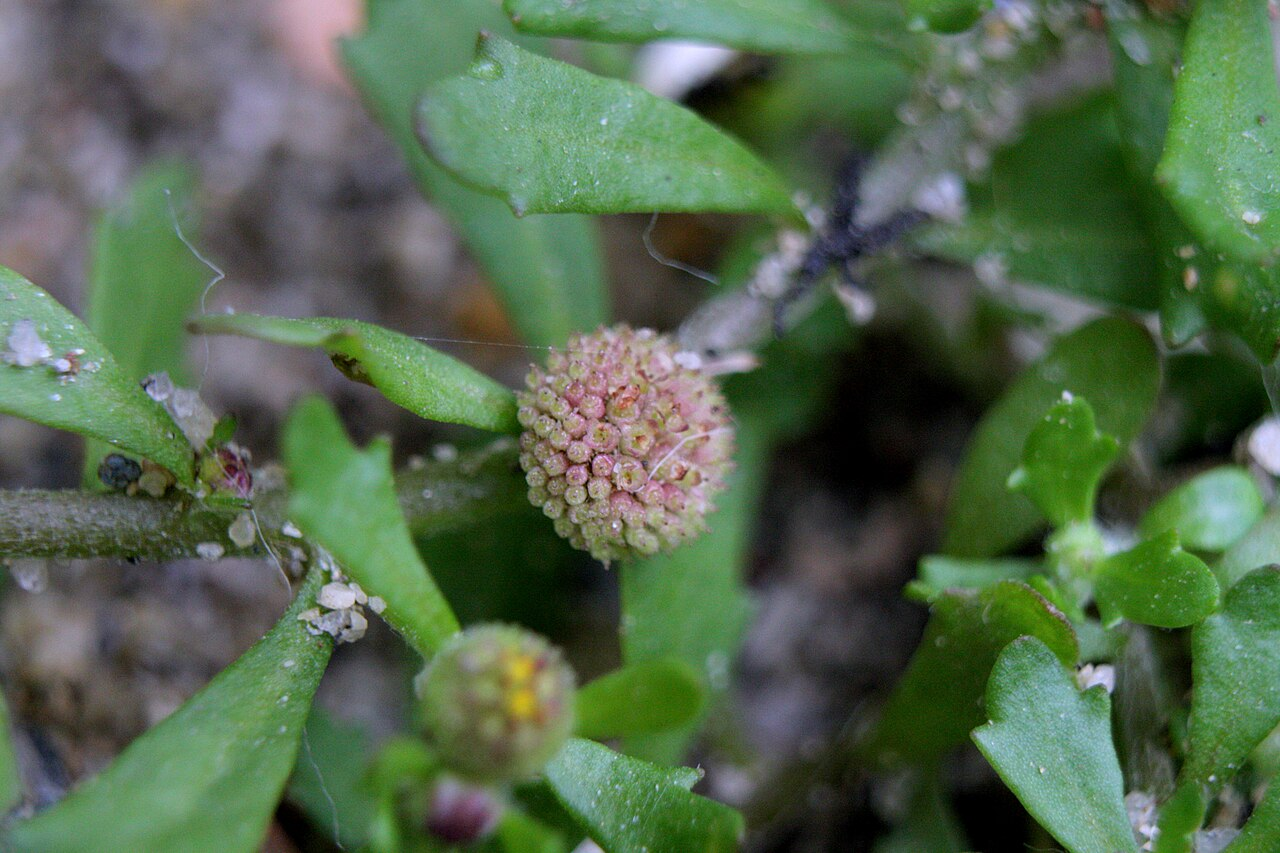
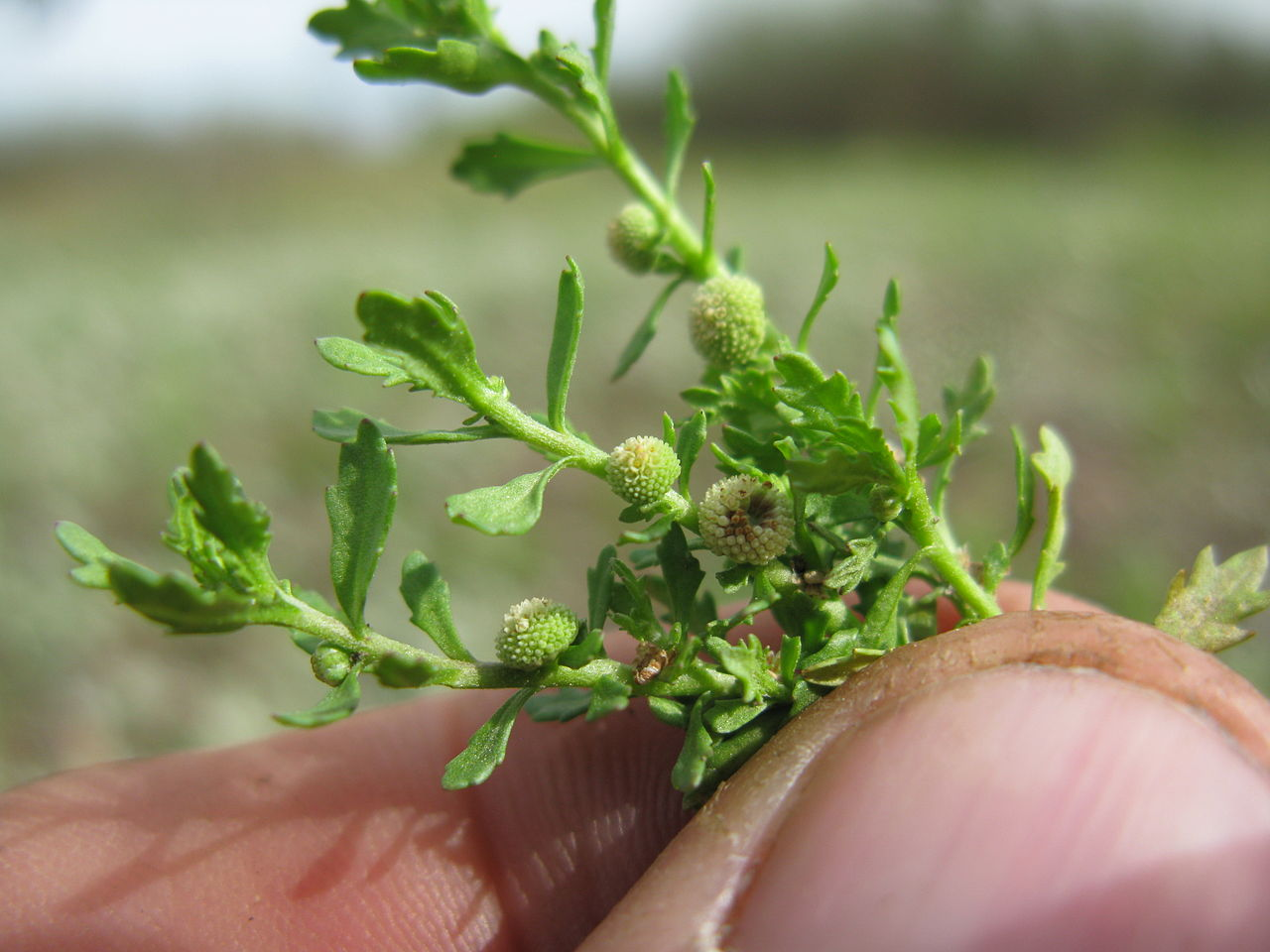
- Foliage:Creeping, many-branched stems that may be slightly cobwebby-hairy or nearly hairless. Leaves are alternate and elliptic to oblanceolate, with blunt tips, wedge-shaped bases, and a few small teeth along the margins.
- Flower:Tiny, flattened-to-globose button-like flower heads borne singly in the leaf axils. Involucral bracts occur in two series and are green, elliptic to lanceolate. Florets are tubular with pale purplish-red tones; fruits mature as small, egg-shaped achenes.
- Flowering Season:June–October
- Growth Habit:Low, creeping, much-branched annual herb forming a ground-hugging carpet
🌤️ Environment
Sunlight
Partial shade to shade; happiest in sheltered, damp spots with bright filtered light
Temperature
Best growth around 10–30°C (50–86°F); protect from hard frost
Humidity
Moderate to high humidity; performs best where moisture is steady
Soil
Moist, humus-rich soil that stays evenly damp; tolerates heavier soils if they aren’t stagnant (avoid sour, waterlogged conditions)
Placement
Moist woodland edges, shaded wet spots, rain-garden margins, or under trees as a naturalized, self-seeding groundcover
Hardiness
Not frost-hardy; typically grown as an annual (may behave as a short-lived perennial in frost-free climates, roughly USDA Zone 10–12)
🪴 Care Guide
Difficulty
Easy when given moist shade; frustrating in dry, sunny sites where it quickly struggles.
Buying Guide
Pick plants with fresh green growth and no drought stress (wilting or crispy leaf edges). In the right garden conditions it often appears as volunteer seedlings, so you may not even need to “buy” it once established nearby.
Watering
Keep soil consistently moist. Water when the surface just begins to dry and avoid repeated dry-outs. In containers, ensure drainage holes—aim for evenly damp soil rather than standing water.
Fertilization
Usually unnecessary in decent garden soil. In pots, a light feed with a balanced fertilizer at 1/4 strength every 3–4 weeks during active growth is plenty.
Pruning
No regular pruning required. Pinch or lightly trim to encourage a denser mat, and remove tired or messy growth to promote fresh shoots.
Propagation
Mostly by seed and often self-sows. You can also replant small rooted stem pieces into moist soil to expand a patch.
Repotting
If grown in containers, repot in spring into a fresh, moisture-retentive mix. A wider pot suits its creeping habit better than a deep, narrow one.
📅 Seasonal Care Calendar
Spring: sow seed or let volunteer seedlings establish in moist shade. Summer–fall: keep evenly moist; flowering and fruiting typically run June–October. Late fall–winter: plants decline with cold; let seed drop if you’d like it to return next season.
🔬 Pests, Diseases & Safety
Common Pests & Diseases
Usually quite trouble-free. Rot can occur in stagnant, overly wet conditions—improve airflow and drainage. Aphids may appear on tender growth; rinse off with water or use insecticidal soap if needed.
Toxicity
No well-documented toxicity concerns for typical household handling. As with many wild/medicinal herbs, avoid eating it unless it’s correctly identified and used appropriately.
🎋 Culture & Symbolism
Symbolism:Often linked with humble resilience—thriving quietly in damp, overlooked corners where other plants might fail.
History & Legends:Known in various local traditions as a folk herb, with regional names and uses that can differ from place to place.
Uses:Primarily ornamental in a naturalistic way: a self-seeding, living “green carpet” for moist shade, woodland-style plantings, and rain-garden margins.
❓ FAQ
Can it grow in full sun?
Only if the soil stays consistently moist; otherwise it performs far better in partial shade to shade, especially in warm climates.
Does it come back every year?
It’s usually an annual, but it readily self-seeds in suitable moist sites, so it often reappears the next season.
💡 Fun Facts
- It stays very small—typically only 5–20 cm (2–8 in) tall—making it a natural fit for damp, shady groundcover.
- Flowering and fruiting commonly run from June to October.
- Its flower heads are tiny, button-like clusters tucked into leaf axils rather than held on tall, showy stems.
- It’s widespread across many regions of China and often turns up in shaded, damp disturbed places like pathsides.