🌱 Plant Features
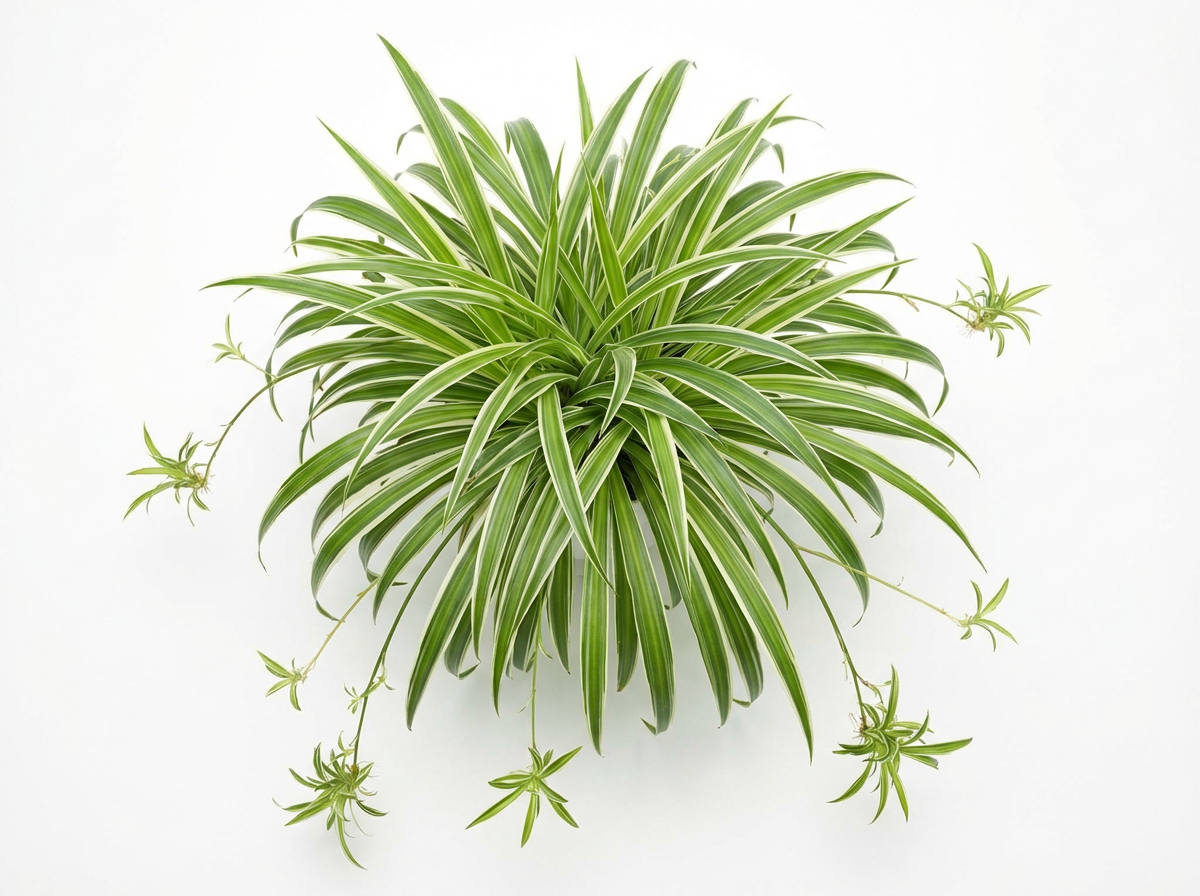
- Size:Typically about 20–45 cm (8–18 in) tall with a spread of 30–60 cm (12–24 in). Leaves are commonly 10–30 cm (4–12 in) long and about 1–2 cm (0.4–0.8 in) wide. Flowering stems/runners usually trail 30–90 cm (12–35 in) and can reach 60+ cm (24+ in) or more. Common pot size: 12–20 cm (5–8 in) diameter; many growers plant 2–3 young plants together for a fuller clump.
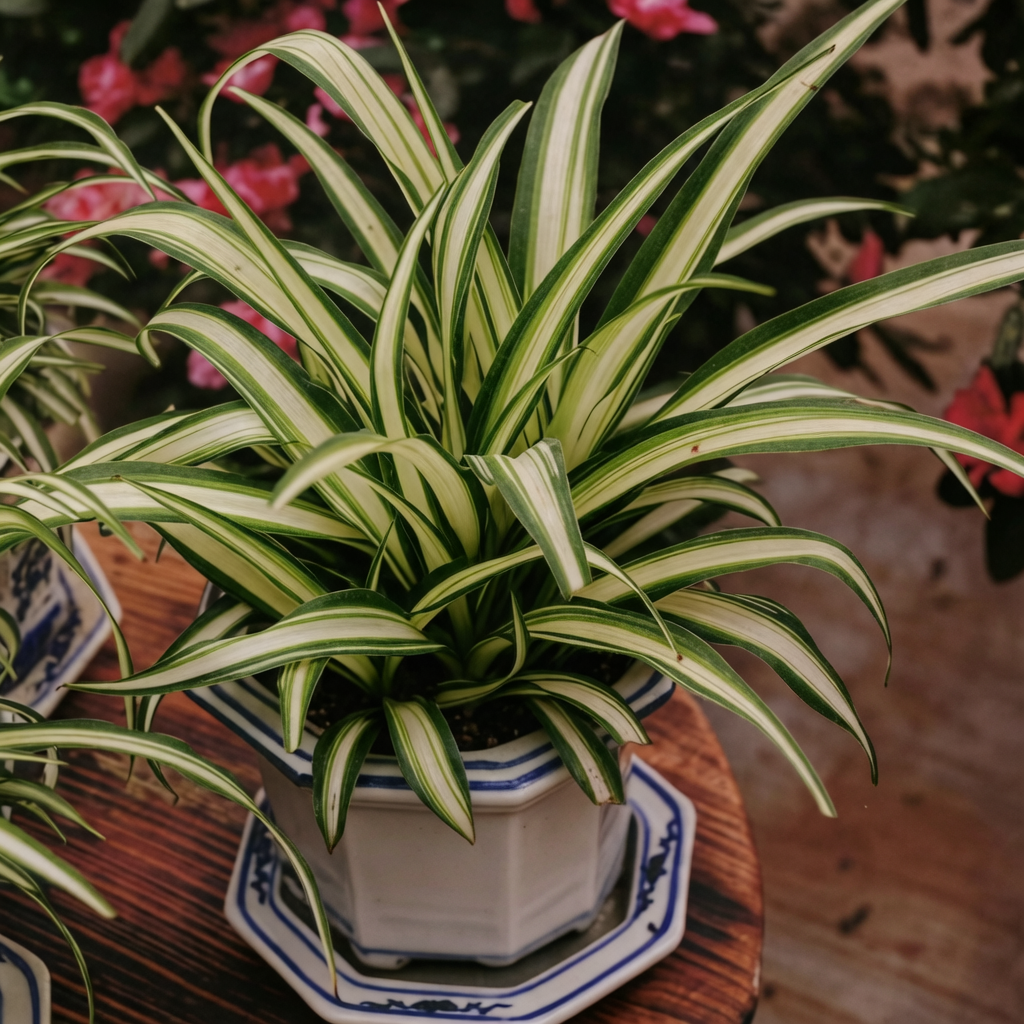
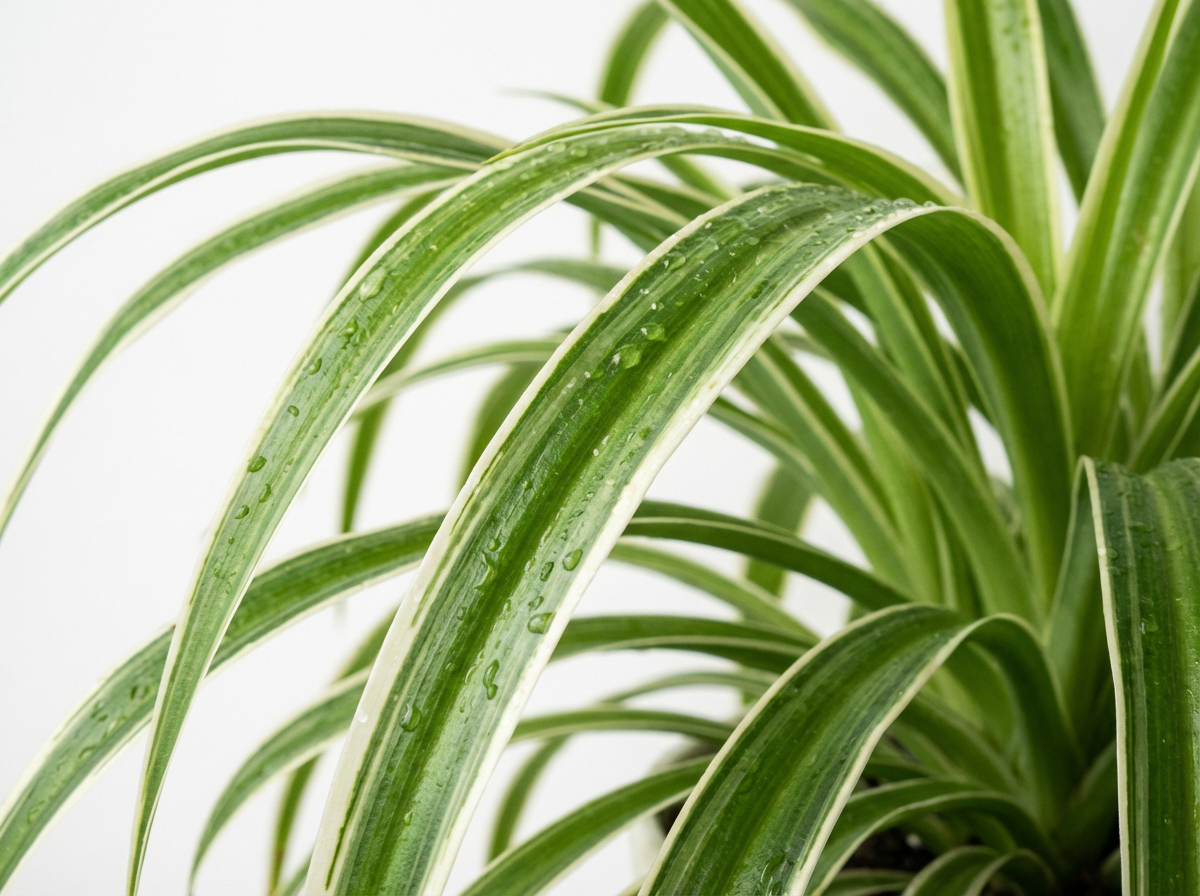
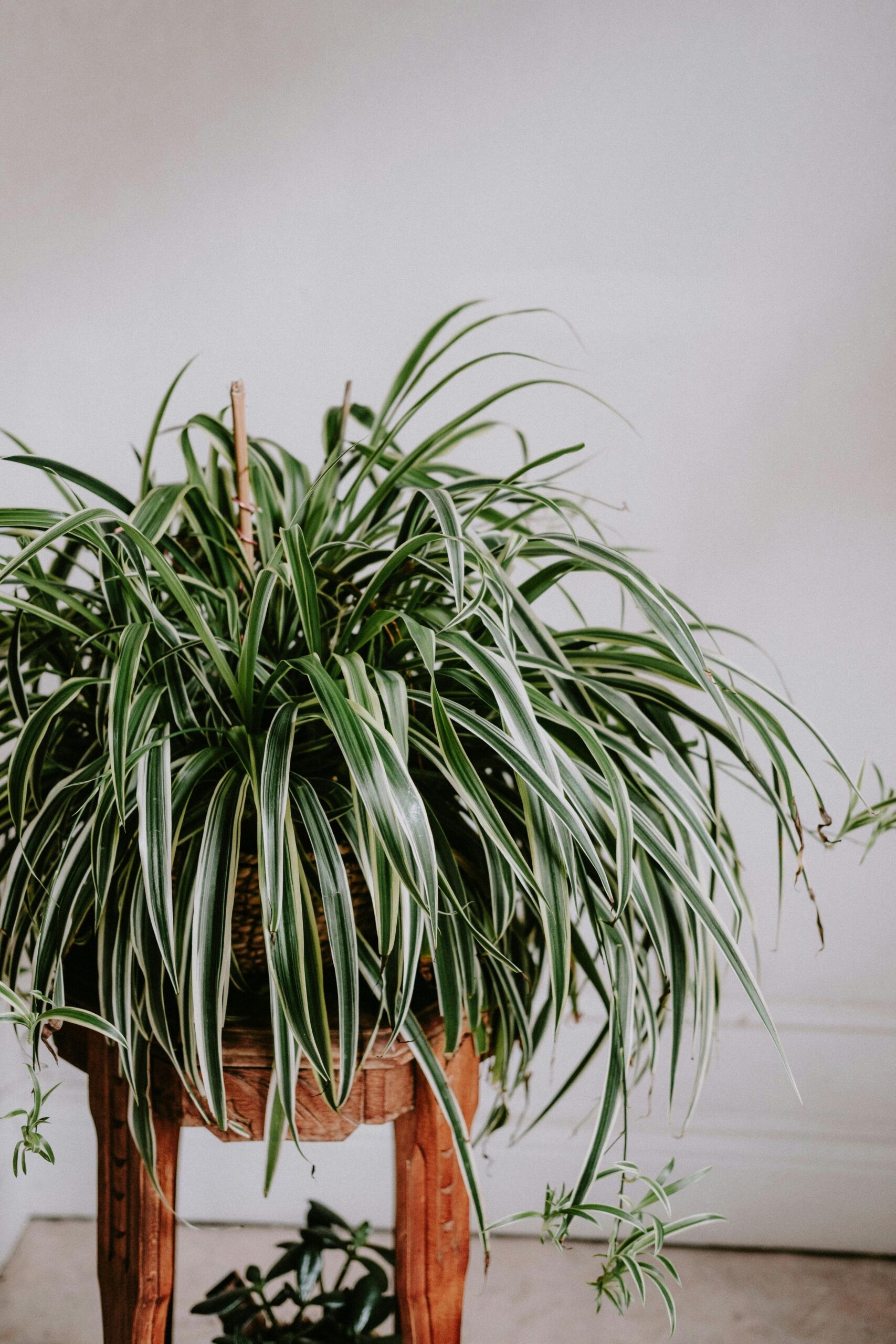
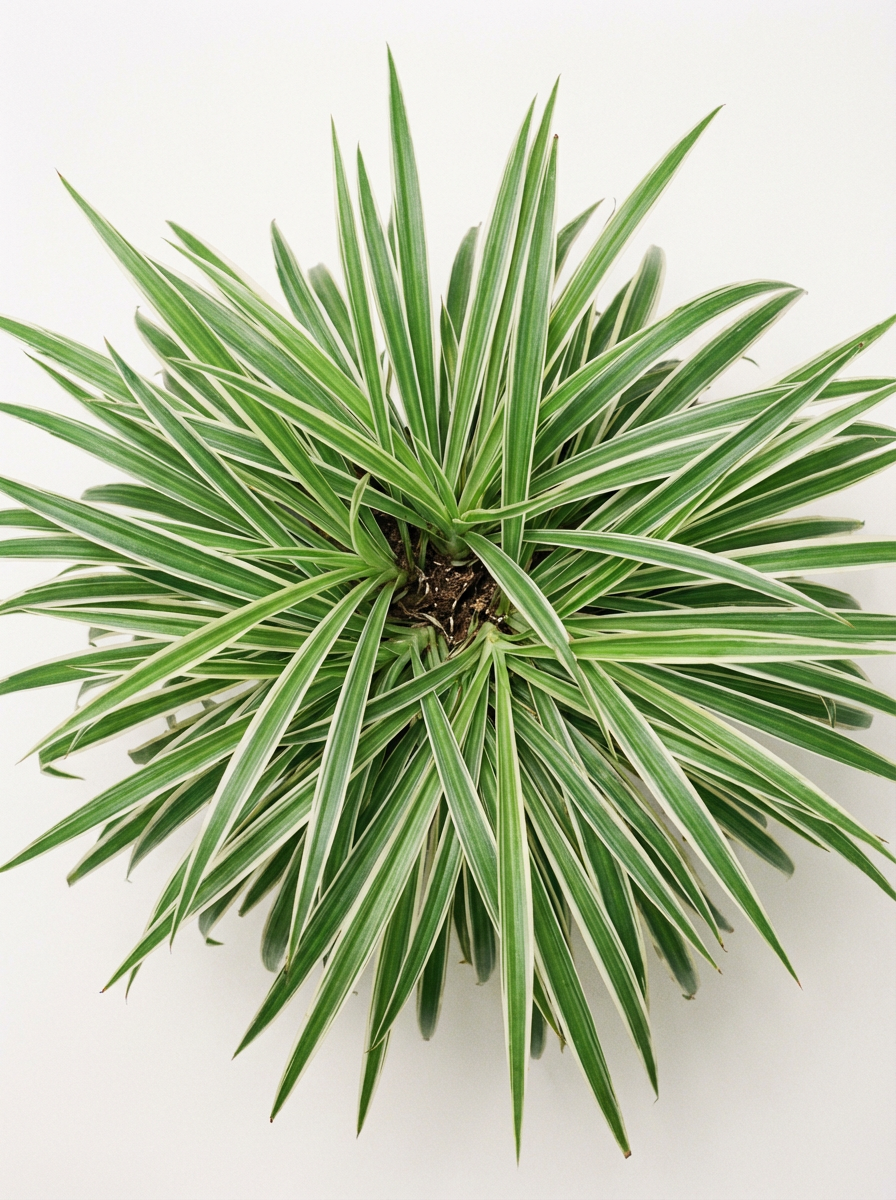
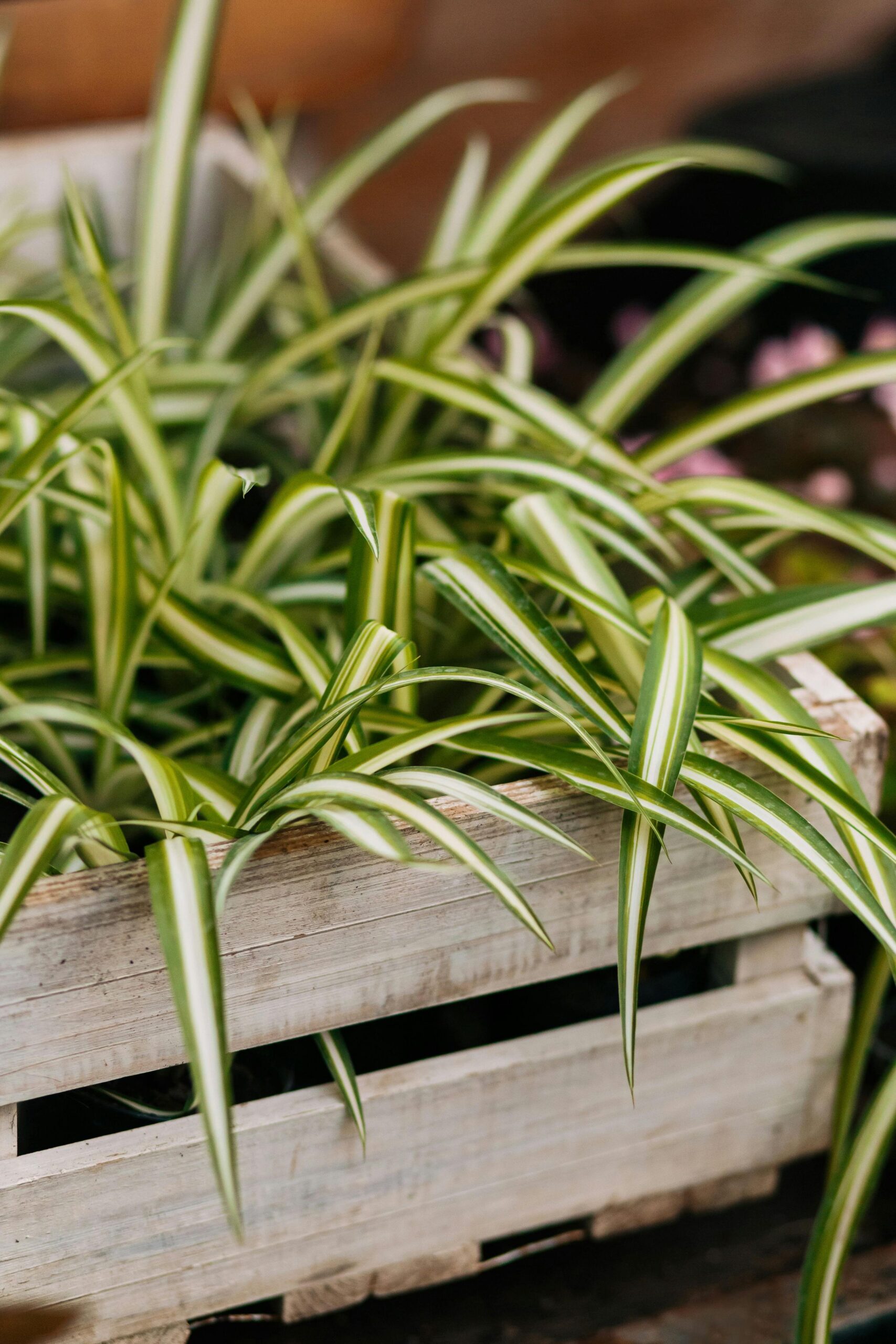
- Foliage:Leaves are narrow, strap-like, and arching, arising in a rosette that creates a fountain shape. Forms range from solid green to crisp variegation (green with white/cream or yellow striping). The leaves are slightly channeled/folded rather than perfectly flat. Tip browning is common and is often linked to dry air, inconsistent watering, salt/fluoride buildup from tap water, or excess fertilizer; rotating the pot helps keep growth even.
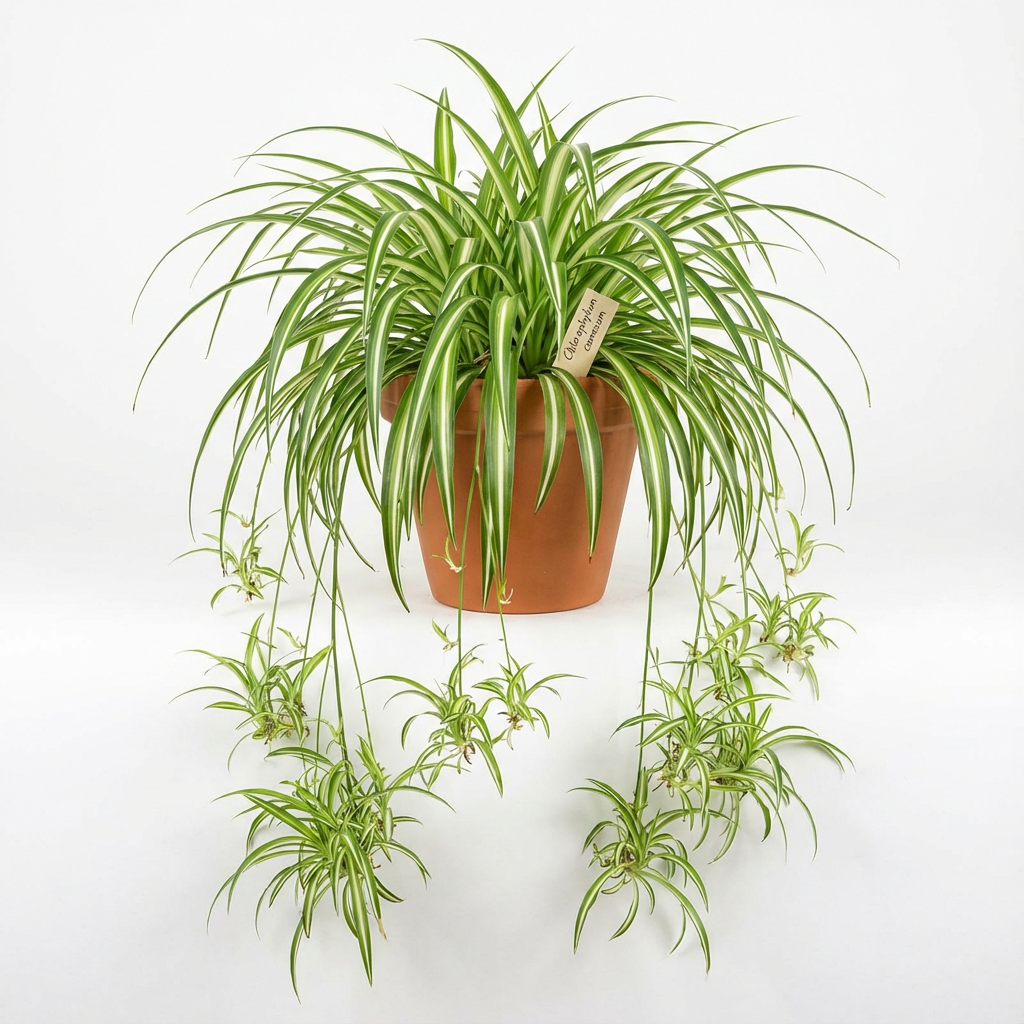
- Flower:Small, delicate, star-shaped white flowers appear in loose clusters along long, arching stems; these stems often also carry the famous baby plantlets (“spiders/spiderettes”) with little aerial roots ready to take hold.
- Flowering Season:Mostly spring to summer, though it may flower intermittently indoors year-round in good light and warmth (generally above about 12°C / 54°F).
- Growth Habit:Clump-forming evergreen perennial that produces stolons/runners which cascade and carry plantlets; ideal as a trailing plant in hanging baskets, on shelves, or spilling from pots.
🌤️ Environment
Sunlight
Bright, indirect light is best for strong growth, vivid striping, and plenty of runners. It tolerates partial shade and lower light, but may produce fewer “babies” and less striking variegation. Avoid harsh direct midday sun (leaf scorch), though gentle winter sun is usually fine.
Temperature
Grows best around 18–24°C (64–75°F), with many guides citing an ideal near 18–20°C (64–68°F). Keep above about 7°C (45°F); chilling injury can show up around 4°C (39°F) and below. Avoid prolonged heat above about 30°C (86°F), especially with strong sun.
Humidity
Adaptable to average indoor humidity and can tolerate drier air, but moderate humidity (around 50% or higher) helps keep leaf tips nicer. In very dry rooms, occasional misting (midday on bright days) or a pebble tray can reduce tip browning; avoid constantly wet foliage in cool, stagnant conditions.
Soil
Use a loose, fertile, well-draining potting mix—an all-purpose houseplant mix improved with perlite and/or coarse sand, plus some peat/leaf mold for moisture balance. Good drainage is key to preventing root rot.
Placement
Near an east window, or a bright north window; alternatively a few feet back from a south/west window or behind a sheer curtain. Perfect for hanging baskets, high shelves, pedestals, living rooms, offices, and bright bathrooms. Also well-suited to water culture in a bright spot out of direct sun.
Hardiness
Best outdoors only in mild climates, roughly USDA Zones 9–11. Frost tender; protect from cold and bring indoors when temperatures approach 7°C (45°F).
🪴 Care Guide
Difficulty
Easy overall—one of the best beginner houseplants. It’s forgiving of minor neglect, but looks its best with bright indirect light, even watering, and protection from cold extremes.
Buying Guide
Pick plants with firm, lively leaves and minimal browning at the tips. Avoid pots with sour-smelling, soggy media (a red flag for rot). Check the crown/leaf bases for hidden pests like mealybugs and scale. For variegated types, choose plants with clear, clean striping rather than washed-out color.
Watering
Aim for “evenly moist, never soggy.” Water thoroughly when the top 2–3 cm (about 1 in) of mix dries, then let excess drain—never leave the pot sitting in water. In warm, bright conditions this can be roughly twice weekly (or every 2–3 days for thirsty homes), while in winter it’s often about once weekly or less depending on temperature and light. Because spider plants have thick, fleshy, water-storing roots, overwatering is a more common problem than underwatering. To reduce brown tips from mineral/salt buildup, flush the potting mix about once a month with lukewarm water around 25°C (77°F), and consider using filtered, distilled, or rainwater if your tap water is high in fluoride/chlorine.
Fertilization
Feed during active growth (spring through early autumn) with a balanced liquid houseplant fertilizer. A common rhythm is every 2–3 weeks, or more lightly every 10–14 days at a dilute rate; reduce to monthly or pause in winter if growth slows. Avoid heavy nitrogen, especially on variegated cultivars, as it can push greener growth and dull the striping. If leaves look pale and growth is weak, gentle, regular feeding usually helps.
Pruning
Trim brown tips following the natural point of the leaf for a neat look, and remove yellowed or damaged leaves at the base. Cut off runners if you prefer a tidier silhouette—or leave them for a dramatic cascade of plantlets. Rotate the pot periodically for even, symmetrical growth.
Propagation
Exceptionally easy. Plantlets: detach a baby with visible aerial roots and pot into moist mix, or root in water first (often 1–2 weeks) and then pot up; you can also pin a still-attached plantlet onto a nearby pot until it roots, then snip the runner. Division: in spring, lift the plant, split crowded clumps, and replant. Seed is possible at 18–24°C (64–75°F) with germination often in about 2–3 weeks, but variegated cultivars usually don’t come true from seed and may revert to green.
Repotting
Repot every 2–3 years, or sooner when thick roots circle the pot or emerge from drainage holes. Move up only one size (about 2.5–5 cm / 1–2 in wider), as slightly snug pots can encourage runners. Refresh with a free-draining mix; dividing at repotting is an easy way to rejuvenate an old clump.
📅 Seasonal Care Calendar
Spring: best time to repot and divide; resume regular feeding; increase watering as growth picks up.
Summer: main growth season—keep evenly moist, provide bright indirect light and midday shade; mist occasionally if air is very dry.
Autumn: gradually reduce watering and feeding; bring plants indoors before chilly nights (aim to stay above 10°C / 50°F if transitioning).
Winter: keep above 7°C (45°F), give the brightest indirect light you can, water sparingly (often weekly or less). Watch the combo of low light + stagnant humidity, which can encourage yellowing or fungal issues.
🔬 Pests, Diseases & Safety
Common Pests & Diseases
Usually trouble-free, but can get spider mites (especially in dry air), mealybugs, scale, and occasionally aphids. Rinse foliage, then treat with insecticidal soap or neem/horticultural oil as needed. Overwatering and poor drainage can cause root rot. In stale, humid conditions, fungal problems like gray mold (Botrytis), anthracnose, or powdery mildew may appear—improve airflow, remove affected leaves, and avoid wet foliage late in the day.
Toxicity
Generally considered non-toxic to humans and most pets. Cats often find the leaves tempting; chewing may cause mild stomach upset, and some sources note a mild catnip-like/hallucinogenic effect if a cat eats a lot—best placed out of reach if your cat is a dedicated nibbler.
🎋 Culture & Symbolism
Symbolism:Often seen as a symbol of resilience and renewal—an “easygoing” plant that keeps bouncing back and generously produces new little offspring to share. Many people also associate it with a fresh, welcoming home atmosphere.
History & Legends:Native to southern Africa, spider plant became a global houseplant classic thanks to its tough nature and its charming dangling plantlets. The name Chlorophytum comosum is historically credited to early botanical work on South African plants (often linked to Carl Thunberg’s collections), and the Greek-rooted genus name refers to a greenish plant, while comosum suggests a tufted or “hairy” look—fitting for its fountain-like rosette.
Uses:Mostly grown as an ornamental foliage plant in pots and hanging baskets, indoors and in mild outdoor climates. It’s also commonly grown in water in glass containers. Widely promoted for improving perceived indoor air freshness and often chosen for offices or newly furnished rooms, and it’s a favorite “sharing plant” because the plantlets propagate so easily.
❓ FAQ
Why are my spider plant’s leaf tips turning brown?
The usual culprits are mineral/fluoride buildup from tap water, dry air, irregular watering (too wet then too dry), or fertilizer salts. Switch to filtered/distilled/rainwater if possible, flush the potting mix about monthly with lukewarm water (around 25°C / 77°F), water when the top 2–3 cm (1 in) dries, and raise humidity slightly. You can trim the brown tips for appearance.
Why isn’t my spider plant making babies (plantlets)?
It often needs brighter indirect light and a bit of maturity before it sends runners. Low light slows growth and reduces flowering/runner production. Also avoid heavy nitrogen feeding. Moving it closer to a bright window (still out of harsh sun) and keeping it slightly snug in its pot can help encourage runners.
Can spider plant be grown in water long-term?
Yes. Keep the crown (where leaves emerge) above the waterline and submerge only the roots. Change the water about every 7–10 days in spring/summer and roughly every 2 weeks in autumn/winter, and add a small amount of diluted nutrient solution periodically (for example every 10–14 days during active growth).
How often should I water a spider plant?
Water when the top 2–3 cm (about 1 in) of soil is dry. In bright, warm conditions this may be about twice weekly (or every 2–3 days); in winter it’s often weekly or less. Always let excess water drain—constant wetness is the fast track to root rot.
💡 Fun Facts
- A mature spider plant can produce dozens of baby plantlets from a single clump.
- The thick, fleshy roots act like little reservoirs, helping the plant handle short dry spells.
- Variegated spider plants usually don’t come true from seed—plantlets and division keep the stripes consistent.
- A slightly snug (rootbound) pot often encourages more runners and plantlets.
- It may bloom indoors with tiny white, star-shaped flowers—sometimes with a light, pleasant fragrance.