
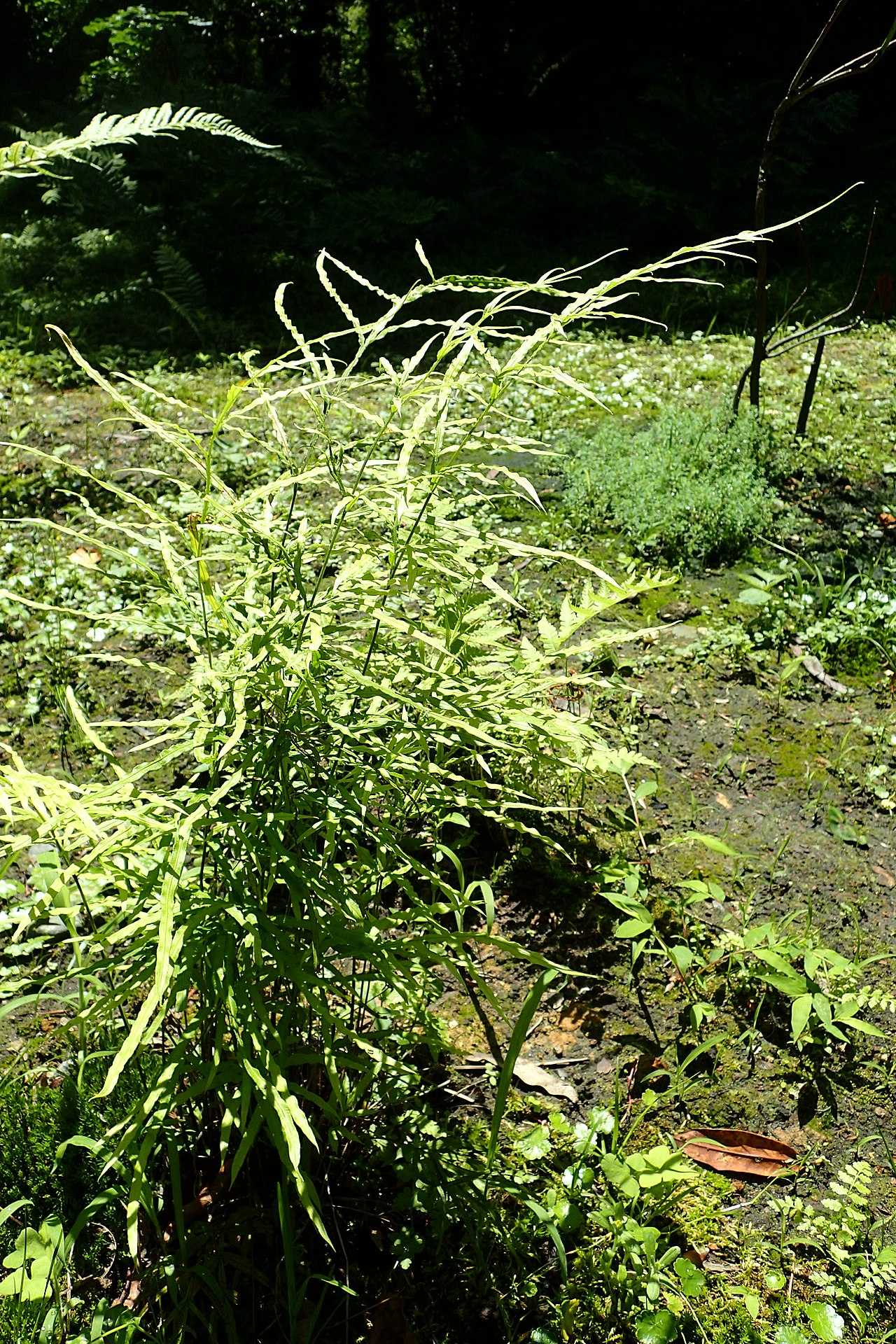
🌱 Plant Features
- Size:Typically 30–70 cm (12–28 in) tall; forms a tufted, clump-forming plant.
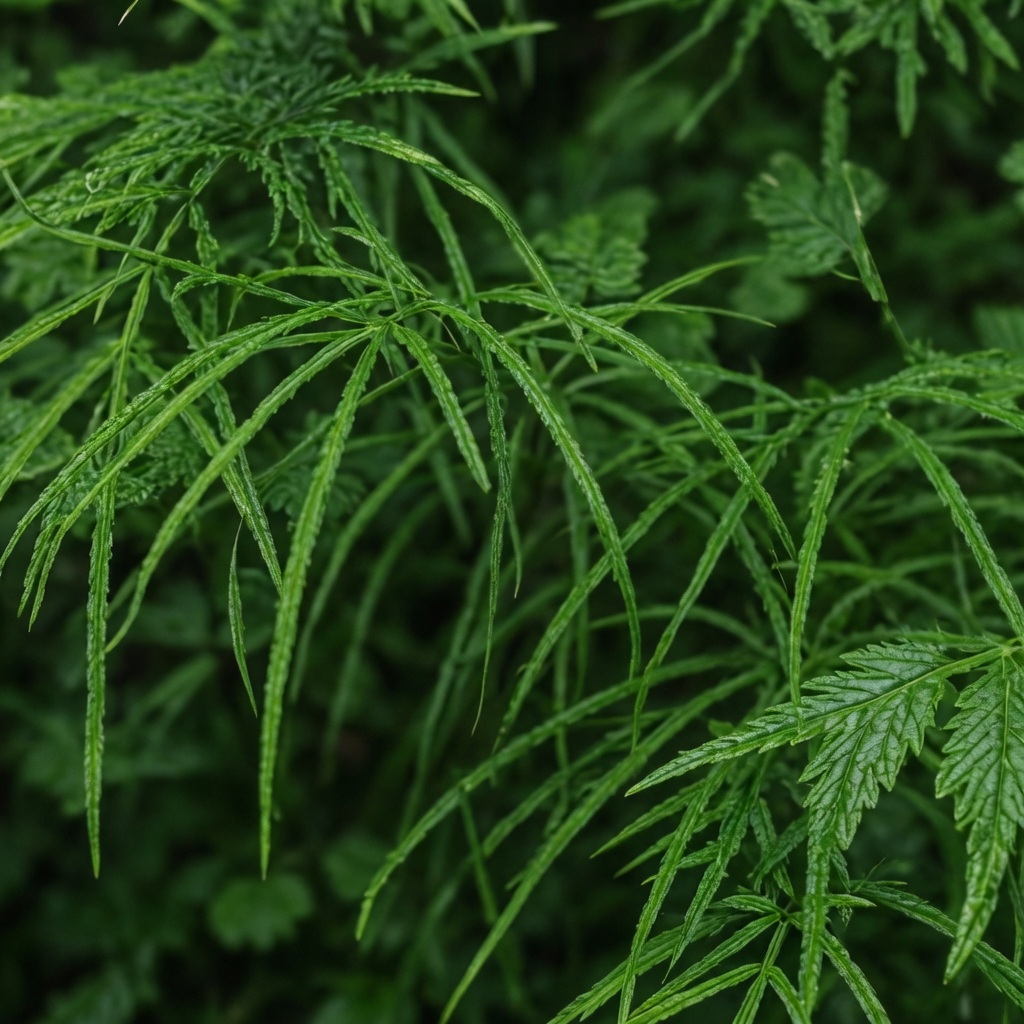
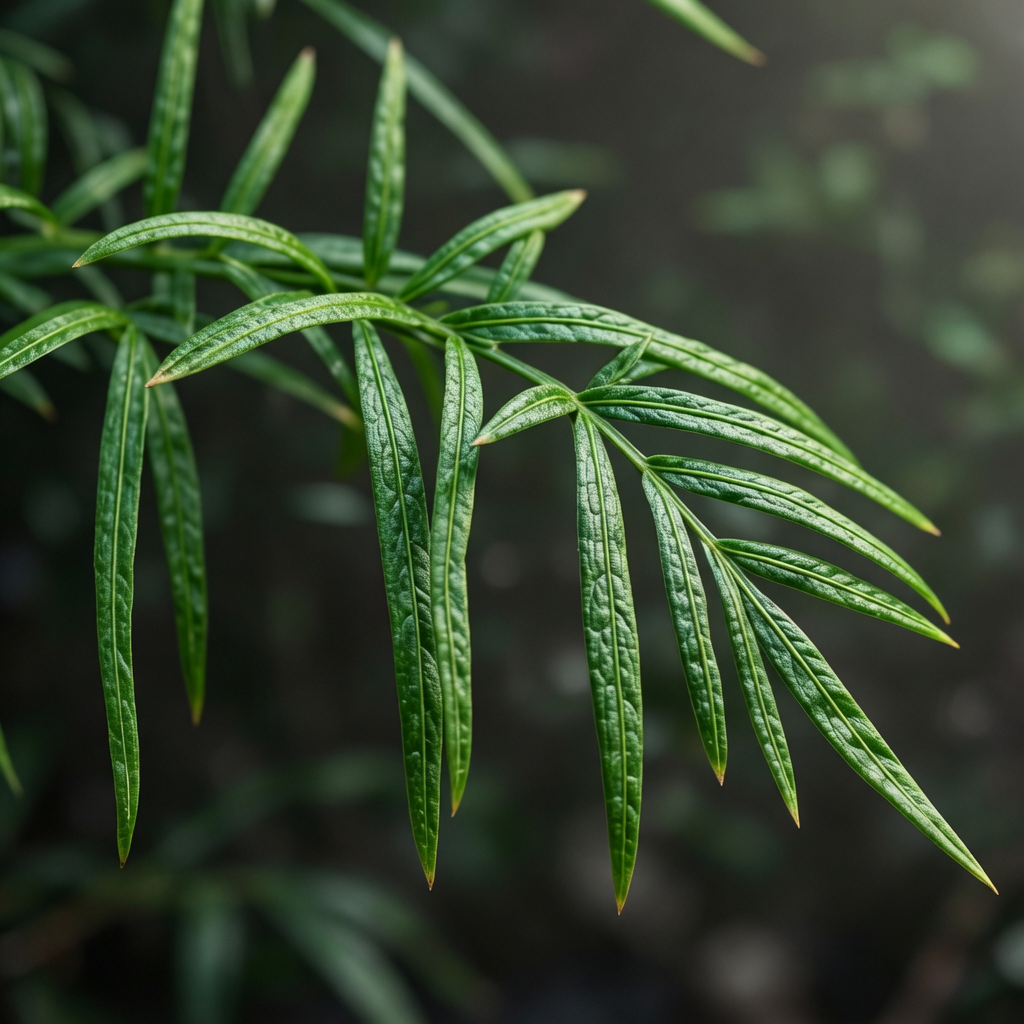
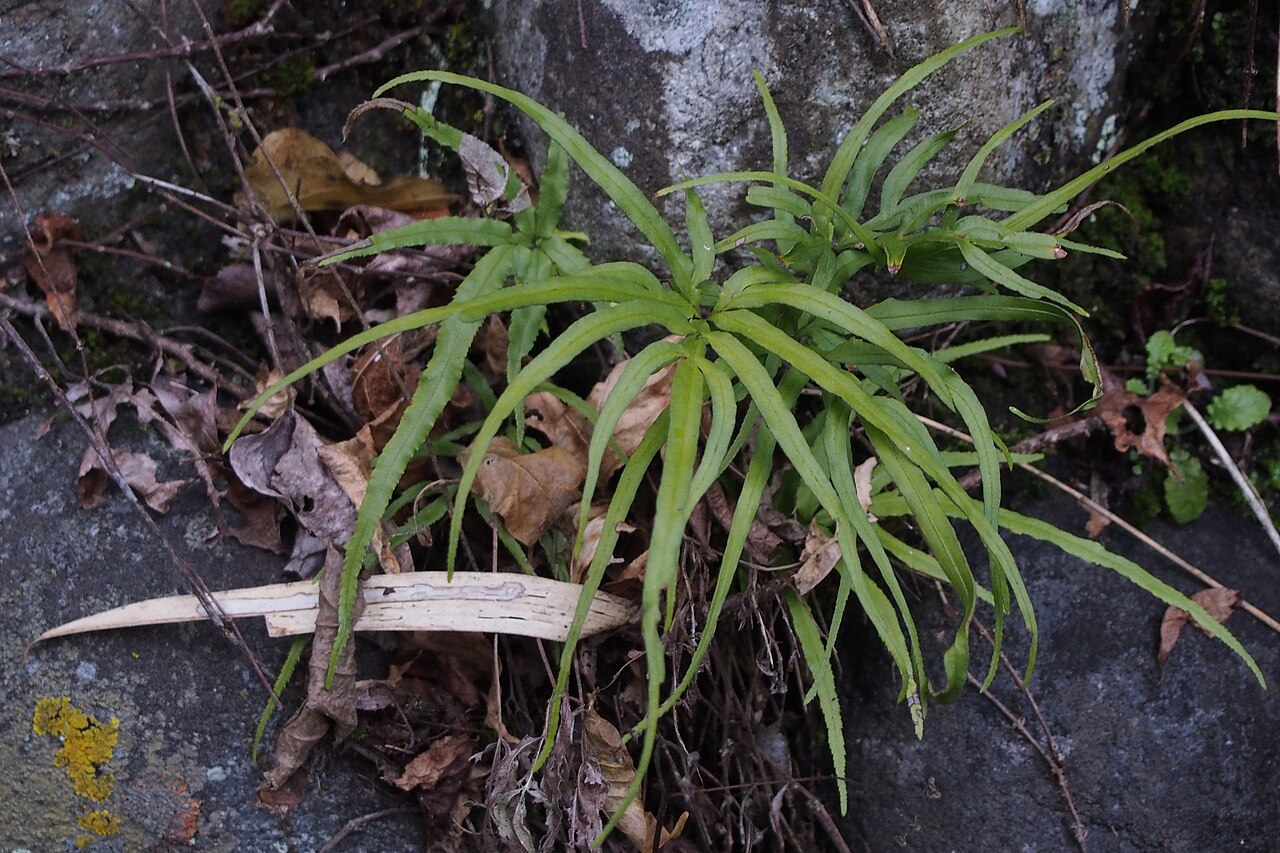
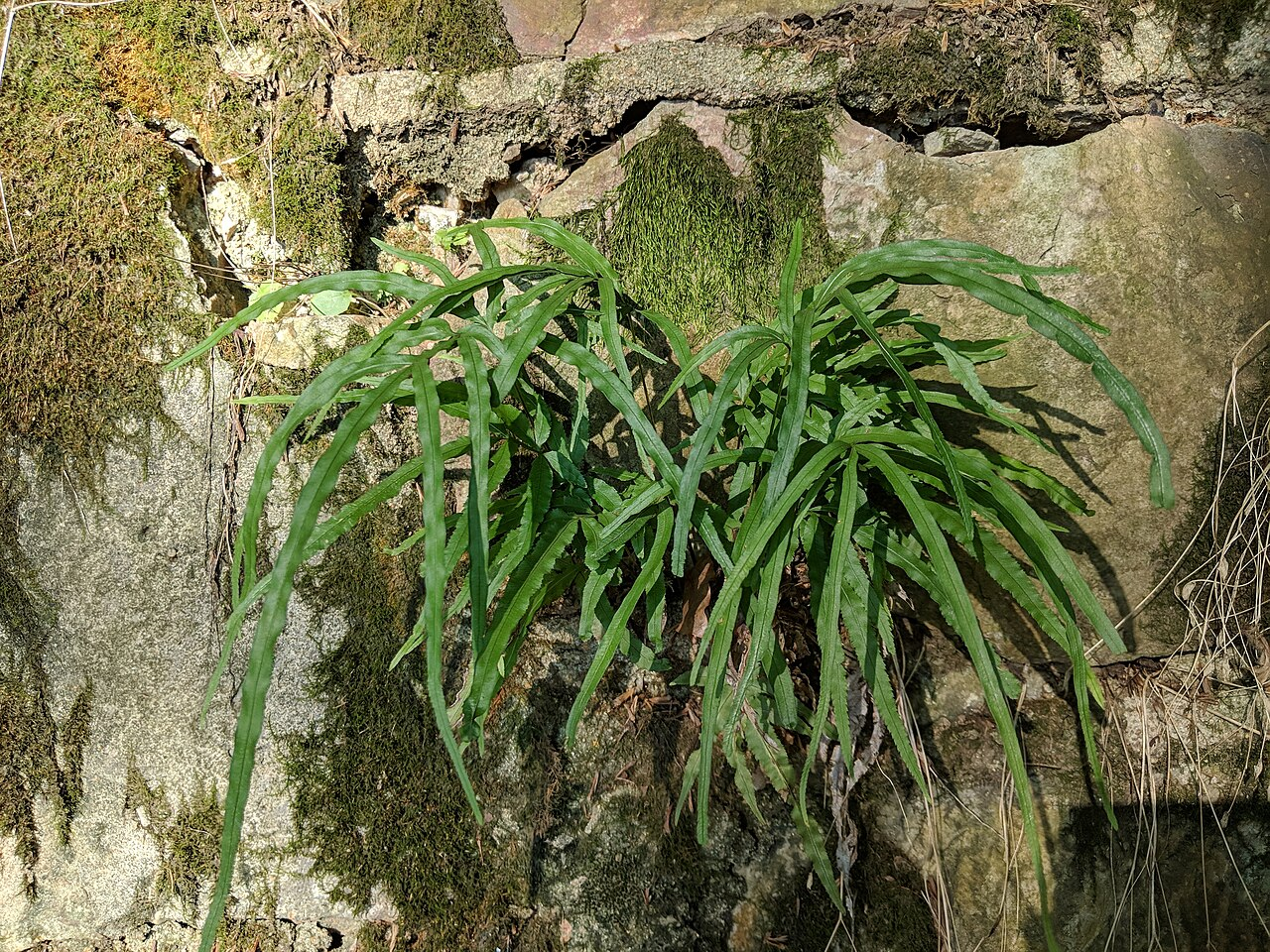
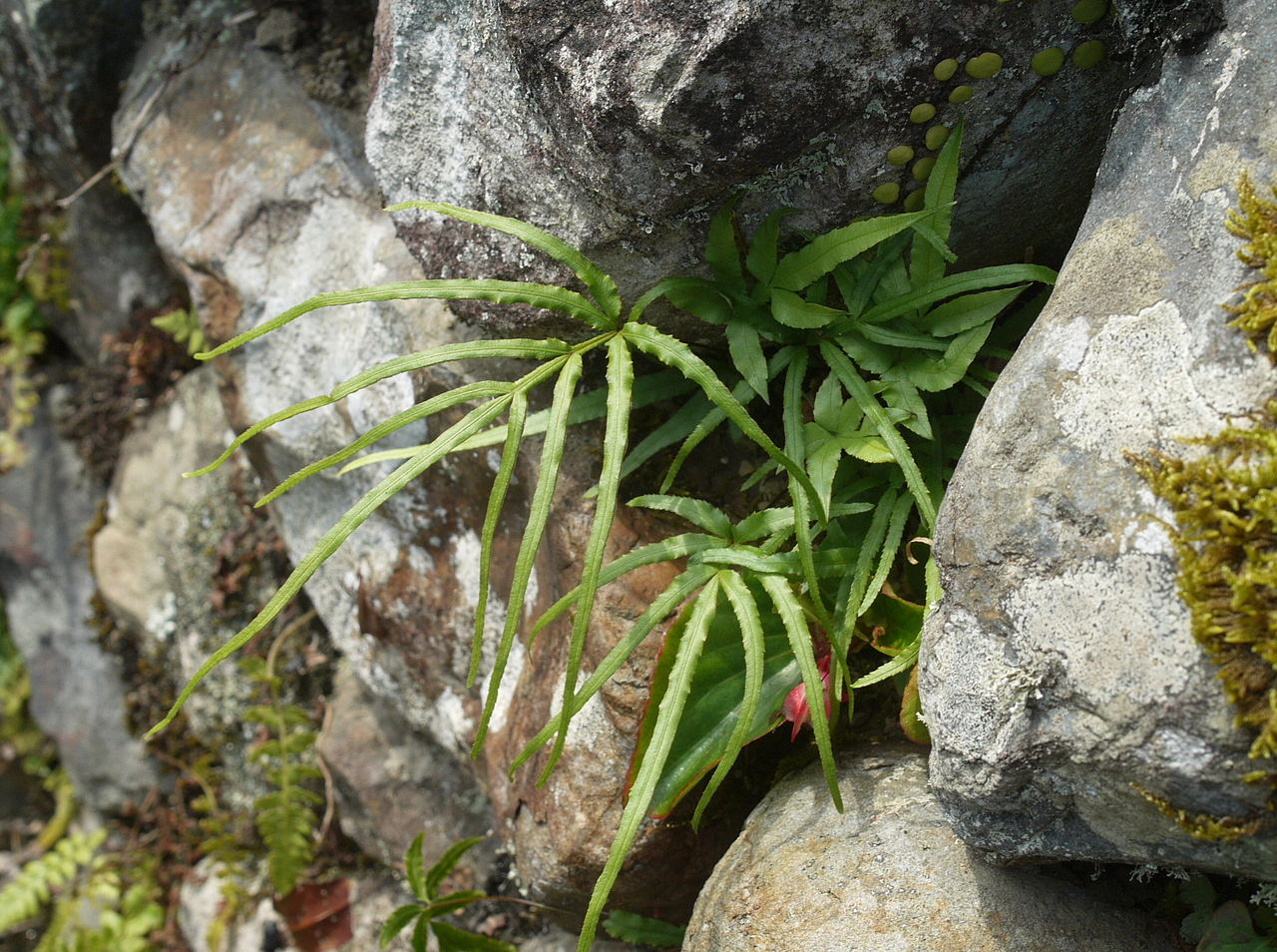
- Foliage:Evergreen to semi-evergreen fern forming a neat tuft of somewhat leathery fronds. Fronds are once-pinnate and split into narrow, finger-like segments that create a lacy texture. Fertile fronds are usually narrower, while sterile fronds tend to be broader with irregular sharp teeth. A signature ID feature is the spore clusters (sori) forming continuous lines along the frond margins.
- Flower:No flowers (fern). Instead, it produces spores; sori appear as continuous lines running along the edges of fertile fronds.
- Flowering Season:Not applicable (fern; no flowering season)
- Growth Habit:Perennial, upright, clump-forming fern with a slender, tufted look and an upright rhizome.
🌤️ Environment
Sunlight
Partial shade to bright indirect light. Avoid direct sun, especially harsh midday sun, which can scorch fronds.
Temperature
Best around 15–28°C (59–82°F). Protect from cold drafts and frost.
Humidity
Moderate to high humidity; performs best above about 50% (roughly 50–70% is ideal).
Soil
Moisture-retentive yet well-draining, fertile mix. Tolerates and often does well in lime-rich (calcareous) substrates; a peat-free fern mix with leaf mold/compost is a good fit.
Placement
Indoors: near an east- or north-facing window, or set back from brighter windows; excellent in hanging baskets. Outdoors: sheltered, shady, consistently moist spots such as wall bases, rock crevices, and shaded limestone areas.
Hardiness
Roughly USDA Zone 8–11 (10–50°F / -12–10°C), depending on local conditions; not reliably frost-hardy in colder winters.
🪴 Care Guide
Difficulty
Easy to moderate—very manageable as long as it stays evenly moist, avoids harsh sun, and isn’t left in dry indoor air for long periods.
Buying Guide
Pick a plant with fresh, firm green fronds (not limp or crispy) and minimal browning at the tips. Avoid pots that smell sour or look waterlogged, and check for pests like scale or mealybugs. During the growing season, a healthy clump should show new fronds unfurling.
Watering
Keep evenly moist. Water when the top 1–2 cm (0.4–0.8 in) of mix begins to dry, then water thoroughly and let excess drain. Don’t let it sit in water, and don’t let it dry out completely. In cooler, darker months, reduce frequency but don’t allow prolonged dryness.
Fertilization
In spring and summer, feed lightly with a balanced liquid fertilizer at 1/4–1/2 strength every 4–6 weeks. Too much fertilizer can scorch fronds, so gentler is better.
Pruning
Snip yellowing or damaged fronds off at the base to keep the clump tidy and improve airflow. Brown tips can be trimmed cosmetically, but also treat the cause (often low humidity or irregular watering).
Propagation
Best propagated by dividing established clumps in spring. Spore propagation is possible but more advanced; spores are produced in the continuous marginal sori.
Repotting
Repot every 1–2 years in spring, or sooner if rootbound. Refresh with a moisture-holding but well-draining mix and always use a pot with drainage holes.
📅 Seasonal Care Calendar
Spring–summer: active growth—keep moisture steady, boost humidity, and fertilize lightly. Autumn–winter: slower growth—water less often, stop feeding, and keep away from heaters and cold drafts.
🔬 Pests, Diseases & Safety
Common Pests & Diseases
Can attract scale insects, mealybugs, and spider mites (especially when humidity is low). Fungus gnats may appear if the mix stays overly wet. Prevent issues with good airflow, consistently moist—but not soggy—soil, and occasional rinsing of fronds. Treat pests with insecticidal soap or horticultural oil as needed.
Toxicity
Generally considered non-toxic to people and pets, though chewing/ingestion may still cause mild stomach upset. It’s best kept out of reach of pets that like to nibble.
🎋 Culture & Symbolism
Symbolism:Like many ferns, it’s often linked with quiet resilience, calm spaces, and graceful greenery.
History & Legends:A familiar wild fern in East Asian shaded microhabitats, often highlighted in field guides for its distinctive marginal sori and its tendency to show up in limestone areas.
Uses:Mainly ornamental—prized for its fine texture in indoor hanging baskets and for planting in shady, moist garden pockets such as rock crevices, wall bases, and sheltered corners.
❓ FAQ
Why are the frond tips turning brown?
This usually points to low humidity, drying out, or too much direct sun. Aim for 50–70% humidity, keep the mix evenly moist, and move the plant to bright, indirect light.
Does it need flowers to reproduce?
No—this is a fern. It reproduces by spores, which develop in sori that form continuous lines along the frond margins.
Can it grow in lime-rich soil?
Yes. This species is often associated with limestone habitats and can do well in calcareous (lime-rich) conditions, as long as drainage is good and moisture stays consistent.
💡 Fun Facts
- It’s often described as an indicator plant for calcareous (lime-rich) soils.
- Its delicate, finely divided fronds make it especially pretty in hanging baskets.
- A key ID feature is the continuous line of sori running along the frond edges.
- In the wild it commonly appears in shaded, damp places such as wall bases, near wells, and on limestone rocks.