🌱 Plant Features
- Size:Typically 8–10 m (26–33 ft) tall; crown width commonly about 6–8 m (20–26 ft) when mature (site-dependent).
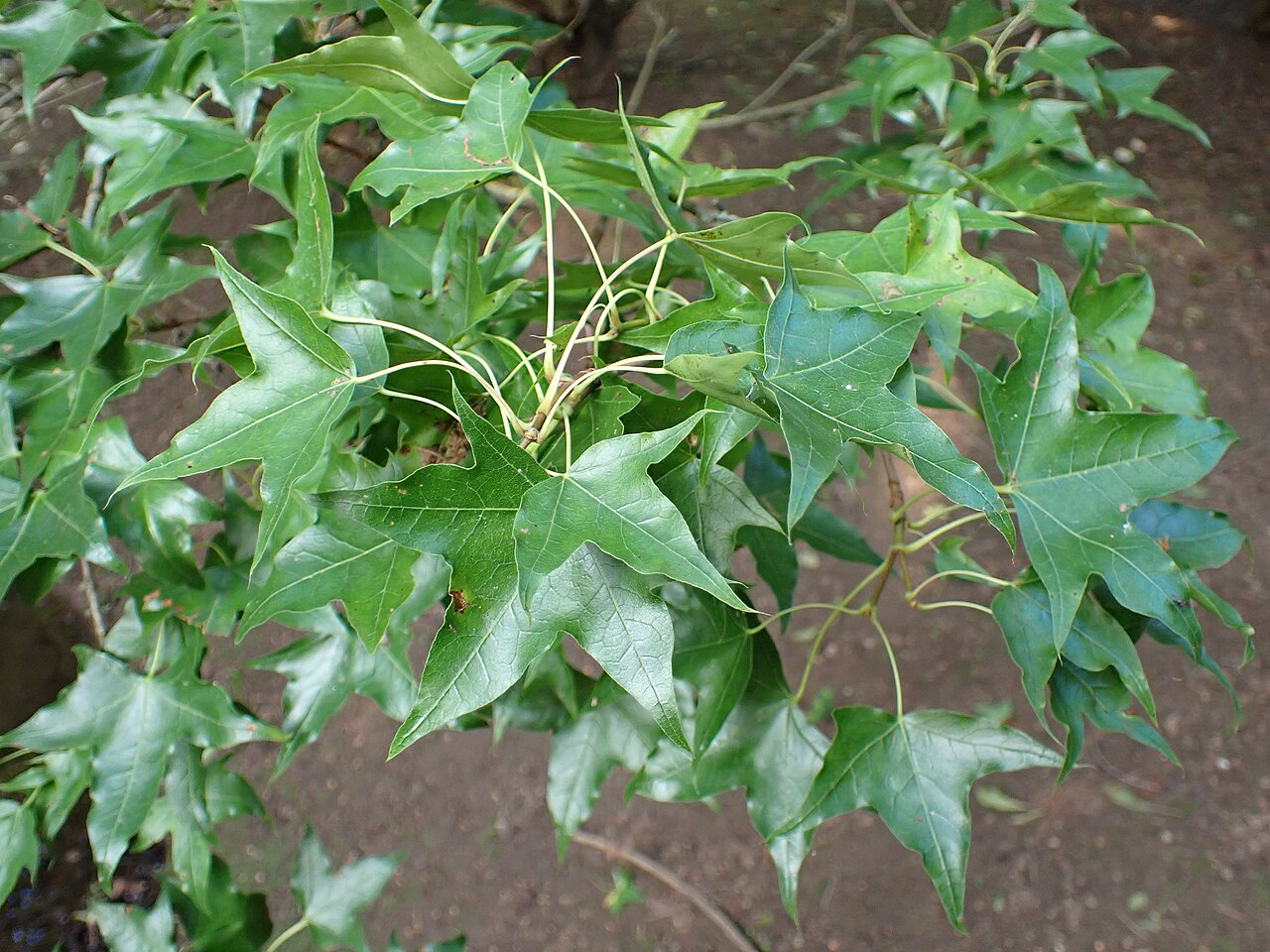
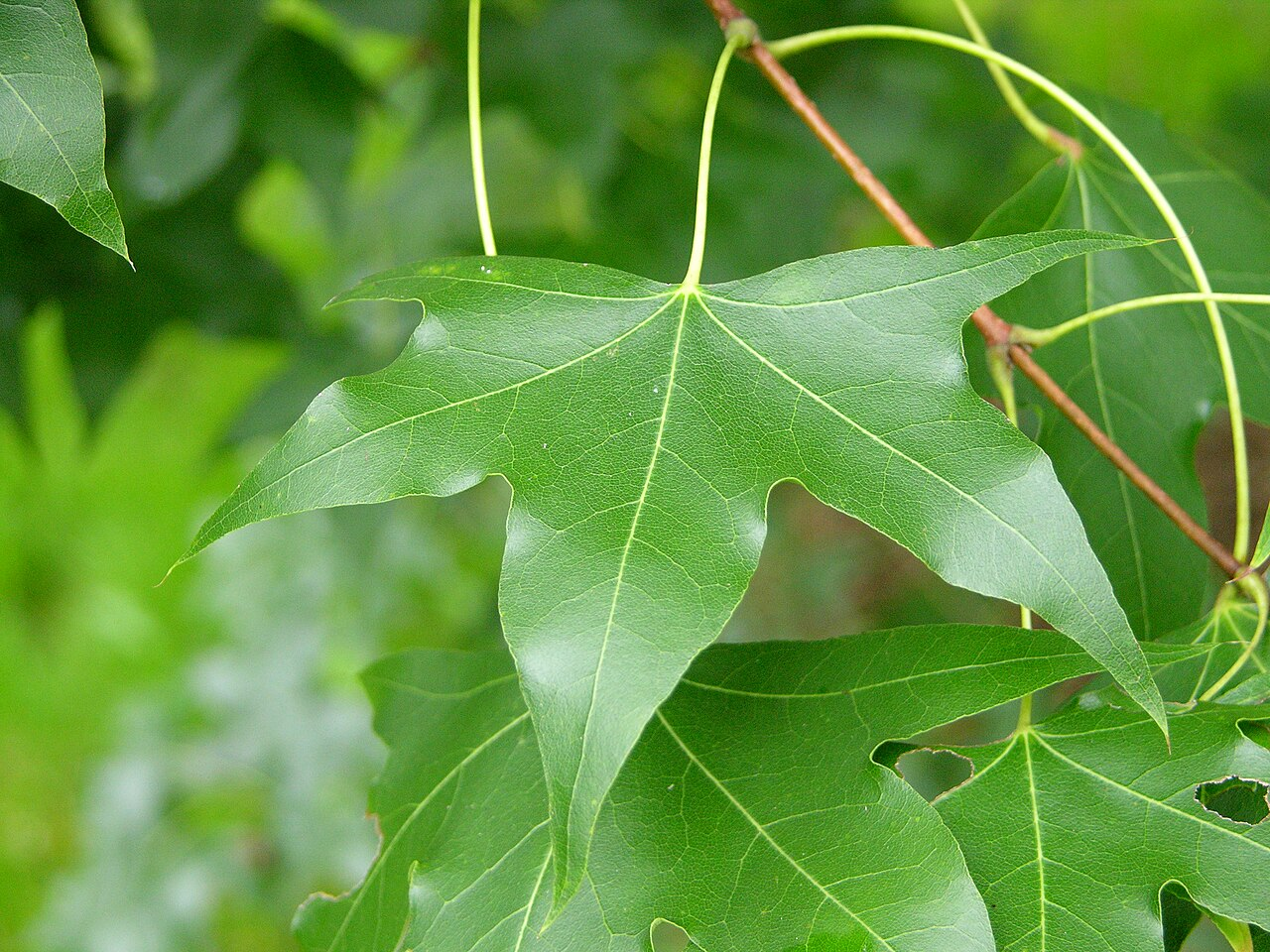
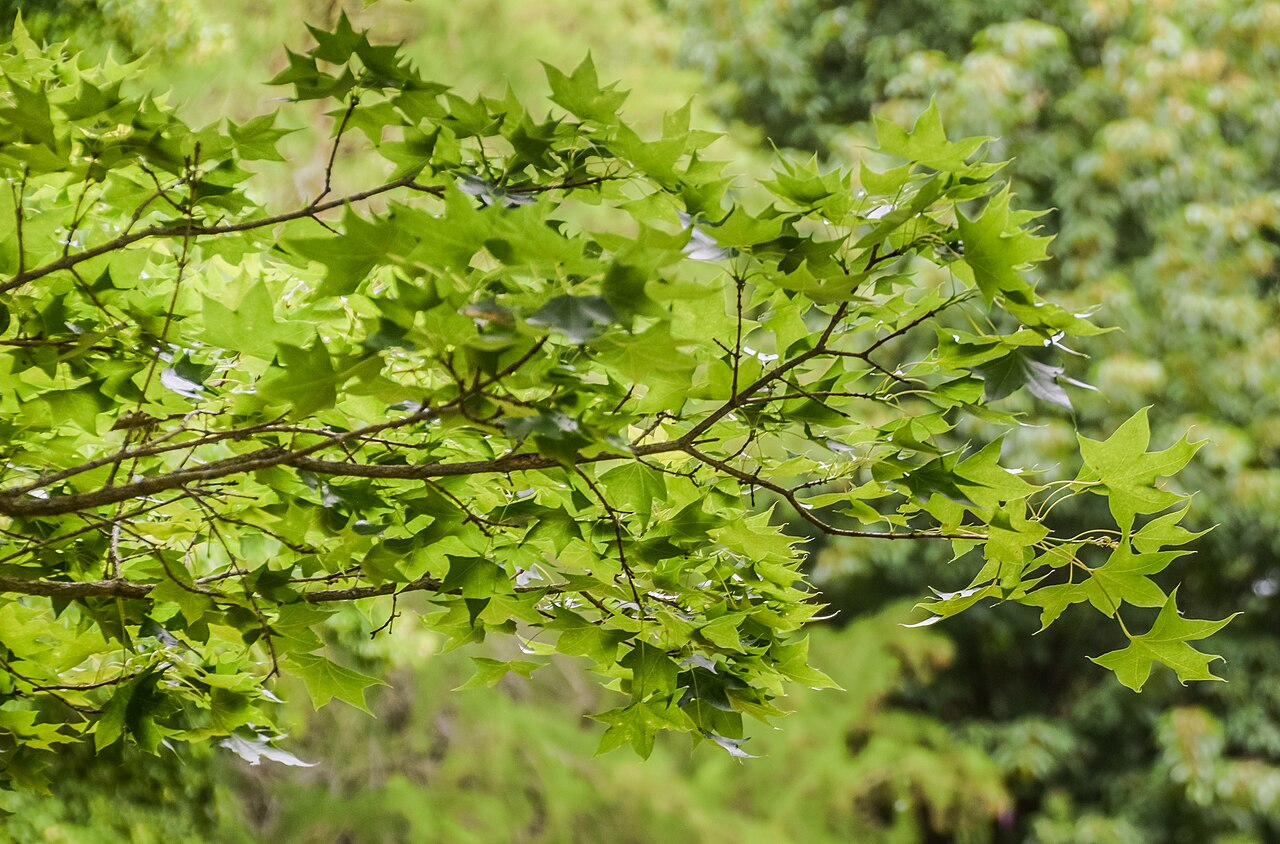
- Foliage:Leaves are opposite and simple, with a palmately lobed outline—most often 5 lobes. The lobe tips taper to points, and the middle sections can show small extra lobing. A classic clue is the often truncate (squared-off) leaf base. New growth may flush red-tinged in spring; fall color commonly shifts to yellow, red, or rich purplish red.
- Flower:Small yellow‑green flowers appear in terminal clusters in spring as leaves expand. The fruit is a flat, broad-winged samara; the wings are relatively wide and slightly longer than the seed body, giving an “ingot-like” look.
- Flowering Season:April (spring)
- Growth Habit:A medium-growing, deciduous tree with a generally neat form and a relatively deep-rooting habit; typically has few serious pest and disease issues when sited well.
🌤️ Environment
Sunlight
Full sun to partial shade. It can handle some shade, but brighter light usually gives the best crown density and the strongest fall color (aim for at least 4–6 hours of sun).
Temperature
Prefers cool to mild conditions with steady moisture, yet becomes very cold-hardy once established. A practical range is about -29 to 35°C (-20 to 95°F), depending on local provenance and site.
Humidity
Does well in average outdoor humidity; appreciates moderately moist air but adapts as long as the soil doesn’t swing to extremes.
Soil
Adaptable, but happiest in well-drained loam. Tolerates a range of pH and many urban soils; avoid prolonged waterlogging and persistently soggy sites.
Placement
Ideal for streets, parks, and as a shade/specimen tree in landscapes; also fits open woodland-style plantings where it can develop a broad, attractive crown.
Hardiness
Generally USDA Zone 4–8 (approx.). Noted for strong urban tolerance, including air pollution and dust; sometimes reported to tolerate sulfur dioxide and hydrogen fluoride better than many landscape trees.
🪴 Care Guide
Difficulty
Easy to moderate. It’s typically resilient—especially in cities—but needs attentive watering during the first 1–2 growing seasons to establish a strong root system.
Buying Guide
Look for a young tree with a single strong leader and well-spaced branches. Avoid trunk wounds, obvious dieback, girdling/circling roots, or a rootball that’s dried out or severely pot-bound. In season, leaves should look clean and buds should be plump and healthy.
Watering
After planting, water deeply and keep the root zone evenly moist (never swampy) during establishment. In dry spells, a useful guideline is about 25–40 mm (1–1.5 in) of total water per week from rainfall/irrigation; adjust down in cool/wet weather and up during heat or wind.
Fertilization
Often unnecessary in decent soil. If growth is weak, apply a balanced, slow-release fertilizer in early spring at label rates. Avoid heavy nitrogen late in the season so new growth can harden off before cold weather.
Pruning
Prune mainly in late winter to early spring to build structure and remove dead, weak, or crossing branches. Avoid heavy pruning during strong spring sap flow; small corrective summer pruning can be done if needed.
Propagation
Most commonly by seed (often improved by cold stratification). Named cultivars are typically grafted or budded to preserve their traits.
Repotting
Not applicable for in-ground trees. For container-grown specimens, repot or up-pot in early spring every 1–2 years, refreshing the mix and correcting circling roots.
📅 Seasonal Care Calendar
Spring: plant, mulch, and water steadily; feed lightly if needed. Summer: deep water during drought and watch for heat stress. Autumn: enjoy color; water before the ground freezes in dry years. Winter: inspect branch structure and do structural pruning.
🔬 Pests, Diseases & Safety
Common Pests & Diseases
Usually trouble-free. Possible issues include aphids, scale insects, leaf spots, and occasional verticillium wilt (a broader maple concern). Good drainage, avoiding waterlogged soil, and keeping the tree vigorous are the best prevention.
Toxicity
No well-documented serious toxicity to people or pets for Acer truncatum. As with most ornamentals, discourage chewing/ingestion of plant parts, especially in large amounts.
🎋 Culture & Symbolism
Symbolism:Often linked with prosperity and good fortune because the winged fruits resemble traditional gold ingots.
Uses:Primarily an ornamental and shade tree valued for its spring flush, tidy habit, and strong fall color. Widely planted for urban greening thanks to its reputation for tolerating pollution and dusty conditions.
❓ FAQ
Does Shantung maple tolerate shade?
Yes. It handles partial shade well, but it usually looks fuller and colors better in fall with more sun—roughly 4–6+ hours of direct light per day.
When does it flower and fruit?
It flowers in spring as the leaves emerge (often around April). After that it sets flat, broad-winged samaras that mature later in the growing season.
💡 Fun Facts
- Flowers and leaves can appear together in spring, giving the canopy a subtle yellow‑green haze.
- The broad, flat samaras are popularly compared to ancient gold ingots—an image tied to its Chinese name.
- Depending on weather and site, autumn leaves may shift from yellow to red to deep purple-red.
- It’s widely used in cities because it tends to cope well with pollution and dusty air compared with many other trees.
- In the wild it’s commonly found in open woodland rather than deep, dense forest.