🌱 Plant Features
- Size:Typically about 30 cm (12 in) tall; can reach up to about 45 cm (18 in) tall. Spreads roughly 30–150 cm (1–5 ft) wide depending on pot size, pruning, and whether it creeps or is trained.
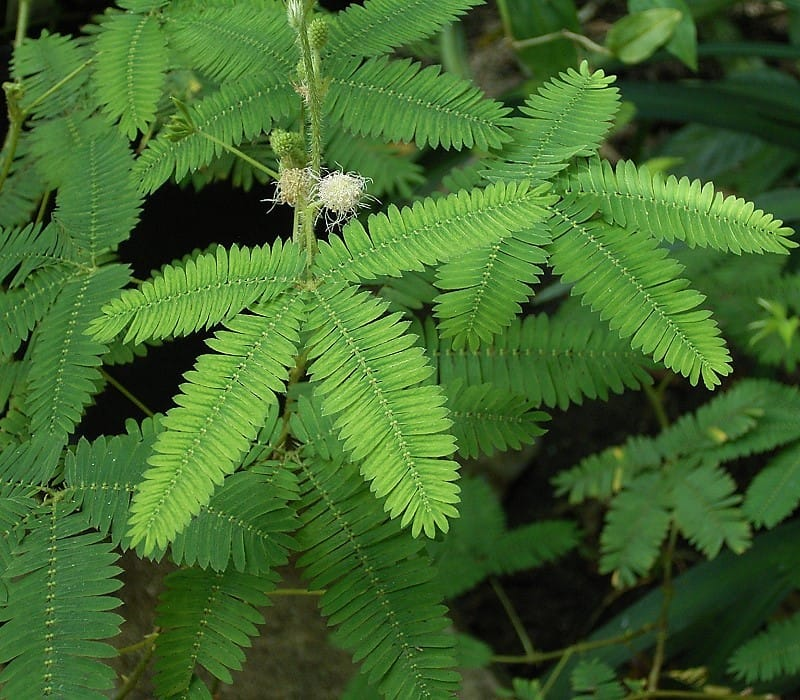
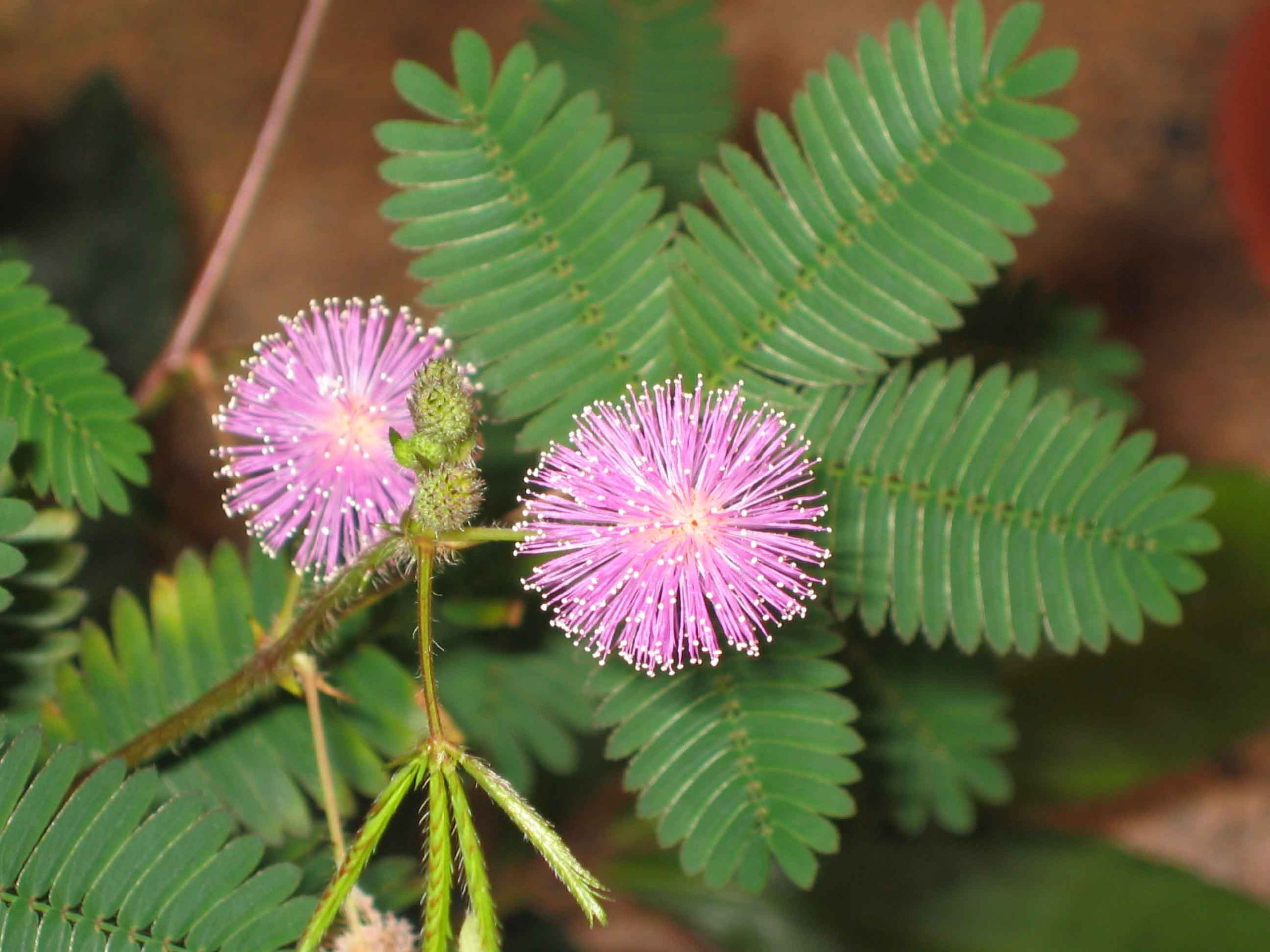
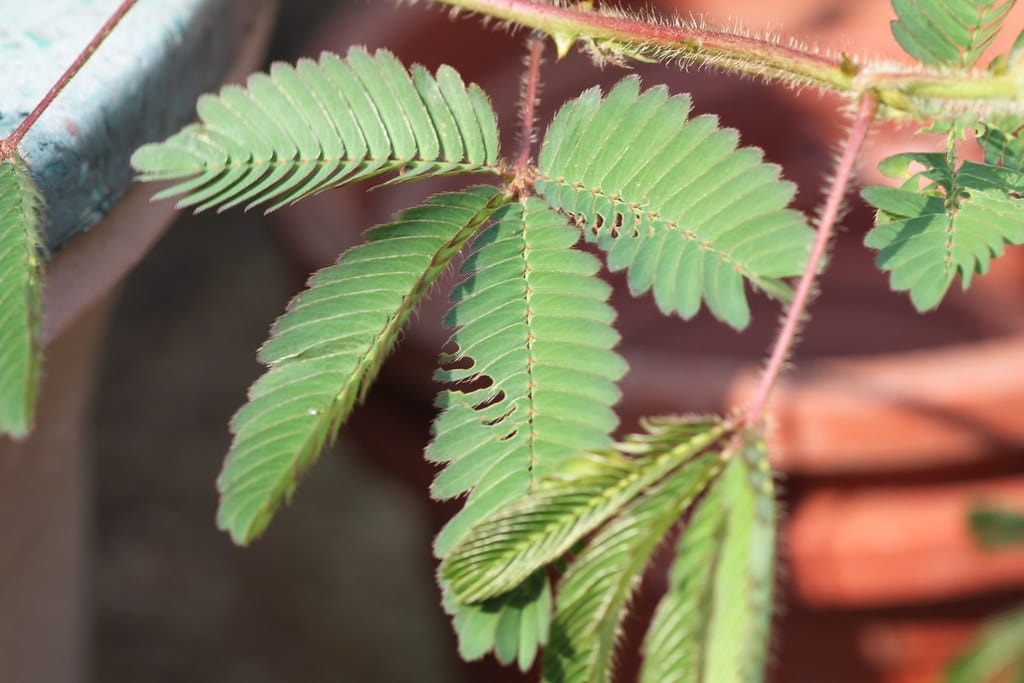
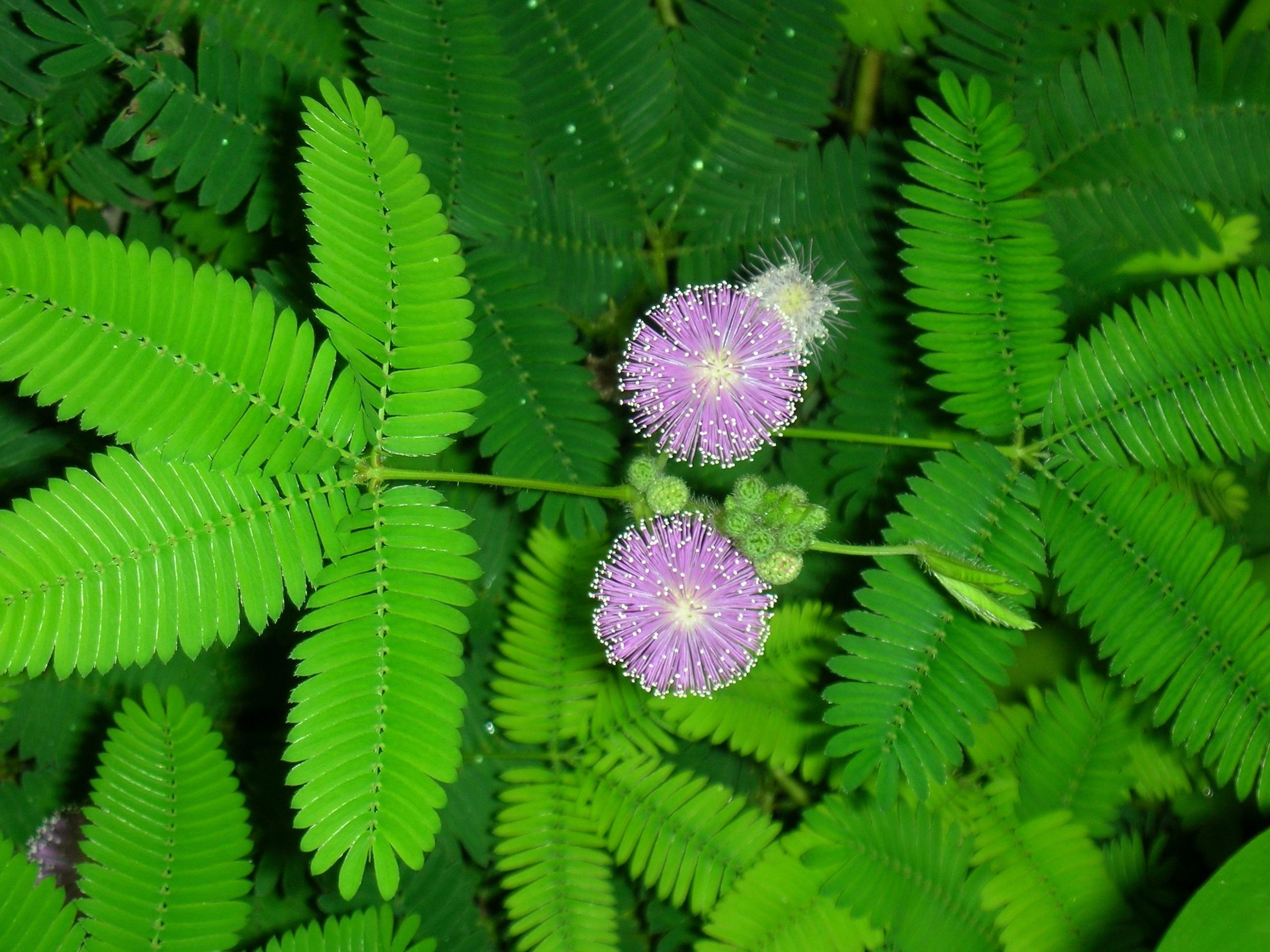
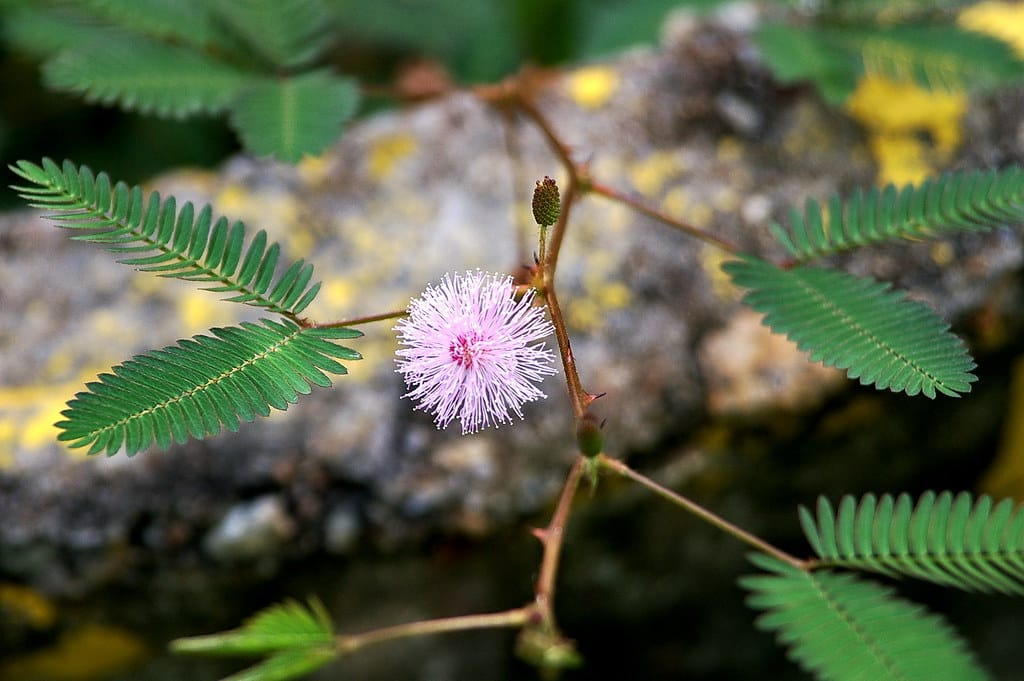
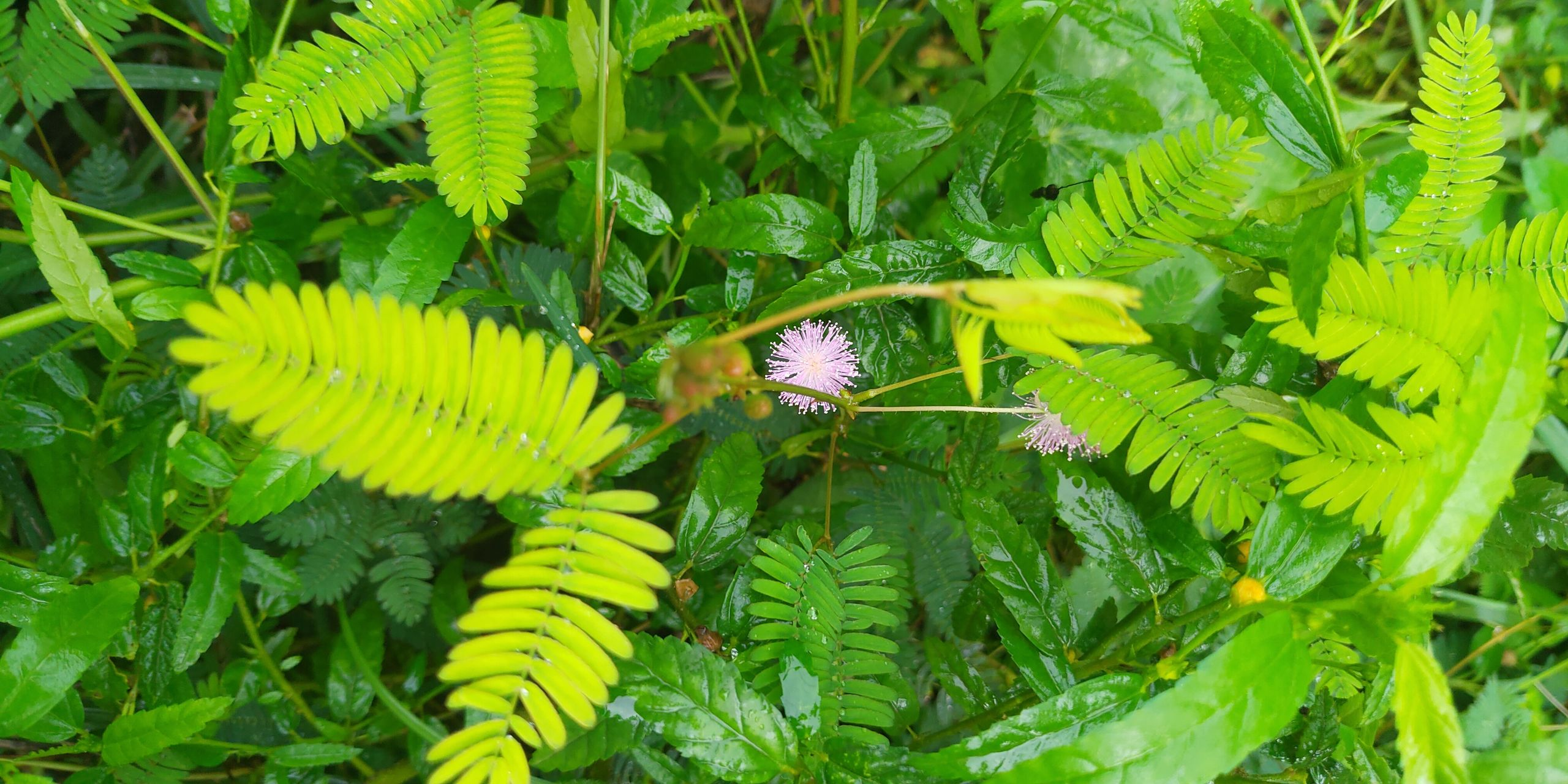
- Foliage:Leaves are bipinnately compound and fern-like. Each leaf has 1–2 pairs of pinnae, with about 10–26 narrow, linear‑oblong leaflets per pinna (about 8–13 mm long and 1.5–2.5 mm wide). Leaflets fold inward and the whole leaf droops rapidly when stimulated (touch, vibration, etc.), then gradually reopens once the plant relaxes.
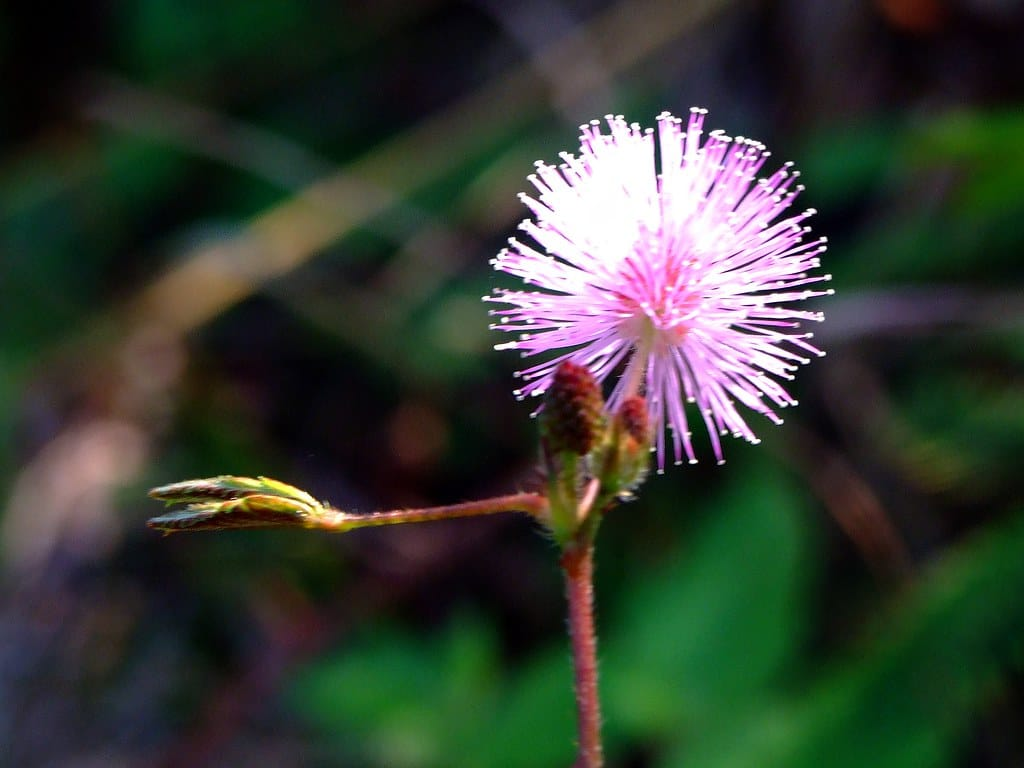
- Flower:Flower heads are small, rounded (globose to ovoid) and pom‑pom-like, about 8–10 mm across, in pale pink to pink‑purple shades. They sit on stalks from the leaf axils and look fluffy because of the prominent filaments (often pink to lavender, sometimes with deeper tones toward the top).
- Flowering Season:Summer, roughly May–September
- Growth Habit:A creeping, branching annual or short-lived perennial subshrub. Stems are cylindrical and may be sparsely to densely prickly, with small downward-curving thorns/bristles. Often grown as a container plant; can sprawl, trail, or be lightly trained.
🌤️ Environment
Sunlight
Full sun to partial shade. Bright light is best; aim for at least ~8 hours of daylight for sturdy growth and better flowering (indoors, a very bright windowsill works well).
Temperature
Prefers 18–24°C (65–75°F). Keep above about 13°C (55°F); not frost-tolerant.
Humidity
Likes moderate to high humidity and generally grows best when the air isn’t overly dry.
Soil
Well-draining loam or a light potting mix that stays evenly moist but not soggy; slightly acidic to neutral is fine. It can tolerate relatively nutrient-poor soils, but still needs good drainage.
Placement
Bright windowsills indoors; warm patios/balconies outdoors during summer. In temperate regions, keep it as an indoor houseplant or bring it inside before temperatures drop.
Hardiness
Best treated as a tender plant; outdoors year-round only in frost-free climates (commonly grown as an annual elsewhere). Not frost-tolerant.
🪴 Care Guide
Difficulty
Easy overall and fast-growing, with good adaptability—its main “trick” is balancing bright light with steady moisture and warmth.
Buying Guide
Pick a plant with fresh, vibrant green foliage and a quick, crisp folding response when gently touched. Avoid plants with webbing, sticky residue, distorted new growth, or pale, stressed leaves. A compact, bushier plant is usually healthier and easier to shape than a very leggy one.
Watering
Water to keep the soil consistently moist but never waterlogged. During active growth, water when the surface starts to dry slightly—established plants may need frequent watering in warm weather. In hot summer conditions, watering in the morning (and occasionally again later in the day if it dries quickly) can help. Reduce watering in winter and avoid letting the pot sit in water. If it dries out too much, leaves often droop and become less responsive.
Fertilization
Feed monthly during the growing season (spring through fall) with a balanced water-soluble fertilizer at about half strength. Some growers prefer a slightly higher-potassium liquid feed every 4–6 weeks to support vigor and blooming. Ease off feeding if you want to keep it compact; stop or greatly reduce fertilizing in winter.
Pruning
Pinch or trim regularly to encourage branching and keep it bushy instead of long and leggy. You can shorten trailing stems, tidy straggly growth, or lightly train it on a small support. Pruning can be done any time, but it rebounds fastest in warm, bright conditions.
Propagation
Most commonly grown from seed in spring. Seeds germinate more reliably if scarified (lightly nick/scratch the seed coat) or soaked overnight before sowing. In warm conditions, seeds can sprout in about 7–10 days. It can also be propagated from stem cuttings about 10–15 cm (4–6 in) long in a peat/perlite-type mix; cuttings often root in roughly 1–4 weeks with warmth and humidity.
Repotting
Repot when roots reach the drainage holes or the plant dries out extremely fast—this may be more than once a year in vigorous growth. Use a pot with excellent drainage; self-watering styles can work if they don’t keep the mix soggy. Temporary drooping after repotting is common, but plants typically bounce back quickly.
📅 Seasonal Care Calendar
Spring: Start seeds, increase watering and begin feeding; pinch tips for bushiness. Summer: Peak growth—give brightest light, warm temperatures, and more frequent watering; watch for spider mites in dry heat. Fall: Gradually reduce feeding; keep light strong to prevent legginess. Winter: Keep above 13°C (55°F), water less often, and expect slower growth or semi-dormancy indoors.
🔬 Pests, Diseases & Safety
Common Pests & Diseases
Often fairly trouble-free, but can get spider mites (especially in dry indoor air), mealybugs, thrips, and occasionally web-forming pests. Webbing and sap-sucking damage can reduce leaf-closing performance and cause browning. Improve airflow, rinse foliage as needed, and use insecticidal soap or horticultural oil according to label directions.
Toxicity
Contains the alkaloid mimosine. Ingestion is considered toxic to animals and potentially harmful to people; it may also irritate sensitive skin. Best kept out of reach of pets and small children, and wash hands after handling if you’re prone to irritation.
🎋 Culture & Symbolism
Symbolism:Shyness, sensitivity, politeness, and warm friendship—often gifted as a playful reminder to be gentle.
History & Legends:Described by Carl Linnaeus in 1753. The species name “pudica” means “bashful,” a nod to its dramatic folding response. Beyond being a popular novelty plant, it has long appeared in traditional remedies in parts of its native and naturalized range, and it is also a classic research subject for studying plant movement and stimulus response.
Uses:Mostly grown as an ornamental conversation plant for its touch-sensitive leaves and cute pink flower puffs. It’s also used in scientific studies on plant movement, habituation, and signaling. In traditional medicine it has been used for a range of folk applications (for example, sleep complaints, coughs, and aches), though these uses vary by region and should not replace medical advice. As a legume, it can form nitrogen-fixing root nodules with symbiotic bacteria, and it has been explored for phytoremediation in contaminated soils.
❓ FAQ
Why do the leaves close when touched?
It’s a movement called thigmonasty. A touch triggers rapid changes in water pressure inside specialized “motor” tissue (the pulvinus at the leaf base), causing the leaflets to fold and the leaf to droop. It likely helps deter herbivores and may reduce stress like water loss.
How long does it take to reopen?
Usually from a few minutes up to about an hour, depending on light, warmth, and the plant’s overall health. If you trigger it repeatedly, it can become slower to respond for a while—like it’s “tired.”
Is it invasive?
In many tropical and subtropical regions it can spread aggressively by seed and become a weed. If you live in a warm climate, grow it in containers, prevent it from setting seed outdoors, and follow local guidance on invasive plants.
💡 Fun Facts
- It also performs nightly “sleep” movements (nyctinasty), closing its leaves after dark and reopening in daylight.
- It reacts not only to touch, but also to shaking, blowing, temperature shifts, and other sudden stimuli.
- As a member of the pea family (Fabaceae), it can partner with root bacteria to help capture nitrogen from the air.