🌱 Plant Features
- Size:Typically about 20–40 cm (8–16 in) tall with a similar spread of 20–40 cm (8–16 in), depending on cultivar and pot size. Common pot sizes are 12–15 cm (4.7–5.9 in) diameter; hanging baskets often use 15–18 cm (5.9–7.1 in) pots.
- Foliage:Leaves are narrow-ovate to lance-shaped, usually deep green, forming a tidy, compact mound. If the air is very dry or the pot is allowed to dry out, leaf tips can turn brown and crispy and buds may drop. In low light, stems tend to stretch (leggy), leaves may pale or yellow, and older lower leaves can drop.
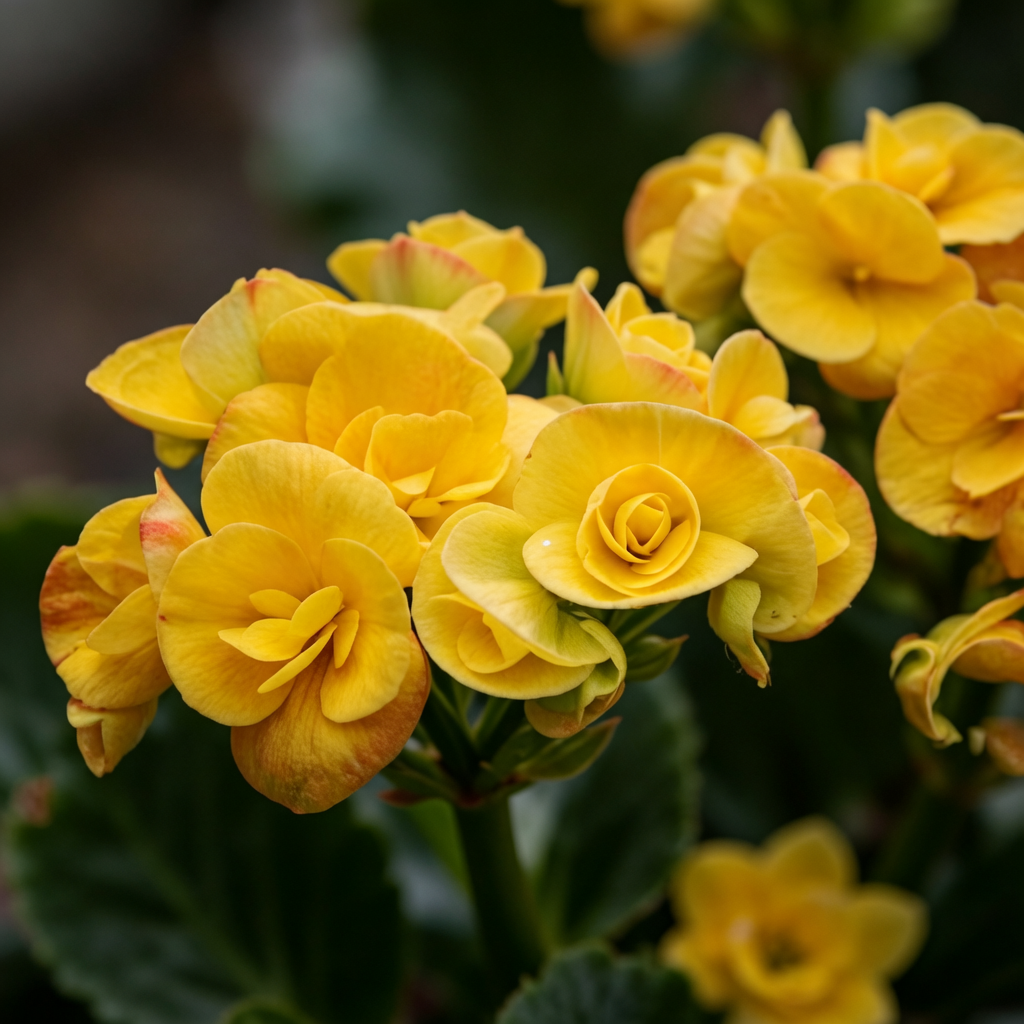
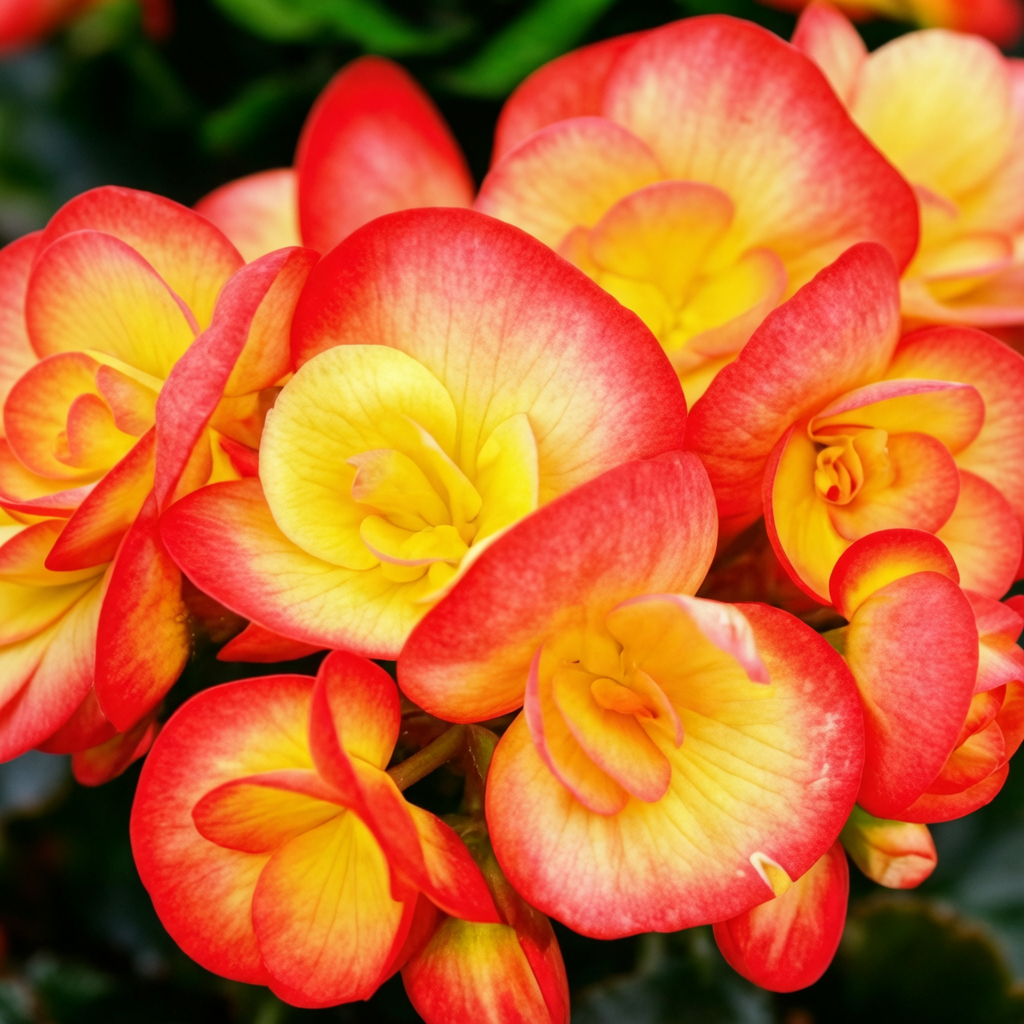
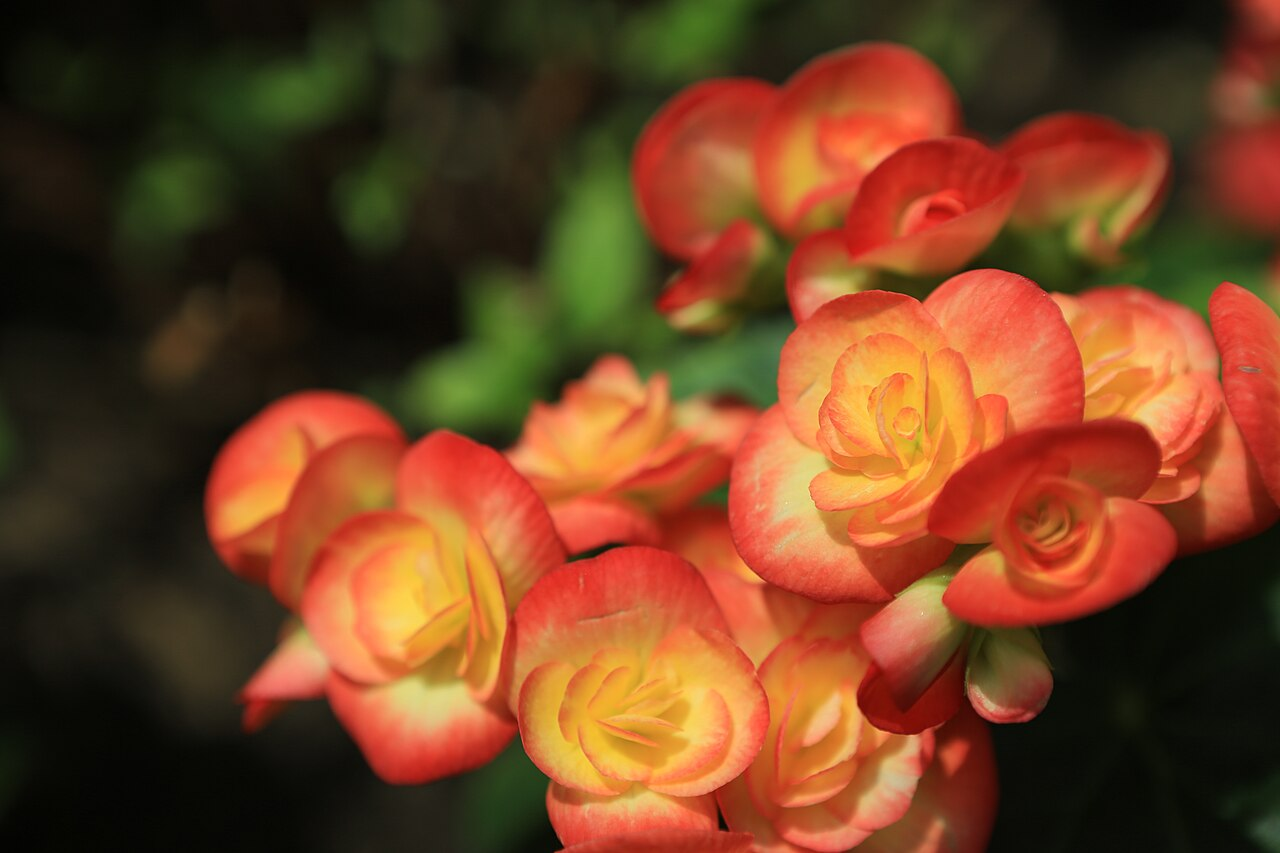
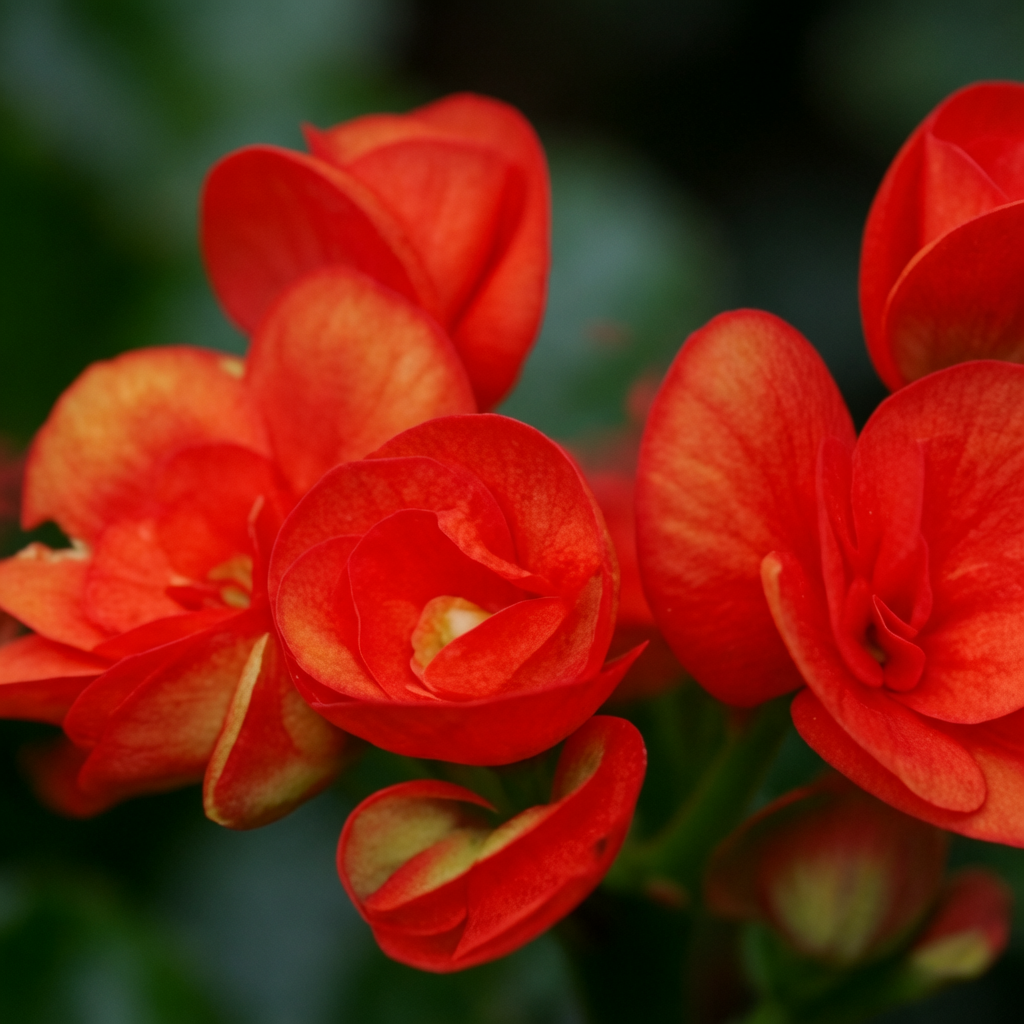
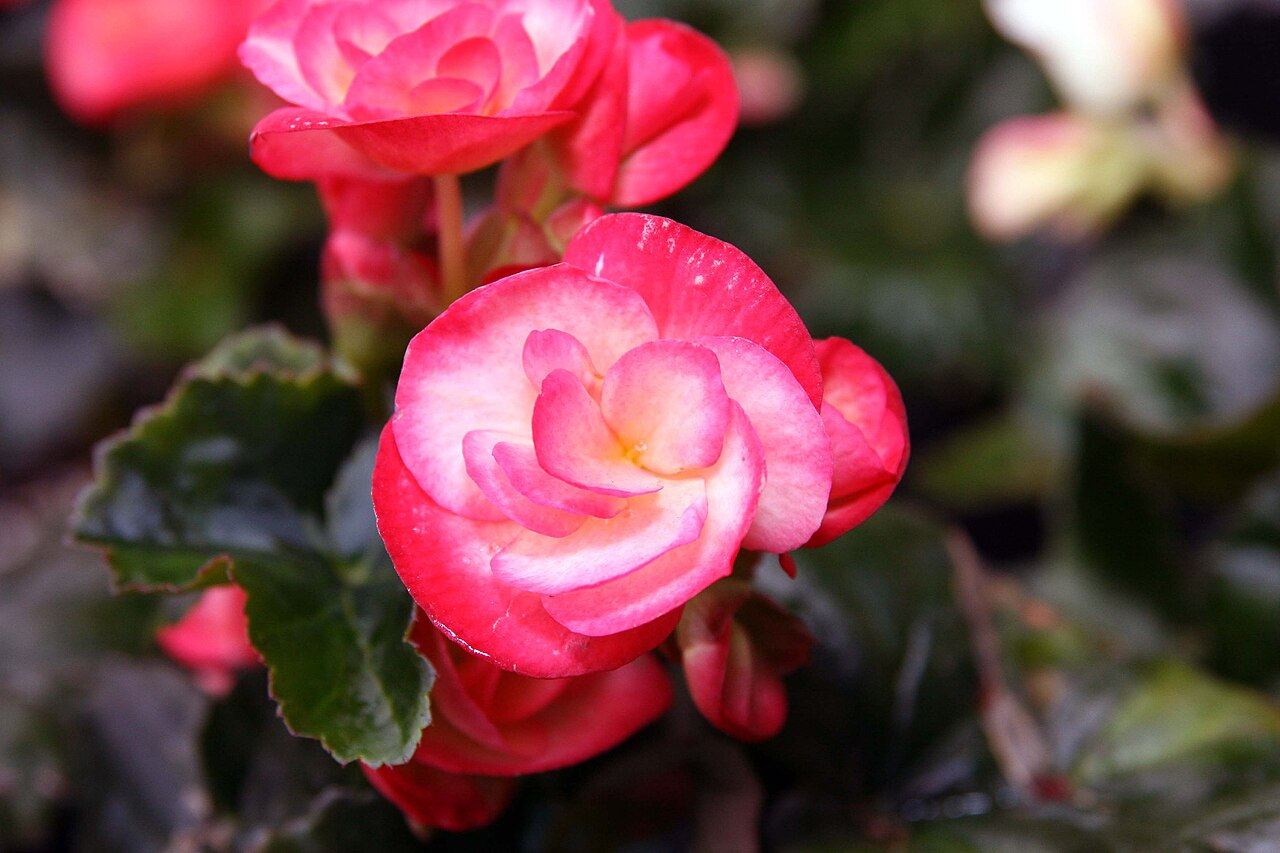
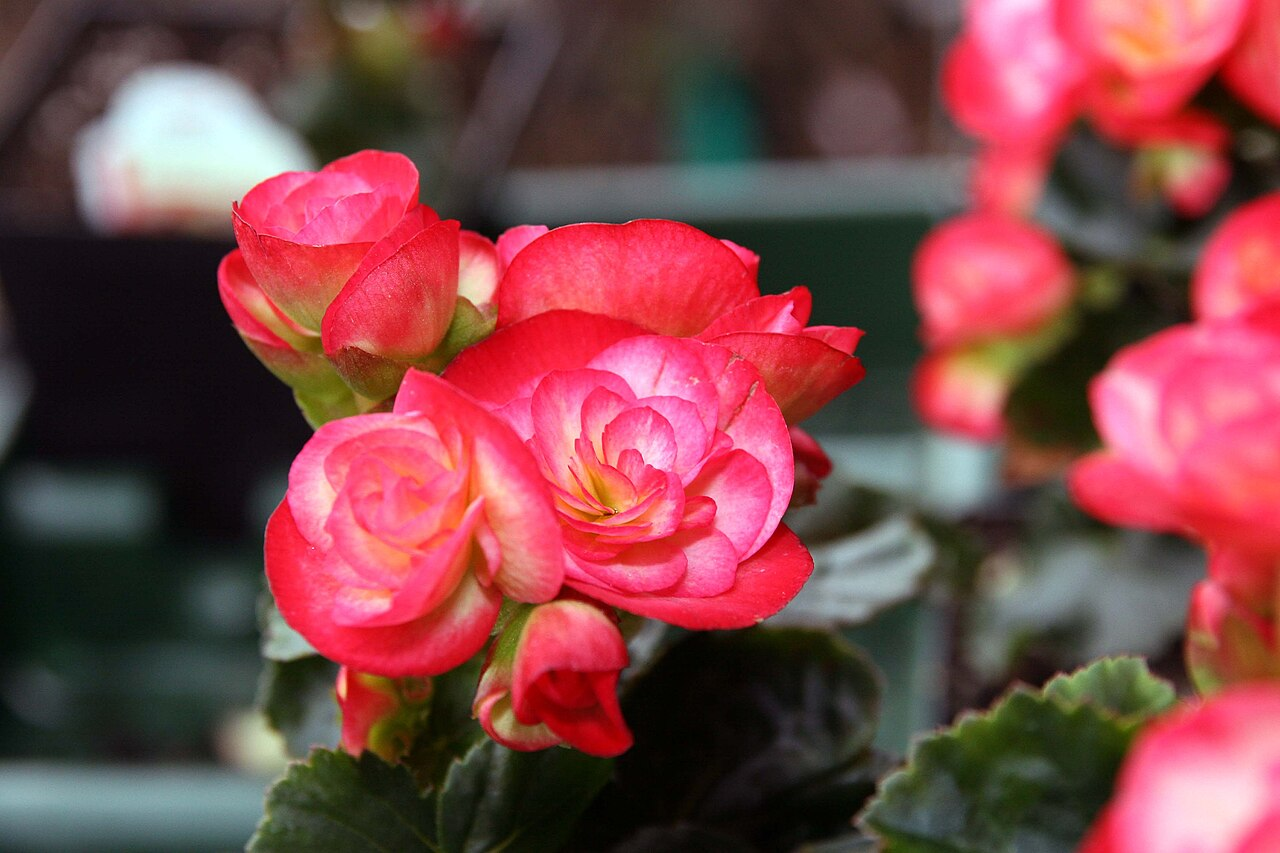
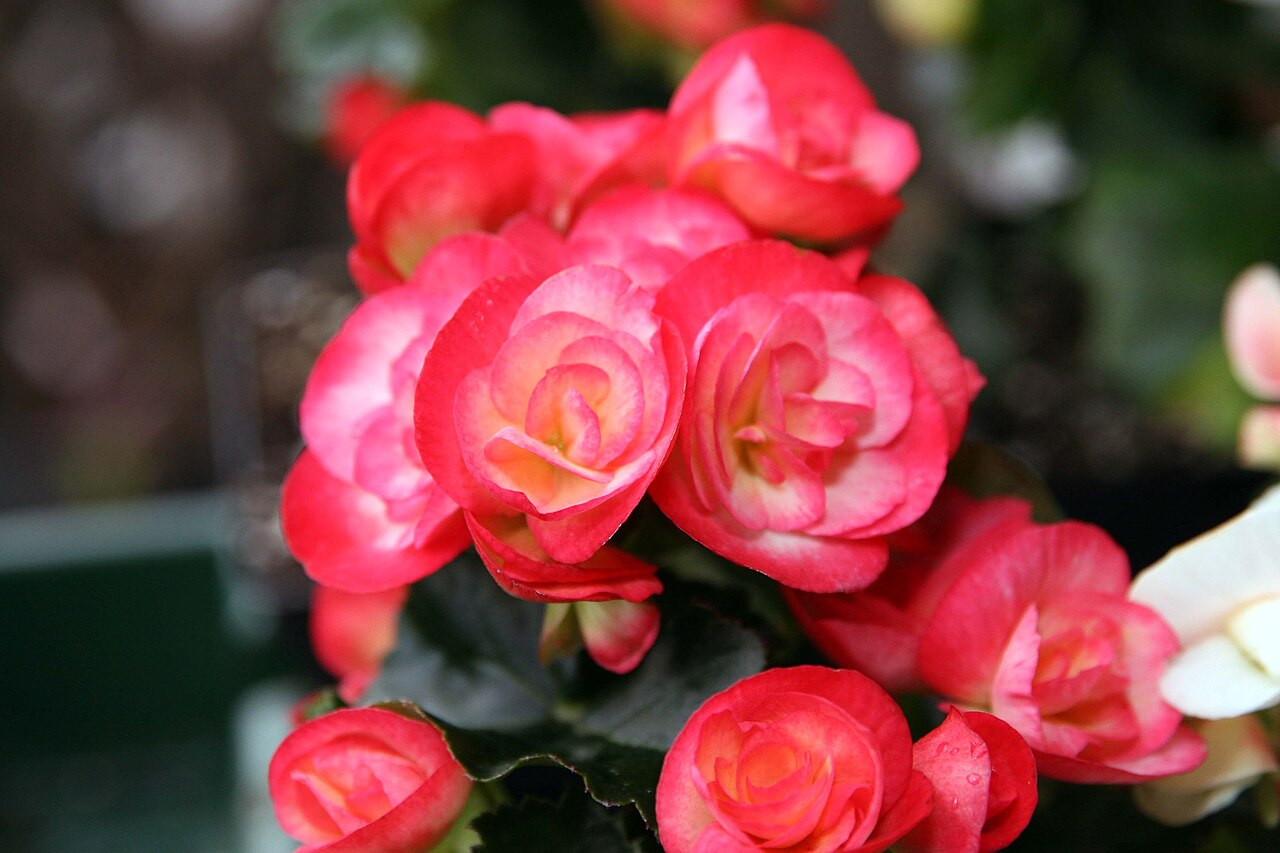
- Flower:Produces clustered, showy flowers—single to double depending on cultivar—in bright shades such as red, pink, orange, yellow, and white. Flowers can fade or drop if light is too low or the plant is stressed. Promptly removing spent blooms keeps the plant tidy and helps encourage continued flowering; after a main flush, a light trim supports fresh basal shoots for future blooms.
- Flowering Season:Winter through spring (often late autumn to early spring indoors)
- Growth Habit:Tender, compact, upright-to-mounding begonia with a fibrous root system (not tuberous). Many cultivars stay neatly upright, while some are well-suited to trailing/hanging displays. After flowering, continued performance depends on new basal shoots, so post-bloom care matters.
🌤️ Environment
Sunlight
Bright, filtered/indirect light or light partial shade. An east-facing window is ideal; a bright south-facing window works well with a sheer curtain. Avoid harsh midday sun. Too little light leads to leggy growth and fewer, duller blooms.
Temperature
Best at 15–20°C (59–68°F). Keep above 10°C (50°F) and ideally above 12°C (54°F) indoors in winter to prevent yellowing and leaf drop; around 16°C (61°F) or warmer (but not hot) often supports steadier blooming. Prolonged heat above 32°C (90°F) can cause wilting and bud drop.
Humidity
Prefers moderate humidity and evenly moist conditions, and dislikes very dry indoor air. At the same time, avoid persistently humid, stagnant air—gentle ventilation helps prevent fungal problems.
Soil
Rich but airy, well-drained, slightly acidic potting mix. A common recipe is a peat/leaf-mold or compost-based mix amended with coarse sand or perlite for drainage and oxygen around the roots. Good drainage is essential to prevent rot.
Placement
Indoors on a bright windowsill, tabletop/desk near strong natural light, or in a hanging basket. Outdoors only in mild weather in a sheltered balcony/patio spot with bright shade and good airflow; avoid cold drafts, dim corners, and overheated rooms.
Hardiness
Frost tender; not frost hardy. Suitable outdoors only in frost-free climates (approximately USDA Zone 10–11). Protect from temperatures below 10°C (50°F).
🪴 Care Guide
Difficulty
Moderate. It’s happiest with bright indirect light, stable cool-warm temperatures, consistent moisture, and good airflow. It’s sensitive to drought, cold, waterlogging, and heat spikes.
Buying Guide
Choose a plant with a full, balanced, compact shape and deep-green foliage. Look for lots of buds with a few flowers already open (a good sign it will keep flowering at home). For hanging baskets, pick plants that fill the pot evenly, with stems distributed around the rim and many buds showing color.
Watering
Water thoroughly, then let the top of the mix dry slightly before watering again—aim for evenly moist, never soggy. Avoid leaving water in the saucer, which can lead to stem/root rot and pale, unhappy foliage. As a practical guide: newly purchased plants often need watering about once per week at first; during active growth, about 2–3 times per week; during winter flowering, often about twice per week—always adjust to your home’s light, temperature, and pot size. Inconsistent watering or very dry air commonly causes brown leaf tips and bud drop.
Fertilization
Feed every 2 weeks during active growth with a balanced liquid fertilizer (or a gentle organic feed). When buds form, give 1–2 applications of a higher phosphorus/potassium bloom feed (for example, a bloom formula like 15-15-30). Pause feeding during very hot summer periods when the plant is stressed.
Pruning
Deadhead (remove spent blooms) promptly. After a main flowering flush, lightly cut back older flowering stems to encourage fresh basal shoots; a practical approach is to leave about 4–5 nodes per flowering stem. Pinching tips about 2 weeks after potting encourages branching; pinched shoots can be rooted as cuttings.
Propagation
Common methods are seed and cuttings. Seed: sow indoors from autumn through spring; seeds are dust-fine and should be surface-sown (do not cover). Germinate at about 16–18°C (61–64°F); seedlings often appear in 1–2 weeks, and flowering can take roughly 5–6 months from sowing. Cuttings: root healthy, non-flowering tip/stem cuttings (and sometimes leaf-with-petiole cuttings) in a free-draining medium in bright shade with gentle humidity and warmth; rooting often occurs in about 3 weeks under good conditions.
Repotting
Repot after flowering or when roots fill the pot, using fresh, well-draining mix. Avoid oversized pots (they stay wet too long). Hanging baskets commonly use a 15–18 cm (5.9–7.1 in) pot.
📅 Seasonal Care Calendar
Spring–early summer (active growth): keep in bright filtered light, water consistently (often 2–3 times weekly), and fertilize every 2 weeks. Bud/flower season: keep temperatures comfortably cool-warm (often around 16°C+ / 61°F+ indoors), avoid drafts, and use 1–2 bloom-boost feeds; deadhead regularly. Hot summer spells: protect from heat (above 32°C / 90°F is stressful), improve airflow, keep evenly moist, and stop fertilizing if the plant is struggling. Winter: keep above 10°C (50°F) and preferably above 12°C (54°F); provide the brightest indirect light you can for stronger blooms and less legginess.
🔬 Pests, Diseases & Safety
Common Pests & Diseases
Common diseases include powdery mildew, leaf spot, and Botrytis (gray mold), especially where air is still and humidity lingers on foliage. Improve airflow, avoid splashing/wetting leaves late in the day, remove spent flowers and affected parts promptly, and avoid overfeeding with nitrogen. Pests can include spider mites and aphids; treat early with insecticidal soap or horticultural oil and repeat as needed.
Toxicity
Begonias are generally considered toxic if eaten, and can cause mouth irritation and gastrointestinal upset in people and pets. Keep out of reach of children and pets; ingestion risk is often higher with underground parts in some begonias.
🎋 Culture & Symbolism
Symbolism:Often linked with gentle affection and tenderness, and widely given as a bright, cheerful winter holiday/New Year gift plant because it flowers when the days are short.
History & Legends:Rieger begonia is a horticultural hybrid group bred for compact growth and heavy flowering—created by people rather than discovered in the wild.
Uses:Ornamental: indoor pots, windowsills, desktops, and hanging baskets; also used for sheltered patios/balconies in mild seasons for long-lasting cool-season color.
❓ FAQ
How do I choose a good Rieger begonia, and what should I do right after bringing it home?
Pick a compact plant with deep-green leaves and lots of buds (with a few flowers already open). Place it in bright, indirect light, keep it above 12°C (54°F), and water lightly at first—often about once a week until you see how fast your home dries the pot. Avoid harsh sun and cold drafts.
My Rieger begonia bloomed, then the leaves turned yellow and the plant slowly died. Why?
Unlike tuberous begonias, Rieger begonias are fibrous-rooted and don’t reliably “come back” from a big storage tuber. After flowering, they need deadheading and a light cutback to push fresh basal shoots. Without that (or if the plant is stressed by low light, heat, overwatering, or drought), stems can weaken, leaves yellow, and the plant may decline.
💡 Fun Facts
- Rieger begonias are famous as cool-season indoor bloomers, which is why they’re often sold as winter gift plants.
- They’re bred hybrids selected for compact shape and heavy flowering, not wild-collected plants.
- Their seeds are extremely fine (often cited around 65,000 seeds per gram), so they’re surface-sown rather than covered.
- Many cultivars work both as neat tabletop plants and as cascading stars in hanging baskets.