🌱 Plant Features
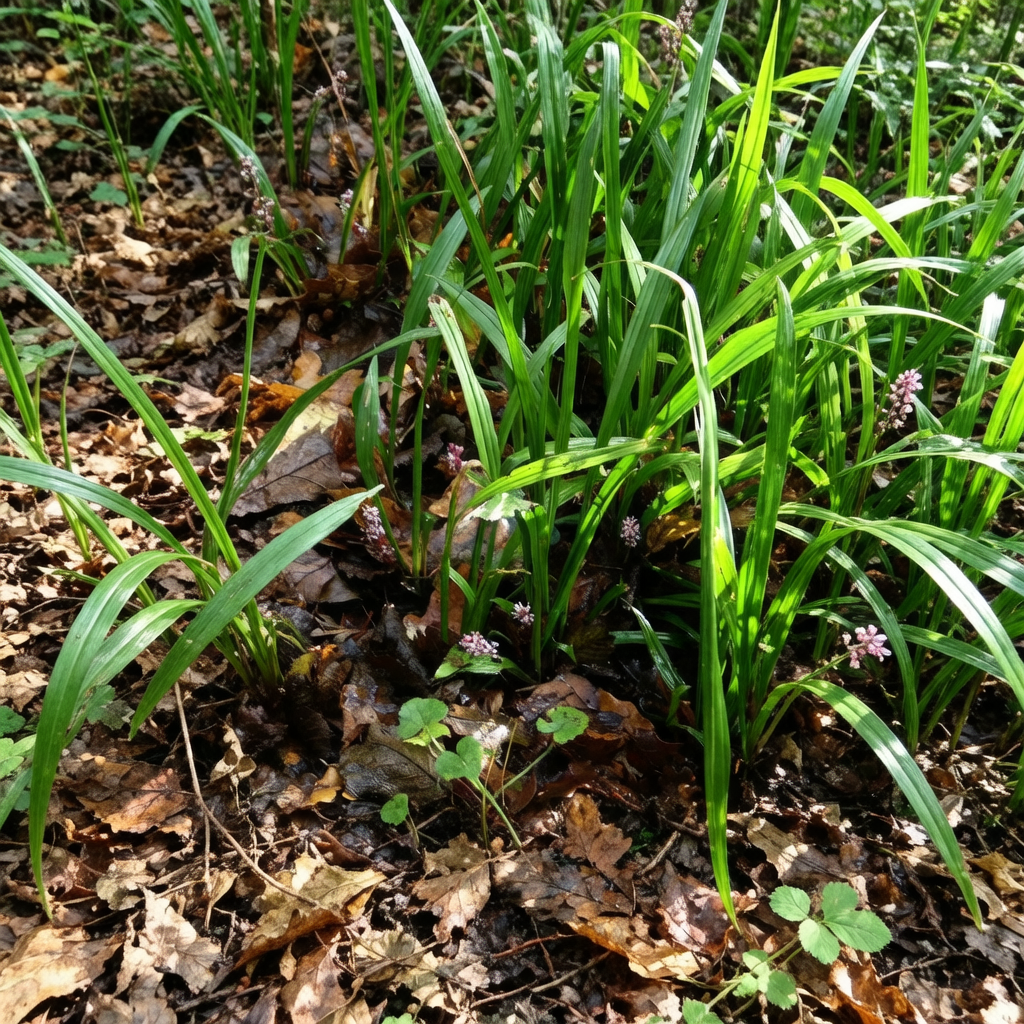
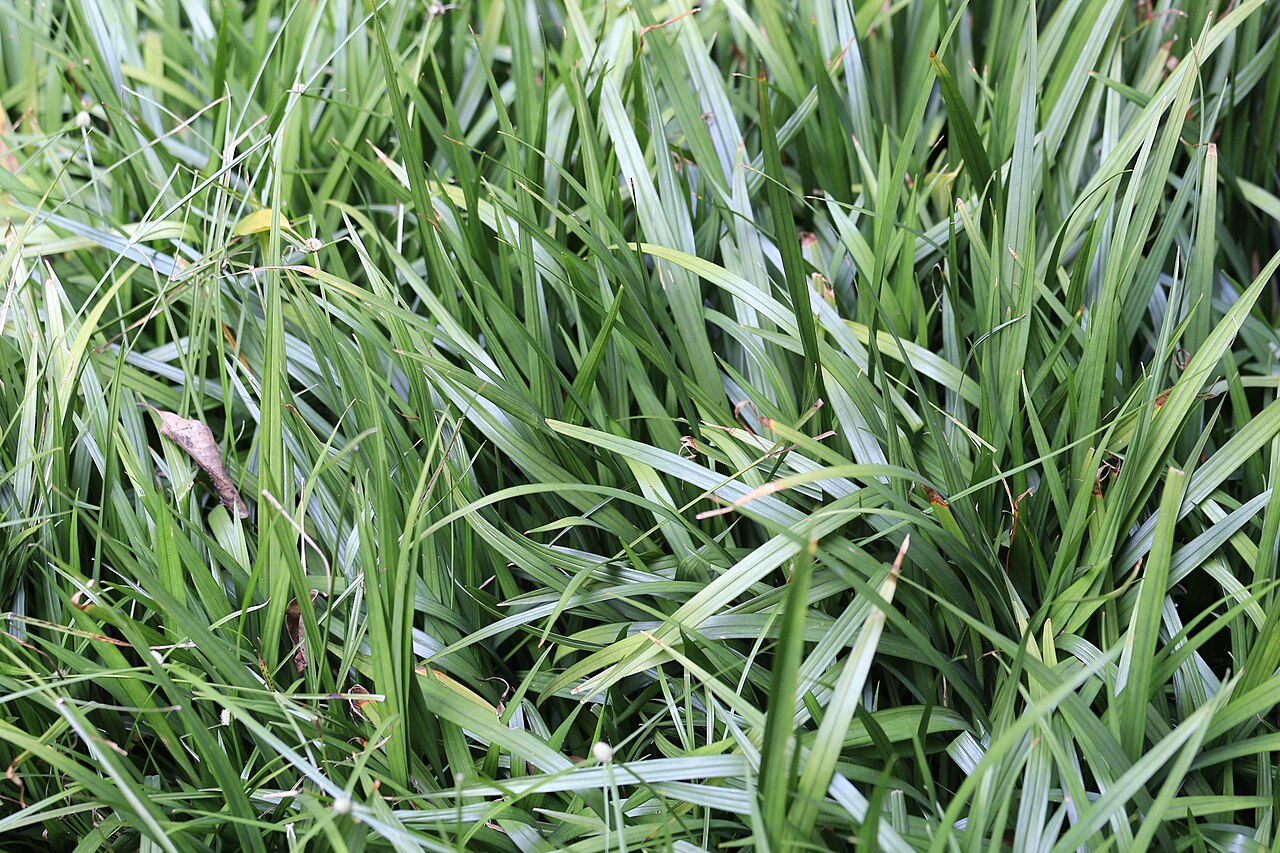
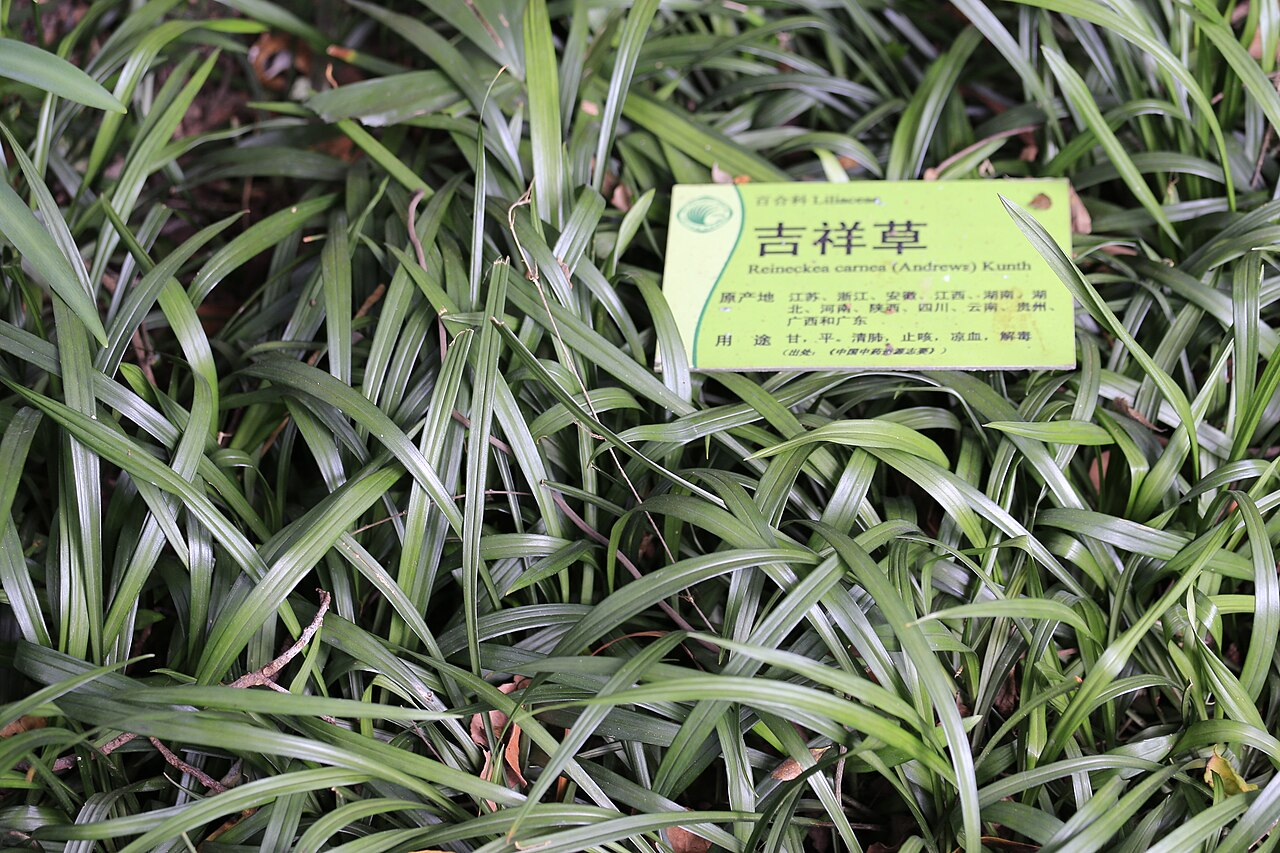
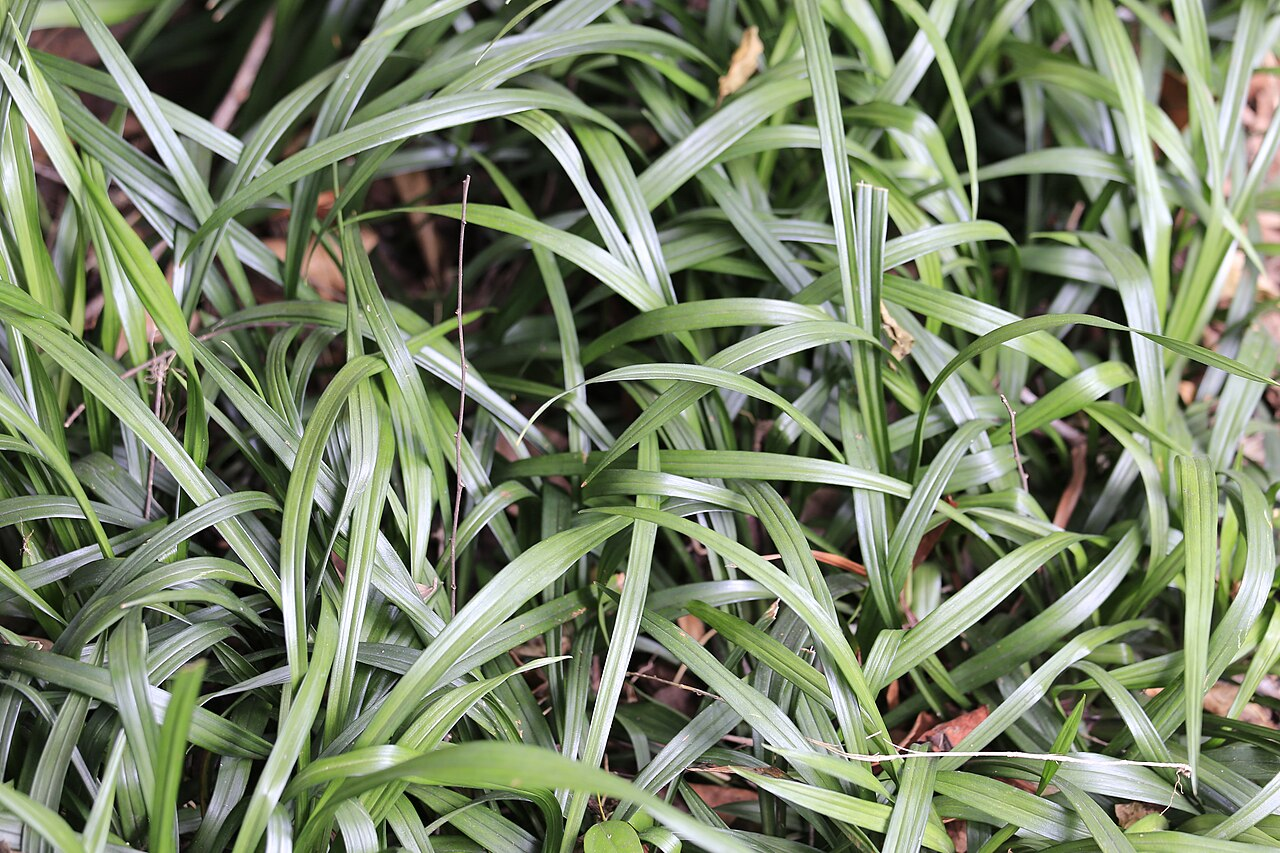
- Size:Typically about 15 cm (6 in) tall; slowly spreads via creeping rhizomes to form a dense mat over time.
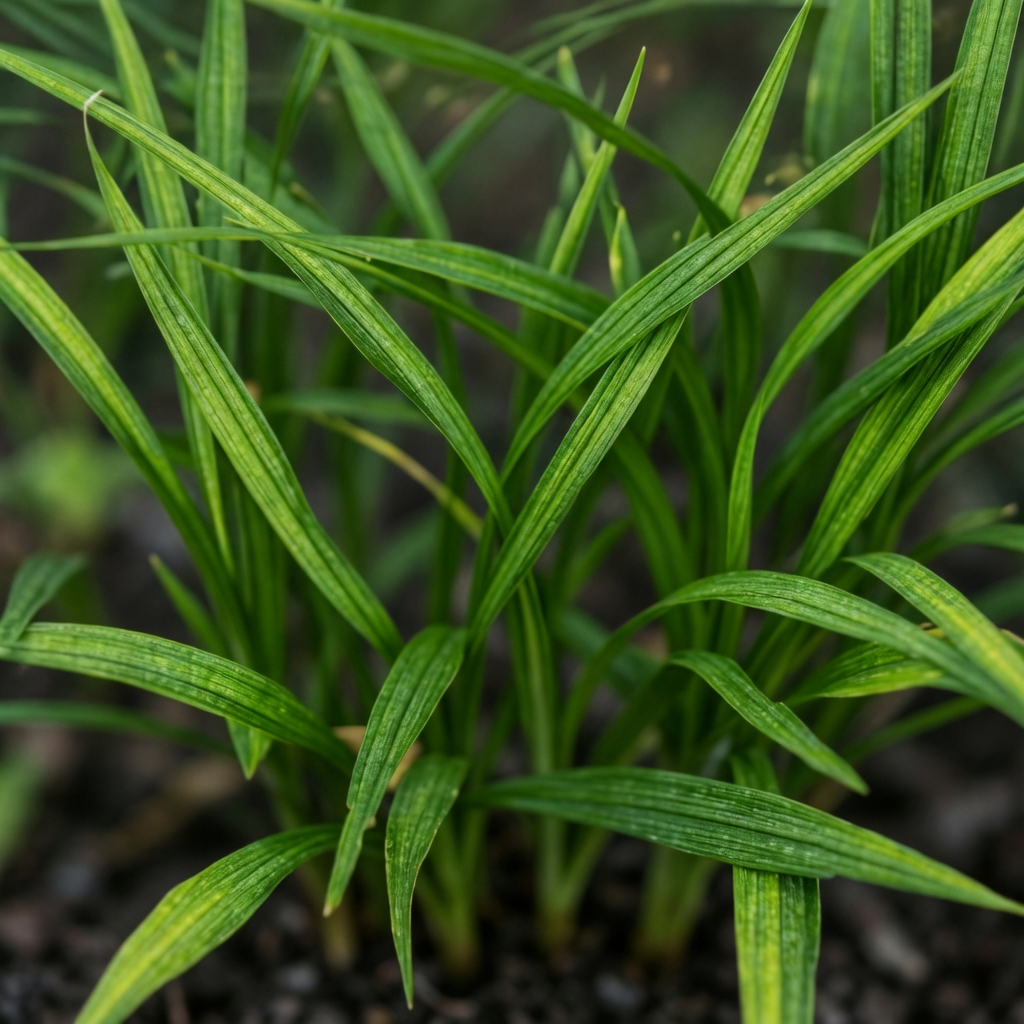
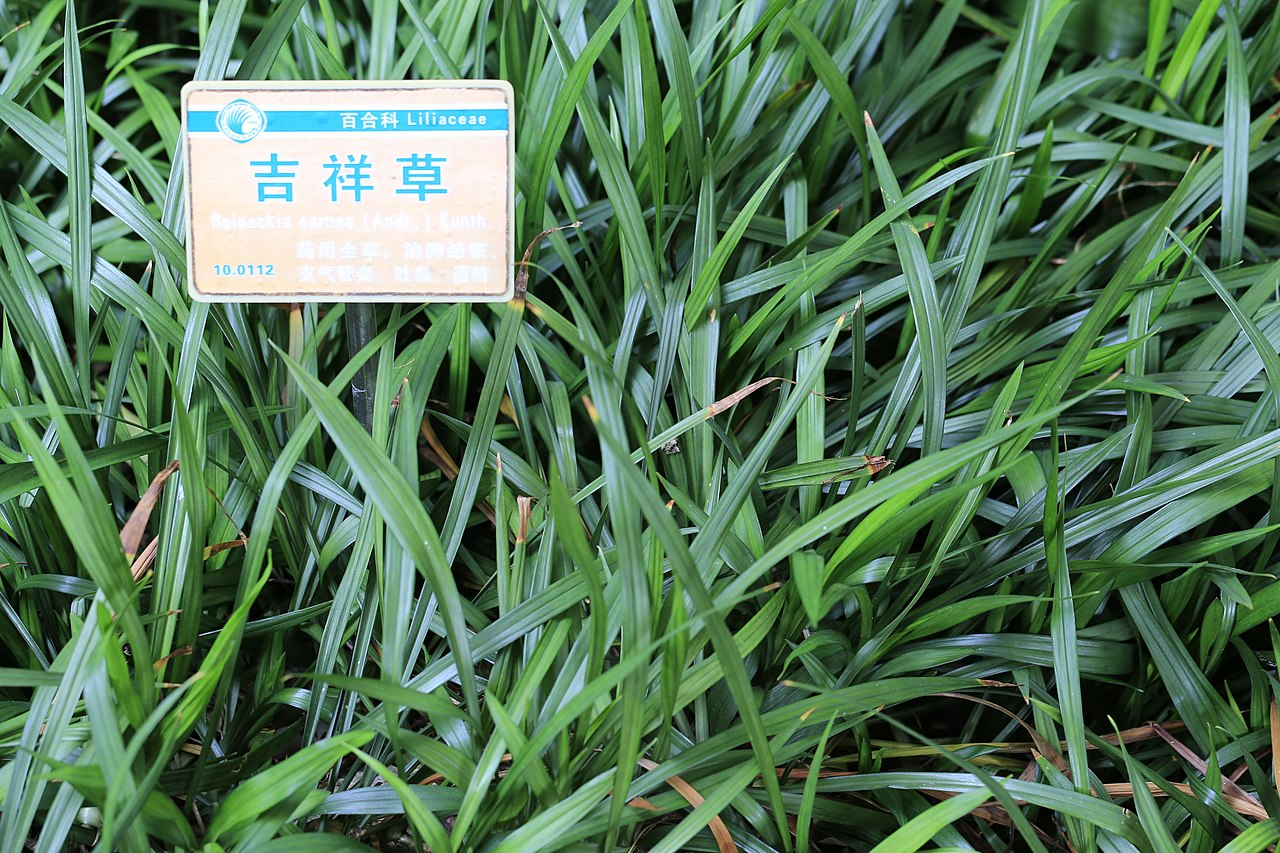
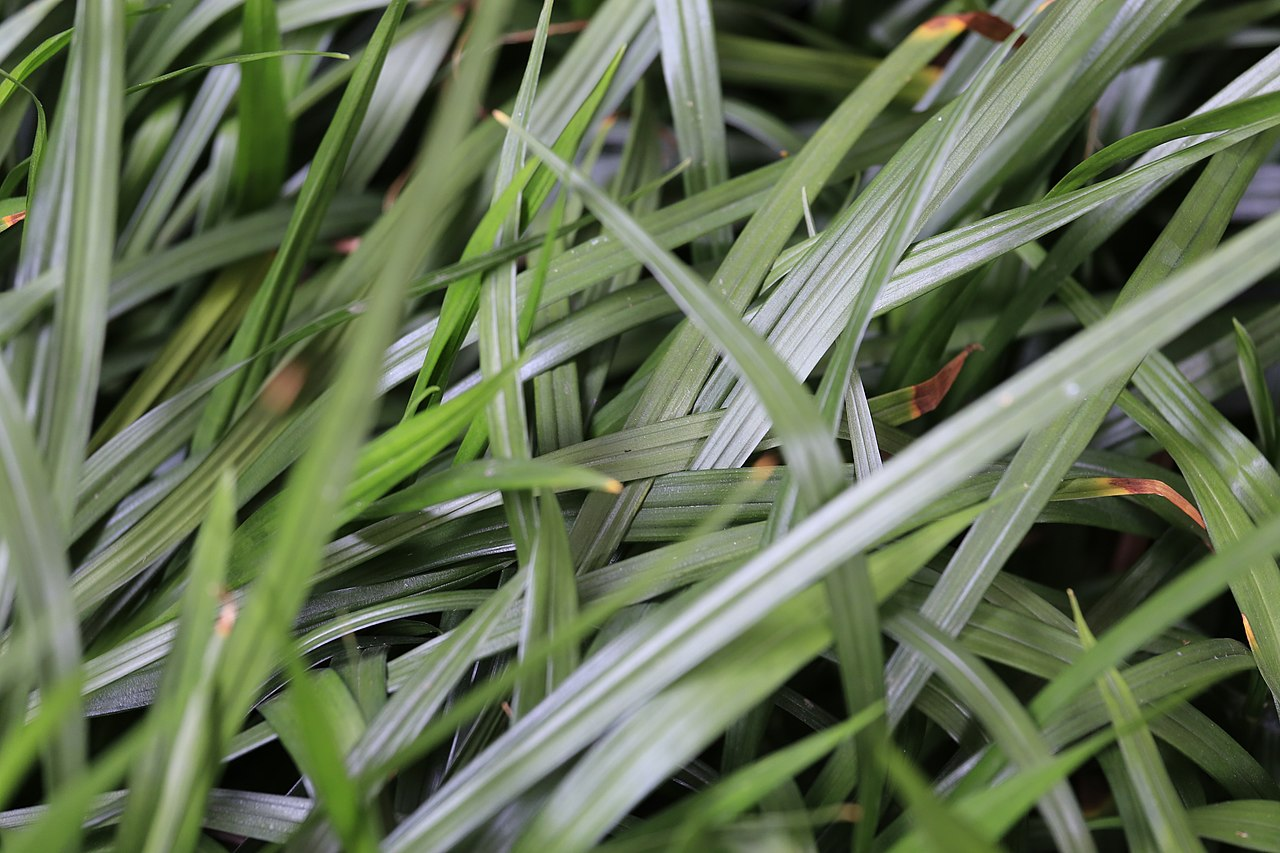
- Foliage:Leaves grow in clustered tufts; narrow, strap-like to lance-shaped, deep green, with a sheathing base that keeps the clump looking tidy and evergreen year-round.
- Flower:Short stalks emerge below or within the foliage, carrying a loose spike of small, stalkless, purplish-red, sweetly fragrant flowers. These may be followed by spherical, bright red berries that can persist on the plant for an extended period.
- Flowering Season:July–November
- Growth Habit:Evergreen, rhizomatous perennial; low and spreading with creeping underground stems, forming a shade-tolerant, clump-forming groundcover.
🌤️ Environment
Sunlight
Partial shade to full shade; avoid harsh direct midday sun (especially in summer).
Temperature
Prefers mild to warm conditions and tolerates cool weather. Best growth around 10–25°C (50–77°F). Protect from severe, prolonged freezes.
Humidity
Enjoys evenly moist, humid, woodland-like conditions; tolerates average humidity if the soil doesn’t dry out too much.
Soil
Loose, well-drained but moisture-retentive soil rich in organic matter (a woodland-style mix with compost/leaf mold works well). Avoid waterlogged conditions.
Placement
Ideal as an outdoor woodland/shade groundcover; also does well in containers in bright, indirect light (patios, shaded balconies, or indoors near an east/north window).
Hardiness
Commonly grown outdoors in USDA Zone 7–10 (approx.).
🪴 Care Guide
Difficulty
Easy to moderate—very forgiving in shade if kept evenly moist. The main pitfalls are prolonged drought or constantly soggy soil.
Buying Guide
Pick plants with firm, deep-green leaves and no soft/mushy rhizomes. In pots, avoid sour-smelling, constantly wet mix; look for healthy new shoots at the base.
Watering
Keep the soil consistently lightly moist during active growth. Water when the top 2–3 cm (about 1 in) starts to dry. Reduce watering in winter, but don’t let the clump dry out completely. Never leave the pot sitting in water.
Fertilization
Light feeder. Use a balanced fertilizer at half strength every 4–6 weeks in spring and summer, or top-dress with compost. Stop feeding in late autumn and winter.
Pruning
Remove yellowing or damaged leaves at the base. Cut off spent flower spikes if you don’t want berries; otherwise leave them for ornamental fruit display.
Propagation
Best by division in spring or early autumn. Split the clump/rhizomes into pieces with roots attached, replant at the same depth, and keep evenly moist until established.
Repotting
Repot every 2–3 years or when crowded. Use a pot with drainage and refresh the mix; dividing at repotting time is often the easiest way to rejuvenate the plant.
📅 Seasonal Care Calendar
July–November is the main flowering/fruiting window. Keep moisture steady through bloom and berry set. In winter, protect container plants from hard freezes and water sparingly but regularly.
🔬 Pests, Diseases & Safety
Common Pests & Diseases
Usually trouble-free. In overly wet soil it can develop rhizome/root rot. Outdoors, watch for slugs/snails; in containers, occasional scale or mealybugs may appear. Improve airflow, remove pests promptly, and avoid soggy media.
Toxicity
Toxicity is not clearly documented in many common references. As a sensible precaution, keep leaves and especially berries away from pets and small children and avoid ingestion.
🎋 Culture & Symbolism
Symbolism:Often linked with good fortune and longevity in gardening culture—its evergreen nature and long-lasting red berries give it a cheerful, “lucky” look.
Uses:Grown mainly as a shade-tolerant groundcover and ornamental container plant, valued for evergreen foliage, fragrant late-season flowers, and showy persistent red berries.
❓ FAQ
Why are the leaves turning yellow?
Most often it’s too much direct sun, uneven watering (especially drought), or roots/rhizomes staying too wet. Move it into shade/bright indirect light, water more evenly, and make sure the soil drains well.
Can it grow indoors?
Yes. Place it in bright, indirect light, keep the potting mix lightly moist, and avoid hot direct sun through glass.
💡 Fun Facts
- Those bright red berries can last on the plant long after flowering, giving months of color in shade.
- For such a small groundcover, its purplish-red flowers are surprisingly fragrant.